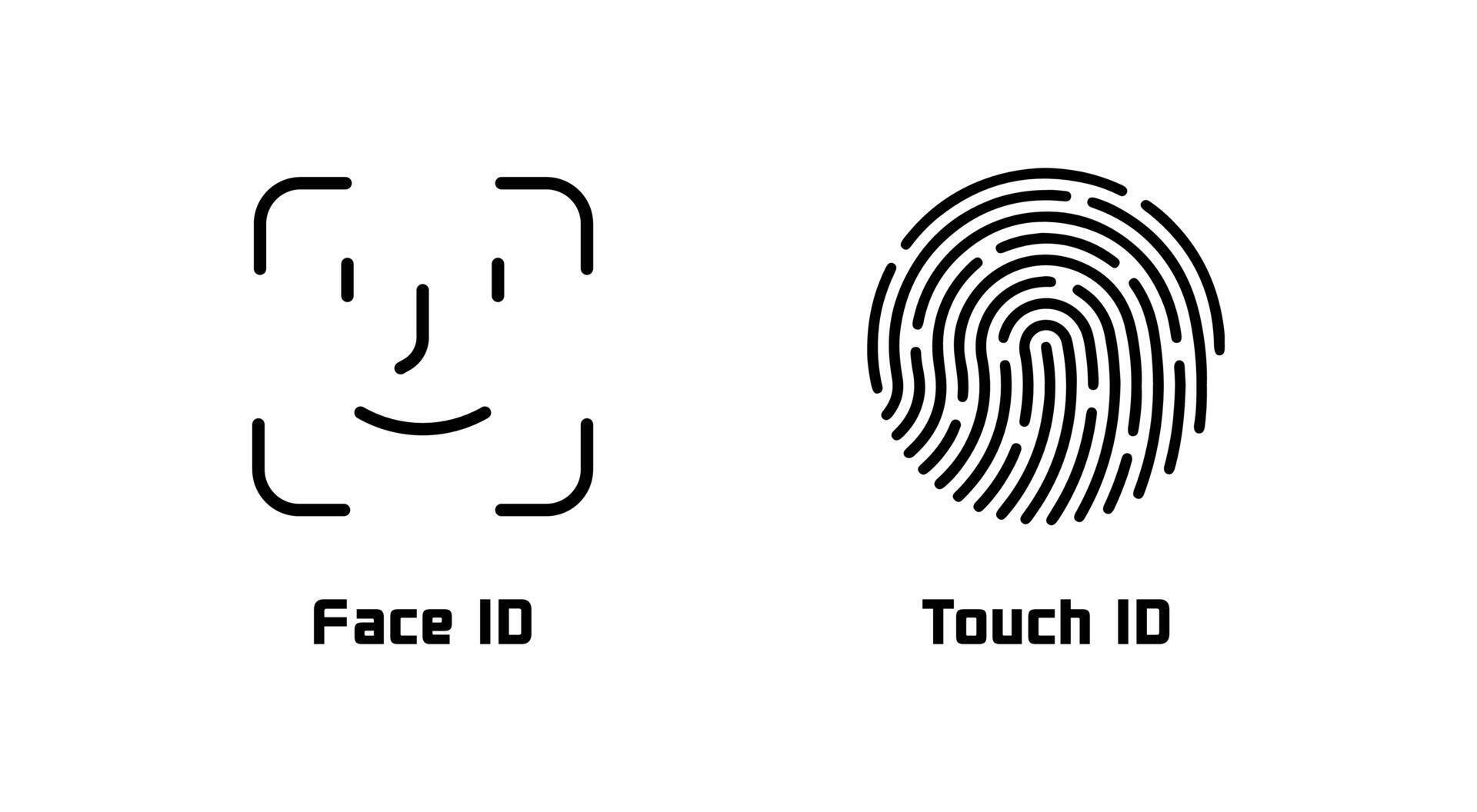
Reddit to Use Face ID & Touch ID for Verification; Privacy Backlash
The announcement that Reddit's CEO intends to verify some accounts using device biometrics — namely Face ID and Touch ID — as a tool to reduce bots and automation has landed like a thunderclap across the platform and beyond. On one hand, executives frame the shift as a pragmatic step to restore trust in conversations and cut down on coordinated abuse. On the other, critics see a tech giant edging into the most sensitive territory of personal data, raising alarm about surveillance, exclusion, and the long-term implications for an open internet.

Reddit CEO announced biometric verification
"Verification should protect community trust, not erode user privacy or exclude vulnerable people."
Why Reddit says biometrics are needed
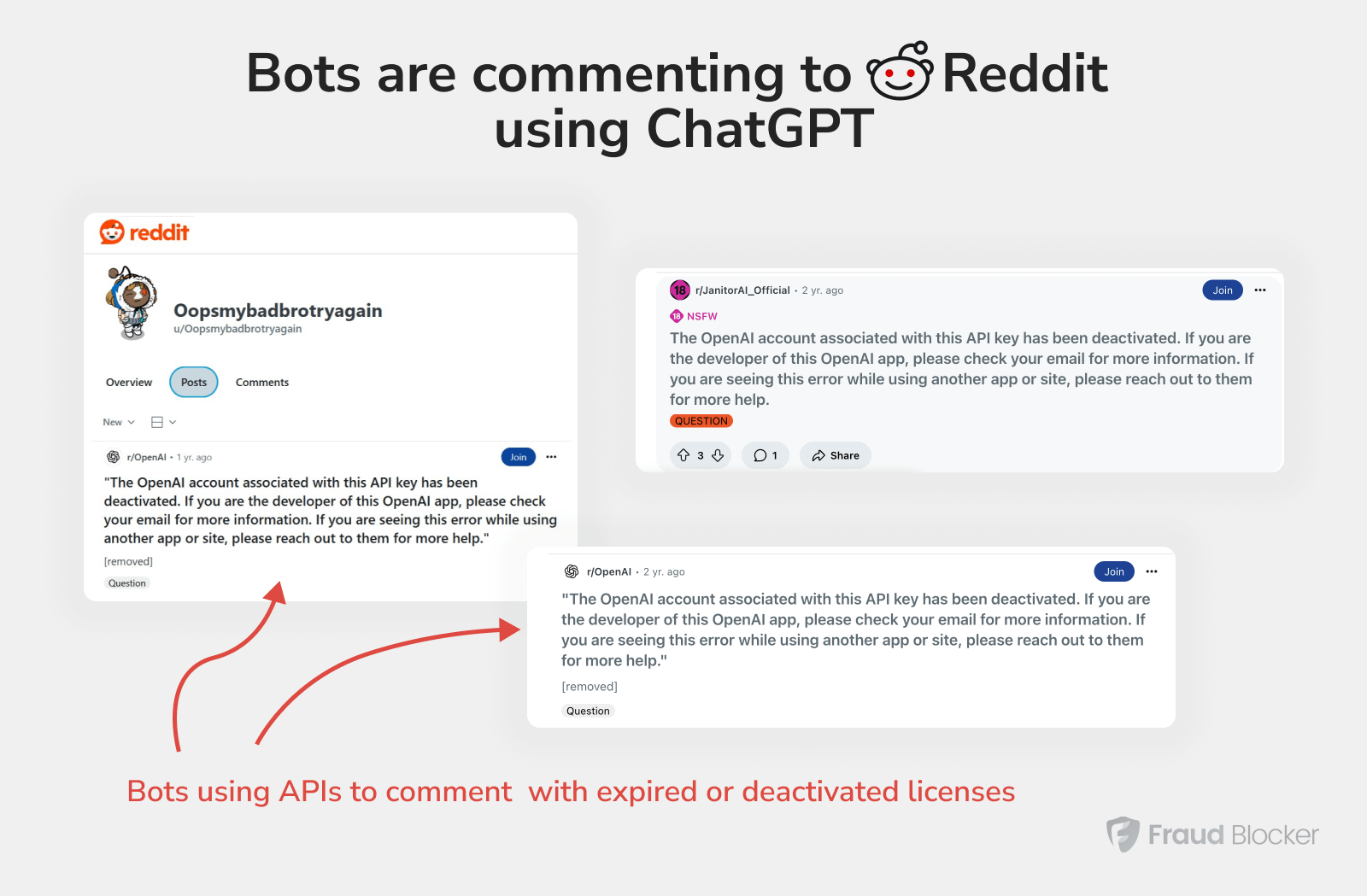
For years Reddit's growth has been accompanied by a familiar scourge: automated accounts, coordinated manipulation, spam, and malicious bots that distort conversations and amplify harmful content. Platform leaders argue that traditional defenses — IP rate-limiting, CAPTCHA, email and phone verification, behavioral detection — are necessary but insufficient. Biometric verification, they say, can create a higher-confidence signal that ties an account to a unique human presence without necessarily revealing identity details publicly.
Reddit bots spam abuse prevention
The problem bots create
Bot-driven manipulation can do several things at once: inflate apparent community support for ideas, flood moderators with spam, game voting systems, and facilitate targeted harassment. For communities where anonymity is prized, the presence of sophisticated bots undermines trust. Reddit's executives frame a biometric verification layer as one way to let the platform distinguish between likely genuine human participants and automated or duplicate accounts at scale.
How device biometrics actually work — and what they don't share
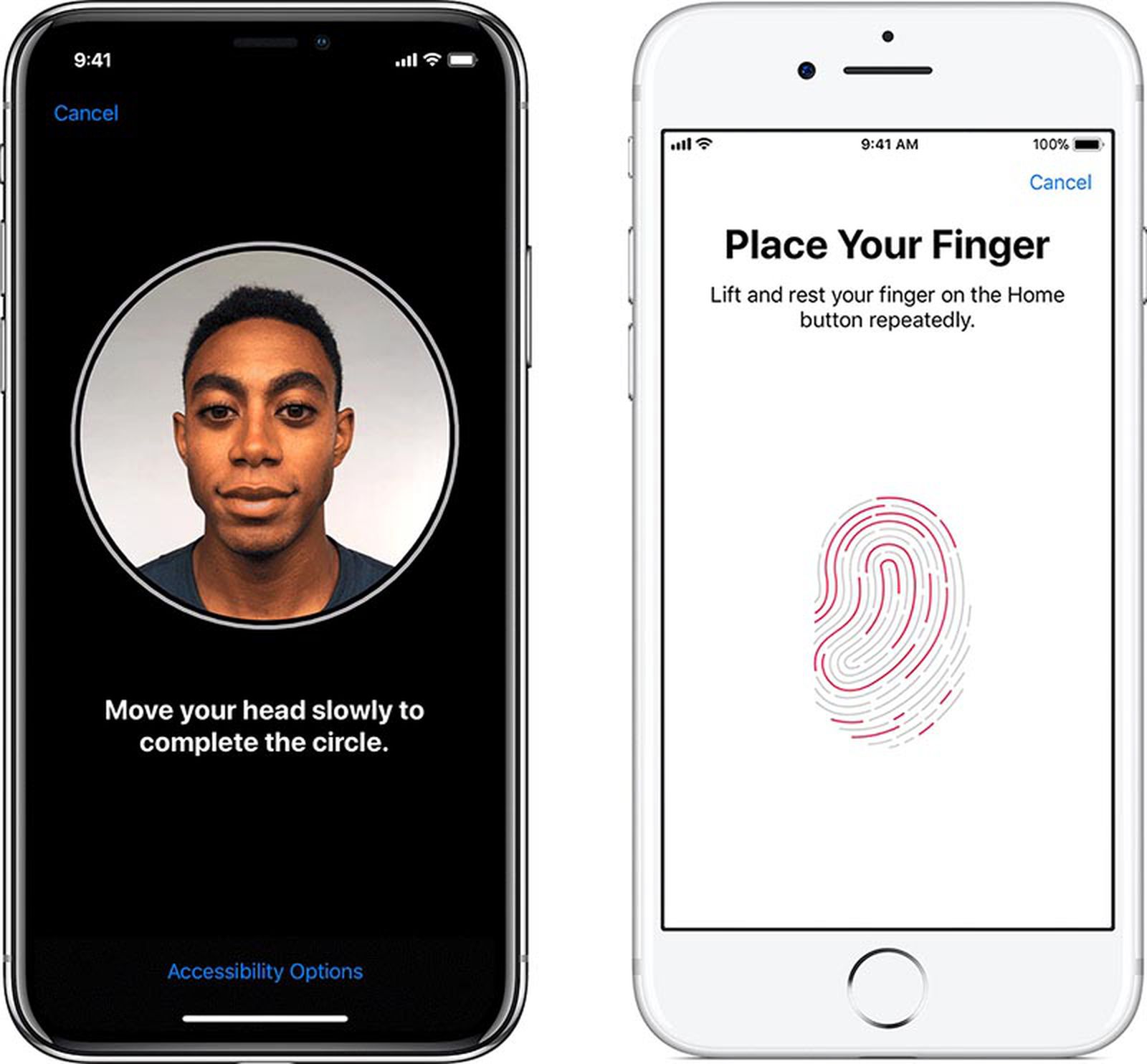
Biometric systems like Apple's Face ID and Touch ID are designed with device-level protections: they store a mathematical representation of a fingerprint or face on the user's device and never transmit the raw image to external servers. When authentication is requested, the device compares the live scan to the stored template and returns a simple yes/no response to the app. That architecture is central to many vendors' privacy argument: the platform never receives or stores the biometric itself.
Face ID Touch ID on smartphones
Device biometric secure enclave technology
Authentication vs. identification
It's critical to distinguish between authentication (proving you are the same person who registered a device) and identification (linking that authentication to a real-world identity). Device biometrics as described by proponents perform authentication: they confirm a device's owner unlocked a device. They do not necessarily reveal a legal name or government ID. However, the implementation details — whether the platform stores a unique device token, how that token is linked to accounts, and what metadata is retained — will determine the real privacy risk.
Why users are worried
Despite technical safeguards, the promise that "we don't store biometric data" is met with skepticism. Many users feel uncomfortable with platforms having any sort of biometric-linked verification, even if it is mediated by the device. The backlash centers on several intertwined concerns.
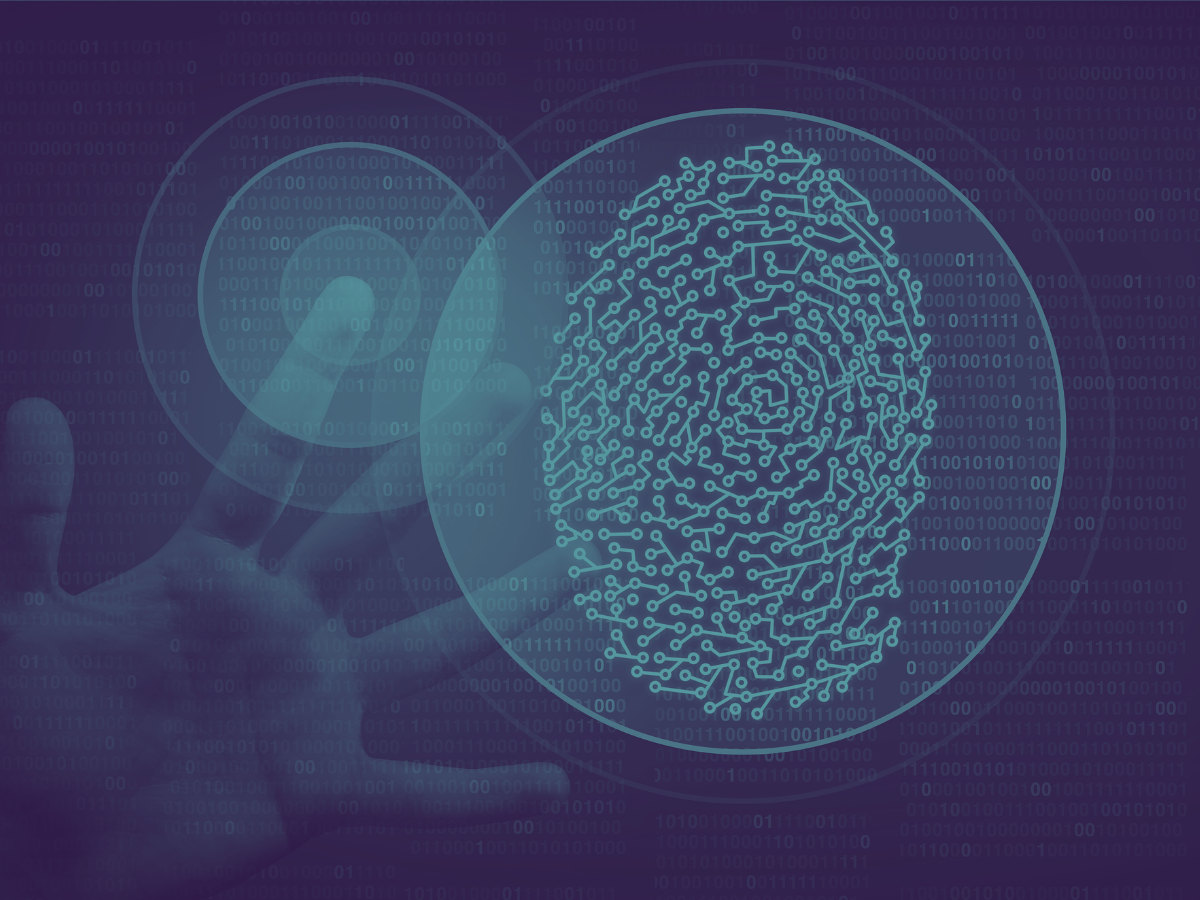
Privacy backlash Reddit biometrics
Surveillance and mission creep
Privacy critics fear mission creep: a company that starts with a narrow safety use case could later expand biometric checks into advertising, targeted moderation, or legal requests. Even if biometric templates remain on devices, unique device tokens or account links could enable tracking across subreddits, advertising ecosystems, or law enforcement queries if policies change.
Exclusion and accessibility
Biometric verification risks excluding users who cannot use Face ID or Touch ID reliably: people with certain disabilities, older devices, or those using privacy-focused or older operating systems. Rural or low-income users with older phones may be pushed into secondary, less-privileged experiences. Advocacy groups warn that a verification-first approach must preserve privacy-preserving alternatives.
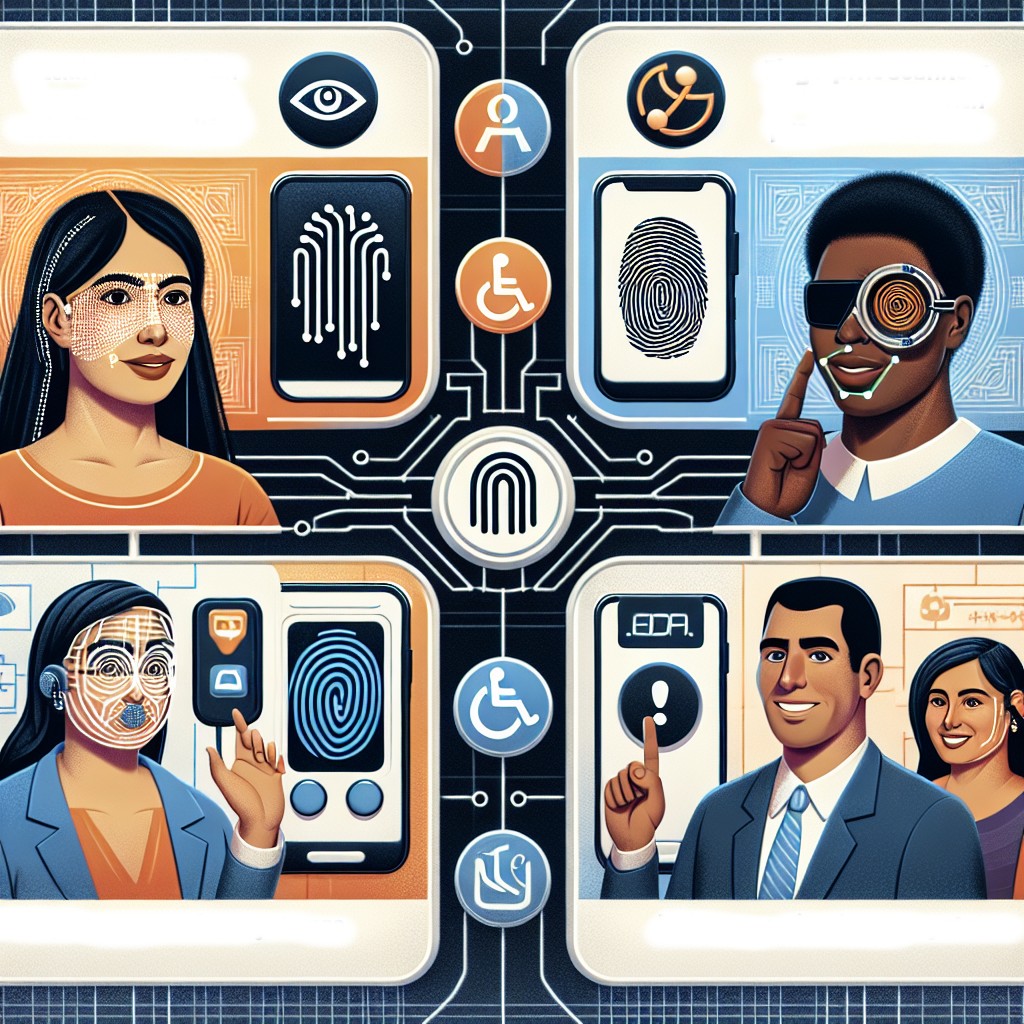
Accessibility exclusion concerns biometric verification
Coercion and threat models
In regions with authoritarian governments or in situations involving abusive relationships, even the indirect inference that a device is tied to a particular person can be dangerous. Critics ask: who can legally compel platforms to reveal verification-linked information? Will verified accounts be more attractive targets for subpoenas or surveillance?
Technical designs: safe, risky, and in-between
Not all biometric verification schemes are equal. Design choices determine whether the system enhances privacy or weakens it.
Privacy-first designs
A privacy-first implementation would rely on on-device verification, returning a one-time cryptographic attestation to Reddit that does not include biometric templates or detailed metadata. Attestations can be purpose-limited and short-lived, confirming "this device has a verified human" without revealing which human or any persistent identifier. Properly done, these attestations reduce the risk of cross-service tracking and keep biometric material off company servers.
Riskier choices
If Reddit chooses to collect or cache device signatures, link multiple accounts to a single verification token, or log geographic or timing metadata, the privacy calculus shifts. Stored tokens can be subpoenaed, leaked, or repurposed for behavioral profiling. Even metadata like timestamps or device model can be deanonymizing in aggregate.
Implementation challenges
Beyond privacy, there are several practical hurdles. Biometric sensors differ across devices and platforms: accuracy, false rejection rates, and how they handle children or people with atypical biometrics vary. Handling false negatives (legitimate users who cannot unlock) while preventing abuse is difficult. Reddit will need robust appeals and support flows to avoid locking users out of their communities.
Legal and regulatory terrain
Biometric data is a sensitive category in many privacy laws. Even if Reddit claims it does not collect raw biometrics, regulators may treat attestations and linked tokens as personal data. In places like the European Union, the General Data Protection Regulation (GDPR) imposes strict constraints on processing special categories of data. In the U.S., several states have biometric privacy laws with consent and data security requirements. Any global rollout would require careful legal mapping.
Liability and enforcement
Legal exposure is not just about data collection: it's also about misuse. If verification is used in ways that discriminate, exclude, or facilitate surveillance, regulators and civil society will push back. Platforms that introduce new identity signals may find themselves subject to new obligations to prevent abuse and protect vulnerable users.
User reaction: from resignation to revolt
Across social channels, reactions are mixed and strident. Some users cheer potential gains in reduced spam and clearer moderation signals. Others see the move as an unnecessary step toward platform control and pervasive identity verification. Moderators — who also rely on—or resist—tools that affect community dynamics — are vocal. Many demand guarantees: opt-in defaults, transparent technical documentation, independent audits, and fail-safes for excluded populations.
Reddit community reaction verification
Alternatives and complementary approaches
Biometric verification is not the only tool to fight bots. A multi-pronged approach often yields better outcomes while reducing risk.
- Stronger behavioral analysis: Machine learning models that detect bot-like patterns without requiring user-provided secrets.
- Reputation systems: Lightweight reputation that rewards consistent, positive participation without exposing identity.
- Hardware attestation without biometrics: Device-based cryptographic attestations that confirm a device's integrity but avoid tying to a biometric.
- Progressive friction: Escalating verification only when suspicious signals appear rather than blanket requirements.
What a responsible rollout would look like
A cautious path forward includes several guardrails: opt-in deployments, a choice of alternatives, independent privacy audits, minimal data retention, and transparent public reporting. A user-centric appeals and support system is essential to handle false rejections promptly.
"A verification layer can help, but it must be designed to protect the most vulnerable users first."
Accessibility, equity, and the digital divide
Technology choices that favor the latest devices risk widening the digital divide. Reddit must consider legacy devices, non-smartphone users, and communities for whom anonymity is a safety tool. Verification models that provide equivalent or better experiences for those who cannot use biometrics will be necessary to avoid systemic exclusion.
Young users and guardianship
Any system that validates a device's human operator must contend with minors. Platforms must balance preventing abuse with not collecting excessive personal data about children. Age-appropriate safeguards and parental controls are part of the conversation.
What this means for moderation and community life
Stronger account signals could simplify moderation: fewer sock-puppet networks, clearer account histories, and easier enforcement of community rules. But they could also chill speech if users feel their anonymity is compromised or if verification status becomes a proxy for reputation and access. Communities that prize anonymity — for health, political dissent, or sensitive support — may react by moving off-platform or demanding privacy-preserving exceptions.
- Better bot mitigation leading to more genuine discussion.
- Clearer evidence for moderation of coordinated abuse.
- Potential reduction in spam and vote manipulation.
- Privacy risk from tokenization and metadata.
- Exclusion of users without compatible devices.
- Chilling effect on sensitive speech and vulnerable users.
How to evaluate Reddit's promises
Reddit's leadership can make concrete moves to build confidence. Users and watchdogs should look for:
- Clear technical documentation of attestation protocols and what data, if any, is transmitted.
- Independent third-party audits that confirm on-device biometric handling and attestation behavior.
- Opt-in default and non-discriminatory alternatives for users who cannot or will not use biometrics.
- Data minimization and retention limits that are legally enforceable.
- Transparency reports that disclose verification usage statistics and any government requests for verification data.
The broader debate: identity versus anonymity on the internet
The controversy around Reddit's announcement is a microcosm of a larger debate: how to square real-world identity and accountability with the internet's historical promise of pseudonymity. Platforms must balance enabling healthy, trustworthy spaces while preserving the ability for people to speak and organize anonymously when necessary. There is no one-size-fits-all answer; context matters.
Trade-offs to consider
Accepting identity-anchored verification improves accountability but risks chilling speech; preserving full anonymity protects vulnerable voices but makes coordinated harm harder to fight. The policy choices platforms make will set precedents about what kinds of identity signals are acceptable in public online spaces.
Practical tips for users
If you use Reddit and are concerned about the announcement, here are concrete steps you can take today.
- Check privacy settings: Review what devices and accounts are linked to your primary email or phone.
- Use disposable accounts thoughtfully: For sensitive topics, consider community-specific alternatives that respect safety needs.
- Follow official channels: Look for Reddit's published technical details and opt-in mechanisms before deciding whether to participate.
- Advocate: Ask moderators and community leaders to demand transparent rollouts and alternatives for excluded users.
Caption: Users debate the trade-off between platform safety and individual privacy after the biometric verification announcement.
Conclusion: a fork in the road
Reddit's decision to pursue Face ID and Touch ID verification is at once understandable and fraught. There are legitimate engineering and safety arguments for strengthening account signals against automated abuse. Yet the social, legal, and ethical stakes of introducing biometric-linked verification are high. The path forward should be deliberate: transparent technical design, robust alternatives, independent oversight, and clear legal safeguards. Without those guardrails, what begins as a targeted anti-bot measure could reshape expectations of privacy and anonymity across the web.
- Biometric verification can reduce bots but introduces privacy and exclusion risks.
- On-device attestations are more privacy-preserving than server-side biometric storage.
- Transparent audits, opt-in defaults, and alternatives are essential for a responsible rollout.
- The debate reflects a broader tension between accountability and anonymity online.
Final thought
Technology can help platforms defend healthy communities, but only if deployment respects the people it affects. The verification conversation on Reddit is an opportunity: to show that safety and privacy can be reconciled with thoughtful design — or to reveal how quickly convenience can erode core internet freedoms if left unchecked.