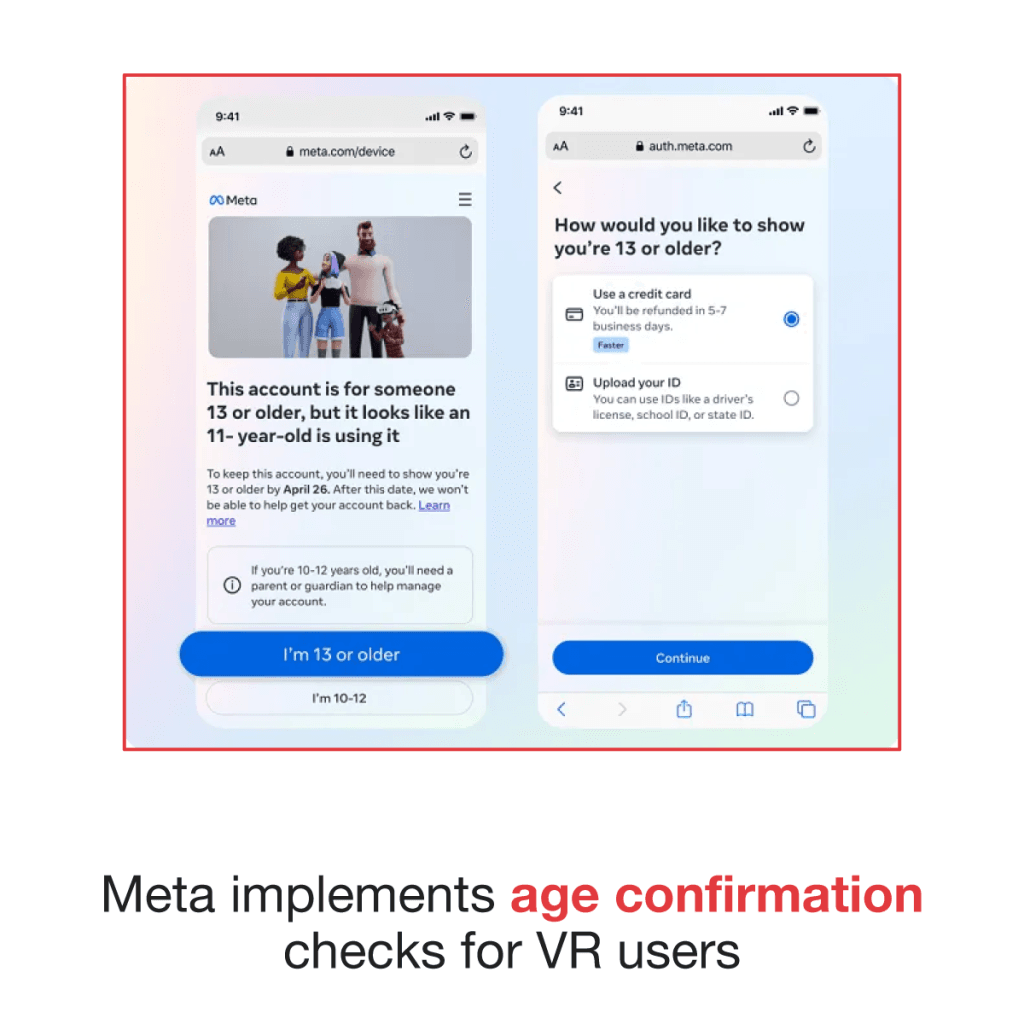
Who Really Funded Meta's $2B Push for Invasive Age Verification?

Meta logo
When a single Reddit thread exploded into the mainstream conversation, it did more than entertain. A dedicated user—sifting through months of lobbying disclosure filings, contractor invoices, nonprofit tax filings, and procurement documents—assembled a map of how a multibillion-dollar campaign to promote intrusive age-verification technology traveled from a corporate balance sheet into policy debates inside legislatures and regulator offices. Whether every line in that map proves intent or causation, the outline it draws matters: it shows how tech companies can translate product goals into policy through a web of vendors, trade groups, and paid advocates.
A grassroots detective on Reddit illuminated the funding pathways that turned product design into political pressure.
How the Thread Found Its Thread
The initial discovery
The Reddit post began as a scattershot collection of public documents: lobbying disclosure forms naming contractors; Bureau of Labor-style invoices; commercial contracts filed in procurement databases; and tax returns for nonprofit groups that, on paper, were promoting "online child safety." Where reporters often start with interviews, the Redditor began with the public ledger and followed money and names. That trail connected the dots: grant-like payments from a major platform to third-party advocacy shops, payments to trade associations that then convened policy briefings, and the hiring of identity-verification companies whose product roadmaps aligned precisely with the technologies being promoted.

Reddit investigation age verification
Methodology and limits
What made the thread compelling was not just aggregation but method. The user cross-referenced federal lobbying disclosures with state filings, compared vendor names with job postings, and tracked content of policy papers to identical language in corporate white papers. Still, public records rarely show the full picture. Contracts often funnel through intermediaries; nonprofits sometimes receive funding without disclosing individual donors; and redactions or non-disclosure clauses can conceal commercial terms. The Reddit findings are powerful but incomplete, and they should be treated as a clear signal that warrants deeper independent reporting and regulatory scrutiny.
What Exactly Was Being Promoted
Technologies at the center
The lobbying push centered on technologies billed as solutions to a real social problem—verifying ages online to protect minors. But the term "age verification" bundles several technical approaches with very different implications:
- Biometric identity checks: facial scans or comparisons against government ID databases.
- Document verification: users upload IDs that are checked by automated systems.
- Device-based inference: software infers age from device usage, metadata, or other behavioral signals.
- Third-party attestations: an identity provider vouches for a user's age without sharing underlying data.
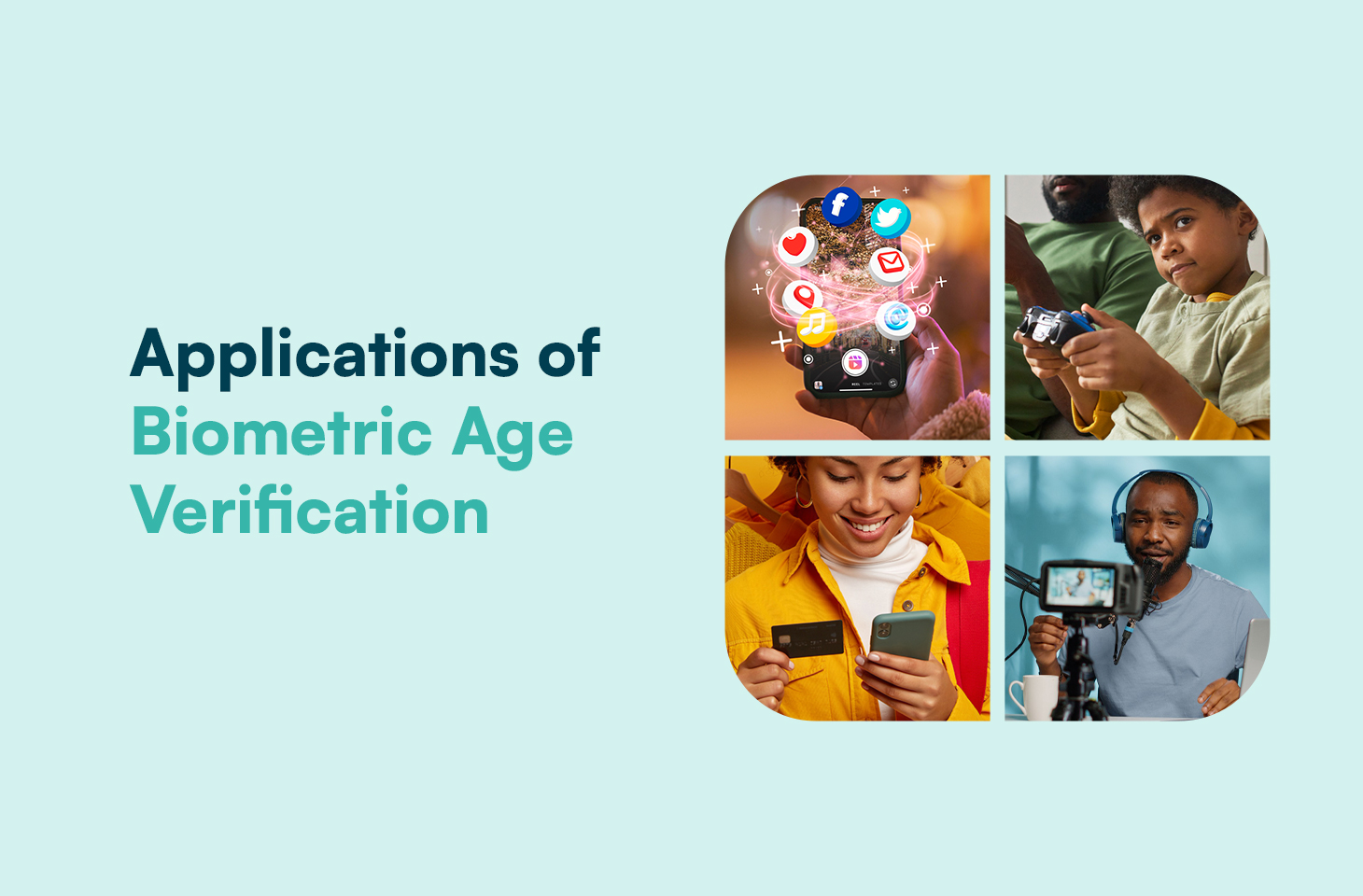
biometric age verification devices
Each approach trades off usability, cost, and — crucially — privacy. The Reddit thread shows policymakers being presented primarily with vendor-friendly approaches that centralize identity data rather than decentralized, privacy-preserving alternatives.
Where the $2B figure fits
The oft-cited $2 billion figure in the headline refers to the aggregate spend estimated across product development, acquisitions of identity vendors, and a sustained lobbying and public-relations campaign. A sizable portion of that money does not appear on corporate lobbying tallies because it moves through contractors, grants to nonprofits, media buys orchestrated by PR firms, and partnerships with trade associations—a common pattern when companies want to amplify a policy message while creating distance from the source.
online child safety advocacy
Why the Push Matters
Child safety meets surveillance risk
On the surface, age verification is a sensible public-interest goal: protecting children from unsuitable content and predatory behavior. But many age-verification systems create persistent identity records or require biometric storage—exactly the kind of data that can be repurposed. When a large platform advocates for a specific technological approach, the scale of deployment matters. If millions of users are required to verify with a face scan or a government ID, the result is not just one more login step; it's the creation of an identity layer that can be mined for advertising, used for cross-platform tracking, or become a target for data breaches.
Policy capture and narrative framing
The Reddit analysis highlighted how messaging shaped the debate. Policy briefs emphasized children's safety and the technical infeasibility of privacy-preserving options while downplaying long-term data risks. That framing helps shape regulation toward mandatory centralized solutions rather than flexible, privacy-first alternatives. It's an old playbook: define the problem narrowly, offer the vendor-friendly fix, and argue that any delay prolongs harm.
The Players and the Pipeline
A web of vendors, advocacy shops, and associations
According to the records compiled, payments flowed through a chain: the platform retained consulting firms and identity vendors; those vendors subcontracted to advocacy organizations; trade associations coordinated coalitions and commissioned research; and PR firms placed op-eds and arranged briefings for sympathetic lawmakers. This pipeline can shield the original funder while inflating the appearance of independent consensus.
Why intermediaries are attractive
Using intermediaries provides plausible deniability and multiplies reach. A think tank or nonprofit can attend a standards-setting meeting or testify at a hearing in ways a corporation might not. Trade associations can mobilize industry partners to lobby collectively. The Reddit post emphasized that the money's path—corporate balance sheet to third-party—creates a policy echo chamber that can look like broad societal support even when it is largely orchestrated.
Technical and Privacy Concerns
Biometric databases and mission creep
Biometrics are uniquely sensitive. A facial template, once stored, cannot be "reset" like a password. If age verification relies on biometric matches against centralized or government-backed registries, the technology can be repurposed for surveillance. The Reddit thread noted that several vendors pushing for age checks already offer broader identity services, suggesting a commercial pathway from age verification to identity verification across commerce and services.

digital identity surveillance concerns
False positives, exclusion, and inequality
Age checks based on driver's licenses or passports exclude people without formal IDs: young people in some communities, undocumented individuals, and those who cannot afford legal documents. Device-based inferences raise different concerns: they can entrench biases and misclassify young users, potentially denying access or subjecting them to invasive verification loops. For marginal groups, the practical effect can be exclusion from social spaces and services.
When privacy is traded for a single-policy win, societies risk building systems that are hard to unwind.
Legal and Regulatory Context
Existing frameworks
Different jurisdictions approach online age verification differently. Some laws—designed to protect children—encourage platforms to verify ages but rarely prescribe a single technological solution. Privacy laws like the GDPR place strict limits on biometric processing and mandate data protection by design, while sectoral laws such as children's online protection rules create obligations that platforms interpret in varying ways. The interplay between these frameworks is where lobbying exerts its influence: how a law is written determines which technologies comply and which do not.
The risk of one-size-fits-all mandates
Mandates that require proof of age without specifying privacy safeguards run the risk of locking in centralized, invasive models. Lawmakers tempted by a clear, enforceable requirement may prefer a visible, auditable verification system—often implemented centrally—over softer, decentralized assurances. This is precisely the policy moment where vendor influence can tip the scales.
Alternatives and Technical Paths Forward
Privacy-preserving alternatives
Technology can provide ways to prove age without revealing identity: cryptographic methods, such as zero-knowledge proofs, allow a user to prove they are over a threshold (e.g., 18+) without disclosing their birth date or identity. Federated attestations—where trusted institutions verify an attribute and issue a limited-purpose token—can avoid centralized biometric stores. Other proposals include browser-level age checks and anonymous attestations by schools or libraries.
Governance and standards
Standards bodies and civil-society coalitions can help define minimum privacy guarantees for any age-verification regime: data minimization, purpose limitation, short retention periods, and strict restrictions on reuse. The Reddit investigation highlighted that many of the documents shaping policy lacked such clear guardrails, making standard-setting a critical battleground.
- Protects minors from inappropriate content and exploitation.
- Provides compliance pathways for platforms subject to legal obligations.
- Creates surveillance risks via centralized identity stores.
- Excludes vulnerable people without formal IDs.
What to Watch Next
Legislative hearings and disclosure follow-ups
Public records are rarely static. Follow-up reporting can confirm whether contracts were backdated, whether nonprofits disclosed donors, and whether vendor roadmaps explicitly tie age checks to broader identity services. Lawmakers can also demand transparency: who paid for research cited in hearings, and whether declared advocacy reflects independent analysis or vendor-funded messaging.
Civil-society mobilization
Civil liberties groups and privacy advocates have tools to push back—public comment periods, FOIA requests, and coordinated testimony. The Reddit thread functioned as a catalyst: it made a policy conversation public that had largely been happening behind closed doors. Expect more FOIA-driven reporting, demands for donor transparency, and pressure on standards bodies to adopt privacy-first principles.
1core question: do we want centralized identity layers?
Conclusion: A Narrow Win or a Broader Risk?
The Reddit user's compilation is more than an internet curiosity. It reframes a technical debate as a political contest with money, messaging, and institutional design in play. The core tension is stark: we can design systems that protect children while also preserving privacy, but that outcome requires active choices—technical, legal, and political—that resist the gravitational pull of centralized solutions and commercial incentives.
Policy will shape the internet for decades. When a dominant platform funds a wave of advocacy and product design favoring invasive techniques, the temptation to accept a quick fix grows. The Reddit thread pulled back the curtain on how that fix is being sold. If regulators, civil society, and technologists want different results, they must insist on transparency, demand privacy-preserving standards, and make decentralized alternatives practical and fundable.
- Public records can reveal funding pathways even when those pathways are obscured by intermediaries.
- Age verification covers a range of technologies; some centralize identity and risk surveillance.
- Policy language matters: mandates without privacy safeguards favor invasive solutions.
- Privacy-preserving alternatives exist and should be prioritized in standards and law.
Caption: A crowdsourced audit of public filings can reshape policy debates by exposing funding and influence networks.
Final Thought
The internet's infrastructure is political as much as technical. A single Reddit user's dogged assembly of documents forced a reconsideration of who benefits when safety messages become regulatory requirements. The test now is whether that scrutiny spurs transparency and better design—or whether it becomes another footnote in the architecture of pervasive identity systems.