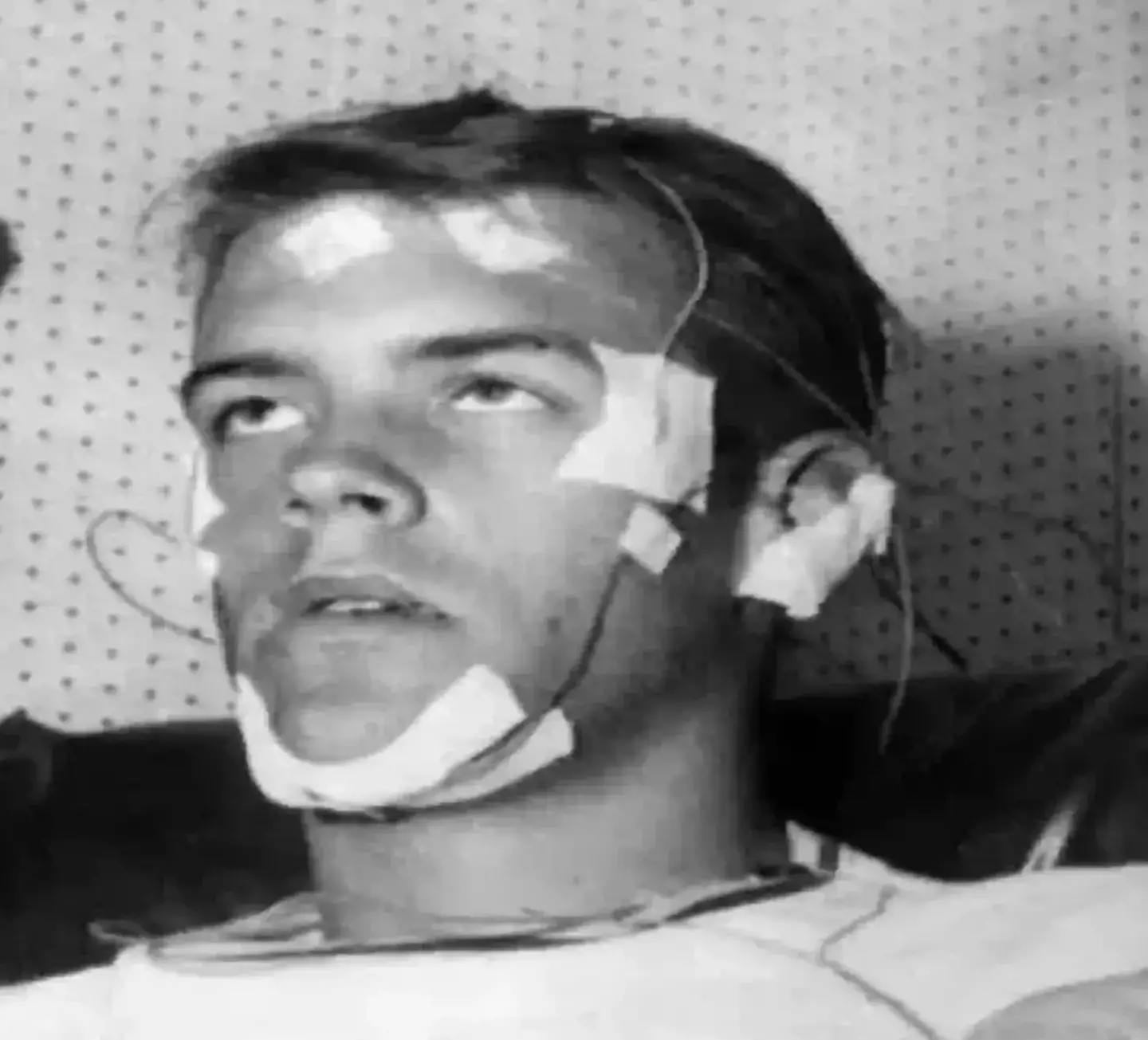
Randy Gardner: Inside the 264-Hour Sleep Deprivation Record
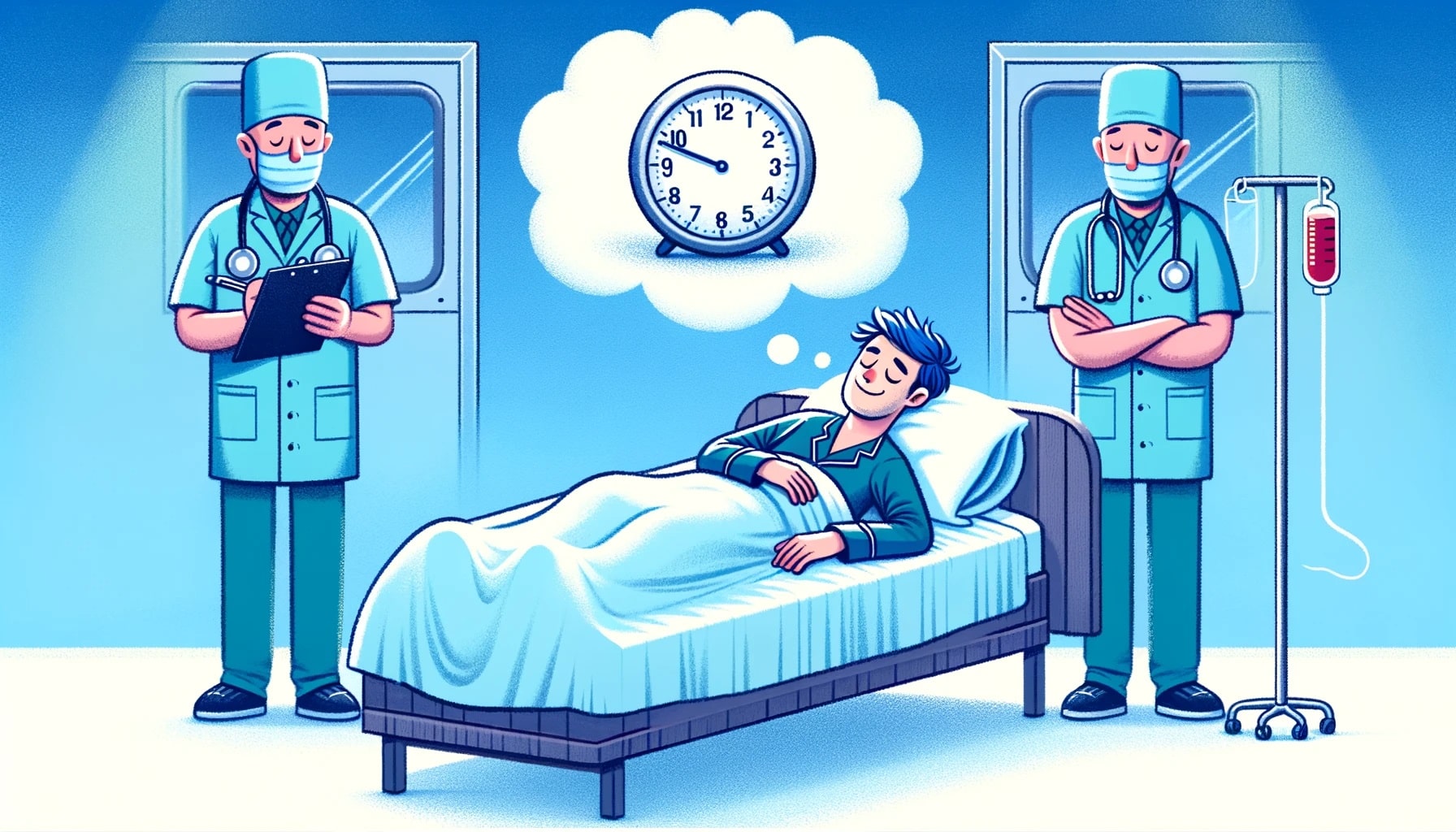
In 1964 a 17-year-old high school student set out to do something reckless and remarkable: stay awake for as long as he could. Randy Gardner remained awake for 264 hours — 11 consecutive days — under the attention of friends and, later, scientists. That feat would be described in newspapers, textbooks and late-night conversations as a cautionary tale about the fragility of human sleep. But beyond the sensational headline, the episode offers a clear window into how the brain and body unravel without sleep, how science learned from a single extreme case, and why attempting such a stunt today would be both unethical and potentially dangerous.
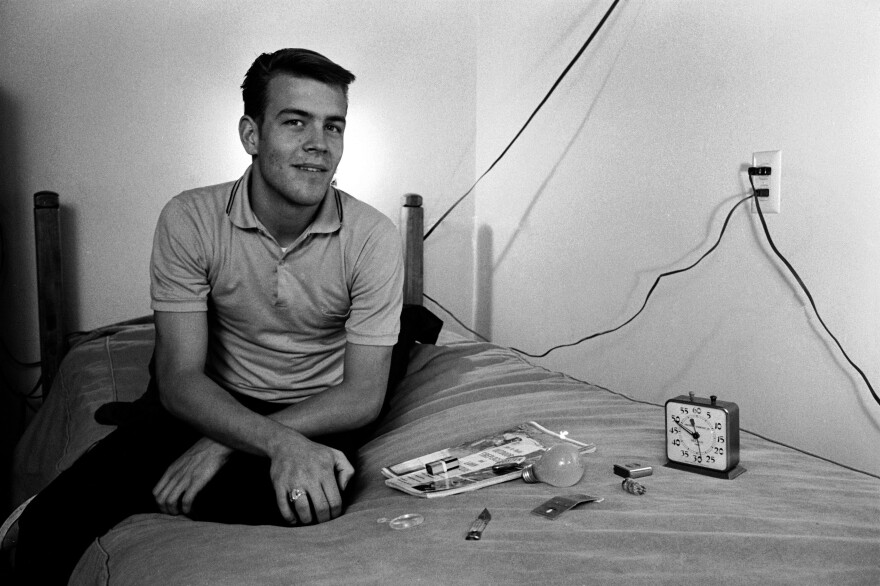
Randy Gardner sleep deprivation
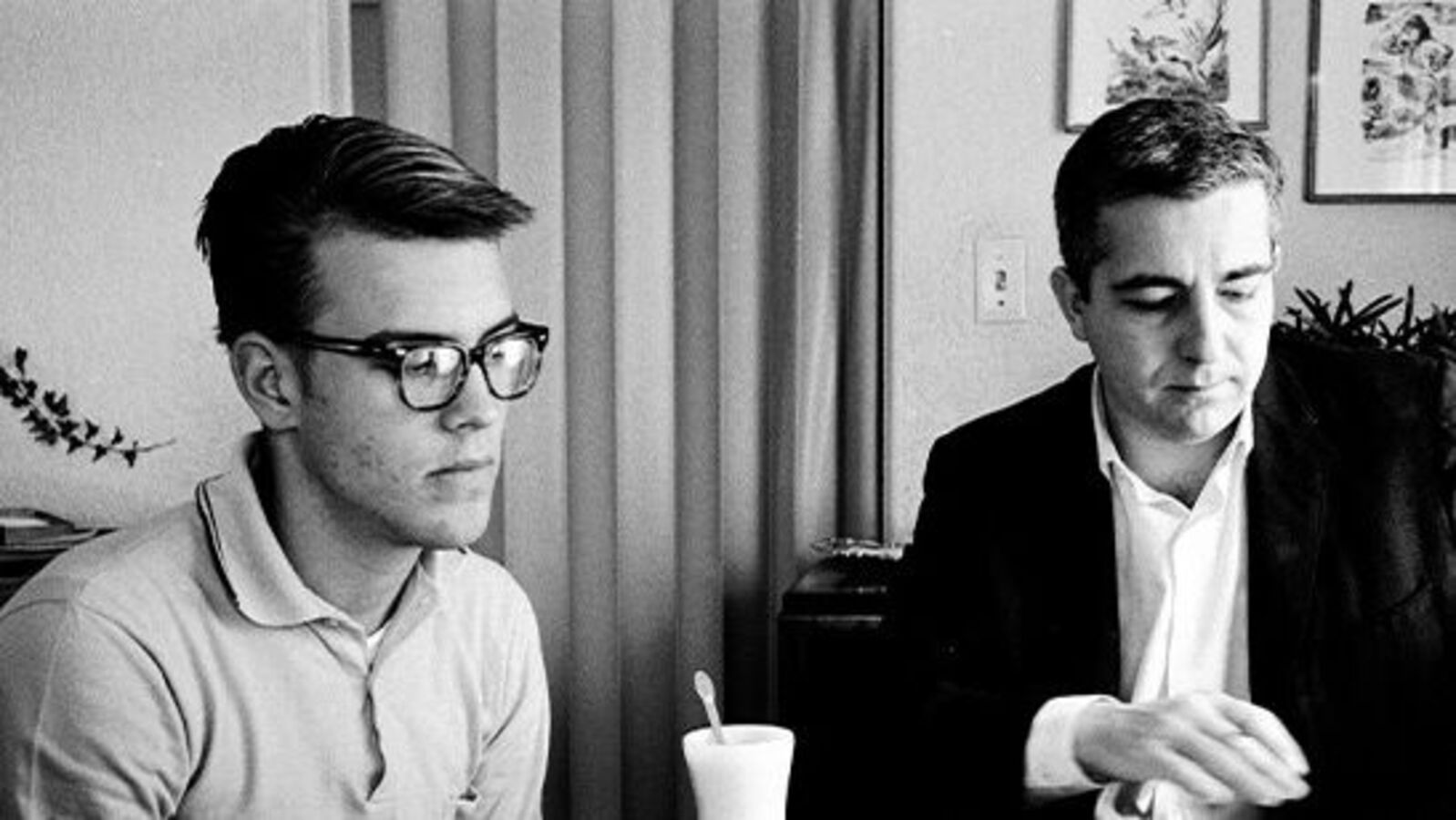
teenager awake 11 days
THE NIGHT THAT NEVER FELL: CONTEXT AND BACKDROP
A teenage dare becomes a scientific curiosity
Randy Gardner was an ordinary teenager who decided to test the limits of his own endurance. What began as a challenge with school friends quickly drew attention. By the end of the second day, observers were noting the oddities: slurred speech, drooping eyelids, and the kinds of lapses that accompany mounting fatigue. The experiment transitioned from a local stunt to a scientific curiosity as sleep researchers and physicians became interested in cataloging the effects of prolonged wakefulness on cognition, mood and physical function.
Why this case mattered
The Gardner case occurred at a time when formal sleep research was still maturing. Observations from his prolonged wakefulness provided qualitative and anecdotal data that later helped shape systematic studies. His experience crystallized key questions: What are the earliest warning signs of dangerous sleep loss? How reversible are its effects? And what does prolonged wakefulness reveal about the purpose of sleep?
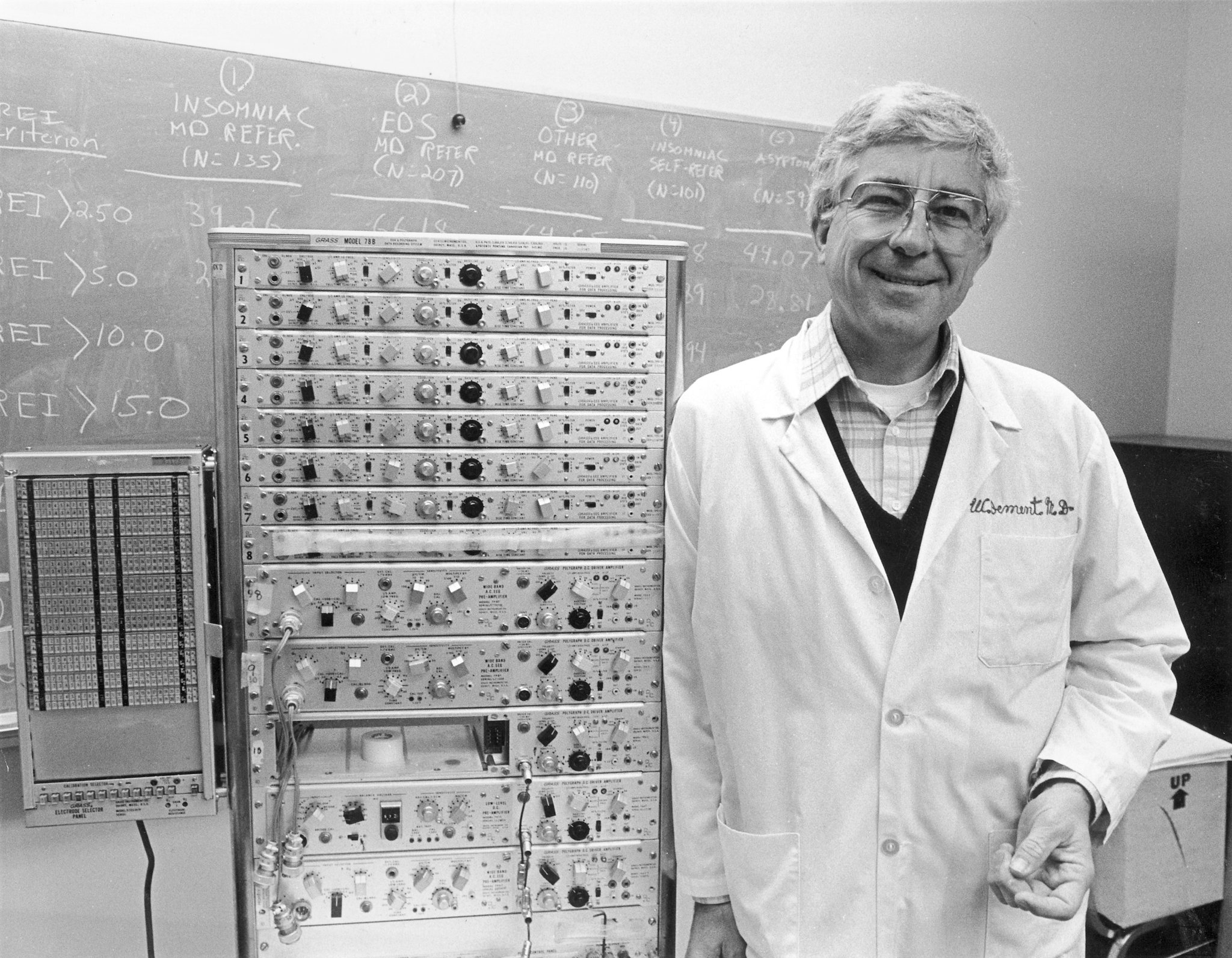
William Dement sleep research
By the end of day five, witnesses described vivid hallucinations and memory lapses — the brain's desperate attempts to rest while awake.
WHAT HAPPENED DURING THE 264 HOURS
Progression of symptoms
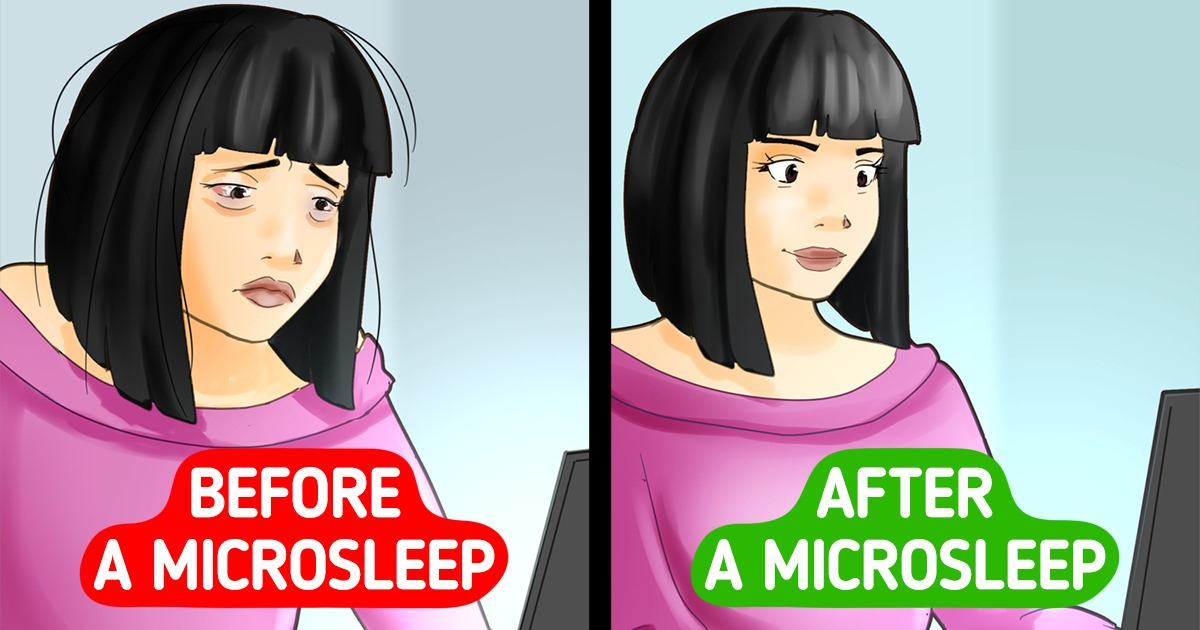
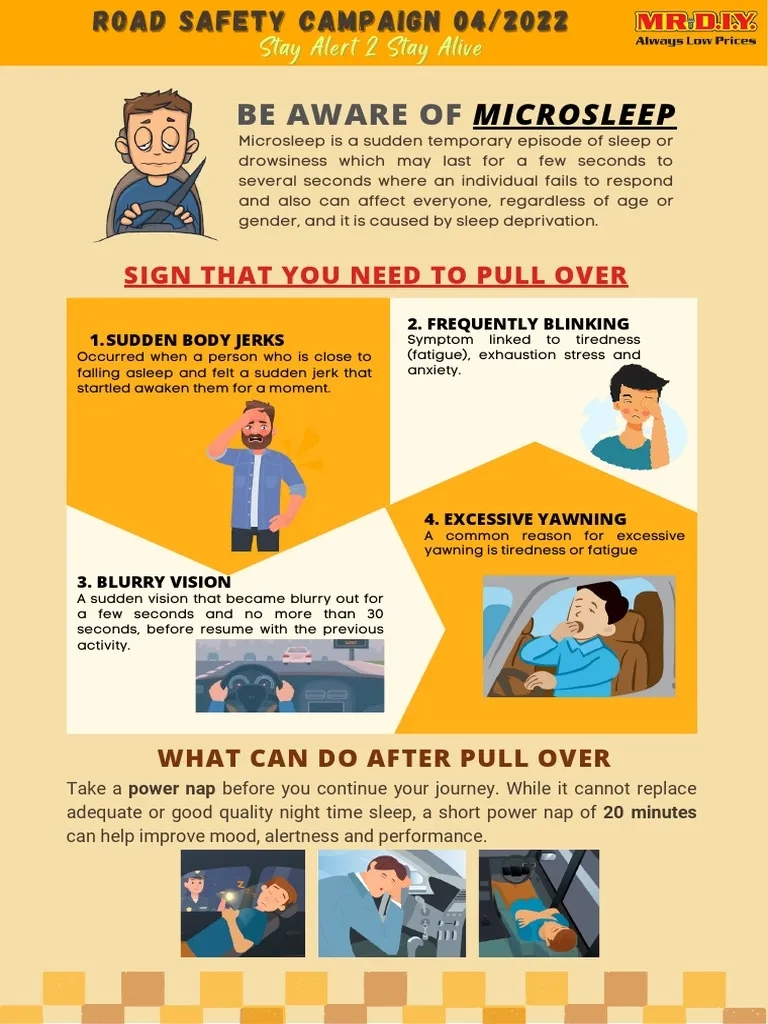
The path from alert teenager to exhausted subject was neither linear nor uniform. Early days brought growing irritability and inattentiveness. By mid-experiment, Gardner experienced bouts of paranoia, trouble concentrating, impaired short-term memory and visual disturbances. Observers documented microsleeps — brief, involuntary episodes in which the brain slips into sleep for seconds at a time — and later, frank hallucinations and disorganized behavior.
microsleeps sleep loss
hallucinations sleep deprivation
REM sleep intrusion
The body's response
Physically, outward signs were surprisingly subtle: no dramatic cardiovascular collapse or organ failure. However, beneath the surface the body was undergoing stress. Appetite changed, reaction times slowed markedly, and thermoregulation and hormonal rhythms showed disruption. Immune function, metabolic regulation and glucose tolerance are among the systems that later research would show are sensitive to sleep loss; Gardner's experience foreshadowed these findings even if they were not measured comprehensively at the time.
SCIENCE BEHIND THE SYMPTOMS
Why the brain breaks down without sleep
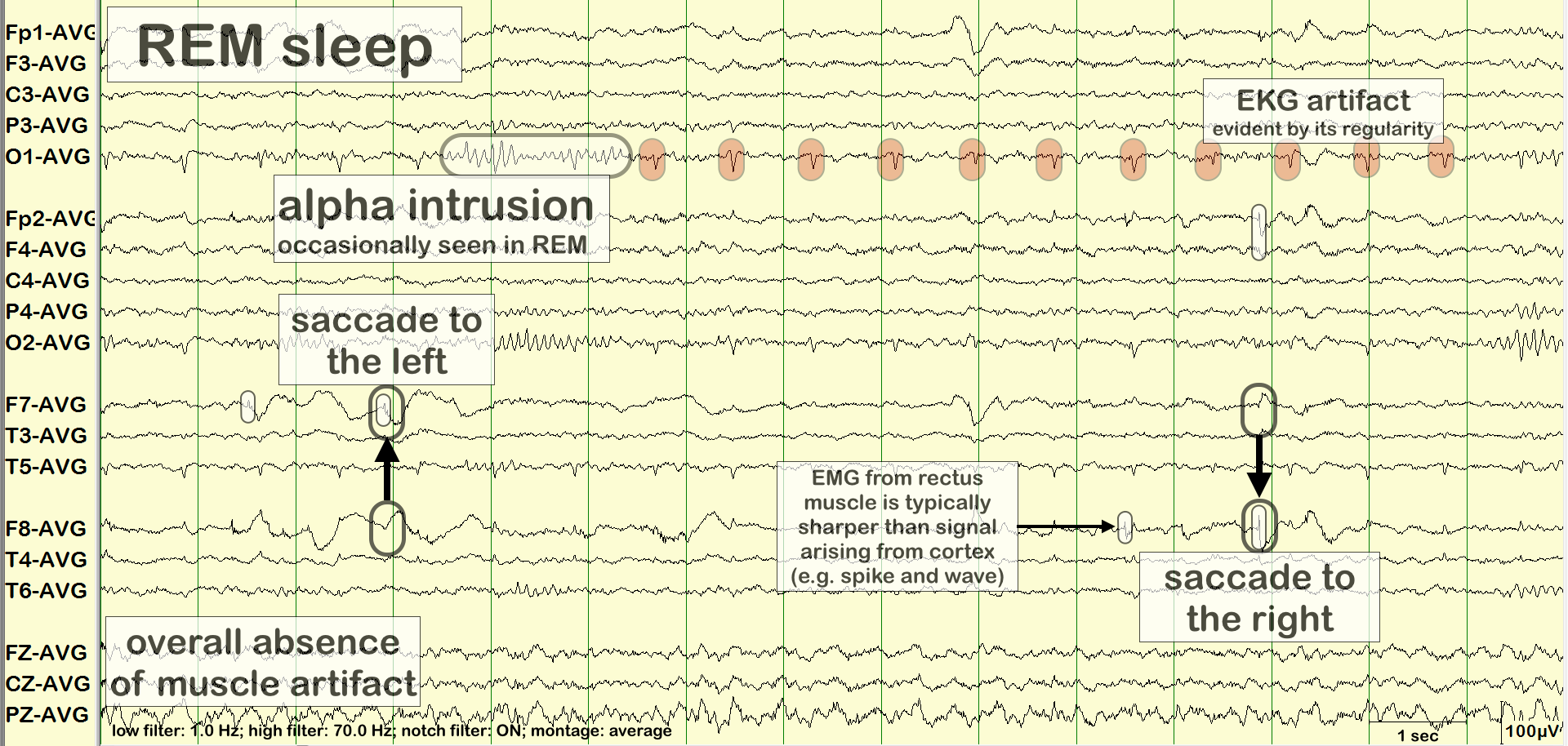
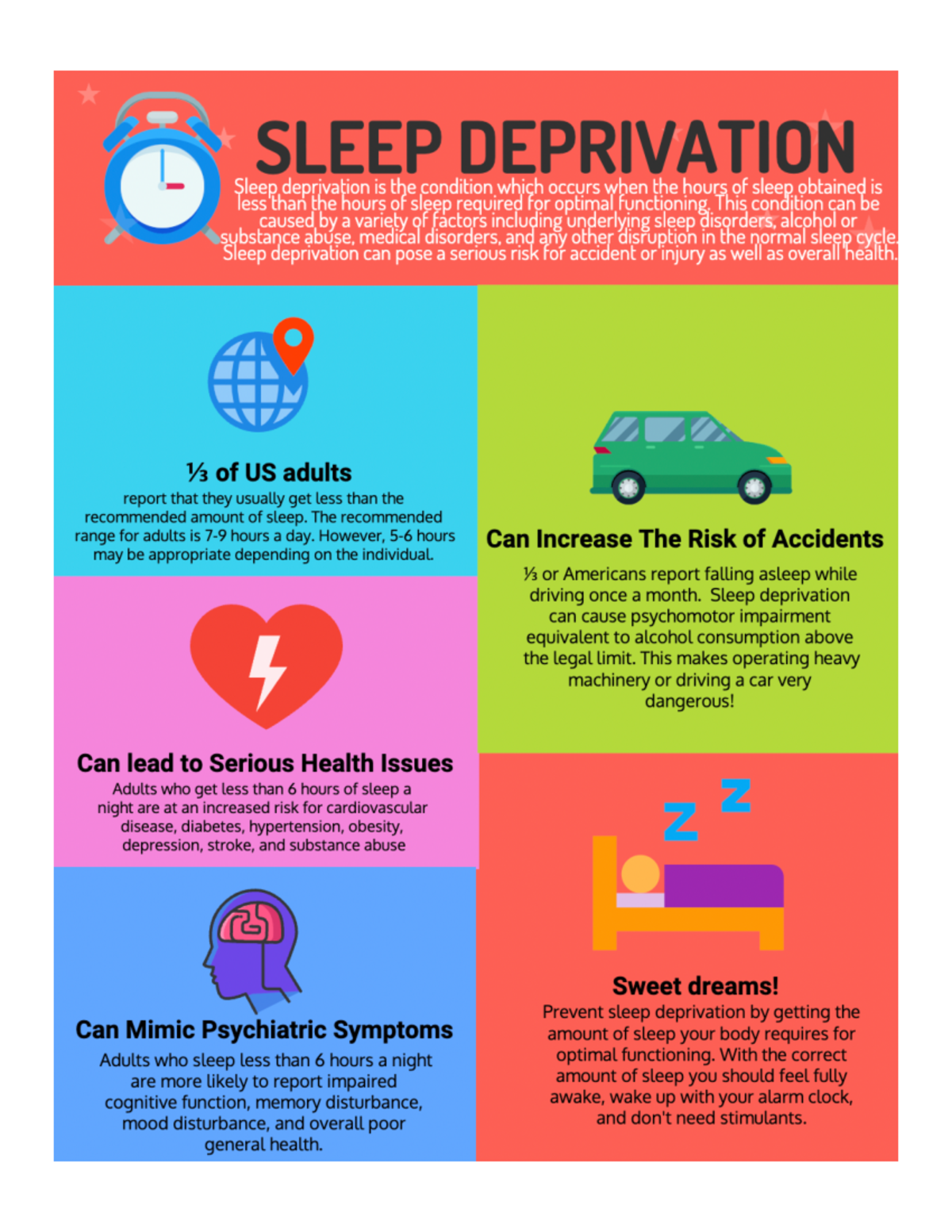
Sleep is not an optional state; it is a fundamental biological process. During sleep the brain consolidates memory, clears metabolic waste, and cycles through distinct stages — including rapid eye movement (REM) and deep slow-wave sleep — that support learning and physiological restoration. When sleep is withheld, the accumulation of sleep pressure — driven by substances like adenosine — impairs attention and executive function. Neural networks responsible for higher-order thinking simply lose coordination, and lower-level, more primitive brain regions begin to dominate, generating hallucinations and impulsive behavior.
Microsleeps, REM intrusion, and hallucinations
One of the most striking features of extreme sleep deprivation is microsleeps: involuntary episodes lasting fractions of a second to several seconds when individuals momentarily fall out of wakefulness. Alongside microsleeps, REM sleep mechanisms can intrude into wakefulness, producing dreamlike images and perceptual disturbances. These phenomena explain why someone awake for days may experience vivid visual or auditory hallucinations and lose coherent short-term recall.
sleep research laboratory
HOW RISKY IS IT? ETHICS, RECORDS, AND REPLICATION
A record with a caveat
Gardner's 264-hour period has long been cited as a world record for voluntary sleep deprivation. But record-keeping organizations are increasingly reluctant to officially endorse attempts that pose clear health risks. Modern research ethics prioritize subject safety; deliberately subjecting a person to extreme sleep loss for recognition would now be considered unethical. That ethical shift reflects not only the immediate dangers — accidents, cardiac stress, severe mood disturbances — but also long-term unknowns about cumulative brain injury from extreme deprivation.
Guinness World Records sleep
sleep deprivation medical ethics
Why modern scientists avoid replication
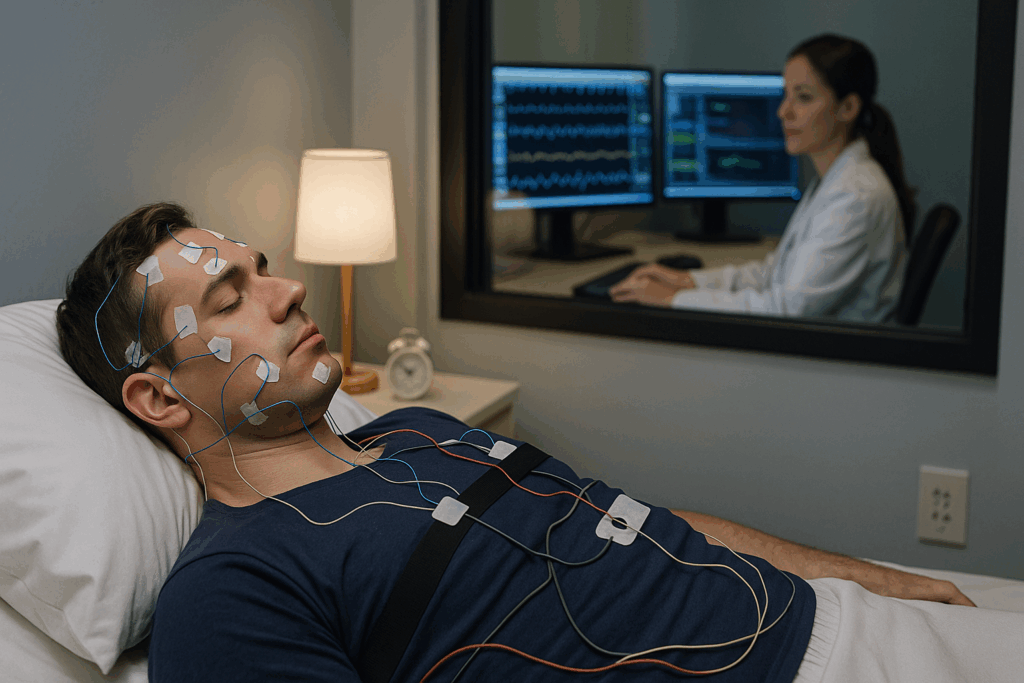
Controlled sleep deprivation studies today use safer, shorter protocols and careful medical oversight, often supplemented with neuroimaging and blood biomarkers. These designs aim to learn about sleep's function without risking participants' long-term health. Prolonged, unsupervised sleep deprivation is not an accepted research method; the Gardner case remains unusual because it occurred at a different time in scientific and ethical standards.
WHAT WE LEARNED AND WHAT STILL MATTERS
Short-term recovery and long-term effects
After his record, Gardner reportedly recovered with extended sleep and returned to normal cognitive function; his case suggested that some effects of acute sleep loss are reversible. Yet later research indicates that even partial chronic sleep restriction — common in modern life — can cause persistent deficits in attention, mood, metabolic health and cardiovascular risk. Gardner's episode highlighted an extreme end of a spectrum that most people experience in subtler, cumulative ways.
From a one-off stunt to broader public health questions
Gardner's story helps frame broader questions about how societies value sleep. In many cultures, long hours and round-the-clock productivity are praised, while sleep is treated as expendable. The science contradicts that cultural norm: sleep loss harms performance, creativity, and health. Whether it's a teenager's dare or a professional's all-nighter, the physiological consequences are real and measurable.
PRACTICAL LESSONS: WHAT TO TAKE AWAY
Safety and sleep hygiene
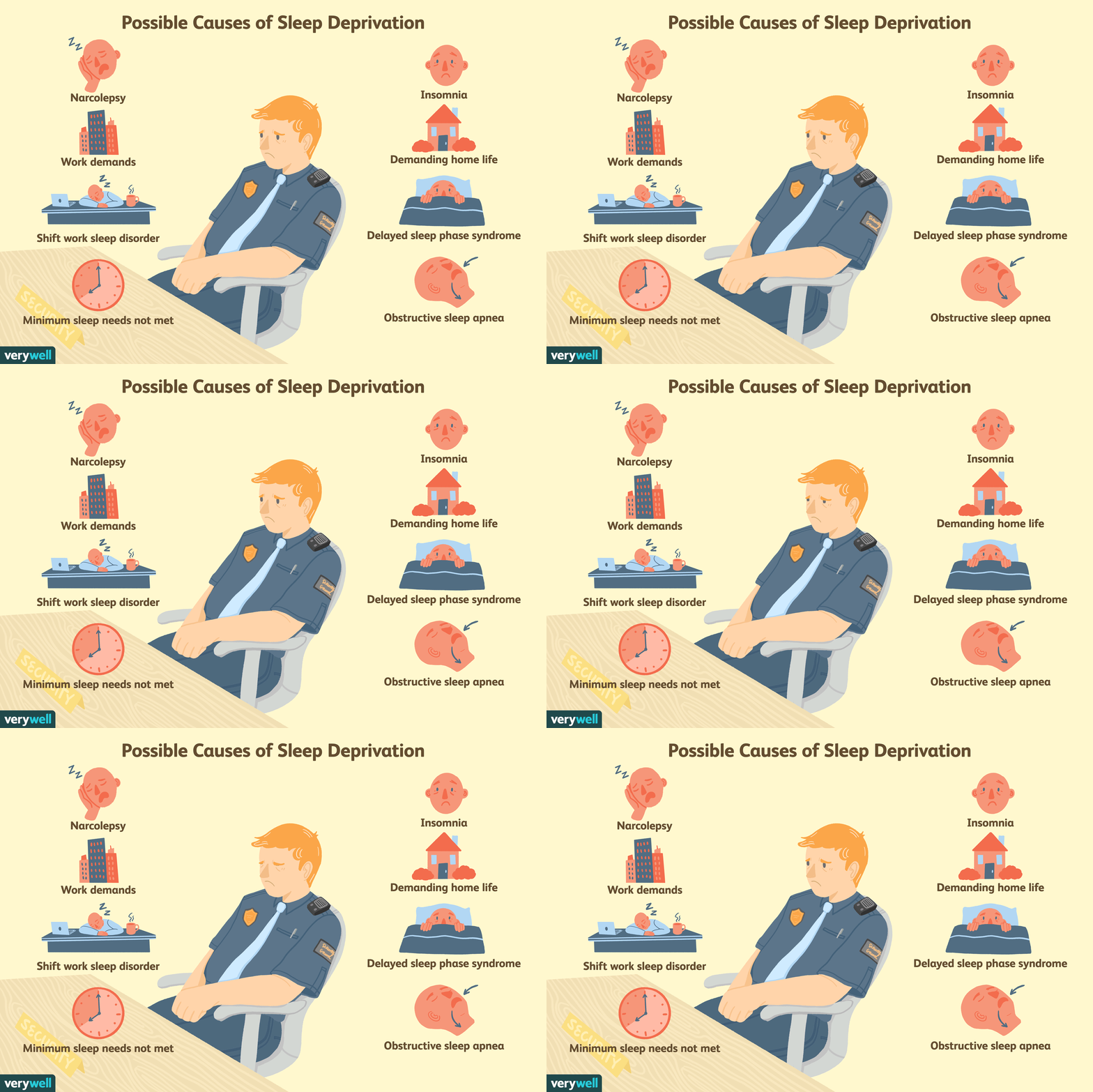
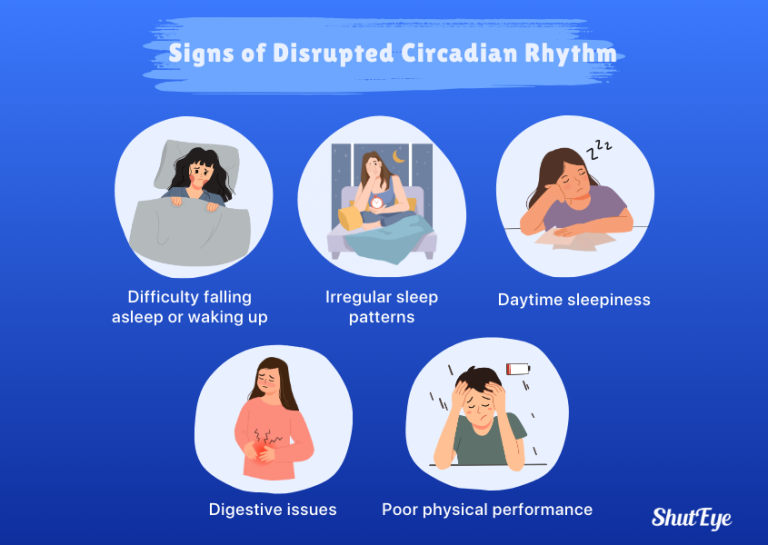
Gardner's experience is a vivid reminder that sleep should not be treated casually. Practical steps to preserve sleep health include establishing regular sleep and wake times, creating a dark and cool sleep environment, limiting caffeine and screens before bed, and seeking medical help for persistent insomnia. For shift workers or those with irregular schedules, strategic naps and light exposure management can help mitigate disruption to circadian rhythms.
microsleeps driving accident
circadian rhythm disruption
When sleep deprivation becomes a medical issue
Chronic or extreme sleep loss warrants medical attention. Primary sleep disorders — such as sleep apnea or narcolepsy — as well as psychiatric conditions and some medications can provoke dangerous daytime sleepiness. Health professionals can offer diagnostic testing, behavioral strategies and, when appropriate, medication or device-based therapies.
- Historical insight: Gardner's case made the risks of extreme wakefulness tangible.
- Scientific curiosity: It spurred more systematic sleep research.
- Ethical concerns: The experiment would not meet modern safety standards.
- Risk to health: Prolonged sleep loss can produce dangerous cognitive and physiological effects.
CONCLUSION: A CAUTIONARY TALE WITH LASTING VALUE
Randy Gardner's 11-day vigil remains a striking human story: a youthful dare that captured the public imagination while illuminating the essential functions of sleep. It taught researchers and laypeople alike that sleep is not an optional luxury but a nonnegotiable biological need. The case also pushed science to ask better, safer questions about how sleep supports cognition and health. Today, we honor that legacy not by repeating dangerous stunts but by applying what we learned to improve sleep health across populations.
- Randy Gardner stayed awake for 264 hours (11 days), demonstrating severe cognitive and perceptual disturbances from prolonged wakefulness.
- Microsleeps, hallucinations and impaired memory during extreme sleep loss reflect the brain's inability to maintain wakeful networks.
- Modern research and ethics prevent replication of such dangerous experiments; safer, controlled studies explore sleep's functions.
- Everyday chronic sleep loss — even if less dramatic — carries real health risks and should be addressed with sleep hygiene and medical care where appropriate.
This article synthesizes historical accounts and modern sleep science to examine the human limits of wakefulness and the lessons they offer.