
RAMpocalypse: Will Consumer Electronics Collapse by 2026?
The phrase "RAMpocalypse" has moved from tech-blog hyperbole into boardroom whisper. A recent, terse warning from an industry leader crystallized a fear that has been building quietly for months: memory markets—DRAM and NAND flash—are risking a structural glut so deep that the ripple effects could sink thin-margin consumer electronics brands by 2026. This is not a single-point failure; it is a confluence of cyclical oversupply, permanent demand shifts, and financial fragility among original equipment manufacturers (OEMs) and smaller brands. The question today isn't whether prices fall—memory prices always swing—but whether this cycle will collapse companies instead of merely reshaping the market.
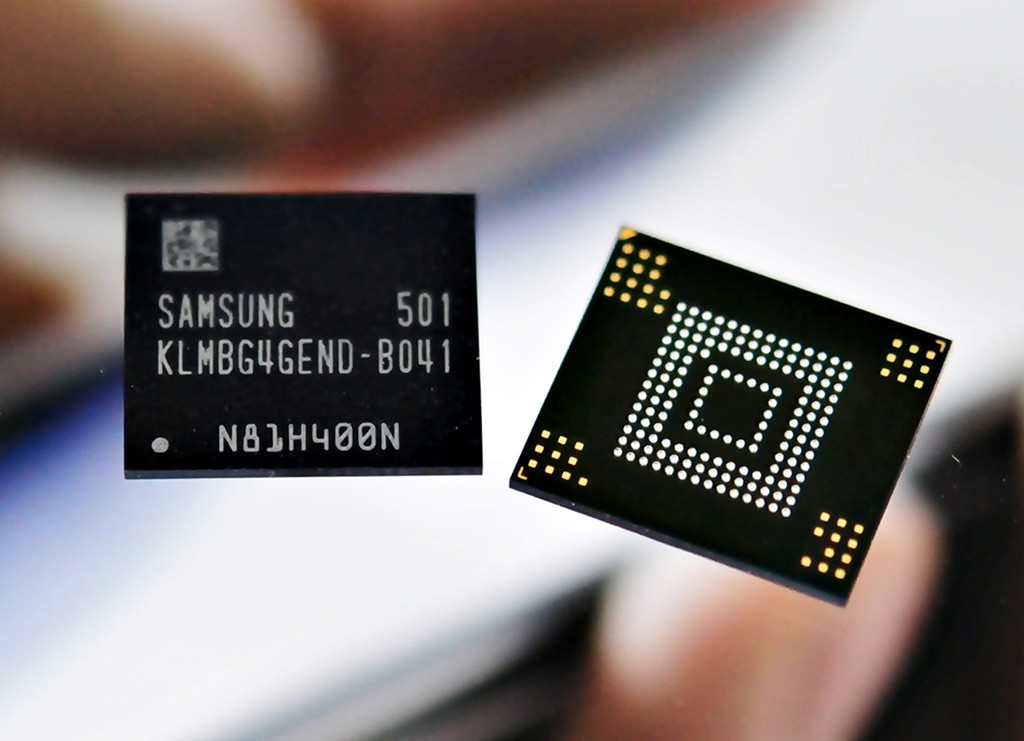
DRAM NAND memory chip
Understanding the Trigger: Memory Is Different
Memory chips power everything from smartphones and laptops to smart TVs and connected speakers. Unlike CPUs or screens, memory is commoditized: performance differences are incremental, and price dominates buying decisions. That makes memory markets unusually sensitive to supply and demand imbalances. When manufacturers add capacity, it compounds rapidly: a new wafer fab can produce tens of millions of additional gigabytes of NAND or DRAM per quarter. When demand softens—because smartphone upgrades slow, PC refresh cycles lengthen, or cloud providers shift strategies—an industry built for growth can quickly drown in inventory.
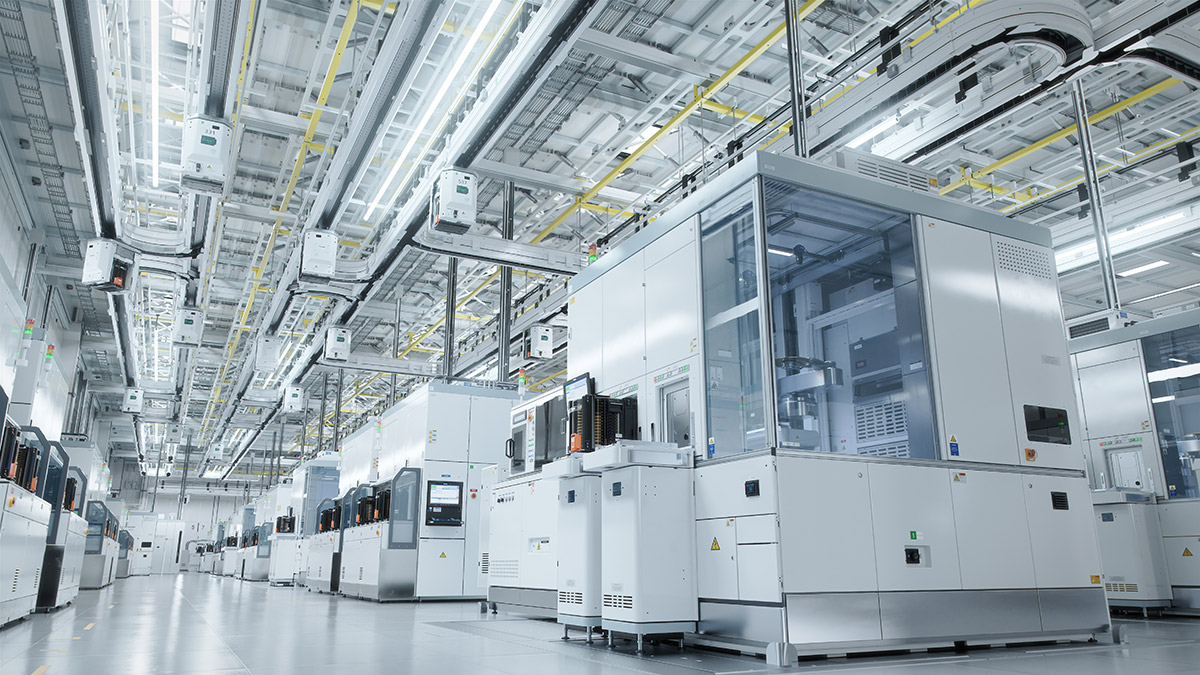
semiconductor fabrication fab
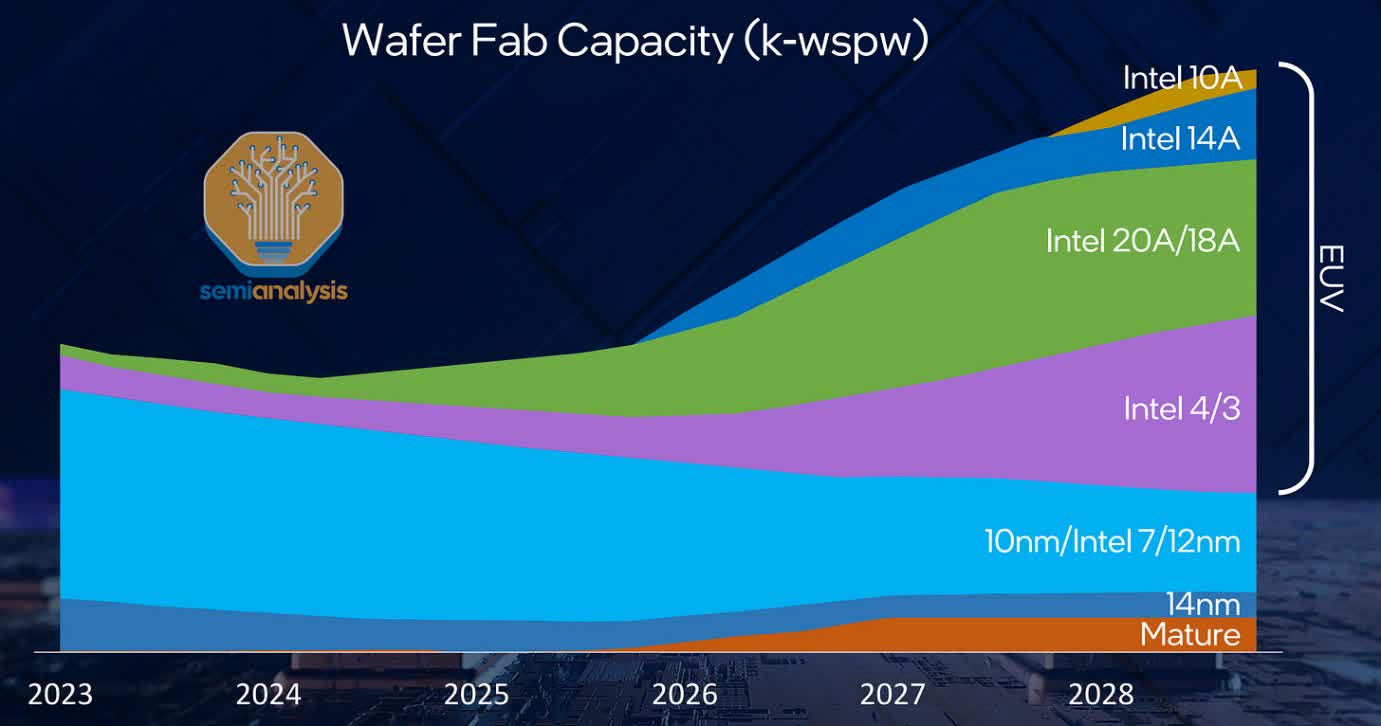
wafer fab capacity expansion
Why 2026 Is the Date on Everyone's Mind
There are three converging timelines that make 2026 especially risky. First, investment decisions made by memory manufacturers two to three years earlier only now reach full output. Second, pandemic-era demand spikes that justified aggressive capacity expansion have faded; replacement cycles have not fully recovered. Third, corporate balance sheets—particularly at smaller consumer brands—are still digesting pandemic-era supply-chain and inventory shocks. The result: by 2026, new capacity could hit an already-softening market, causing a price cascade and forcing inventory revaluations that translate directly into financial distress.
"A deep memory oversupply will not hurt the giants as much as it will squeeze the thin-margin middle and end of the consumer-electronics ecosystem."
Supply-Side Dynamics: Capacity, Cost, and the Cloud
To appreciate the mechanics, it's useful to break the supply side into three forces.
- New fabs and capacity: Building semiconductor fabrication takes years, and capacity comes online in big lumps. Firms that bet on continued growth have added wafer starts for both DRAM and NAND. When that capacity hits the market it floods pricing power.
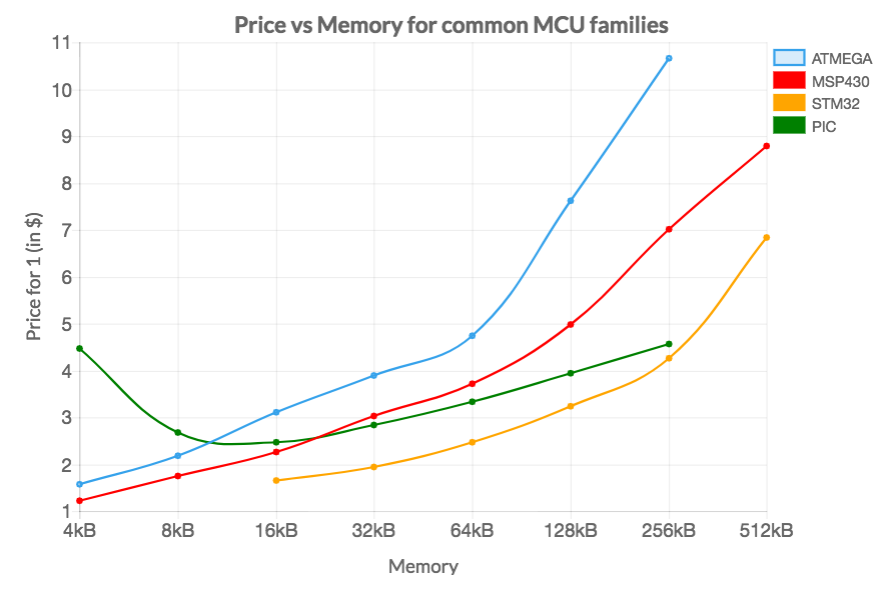
- Falling average selling prices (ASPs): Memory prices are cyclical but can drop precipitously when markets flip to oversupply. Lower ASPs are great for consumers but devastating for brands that built cost models assuming higher component prices or stable margins.
- Cloud demand shift: Hyperscalers and cloud providers had been massive demand drivers, but they are optimizing storage differently—software-defined storage, compression, and tiering reduce the per-GB pressure that previously soaked up new NAND.
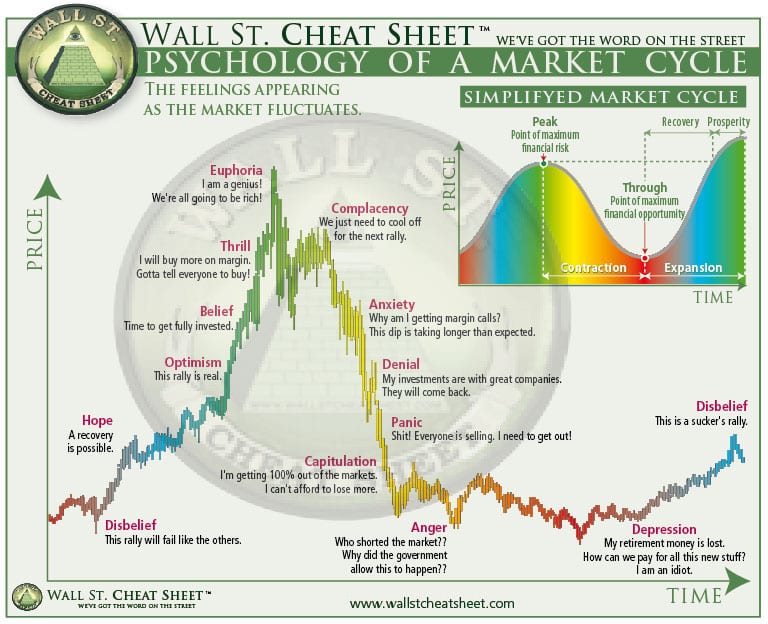
memory oversupply market cycle

cloud data center storage
Demand Realities: Not All Demand Returns
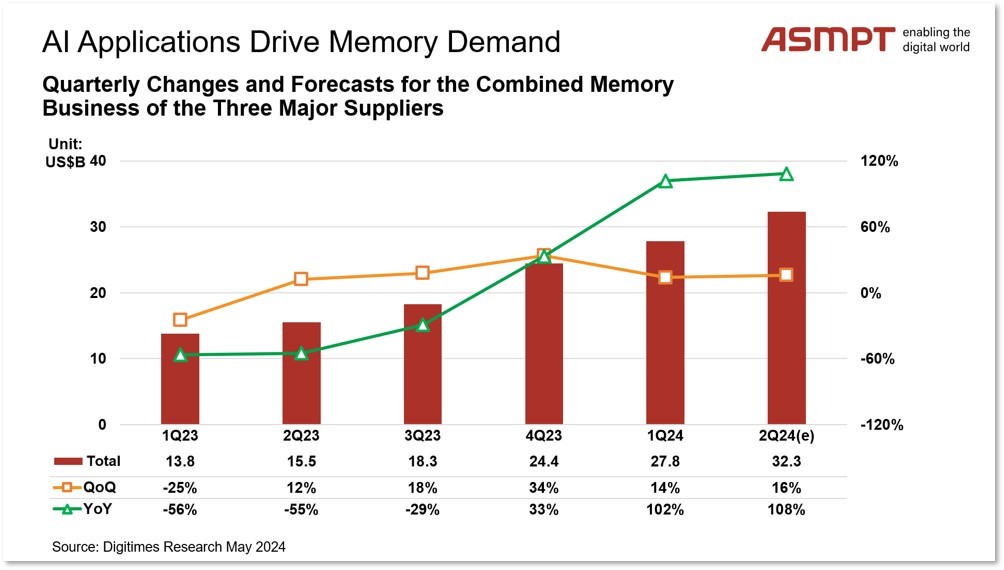
Consumer demand for electronics has matured in several categories. Smartphones, the main driver of memory growth for a decade, show slowing upgrade cycles. Many consumers now keep devices longer, and second-hand markets are robust. Similarly, PC shipments face headwinds from a combination of remote-work normalization and longer replacement cycles. Emerging categories—IoT, wearables, and automotive—are growing, but not fast enough to absorb the sheer scale of memory capacity being added.
smartphone PC memory demand
Who Bears the Risk: Winners and Losers
The shockwaves of a memory price collapse will be uneven. The largest memory manufacturers can absorb margin pressure through scale and diversified product mixes. Likewise, vertically integrated companies with captive design and long-term contracts will fare better.
By contrast, the most exposed are:
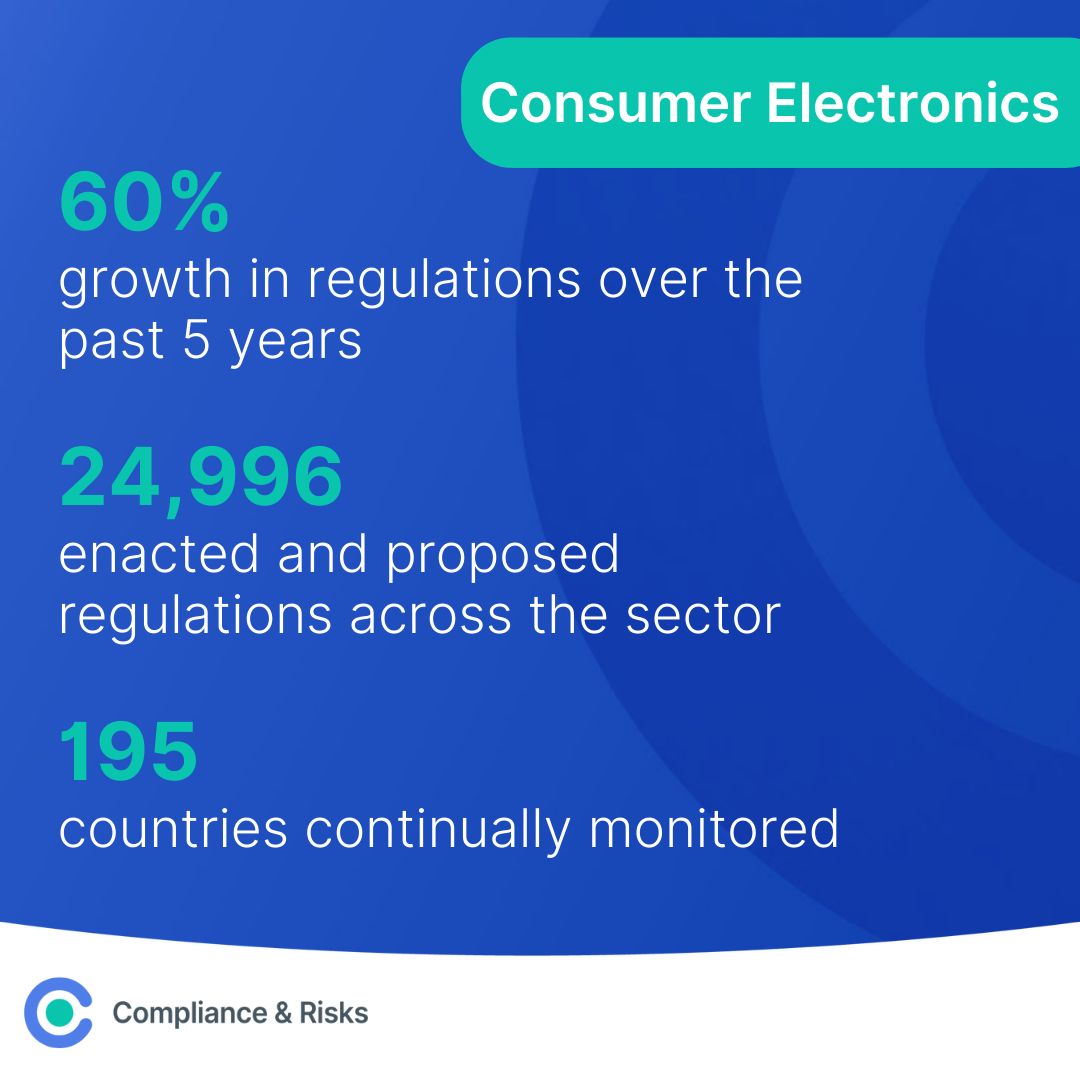
- Small to mid-size consumer electronics brands: Those chasing volume with tight margins and heavy reliance on third-party memory supplies face inventory write-down risk.
- Retail-focused OEMs: Brands with seasonal product windows and high promotional activity can be forced into steep markdowns to clear inventory.
- Private-label electronics and white-label ODMs: Companies that manufacture for retailers operate on wafer-thin margins and limited pricing flexibility.
consumer electronics bankruptcy risk
Financial Mechanics: How Memory Prices Cause Bankruptcies
The path from falling chip prices to corporate bankruptcy follows a predictable financial arc:
- Cost vs. market price gap: A consumer brand buys memory at contract rates expecting to sell finished goods at a margin. If memory ASPs fall sharply after procurement, the finished-goods margin evaporates.
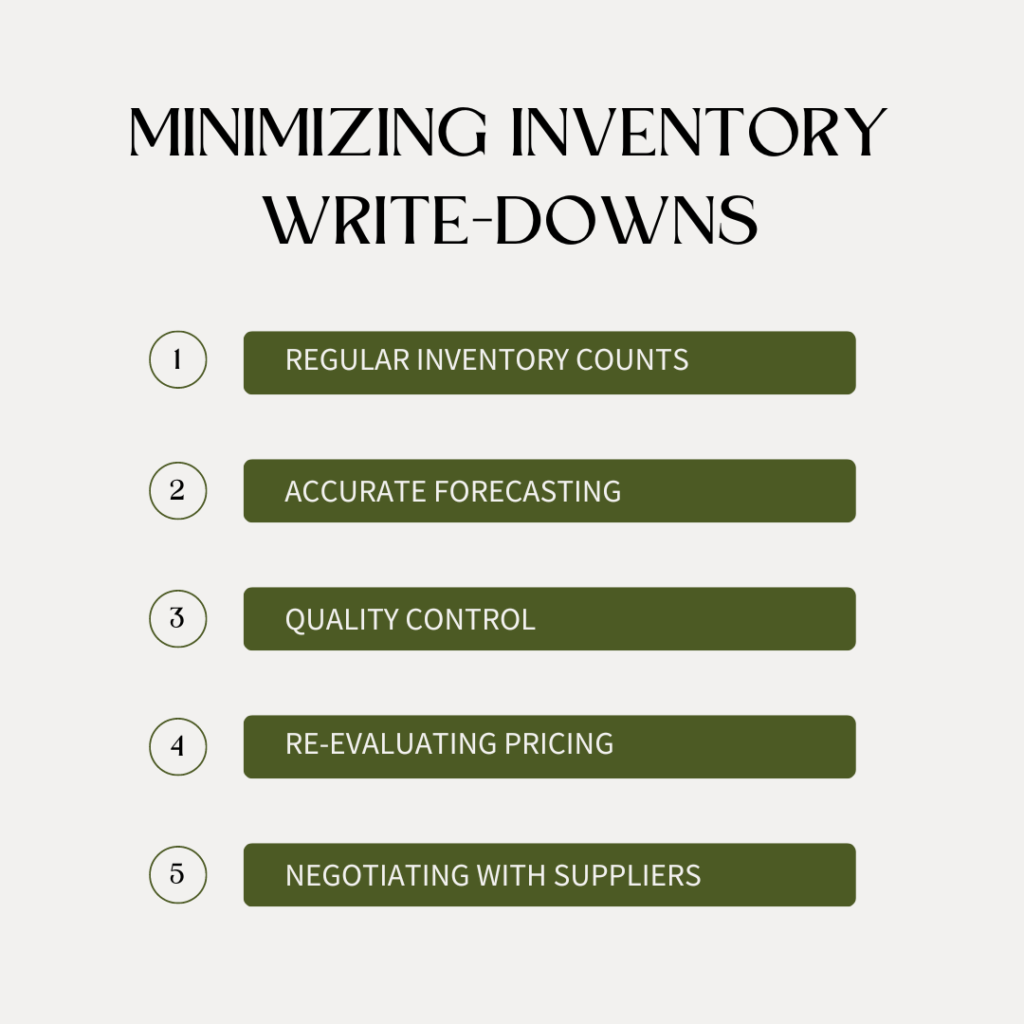
- Inventory write-downs: Accounting rules force a company to mark inventory to net realizable value. Sudden falls in component prices trigger non-cash charges that reduce book equity and can violate loan covenants.
- Liquidity squeeze: Reduced profit margins and covenant breaches constrain access to working capital. Suppliers and lenders tighten terms just when sales slow.
- Bankruptcy or forced consolidation: Firms with limited reserves or access to capital may be pushed into bankruptcy, acquisition, or fire-sale asset disposals.
inventory write-down financial distress
memory price collapse chart
A Timeline of the Shock: How Fast Could This Happen?
Market cycles for memory can be brutally fast. Once oversupply is evident, prices can fall within quarters. For consumer electronics brands on seasonal product cycles (holiday launches, back-to-school), two bad quarters can cascade into a year of poor cash flow and covenant breaches. That compressed timeline is why many analysts peg 2026 as the year when the full impact of capacity additions and demand normalization will be felt across balance sheets.
Real-World Signals to Watch
Investors and managers should monitor a short list of leading indicators that presage an acute memory-driven market shock:
- Rapid downward movement in DRAM/NAND spot prices within a quarter.
- Rising days-of-inventory (DOI) reported by consumer-electronics firms and component distributors.
- Unusually large promotional discounts at major retailers on memory-heavy devices.
- Loan covenant waivers and emergency financing in OEM earnings calls.
- Capacity announcements from wafer fabs or major memory producers coming online within 12–24 months.
Mitigation: What Brands Can Do Now
Brands and OEMs are not helpless. Proactive financial and operational moves can blunt or avoid the worst outcomes.
- Hedge procurement timing: Stagger purchases and negotiate supplier agreements with price-protection clauses where possible.
- Flexible BOM design: Design products to accept multiple memory densities and grades to avoid being stuck with expensive parts.
- Inventory management: Tighten inventory turns and increase demand forecasting sophistication to avoid large seasonal overhangs.
- Cost structure review: Reduce fixed costs and renegotiate supplier terms to protect gross margins during price swings.
- Partnering and consolidation: Smaller brands can seek strategic partnerships, mergers, or white-label agreements to share risk.
What This Means for Consumers and Investors
For consumers, falling memory prices are largely good news: cheaper SSDs, phones, and laptops. For investors, the story is nuanced. Memory producers could see margin compression but retain pricing power through rationalized production. Consumer brands, particularly those with tight margins and heavy inventory exposure, are the ones investors must scrutinize closely.
Policy and Market-Level Responses
Governments and industry groups may respond to a severe cycle to protect jobs and strategic technology capacity. Potential responses include incentives for consolidation, targeted financing facilities to support manufacturers through inventory cycles, or trade measures to manage raw-material flows. None are guaranteed, and many take time—time that fragile brands may not have.
Examples and Hypotheticals
Consider a mid-size audio-product brand that ordered memory-heavy components for a new product line in late 2024, based on conservative forecasts that assumed moderate growth. If NAND prices fall 30% in the next two quarters—while finished-device demand is soft—the brand may be holding products with negative gross margins. Accountants will force a write-down, lenders will view leverage differently, and the company can quickly face liquidity constraints.
Signs Small Brands Should Act On Immediately
Not all brands can or should panic, but certain red flags merit immediate action.
- High inventory relative to sales (DOI trending upward).
- Large recent component purchases without hedges or long-term contracts.
- Thin free cash flow and limited undrawn credit lines.
- Heavy reliance on single retail partners for distribution.
Longer-Term Outcomes: Consolidation, Innovation, and Resilience
Markets left to their own devices usually resolve oversupply through consolidation. We should expect stronger OEMs to acquire assets, technologies, or even entire brands from distressed competitors. At the same time, there is room for innovation: software that reduces reliance on raw flash, new memory architectures, or business models that shift risk away from brands (e.g., subscription or trade-in programs). The net effect will be a leaner market where winners have stronger balance sheets, diversified supply chains, and smarter inventory discipline.
memory industry consolidation
Conclusion: Risk Is Real — But Manageable
The "RAMpocalypse" is not an inevitability writ in silicon. It is a plausible scenario resulting from structural industry dynamics colliding with fragile corporate finances. The difference between a disruptive reset and a wave of bankruptcies will be the decisions companies make between now and 2026: how they manage inventory, renegotiate supplier contracts, and shore up liquidity. For consumers, expect cheaper devices; for investors and managers, expect a period where caution, scenario planning, and operational discipline determine survival.
- Memory markets are cyclical and can move quickly—new capacity plus soft demand creates risk.
- Small and mid-size consumer electronics brands are most exposed to inventory and margin shocks.
- Watch ASPs, days-of-inventory, and unusual retail discounts as early warning signs.
- Mitigation strategies include hedging, flexible BOMs, inventory discipline, and strategic partnerships.
Industry leaders warn that the full impact of memory capacity and demand mismatches will be visible in 2026. Companies that act now have time to insulate themselves; those that don't may not survive the cycle.