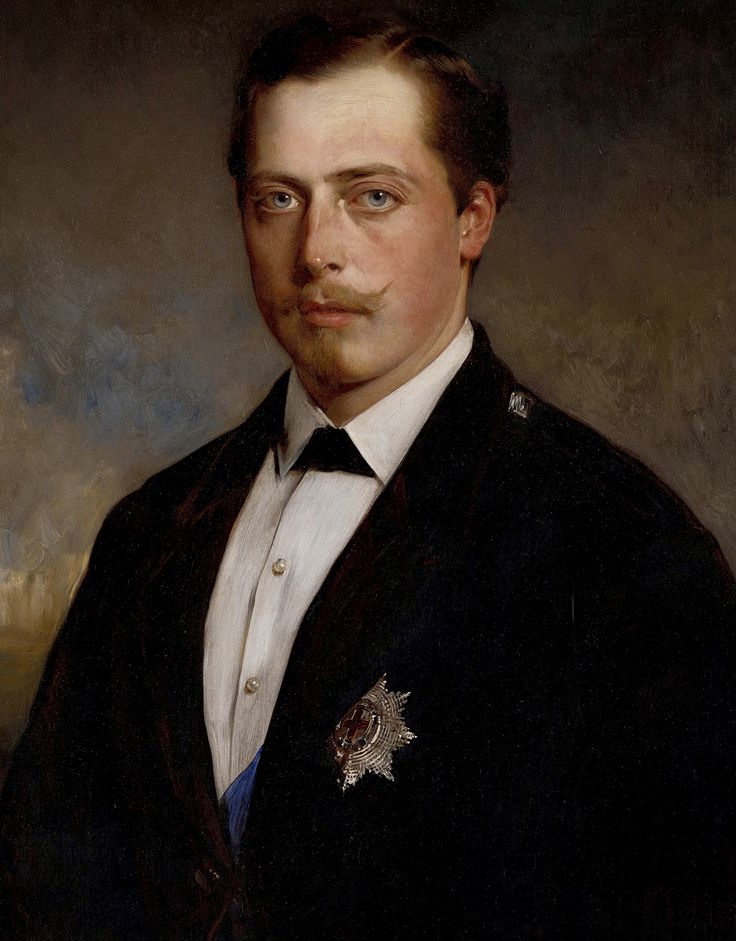
Queen Victoria and Prince Leopold: Beauty, Illness, and Perception
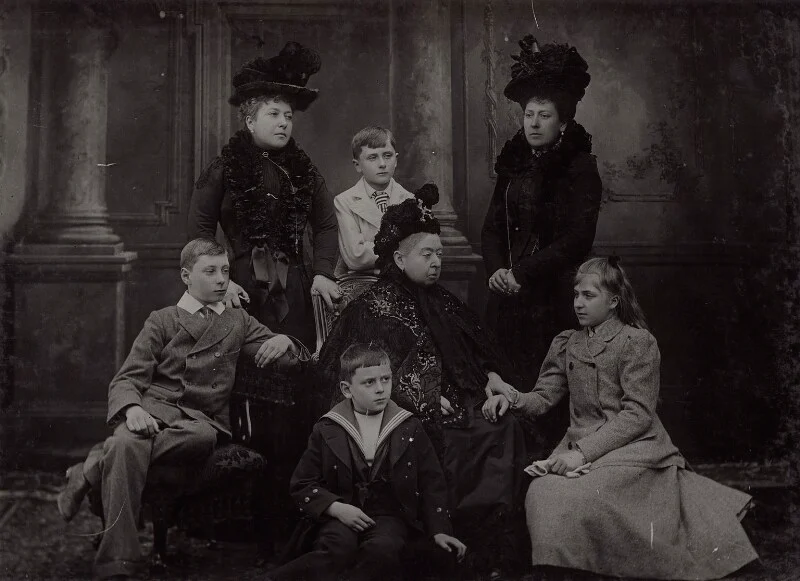
Queen Victoria family portrait
The private pages of a monarch’s life can reveal as much about an era as any public proclamation. One of the more startling entries—voiced in the intimate cadence of family diary and letter—is Queen Victoria’s own dismissal of her eighth child, Prince Leopold, as "the ugliest and least pleasing of the whole family." That judgment, accompanied by a habit of depicting him in grotesque caricatures, has sat uneasily in the historical record: on the surface it is a cruelty from a mother and sovereign; beneath it are layers of Victorian aesthetics, medical realities, family dynamics, and the peculiar pressures of dynastic life. This article unpacks those layers to understand why Queen Victoria might have both loved and disparaged the son who arguably bore her strongest resemblance.
The Royal Family in Context
Queen Victoria and Prince Albert raised nine children in a household that was, by turn, domestic sanctuary and political instrument. The children’s appearances, marriages, and comportment mattered—both to the dynasty and to public perception. Within that rarefied space, maternal comments carried symbolic weight: a queen’s private remark could echo into public imagination, either reinforcing or undermining the dignity of the family under her care. To read Victoria’s dismissive words about Leopold without context is to mistake a personal observation for a simple, final truth.
Prince Leopold: A Brief Biography
Born into the mid-19th century’s most prominent household, Prince Leopold Frederick Augustus (later Duke of Albany) was, from infancy, part of the machinery of monarchy. Smaller in stature than some of his siblings and frequently in fragile health, Leopold’s life was shaped by both privilege and vulnerability. He developed into an articulate, intellectually curious man, taking an interest in law, the arts, and later, family responsibilities. Yet health setbacks—most notably a bleeding disorder that afflicted several of Queen Victoria’s descendants—meant that Leopold’s life would be measured not only by private affection but by medical limitation.
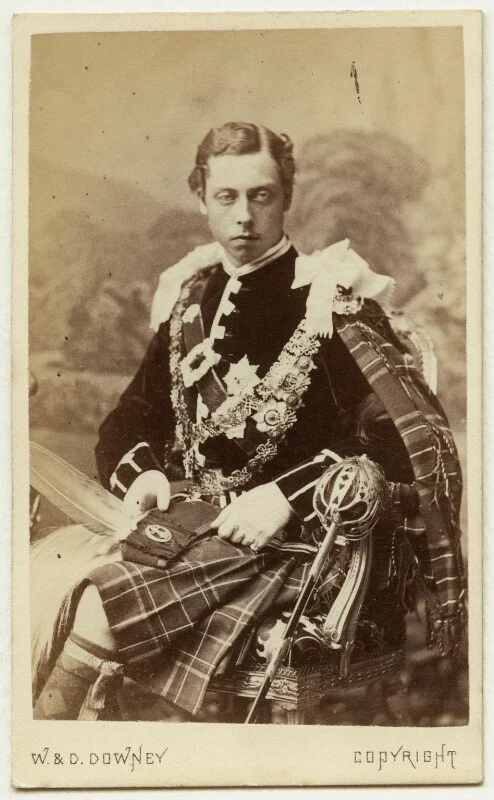
Prince Leopold Duke of Albany
"She called him ‘the ugliest and least pleasing’—a judgement that reveals less about his looks than the anxieties and expectations of an era."
Appearance, Resemblance, and the Charge of ‘Ugly’
Beauty is not an objective fact; it is a socialized response shaped by fashion, hierarchy, and the particular fears of a culture. In Queen Victoria’s household it acquired special meaning. Physical traits could be read symbolically: strength or weakness, vigor or frailty, suitability as a dynastic figure. Observers have noted that Prince Leopold may have been the child who most resembled Victoria herself—yet that similarity did not spare him from harsh remarks. On the contrary, in an age when female beauty could be trivialized or stigmatized, resemblance to the queen could become a liability if the queen herself did not fit prevailing ideals of courtly allure.
Part of the tension here is the vocabulary: words like "ugly" served as shorthand for a complex mix of disappointment, anxiety, and projection. Victoria’s own diaries reveal a woman adept at managing public image but frank and often unforgiving in her private pen. Critics have debated whether her comments were an exercise in sarcastic affection, a harsh attempt at humor, or a more troubling pattern of maternal criticism. Whatever their tone, the remarks shaped how contemporaries—and many later readers—saw Leopold.
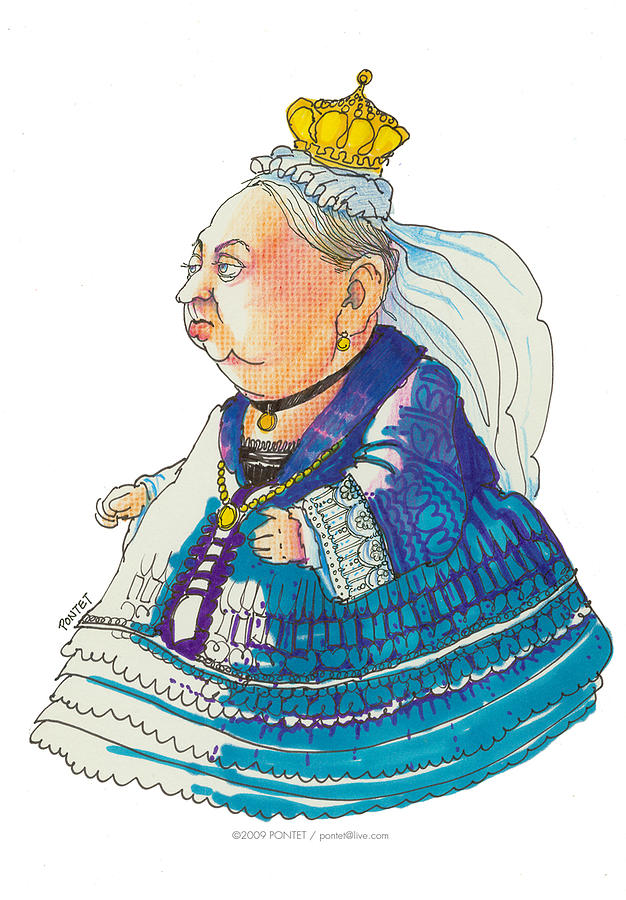
Queen Victoria caricature drawing
Health, Visibility, and Victorian Medicine
Leopold’s health problems were not trivially cosmetic. He was affected by a bleeding disorder—hemophilia—that made the ordinary bruises and injuries of energetic youth potentially dangerous. In the Victorian imagination, physical frailty could be mistaken for moral or aesthetic failings. Medical knowledge of hereditary conditions was nascent; the language to describe chronic, invisible illnesses did not yet exist in forms we now recognize. As a result, a child’s pallor, size, or gait might be read purely as physical unattractiveness rather than as signals of a medical condition.
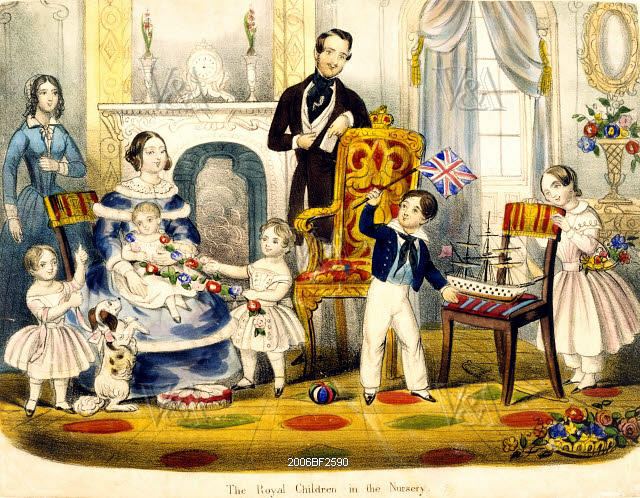
19th century royal children
Leopold’s vulnerability altered his life course and, likely, Victoria’s own behavior toward him. Mothers in many times and places grow anxious when they perceive their children as fragile; that anxiety sometimes expresses itself as critical surveillance—scrutinizing looks, unkind jokes, or exaggerated caricature. In Victoria’s case, those reactions were magnified by the stakes of succession and the public role her sons were expected to play.
How a Queen Drew Her Child
Portraits and drawings are acts of interpretation as much as representation. Queen Victoria’s tendency to render Leopold in grotesque or exaggerated form—even if done privately—says something about the gap between public performance and private sentiment. Drawing, for Victoria, may have been a domestic pastime and an emotional shorthand; exaggeration could be a vehicle for control, a way to distance herself from worry or sorrow. But it is also a reminder that rulers are human and that private art can reveal biases that public image management conceals.
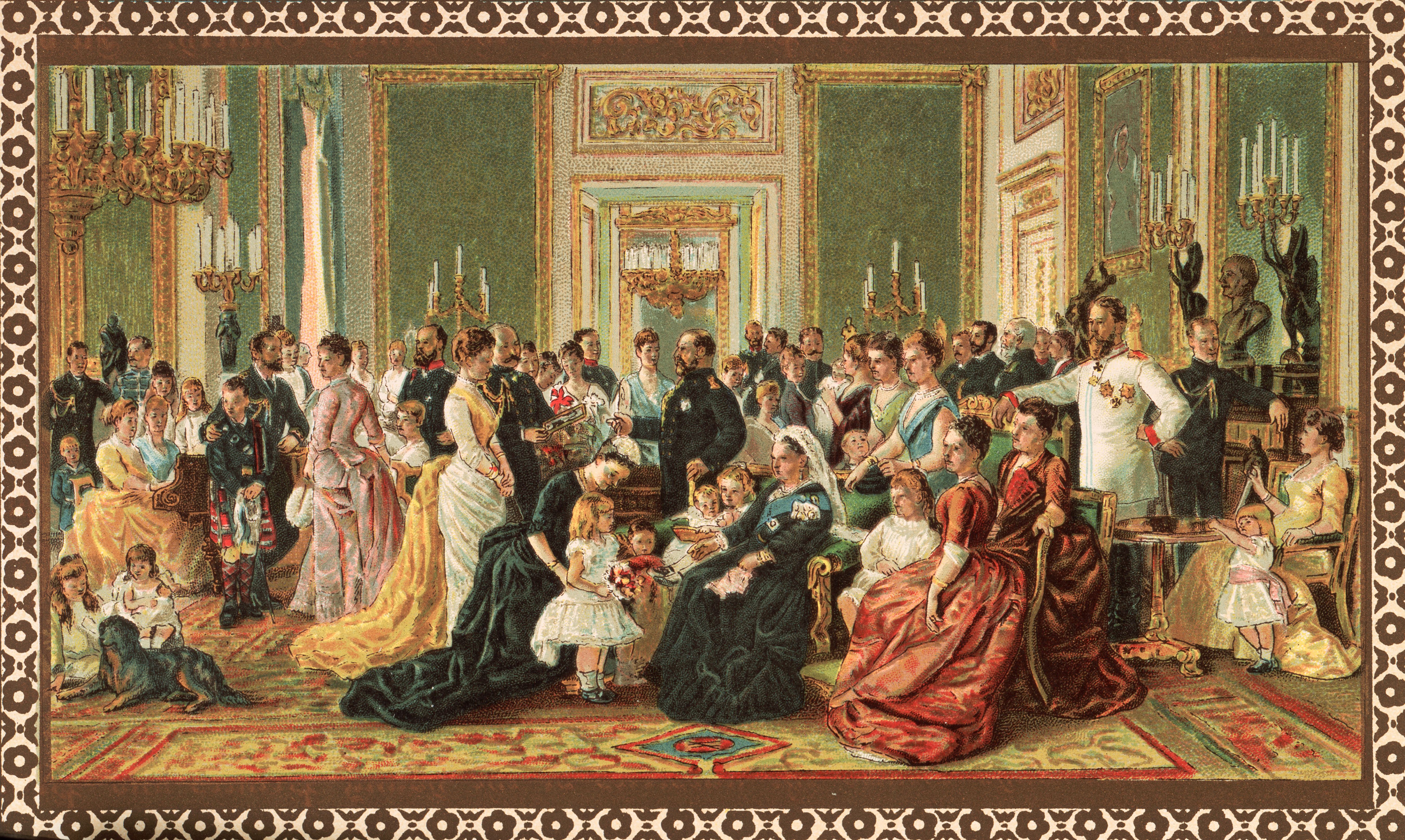
Victorian royal family health
Resemblance and the Burden of Likeness
One irony of the story is that Leopold’s looks may have most closely reflected Victoria’s own. In many family histories, resemblance can be a source of pride; in dynastic households it can also carry the charge of blame or disappointment. If Victoria saw in Leopold a reflection of her less glamorous aspects—her features, her temperament—that recognition could have felt uncomfortable and even threatening. The queen’s self-image, complicated by widowhood and public expectation after Prince Albert’s death, mattered to how she perceived—and judged—her children.
History shows a pattern: when prominent figures are judged for their appearance, the criticism often mirrors anxieties about politics, lineage, and control. Victoria’s criticism of Leopold may have been less about literal ugliness and more about an internalized standard she judged both herself and her offspring against.
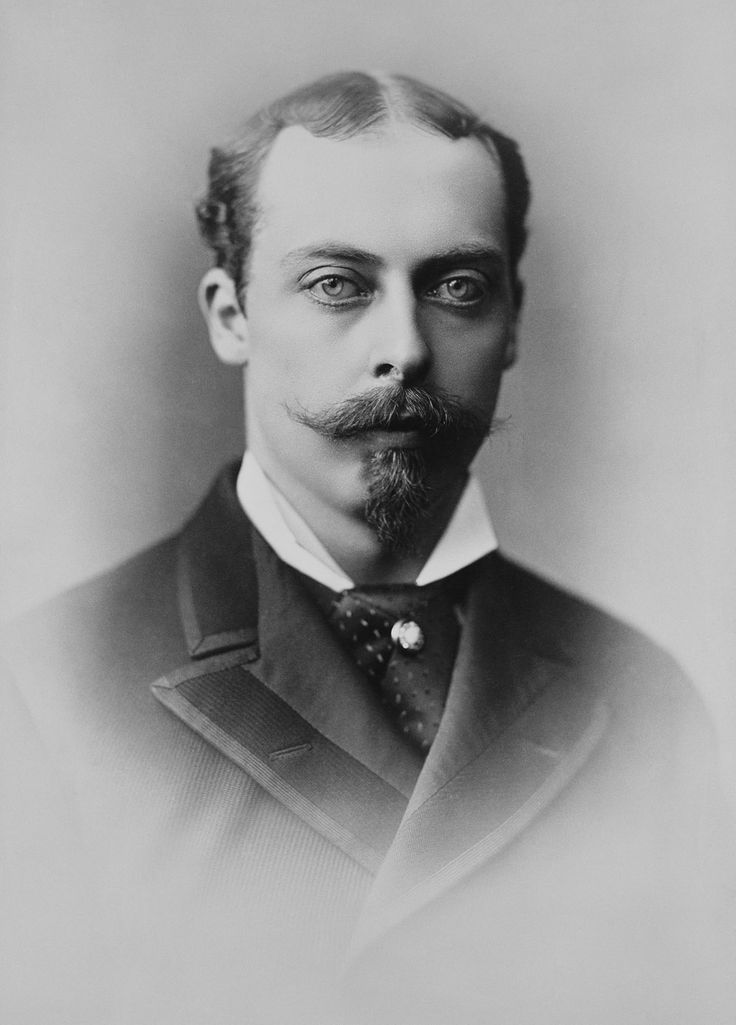
Prince Leopold appearance resemblance
Maternal Critique, Power, and Emotion
Mothers are permitted a range of emotions in private that public figures rarely enjoy. Queen Victoria, like any mother, could be capricious, jealous, proud, and tender. But she was also a monarch whose private feelings risked public consequences. Her repeated denigration of Leopold raises questions about the function of such comments: Were they a form of tough love? A way to manage anxiety about a son whose health made him vulnerable? Or an expression of internalized perfectionism that demanded every child conform to an ideal image?
It is also worth noting the gendered dimension: parents often apply harsher appearance-based criticism to sons or daughters depending on cultural expectations. Victoria’s role as queen and mother intersected in gendered ways; as a woman who had to maintain a particular public persona, she may have been unsparing of those traits in her children that diverged from that persona.
Victorian Attitudes Toward Disability and Stigma
The 19th century did not have the vocabulary or the social frameworks to treat chronic illness with the nuance we aim for today. Disabilities could be moralized, hidden, or sensationalized. In royal circles, some conditions were carefully skirted around; in private, family members could react with embarrassment or denial. Leopold’s bleeding disorder thus existed at the intersection of affection and social anxiety. The stigma it carried likely shaped how he was spoken of—by his mother and by the wider court.
Leopold’s Character and Public Life
Despite his frailties and his mother’s occasional barbs, Prince Leopold developed a reputation that extended beyond critiques of his looks. He was known for intellectual seriousness, courtesy, and a thoughtful approach to his duties as Duke of Albany. Contemporary observers described him as cultivated and kind—qualities that complicated any reductive portrait based on a queen’s private jibes. In public, he navigated society with care, aware that his body and his persona were continuously under observation.
The Afterlife of Familial Judgment
Words uttered in private can become part of a public person’s legacy. Victoria’s diary lines, turned into anecdote and moral lesson by later biographers, played a role in shaping the memory of Leopold in the popular imagination. The paradox is that such judgments often stick because they condense complexity into a memorable phrase. Historians must therefore unpack the contexts that generated those phrases, resisting the temptation to reduce individuals to a single anecdotal verdict.
Reassessing Legacy: Sympathy, Complexity, and Empathy
Modern readers can approach Victoria and Leopold with a mix of sympathy and critical distance. Sympathy for a child whose health made ordinary life perilous; critical distance toward a monarch whose words could wound even in private. Empathy asks us to recognize that public figures are formed by cultural structures and personal traumas—here, a queen navigating grief, duty, and image management, and a son negotiating bodily vulnerability and public expectation. Reassessing Leopold’s legacy means centering his lived humanity, not the caricatures drawn by a mother who herself was the product of a challenging historical moment.
Conclusion: What the Story Teaches Us
The story of Queen Victoria’s sharp words about Prince Leopold is a study in how appearance, illness, and maternal bias collide within families who also have public roles. It reminds us that private cruelty can shape public memory, that resemblance can be burden as much as bond, and that historical judgments require careful unpacking. Leopold’s life—marked by intellect, fragility, and dignity—deserves more than a single cruel phrase. It deserves a reading that acknowledges the medical realities of his time, the pressures on his mother, and the ways in which patriarchal and aesthetic expectations can deform even the most intimate relationships.
Reputation is often a snapshot: sharp, selective, and unkind. The work of history is to show the whole album.
- Queen Victoria’s harsh words about Prince Leopold reflect cultural anxieties about appearance, lineage, and health rather than an objective assessment of worth.
- Leopold’s health challenges—particularly a bleeding disorder—shaped both his life and how contemporaries perceived him.
- Private remarks by public figures can disproportionately influence historical memory; careful context prevents simplistic judgments.
- Reading 19th-century attitudes toward disability and beauty requires both critical distance and historical empathy.
Prince Leopold’s life invites us to look beyond a single line of scorn toward the deeper human story of vulnerability, duty, and familial love.