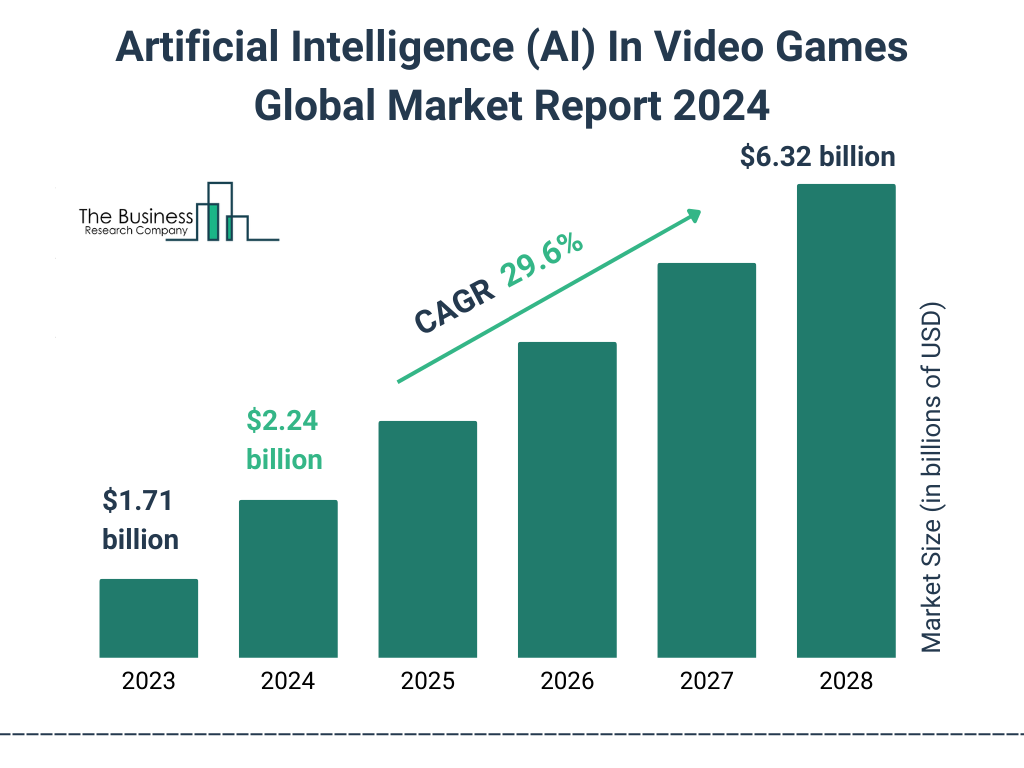
Project Genie Sparks Gaming Market Meltdown - Stocks Plunge
The headline arrived like a thunderclap: a major technology company unveiled a generative AI tool built specifically to design and prototype games at scale. Within hours, the trading tape reflected panic. Shares in mid-cap and some large-cap gaming companies slid sharply as analysts and traders scrambled to price in the possibility that some parts of game development could be automated, that incumbents might lose control of distribution, and that the moat around premium content creation could erode faster than anyone had anticipated.
The reaction was visceral because gaming is not just entertainment; it is a complex ecosystem of studios, middleware providers, platform holders, publishers, and millions of players. When a tool claims to automate art pipelines, level design, narrative scaffolding, or even generate playtests, it strikes at the heart of where value is created. This piece examines what Project Genie appears to be, why markets moved, and what developers, publishers, and investors should watch next.
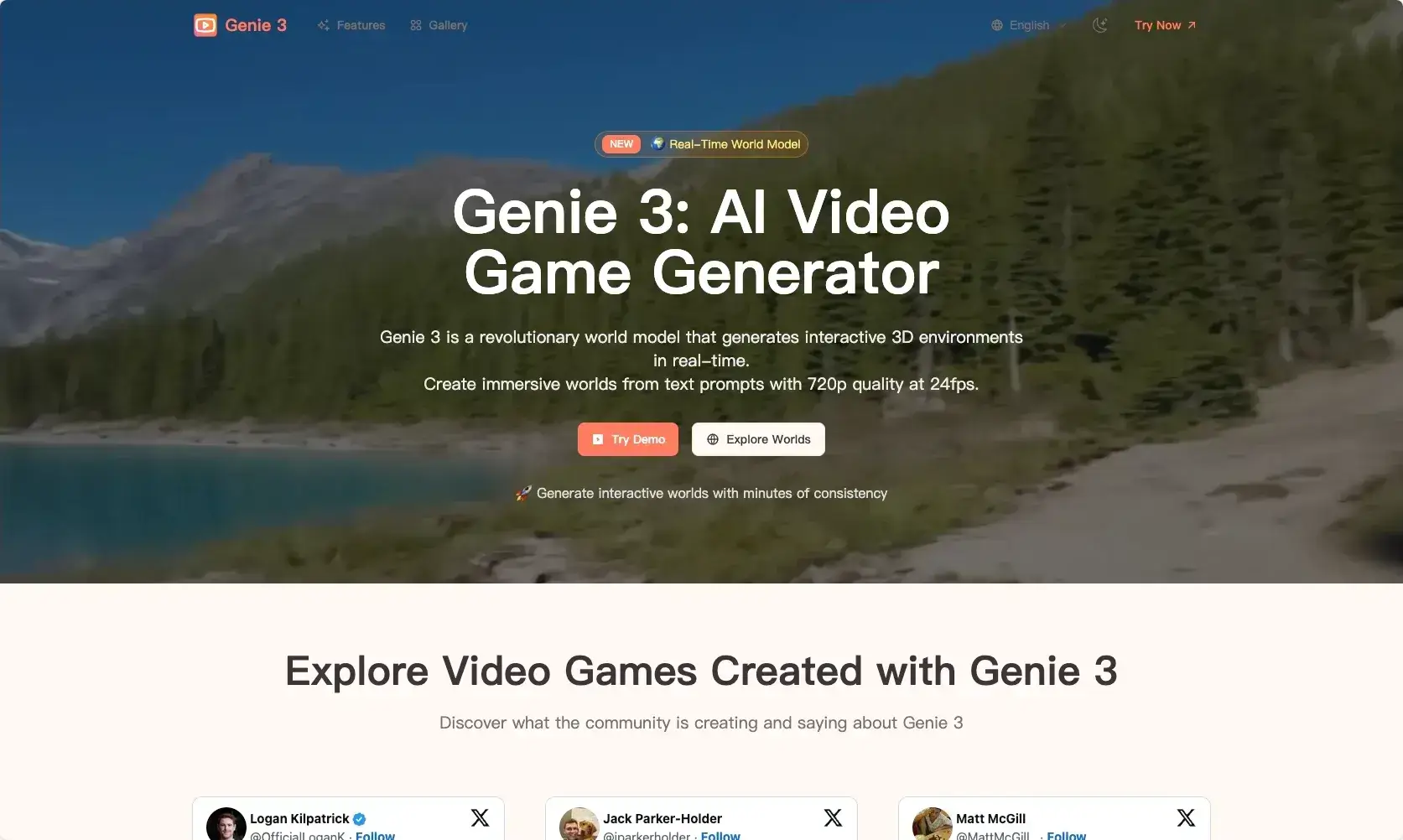
Project Genie AI game tool
What Google Announced — and Why It Mattered
The announcement in plain terms
The unveiled product, referred to publicly as Project Genie, is positioned as an AI-first design assistant for games. It reportedly integrates large multimodal models with procedural generation engines and real-time testing harnesses, enabling a developer to sketch a concept and receive playable prototypes, art variations, and balancing suggestions. For studios, the pitch is speed: iterate in hours instead of weeks. For publishers, it's lower marginal cost for content creation. And for platforms, it raises questions about where discovery and distribution sit when that content can be produced quickly and cheaply.

AI game creation interface
Why investors reacted
Markets hate uncertainty and they hate structural disruption. The immediate selloff reflected several investor fears converging: potential downward pressure on development costs (and thus pricing power for studios), the possibility of a flood of high-quality, AI-generated titles saturating digital storefronts, and the existential threat to specialized middleware vendors whose products are made redundant by integrated AI toolchains. Traders also repriced risk for smaller studios that rely on premium art and design as their competitive edge.
The concern wasn't only automation. It was about a sudden shift who controls creativity and distribution in games.

gaming stocks plunging chart
What Project Genie Can Do — Technical Anatomy
Core capabilities
At its core Project Genie combines several technical layers: generative models for imagery and animation, procedural content generation for levels and environments, natural language interfaces for design prompts, and simulation-driven playtesting that evaluates balance and player engagement. Integrating these components into an iterative loop means a designer can prompt, observe, tweak, and iterate with the AI handling many of the heavy-lift tasks traditionally done by specialists.
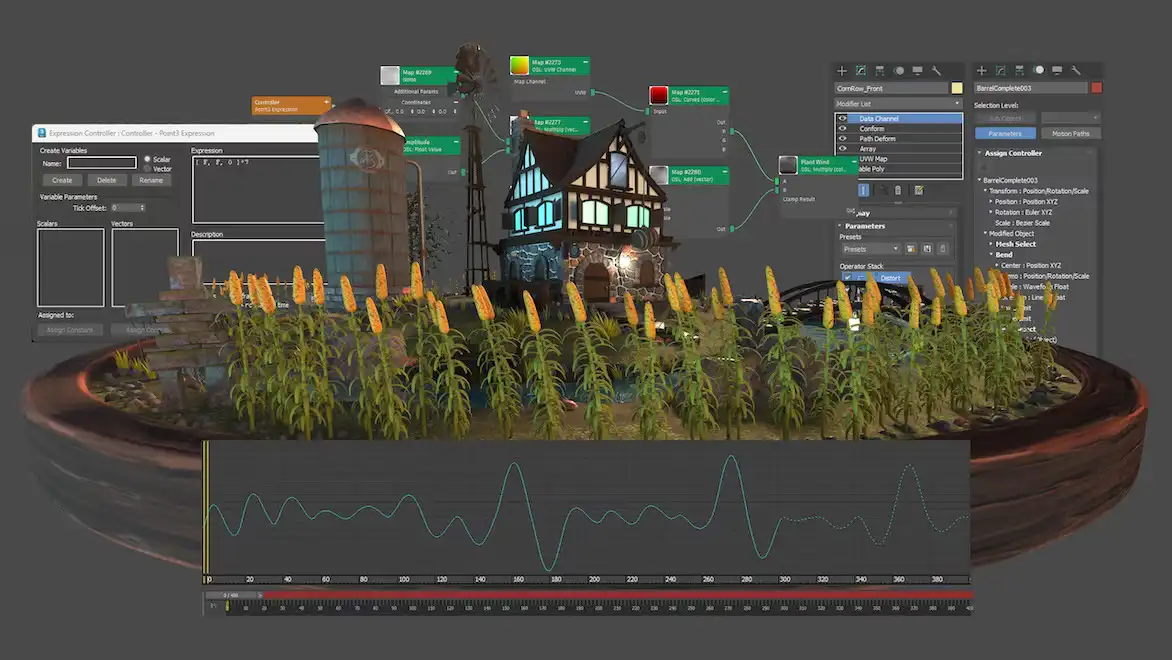
procedural generation game asset
Why integrations matter more than magic
AI outputs are useful only when they plug into pipelines. A credible tool must export assets in engine-native formats, respect licensing and IP constraints for third-party libraries, and provide control granularity so human creators can steer aesthetics and game feel. Project Genie’s danger — from an incumbent’s perspective — is not raw creativity but orchestration: linking AI generation with analytics, playtest feedback, and continuous deployment channels that feed store ecosystems.
Market Mechanics — How the Selloff Unfolded
Immediate trading moves
Within a trading session, certain asset classes and individual securities are more prone to reflexive moves. Analysts watching the reveal noticed three patterns: (1) publicly traded mid-sized developers with niche art styles or high per-title development costs moved down the most, (2) middleware and tool vendors saw mixed responses depending on perceived defensibility, and (3) larger platform companies exhibited smaller moves but rising implied volatility as option markets priced in uncertainty. Hedge funds and algorithmic traders amplified the initial repricing, turning a news event into a cascade.

stock market trading panic
Why this differed from past tech announcements
Past AI-related announcements often affected advertising, cloud, or productivity sectors. Games are different because they are both cultural products and long-term investments. A single hit title can deliver outsized returns for a publisher; conversely, a string of misses can erase value. The idea that a tool could increase hit frequency or, alternatively, dilute the value of hits changes how cash flows are forecasted — and quickly alters valuations.
Industry Impact — Winners, Losers, and Grey Zones
Potential winners
Not all change is loss. Tools that reduce rote work can expand creative bandwidth. Smaller studios and solo developers could produce higher-fidelity prototypes, accelerating indie innovation. Middleware providers that adapt and expose unique model-tuning capabilities could find new revenue streams. Platforms that embrace AI-enabled content curation and create marketplaces for AI-generated assets might capture the next wave of microtransactions and user-generated commerce.
Google AI game design
Potential losers
Studios that sell exclusivity on handcrafted artistry or those that cannot integrate AI into their pipeline risk margin compression. Middlemen who monetize through labor arbitrage may face obsolescence. There is also an existential question for creative workers: artists and level designers will need to evolve their roles toward curation, direction, and model training rather than purely producing assets.
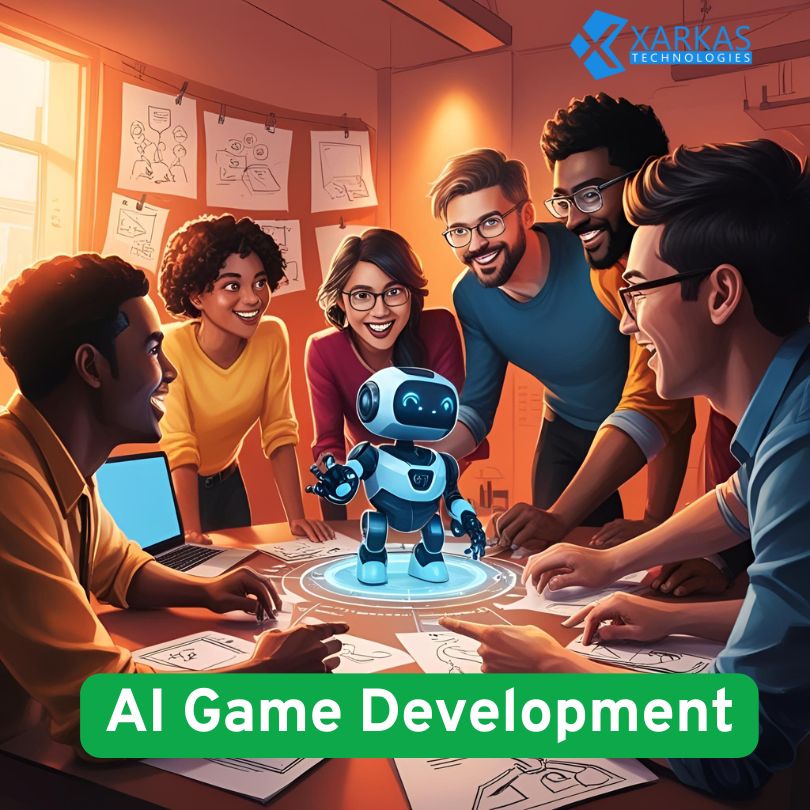
AI game development tools
- Speed: Faster prototyping and iteration.
- Lower unit cost: Reduced cost for content creation.
- Democratization: Greater access for indie creators.
- Displacement: Potential job redefinition or loss.
- Commodification: Risk of market saturation and lower pricing power.
- Quality variance: Overreliance on models can produce generic output.
Hands-On: What Developers Will Need To Do
Adopting AI responsibly
Developers who want to remain competitive should view these tools as collaborators. That means investing in prompt engineering, building asset-review pipelines, and establishing rigorous QA that tests not only technical correctness but also narrative cohesion and unique player experiences. Studios should also develop internal guardrails for IP provenance and attribution, because licensing disputes will emerge as a core legal battleground.
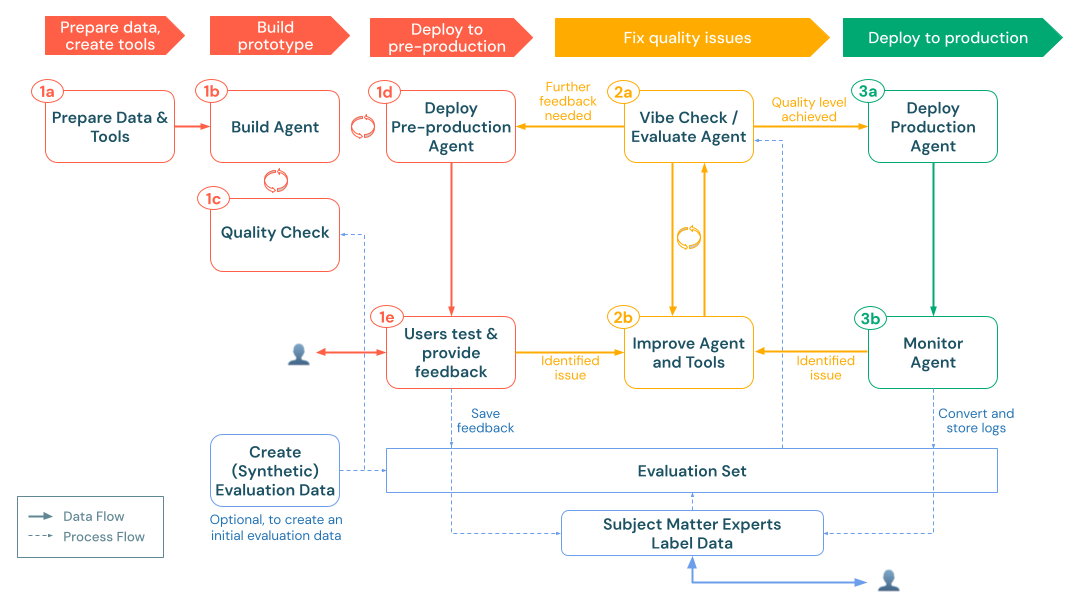
developer workflow AI tools
Organizational change
Teams will need hybrid specialties: designers who understand model limitations, technical artists who can fine-tune outputs, and legal/product roles that map monetization strategies to AI usage. The transition is organizational as much as technical; those who restructure quickly can turn disruption into advantage.
Policy, Ethics, and Legal Risk
Copyright and attribution
Generative AI sits at the intersection of technical capability and legal ambiguity. If models were trained on copyrighted art without explicit licenses, downstream output could embed style or content that prompts litigation. Publishers must be proactive: maintain transparent provenance records, negotiate licensing where needed, and prepare for potential class actions that challenge the legality of mass-produced derivative content.
Regulatory scrutiny
Regulators will pay attention when market-moving events happen. Antitrust authorities might examine whether platform holders who provide both a content creation tool and a distribution channel create unfair advantages. Data privacy, youth protection, and content moderation rules will also be areas where policy and product teams have to align rapidly.
Investor Playbook — How to Think About Risk and Opportunity
Short-term vs. long-term framing
Short-term market moves often overshoot. Traders react to headlines, but long-term investors should look at revenue composition, pipeline health, and the ability of firms to adapt. Companies with diversified monetization — live services, subscriptions, IP licensing — have more insulation. Conversely, firms whose revenue depends on premium single-title margins are more exposed to downward pricing pressure.
Due diligence checklist
- Technology adoption: Does the company have a credible AI integration roadmap?
- IP exposure: Could their assets or pipelines be replicated by generative models?
- Revenue resilience: Are there recurring revenues or sticky ecosystems?
- Legal preparedness: Is the company ready for IP and training-data litigation?
Cultural and Consumer Effects
Player perception matters
Players are discerning. If AI-generated content feels generic or undermines player identity and community creativity, backlash can be swift. Successful deployment will depend on transparency and maintaining spaces for player-driven expression. Conversely, tools that accelerate modding and user-generated content could invigorate communities and create new monetization pathways.
The future of creativity
Rather than a binary outcome of jobs lost or jobs saved, expect role evolution. Creatives who harness AI to amplify distinct voices and iterate on experimental ideas will thrive. The core creative spark — the ability to craft memorable systems and stories — remains human, but the tools by which humans achieve that spark will shift rapidly.
When tools change, the winners are rarely those that complain the loudest; they are the organizations that reimagine their workflows.
Practical Next Steps for Stakeholders
For developers
Begin controlled experiments, document all AI outputs, and focus on building unique experiences that AI cannot replicate easily: deep narrative integration, emergent multiplayer systems, and artistry tied to community practices. Negotiate contracts with publishers to recognize AI usage and ensure fair compensation models for human creators.
For publishers and platforms
Invest in moderation, provenance tracking, and discoverability systems that highlight curated experiences. Consider new commercial models for AI-assisted assets and establish certification programs for trustworthy content.
Conclusion — A Market Shock, Not Necessarily a Doom Day
The market's immediate reaction to Project Genie is a reminder that headlines amplify uncertainty. The core economic reality is more nuanced: automation can lower costs and democratize creation, but it also shifts where value is captured — toward platforms, curation, and unique human-driven experiences. Companies and creators that adapt organizationally, legally, and creatively will find opportunity. Investors who panic-sell may miss the chance to rebalance into firms that retrofit AI into new defensible business models. Regulation will follow, and the firms that proactively build transparent, ethical practices will likely emerge as longer-term survivors.
- Project Genie accelerates AI-assisted game creation but does not automatically replace human creativity.
- Short-term market volatility is expected; long-term winners will be those that integrate AI responsibly into pipelines.
- Investors should focus on revenue resilience, IP risk, and management's ability to adapt.
Change in a creative industry tends to be uneven: some workshops shut, others are reborn. The story of Project Genie will unfold over years, not days, but the market has given everyone a jolt. That jolt is an invitation — to experiment, to regulate, and to rethink how we value games in an era when machines can generate content at scale. The companies, creators, and players who thoughtfully engage with that future will shape whether this moment becomes a pivot or a rupture.