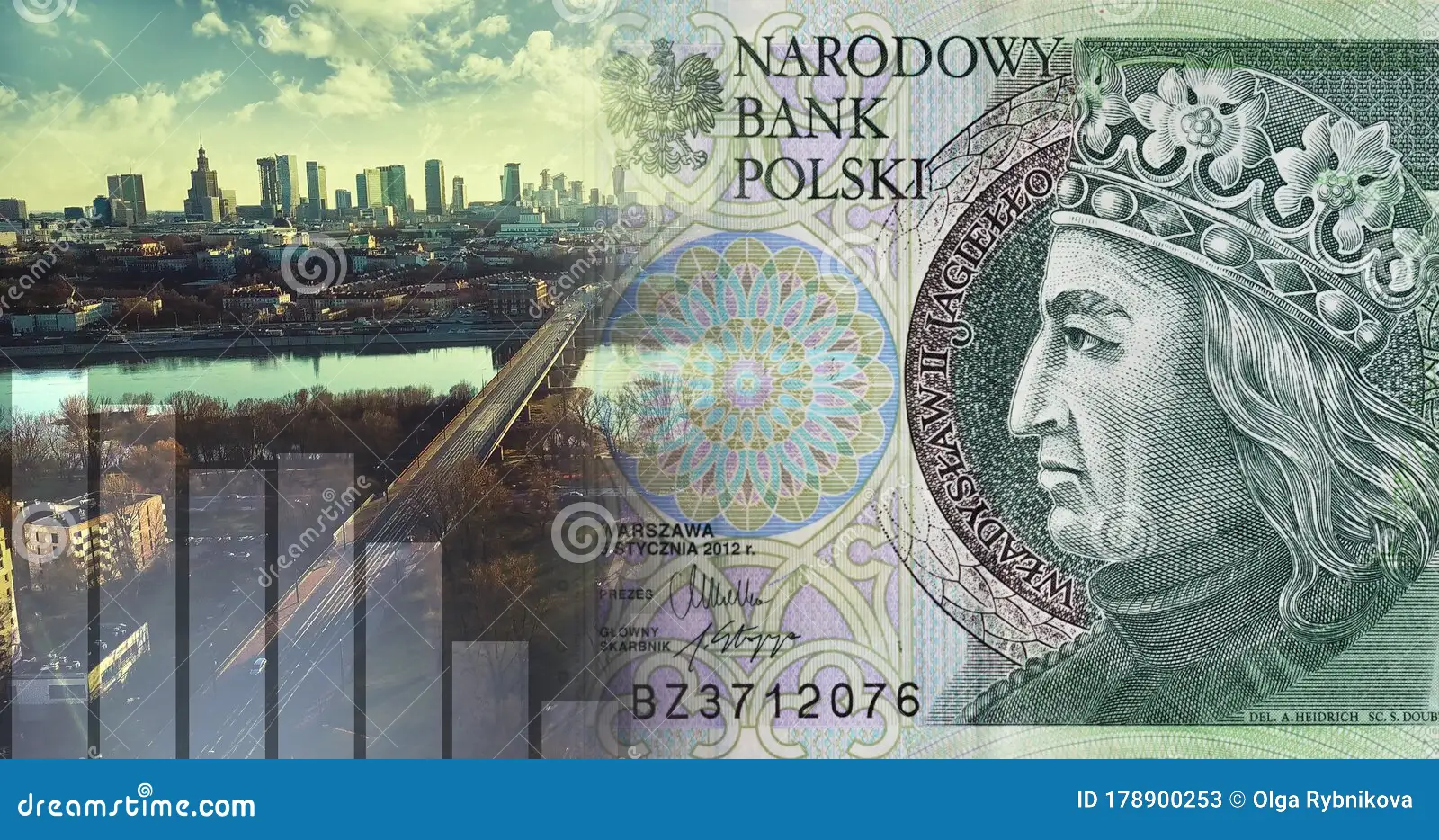
Poland Keeps the Złoty as Economy Surges — Why the Euro Can Wait
The headline — "We're in the top tier now" — captures a confidence that has become common in Warsaw boardrooms and government offices: Poland's economy has matured, its companies compete across Europe, and policymakers argue that the country can afford to keep its national currency, the złoty, rather than rush into the euro. That decision is not merely symbolic; it reflects a deliberate weighing of trade-offs between deeper European integration and the tangible benefits of monetary independence. This long-form piece unpacks the economic logic, political calculus, and practical mechanics behind Poland's choice to stay outside the euro for the time being.
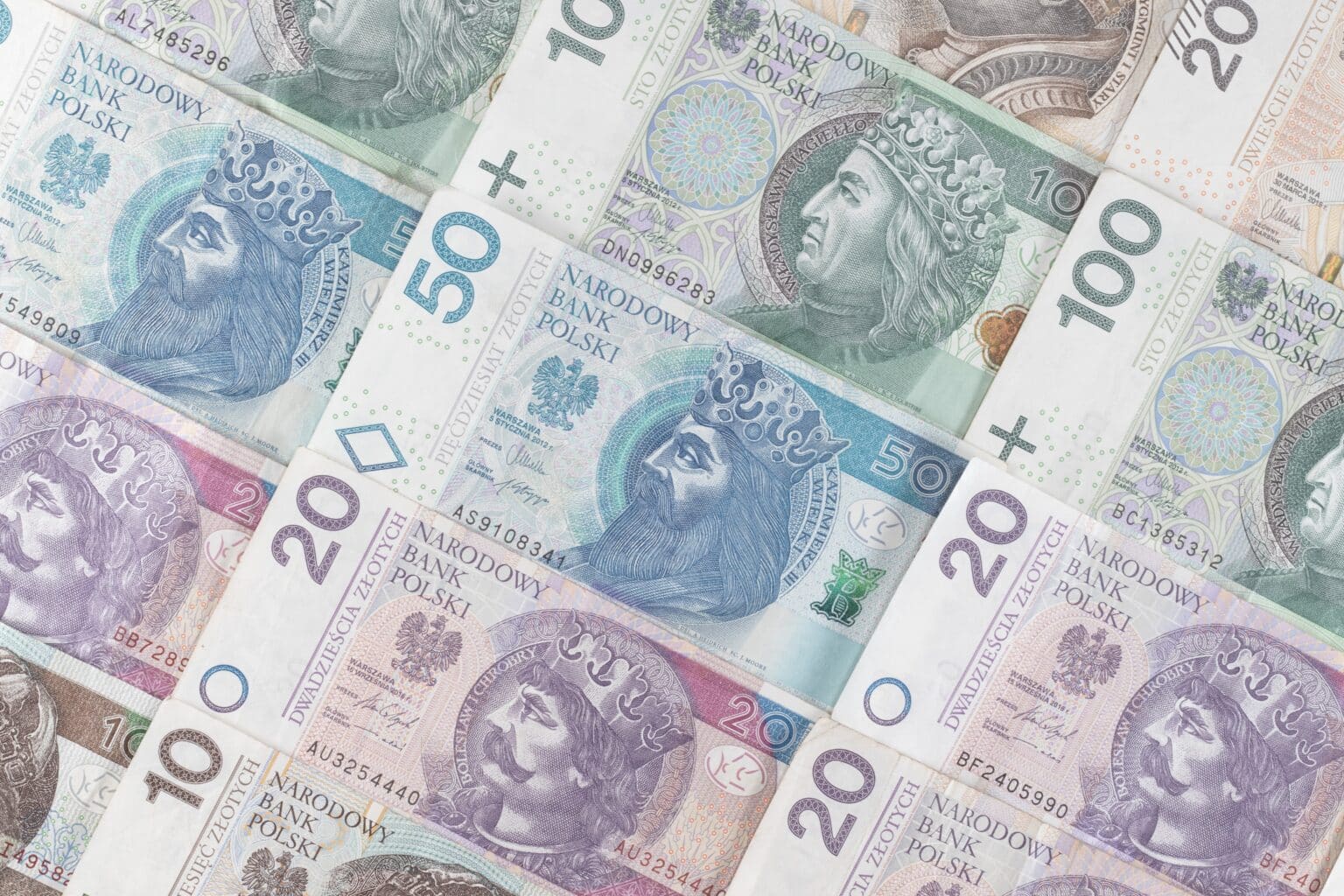
Polish złoty currency
A strong economy, but a complex choice
At a glance, Poland's trajectory since joining the European Union has been impressive. The country transformed from a transition economy to a diversified market with robust manufacturing, a competitive services sector, and rising domestic demand. Investment has flowed into technology, logistics and industry, while exports to EU partners remain central to growth. Against this backdrop, the argument for keeping the złoty is framed not as backward-looking nationalism but as a pragmatic stance: retained monetary tools give Warsaw flexibility to respond to shocks and steer domestic priorities.
Why monetary independence still matters
Monetary independence means control over interest rates, exchange-rate management, and unconventional tools when necessary. For a country that has navigated asymmetric shocks — global commodity swings, regional geopolitical strain, or sudden capital flow reversals — these tools can be stabilizing. A central bank that sets policy to suit a domestic cycle, rather than one calibrated to a eurozone-wide average, can help smooth consumption, support employment and anchor inflation expectations when pressures are specific to the Polish economy.
Warsaw National Bank Poland
Keeping the złoty is less about isolation and more about preserving options for managing risk.
Flexibility in interest rates and inflation management
When inflation or demand shocks hit, being on a national currency allows the central bank to raise or lower interest rates to match local conditions. Under the euro, monetary policy is set by the European Central Bank and must balance the needs of 20+ economies with very different cyclical positions. For Poland, where growth and inflation may diverge from the eurozone average, this lack of alignment can be costly: too-tight policy could choke domestic investment, while too-loose policy could overheat the economy.
Exchange-rate tool as shock absorber
The exchange rate is a powerful shock absorber. A depreciating currency can support export competitiveness and cushion external demand downturns; an appreciating currency can ease imported inflation. Retaining the złoty preserves this channel. Even well-run fiscal policy cannot replicate the automatic stabiliser that exchange-rate flexibility provides in certain crises.
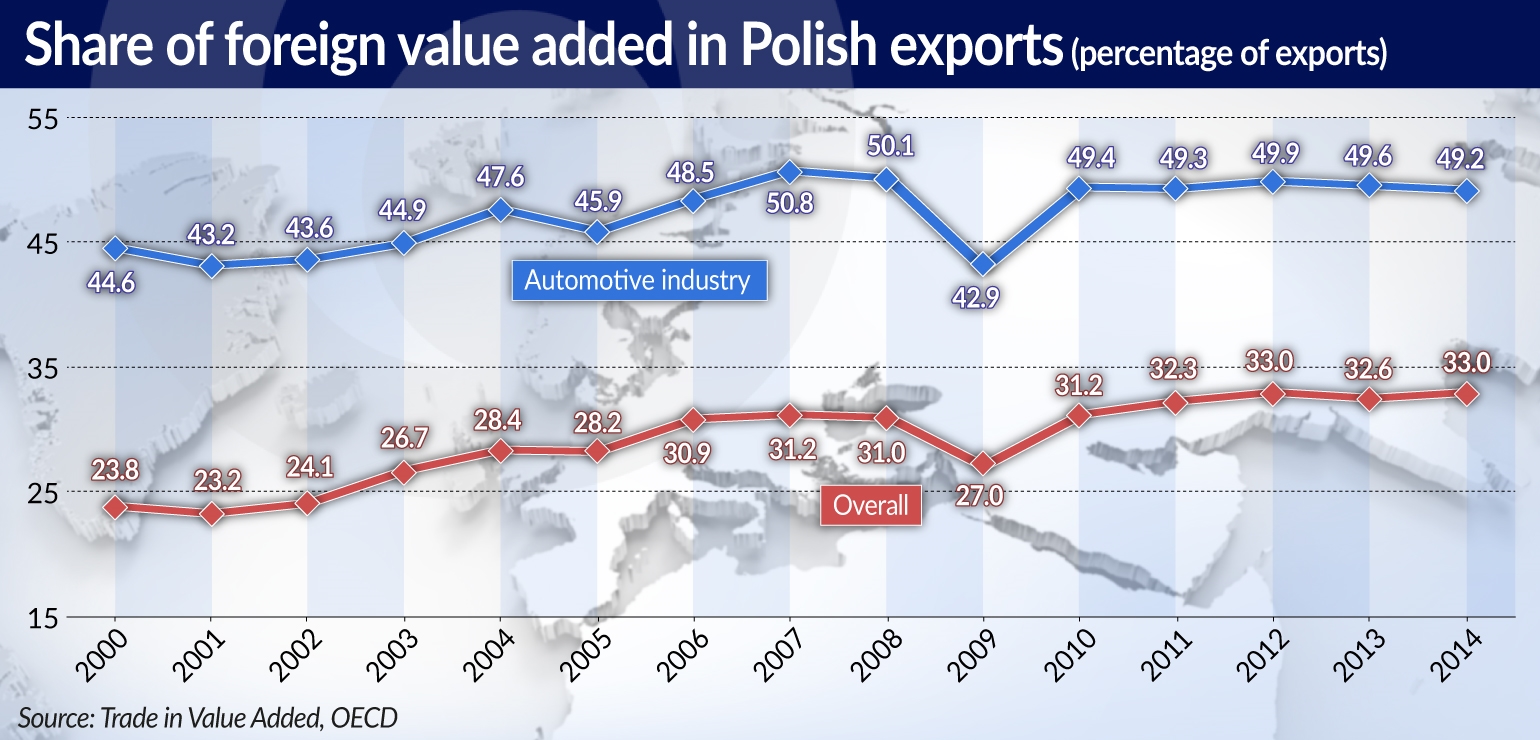
Polish manufacturing export
The upside of joining the euro — and why Poland is cautious
Proponents of euro adoption emphasize clarity, lower transaction costs for companies, elimination of currency risk within the euro area, and deeper financial integration. For exporters, paying and receiving in a single currency simplifies hedging and accounting. For investors, full adoption can reduce perceived sovereign risk and may attract a certain class of portfolio flows that prefer unified currency regimes.
Trade and investment benefits are real, but incremental
Poland's export relationships are already dense with the eurozone. Many firms price contracts in euros, use euro-denominated financing, or naturally hedge risk via multinational operations. That means some of the practical benefits of the euro are already embedded in corporate behavior. Converting to the euro would formalize these practices and may slightly reduce costs, but the marginal gain—especially in the short run—may not be transformational for an economy that has already adapted.
Costs of transition
Adopting the euro is not a cost-free switch. There are administrative conversions, legal adjustments, and one-off fiscal implications, such as aligning government accounting and public debt metrics with eurozone practices. Perhaps more importantly, the political cost of perceived surrender of monetary sovereignty is non-trivial. For governments that prize national control over policy levers, transferring decision-making to the European Central Bank is a significant political and strategic step.
Politics, public opinion and timing
Decisions about currency are ultimately political. Political leaders must weigh technocratic benefits against public sentiment and electoral calculus. In Poland, parties on both sides of the ideological spectrum have used the euro question as a touchstone for sovereignty, identity, and economic strategy. Even when technocrats see long-term advantages to joining the euro, politicians calculate whether the electorate will reward or punish perceived loss of control.
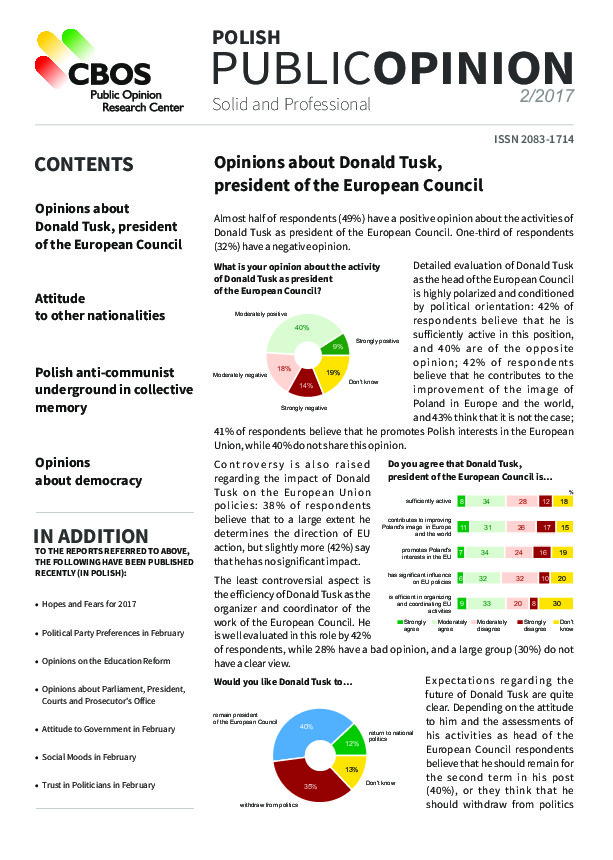
Polish public euro opinion
Public sentiment and trust
Public opinion on currency adoption is mixed and can shift with economic cycles. When households and businesses feel stable or optimistic, the perceived cost of change rises; when crises make cross-border guarantees look attractive, appetite for integration increases. Maintaining public trust during a currency transition is crucial: price conversions, administrative confusion, and distributional impacts on savers and debtors can sway public attitudes quickly.
Timing a currency switch well is as important as the decision itself. Mistimed adoption during a regional downturn could amplify pain.
Financial system readiness and prudential safeguards
One practical dimension is the resilience of the banking sector. Poland's banks, many of which are part of cross-border groups, have shown adaptability, but euro adoption would change funding structures and cross-border regulation. Supervisory coordination, liquidity backstops, and contingency resolution frameworks must be aligned. For policymakers, the right question is not whether euro adoption is inevitable, but whether the financial plumbing and legal architecture are robust enough to handle it without introducing systemic risk.
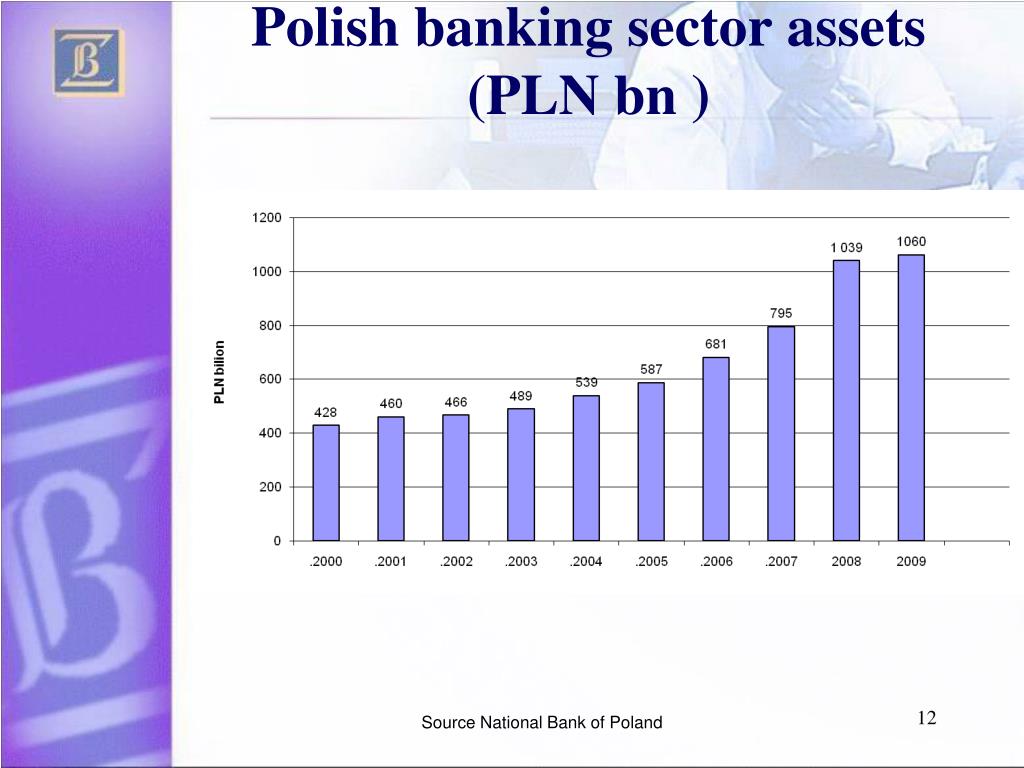
Polish banking sector
FX reserves and shock-absorbers
Reserves and fiscal buffers matter more when you give up exchange-rate flexibility. A transition to the euro requires credible fiscal discipline and contingency planning: larger reserves, clear access to ECB facilities for exceptional liquidity, and strong prudential rules can help compensate for the loss of independent monetary policy.
The economic calculus: a balanced view
When economists model the costs and benefits, the results vary with assumptions. A small, open economy with a high trade share with the euro area will show tangible gains from reduced transaction costs and eliminated exchange-rate risk. But Poland's particular strengths—diversified exports, a large domestic market, and adaptive firms—reduce the incremental value of adoption. The result is a close call where political preference, short-term economic volatility, and strategic considerations tip the scales.
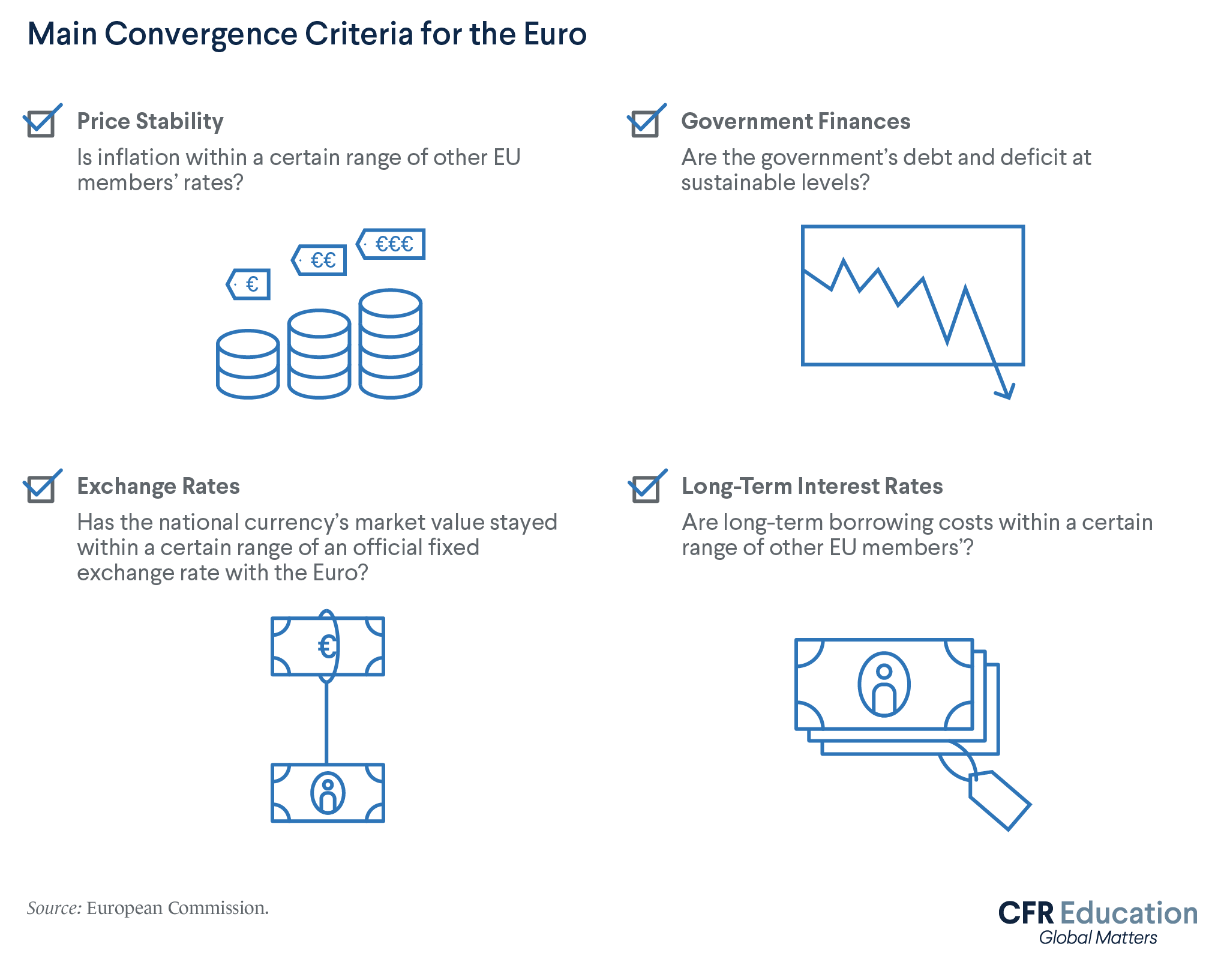
EU euro convergence criteria
Scenario thinking: three plausible paths
Policymakers often frame decisions in scenarios:
- Gradual convergence: Poland continues strengthening macro fundamentals, aligns fiscal rules, and waits until the political consensus exists for a deliberate, fully planned entry.
- Deferred adoption: The economy does well under the złoty, political appetite wanes, and adoption is postponed indefinitely, with no active plan to join on the near horizon.
- Shock-forced entry: An external crisis or conditional EU arrangement accelerates adoption; Poland joins with speed, perhaps before all domestic preferences are satisfied.
Each path has distinct winners and losers, so governments usually favor the gradual approach — preserving optionality while improving readiness.
What business leaders and households should watch
For corporate CFOs, monitoring policy statements, central bank guidance, and fiscal trajectories will be crucial. For households, the immediate issues are how a change might affect loans, mortgages, savings and prices. Transparent transition plans, clear communication about rounding rules and consumer protections, and guarantees for savers are essential elements of any credible adoption plan.
Practical checklist for readiness
- Macroeconomic convergence: sustained alignment with inflation and deficit norms.
- Financial-sector resilience: stress-tested banks and solid liquidity arrangements.
- Legal and administrative preparation: conversion laws, accounting standards, and consumer safeguards.
- Public communication: clear messaging to build trust and explain distributional effects.
Conclusion: confidence without haste
Poland's decision to keep the złoty while its economy booms is a rational choice rooted in trade-offs rather than symbolism. The country sits at a comfortable place — integrated with Europe, yet equipped with policy tools that matter in an uncertain world. For now, the złoty plays the role of a modern policy instrument: flexible, familiar, and useful. That is not to say the euro will never arrive; eventually, economic and political incentives could align. But for the foreseeable future, Poland appears content to enjoy the benefits of integration while holding on to the option of monetary sovereignty.
- Poland's strong economic position reduces the urgency of euro adoption.
- Keeping the złoty preserves monetary tools that can stabilize the economy during asymmetric shocks.
- Many practical benefits of the euro are already present through corporate behavior and trade patterns.
- Political timing, public trust, and financial-system readiness will determine if and when Poland adopts the euro.
Poland's choice is less a rejection of Europe than a strategic pause to ensure readiness and preserve flexibility.