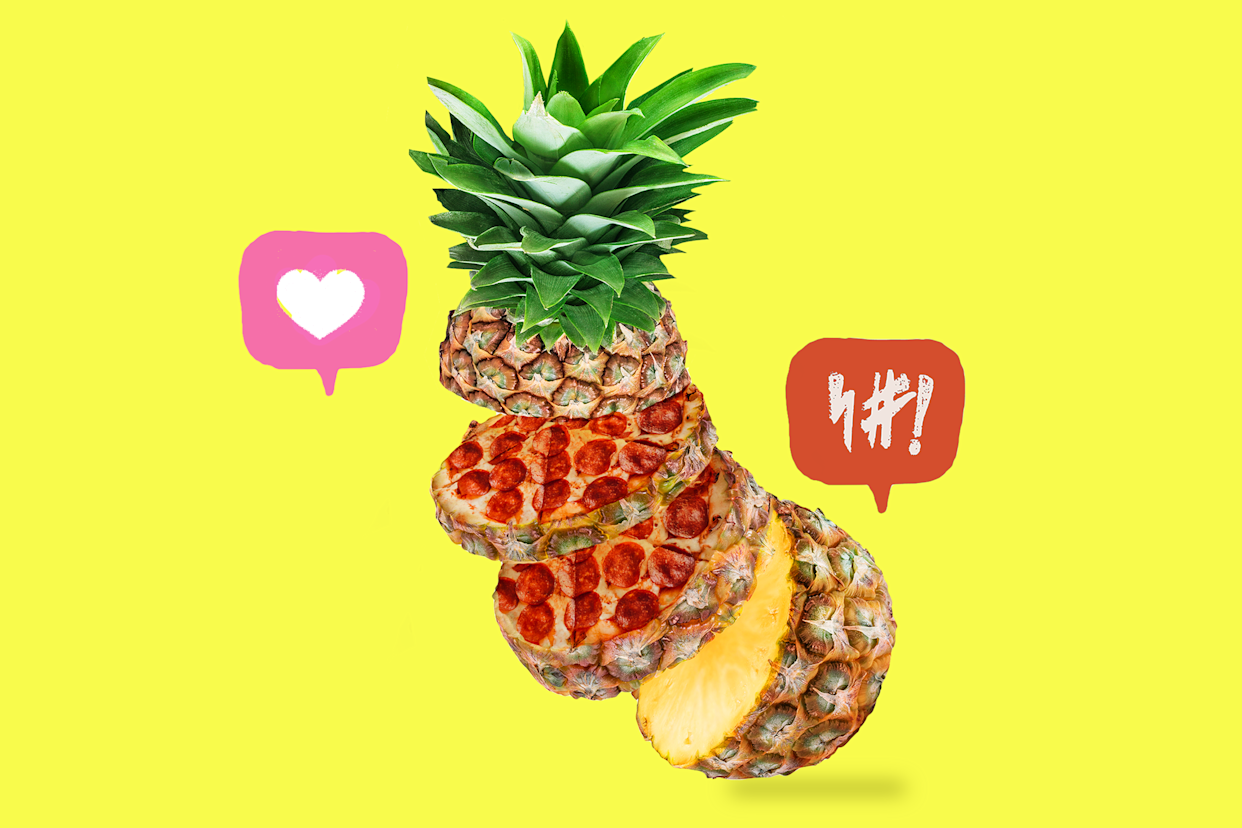
Pineapple on Pizza: The Culinary Crime Americans Secretly Embrace
The moment a slice lands on the plate and a fork hesitates over a bite, a small theatrical tension often plays out at American tables: do you eat it, or do you stage an objection? Pineapple on pizza—sweet fruit paired with melted cheese and tomato—is called a crime of taste by some, a revelation by others, and, for the majority, simply another option on a crowded menu. This article treats that polarization seriously: not to adjudicate whether it is right or wrong, but to explore why a combination so ordinary for many feels transgressive to others, how it found a foothold in U.S. food culture, and what the debate reveals about identity, memory, and the way we define good food.
THE 'CULINARY CRIME' THAT DIVIDES TABLES
A short scene
Imagine a Friday night pizza order in a typical American living room. Some friends gather—one wants extra cheese, another insists on pepperoni, and someone suggests trying something adventurous. The person with adventurous inclinations orders ham and pineapple. We hear the inevitable exclamation: "That's a crime." Laughter, mock outrage, and then the real reaction: people either reach for the fork or recoil. The phrase "culinary crime" is deliberately dramatic. It turns a choice about flavor into a moral statement about taste, competence, and cultural belonging.
Why the drama?
Food arguments like this act as shorthand for far larger conversations. On the surface it's a simple preference; underneath lie questions about authenticity, migration, nostalgia, and the unspoken rules that govern what we label "good" or "bad" food. In the U.S., a country built on fusion and reinvention, the pineapple-on-pizza row exposes tensions between culinary purism and democratic eating: who gets to declare a topping unacceptable, and why?
A BRIEF HISTORY: HOW PINEAPPLE GOT ON PIZZA
Not Hawaiian, but Canadian
The name "Hawaiian pizza" misleads more than it informs. The combination of pineapple and ham was popular in mid-20th-century North America as cooks experimented with canned fruits, sweet-salty platters, and new convenience foods. The pizza version—tomato, cheese, ham, pineapple—was popularized in the 1960s by restaurants outside of Italy, where culinary traditions were already hybridizing to suit local tastes. Americans encountered canned pineapple in everything from casseroles to salads; putting it on pizza was a logical extension for many home cooks and restaurateurs who liked contrast on the plate.
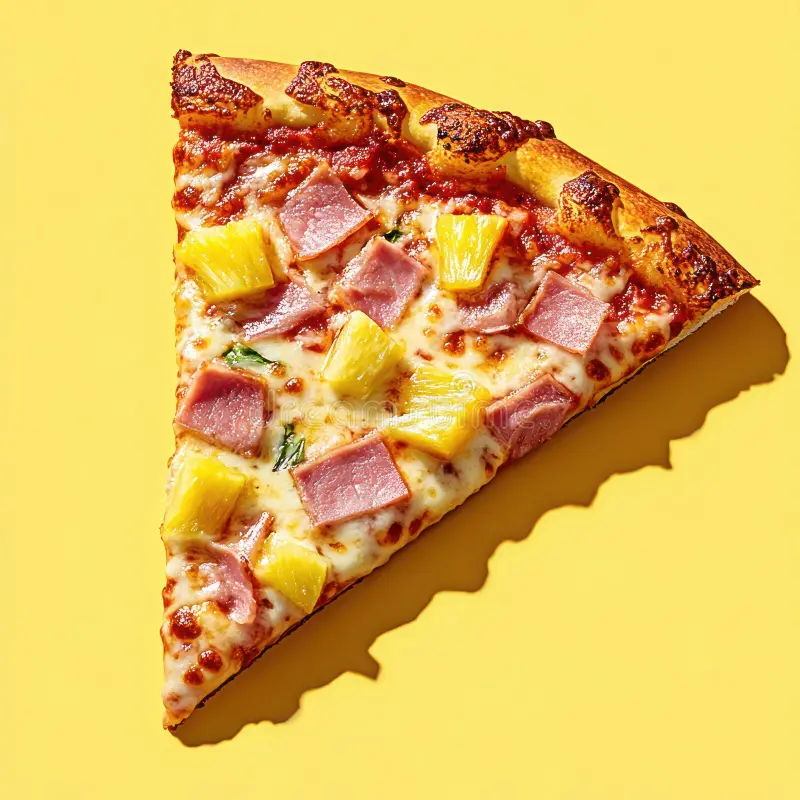
Hawaiian pizza slice
Canning, economics, and the birth of trends
The mid-20th century saw canned fruit become a reliable pantry staple. Pineapple, with its bright acidity and strong aroma, traveled well and paired with cured pork in multiple culinary traditions. Add the rise of fast, customizable pizza orders—thin crust versus thick, premium toppings versus economy—and you have the conditions for a new, controversial category of pie.
"Calling a topping a crime says more about the caller than the cuisine."
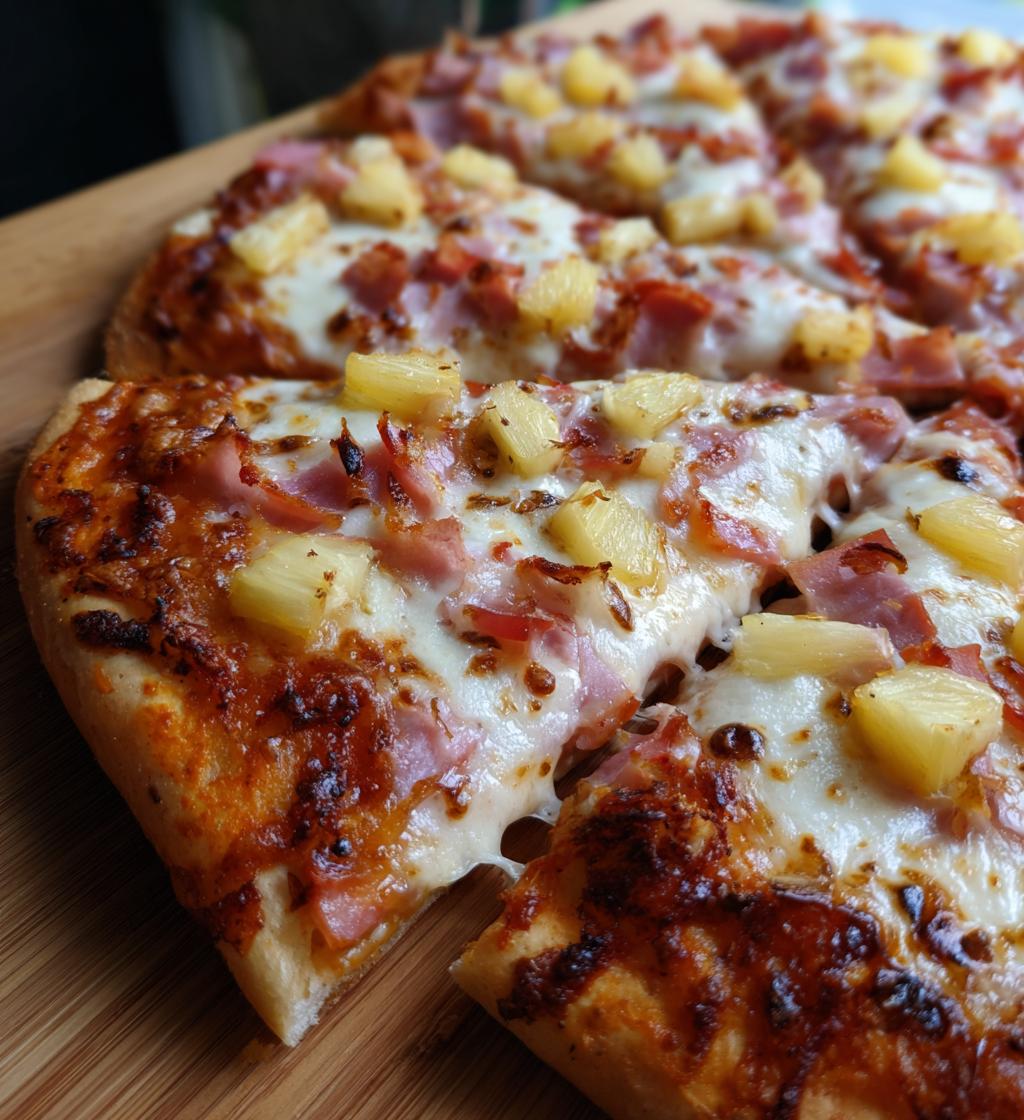
Pizza with pineapple and ham
WHY IT FEELS LIKE A CRIME: PURISM, IDENTITY, AND AUTHORITY
The cult of authenticity
In an era where culinary authenticity is a form of cultural capital, certain foods become tests. "Real" Neapolitan pizza—thin, blistered crust, San Marzano tomatoes, fresh mozzarella—offers an aesthetic and a lineage that resist deviation. For culinary traditionalists, the addition of a sweet tropical fruit smacks of kitsch and commercialization. It's not only about taste; it is a defense of heritage.
Taste as social signal
When someone denounces pineapple on pizza as a crime, the judgment functions socially. It's shorthand for "I know how to eat well; I respect provenance." Conversely, embracing the topping can be a sign of adventurousness, nostalgia, or indifference to culinary gatekeeping. The same slice of pizza becomes a mirror reflecting social identities.
WHAT HAPPENS ON THE PALATE: A LITTLE FOOD SCIENCE
Sweet and savory: why contrast works
Our tongues respond to contrast. Salt, fat, and umami from cheese and cured pork harmonize with the pineapple's sweetness and acidity. That interplay can brighten flavors, cut through richness, and make each bite more interesting. Many successful dishes around the world deploy this strategy—think of prosciutto with melon or Thai salads that balance sour, sweet, salty, and bitter.
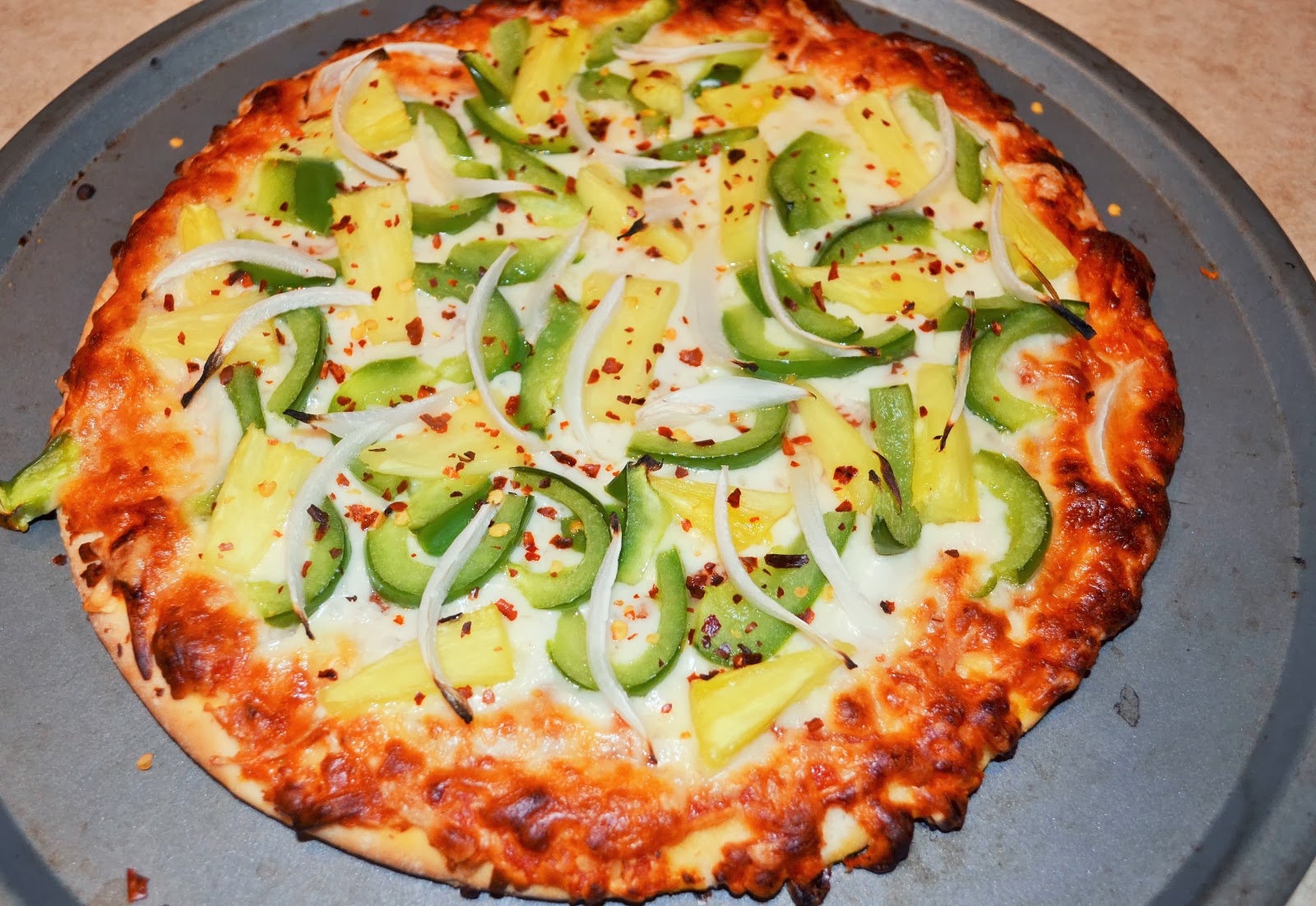
Pineapple toppings on pizza
Texture and temperature
Pineapple also contributes texture: the juicy pop of fruit against stretchy cheese or crisp crust adds mouthfeel variety. On hot pizza, the fruit's sugars can caramelize slightly at the edges, introducing a hint of char that some palates find appealing.
HOW AMERICANS ACTUALLY EAT IT
From backpacking students to suburban families
Pineapple on pizza is more common than the loudest critics admit. It's a staple on many college menus, an easy compromise for group orders, and a nostalgic throwback in family kitchens where canned pineapple signified treat nights. Surprisingly, acceptance doesn't follow one demographic perfectly—it's scattered across ages and regions.
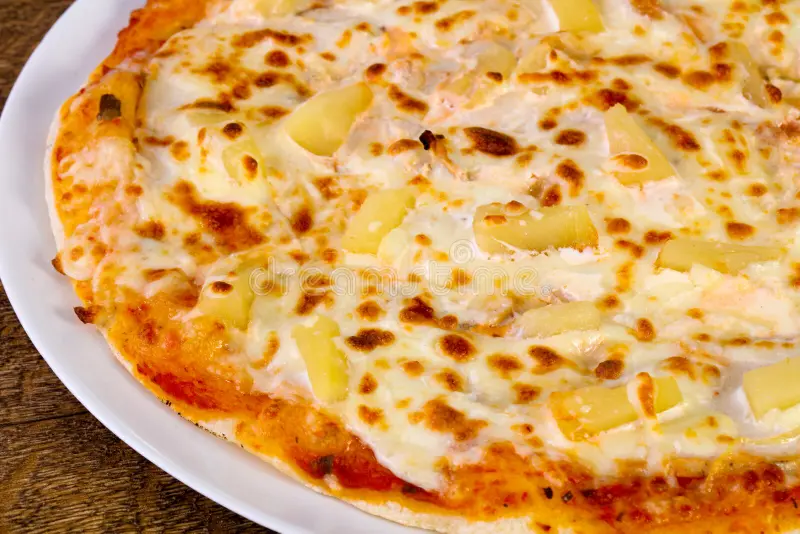
Pineapple pizza with cheese
Customization culture
One reason the topping persists is the modern appetite for customization. Delivery apps and build-your-own joints normalize experimentation: if a customer wants ham and pineapple, they can have it. When choice is a consumer expectation, odd pairings become ordinary by virtue of availability.

Pineapple pizza delivery
SURVIVING THE ARGUMENT: TIPS FOR LOVERS AND SKEPTICS
If you love it
Own your slice. Instead of getting defensive, turn the debate into an invitation: offer a taste and explain what you like—contrast, nostalgia, or the way pineapple brightens the pie. Present it confidently as one valid style among many, not a provocation.
If you dislike it
Keep it culinary, not moral. Saying "I don't like the flavor" is both honest and less antagonistic than equating a topping with bad taste. Remember that food choices often come wrapped in memories; what tastes wrong to you may taste comforting to someone else.
RECIPES, PAIRINGS, AND WAYS TO TRY IT
Build a balanced pie
Simple adjustments influence whether the fruit harmonizes or jars. Try these approaches:
- Use fresh or lightly drained canned pineapple. Excess syrup upends balance; a quick pat or brief roast is better.
- Choose smoky or salty counterpoints. Prosciutto, bacon, or smoked ham emphasize savory depth.
- Finish with herbs or acid. A scattering of fresh basil or a squeeze of lime after baking clarifies flavors.
Flavor-forward pairings
Drink pairing can shift perception: an IPA or a citrusy pilsner complements fruit-forward pies; a dry rosé or a lemony soda refreshes the palate between bites. For those who want a culinary upgrade, try a thin-crust base with a drizzle of chili oil—heat and sugar create an exciting contrast.
WHAT THIS DEBATE TELLS US ABOUT AMERICAN FOOD
Fusion as routine
Unlike some food cultures that strictly guard tradition, American eating is a history of adoption: tacos were adapted to Tex-Mex, sushi to rolls with avocado, and pizza to infinite regional riffs. Pineapple on pizza exemplifies how immigrants' ingredients, mass-market preservation, and consumer choice combine to form something new and sometimes controversial.
Comfort, not correctness
Most food arguments break down once we remember that taste is personal and context-driven. To a kid who only tasted pineapple in fruit cups, the topping can be a treat. To a chef trained in Naples, it might feel like culinary theater. Both experiences are real. The useful question is not whether a topping is criminal, but what it means to the eater.
- Brightens rich flavors
- Adds texture contrast
- Comforting for nostalgic eaters
- Can overpower subtle pizzas
- Seen as kitsch by purists
- Texture mismatch for some palates
CONCLUSION: TASTE, TOLERANCE, AND TAKEAWAYS
Calling pineapple on pizza a culinary crime is an attention-grabbing way to stake a claim about taste. But when we look closer, the argument is less about right or wrong and more about how food functions as memory, identity, and pleasure. The U.S. is home to contradictory food impulses—deep respect for tradition alongside enthusiastic reinvention. That contradiction is not a flaw; it's a defining feature.
Final thought
Next time you hear someone pronounce a topping criminal, consider asking instead: "What does that topping mean to you?" Conversations about food become richer when they illuminate stories rather than issue edicts.
- Pineapple on pizza is less a culinary mistake than a cultural signal—one that triggers debates about authenticity, nostalgia, and taste.
- Contrast of sweet, salty, and acidic elements explains why many people enjoy the pairing.
- In a country defined by fusion, contentious toppings are part of a broader tradition of reinvention.
Taste is personal; tolerance makes the table better.
A slice tells a story—sometimes about where we came from, sometimes about where we're willing to go.