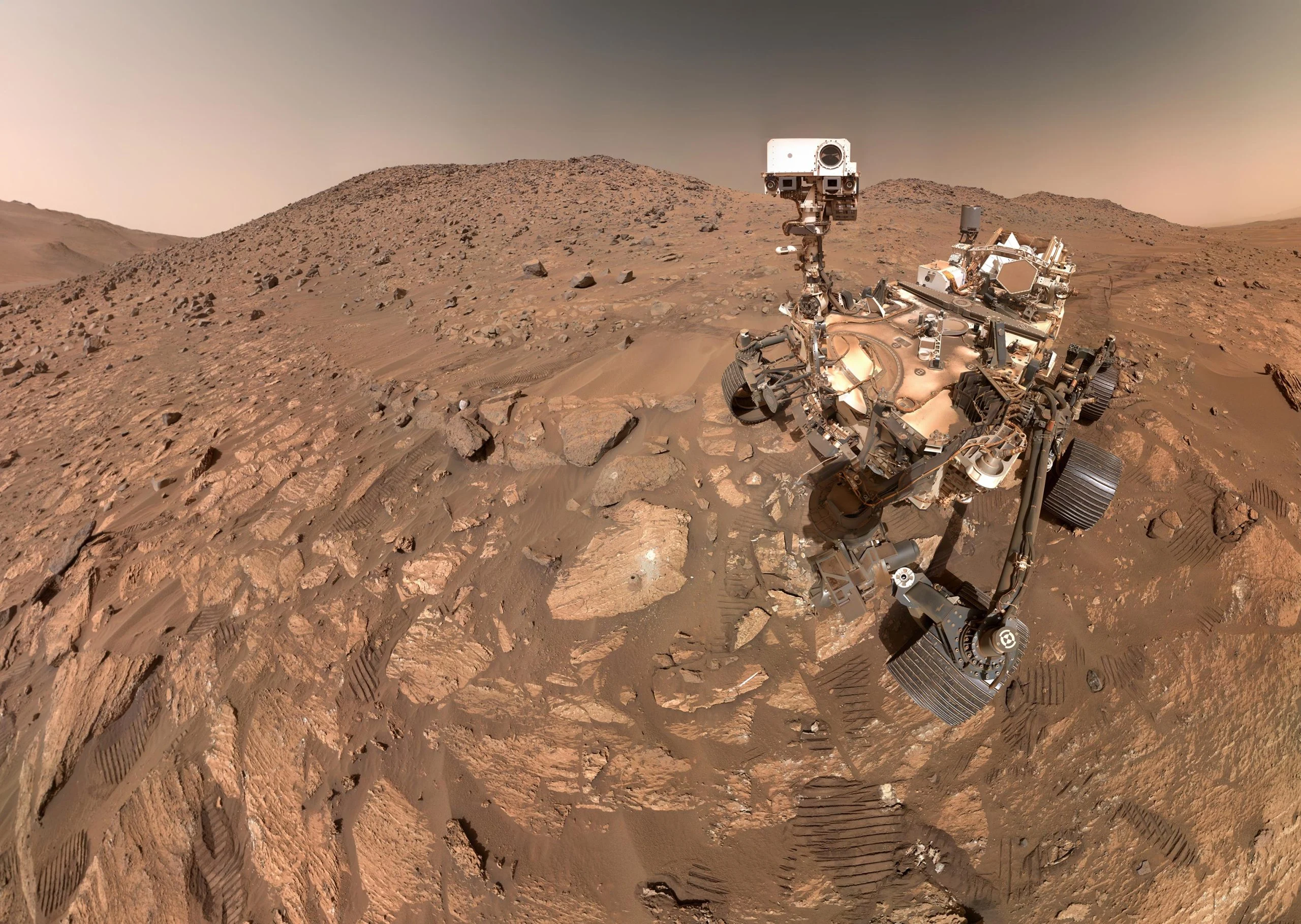
Perseverance Detects Groundwater, Lakes & Hot Fluids on Mars
The headline is deceptively simple: NASA’s Perseverance rover has found evidence that groundwater, ancient lake deposits, and signatures consistent with hot subsurface fluids occur together at a single Martian location. For planetary scientists and astrobiologists, that convergence is profound. Independently, groundwater, lakes and hydrothermal activity are each tantalizing clues in the search for habitable environments beyond Earth; together, they form a uniquely potent combination for preserving chemical energy, nutrients and the kinds of rocks that lock away traces of life.
When water persists below the surface, and heat meets rock and chemistry, the odds of finding preserved biosignatures climb sharply.
How Perseverance Put the Pieces Together
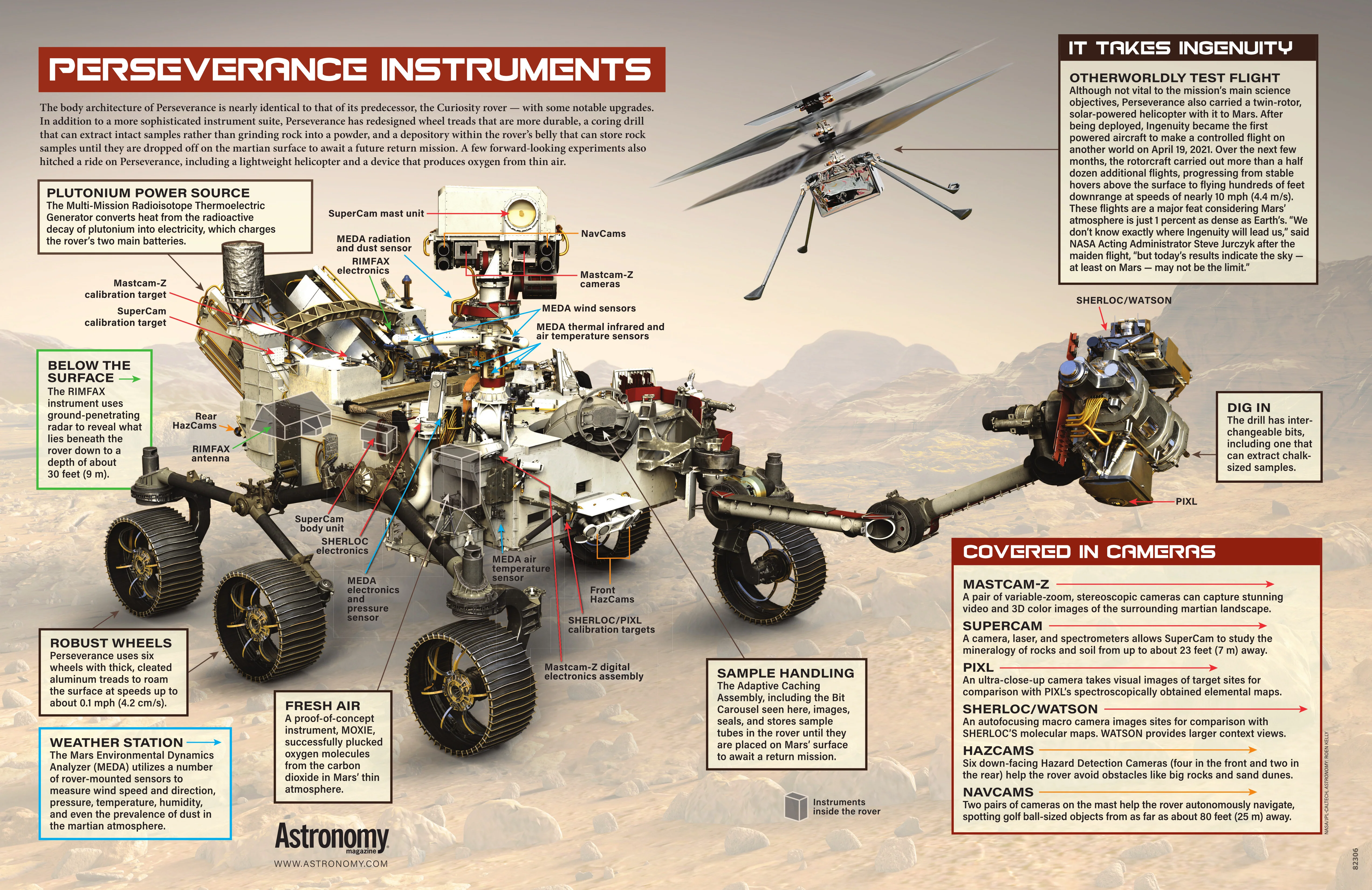
Perseverance landed in Jezero crater carrying a suite of instruments designed to interrogate surface rocks, measure local weather and probe the shallow subsurface. Alone, each instrument tells a partial story. Together, they wrote a narrative of a dynamic, watery past and ongoing subsurface processes.
NASA Perseverance mission instruments
RIMFAX and the subsurface picture
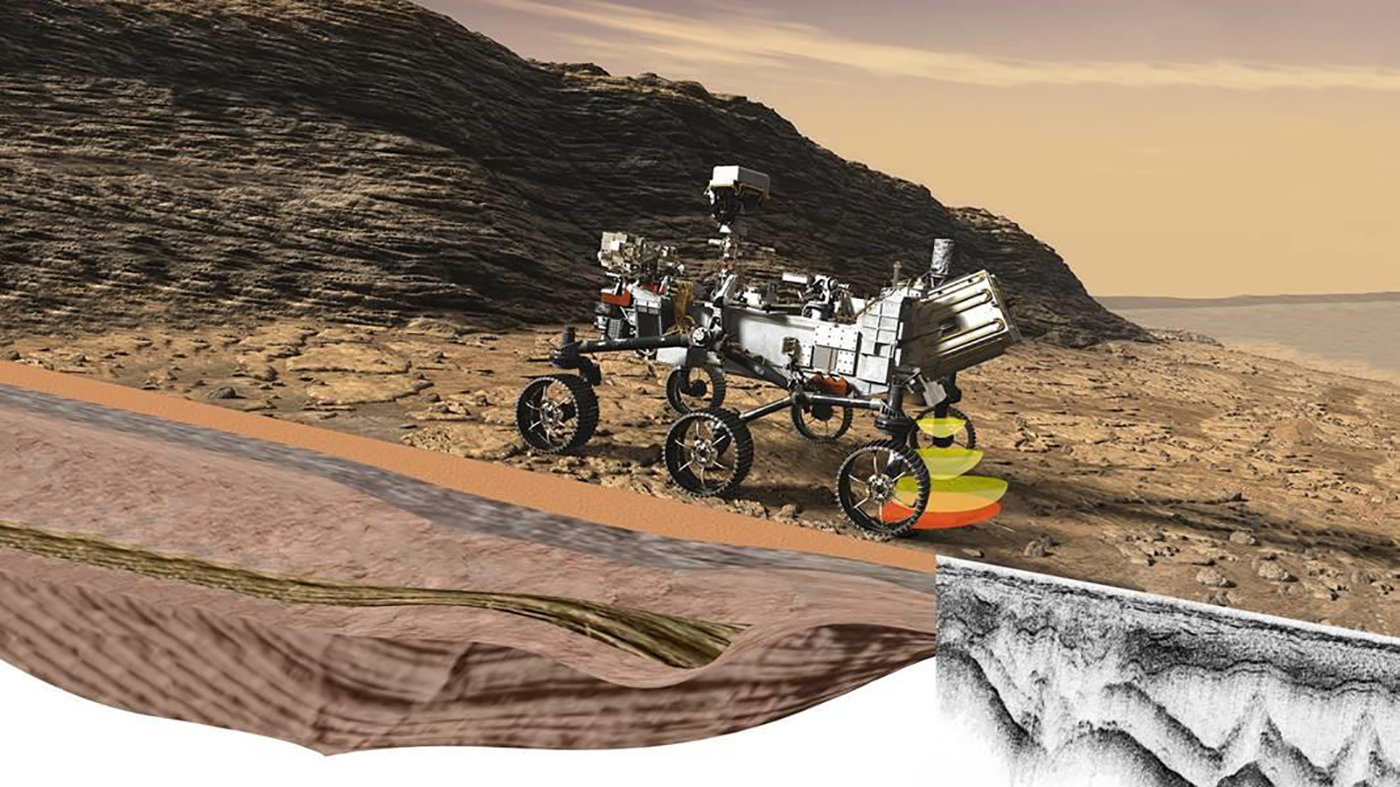
RIMFAX, the rover’s ground-penetrating radar, mapped stratigraphy beneath the rover’s path and nearby exposures. It revealed layered deposits consistent with ancient lake sediments—laminated, laterally continuous sequences that point to sustained standing water. More unexpectedly, the radar returned reflections and attenuation patterns that match materials with higher dielectric contrasts: interfaces where ice, liquid brine and altered rock meet. In places, those reflections show irregular channels and pockets indicative of past groundwater flow and storage.
RIMFAX ground-penetrating radar rover
Geochemistry and mineralogy: fingerprints of water and heat
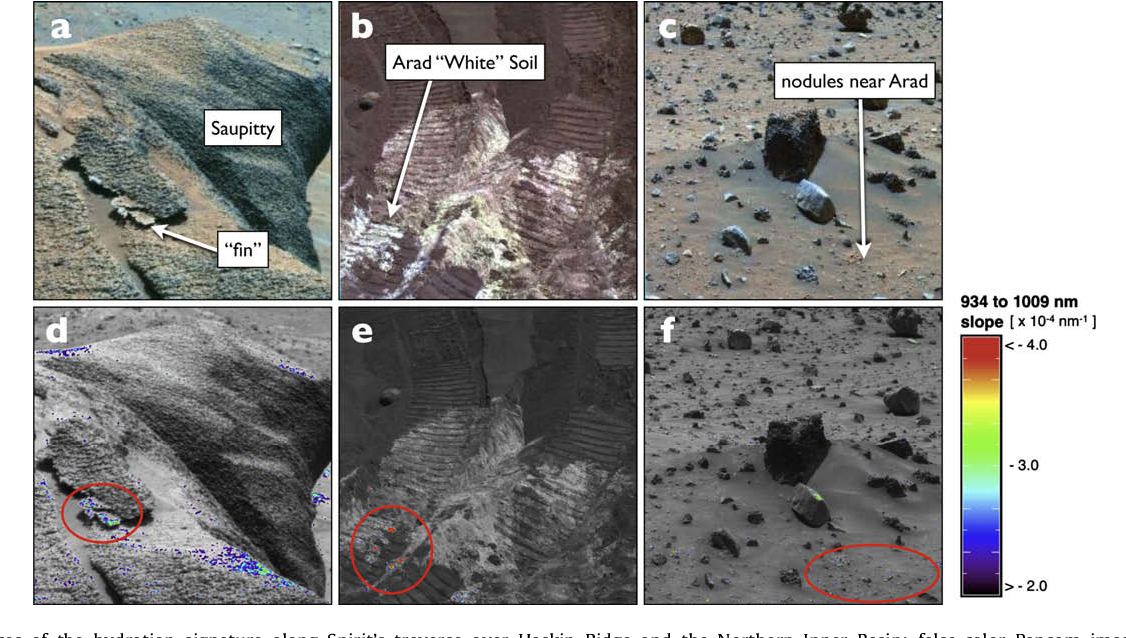
SuperCam and PIXL conducted chemical and mineralogical surveys of freshly exposed rocks and cobbles. They found clay minerals—smectites and other phyllosilicates—along with sulfates and, crucially, localized silica-rich deposits. On Earth, silica-rich veins and sinters frequently form in the presence of hot fluids and hydrothermal alteration. The combination of clays (linked to neutral-to-alkaline water chemistry and prolonged weathering) and silica (often tied to elevated temperatures or concentrated fluids) points to environments where groundwater circulated, lakes persisted, and heat—perhaps from volcanic intrusions or frictional heating—altered the rock.
Mars silica-rich rock veins
Thermal clues from MEDA and thermal inertia
MEDA, the rover’s environmental sensor, logged anomalous nocturnal heat release in restricted areas that correlate with compact, silica-bearing outcrops. Those outcrops have higher thermal inertia than surrounding regolith, suggesting denser, possibly altered rock that can retain heat. While daytime solar heating is the main driver of surface temperatures, persistent nocturnal warmth in localized settings can hint at subsurface heat sources or rock types that respond differently to temperature cycles—another piece of the hydrothermal puzzle.
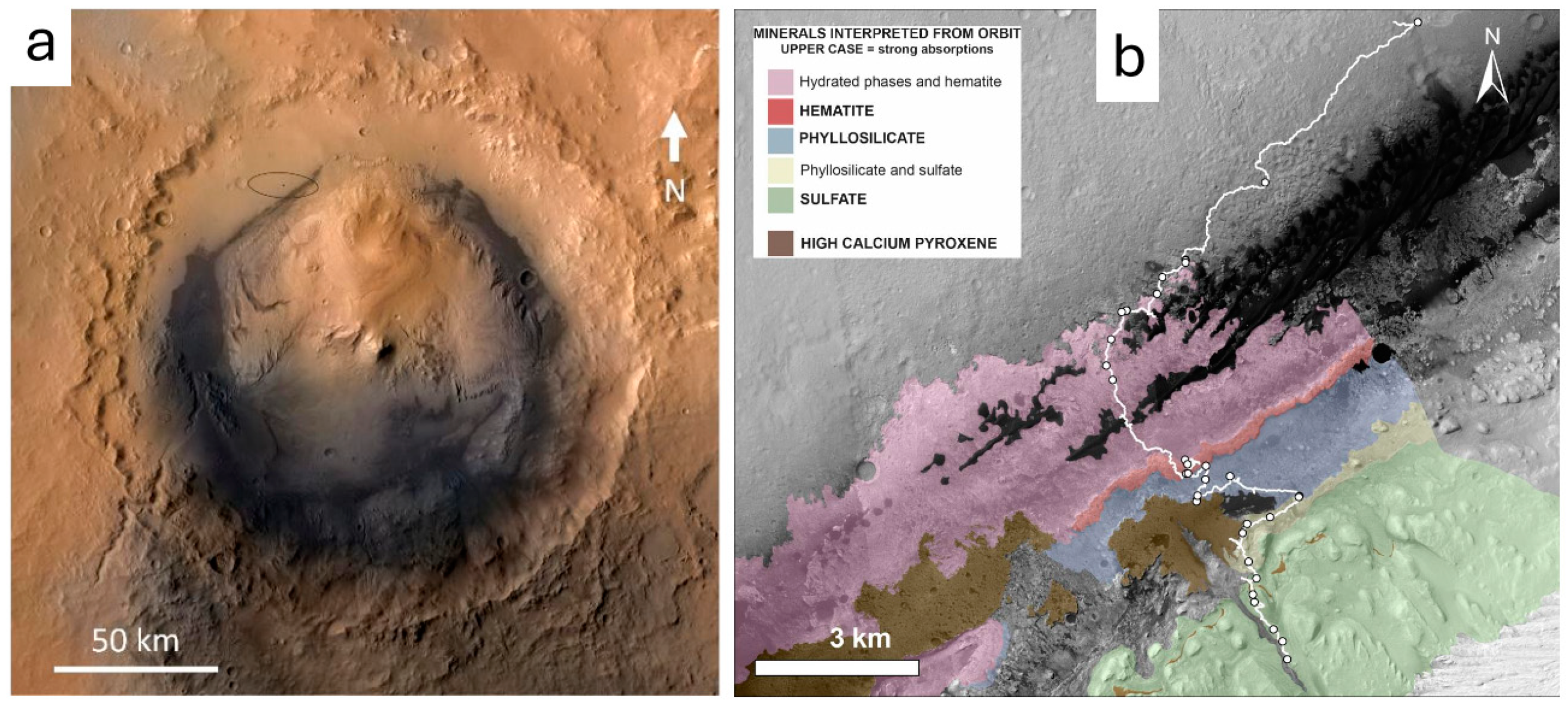
Mars hydrothermal mineral deposits
Context from imagery: lacustrine architecture
Mastcam-Z and navigation cameras photographed deltaic lobes, channelized inlets and fine-scale lamination within exposed benches—architectural elements classic to river-fed lakes. Those lake deposits, now lithified and often silicified, sit in proximity to evidence of subsurface movement, implying that the lakes and groundwater system were interacting parts of a longer-lived hydrologic system.
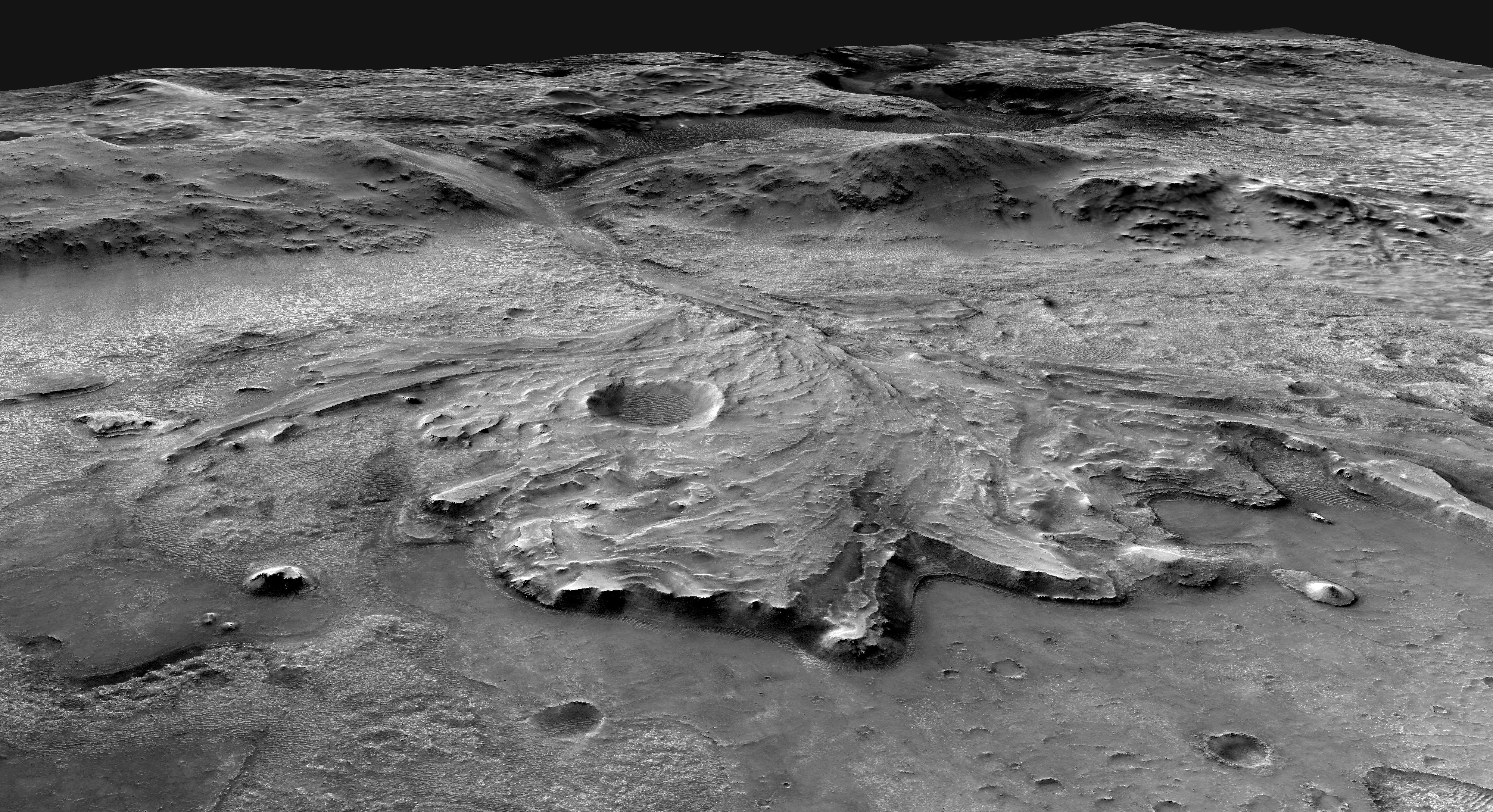
Jezero crater Mars delta
Why co-location matters: the science case for habitability
Finding groundwater, lake deposits and hot fluids together matters for at least three reasons. First, availability of liquid water—even episodic or briny—provides the solvent for chemistry that sustains life. Second, hot fluids interacting with rock create chemical gradients (redox disequilibria) that organisms can exploit as energy sources. Third, certain minerals formed in these settings—silica, clays, carbonates—are exceptionally good at preserving organic molecules and microfossil-like textures over geologic time.
Energy and chemistry: an astrobiologist’s checklist
Where hot fluids meet groundwater and lake margins, you get natural fuel for metabolism: reduced iron and sulfur species from altered basalt, dissolved gases, and oxidants introduced at the water–rock interface. If microbes ever arose on ancient Mars, these environments would offer both the ingredients and the protective settings to leave traces that could persist until today.
Silica and clay are not just evidence of water—they are time capsules that lock away molecular secrets.
Preservation potential
Silica-rich sinters and diagenetically altered clays cement sediments and rapidly reduce the penetration of oxygen and radiation, two major agents of molecular destruction on Mars. In short, the very processes that indicate hydrothermal activity also increase the odds that organic molecules and microtextures could survive billions of years.
What this discovery changes about Martian geology
Geologists have long recognized that Jezero and similar craters preserve lacustrine deposits. The addition of groundwater flow domains and localized hot fluids reshapes interpretations of how long water persisted and how dynamic Martian hydrogeology was. Instead of a brief, climate-driven lake episode, the evidence supports a multi-stage story: lakes filled and dried episodically while a deeper groundwater system and intermittent hydrothermal activity modified the basin and its sediments.
A revised timeline of water
In this model, early fluvial input formed deltas and fine sediments; subsequent burial, compaction and lithification preserved those layers; later, groundwater upwelling and possibly intrusive heating introduced hot fluids that altered minerals and deposited silica. Those later events could have occurred over millions of years, stretching the time frame during which habitable conditions might have existed.
Why engineers and mission planners are paying close attention
For mission architects, the co-occurrence of groundwater and hydrothermal signatures in an accessible landing site is game-changing. It prioritizes certain sampling locales, informs drilling and caching strategies, and reframes planetary protection protocols. Samples that formed or were altered by hot fluids and groundwater are high-value targets for the Mars Sample Return campaign because they maximize the chance of finding preserved organics.
Engineering constraints and opportunities
Thermally altered rocks can be denser and tougher to drill, influencing bit selection and drilling protocols for caching. Conversely, some silica deposits are friable and easy to sample. Understanding the distribution of these materials helps mission teams decide where to expend precious cache capacity and which samples might be most informative for returned laboratory analysis.
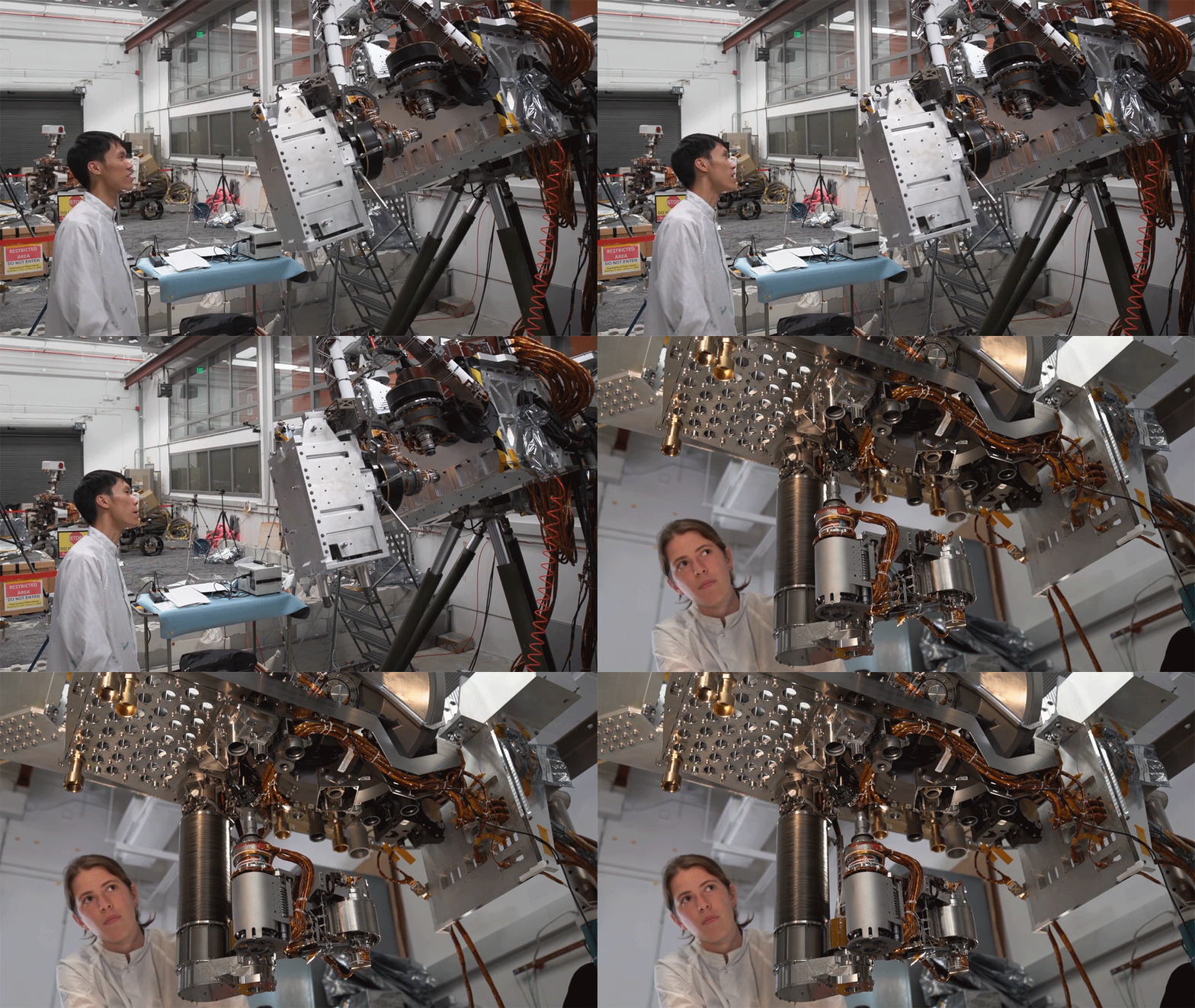
Perseverance rover sample caching
Implications for life detection and the search for biosignatures
From an astrobiology perspective, co-located groundwater and hot fluids create ideal conditions for both the origin and preservation of life. Heat provides energy and drives chemical reactions; water mediates chemistry and transports nutrients; sediments capture and bury biological remains. Together, they offer both the opportunity for life to arise and the conditions necessary to preserve its traces.
What to look for in returned samples
Laboratory analysis on Earth can target a range of biosignatures: complex organic molecules with specific isotopic ratios, microtextural patterns in silica or carbonate that mimic microbial mats, or mineralogical textures indicative of biologically mediated precipitation. Scientists will also look for distribution patterns—are organics concentrated in particular laminations, veins or cemented horizons? That spatial context is crucial.
Open questions and healthy skepticism
No single instrument can claim absolute proof of past life or long-lived groundwater. Alternative explanations—e.g., silica produced by non-thermal diagenesis, clays formed by cold aqueous alteration, or localized chemical alteration without sustained liquid—must be carefully evaluated. Scientists proceed by testing hypotheses against multiple cross-cutting lines of evidence: stratigraphy, mineralogy, chemistry, and context.
How to falsify the hydrothermal hypothesis
Falsification requires demonstrating that mineral assemblages and textures are consistent with cold diagenetic processes and lack features characteristic of high-temperature alteration—such as certain phase transitions, element mobilization patterns, or quenching textures. High-resolution petrography and isotopic work on returned samples will be decisive.
Policy, ethics and planetary protection
The possibility of preserved biosignatures raises stewardship questions. Planetary protection rules aim to prevent forward contamination (Earth microbes carried by spacecraft) and backward contamination (returning extraterrestrial material that could affect Earth). Sites with high preservation potential command stricter contamination control during sampling and return operations.
Balancing science and safety
Mission teams must weigh science yield against added containment complexity. Samples suspected to contain preserved organics or potential biosignatures may require higher-level containment and more rigorous quarantine protocols once returned—an expensive but necessary precaution to preserve scientific integrity and public safety.
What comes next: priorities for exploration
The discovery reframes next steps at Jezero and similar basins. Priorities include targeted coring of silica-rich layers, expanded use of ground-penetrating radar transects to map subsurface flow paths, and in-situ experiments to characterize organics and redox gradients. Longer term, follow-on missions—both robotic and potential human precursors—should consider these co-located hydrogeologic-hydrothermal systems as priorities for in-depth study.
A roadmap for the next decade
Short-term: prioritize sampling and caching of silica- and clay-bearing horizons and continue geophysical surveys. Mid-term: retrieve high-priority samples with robust chain-of-custody and containment. Long-term: design landers and rovers with deeper drilling capability and enhanced in-situ laboratories to probe thermal alteration zones and search for chemosynthetic gradients.
- High preservation: silica and clays lock away organics.
- Prolonged habitability: groundwater extends habitable conditions beyond surface lakes.
- Accessible targets: surface exposures allow rover sampling without deep boring.
- Ambiguity: non-biological processes can mimic biosignatures.
- Drilling challenges: thermally altered rocks may be hard to sample.
- Protection costs: containment and quarantine add mission complexity.
A short reference table: evidence, meaning, instruments
| Evidence | Scientific Meaning | Perseverance Instruments |
|---|---|---|
| Layered lacustrine deposits | Long-lived standing water and sedimentation | Mastcam-Z, SuperCam |
| Subsurface reflections and channels | Groundwater flow and storage | RIMFAX |
| Silica-rich veins and altered rock | Hot fluids, hydrothermal alteration, high preservation potential | PIXL, SuperCam |
Conclusion: a watershed moment for Martian science
The co-location of groundwater, lake deposits and signs of hot fluids at a single site elevates Jezero from an ancient lake that once held water to a historically dynamic system where water, heat and chemistry interacted across time. For scientists hunting for life’s fingerprints, this is the sort of environment that warrants concentrated attention: it supplies energy, it preserves organic matter, and it invites curiosity about how long habitable niches persisted on Mars.
Perseverance’s discoveries do not answer the ultimate question—did life arise on Mars?—but they sharpen our tools and our focus. They tell mission planners where to look, tell laboratory scientists what to expect from returned samples, and tell the public that Mars is a more complex, more habitable world than we once imagined. Whether or not life ever took hold, these sediments and altered rocks are a record of chemical systems that once had the ingredients for life. That record is now within reach.
Key Takeaways
- Perseverance has identified co-located evidence of groundwater, ancient lakes and signs of hot fluids—an astrobiologically promising combination.
- Silica and clay minerals found by rover instruments suggest both hydrothermal alteration and excellent preservation potential.
- These findings prioritize specific samples for retrieval and influence how future missions will search for biosignatures.
Perseverance continues to push the boundary of what we know about Mars’s watery past and the potential for preserved evidence of life.