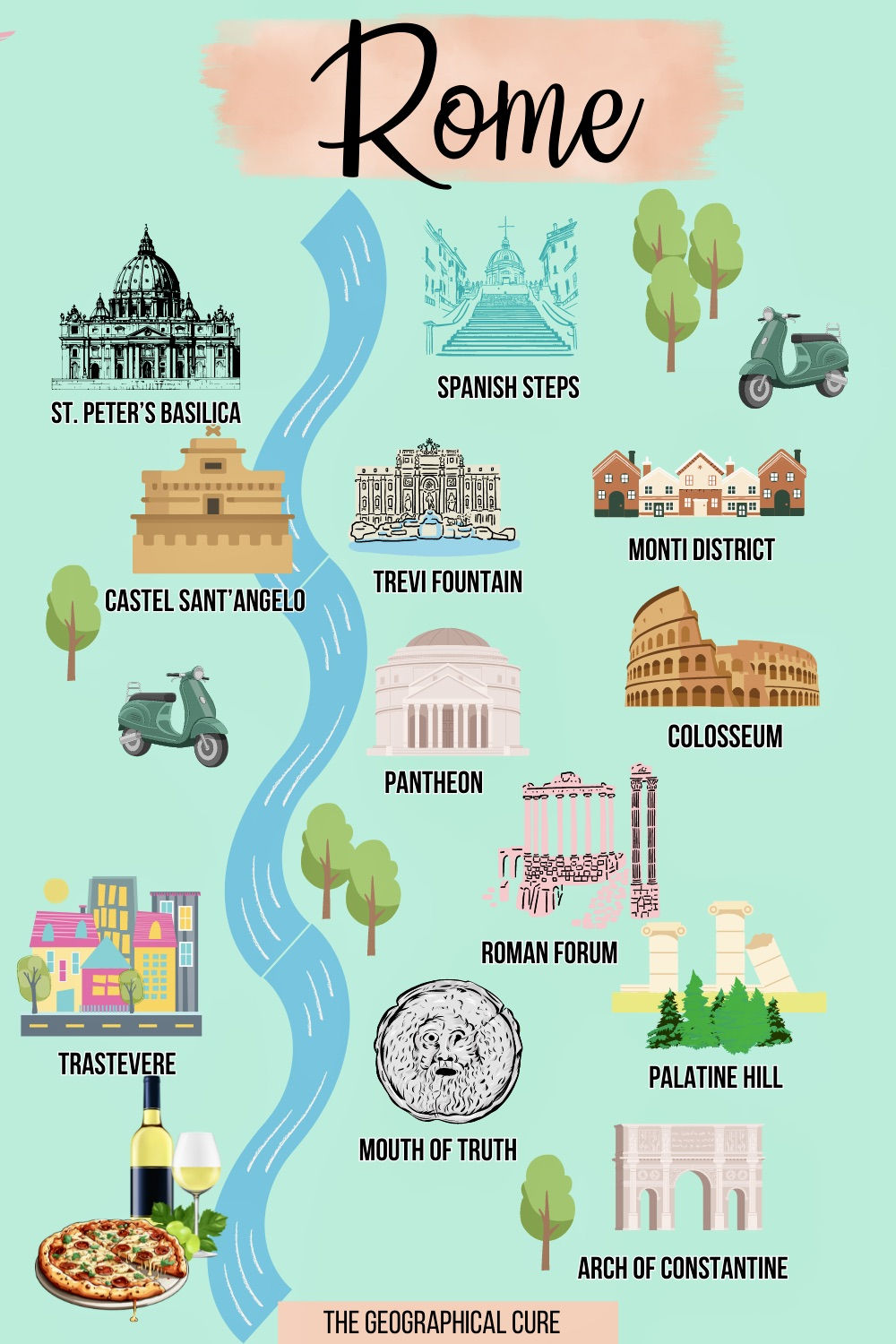
Perfect 3-Day Rome Itinerary
Three days in Rome is an invitation: a compact, intoxicating taste of layered history, dramatic ruins, world-class art, and joyous street life. In 72 hours you won't see everything—no one does—but you can feel the city's rhythms, tick off its essential monuments, and leave with a notebook full of memories and a plan for your next return. This guide is a practical, walkable, and flexible itinerary that balances must-see highlights with neighborhood time, meals that matter, and smart tips to help you move quickly and savor deliberately.
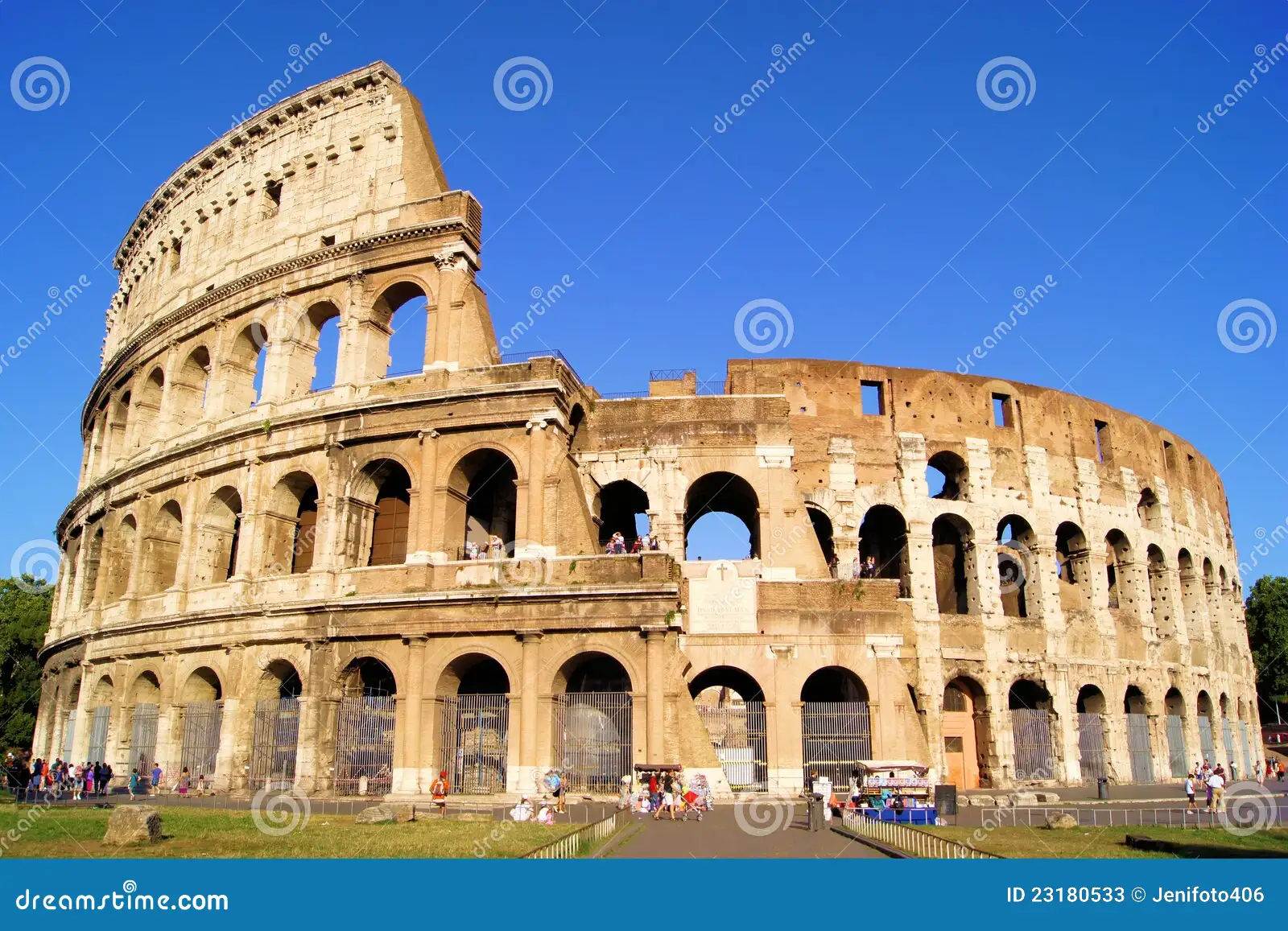
Colosseum ancient Rome
Why a 3-Day Visit Works
Rome wears centuries on its sleeve, but its treasures cluster in walkable pockets. With three full days you can visit the Vatican, the major ancient sites, and the best of the center (Centro Storico), without turning the days into a frantic checklist. The key is prioritizing: pick the sights that matter most to you and plan the rest around good food, comfortable pacing, and neighborhoods that invite lingering.
How to use this itinerary
Each day below offers a realistic timeline: morning, lunch, afternoon, and evening. There are alternatives when things run long, plus practical tips for tickets, transport, and where to eat. If you prefer to move slower, drop one museum and use the extra hours to wander a neighborhood or sit in a piazza with a coffee.
Day 1 — Ancient Rome & Centro Storico
Morning: Colosseum, Roman Forum, Palatine Hill
Start early at the Colosseum to beat the queues and the heat. Allow at least 2 hours to move through the amphitheater and imagine gladiatorial spectacles and imperial pageantry. A combined ticket that also covers the Roman Forum and Palatine Hill lets you trace the political and social heart of the ancient city on one winding path.
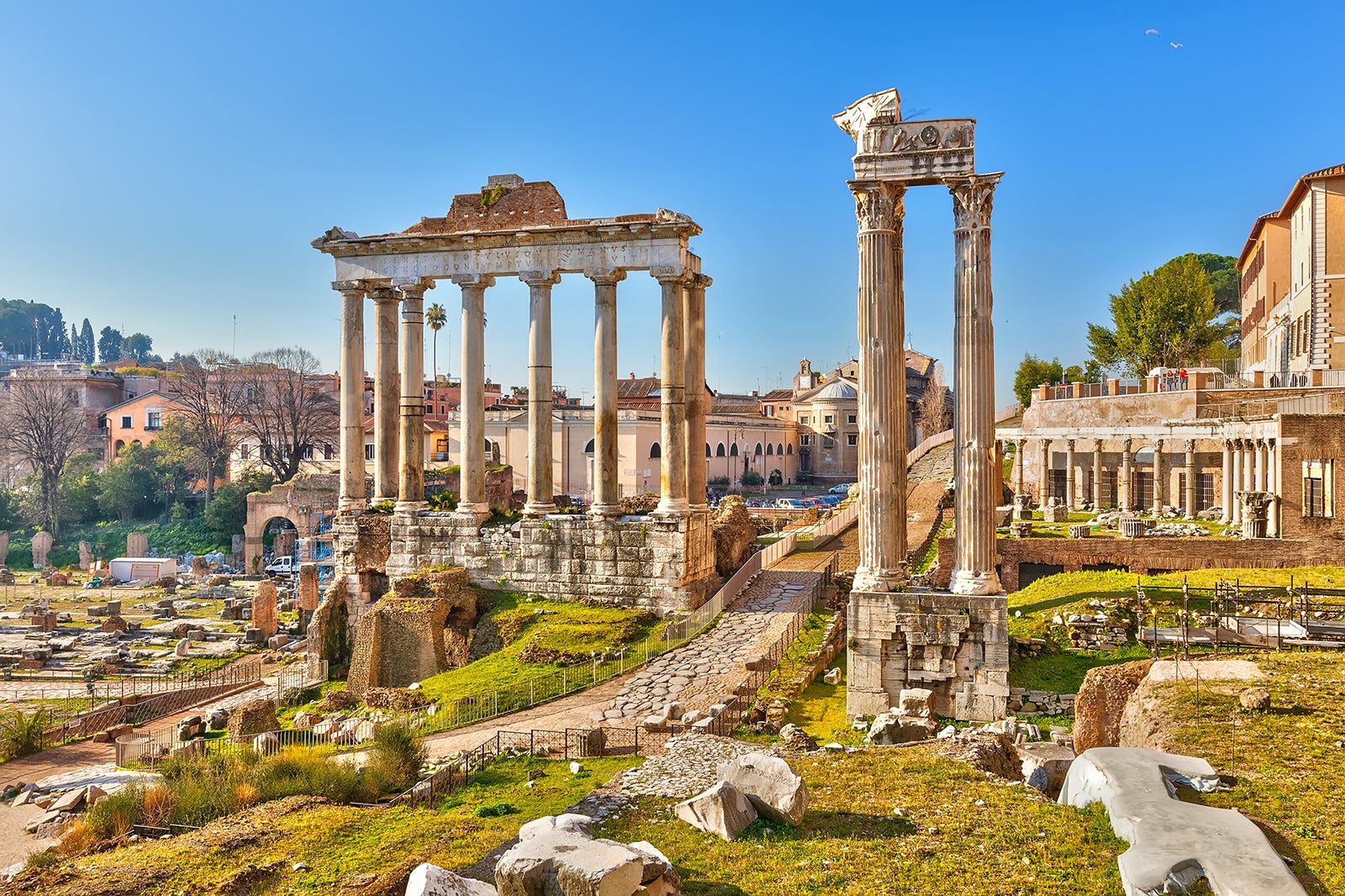
Roman Forum ruins
- Tip: Buy tickets in advance or reserve an early guided tour to skip the longest lines and get historical context that brings the stones to life.
- Timing: 08:30–11:00: Colosseum and Forum.
Lunch: Monti neighborhood
Walk up to Monti, one of Rome's most charming micro-districts. Narrow streets, artisan shops, and small trattorie create the right mood for a leisurely midday meal. Try a classic Roman pasta—cacio e pepe or carbonara—followed by a short walk to see the Trajan's Market and the little-known viewpoints around the Capitoline Hill.
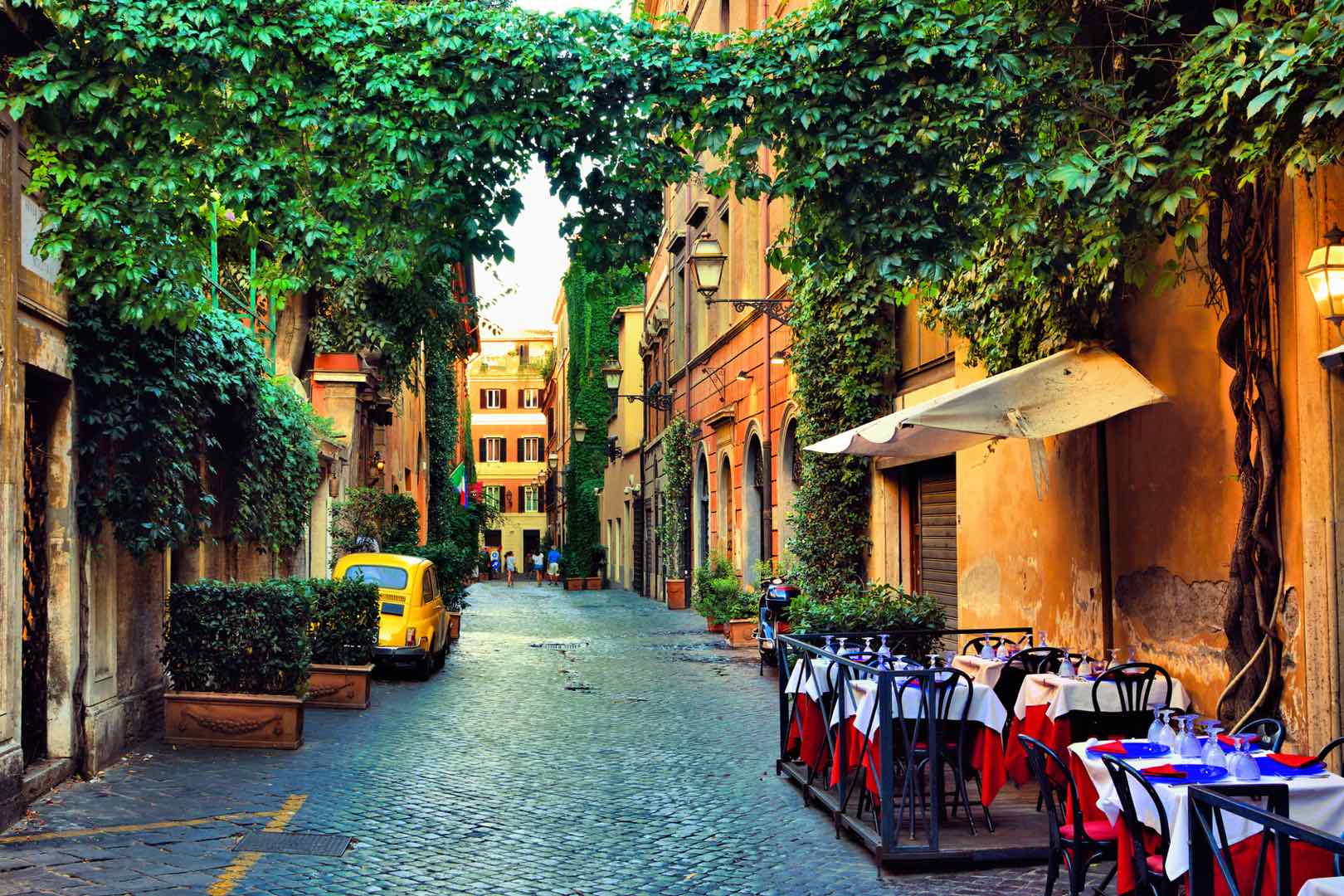
Monti neighborhood Rome
Afternoon: Pantheon, Piazza Navona, and Trevi Fountain
From Monti, descend into the Centro Storico. The Pantheon's dome still astonishes; step inside to feel the light through the oculus. Then wander to Piazza Navona to admire Bernini's Fountain of the Four Rivers and the baroque façades. Finish with a stroll to the Trevi Fountain—visit late afternoon when the light softens and photographers crowd less.
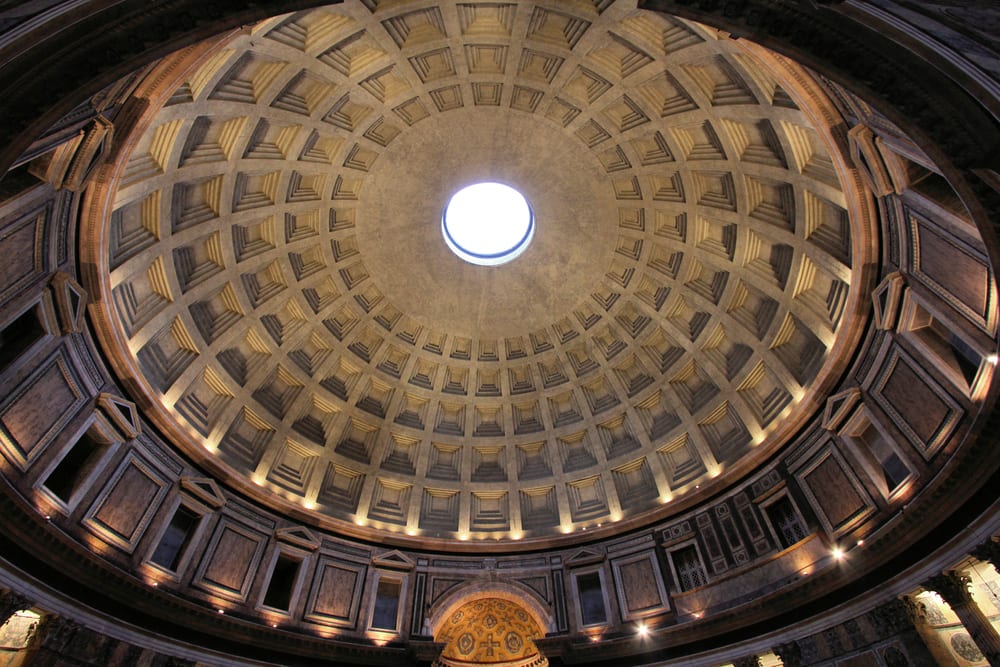
Pantheon Rome dome
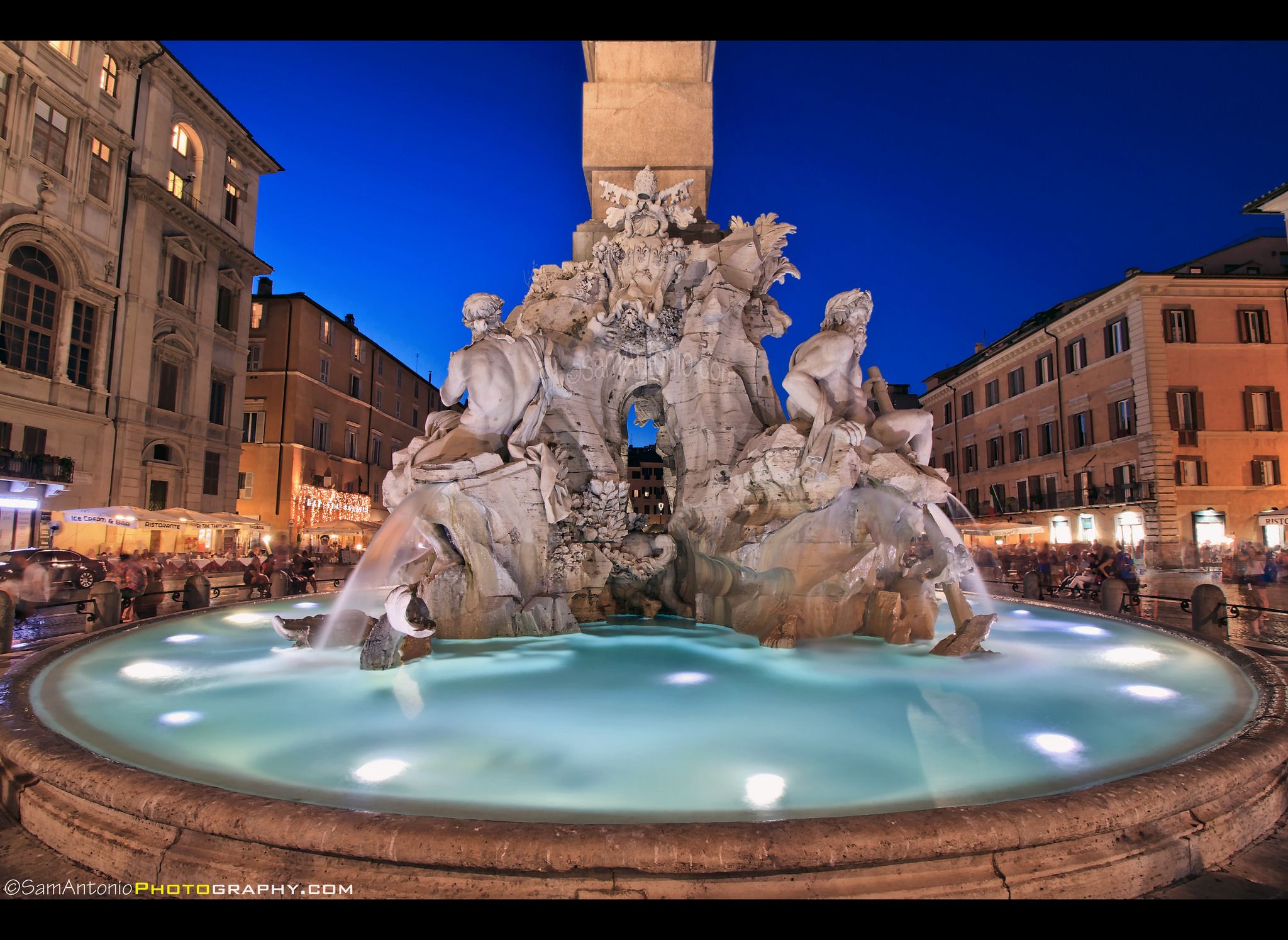
Piazza Navona fountains
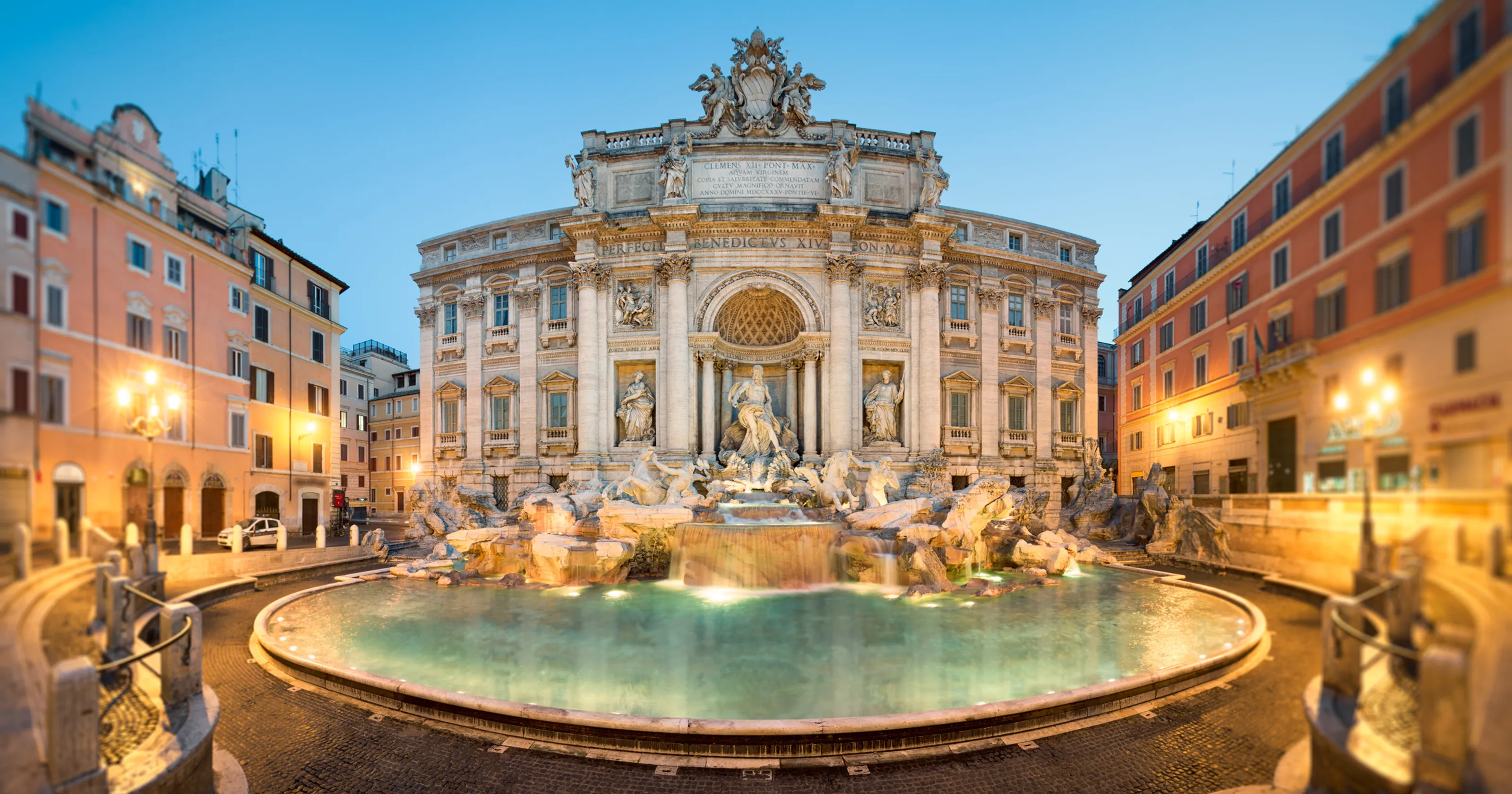
Trevi Fountain Rome
- Pro Tip: Toss a coin into the Trevi Fountain with your right hand over your left shoulder to ensure a return to Rome—an old habit many travelers enjoy.
Evening: Dinner in Centro Storico or Trastevere
For your first evening, choose between the energetic small restaurants around Campo de' Fiori or crossing the Tiber to Trastevere for a cozier, local vibe. Trastevere's ivy-covered alleys and lively piazzas are ideal for wandering after dinner.
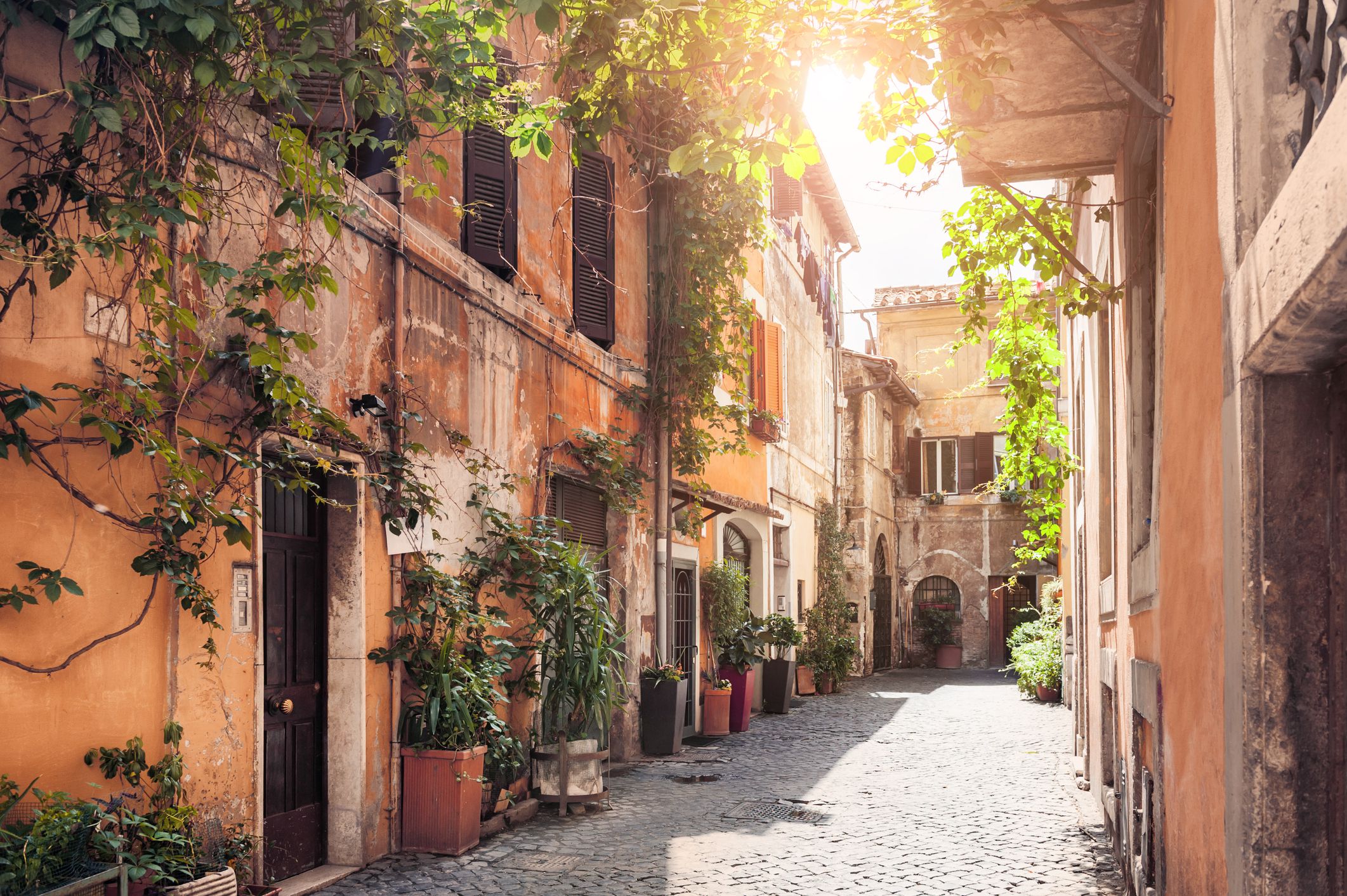
Trastevere neighborhood Rome
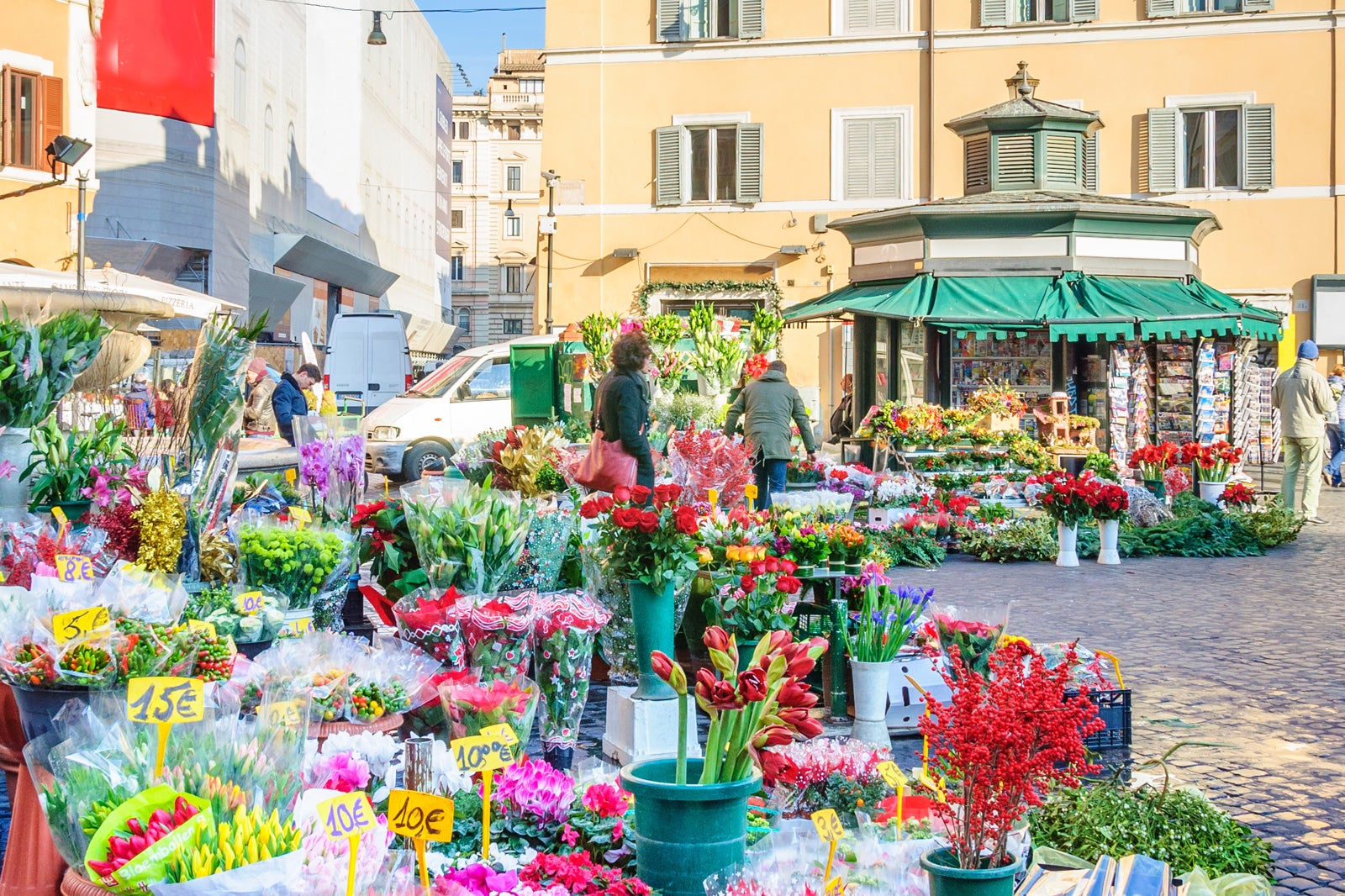
Campo de' Fiori market
Day 2 — Vatican, Prati & Riversides
Morning: Vatican Museums and St. Peter's Basilica
Book a timed entry for the Vatican Museums well in advance. Allow at least 3 hours: the galleries wind through Roman and Renaissance masterpieces and culminate in the Sistine Chapel. After the museums, walk through to St. Peter's Basilica—visit the interior and, if you have energy, climb the dome for extraordinary views over the Vatican and Rome.
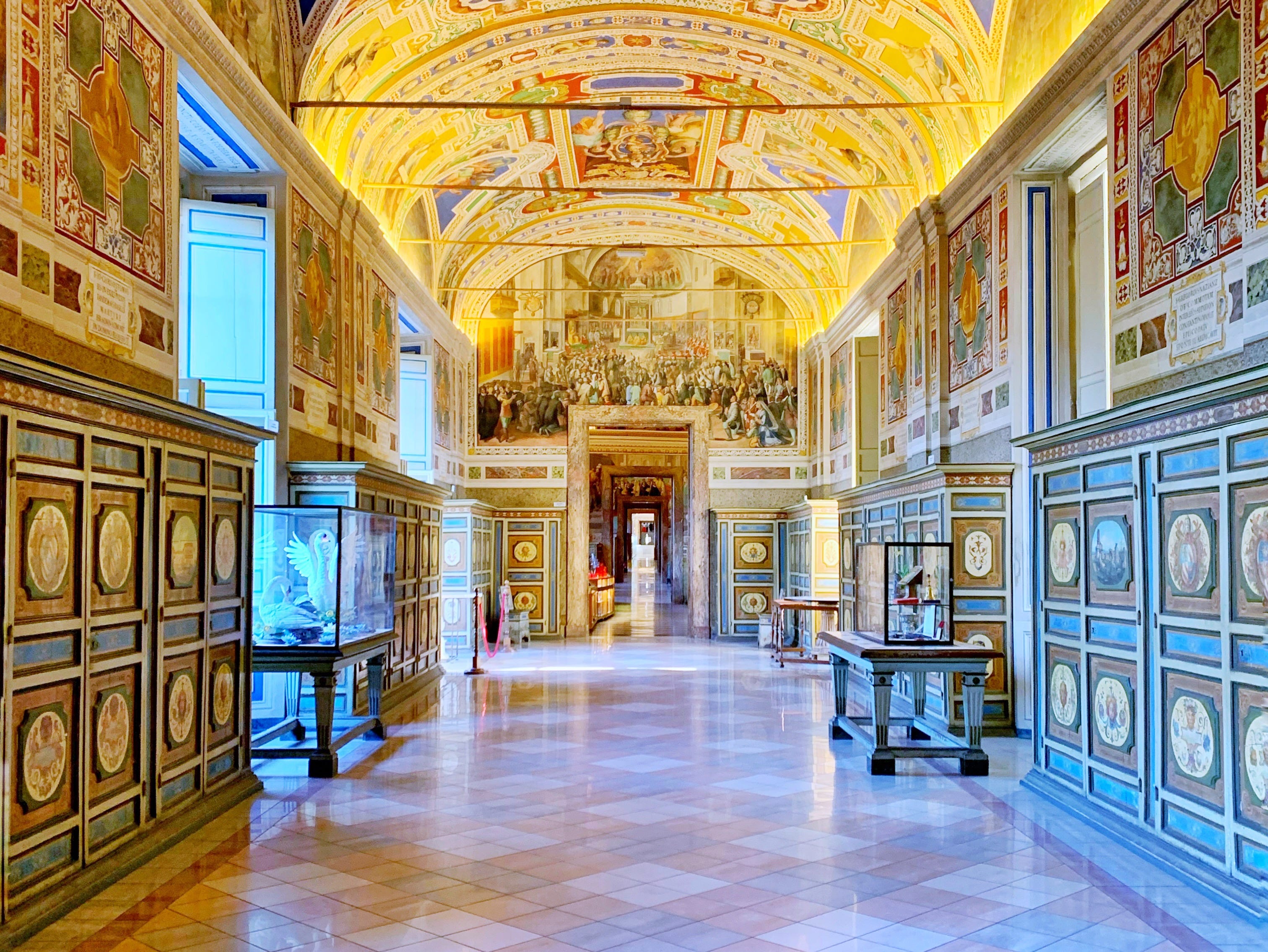
Vatican Museums Sistine Chapel
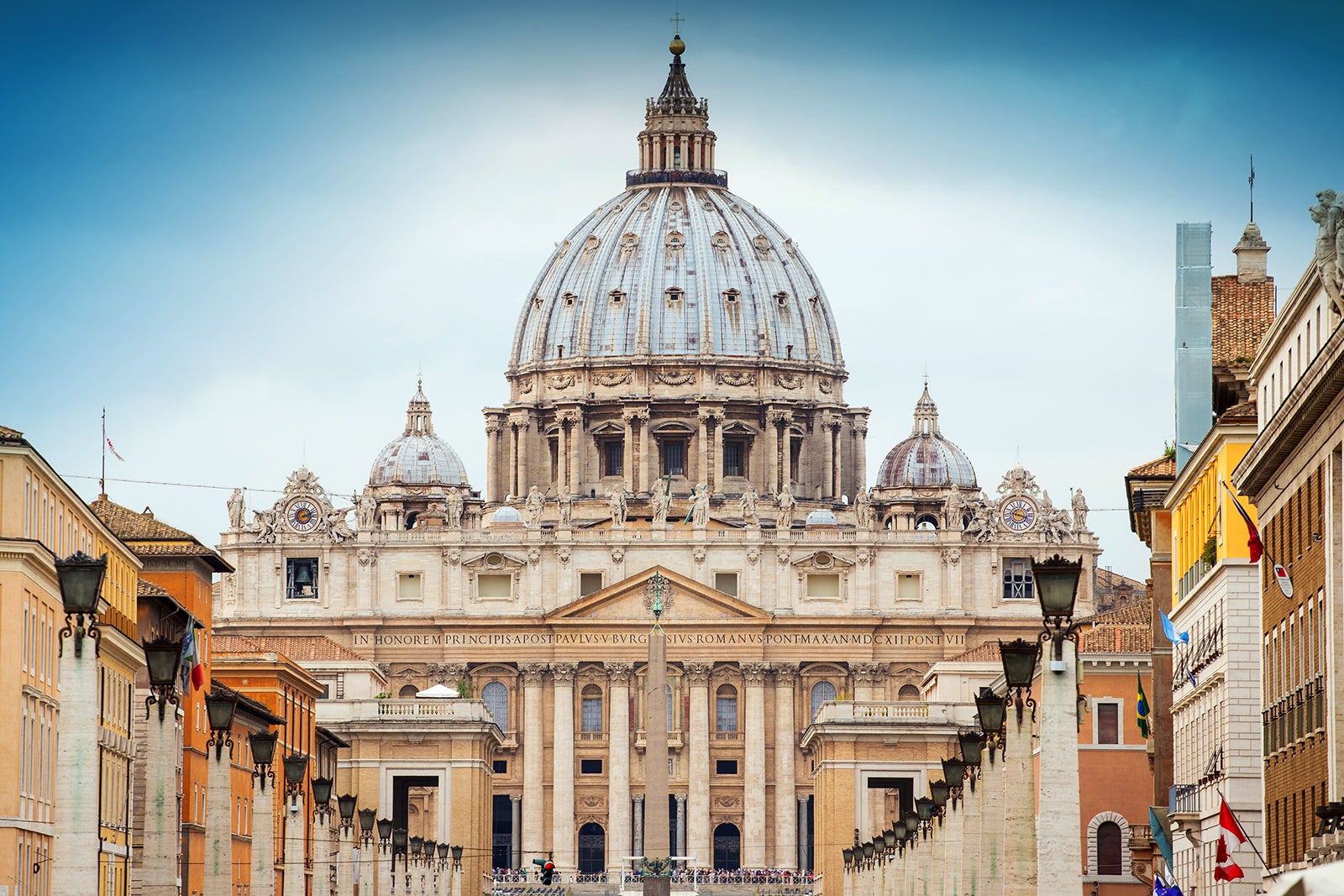
St. Peter's Basilica Rome
- Tickets: Timed tickets for the Vatican Museums and early access or guided tours save hours in high season.
- Dress code: Shoulders and knees should be covered in churches; keep a light scarf for this purpose.
Lunch: Prati or Borgo
The Prati neighborhood, adjacent to the Vatican, is full of elegant cafes and osterie. It's a great place for a relaxed lunch—try a panino with porchetta or a fresh seafood plate if you prefer lighter fare.
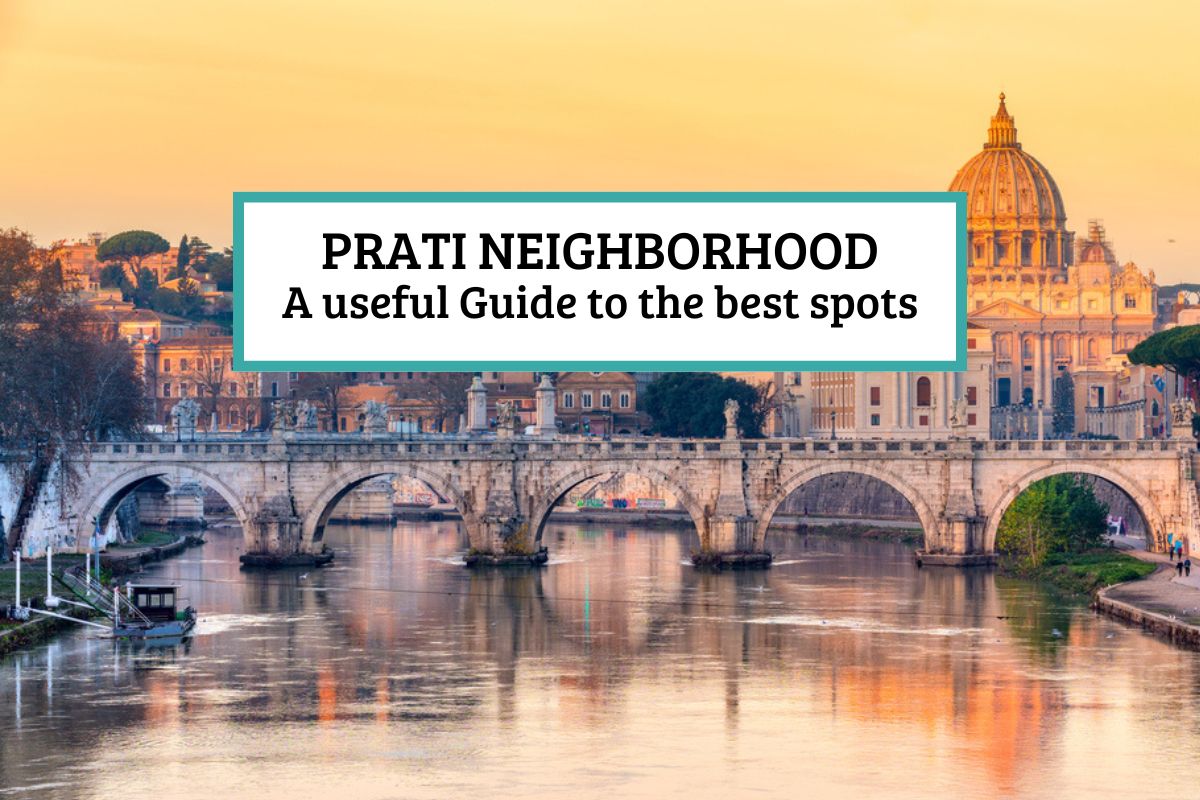
Prati neighborhood Vatican
Afternoon: Castel Sant'Angelo and riverside walk
After lunch, stroll along the Tiber toward Castel Sant'Angelo. The castle's terrace offers lovely river views, and the bridge lined with angel statues makes for memorable photos. Continue into the historic center toward Piazza Navona or head back across the river to explore the botanical gardens and quiet lanes of Trastevere.
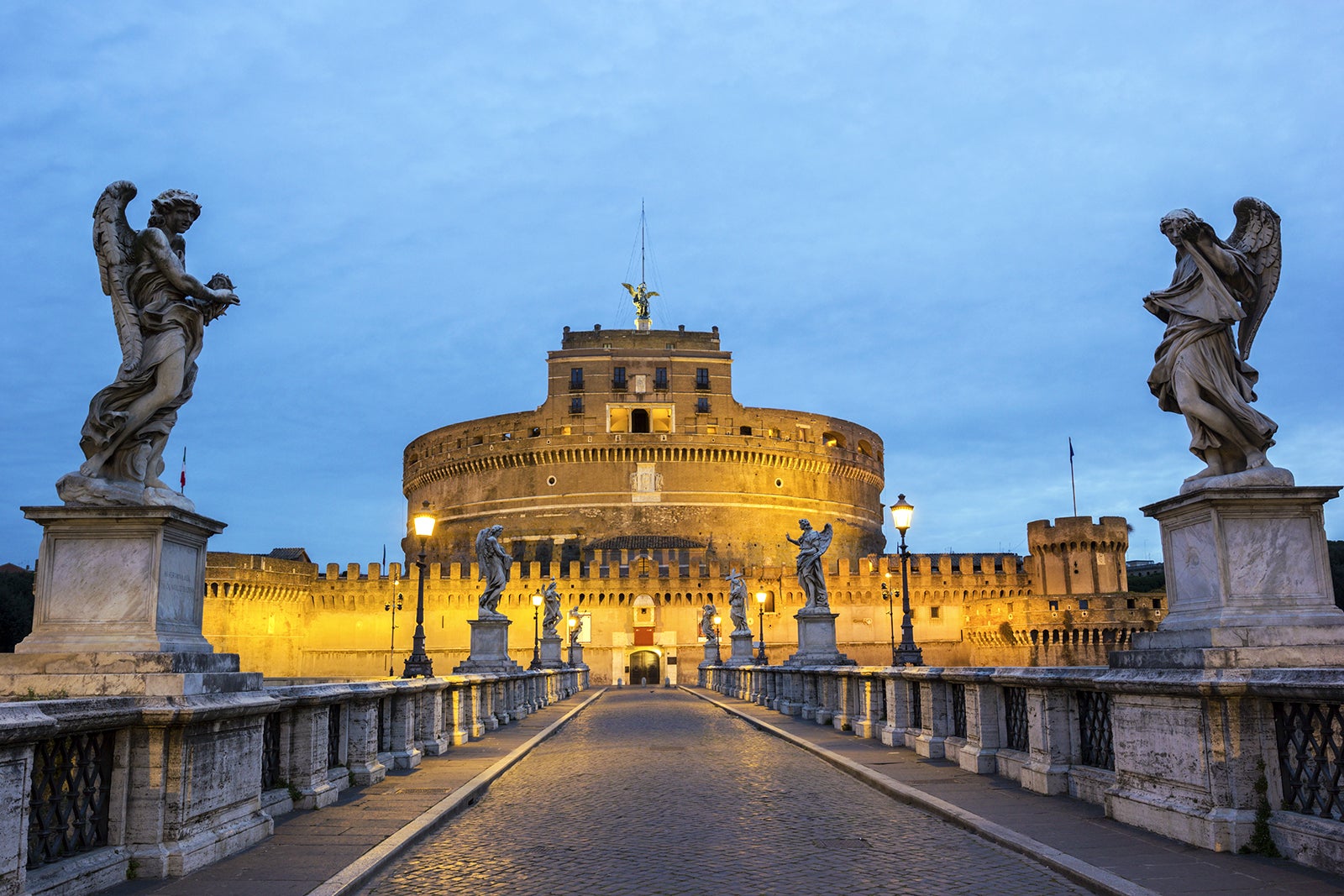
Castel Sant'Angelo Rome
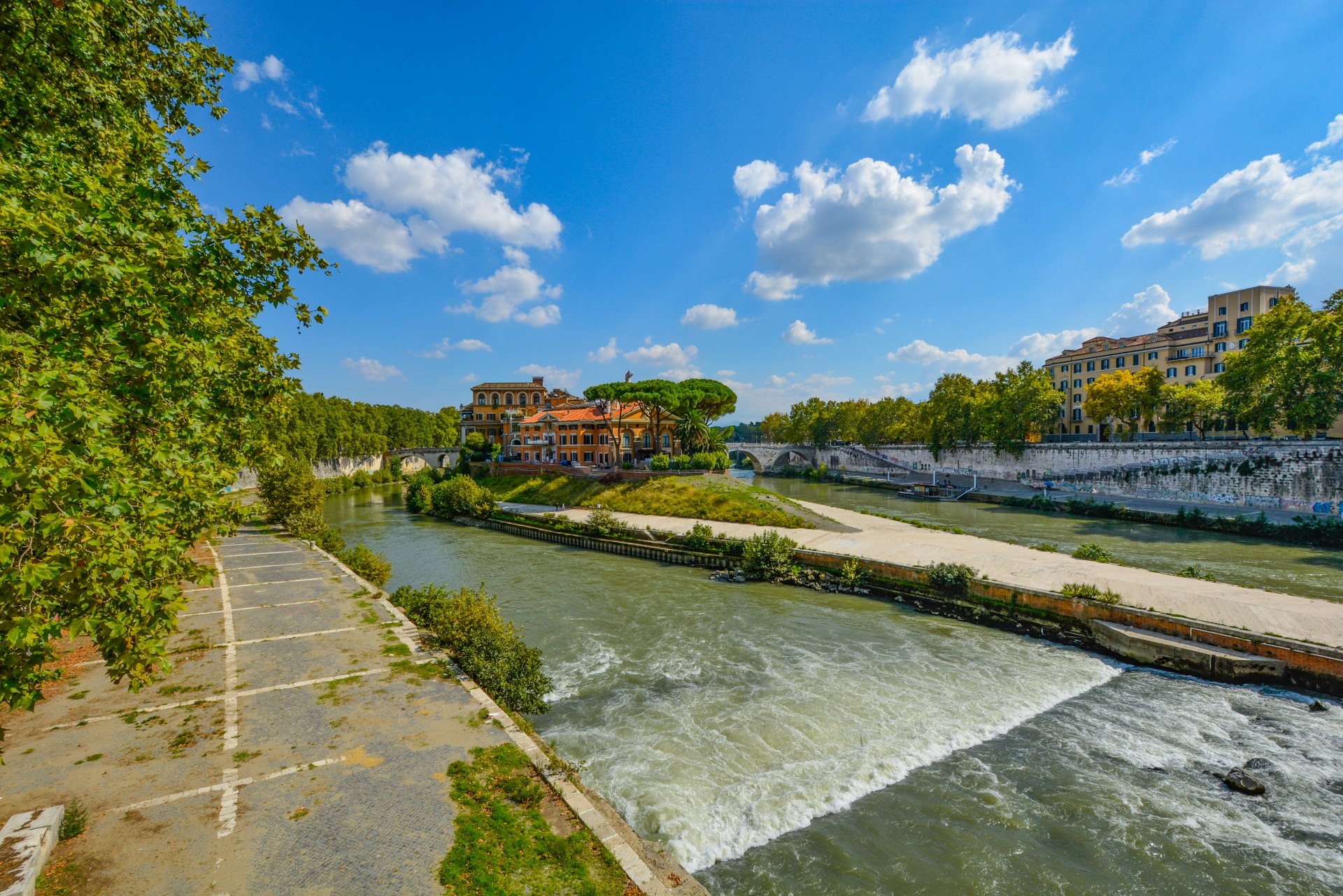
Tiber river Rome
Seeing the Vatican's masterpieces early in the morning rewards you with calmer rooms and a clearer sense of the artists' intent.
Evening: Trastevere nightlife
Trastevere comes alive at night—small bars for aperitivo, family-run restaurants for dinner, and a friendly, local crowd spilling into the piazzas. If you're tired, a simple pizza and gelato make a perfect evening.
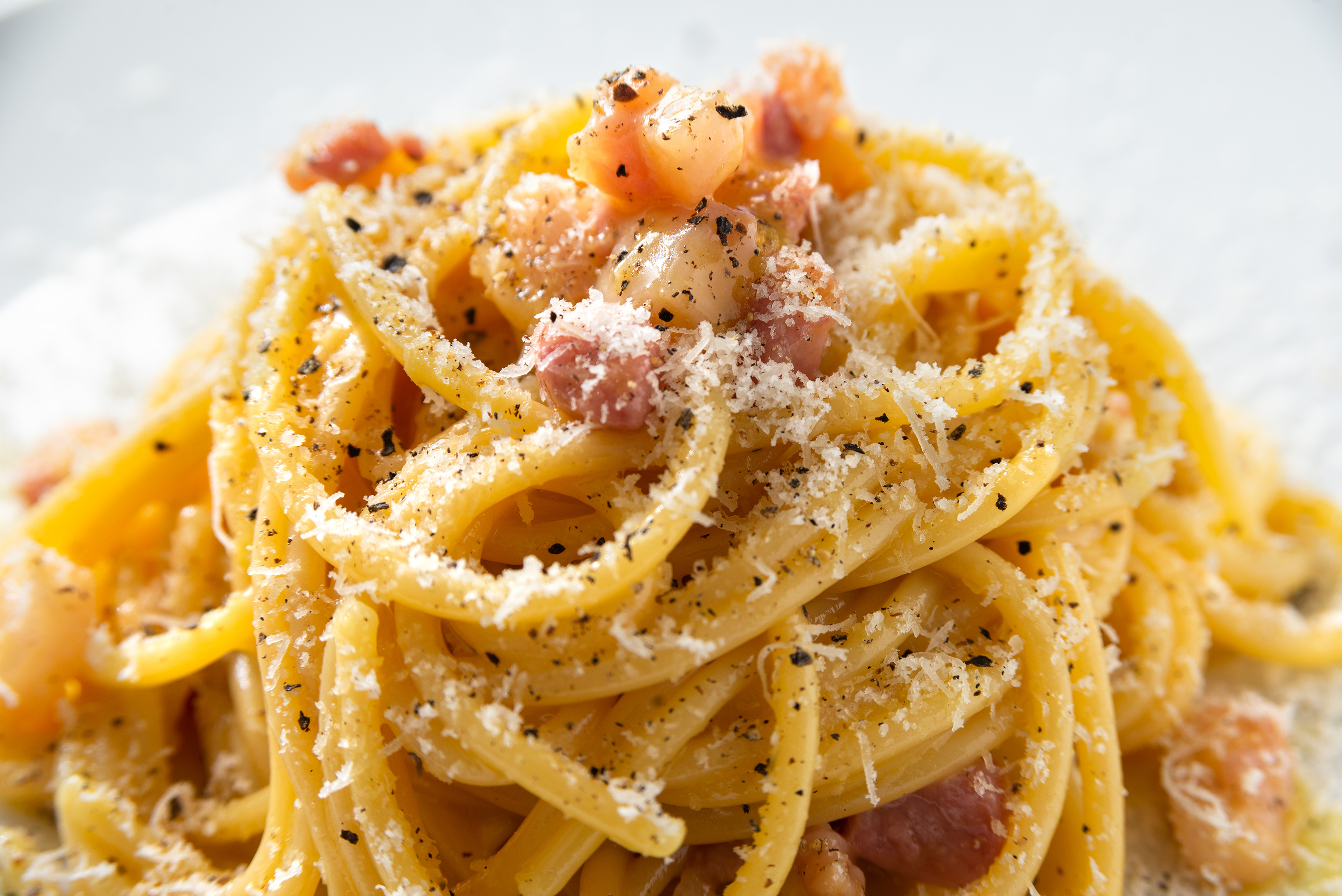
Carbonara pasta Rome

Gelato Rome
Day 3 — Art, Parks, and Optional Day Trips
Option A: Borghese Gallery, Villa Borghese gardens, and Spanish Steps
Start at the Borghese Gallery. Tickets are timed and the museum limits visitors, which makes for a focused, wonderful experience with Bernini sculptures and canvases by Caravaggio and Raphael. Afterward, enjoy Villa Borghese park—rent a bike or a rowboat on the small lake, then walk down to the Spanish Steps and the shopping streets around Via Condotti.
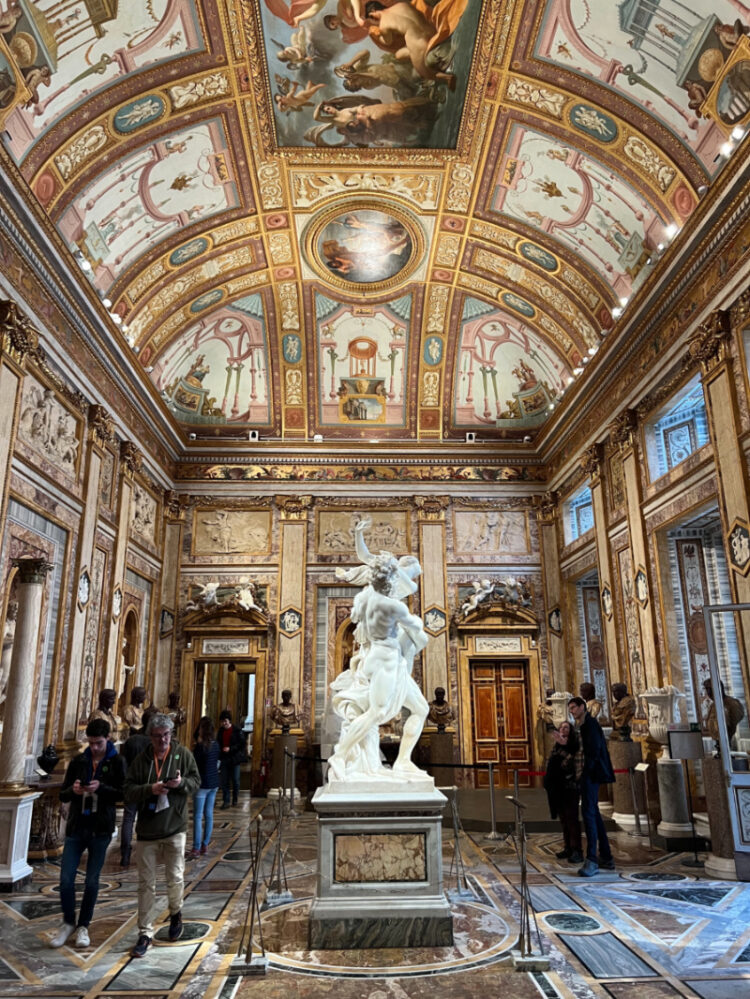
Borghese Gallery Bernini
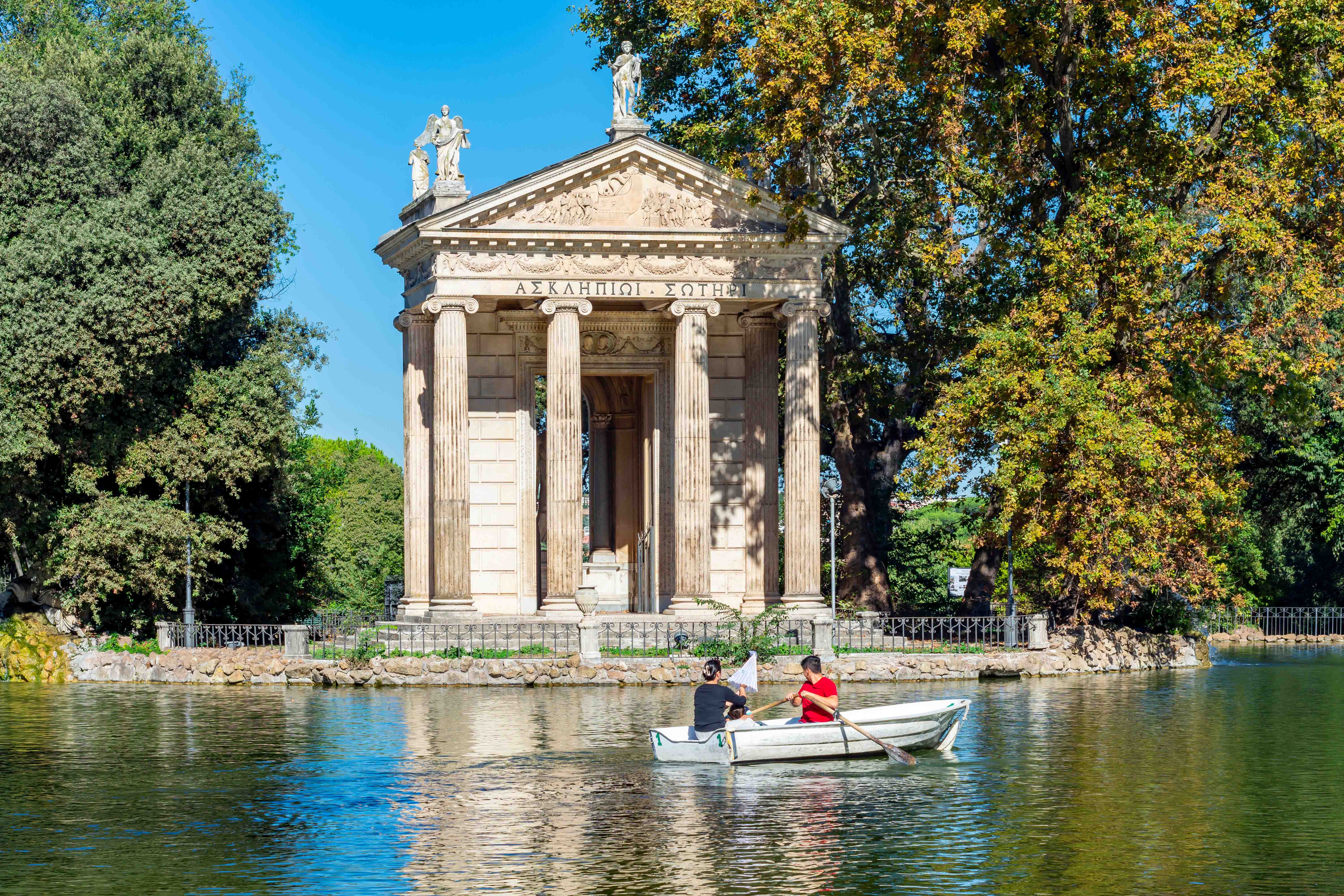
Villa Borghese gardens
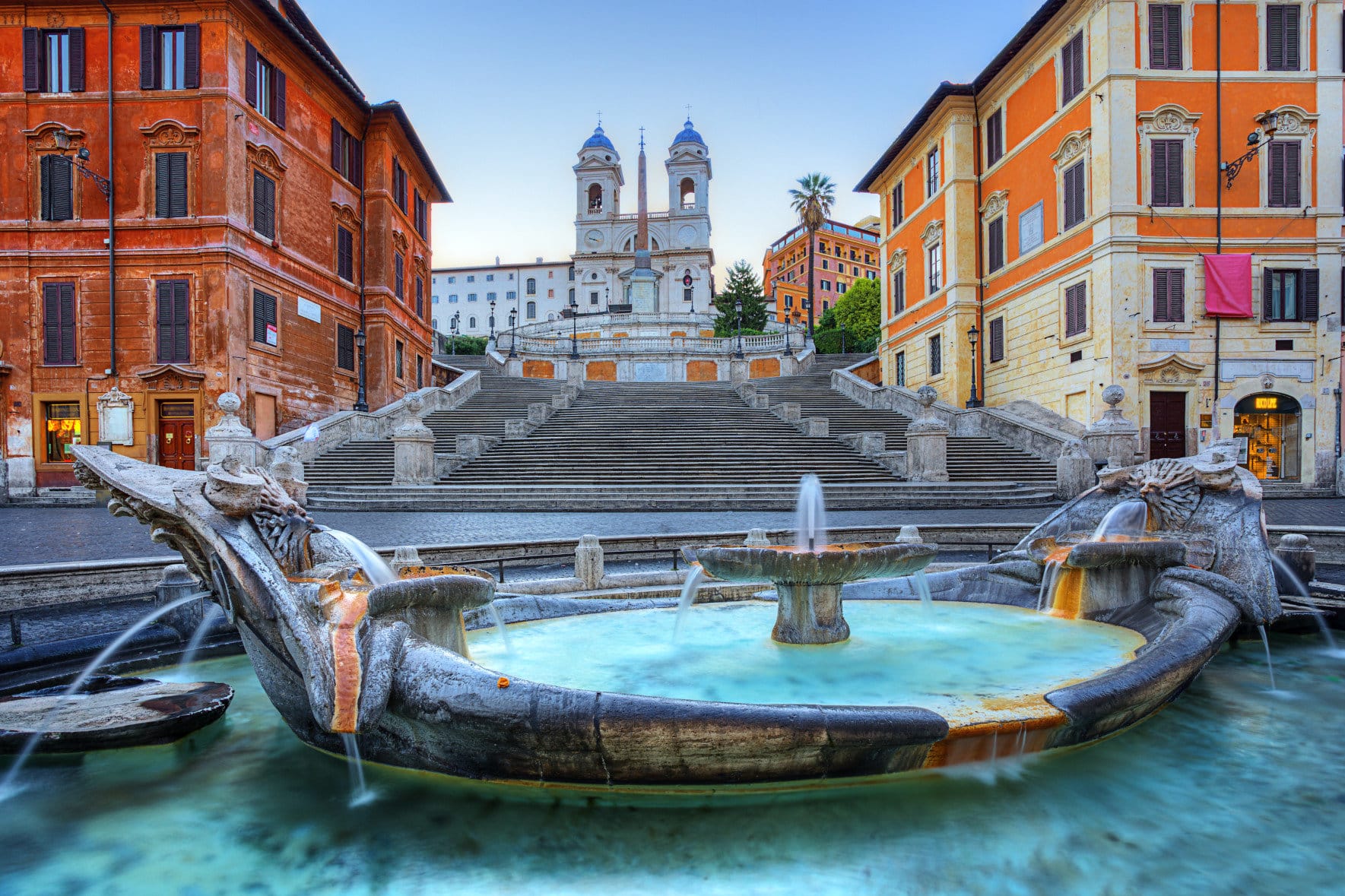
Spanish Steps Rome
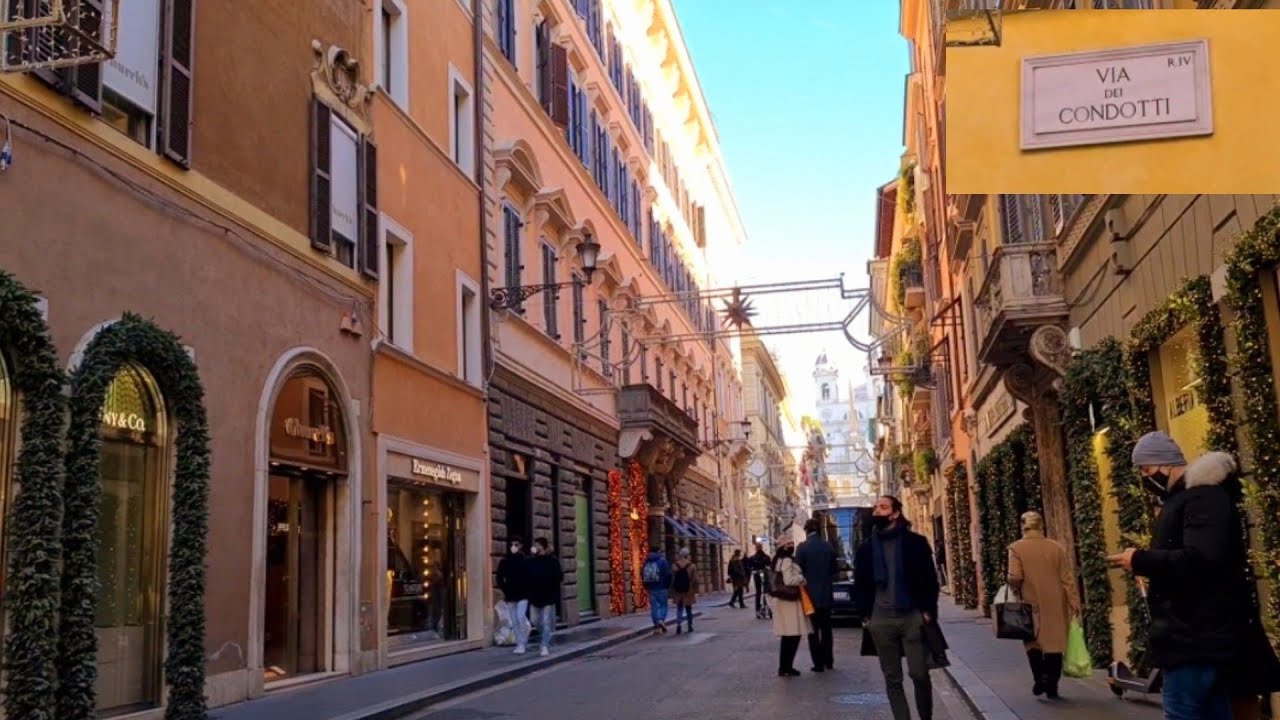
Via Condotti shopping
- Timing: 09:00–12:00: Borghese; 12:00–14:00: park picnic or café; afternoon: shopping and Spanish Steps.
Option B: Day trip to Tivoli or Ostia Antica
If you'd rather leave the city, Tivoli's Villa d'Este and Hadrian's Villa are stunning examples of Renaissance gardens and imperial architecture (Tivoli). Ostia Antica is a quieter archaeological alternative to Pompeii—ancient port town ruins that feel like stepping back into daily Roman life.
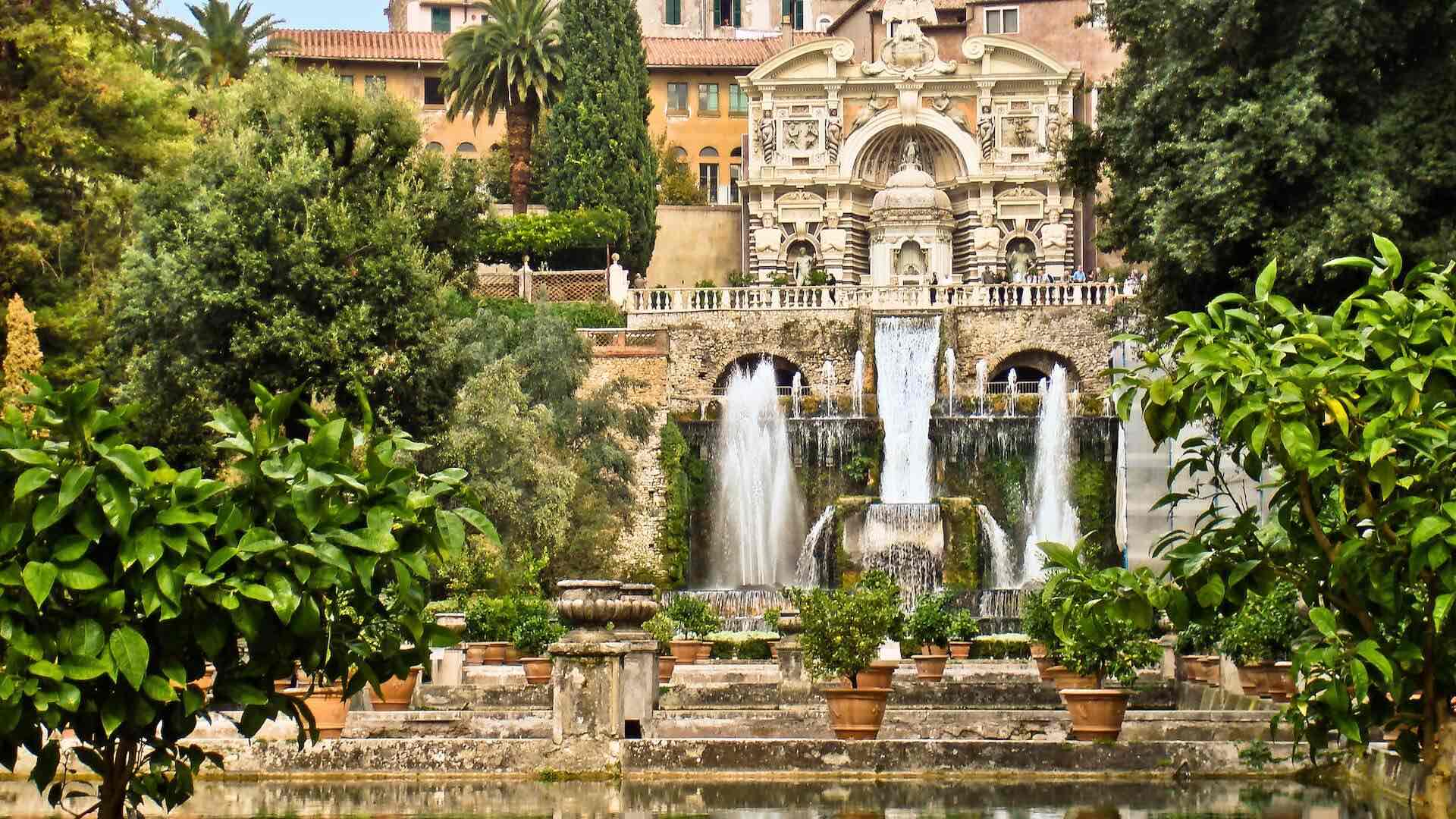
Tivoli Villa d'Este
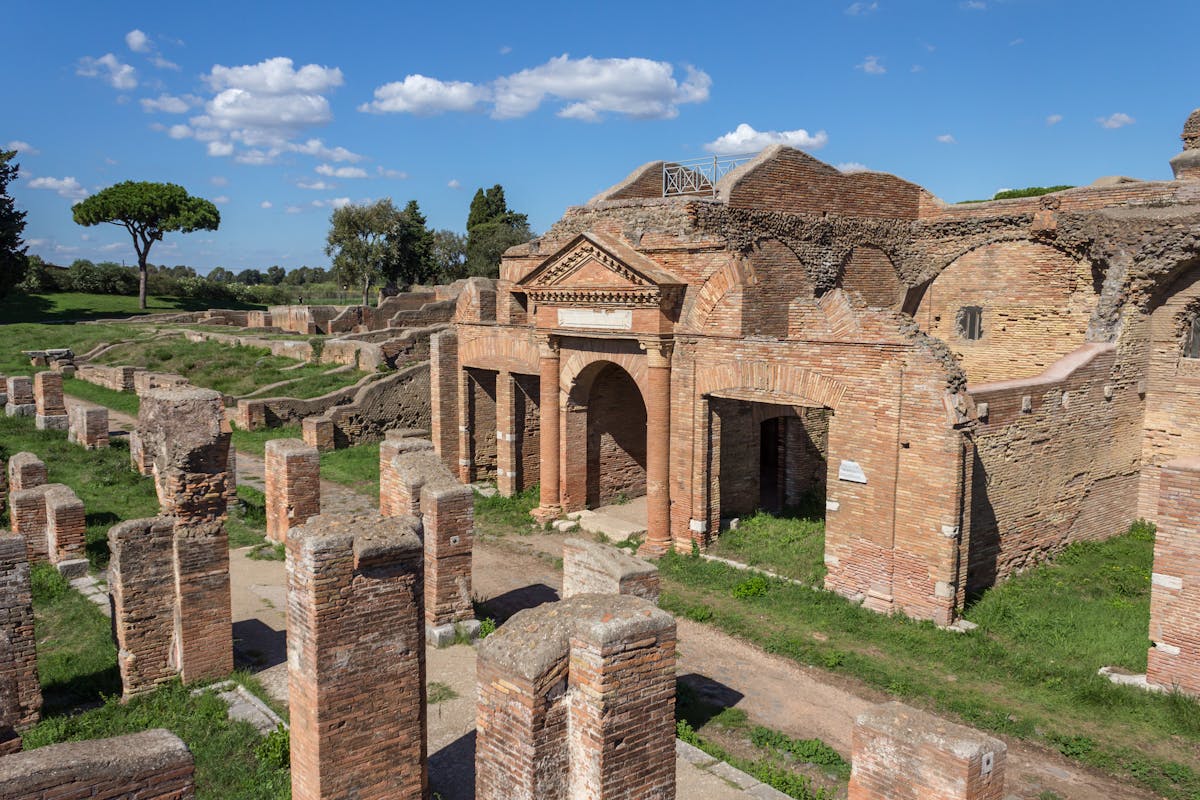
Ostia Antica ruins
- Tivoli: gorgeous gardens and fountains.
- Ostia Antica: less crowded, evocative ruins.
- Both require transport time—plan early departure.
- Less time in central Rome if you opt for a day trip.
Evening: Final meal and a sunset moment
For your last evening, aim for a special meal—perhaps a chef-driven trattoria or a rooftop terrace that frames Rome's terracotta skyline. Find a spot that lets you look back across the city one last time and reflect on three dense, rewarding days.
Practical Tips: Tickets, Transport, and Timing
Tickets and timing
For high-demand sites (Vatican Museums, Borghese Gallery, Colosseum), buy timed tickets in advance or choose guided tours. Early morning and late afternoon are often less crowded. If you can, visit the Sistine Chapel and the Colosseum at the first available slot of the day.
Getting around
Rome's historic core is pleasantly walkable; many highlights lie within 30–45 minutes of each other on foot. For longer hauls, the metro, buses, and trams cover key corridors. Taxis and ride-hailing are convenient late at night when public transport is reduced. Keep small change for bus tickets or buy a day pass if you plan multiple rides.

Rome nasoni fountain
- Passes: Consider a 24- or 48-hour transport pass if you'll use transit often.
- Walking: Bring comfortable shoes—the cobblestones and uneven sidewalks reward careful steps.
Safety and sensible behavior
Rome is broadly safe for tourists, but petty theft like pickpocketing occurs in crowded areas and on public transport. Keep valuables close, use a cross-body bag, and be particularly attentive at major tourist hubs and on crowded buses.
Food, Drink, and Where to Eat
What to try
Roman cuisine is simple, seasonal, and intensely satisfying. Don't miss:
- Carbonara: Pecorino, eggs, and cured guanciale, no cream.
- Cacio e Pepe: Pecorino and black pepper, a celebration of technique.
- Amatriciana: Tomato and guanciale with pecorino.
- Supplì: Fried rice croquette with tomato and mozzarella—perfect street snack.
- Gelato and espresso: Gelato for dessert and a short espresso at the bar—Roman caffeine culture is brisk and social.

Suppli Roman snack

Espresso bar Rome
Neighborhood food picks
For local dining, Monti and Trastevere have excellent trattorie; the Prati district near the Vatican offers refined options and pastry shops; Campo de' Fiori and the Jewish Ghetto have notable markets and specialty flavors, including fried artichokes in the Ghetto tradition.

Jewish Ghetto Rome
Where to Stay: Best Neighborhoods for 3 Days
Centro Storico
Staying in the Centro Storico puts you within walking distance of the Pantheon, Piazza Navona, and the Trevi Fountain—ideal for first-time visitors who prefer to explore on foot.
Trastevere
Trastevere is lively at night, charming by day, and packed with restaurants and bars. If you want atmosphere and character, this neighborhood is a top pick.
Prati
Prati offers quieter streets and easy access to the Vatican. Great for families and those who prefer a slightly more residential feel.
Packing & Practicalities
Pack layers—Roman weather can shift, and churches often require modest attire. Bring good walking shoes, a reusable water bottle (Rome has many public drinking fountains called nasoni), and a lightweight day bag. Keep photocopies of travel documents and use secure payment options when possible.
Final Thoughts and Key Takeaways
Three days in Rome are a promise kept: you'll leave with a sense of the city's scale, its major masterpieces, and the flavors that sustain its people. Pace matters—mix landmark mornings with neighborhood afternoons, and allow evenings for slow meals and spontaneous discoveries. Whether you follow this itinerary precisely or adapt it to your tastes, the real reward is the layering of experiences: ruins, basilicas, narrow alleys, and the small ceremonial pleasures of Roman life.
- Prioritize timed tickets for the Colosseum, Vatican Museums, and Borghese to save time.
- Walk when you can—Rome's neighborhoods reveal themselves on foot.
- Balance must-see monuments with neighborhood meals and leisurely evenings.
- Carry modest clothing for churches and secure your belongings in crowded spaces.
Buon viaggio: arrive curious, keep your shoes comfortable, and let Rome do the rest.