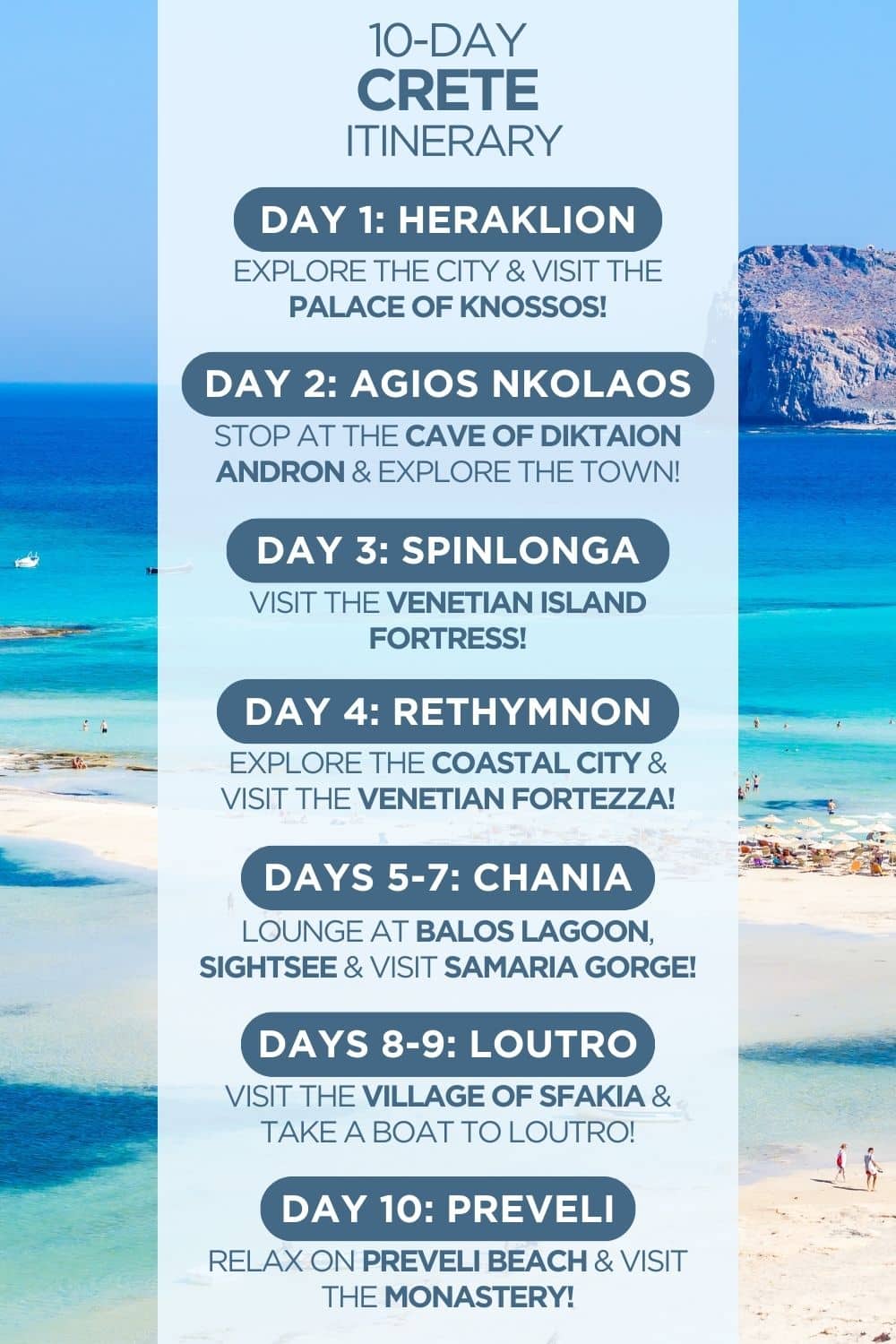
Perfect 3-Day Crete Itinerary: Beaches, Villages & History
Crete can feel like a small country in itself: dramatic mountains, windswept beaches, Bronze Age ruins, Venetian harbors and inland villages that move at a different, slower rhythm. For travelers with only three days, the island’s scale is intimidating—but entirely conquerable with a focused plan. This itinerary balances archaeology and coastal time, food and hiking, and a few authentic interactions so you leave with a true sense of the island rather than a blur of photos.
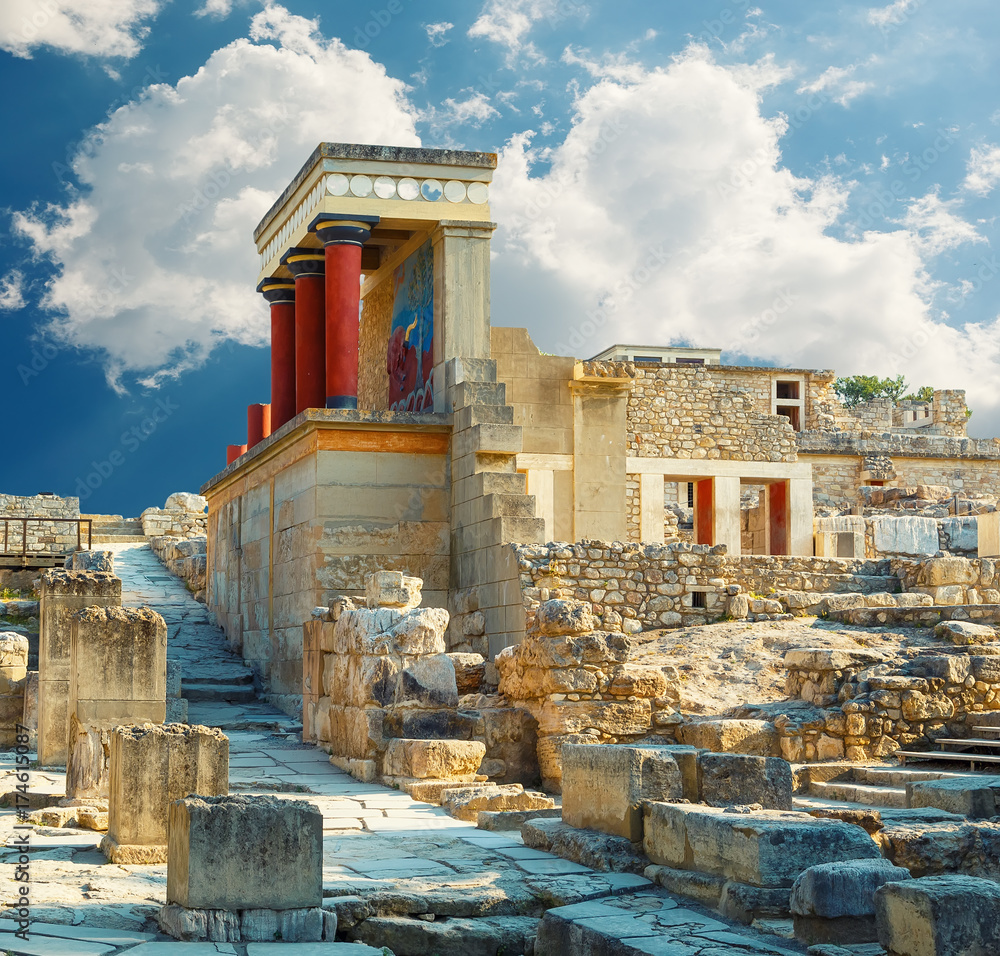
Knossos Palace ruins
Why This Itinerary Works
This three-day plan is designed for maximum variety with minimal backtracking. Base yourself in or near two hubs—Heraklion for day one (the cultural heart and easiest airport access) and Chania or Rethymno for days two and three (for spectacular western beaches and a more relaxed pace). Each day blends one major highlight with smaller, nearby experiences so you can actually taste, see and soak in Crete rather than rush past it.
Practical Essentials
Best time to go
Late spring (May–June) and early autumn (September–October) are ideal: warm sea temperatures, comfortable daytime highs, and fewer crowds than July–August. Winters are mild but many tourist services are reduced. If you travel in high summer, plan earlier starts and book accommodations in advance.
Transport and base choices
Renting a small car gives you the most flexibility— Crete’s roads are generally good, and a car will save long waits and rigid timetables. Public buses (KTEL) connect major towns for a budget alternative, but expect slower travel. For this plan, flying into Heraklion (Nikos Kazantzakis Airport) and spending night two and three in Chania or Rethymno minimizes driving.
Packing and preparedness
- Essentials: comfortable walking shoes, sun protection, refillable water bottle, light daypack.
- For hikes: basic first-aid, layered clothing, sturdy shoes; Samaria Gorge (if attempted) requires a transfer back by ferry in some routes.
- Driving: bring your license, check insurance, and watch for narrow village streets and sheep.
Three days on Crete is not enough to see everything—but it is perfect to fall in love with the island’s contrasts.
Day 1 — Heraklion, Knossos and Coastal Villages
Morning: Knossos Palace
Begin with the Minoan palace of Knossos, just a short drive from Heraklion. Allocate 1.5–2 hours to wander the atmospheric reconstructions, imagine the ritual courtyards and frescoes, and read the site’s evocative story of Europe’s earliest advanced civilization. Early arrival avoids the mid-day tourist surge and the strongest heat.
Late morning: Heraklion Town
Return to Heraklion’s compact center to explore the city’s lively market, the imposing Venetian Koules fortress on the harbor and a museum or two if time allows. A leisurely coffee or meze at an outdoor table will give you time to observe daily life and plan the afternoon.
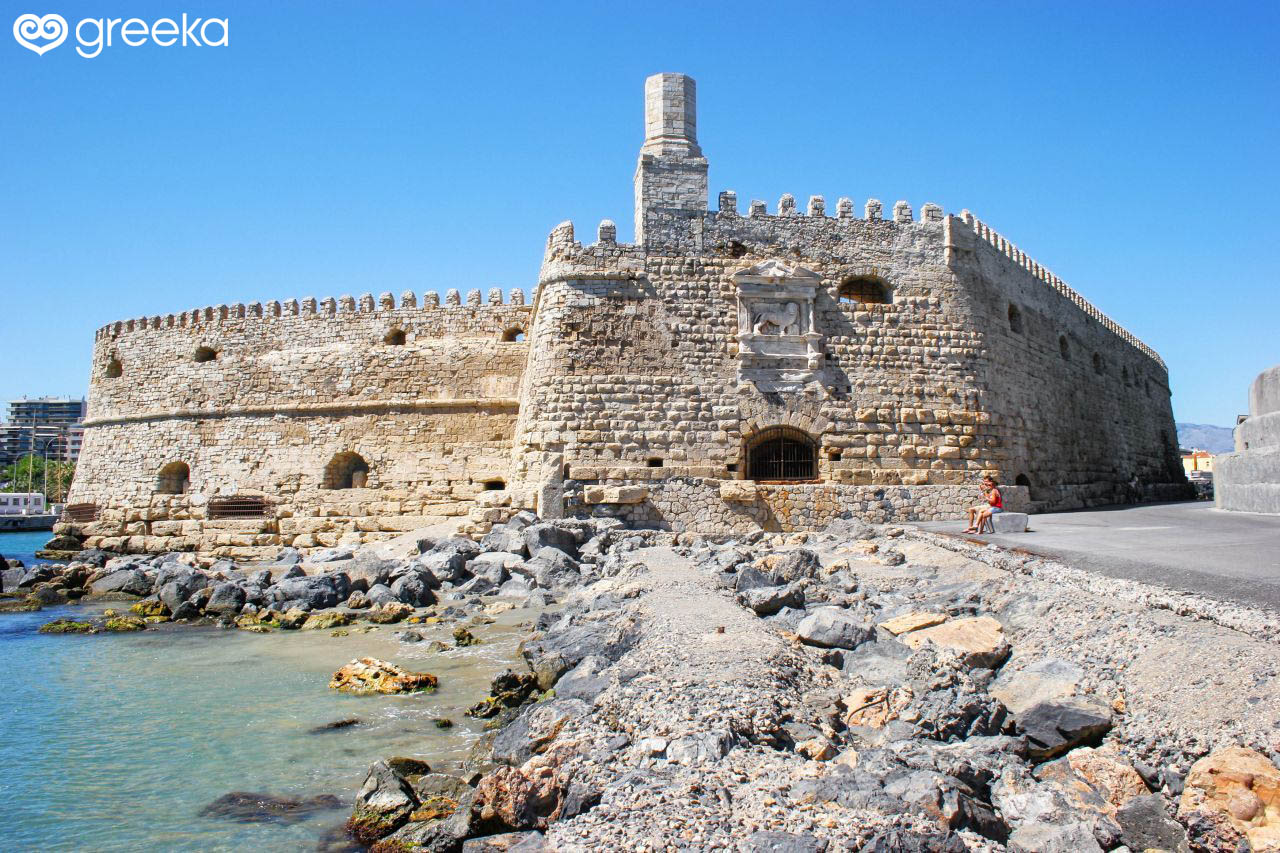
Heraklion Koules fortress
Afternoon: Drive to a coastal village
After lunch, take a scenic drive east or west along the coast depending on your next-night plans. Consider a stop at the fishing village of Agios Nikolaos or the dramatic bay of Elounda for a swim and a walk along the water. If you’re heading west toward Chania for night two, drive to Rethymno’s Venetian streets for an early evening stroll.
Day 2 — West Crete: Chania, Balos or Elafonisi
Morning: Chania Old Town
Wake in Chania and spend the morning navigating the labyrinthine alleys of the Old Town, its Venetian harbor and the lively municipal market. This compact area rewards slow exploration: owners of tiny workshops, pastel buildings and waterfront cafes all invite lingering.
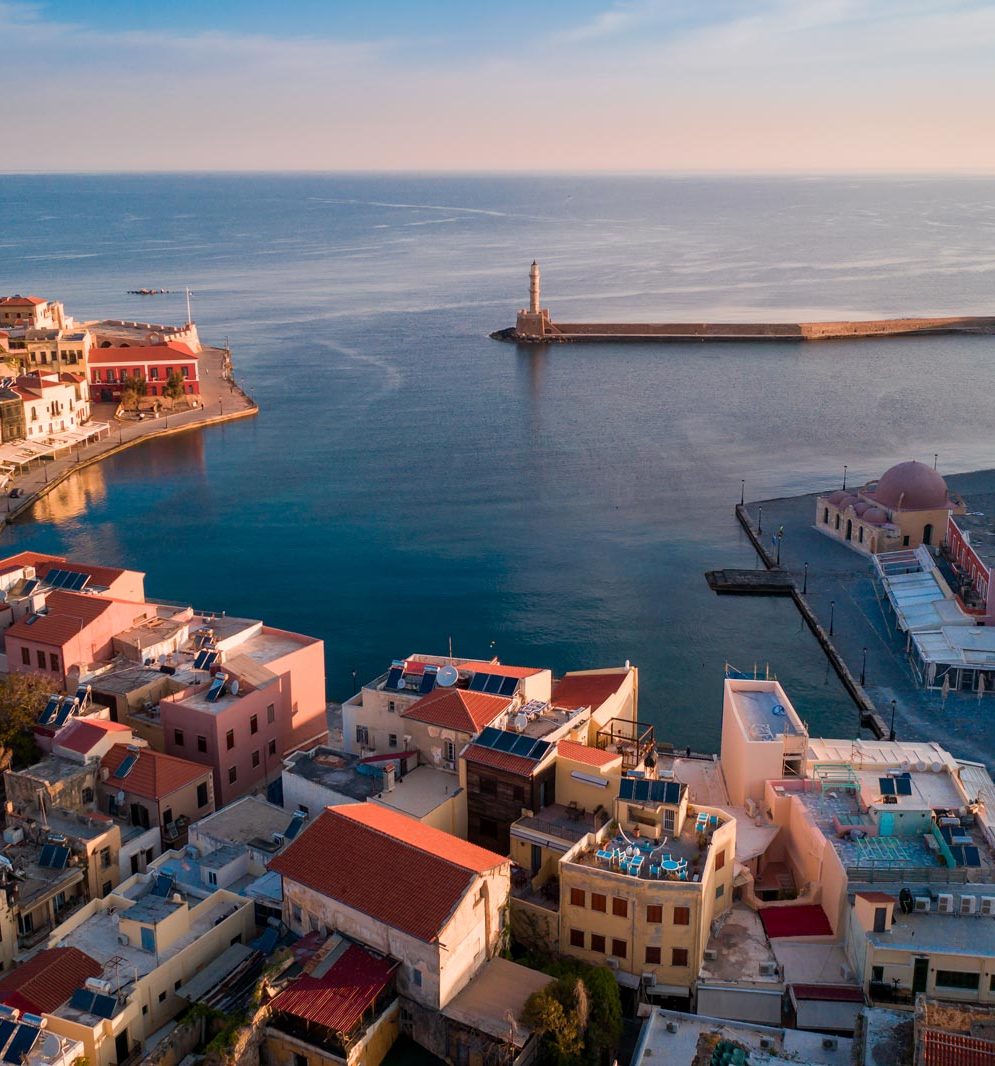
Chania Venetian harbor
Afternoon options: Balos lagoon or Elafonisi beach
Choose one of two iconic west-Crete experiences: Balos, a shallow, turquoise lagoon reached by boat from Kissamos or by a rugged drive to a viewpoint then a downhill walk; or Elafonisi, a pink-sand beach and sandbank separated by a short wade, famous for its color and shallow waters. Balos is otherworldly and great for photos; Elafonisi rewards more relaxed beach time and shallow wading.
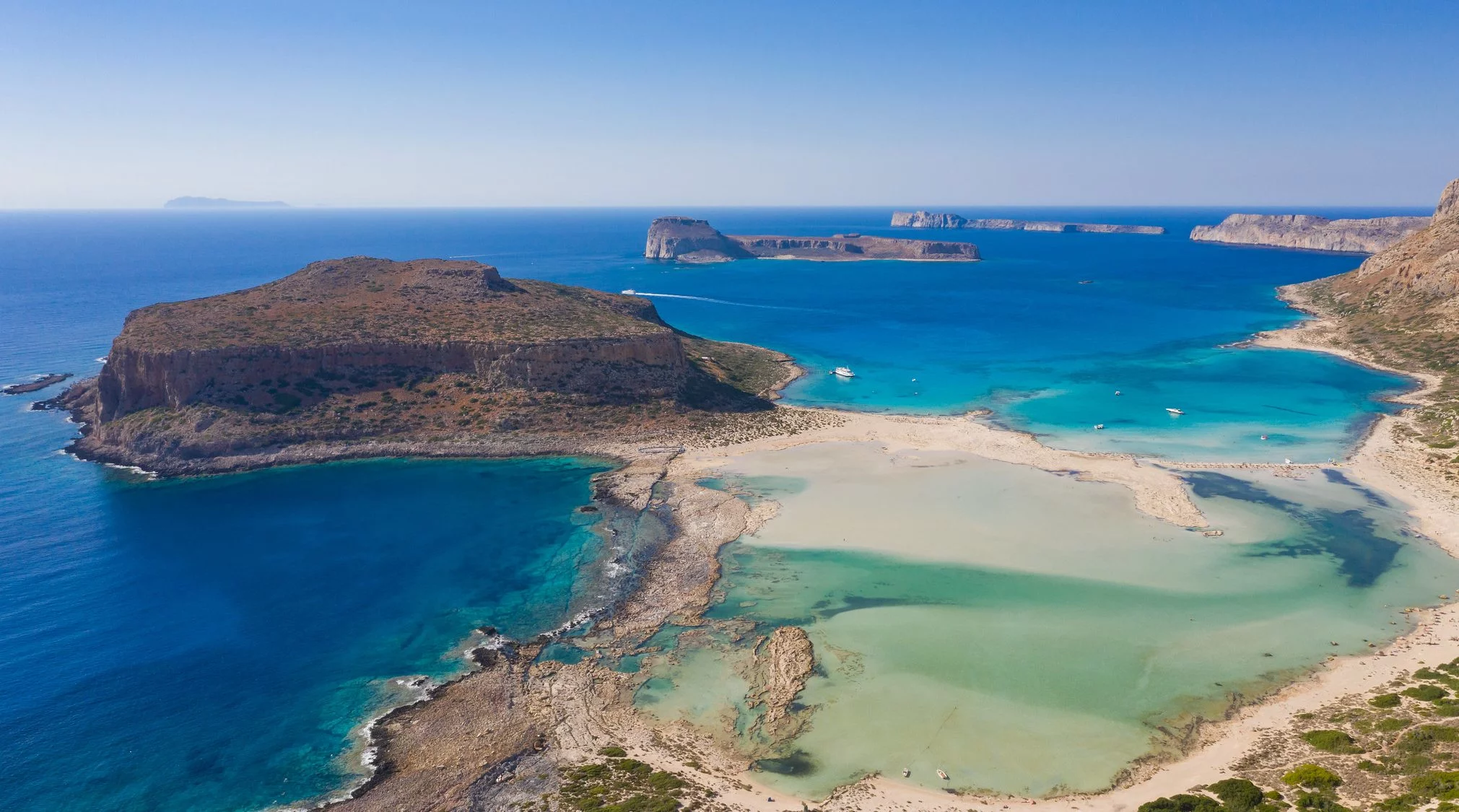
Balos lagoon Crete
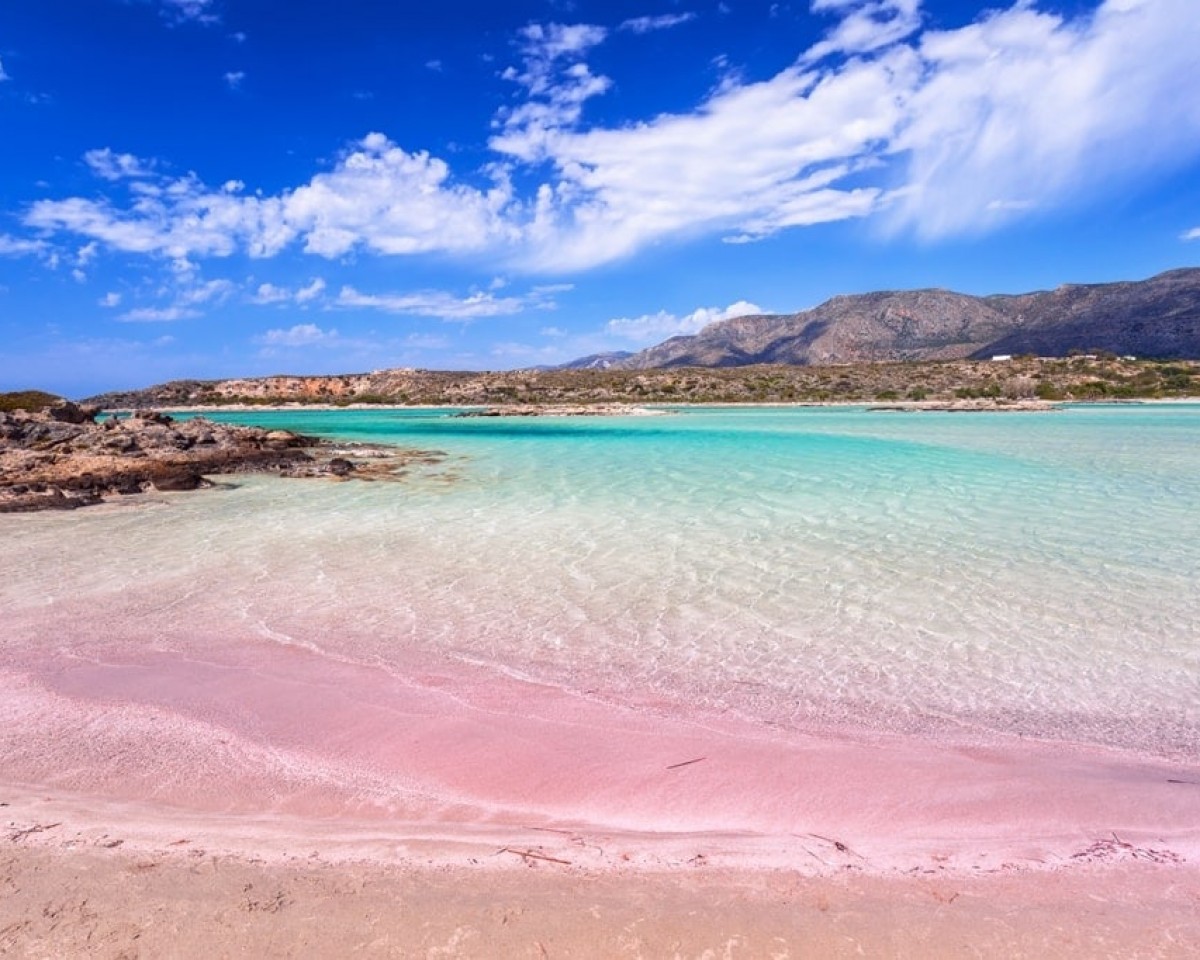
Elafonisi beach pink sand
- Balos: more dramatic landscapes and boat-based access; good for snorkeling and sunset photos.
- Elafonisi: wide sandy beaches, ideal for families and for a long, low-stress swim day.
If your trip allows one splurge, take a late afternoon boat to Balos and watch the light flatten over the lagoon—it's unforgettable.
Day 3 — Mountain villages, sea caves and farewell flavors
Morning: A taste of inland Crete
Dedicate your final morning to inland charm. Drive into the White Mountains foothills or visit a traditional village like Vamos or Archanes (depending on your base). Wander stone-paved lanes, meet shopkeepers, and find a small kafeneio for coffee and loukoumades or local pies.
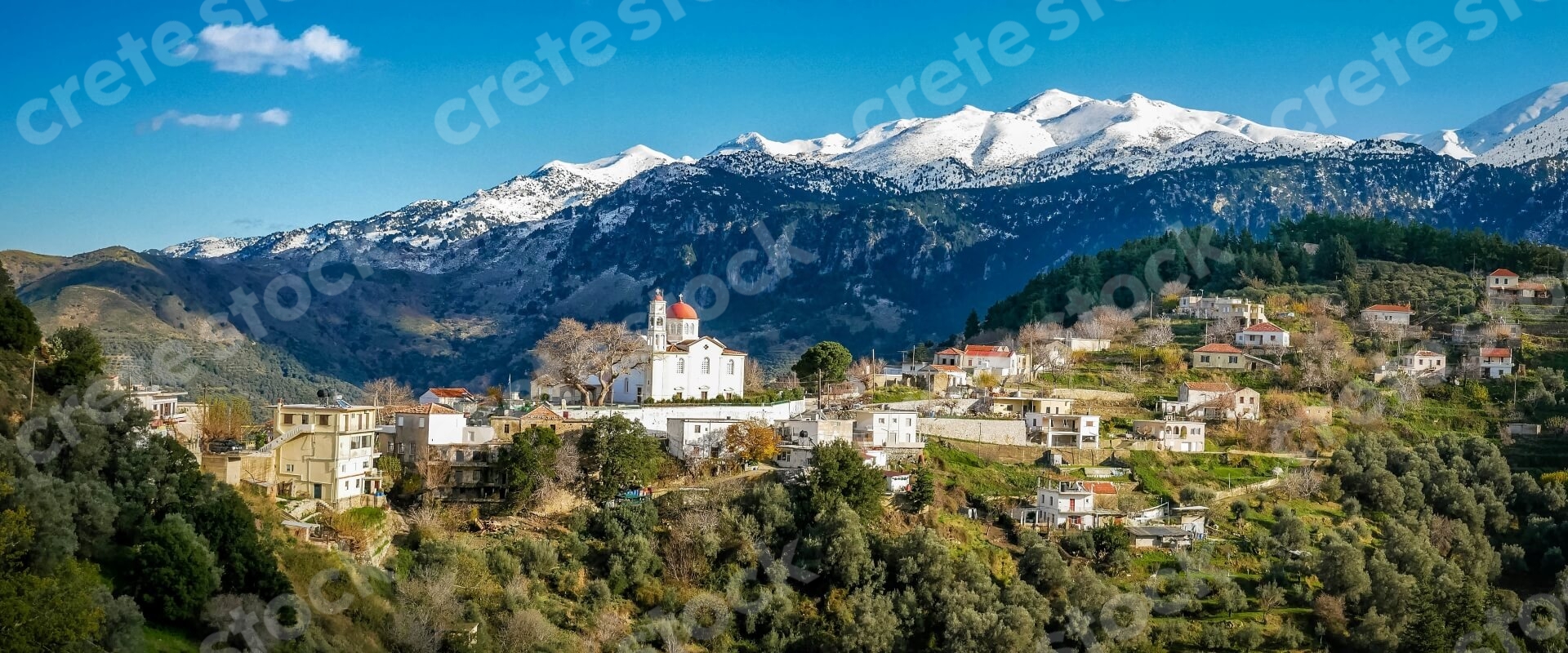
White Mountains villages Crete
Midday: Optional short hike or seaside cove
If you prefer activity, take a short coastal hike near Loutro or explore sea caves by kayak from Sfakia. Alternatively, choose a calm seaside lunch in a taverna overlooking a secluded cove—fresh fish, dakos, and regional cheeses make for a Cretan culinary farewell.
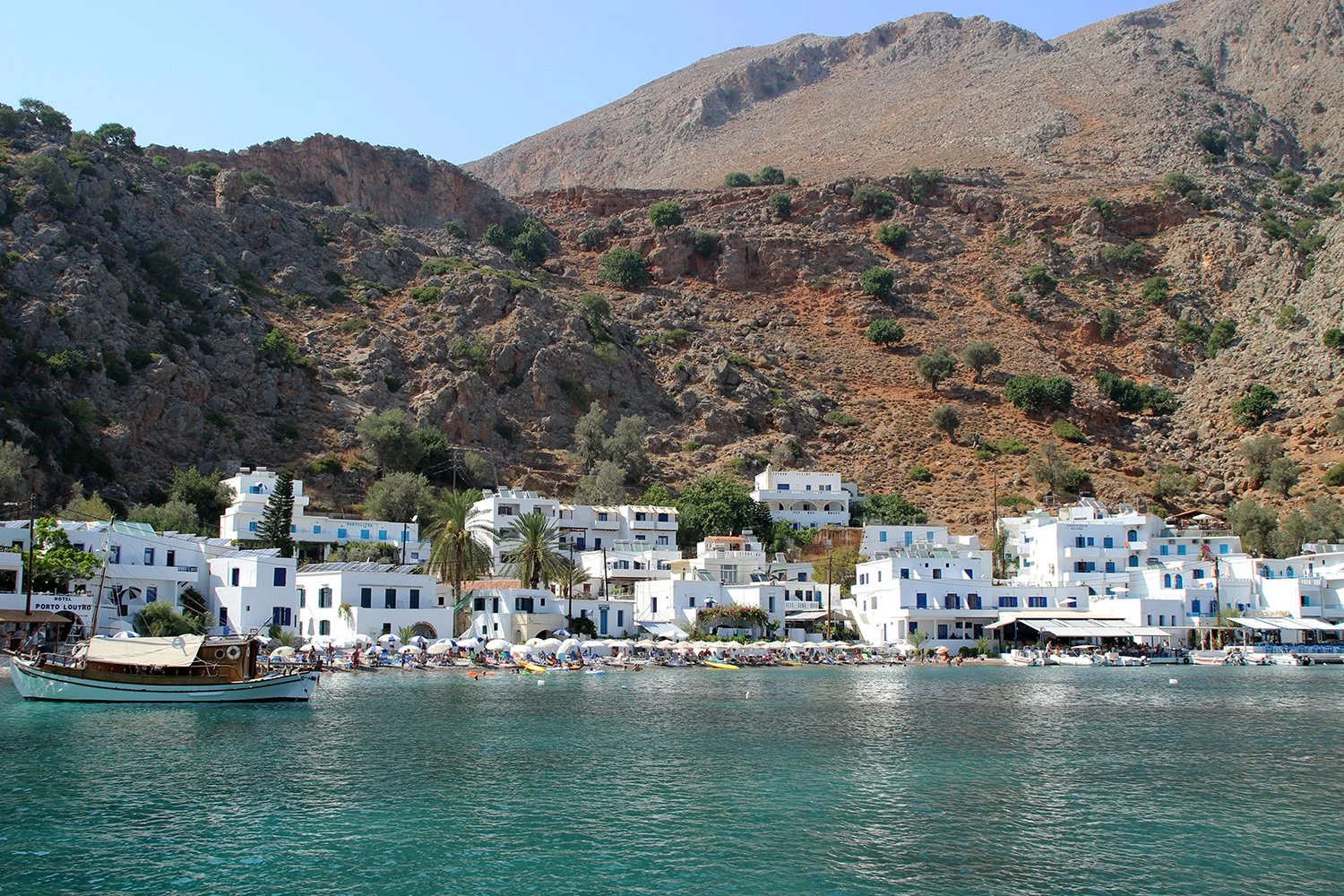
Loutro seaside village
Afternoon: Final moments and departure
Use your last hours to return to Heraklion if your flight departs from there, or to Chania for an evening flight. Time your drive so you can stop at a winery or olive press on the way and load up on local olive oil, honey, and graviera cheese to take home.
Food and Drink: What to eat on Crete
Cretan cuisine essentials
Cretan food is simple, ingredient-driven and built around olive oil, vegetables, legumes, cheeses and fresh seafood. Seek out dakos (a barley rusk salad), local snails when available, grilled fish, oven-baked lamb and sweets like honey-drenched baklava. Don’t skip a small plate of local cheeses with raki or a regional wine after dinner.
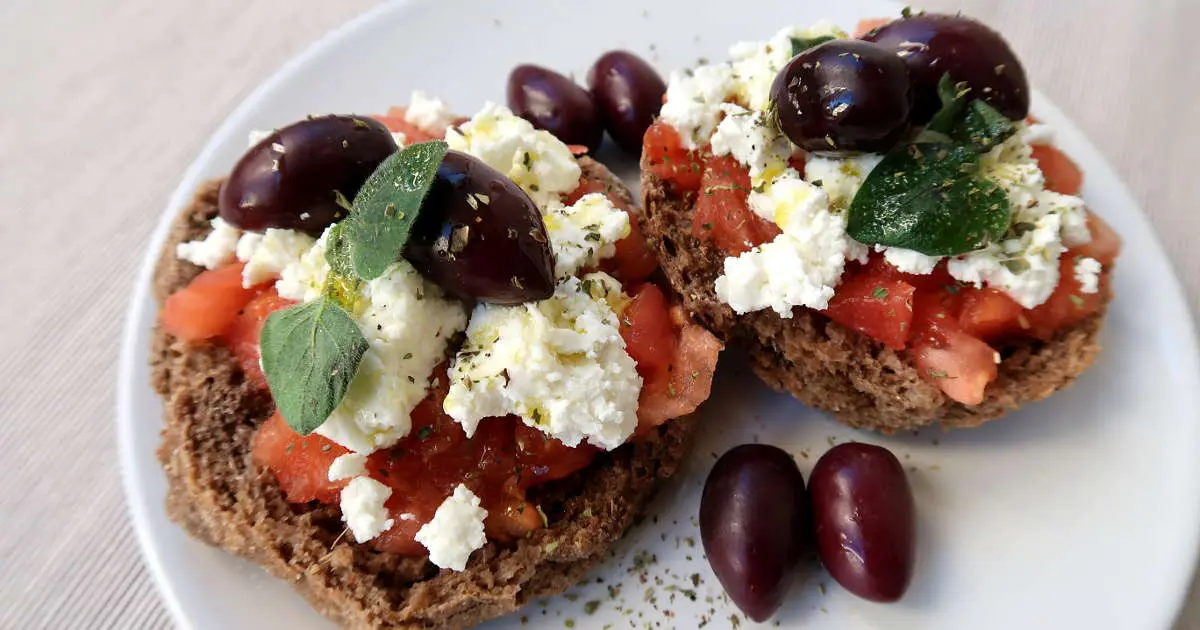
Cretan cuisine dakos salad
Restaurant tips
- Eat where locals eat—small tavernas in side streets often serve the best value and authenticity.
- Try a family-run place in a mountain village for seasonal specialties and home-cooked feel.
- Reserve a seaside table at sunset if you want views; otherwise midday meals are often quieter.
Practical Tips, Safety and Local Customs
Respectful travel
Crete is warm in hospitality but conservative in small villages—dress modestly if you plan to visit churches and be mindful of local rhythms. Learning a few Greek words like efharisto (thank you) goes a long way.
Safety and health
Crete is safe for travelers. Sun protection, hydration and sensible shoes for uneven surfaces are your primary concerns. Tap water is drinkable in many areas but check locally if you’re unsure and carry bottled water during long drives or hikes.
Alternatives and Customizations
Slow-travel version
If you prefer slow travel, choose one base—Chania or Rethymno—and explore the surrounding beaches and villages at leisure. This removes transit stress and allows deeper connections with one place.
Active adventure version
Swap one beach day for a full-day hike (Samaria Gorge) or a sea-kayaking excursion. Expect an early start and a late finish, but the reward is a raw, rugged side of Crete most visitors miss.
Packing Checklist
- Documents: passport/ID, driver’s license, travel insurance details.
- Clothing: light layers, swimsuit, sunhat, comfortable walking shoes.
- Gear: reusable water bottle, sunglasses, power bank, small daypack.
- Optional: snorkeling mask, light hiking poles, a travel towel.
- Variety: archaeology, beaches, villages in a short time.
- Manageable pace with two bases.
- Three days is necessarily a snapshot.
- Some long drives if you cover east and west extremes.
Final Thoughts and Takeaways
Three days in Crete will not exhaust the island’s possibilities, but it can sketch a vivid, balanced portrait: ancient history in the morning, a relaxed beach or village in the afternoon, and attentive meals that explain the island’s agricultural bounty. Travel with curiosity instead of a checklist, and you’ll come away with stories—and perhaps plans to return.
- Base in Heraklion then Chania/Rethymno to minimize backtracking.
- Mix an archaeological highlight (Knossos) with one western beach (Balos or Elafonisi) and a village experience.
- Rent a car for flexibility, but respect local driving conditions and traffic.
- Eat fresh, regional dishes and buy olive oil and cheese as souvenirs.
Crete rewards travelers who allow time for both spectacle and quiet: a palace can be as moving as a sunset on a coral-hued beach. With three days and a sustainable pace, you’ll leave with a sense of the island’s textures—its history, its hospitality, and its stubbornly beautiful landscapes.