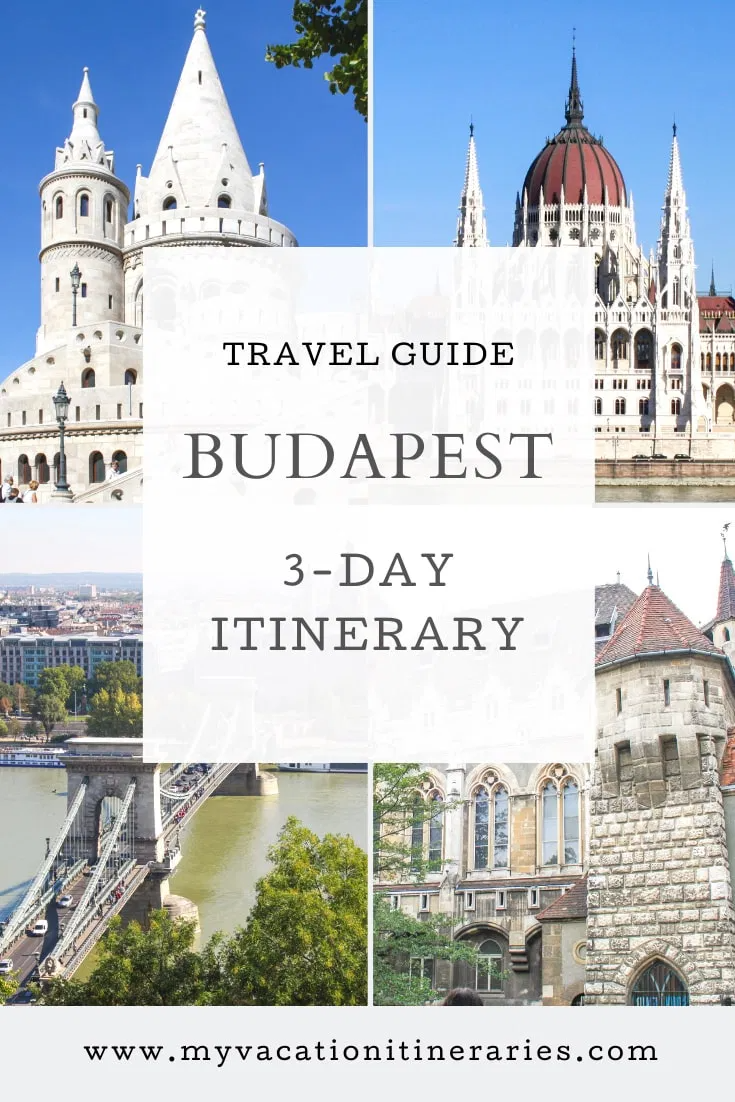
Perfect 3-Day Budapest Itinerary: What to See & Do
Budapest feels at once grand and intimate: a city of palaces and thermal steam, coffeehouses that remember poets, and modern neighborhoods built on centuries of history. In three days you can move from the medieval heights of Castle Hill to the wide boulevards and ruin pubs of Pest, taste hearty Hungarian food, and float in baths that have soothed locals for generations. This guide gives a clear, flexible plan for maximum experience with minimal rushing—timed sights, transport tips, dining suggestions, and seasonal notes so you leave feeling you’ve really seen the city, not just ticked boxes.
Quick Planning & Logistics
When to go
Spring (April–June) and early autumn (September–October) offer mild weather, blooming trees, and fewer crowds than July–August. Winter has a distinct charm—Christmas markets, fewer tourists, and steam rising from the baths—but be prepared for cold. If you’re planning around festivals or events, check exact dates before booking; this itinerary works year-round with small adjustments for daylight and temperature.
Getting there and getting around
Budapest’s international airport is well connected to the city center by bus and taxi; a transfer takes roughly 30–45 minutes depending on traffic. Once in the city, rely on trams, metro and walking. Tram 2 along the Danube is particularly scenic. Buy single tickets, a 24/72-hour public transport pass, or consider the Budapest Card if you want included museum entries and transport. Taxis and ride-hailing are available but confirm estimated fare or use official taxi companies to avoid surprises.
Currency, tipping, and language
Hungary uses the forint. Cards are widely accepted in tourist areas, but carry cash for markets, smaller cafés, and baths. Tipping 10–15% in restaurants is customary if service isn’t included. English is commonly spoken in hospitality and tourism; learning a few basic Hungarian phrases (köszönöm for thank you) will be appreciated.
Day-by-Day Itinerary
Day 1 — Buda: Castle Hill and Riverside Views
Morning: Start in Buda’s elevated quarter to get a sense of Budapest’s layered history. Take the funicular up to Buda Castle for fast access and a cinematic introduction. From the castle courtyards you’ll get sweeping views across the Danube to Pest’s Parliament. Explore the Budapest History Museum if you’re interested in context, or keep the morning lighter and stroll the castle grounds.
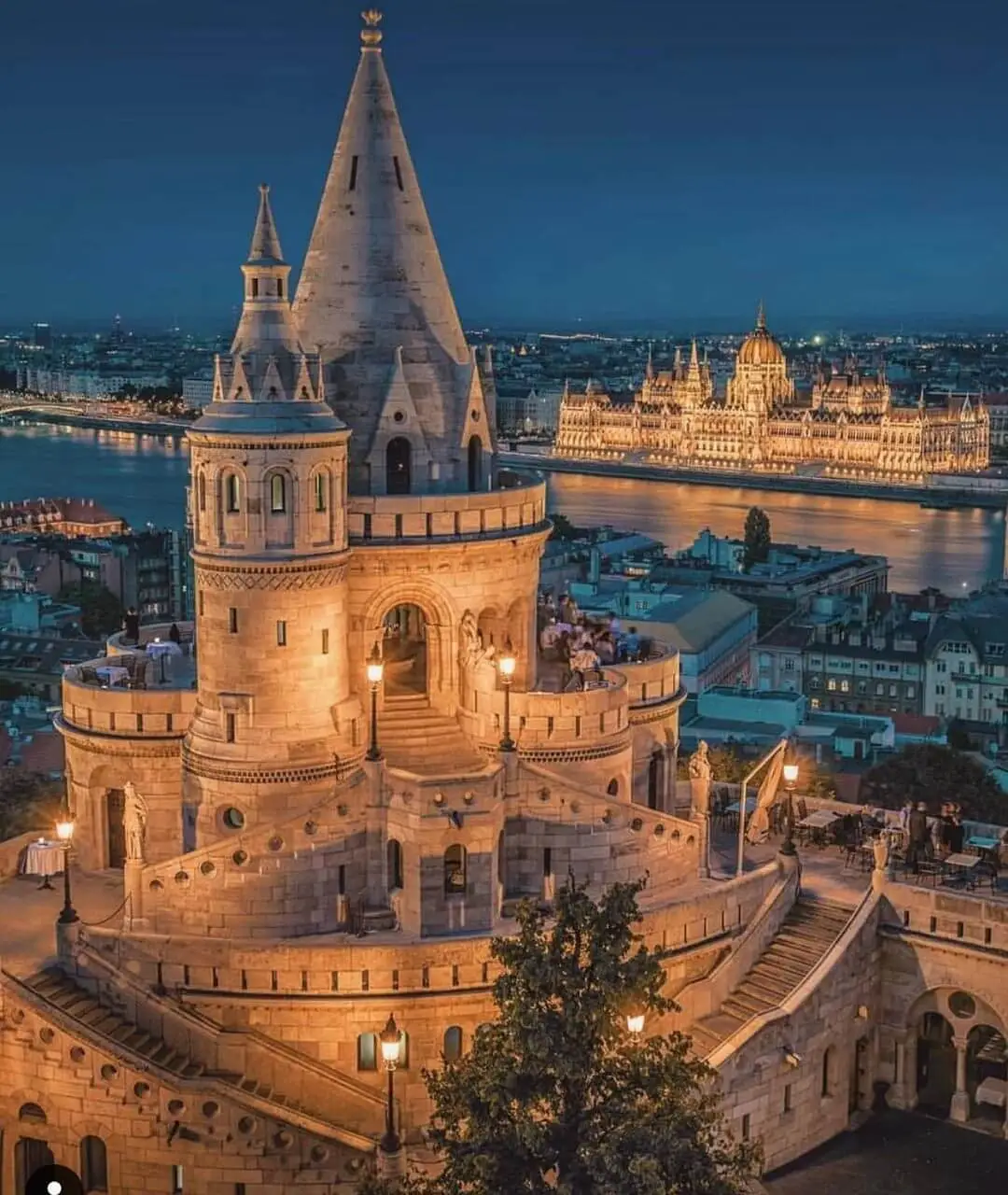
- Fisherman's Bastion — Walk to this fairytale terrace for postcard panoramas; early morning is best to avoid groups.
- Matthias Church — Admire the colorful roof tiles and intricate interior; plan 30–45 minutes.
Lunch: Descend toward the riverside and choose a bistro specializing in Hungarian classics—goulash, paprikash, or a layered chicken dish paired with a crisp local white wine.
Afternoon: Cross over to the Gellért Hill area for the Citadel and the Liberty Statue if you’re up for a steeper walk and even better cityscapes. Alternatively, head to Gellért Baths for a restorative soak—this is a classic Budapest experience. The Art Nouveau bathhouse offers indoor and outdoor pools and steam rooms; book a late-afternoon slot to relax after a morning of walking.
Evening: Return to the riverside for dinner with a view or try a smaller neighborhood restaurant in the Castle District. If you have energy, take an evening stroll across the Chain Bridge as the city lights reflect in the Danube.
Buda Castle Budapest
Day 2 — Pest: Parliament, Boulevards, and the Jewish Quarter
Morning: Cross into Pest early to visit the Hungarian Parliament Building—one of Europe’s most ornate legislative buildings. Pre-booked timed tickets are recommended. Walk from the Parliament along the Danube promenade for close-up views of the fishermen’s bastion opposite and the poignant shoes memorial that commemorates wartime victims.
Late morning: Head inland to St. Stephen’s Basilica—climb the dome for a sweeping 360º view of Budapest. Afterward, make your way to the Central Market Hall for lunch. This is the city’s busiest indoor market: sample lángos (fried dough with toppings), pick up paprika and salamis to take home, or sit at a stall and enjoy piping-hot soup.
Afternoon: Spend time in the Jewish Quarter. The Great Synagogue on Dohány Street is architecturally striking; nearby are smaller synagogues, museums, and a lively cafe scene. The surrounding streets host the famous ruin bars—converted warehouses and courtyards filled with mismatched furniture and eclectic art. Each bar has its own personality; Szimpla Kert is the best known, but it’s worth exploring smaller spots to find one that fits your mood.
Evening: Dine in the Jewish Quarter—there are excellent modern takes on Jewish and Hungarian fusion cuisine here. Afterwards, soak up the nightlife in ruin pubs or choose a classical concert in the evening; Pest has many intimate venues with excellent acoustics.
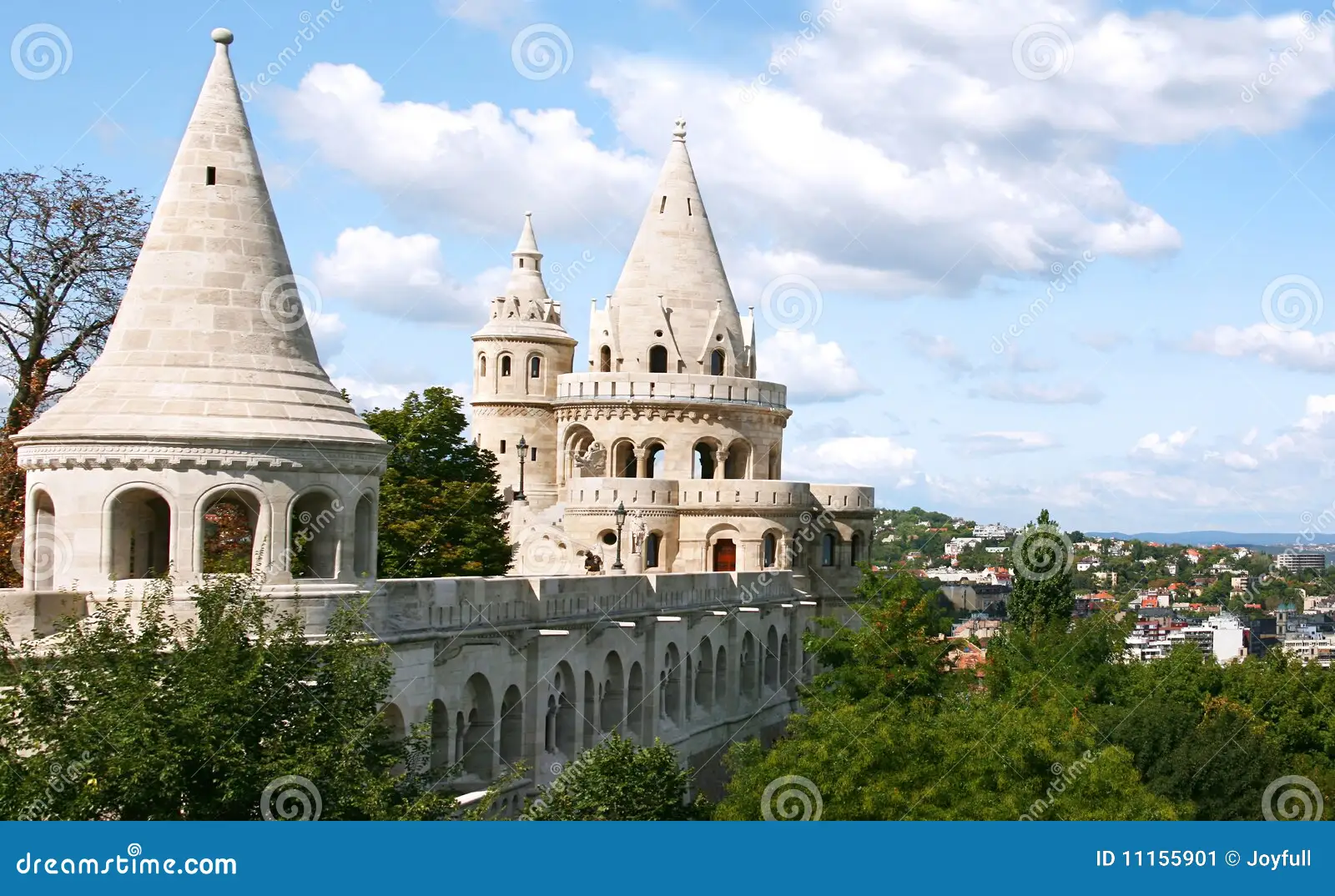
Fisherman's Bastion
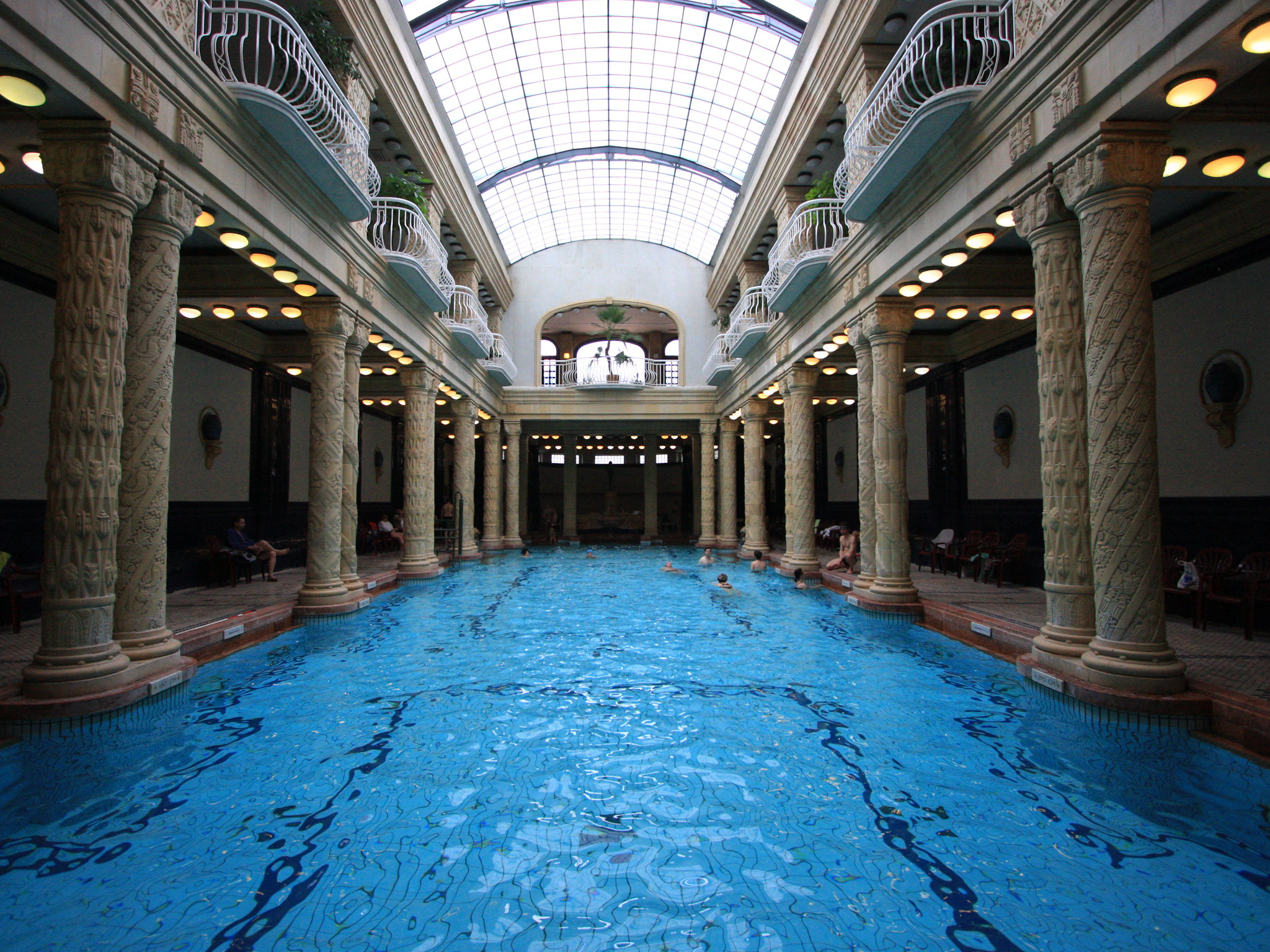
Gellért Baths Budapest
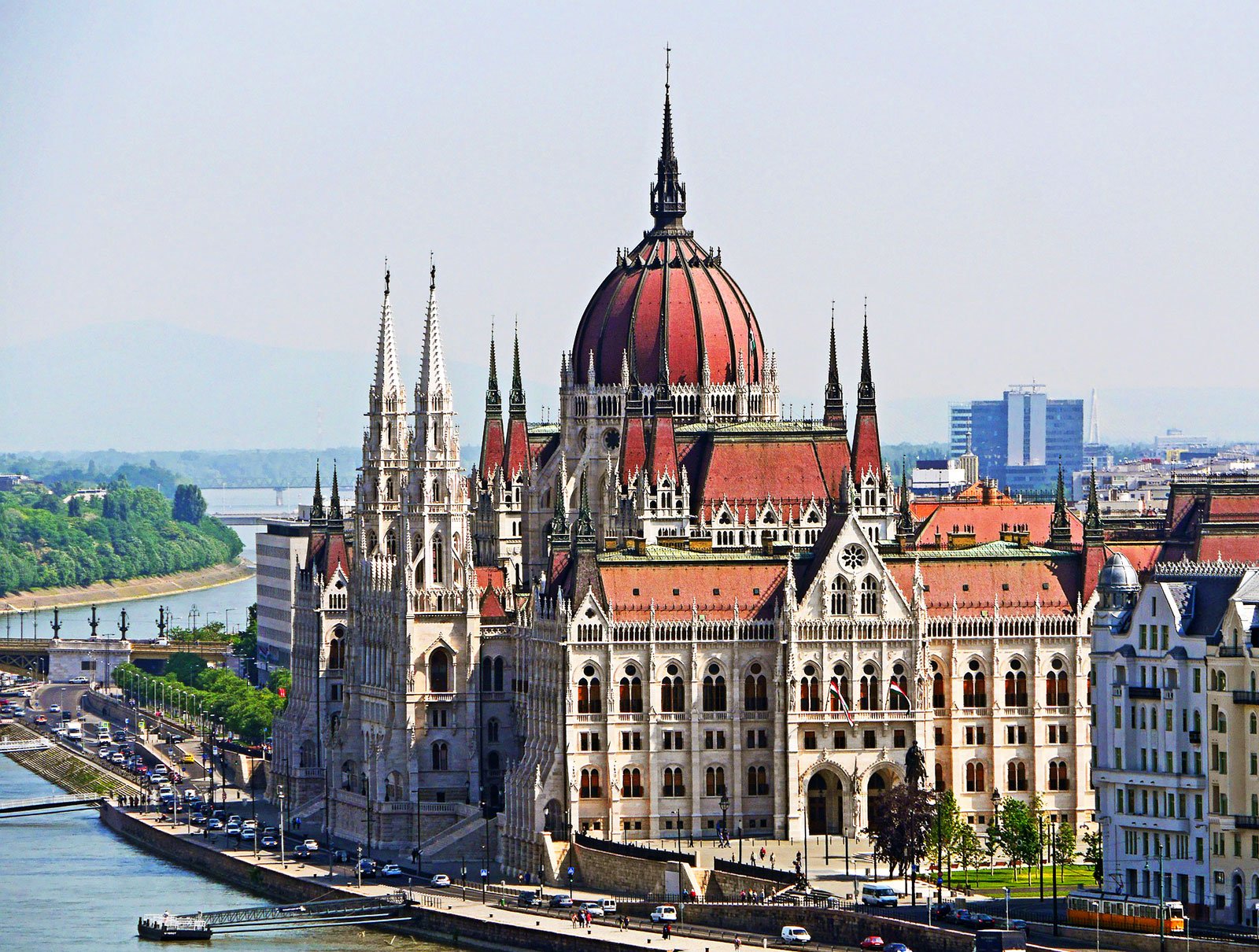
Hungarian Parliament Building
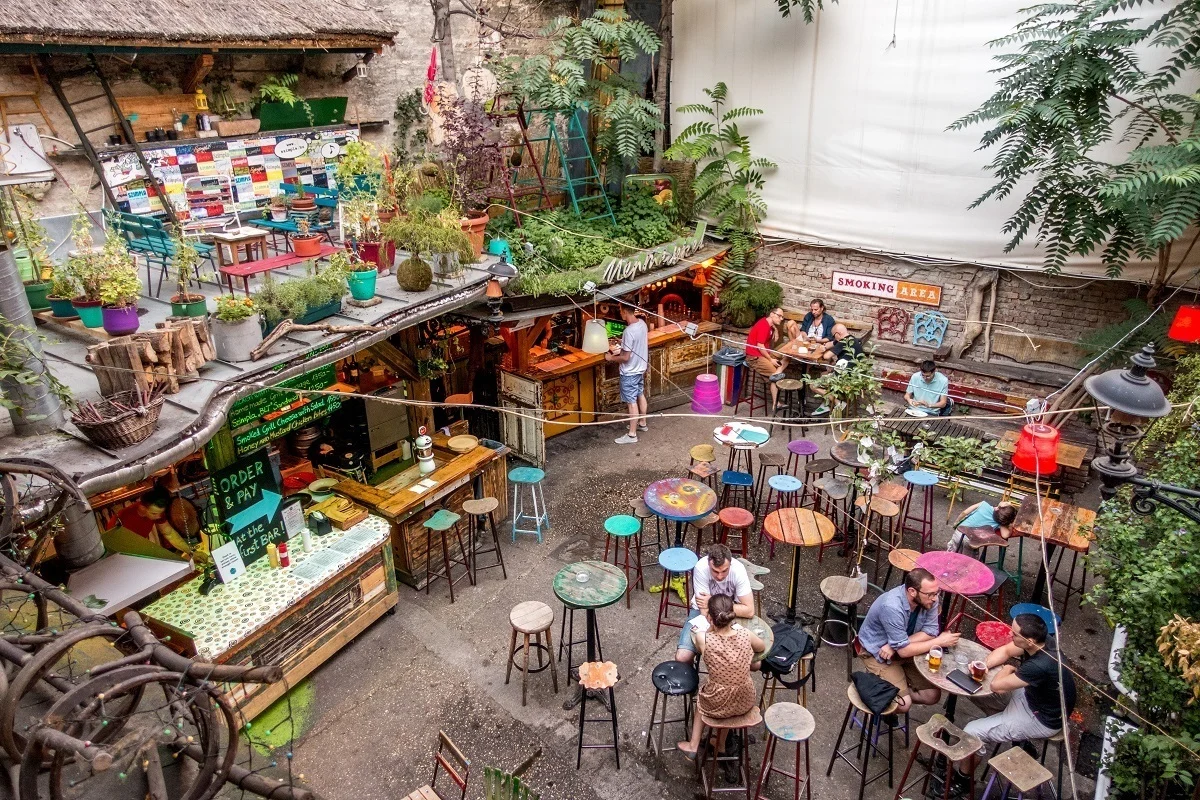
Jewish Quarter ruin pubs
Day 3 — Parks, Baths, and an Optional Cruise
Morning: Start at Heroes’ Square and the adjacent City Park—home to Vajdahunyad Castle, the Municipal Hall, and wide promenades. If you’re visiting with children, the park’s miniature railroad and playgrounds are delightful. Walk the avenues toward the Széchenyi Thermal Bath, one of Europe’s biggest medicinal bath complexes; plan several hours to bathe and relax.
Lunch: Picnic on Margaret Island if weather allows. This green oasis in the middle of the Danube offers gardens, a small lake with rowboats, and tranquil walking paths. There are cafés for a light lunch or rent a bike to explore the island’s ruins and rose gardens.
Afternoon: If you want another cultural layer, choose one or two museums—Museum of Fine Arts or the House of Terror for modern history context. For photographers, late afternoon light along the Danube or the bridges provides excellent golden-hour opportunities.
Evening: Consider a sunset or night river cruise to see both Buda and Pest lit up. Many cruises include dinner, but there are also short sightseeing-only options that let you focus on the view. Finish your trip with a relaxed final meal—perhaps a tasting menu at a fine-dining restaurant or a casual shared platter of Hungarian charcuterie and cheeses.
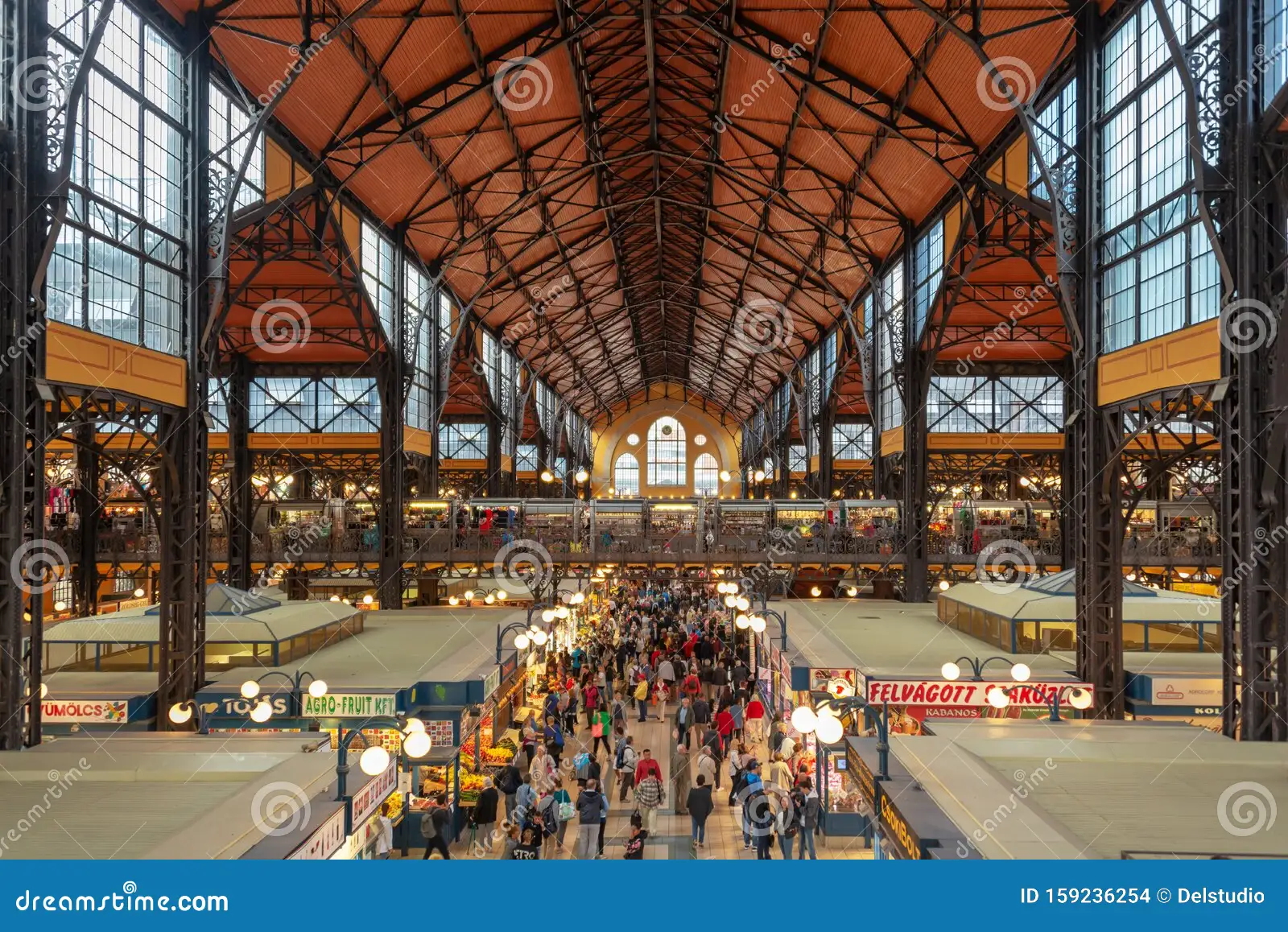
Central Market Hall Budapest
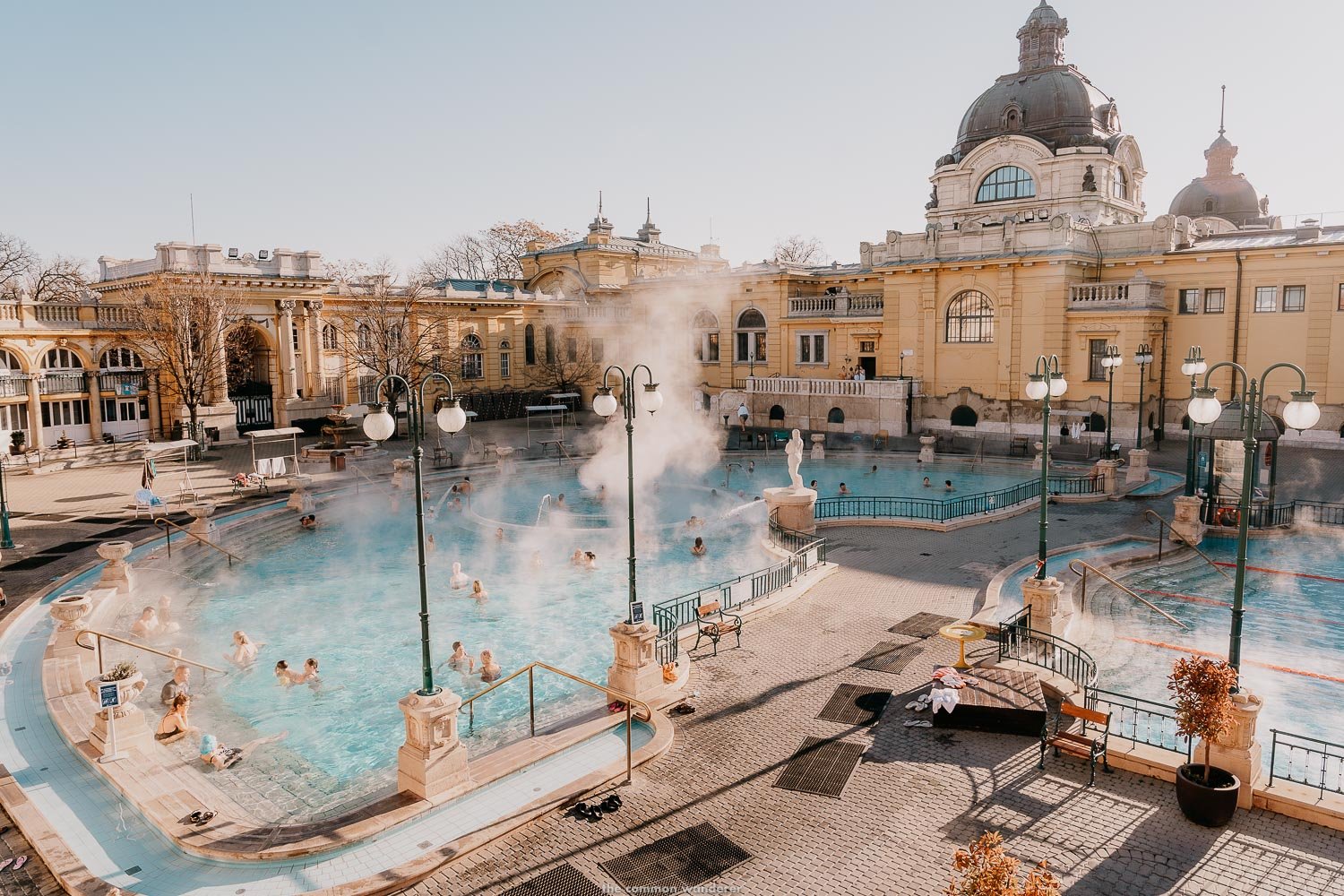
Széchenyi Thermal Bath
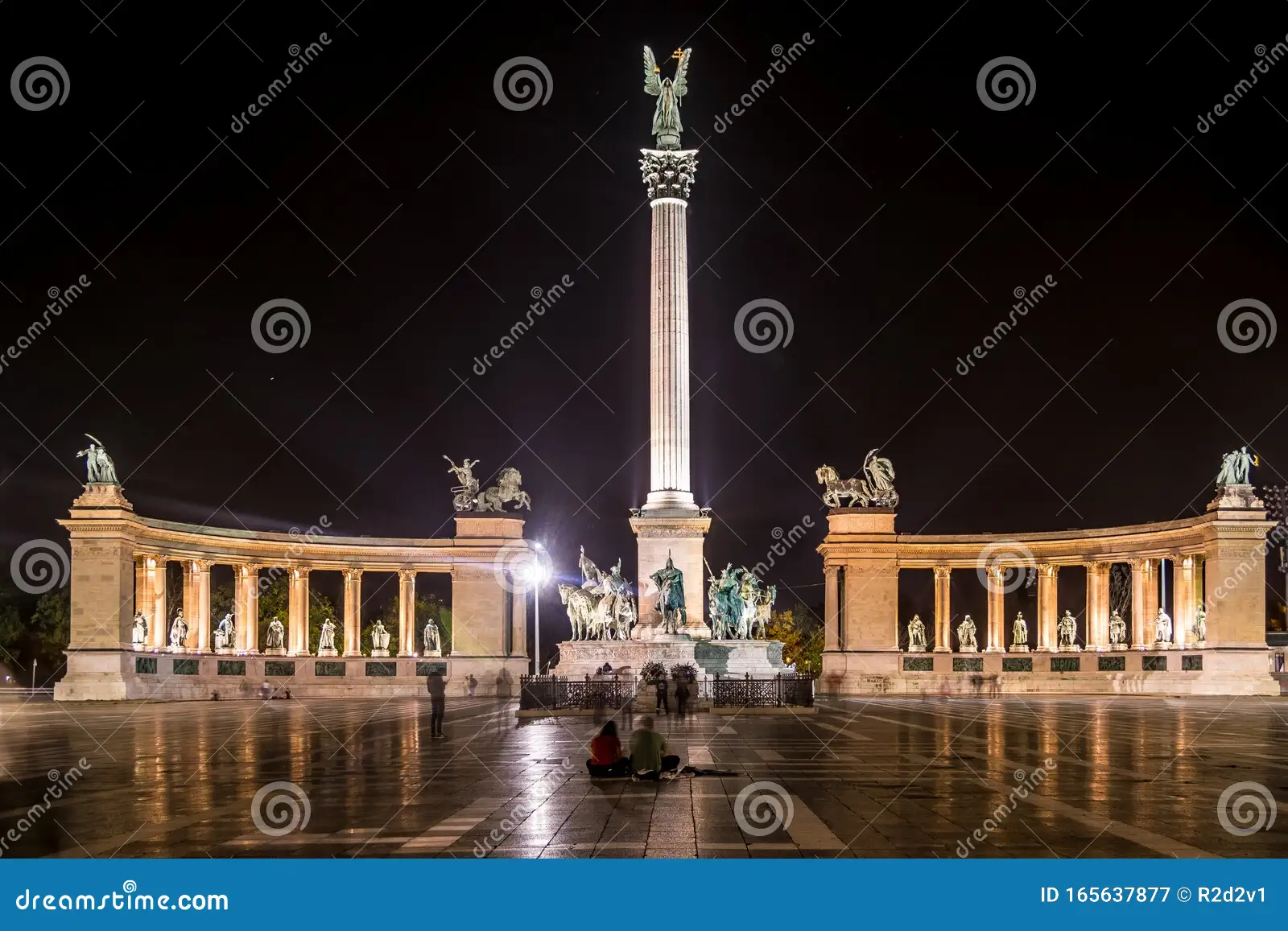
Heroes' Square Budapest
Where to Stay
Best neighborhoods by mood
District V (Belváros) is central and walkable—ideal for first-timers who want quick access to major sights. District I (Castle) offers historic ambiance and quieter nights. District VII (Jewish Quarter) is lively at night with cafes and bars. For a balance of budget and charm, consider District VIII or IX which are often quieter and more residential.
Food, Drink, and Local Flavors
Must-try dishes
- Goulash — a hearty stew flavored with paprika, often served with potatoes or noodles.
- Lángos — fried dough usually topped with garlic, sour cream, and cheese; a street-food staple.
- Dobos torte — a layered sponge cake with chocolate buttercream and caramel.
For drinks, sample a Hungarian white like Furmint or a dry Riesling; try pálinka (fruit brandy) as an adventurous digestif. Budapest’s café culture is strong—spend an hour in a historic coffeehouse for pastries and people-watching.
Practical Tips & Accessibility
Mobility and access
Budapest’s streets vary: central Pest has broad pavements, while Buda’s Castle Hill is hilly with cobbles. Many metro stations are accessible, but some older trams and historic areas are less so. If mobility is a concern, plan routes that favor modern trams and the newer elevators at certain sites; contact museums or baths ahead for accessibility details.
Money-saving tips
- Walk where possible—many highlights are clustered and pedestrian-friendly.
- Visit museums on free or reduced-entry days if your schedule aligns.
- Choose a market lunch or street food for authentic flavor at a lower price.
Budapest rewards curiosity: the best discoveries often come between the big monuments—tiny cafés, a quiet riverside bench, or a neighborhood market.
Sample Timings (Compact Version)
Morning
9:00–12:00 Major monument (Castle Hill, Parliament, or Heroes’ Square). Coffee and a short market visit follow.
Afternoon
12:30–16:30 Museum, baths, or island picnic. Reserve a few hours for thermal bathing which is both relaxing and time-consuming.
Evening
18:00–22:00 Dinner at a local bistro or a river cruise. End with a night walk across one of the bridges.
- Compact city—many highlights are walkable.
- Unique thermal-bath culture.
- Strong culinary scene blending Central European and Ottoman influences.
- Summer crowds at famous sights.
- Hilly terrain on the Buda side can be strenuous.
Final Tips and Wrap-Up
Pack comfortable shoes, a reusable water bottle, and layers for unpredictable weather. Prioritize three or four experiences you won’t compromise on—maybe the baths, Parliament, and a ruin pub—then leave pockets of time for wandering. Budapest is equal parts architecture, food, and atmosphere; give yourself permission to pause and enjoy a tram ride along the Danube with no agenda.
- Three days lets you see Buda’s castles, Pest’s grand boulevards, and experience baths and ruin pubs without rushing.
- Book timed attractions (Parliament, baths) in advance and use trams/metro to save time.
- Balance must-see monuments with neighborhood exploration to capture Budapest’s full character.
With a sensible pace, this three-day plan reveals why Budapest is a favorite for travelers: it mixes big-city grandeur with relaxed, local pleasures. Whether you’re photographing the city from Fisherman’s Bastion, dipping into mineral-rich thermal water, or lingering over a late-night dessert in a candlelit café, Budapest is generous to the curious visitor. Safe travels, and enjoy every cobbled step.