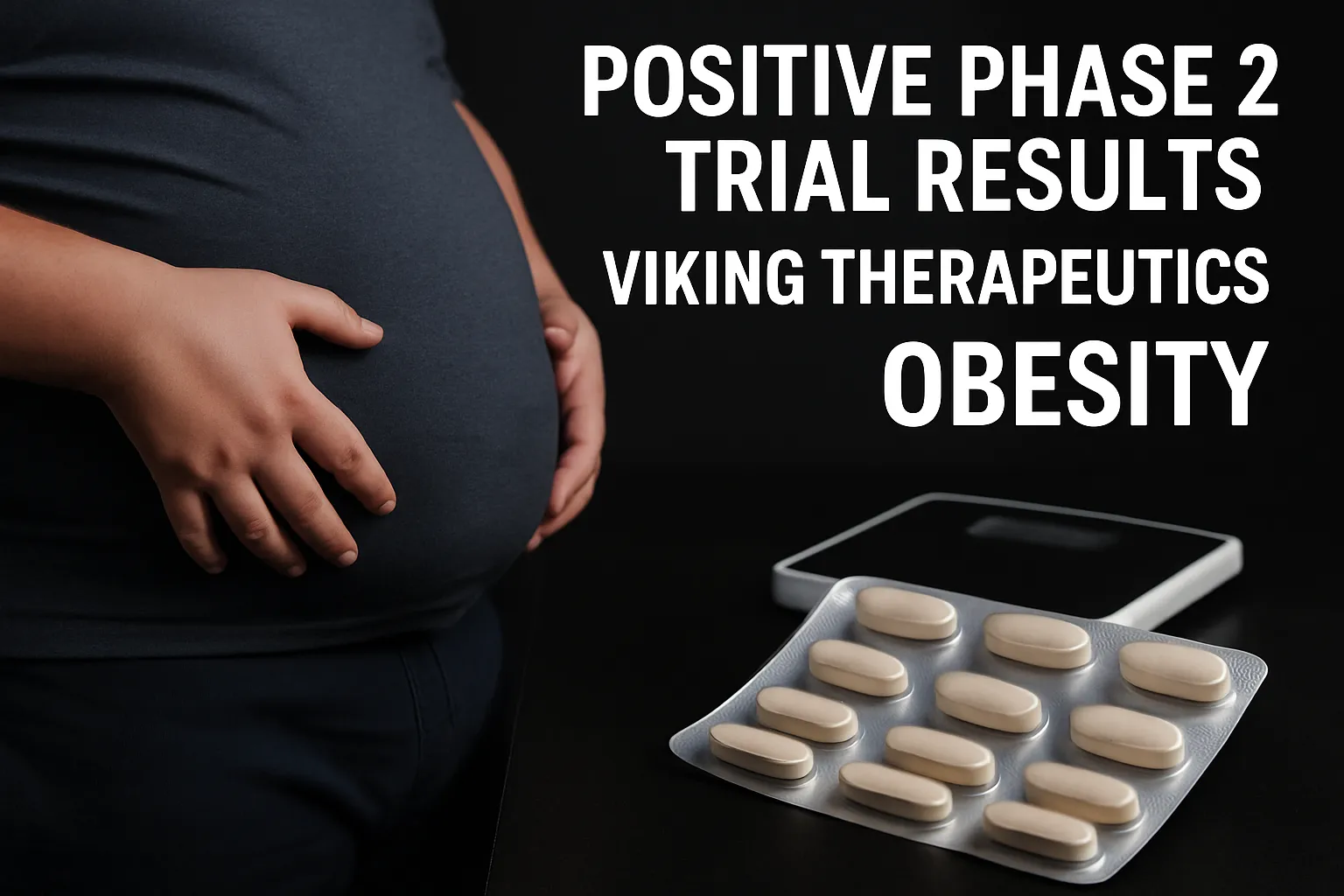
Oral Weight-Loss Pill Outperforms Ozempic in Major Trial
The arrival of effective, injectable medications such as Ozempic and Wegovy has already transformed how clinicians treat obesity and type 2 diabetes. Now, in early July 2026, a new chapter appears to be opening: a once-daily oral pill has reported results from a major clinical program showing better average weight loss than current oral GLP-1 competitors and performance that invites comparison with injectables. The result has stirred excitement, practical questions, and a lot of nuance about what this means for patients, prescribers, and the wider health system.
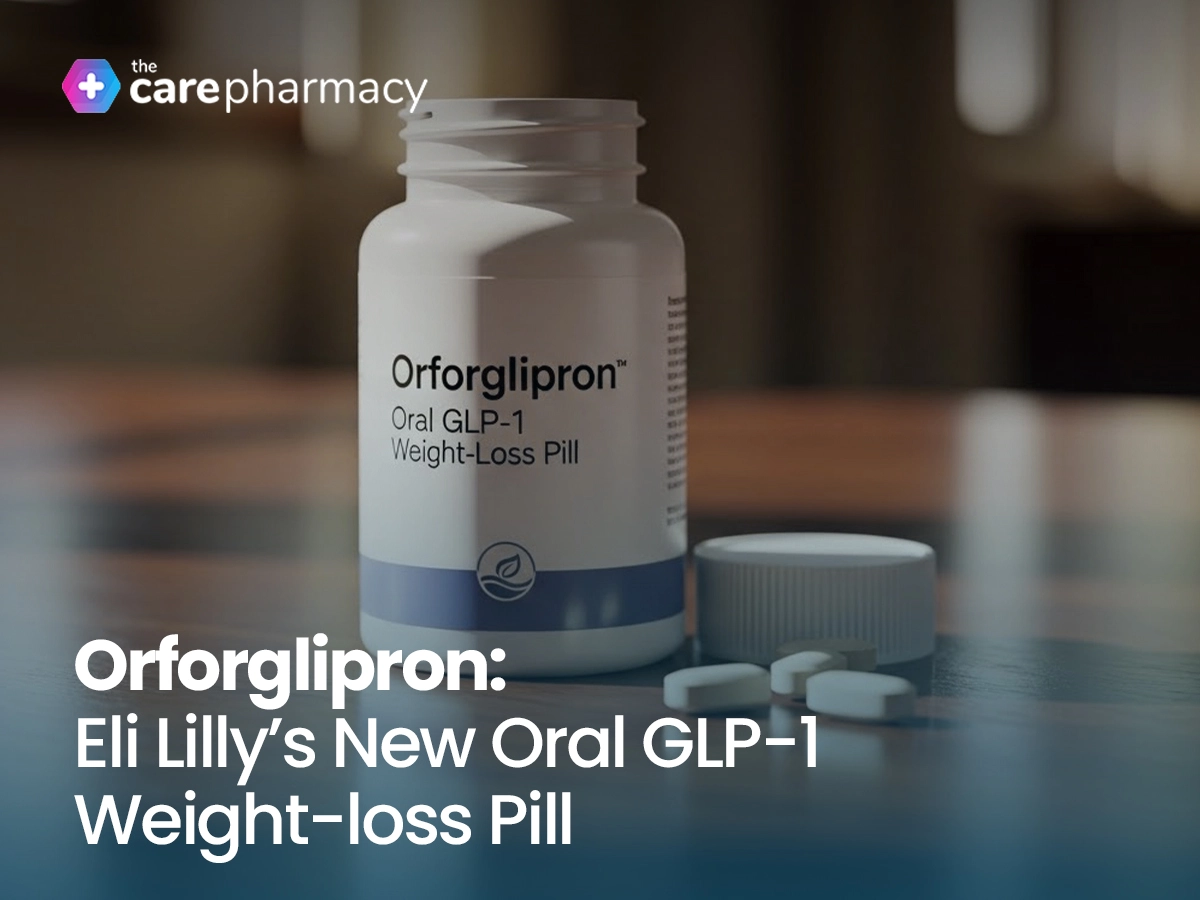
orforglipron oral medication
Why This Trial Mattered
Headlines are easy to write and harder to interpret. The reason the recent trial is being called "major" is twofold: scale and implication. The program included multiple phase 3 studies across diverse populations, including older adults and people with type 2 diabetes, and it directly compared the investigational oral agent against existing oral GLP-1 formulations used in routine practice. That design gives clinicians a clearer apples-to-apples window into how a new small-molecule GLP-1 receptor agonist behaves in a real patient mix—not merely how it performs versus placebo.

GLP-1 clinical trial
What the Results Showed
Short summary: the investigational pill produced clinically meaningful weight loss across trials and, in head-to-head or indirect comparisons reported in early July 2026, delivered greater average percentage reductions in body weight than current oral semaglutide formulations at comparable time points. Depending on the subtrial and the dose, mean weight loss ranged from the mid-single digits to low double digits in percentage terms for those who completed treatment; older-adult cohorts showed particularly robust reductions in some analyses.
Those topline efficacy signals were paired with familiar safety and tolerability signals. Gastrointestinal side effects—nausea, diarrhea, and vomiting—were the most common adverse events and accounted for a noticeable share of treatment discontinuations. Some trials reported higher discontinuation rates due to tolerability at the highest doses; others emphasized that the oral formulation's lack of injection requirement improved acceptability for many patients despite the side effects.
An effective oral GLP-1 would be a game-changer only if safety, tolerability, and access line up with its promise.
How This Pill Works (and How It Differs From Ozempic)
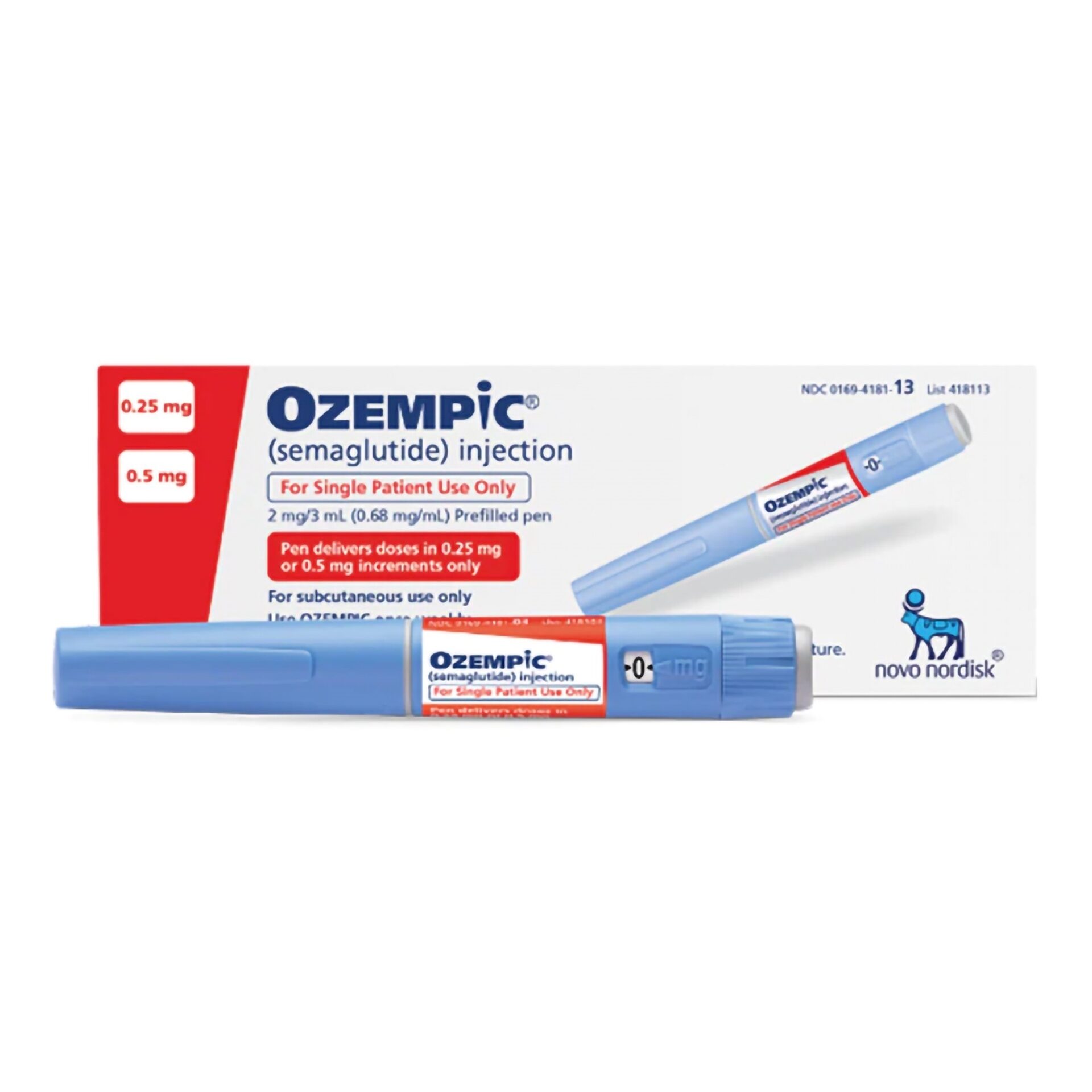
Ozempic injectable pen
Ozempic is the brand name for injectable semaglutide, a peptide GLP-1 receptor agonist administered weekly. The oral medications that have been developed for metabolic disease fall into two broad technical camps:
- Peptide oral formulations—these use semaglutide-like molecules with specialized delivery technologies to survive the gut and be absorbed (oral semaglutide/Rybelsus is an example at diabetes doses).
- Small-molecule GLP-1 receptor agonists—chemically distinct, these are non-peptide compounds designed to activate the GLP-1 receptor after oral administration.
The new pill in these trials belongs to the second camp: a small-molecule oral GLP-1 receptor agonist engineered to be taken daily. That difference matters because it affects pharmacokinetics, dosing flexibility, food restrictions, manufacturing complexity, storage, cost drivers, and potentially side-effect profiles.

pharmaceutical pill manufacturing
Head-to-Head vs. Shorthand Comparisons
It's important to be precise: most of the recent comparisons were with oral GLP-1 formulations, not with the weekly injectable form of semaglutide sold under the brand name Ozempic/Wegovy. Yet in popular coverage, "Ozempic" has become shorthand for the whole family of GLP-1–based weight-loss innovations. That shorthand fuels understandable excitement: injectables set a high bar for weight loss, and an oral that narrows the gap—or in some metrics appears to approach it—changes the conversation about convenience and adherence.
Clinicians and informed readers should therefore parse trial design carefully when interpreting toplines. Direct comparisons against injectable semaglutide in randomized settings remain the gold standard for concluding superiority or parity.
Efficacy: Numbers and Nuance
Quantifying efficacy across trials requires care: different studies measure outcomes at different time points, use differing inclusion criteria, and have variable rates of on-treatment follow-up. That said, the investigational oral agent regularly produced mean weight loss that exceeded that seen with comparator oral GLP-1s in the same trial program. In select subgroups, particularly older adults and people with diabetes, percentage weight reductions were clinically meaningful—often in the range most obesity specialists call "therapeutic" rather than merely incremental.

weight scale measurement
Remember: population averages disguise individual variability. Some patients achieved far greater reductions; others had modest change or discontinued early because of side effects.

patient taking daily pill
Safety and Side Effects
The safety profile mirrored the GLP-1 class: gastrointestinal symptoms were the most frequently reported adverse events. Those side effects tend to be dose-related and most pronounced early in treatment.
Beyond GI complaints, close monitoring remains warranted for heart rate changes and any emergent signals that large trials may reveal about rare events. The pill's developers have been transparent about a slightly increased average heart rate in some analyses and an uptick in GI-related discontinuations compared with some oral comparators. Long-term cardiovascular outcomes studies are typically required to fully evaluate net benefit for metabolic drugs, especially when given for chronic use.
Practical Considerations: Dosing, Food Rules, and Adherence
One immediate advantage that appeals to clinicians is oral convenience. Some oral GLP-1 products in the past required strict dosing rules—take on an empty stomach, remain fasting for 30 minutes—which can complicate real-world adherence. The new small-molecule pill, as tested, was often described as a more forgiving daily tablet with fewer restrictions, increasing the likelihood that it could be adopted broadly in primary care.
- Daily vs weekly: Daily dosing may suit many patients who dislike needles and prefer pills, but it also requires daily adherence habits.
- Food interactions: Pills that allow flexible timing with meals reduce missed doses and the need for complex counseling.
- Titration: Starting at low doses and increasing slowly minimizes early intolerance; that approach was used across the trials.
Access, Cost and the Real-World Picture
Even the most effective medicine matters little if patients cannot access or afford it. The arrival of an oral agent could lower some barriers—no injectables to train for, fewer cold-chain logistics—but price and payer coverage will determine whether it reaches most people who need it.
Insurers have been cautious about broadly covering GLP-1 drugs for weight loss because of cost and the long-term nature of treatment. An oral alternative that is priced competitively or that demonstrates clear cost-effectiveness in reducing diabetes complications, cardiovascular events, or other downstream costs can shift payer positions. That will take time, health-economics data, and real-world evidence.
What Experts Are Saying
Commentators in endocrinology and cardiometabolic medicine are excited but measured. An effective oral GLP-1 widens the toolbox for clinicians and reduces the psychological barrier many patients feel toward injections. But they also emphasize the need for longer follow-up on cardiovascular outcomes, vigilance for rare adverse events, and pragmatic trials that show benefit in routine community care settings.
Several specialist groups have urged a measured rollout strategy: prioritize patients who cannot or will not use injectables, collect real-world safety data, and ensure prescribers are trained to titrate for tolerability rather than pushing immediately for maximum doses.
- Convenience: oral dosing is easier for many patients.
- Broader reach: primary care clinicians may prescribe pills more readily than injectables.
- No injections: fewer injection-site reactions, no refrigeration for many small-molecule pills.
- Tolerability: GI side effects can be limiting.
- Adherence demands: daily dosing may be harder for some patients than weekly injections.
- Unknown long-term safety: outcomes studies are still pending.
How Patients Should Think About This
For patients currently on injectable GLP-1 therapy and doing well, there is no urgent reason to change. For those who have avoided treatment because they do not want injections, an effective oral option could be liberating—but it is not a magic bullet. Weight management remains a long-term endeavor involving lifestyle, medical support, and, when appropriate, pharmacotherapy. The choice of agent should be individualized, weighing efficacy, side effects, costs, and personal preference.
Caption: The new pill represents a potential shift in obesity treatment, but individual decisions should be guided by clinicians.
Regulatory and Market Outlook
The drugmaker(s) behind the investigational pill have announced plans for regulatory submissions and continued safety monitoring. Approval pathways for metabolic drugs generally require robust demonstration of efficacy and a favorable benefit–risk profile; in many jurisdictions, cardiovascular outcomes trials are also expected or required to cement a label that supports use in populations at risk for heart disease.
Competition in the obesity-treatment market has intensified dramatically. New entrants spur price negotiation and alternative care models, such as bundled programs that combine medication with behavioral coaching. If an oral agent reaches the market with a competitive price and a broad label, it could accelerate the shift toward pharmacologic treatment of obesity in primary care settings.
Open Questions and What to Watch Next
Several key questions will determine the ultimate impact of this oral pill:
- Will long-term cardiovascular outcomes support widespread use in people with cardiometabolic risk?
- Can manufacturing and supply chains scale to meet demand while keeping prices manageable?
- Will payers broaden coverage beyond narrow criteria, and what real-world persistence rates will patients show?
- How will clinicians balance efficacy with tolerability when titrating doses?
Watch for peer-reviewed publications, regulatory filings, and independent analyses of effectiveness in routine care. Those documents will provide the clarity necessary to move from cautious optimism to confident clinical adoption.
Conclusion: A Significant Step, Not the Final Word
The news that a once-daily oral GLP-1 pill outperformed current oral comparators in a major trial is an important milestone. It validates the promise of small-molecule approaches to metabolic disease and expands the therapeutic narrative beyond injectables. Yet the story is only beginning: real-world tolerability, long-term safety, regulatory decisions, pricing, and insurance coverage will collectively determine whether this medicine reshapes care. For now, clinicians, patients, and payers should celebrate a new tool while keeping a clear eye on the evidence that remains to come.
- An investigational once-daily oral GLP-1 pill has shown stronger weight-loss results than current oral GLP-1 comparators in a multi-study program announced in July 2026.
- The pill offers convenience and may broaden access, but gastrointestinal side effects and discontinuations were meaningful in some trials.
- Direct comparisons against weekly injectables—along with long-term cardiovascular and safety data—are needed before declaring parity with drugs like Ozempic/Wegovy.
- Pricing, payer coverage, and real-world adherence will decide how transformative the medicine becomes.
The emergence of effective oral options is one of the most consequential developments in obesity care in years. For patients and clinicians, the immediate task is pragmatic: follow the evidence as it matures, individualize treatment, and keep prevention and lifestyle therapies in view as integral parts of comprehensive care.