
Oracle Fired 30,000 After Profit Surge — Why Tech Cuts Thousands
The morning thousands of Oracle employees opened their inboxes to a single, terse message — and found their jobs had ended — crystallized a paradox that has become familiar in technology’s post‑boom era. The company that posted a dramatic profit surge soon after pushed an aggressive restructuring that, by some accounts, touched tens of thousands of roles. The shock of mass dismissals by email is not just a human story; it is the most visible symptom of deeper pressures reshaping how tech companies hire, spend and invest for an AI future.

Oracle corporate headquarters
A swift, public rupture
Early reports said Oracle eliminated roles in the thousands and notified many employees by email with immediate effect. That method — sudden, wide and digital — left employees scrambling for answers, managers caught off guard, and HR teams managing fallout at scale. News outlets and employee posts on internal networks painted a picture of entire teams disappearing overnight, with severance, benefits contacts and reemployment support arriving as afterthoughts for many of those affected. citeturn0search9
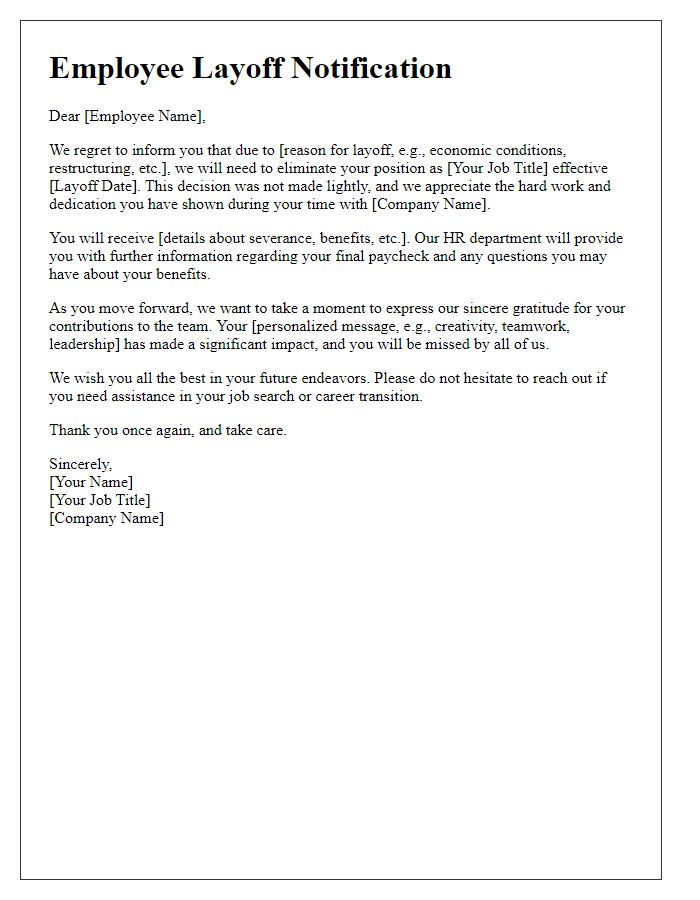
layoff notification email
The numbers and the math behind the move
Analysts and reports circulated rapidly after the announcement. Investment bank analyses that predated the move had suggested Oracle could free up large sums — estimates ranged as high as tens of billions — by slimming headcount, and some public commentary placed potential reductions between 20,000 and 30,000 people. For corporations with hundreds of thousands of employees, achieving cost flexibility quickly can be framed as enabling capital deployment into faster‑growing opportunities like cloud and AI infrastructure. citeturn0search0

AI data center infrastructure
Why the timing looked so paradoxical
Part of the reason the Oracle story felt jarring is that it followed a quarter in which reported profits jumped sharply — figures discussed in financial coverage pointed to nearly a 95% increase in net profit in a recent period, a surge partly explained by asset sales and one‑time accounting boosts. In plain terms: strong headline earnings gave the company a public image of financial health even as leadership signaled a different set of priorities for future capital allocation. That juxtaposition — record profits alongside mass terminations — is a recurring motif of recent tech restructuring. citeturn1search1
Big profits and big cuts can coexist when strategy shifts faster than people planning.
A strategic pivot to AI and infrastructure
Company statements and reporting suggest at least part of Oracle’s reasoning is strategic: shifting capital into AI data centers, custom hardware, and a cloud‑first services roadmap that requires different headcount mixes. The argument from the C‑suite — and from many investors — is that freeing cash from legacy cost bases accelerates hardware and facility investments where economies of scale and long‑term contracts can produce outsized returns. This is a common calculation: sacrifice short‑term people costs in favor of long‑term platform assets. citeturn0search9
Industry context: layoffs have been relentless
This is not an isolated event. The past several years have delivered waves of cuts across big and small technology firms as many employers recalibrated headcount after pandemic hiring surges. Trackers and reporting now show cumulative totals that, when averaged, have reached the scale of hundreds to nearly a thousand layoffs per day in some recent years — a tempo that captures a prolonged market reset rather than a single company’s misstep. The speed and aggregate scale of these reductions have been staggering for affected communities and for regions dependent on tech employment. citeturn4search2turn0search1

tech industry layoffs chart
Why profitable companies still cut staff
Several structural and behavioral forces explain why an otherwise profitable company might decide to shrink payroll dramatically:
- Capital reallocation: Executives prioritize investments like AI provisioning and data centers that demand up‑front capital and produce strategic lock‑in.
- Efficiency narrative: After rapid growth, many businesses find redundancies and duplicated roles across products, leading to reorganizations framed as efficiency gains.
- Investor pressure: Public companies face relentless quarterly scrutiny; quick margin improvements can be rewarded with stock gains even when achieved by cutting labor costs.
- Automation and AI: New tooling can make certain job categories smaller even as it expands others — but the timing between automation gains and workforce retraining is often misaligned.
- Mergers and acquisitions: Acquiring technology or teams frequently creates overlapping functions and rapid headcount rationalization.
The human cost — and the ethical question
Numbers and strategy cannot obscure the immediate human consequences. Being notified that employment ends the same day by email creates financial and psychological shocks: sudden loss of income, healthcare uncertainty, visa complications for global workers, and the reputational damage that comes from abrupt exits. For many, the process felt procedural — efficient for the employer but traumatic for the people who built and sustained products. The ethics of mass email dismissals have become a focal point for labor advocates, regulators and corporate boards. Many ask whether companies have lost basic obligations of care in pursuit of speed. citeturn0search6

Oracle office workspace
Legal and compliance pressures
Beyond moral considerations are pragmatic legal risks. In many countries and U.S. states, mass layoffs trigger notification requirements and other protections. Mishandled terminations, inconsistently applied severance, or failure to honor contractual or visa obligations can create costly class actions and government enforcement actions. Companies often seek legal counsel during large reorganizations, but the speed of execution sometimes precedes careful compliance — creating a second wave of liability.
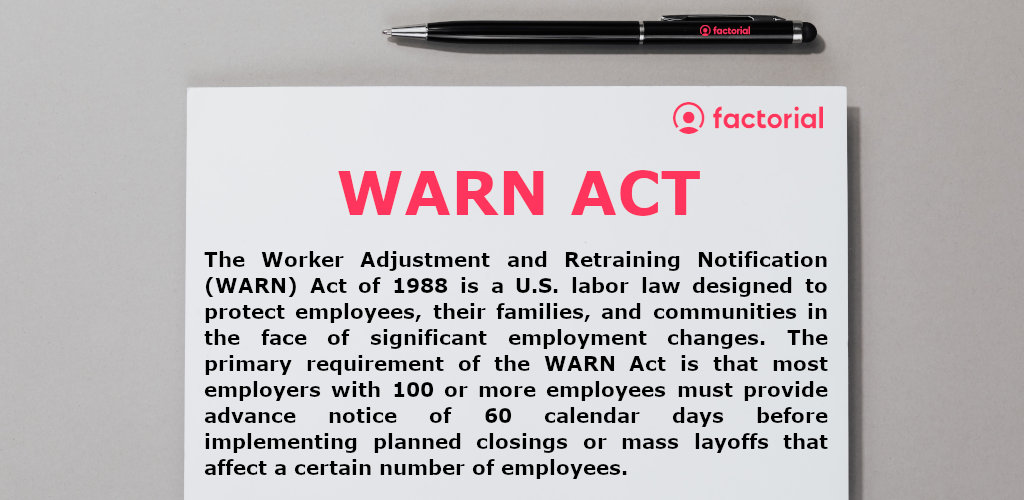
WARN Act legal notice
What this means for employees — immediate steps
If you are impacted by a mass layoff, here are practical priorities to protect yourself and move forward:
- Document everything: Save emails, official notices, benefit documents and any communications about termination and pay.
- Understand your rights: Review severance offers, unemployment eligibility, COBRA or local health coverage rules, and any visa implications.
- Ask for clarity: Request written confirmation of last day, payout schedule, stock option treatment and benefits termination dates.
- Use employer resources: If outplacement services or counseling are offered, register immediately and ask HR for contacts.
- Network quickly: Let trusted contacts know you’re available and identify adjacent roles that leverage your skills.
What leaders and boards should learn
There are governance and reputational lessons that should be absorbed. Boards must weigh short‑term financial optics against long‑term human capital risk. A few principles for better practice:
- Plan transitions, not surprises: Leaders who align restructuring timelines with manager conversations reduce trauma and preserve institutional knowledge.
- Prioritize clear communication: Ambiguity breeds rumor and undermines cultures that companies claim to value.
- Invest in retraining: When roles change because of AI, funded reskilling programs keep talent within reach and demonstrate responsibility.
- Be rigorous about legal compliance: WARN and local laws matter; process and documentation protect both employees and firms.
The longer arc — automation, demand shifts and the new talent economy
Viewed broadly, these rounds of cuts reflect a transition in demand: companies are willing to invest heavily in infrastructure and AI models while reducing roles that do not directly contribute to those objectives. That does not mean the jobs disappear forever; it means they are reconfigured. New roles — in modelops, data governance, AI safety, cloud engineering and observability — are growing, but not always in the same numbers or locations as the jobs eliminated. This mismatch creates friction: talent is available but not always in the precise form companies say they need. citeturn0search1
How communities and policymakers can respond
Large tech layoffs cascade into local economies: real estate, services, and small businesses suffer when big employers shrink. Policymakers and community leaders should prioritize rapid reemployment services, employer tax incentives tied to hiring retrained local workers, and partnerships with universities and bootcamps to upskill displaced workers. Public‑private collaboration can reduce the time between job loss and new employment and preserve regional economic resilience.
A note on interpretation
Numbers cited in reporting are provisional and can change as companies disclose formal filings. Market reactions can be swift and sometimes misread motives; a profit spike driven by one‑time transactions is not the same as durable operating margin expansion. That nuance matters when leaders justify large personnel moves in public. citeturn1search1
Conclusion — navigating a volatile middle ground
The Oracle episode is a reflexive moment for the tech industry. It forces an uncomfortable question: can companies reconcile rapid capital shifts into AI and infrastructure with the ethical stewardship of their workforce? The answer will shape trust, talent mobility, and the social license technology firms rely on. For employees, preparedness, documentation and rapid reskilling are practical defenses. For leaders, humane, legally sound, and communicative transitions preserve reputation and reduce long‑term costs.
- Mass layoffs can follow profit surges when capital is reallocated to new strategic priorities. citeturn1search1
- Oracle’s reported cuts underscore a broader industry trend of large, rapid restructurings. citeturn0search9turn4search2
- Employees should document communications, understand severance and prioritize reskilling.
- Boards and leaders should balance short‑term financial optics with long‑term human capital and legal risk.