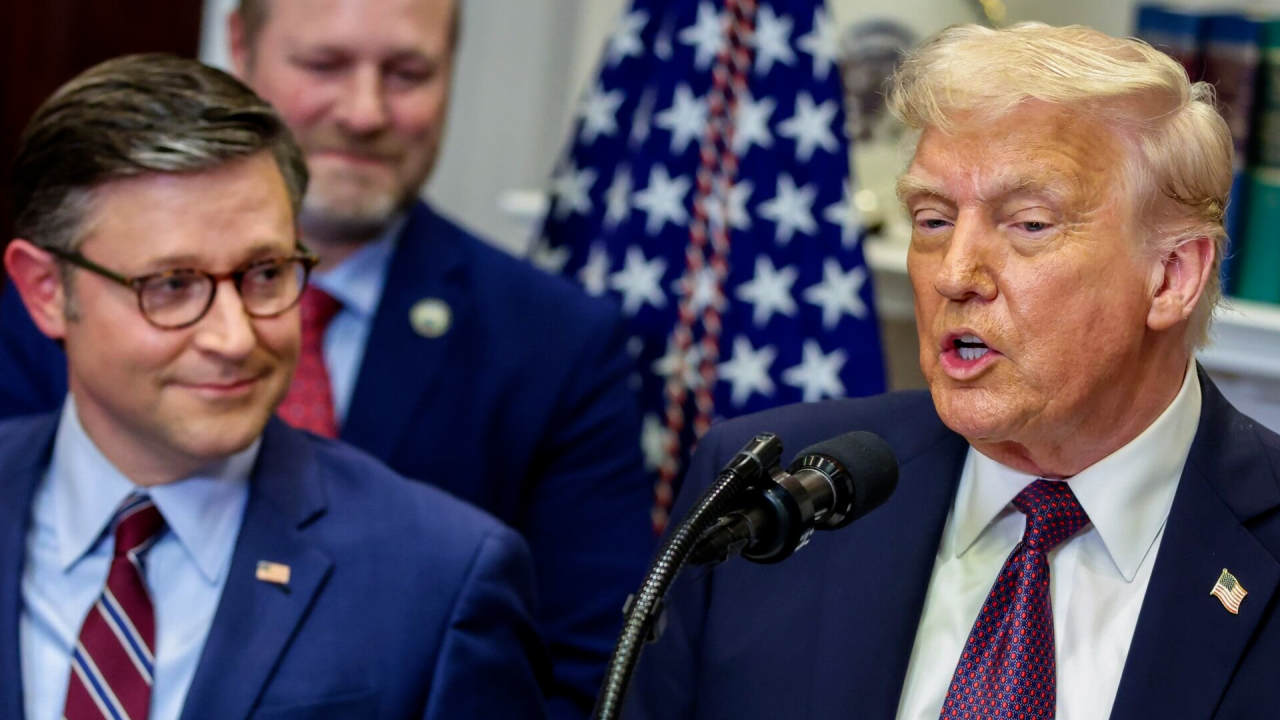
Oil Prices Slide After Trump Says War Is 'Very Complete'
The markets can turn on a sentence. On the day oil futures dropped sharply, a short, high-profile remark — that a war was "very complete, pretty much" — rippled through trading floors, algorithmic engines, and risk desks. Prices that had been trading with a cautious jitter suddenly moved lower as traders recalibrated the likely path of supply, demand, and the geopolitical risk premium embedded in crude. This story is not simply about one newsworthy line; it is about how perception, policy, and the mechanics of futures trading intersect to move one of the world's most consequential commodity markets.
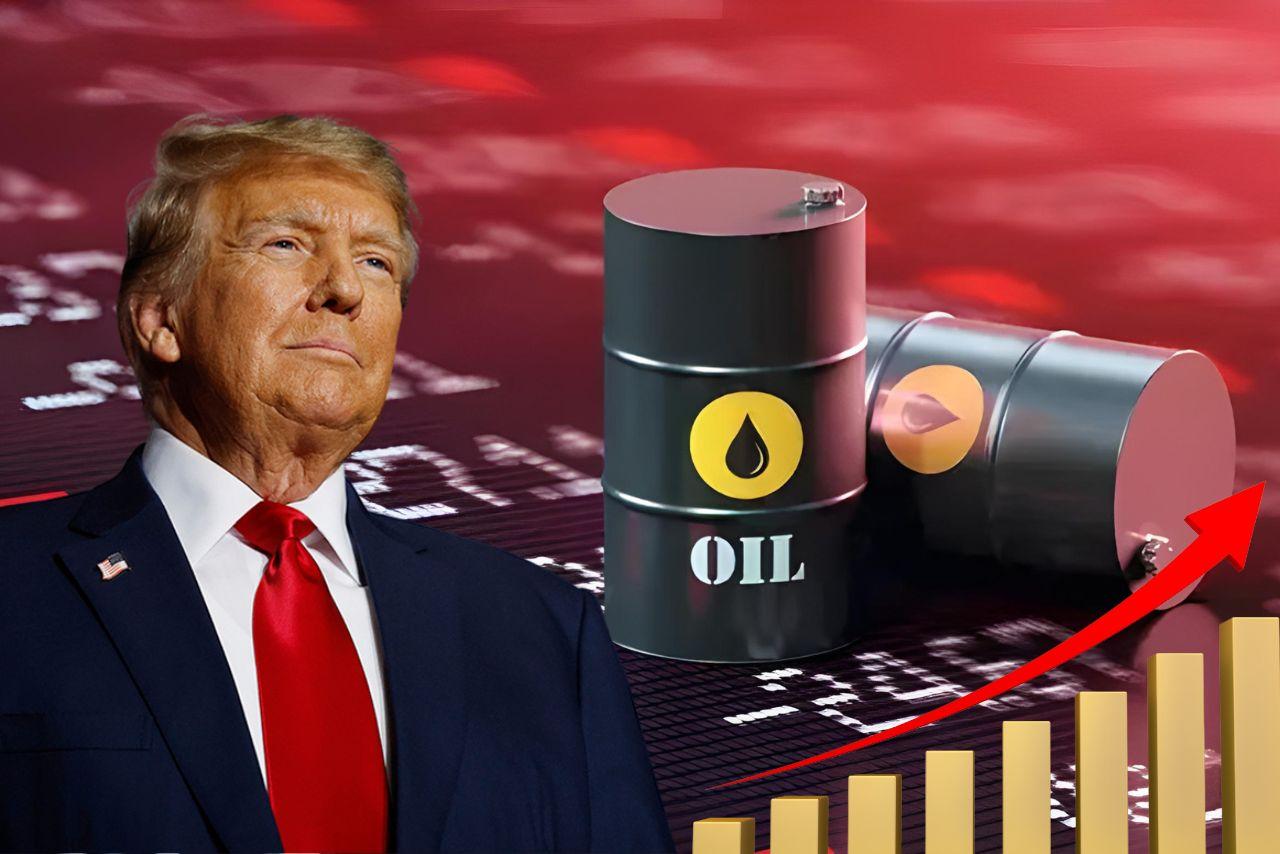
Trump oil price reaction
MARKET REACTION: PRICE MOVE, SPEED, AND STRUCTURE
The immediate headline was simple: oil futures fell quickly. But beneath the headline are measurable dynamics that explain how and why that drop happened so fast.
What moved
Traders react to changes in expected supply disruptions and the probability of escalation. When a high-profile public figure suggests a conflict is largely concluded, the implicit expectation is that supply channels will normalize and risk premiums that dealers charged for potential disruption will shrink. With lower risk premia, futures prices — which incorporate expectations about future supply and demand — can fall.
Trump geopolitical risk comment
How fast it moved
In modern markets, the speed of a move is amplified by several forces: electronic trading, systematic funds that rebalance on keywords and sentiment, and highly leveraged positions in derivatives. When price begins to move, stop-loss orders cascade and momentum strategies accelerate the trend. That combination can turn a modest reassessment into a sharp intraday decline.
A single sentence about the state of a war can remove a risk premium that had been supporting higher crude prices.
WHY A POLITICAL COMMENT AFFECTS OIL
At first glance, a statement that a conflict is "very complete" may sound anecdotal. But in commodities markets, perception often feeds directly into price because the real-world adjustments to supply and demand lag behind sentiment. The ways a political comment migrates into oil prices include:
- Risk premium compression: Traders previously priced in the possibility that the conflict would disrupt exports, impede shipping lanes, or trigger wider sanctions. If those risks appear smaller, the premium disappears.
- Flow adjustments: Refiners, shipping firms, and traders make forward contracts and nominations based on market sentiment. Reduced uncertainty can lead to fewer precautionary bookings, lowering near-term demand for tanker capacity and paper oil.
- Position unwinding: Hedge funds and funds of funds that had built long crude positions as a hedge against escalation may take profits, adding sell pressure.
THE MECHANICS OF OIL FUTURES AND VOLATILITY
Understanding the technical plumbing helps explain why a single development can cause outsized moves.
Futures contracts and leverage
Oil futures are standardized contracts traded on exchanges. Many participants use leverage to gain exposure with relatively small margin. When prices move, margin calls may force sellers to liquidate positions, intensifying the move. Conversely, buyers who were betting on continued risk may be forced to sell if their positions move against them.
Trump Middle East conflict remarks
Contango and backwardation
The term structure of futures — whether the market is in contango (futures above spot) or backwardation (futures below spot) — also matters. A compression of the geopolitical premium can change the term structure, altering the economics of storage and the decisions of oil owners and refiners about whether to store or sell cargoes.
GEO-POLITICAL CONTEXT: WHY TRADERS CARE
Not all conflicts have equal weight for oil markets. Traders distinguish conflicts by geography (which producing regions are affected), scope (are pipelines, ports, or shipping lanes threatened?), and duration. A comment implying de-escalation can be particularly potent when it reduces the odds of broader regional contagion.
Regional exposures
Oil markets are sensitive to interrupts in regions that supply global seaborne crude or control key chokepoints. If a conflict centered in a major producing region appears contained or ending, the perceived probability of export interruptions falls — and prices react.
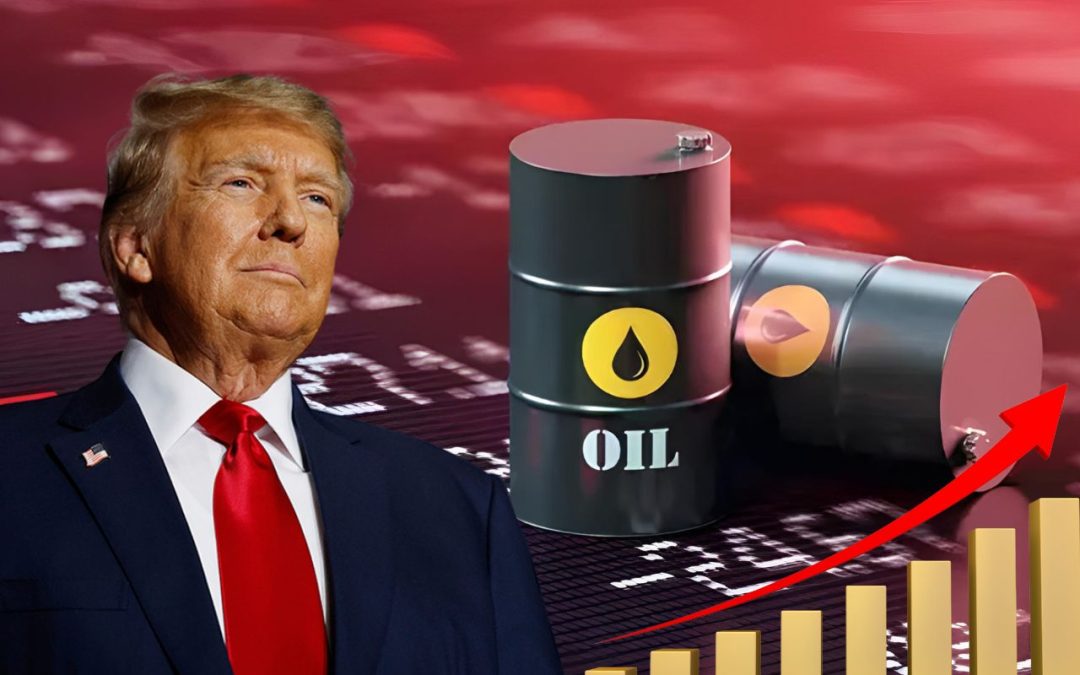
Trump oil futures impact
Sanctions and policy shifts
Markets also price the chance of new sanctions or the relaxation of existing ones. If a war ending reduces the need for punitive measures or prompts the lifting of restrictions, flows could increase, easing tightness.
ECONOMIC IMPLICATIONS BEYOND THE PUMP
Lower oil prices ripple through the economy with differing effects on consumers, producers, and policymaking.
Consumers and inflation
For consumers, a decline in oil prices usually translates to cheaper gasoline and lower transportation costs, which can ease the headline inflation rate. That dynamic can affect central bank decision-making if energy is a significant contributor to short-term inflation volatility.
Trump energy market reaction
Producers and investment
Lower prices can tighten margins for high-cost producers, prompting reductions in drilling activity and capital expenditure. Over time, that supply response can set the stage for later price increases if demand holds steady or resumes growth.
TRADER PLAYBOOK: WHAT MARKETS WILL WATCH NEXT
When sentiment-driven moves occur, savvy market participants watch both market internals and real-world signals.
Near-term market indicators
- Open interest and volumes: Rising volumes on a down day with rising open interest suggest new shorts; falling open interest suggests position unwinding.
- Spread behavior: Narrowing or widening of front-month spreads tells whether traders expect immediate relief or longer-term change.
- Derivatives skew: Changes in options skew show whether participants are buying downside protection or letting it lapse.
Real-world signals
- Shipments and nominations: Changes in tanker bookings, port nominations, and refinery throughput are concrete evidence that flows are normalizing.
- Official statements: Policy moves, sanctions adjustments, and diplomatic announcements can confirm or contradict market assumptions.
- Inventory reports: Weekly and monthly inventory data provide tangible confirmation of supply/demand balance.
RISK MANAGEMENT: HOW HEDGERS AND INVESTORS RESPONDED
Hedgers, from airlines to refiners, manage exposures differently than speculators. A drop in futures prices changes the calculus across the board.
Corporate hedges
Companies that lock in fuel prices to stabilize budgets may see gains from a price decline, but they also must consider whether their hedges expire or need adjustment. A sustained drop can reduce operating costs, but it may not be enough to alter long-term contracts immediately.
Trump conflict de-escalation statement
Speculators and funds
Commodity funds that had positioned for higher oil as a hedge against geopolitical risk may rebalance. Flow out of these funds can amplify price moves, and stop orders can create sharp intraday reversals if sentiment swings back.
- Consumers see lower fuel costs
- Inflationary pressure may ease
- Producers face tighter margins
- Investment in supply may slow
CONCLUSION: WHAT THIS MOVE TELLS US
Markets translated a prominent political remark into a lower oil price by reassessing the probability of future supply disruptions and removing a portion of the geopolitical risk premium. The mechanics were classic: sentiment-driven selling, leverage, and the interaction of futures term structure amplified the move. Whether the decline endures depends on confirmation from physical flows, inventory data, and subsequent geopolitical developments.
Short-term price moves are often about perception; long-term price trends are about barrels in the water.
- Political statements can rapidly alter the risk premium embedded in oil prices.
Futures market mechanics — leverage, spreads, and open interest — amplify sentiment moves.
Watch shipments, inventory data, and policy announcements to determine whether a price move is durable.
Lower prices benefit consumers but can pressure high-cost producers and future investment.
Market moves described here reflect how futures and sentiment interact; investors should perform their own analysis before trading.