
Non-Surgical Knee Arthritis Treatment Offers Lasting Pain Relief
The promise of a durable, non-surgical solution for knee arthritis is no longer confined to headlines and hopeful anecdotes. In clinic after clinic, patients who once thought joint replacement was their only way out are finding meaningful, months-long reductions in pain and improvements in function from a suite of growing nonoperative options. This article walks through the most important developments, explains how they work, who benefits, and how to make practical decisions about care.
Why this matters now
Knee arthritis affects millions worldwide and is a leading cause of disability. Traditional care ranges from lifestyle measures and physical therapy to medications and — for advanced disease — joint replacement surgery. Surgery can be transformative, but it carries risks, a recovery period, and a cost many patients are wary of. In response, clinicians and researchers have refined non-surgical approaches that can delay or sometimes avoid surgery while delivering months of pain relief. Those advances are reshaping conversations between patients and their clinicians, making shared decision-making more nuanced.
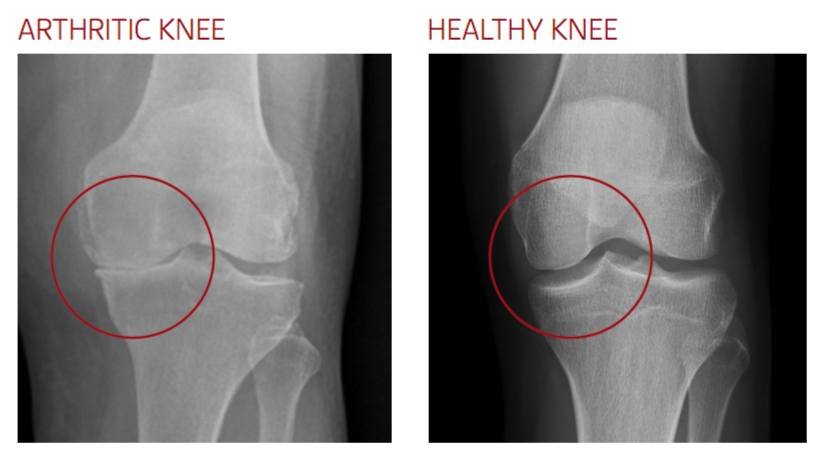
knee arthritis x-ray imaging
How the new non-surgical options work
Targeted nerve treatments: genicular nerve ablation
One of the most notable non-surgical breakthroughs is targeted nerve ablation of the sensory branches that carry pain signals from the knee — commonly called genicular nerve ablation. Guided by imaging, clinicians apply energy (often radiofrequency) to those small nerves to interrupt pain transmission. The effect is not permanent nerve destruction in the way a major nerve block would be; rather, the procedure creates a controlled lesion that reduces pain signaling long enough for patients to resume activities and physical therapy.
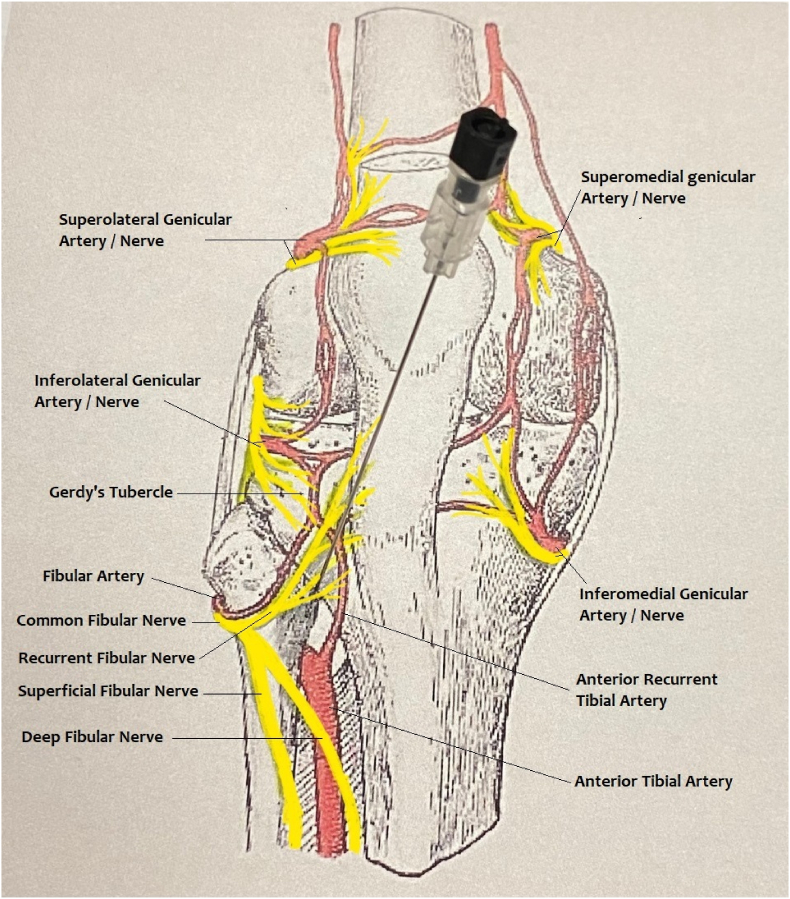
genicular nerve ablation procedure
Regenerative injections: PRP, microfragmented fat, and cell-based approaches
Regenerative medicine has become a household phrase in orthopedics. Platelet-rich plasma (PRP) uses a concentrated portion of a patient’s own platelets to deliver growth factors into the joint. Microfragmented adipose tissue and other cell-based injections aim to modulate inflammation and create a more favorable environment for the joint. These therapies are not a magic bullet for rebuilding cartilage overnight, but for many patients they reduce pain and improve function for months — often long enough to gain strength, change biomechanics, and delay surgery.
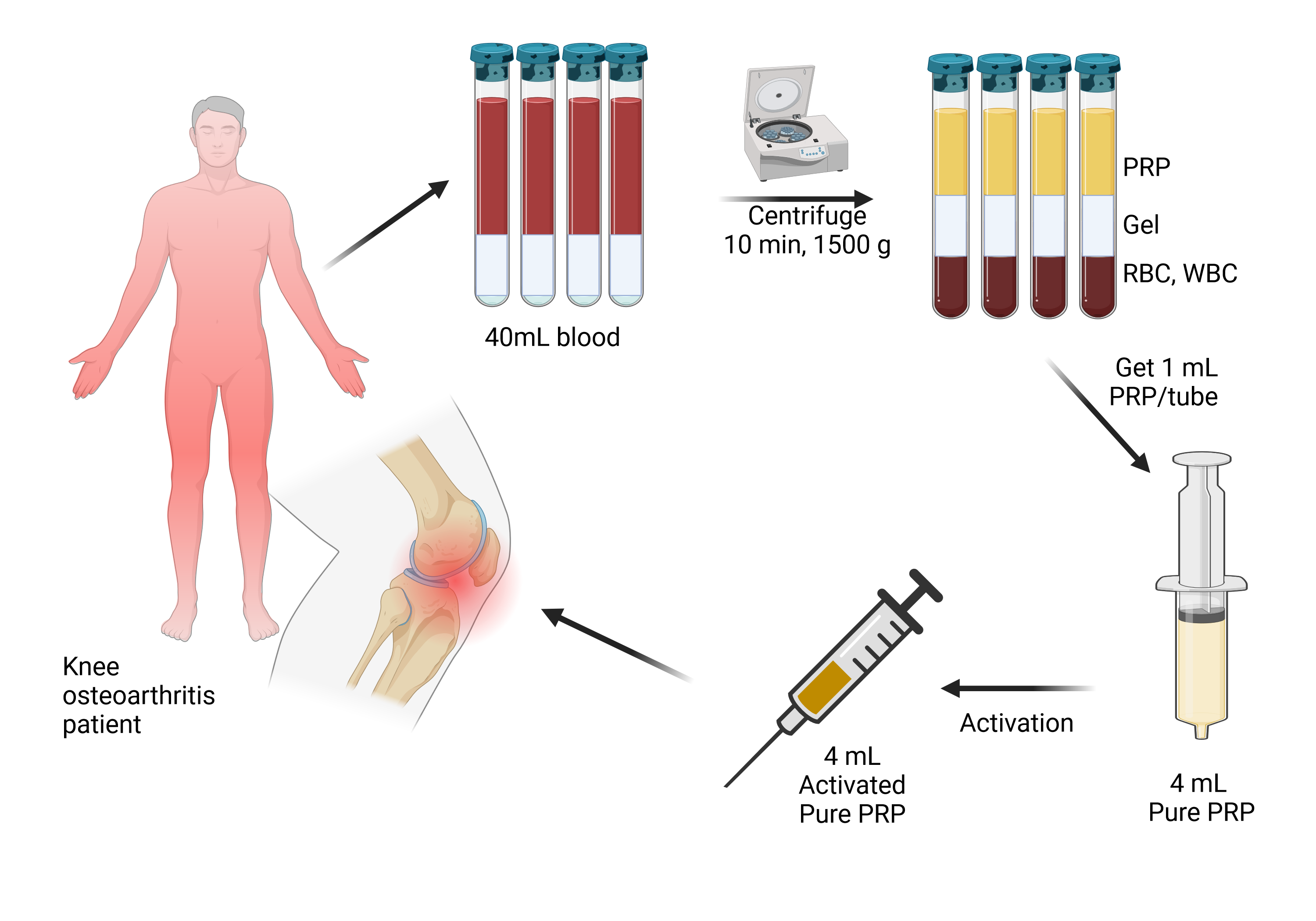
platelet rich plasma knee injection
Viscosupplementation and advanced biologic formulations
Hyaluronic acid injections — sometimes called viscosupplementation — have been used for years to lubricate and cushion the joint. Newer formulations and combination treatments (for example, hyaluronic acid with adjunct biologics) aim to extend benefit and reduce flare-ups. Response varies by patient, but these injections remain a low-risk option for those seeking symptomatic relief without the downtime of surgery.
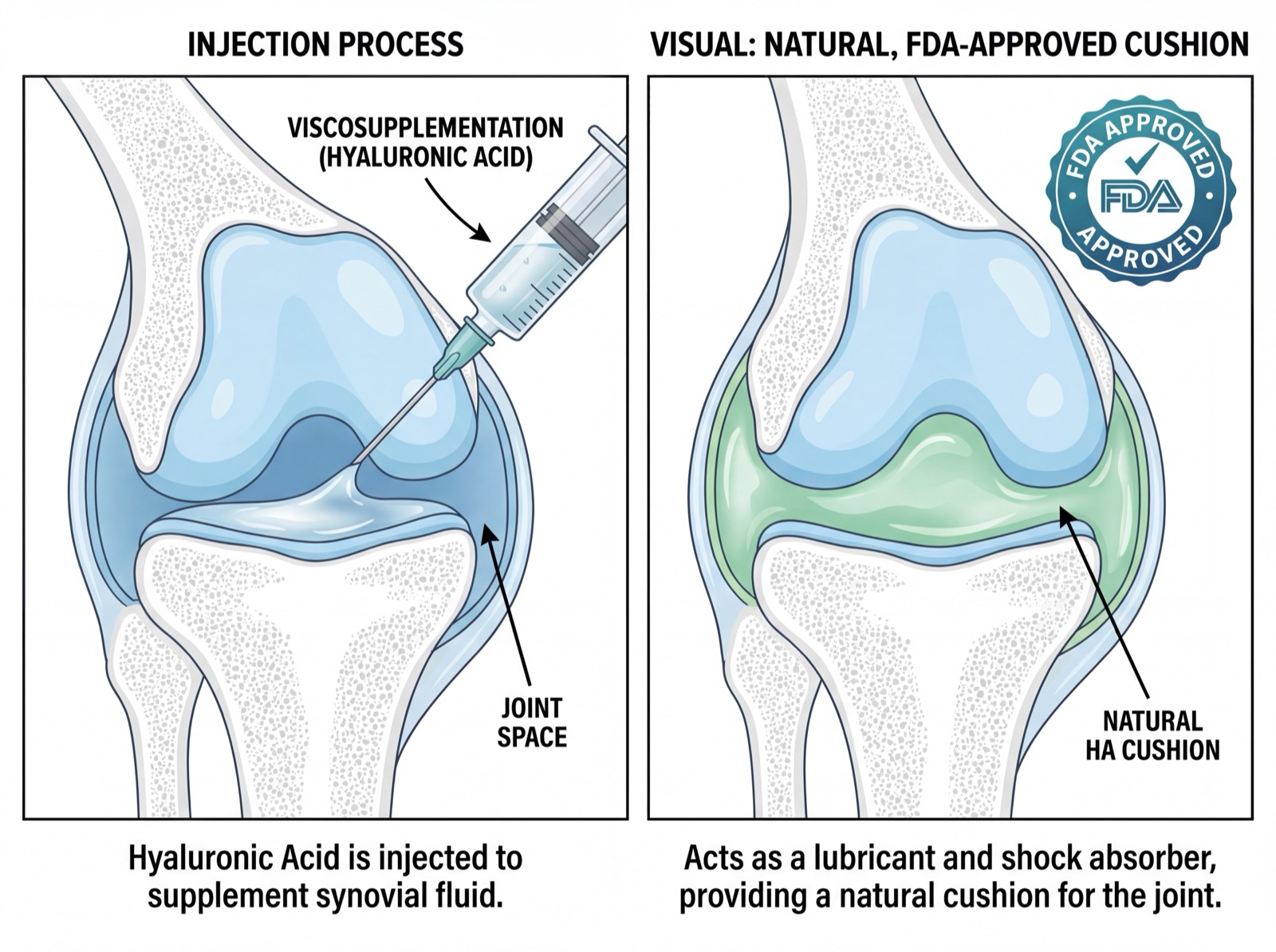
hyaluronic acid knee injection
Neuromodulation and peripheral nerve stimulation
Another non-surgical frontier is peripheral nerve stimulation, where small leads placed near pain-generating nerves deliver mild electrical pulses to modulate pain perception. Some systems are temporary and outpatient; others are longer-term implants. For select patients with complex pain patterns, neuromodulation can provide months or years of relief when used with a broader rehabilitation plan.
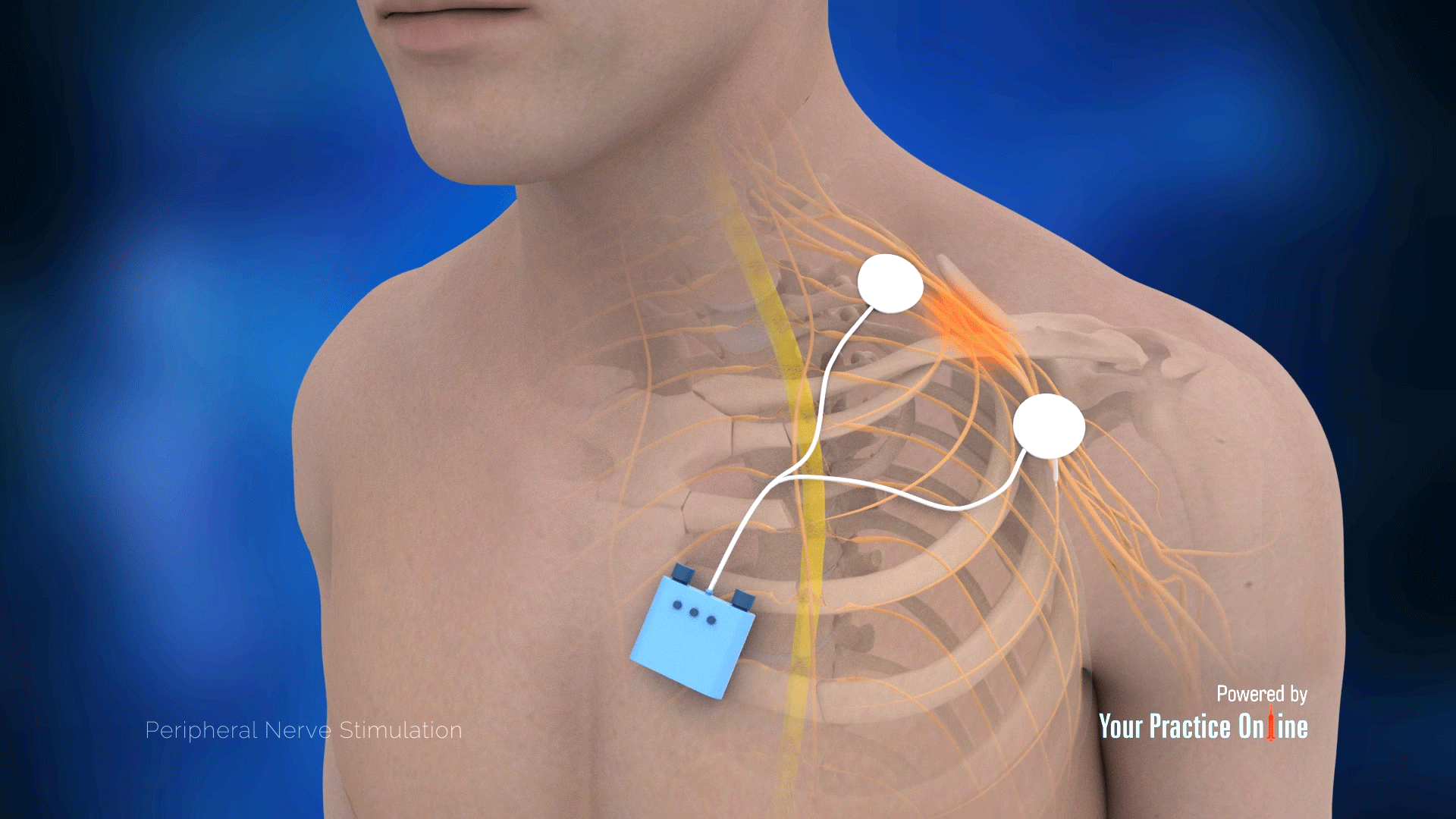
peripheral nerve stimulation device
"For many people, the goal is not to chase a single cure but to stack treatments in a sensible plan that preserves function and quality of life."
Who is a good candidate?
Patient selection is the single most important factor in whether non-surgical treatments will succeed. The best candidates typically include people who:
- Have moderate to severe knee pain that limits activity but for whom conservative measures (exercise, weight loss, medications) have not provided adequate relief.
- Are not ideal surgical candidates because of medical comorbidities, caregiving responsibilities, work demands, or personal preference.
- Have pain sources that appear to be primarily nociceptive (coming from the joint or nearby structures) rather than generalized pain syndromes.
- Are willing to engage in rehabilitation and lifestyle changes after the procedure to maximize benefit.
Conversely, patients with advanced deformity, severe instability, or bone-on-bone collapse on imaging may ultimately need a surgical solution. Non-surgical therapies can still provide symptom relief, but realistic expectations are crucial.
What to expect during and after treatment
The clinic visit and procedure
Most of these treatments are outpatient and performed under local anesthesia with or without mild sedation. For genicular nerve ablation, the clinician uses imaging to locate the target nerves, places a probe, and applies radiofrequency energy for a few minutes at each site. PRP and viscosupplementation are simple injections into the joint space. Peripheral nerve stimulation may involve a brief trial with temporary leads before any permanent device is considered.
Recovery and limitations
Recovery times are typically short. Patients commonly return to light activity the same day and to normal daily routines within a few days; higher-impact activities may be restricted for several weeks. Importantly, these treatments are tools to reduce pain and enable rehabilitation — strengthening and movement retraining are essential to create lasting functional gains.
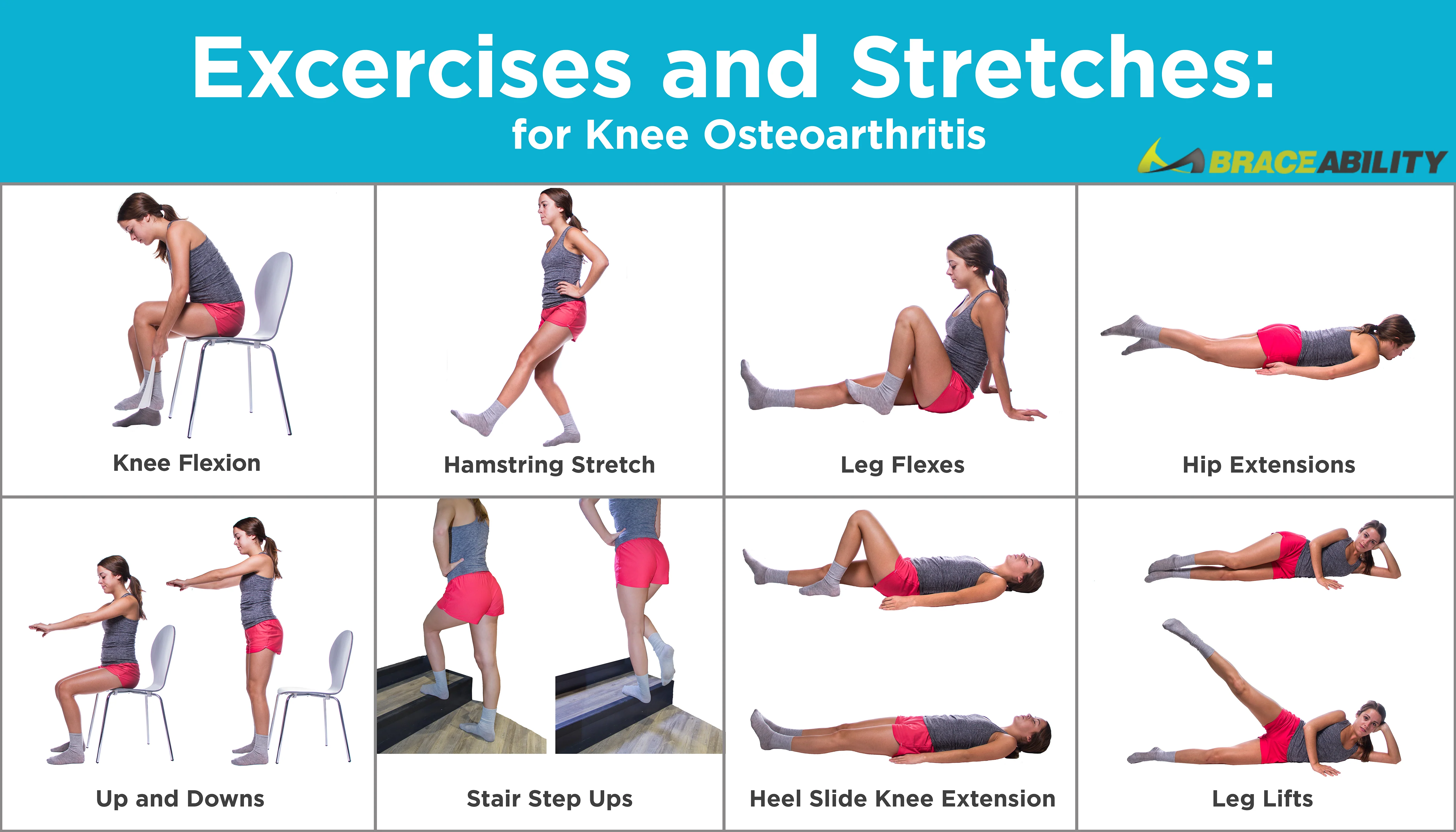
knee physical therapy exercise
Effectiveness, durability, and risks
Effectiveness varies by treatment and patient. Many people experience meaningful pain reduction for six to twelve months after targeted nerve ablation, with some reporting longer-lived benefit. Regenerative injections often provide relief for months as well, though results can be inconsistent between patients and depend on the product and technique. Viscosupplementation can reduce symptoms for months in some patients but not all.
Risks are generally low but not zero: infection, transient increased pain after an injection, nerve irritation, and very rarely more serious complications. For radiofrequency treatments, numbness or weakness is uncommon but possible when adjacent structures are affected. A candid discussion about realistic outcomes and risks should precede any procedure.
- Minimally invasive and often outpatient.
- Short recovery time compared with surgery.
- Can delay or avoid surgery for many patients.
- Compatible with rehabilitation to improve long-term outcomes.
- Variable durability — relief may last months, not always years.
- Not a cure for advanced structural disease.
- Cost and insurance coverage can be barriers for some biologic therapies and devices.
- Quality of evidence varies by modality; some newer approaches lack long-term randomized data.
Practical questions patients should ask
- What is the primary goal? Pain relief, function, or postponing surgery — different goals require different strategies.
- What are the alternatives? Compare injections, nerve procedures, and ongoing conservative care.
- How long will any benefit likely last? Expect a range and ask for follow-up planning.
- What are the risks and common side effects? Understand worst-case scenarios that matter to you.
- Who will manage my rehabilitation? A coordinated plan with physical therapy improves outcomes.
Cost and access considerations
Insurance coverage varies widely. Some nerve-based procedures and established injections are commonly covered; newer biologic therapies and implanted devices may require prior authorization or be out-of-pocket. Discuss costs upfront and request an itemized estimate. For many patients, the comparative cost of a non-surgical route — even if repeated periodically — is still lower than surgery when factoring in lost work and recovery time.
"The most successful plans are individualized: a targeted procedure plus a committed rehab and lifestyle plan."
A realistic decision framework
Deciding between non-surgical treatments and surgery is rarely binary. Use a three-part framework:
- Severity and structure: Evaluate imaging and physical findings to determine how much of the problem is structural versus inflammatory or pain-driven.
- Goals and timeline: Are you seeking short-term pain control to get through a demanding season of life, or a long-term solution to restore activity over years?
- Risk tolerance and resources: Consider medical risk, recovery capacity, insurance, and willingness to invest time in rehabilitation.
This framework helps align the patient’s values with clinical choices, often revealing that a staged approach — trying non-surgical options first, then reassessing — is the best path.
Real-world stories (anonymized)
Hannah, 62, had chronic knee pain that limited gardening and walking. After months of physical therapy and a cortisone injection with short-lived benefit, she chose genicular nerve ablation. Within two weeks she had enough pain relief to walk daily and commit to strength training; twelve months later she remained active and deferred surgery.
Marcus, 55, elected for a series of PRP injections paired with a targeted strengthening program. His pain improved gradually over three months and stayed improved for nearly a year, allowing him to return to bicycling and reduce opioid use.
What the future holds
Expect continued refinement rather than a single revolutionary cure. Integration of image-guided techniques, personalized biologic formulations, and better patient selection tools will sharpen outcomes. Trials are ongoing to determine which combinations of treatments and rehabilitation protocols yield the most durable benefits. In short, the toolbox is expanding and clinicians are learning how to use multiple tools together.
How to choose a provider and avoid pitfalls
Seek clinicians with specific experience in interventional orthopedics, pain medicine, or sports medicine. Ask about training, complication rates, and follow-up care. Beware of clinics that promise miraculous regeneration or guaranteed outcomes; responsible providers will communicate uncertainty and discuss options honestly. If a procedure requires an implant or a multi-stage plan, ask about what happens if the initial trial does not provide benefit.
Key takeaways
- Non-surgical options such as targeted nerve ablation, PRP, viscosupplementation, and neuromodulation can provide meaningful, months-long relief for many people with knee arthritis.
- Patient selection, realistic expectations, and a coordinated rehabilitation plan are essential to maximize durable benefit.
- Costs and insurance coverage vary; discuss these before committing to a program.
- These therapies expand choices and can delay or sometimes avoid surgery, but they are not universally curative for advanced structural disease.
Final thoughts
For patients, the expanding landscape of non-surgical knee arthritis treatments means more control over personal care decisions. For clinicians, it means thoughtfully combining therapies with rehabilitation and clear communication. Neither surgery nor injections alone guarantees success; success comes from aligning the treatment to the person, their goals, and a realistic plan for recovery and maintenance. If pain from knee arthritis is limiting your life, discuss these non-surgical options with a trusted clinician and consider a staged, individualized approach before deciding on joint replacement.