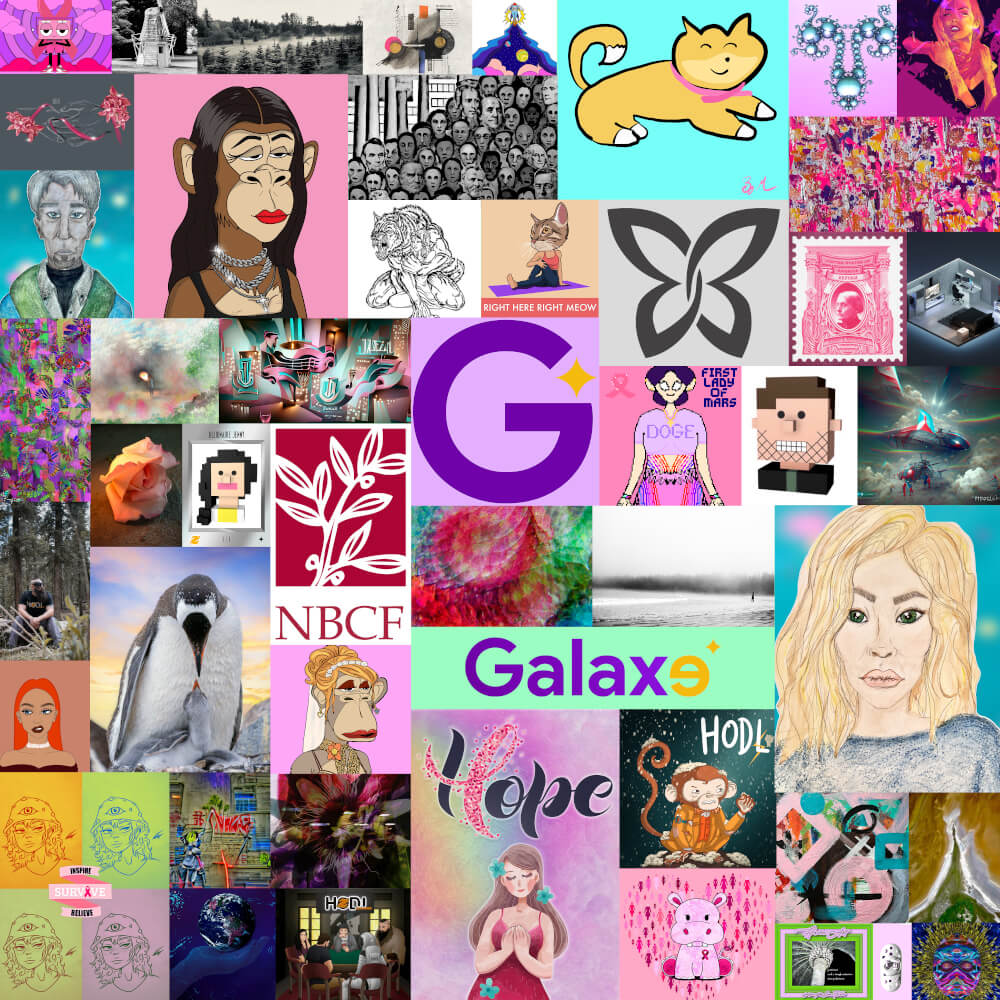
NFT Profile Pics: The Early-2020s Trend That Vanished
The early 2020s produced a cultural sprint: a handful of pixelated faces, cartoon apes, and algorithmically generated avatars briefly became the social equivalent of a fancy handbag or a limited-edition sneaker. Owning one of those NFT profile pictures—PFPs, in the shorthand of the time—meant membership in an ostentatious, often expensive digital club. Then, almost as quickly as the frenzy began, it collapsed from front-page mania to footnote. This article reconstructs the boom, the collapse, and the lingering technical and cultural artifacts that outlived the trend's headline-grabbing phase.
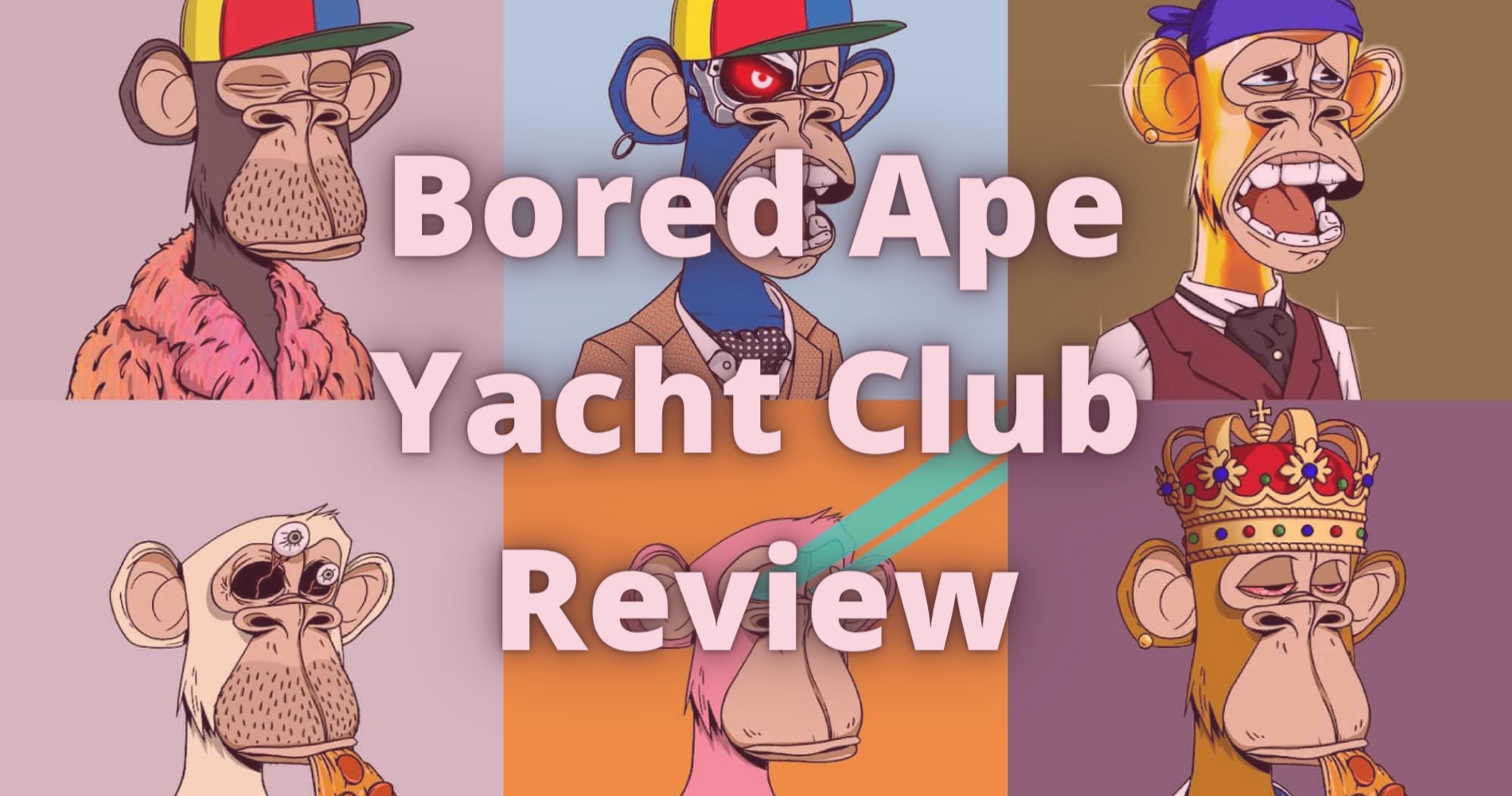
Bored Ape Yacht Club
How the PFP Craze Exploded
When the first wave of PFP projects arrived they combined novelty, scarcity, and social signaling in a tidy package. A finite set of generative images—each assigned a unique token on a blockchain—became identity markers you could carry across a handful of online spaces. The mechanics were simple enough to explain in a sentence and alluring enough to spread by reputation: mint a rare piece, show it as your avatar, join exclusive chats, and watch scarcity-driven value rise.
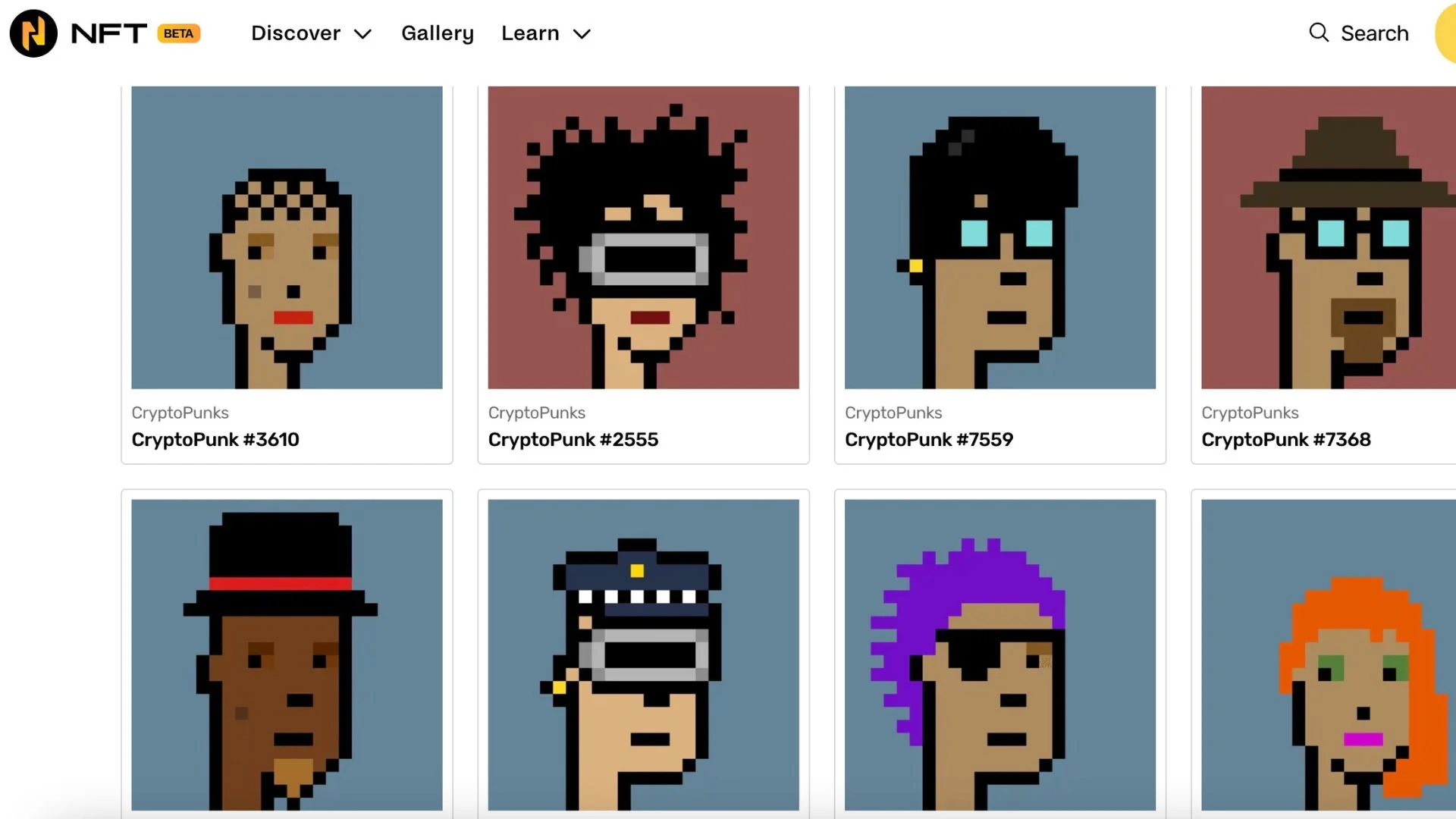
CryptoPunks
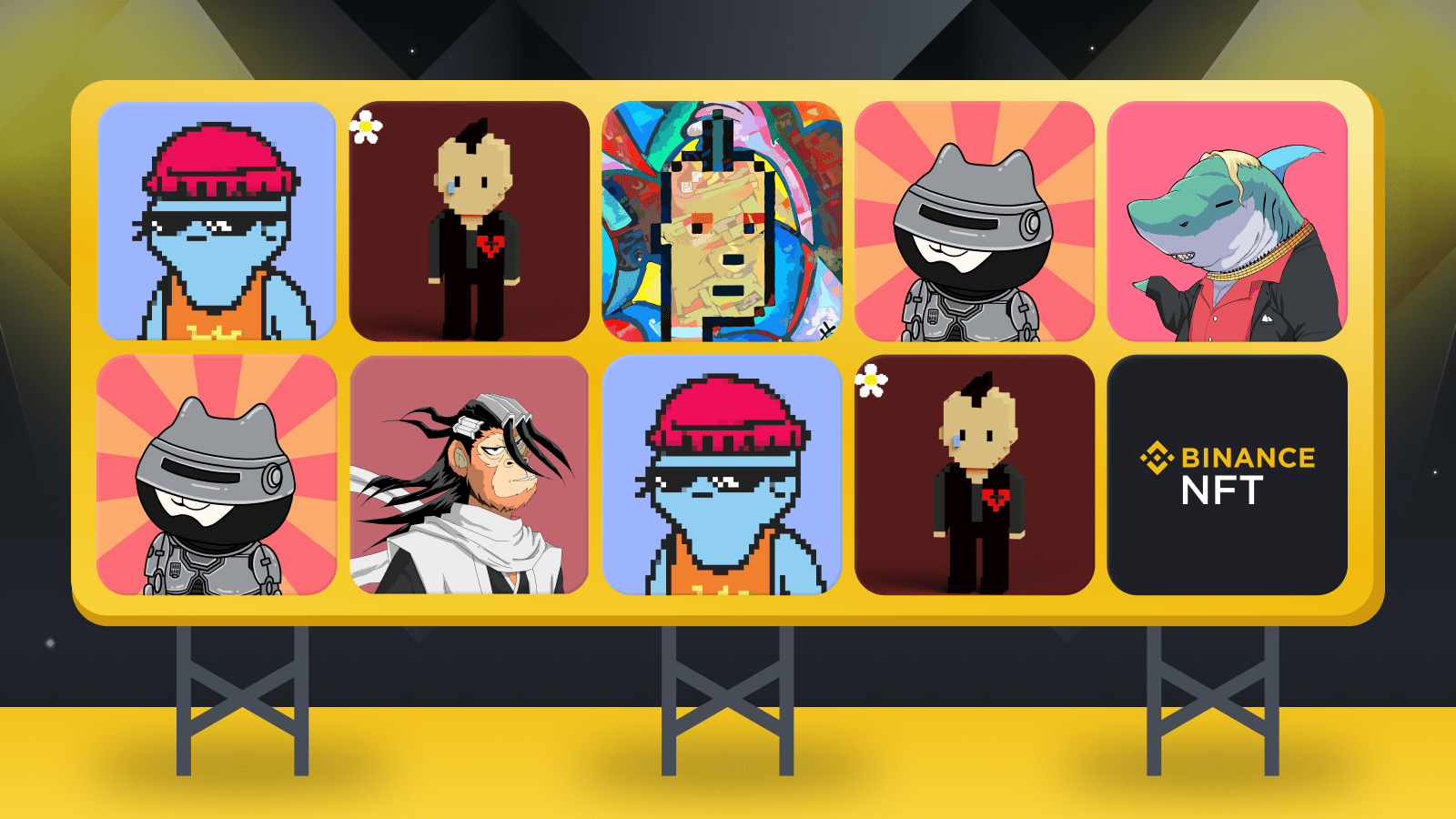
NFT avatars
The momentum grew through a feedback loop between platforms, influencers, and marketplaces. Crypto-native communities spilled into mainstream channels: celebrities flashed PFPs in profile photos, venture dollars created glitzy roadmaps, and marketplaces made trading feel like day-to-day commerce. It was a perfect mix for viral adoption: tech optimism plus status signaling plus speculative mania.
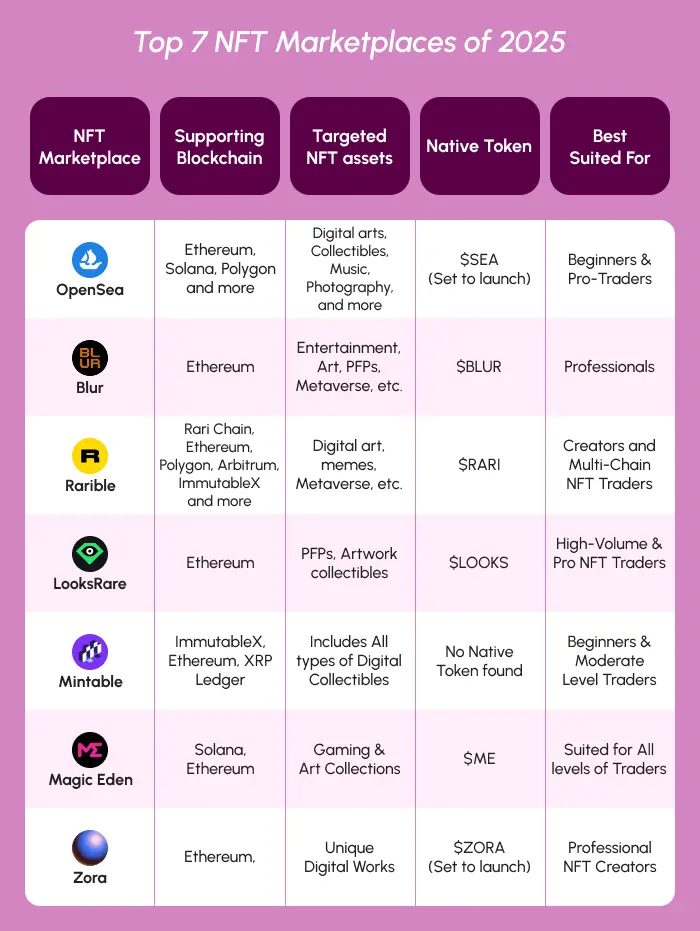
NFT marketplaces
The Social and Psychological Mechanics
Understanding why people rushed to adopt PFPs requires a short sidebar into human behavior. People crave belonging and visible markers of that belonging. In physical fashion, a designer label or a limited sneaker drop signals taste, resources, and membership in a subculture. NFTs translated that same dynamic into pixels and wallet addresses.

digital identity avatar
Three psychological levers were particularly active:
- Scarcity: The finite nature of projects created a clear payoff for early buyers.
- Exclusivity: Holding a token often came with access to invite-only chats, IRL events, and collaborations.
- Projection: Owners could imagine themselves as patrons of new digital culture, helping shape communities and artists' careers.
Ownership became identity: a tiny image carried outsized social meaning for a brief, bright moment.
Behind the Hype: Tech, Money, and Community
Behind every headline about sky-high sales there were three engines: technology, venture capital, and community labor. Smart contracts and token standards gave developers a way to encode scarcity and royalties. Venture investors were eager to place bets on the emerging Web3 infrastructure, accelerating marketing and product roadmaps. And perhaps most crucially, community managers and influencers supplied the cultural oxygen—tweetstorms, Discord servers, and curated in-person meetups.
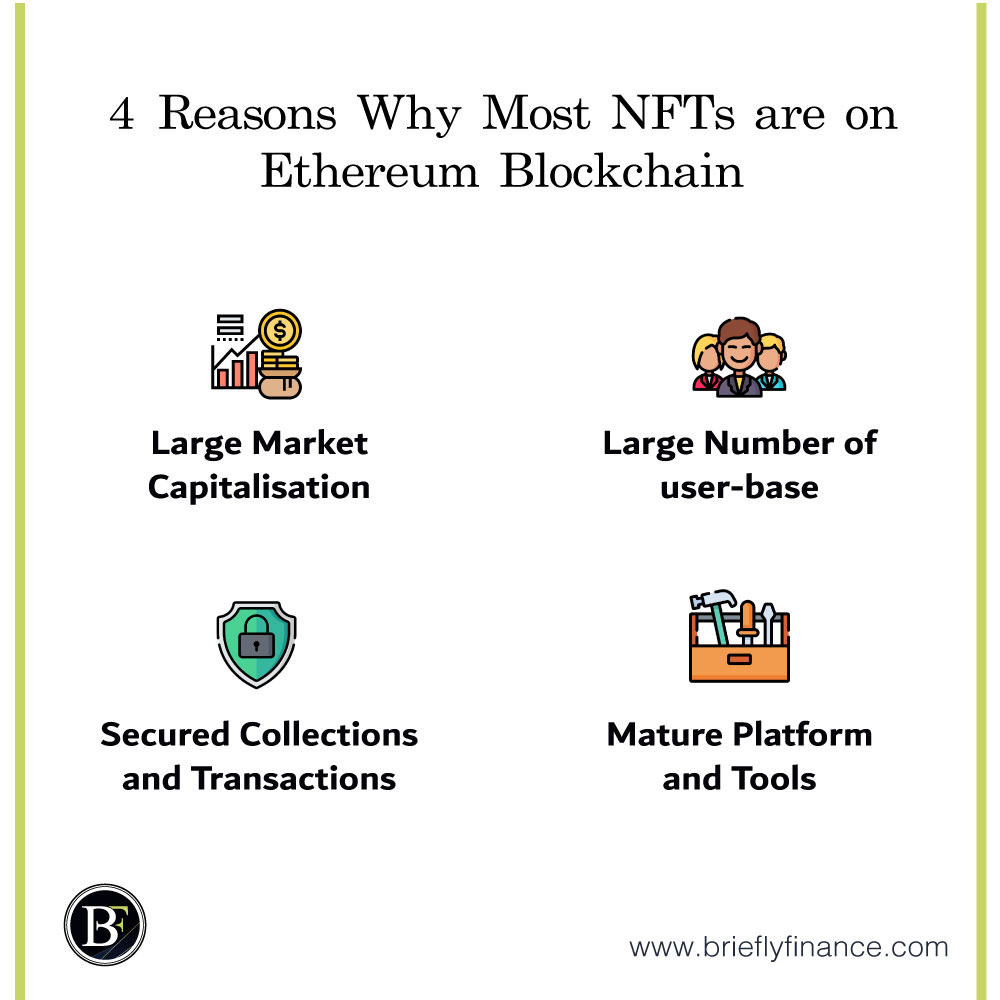
Ethereum blockchain NFTs

Web3 community tokens
That triad is what allowed an avatar collection to transmute into a brand, a secondary market, and a speculative playground. Projects sold access and narrative as much as art, packaging identity, utility, and potential profit together in an alluring bundle.
Red Flags and Early Cracks
Even at the height of the boom, warning signs accumulated. The most obvious were valuation disconnects: prices for certain tokens reached levels divorced from any clear artistic or functional basis. Others were structural: speculative flurries concentrated liquidity in a few marketplaces, and gas fees—transaction costs on popular blockchains—made small transactions impractical and amplified the perception of exclusivity. Scams, impersonations, and fake mints proliferated in the low-friction environment.
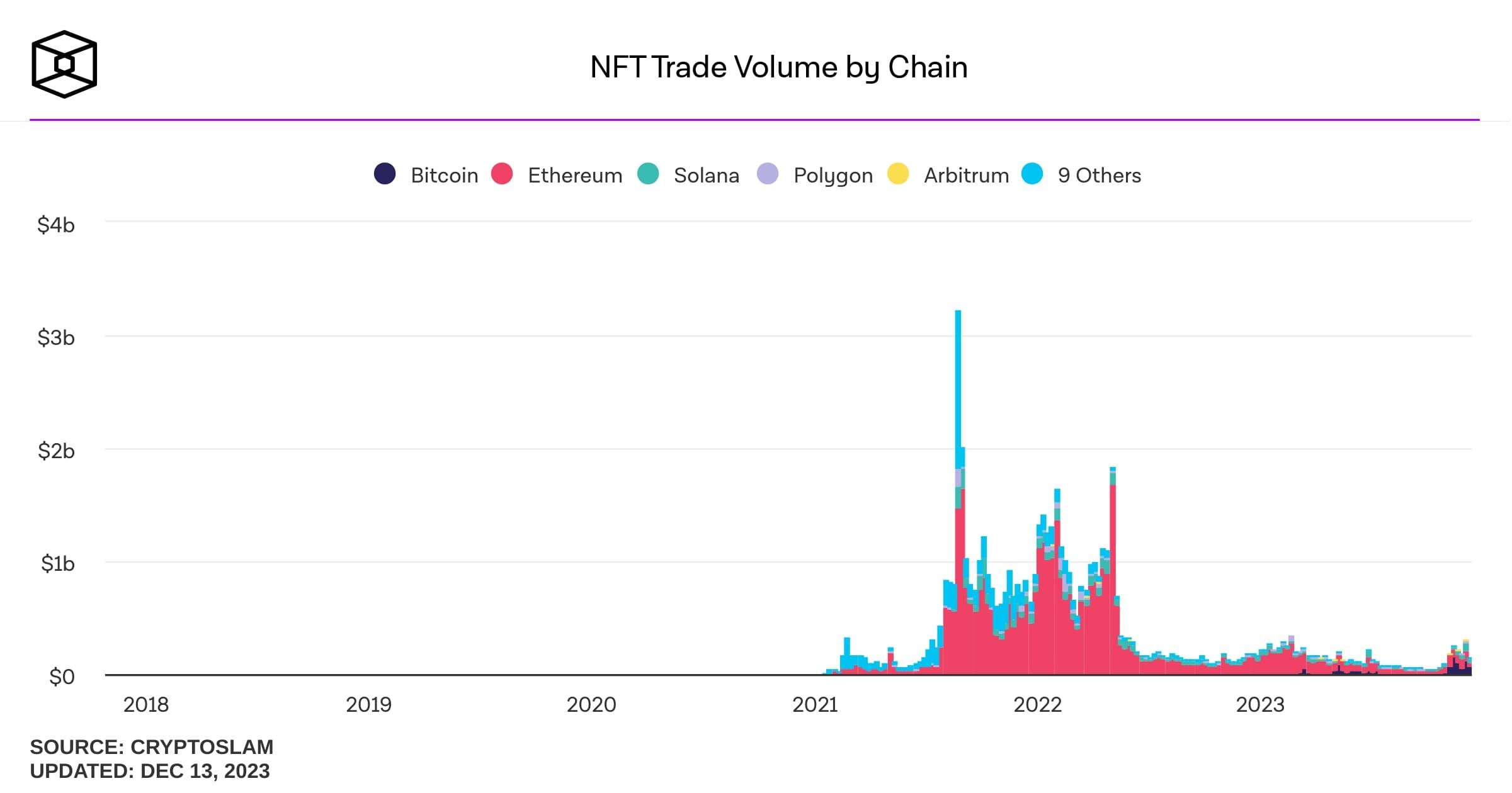
NFT speculation
More subtly, the model relied heavily on continued optimism. Royalties encoded in smart contracts promised ongoing revenue for creators, but they also assumed a secondary market that would trade at volume indefinitely. Communities, too, can be ephemeral. The social glue that held members together—common chats, events, and insider projects—required constant effort to maintain, or else the group disintegrated into smaller, less engaged clusters.
The Downturn and Cultural Forgetting
What does it mean to say a trend "died out"? For PFPs, the decline was both financial and cultural. Market prices cooled—or crashed—for many projects after the speculative peak, while press attention migrated on to the next shiny object. When mainstream platforms changed tune and tech press coverage focused on returns rather than novelty, the social signaling value diminished.
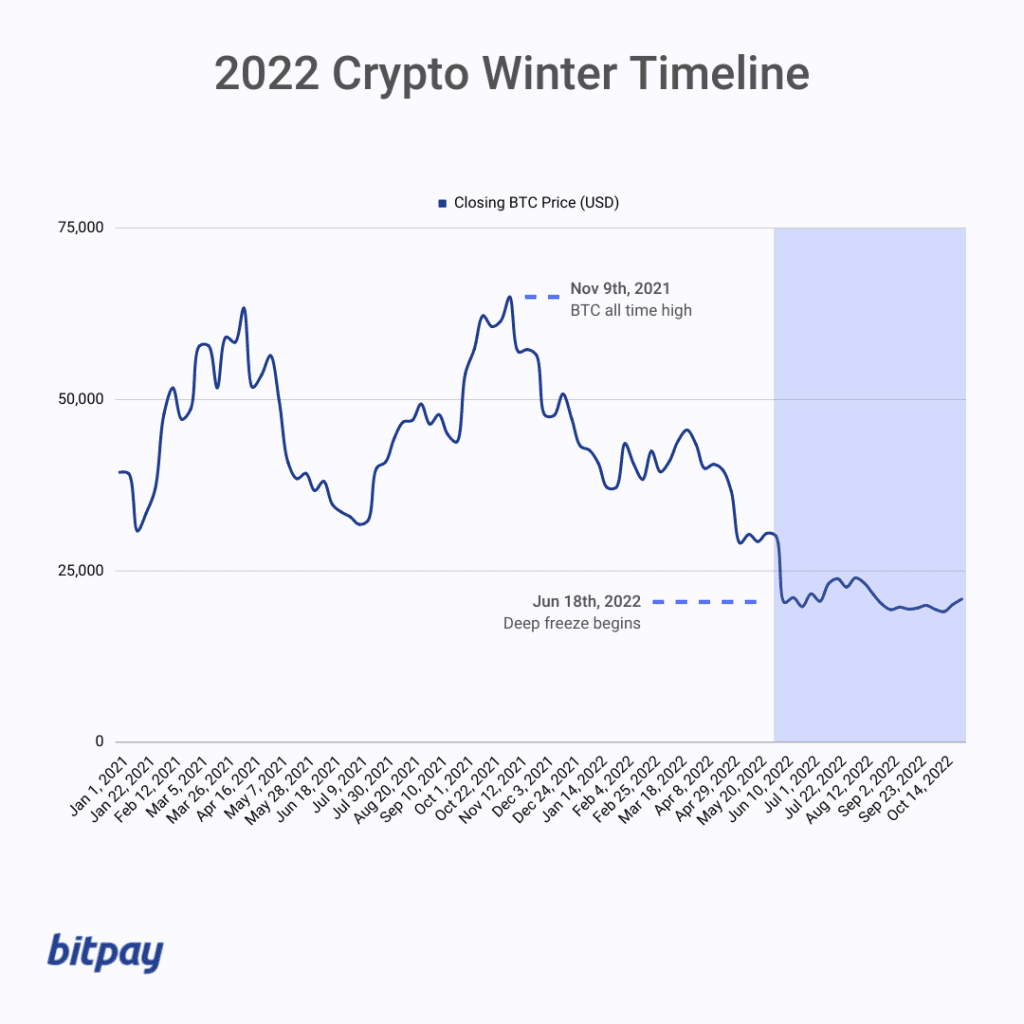
crypto winter
Another element was generational velocity: internet culture moves fast, and attention spans are short. The social currency of owning a specific pixel avatar fell when new forms of signaling appeared—new meme formats, new platforms, or simply shifting conversations. The avatars didn't disappear: many still exist in wallets and archives. But their presence as active status symbols in everyday profile photos and pop culture conversation became rarer.
Where Did the Passion Go?
Some former enthusiasts pivoted to other forms of digital expression or moved to adjacent projects that promised better utility—games, virtual land, or tokenized memberships with more tangible perks. Others left because they felt burned by speculation: heavy losses, scams, or a sense that the scene had been hijacked by opportunists. That churn left a smaller, more technical core of builders and collectors who continued to experiment, while the broader public's memory of the trend became hazy.
What Actually Remains From the PFP Wave?
The story doesn't end in oblivion. Some technical and cultural legacies persisted even as the headline frenzy faded. Smart contracts and token standards continued to enable creative experiments in ownership and royalties. A generation of creators learned new monetization mechanics and direct-to-fan distribution. Communities learned how to coordinate digitally, manage reputation, and build norms—skills that migrated into other decentralized projects and even into creator economies outside blockchain.

PFP cryptoart
On the cultural side, the PFP era accelerated conversations about digital identity. Questions that once felt abstract—what is ownership online, who controls assets, how do we express identity—became practical dilemmas people had to confront. That realignment left conceptual residue, if not constant chatter.
A Short Catalog of Lessons
There are practical lessons for creators, collectors, and platforms. Each is a small rule of thumb born from the boom-and-bust cycle:
- Value utility over scarcity alone: Scarcity can inflate prices briefly, but long-term value often requires continued utility.
- Community needs maintenance: Exclusive groups require ongoing governance and content to stay meaningful.
- Design for transparency: Low-friction trading and clear provenance help markets function healthier.
- Expect cycles: New tech often attracts speculative waves; plan for periods of lower attention.
Why the Trend Was So Easy to Forget
Collective memory in a fast-moving culture is short. Forgotten trends share common characteristics: high performative visibility for a short time, low day-to-day utility, and replacement by a new visual or social vocabulary. PFPs checked those boxes. They were highly visible—front-page news and celebrity endorsements—yet their day-to-day usefulness outside the crypto community was limited. As soon as a fresh narrative captured attention, many people's mental ledger reduced their memory of PFPs to a vague anecdote about a brief internet bubble.
Memory is also selective. When a social object becomes associated with losses, scams, or embarrassing headlines, people are motivated to distance themselves from it. Cultural amnesia is not purely accidental; it is often self-protective.
Subsection: The Role of Media Cycles
Media cycles amplify early enthusiasm and then hasten forgetfulness. During the rise, headlines and profiles humanized buyers, critiqued art and culture, and fed the hype. When the economic indicators cooled, coverage shifted to cautionary tales and retrospectives. Those later narratives framed the event as a cautionary episode rather than a persistent innovation, which helped push PFPs out of everyday conversation.
Trends fade when the story a culture tells about them changes from "opportunity" to "lesson."
What's Next: Will Anything Replace PFPs Permanently?
The orbit of digital identity will keep evolving. PFPs were one experiment among many attempting to tie identity to ownership. Future iterations will borrow lessons from the PFP era—particularly around community design and sustainable utility—while shedding the most problematic speculative behaviors. Expect hybrids: identity tokens with stronger functional ties to services, more carefully curated membership benefits, and platforms that make interoperability less of a technical headache and more of a user-friendly promise.
For mainstream culture, however, digital identity signaling will likely remain diverse, fragmented, and fast-moving. A trend today may be replaced by another tomorrow, and the hard work of turning novelty into persistent cultural infrastructure will rely on creators who prioritize user experience and real utility.
Conclusion: Beyond Headlines to Durable Change
The PFP craze of the early 2020s burned bright and fast, shaped by scarcity, social signaling, and speculative excitement. Its descent into quieter corners of culture does not erase the technical and social experiments that came with it. If we look past the headlines and price charts, we see that the era taught creators, platforms, and communities how to think differently about ownership, identity, and digital coordination.
Most trends leave footprints. In the case of PFPs, those footprints are visible in new monetization practices, experimentations with community governance, and the way people now talk about digital identity. The fad itself may be largely forgotten by mainstream conversation, but the questions it forced us to answer are not going away.
- PFPs were a cultural and speculative experiment: fast adoption exposed strengths and vulnerabilities in how people assign value online.
- The collapse was partly structural: reliance on speculation, variable utility, and fragile community maintenance made the trend unstable.
- Technical legacies remain: smart contracts, royalty ideas, and digital identity experiments influenced later platforms.
- Cultural forgetting is common: high-visibility trends without everyday utility fade quickly from mainstream memory.
Final Thought
Trends die all the time. The PFP era died quickly because it tried to compress identity, investment, and social capital into tiny images that, for a time, seemed to promise all three at once. The lesson is not that the experiment failed entirely, but that novelty needs durability to become permanent—otherwise the internet will remember it only as a vivid, strange moment in a long history of bright, fleeting things.