
When a Newborn Is Kissed: The Hidden Danger of a Cold Sore
When Breelyn arrived home from the hospital she was perfect: pink, sleepy, and breathing like a tiny, contented clock. Two days later a well-meaning relative kissed her on the mouth. The relative had a visible cold sore. Within forty-eight hours her parents learned that a single, affectionate gesture can carry a rare but devastating risk for a newborn. This article explains why that kiss mattered, what neonatal herpes looks like, what families and clinicians should do next, and—most importantly—how to prevent an avoidable tragedy.
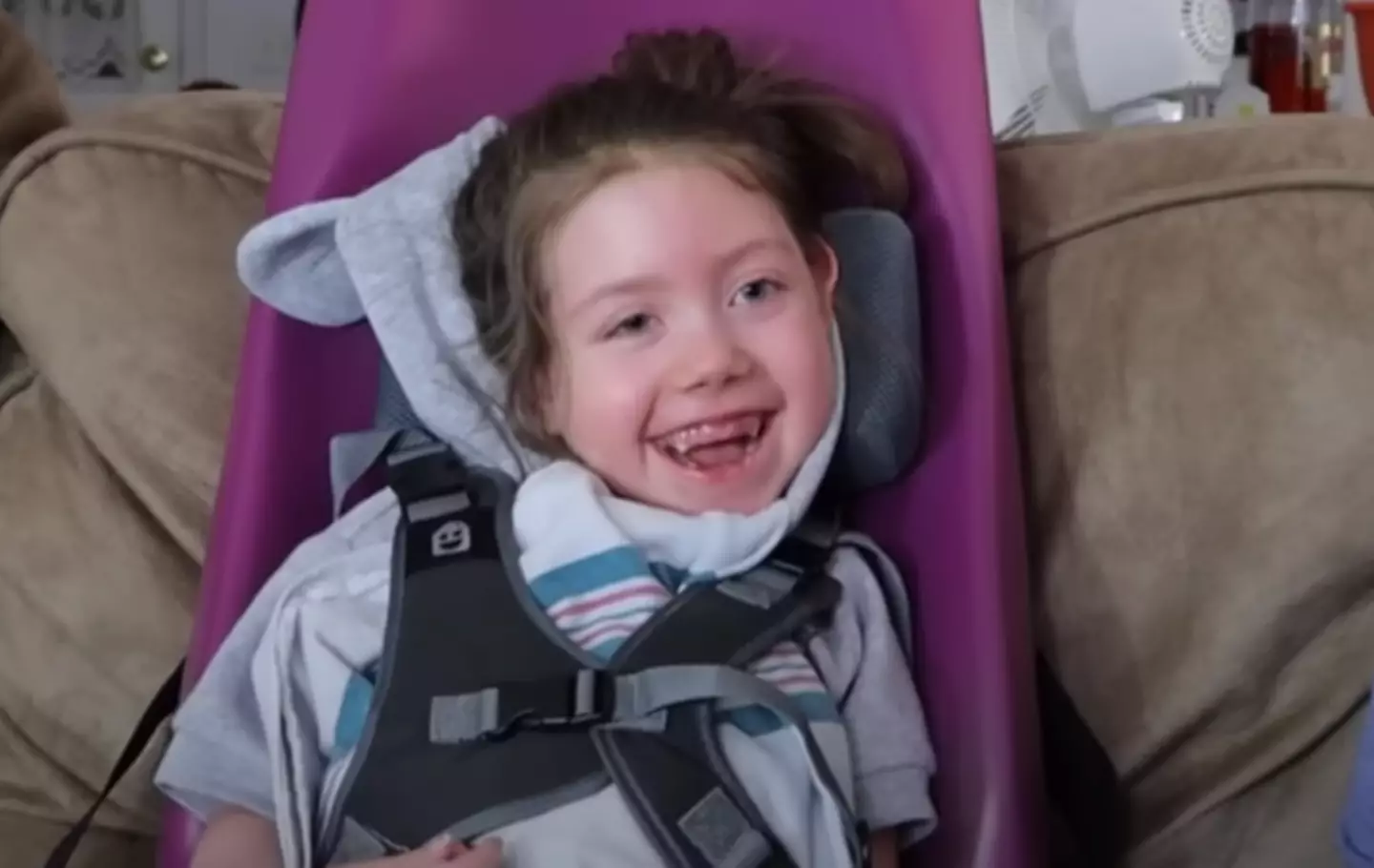
Breelyn newborn story
Understanding the Virus: HSV-1 and the Newborn
What is HSV-1?
HSV-1 (herpes simplex virus type 1) is a common virus that most people acquire in childhood or adolescence. It typically causes oral cold sores—small, painful blisters around the mouth—and then remains dormant in nerve cells. Periodically it can reactivate and become contagious even when symptoms are subtle or just beginning.
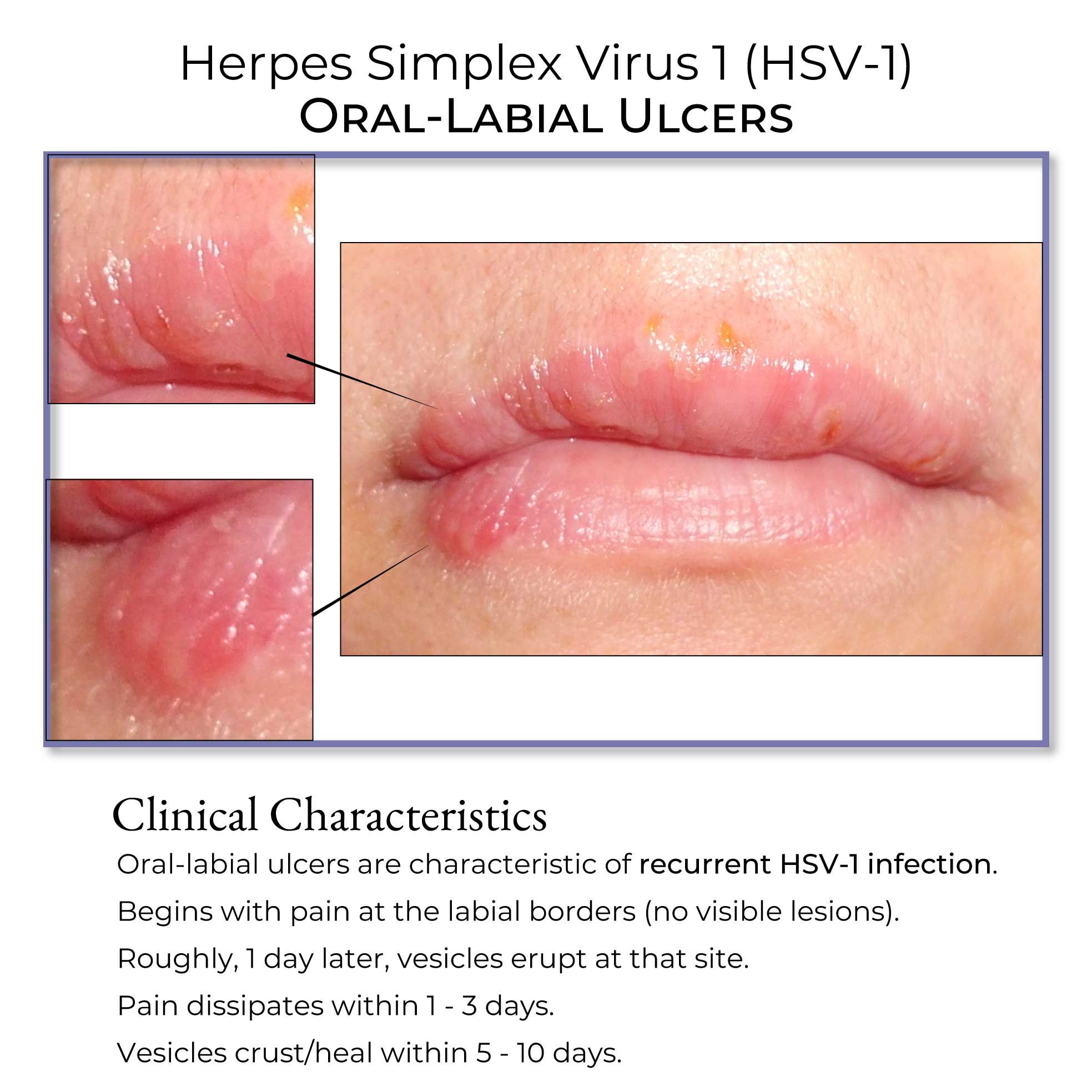
HSV-1 oral blister
Why newborns are different
Newborn immune systems are immature. Babies, especially in the first month of life, do not have the fully developed cellular and humoral defenses that older children and adults do. That immaturity makes it easier for HSV-1 to spread from a localized mouth infection into the bloodstream or nervous system, producing severe outcomes such as disseminated disease or herpes encephalitis. In short: the same virus that causes a mild cold sore in an adult can be life-threatening for a neonate.
How Transmission Happens
Direct contact is the main route
HSV-1 spreads primarily by direct contact with infected secretions. A kiss on the mouth, sharing utensils, or touching a cold sore and then handling a baby are all transmission opportunities. Even asymptomatic viral shedding—when no visible sore is present—can lead to infection, though risk is highest when an active blister is visible.
Timing matters
Exposure in the immediate newborn period is especially precarious. The first few days and weeks of life are when infants are least able to contain viral replication, and even a small inoculum may escalate quickly. In Breelyn’s case the exposure at two days old placed her at elevated risk simply because her immune defenses were still forming.
A single affectionate kiss can transform a family’s timeline from celebration to emergency within hours.
Recognizing Neonatal Herpes
Three clinical patterns
Neonatal HSV most commonly presents in one of three ways:
- Skin, eye, mouth (SEM) disease: lesions on the skin, eye infections, or oral lesions without systemic illness.
- Central nervous system (CNS) disease: seizures, lethargy, poor feeding, irritability, altered tone, or bulging fontanelle, often with abnormal cerebrospinal fluid.
- Disseminated disease: HSV spreads to multiple organs—liver, lungs, adrenal glands—and can resemble severe sepsis with respiratory distress, jaundice, and shock.
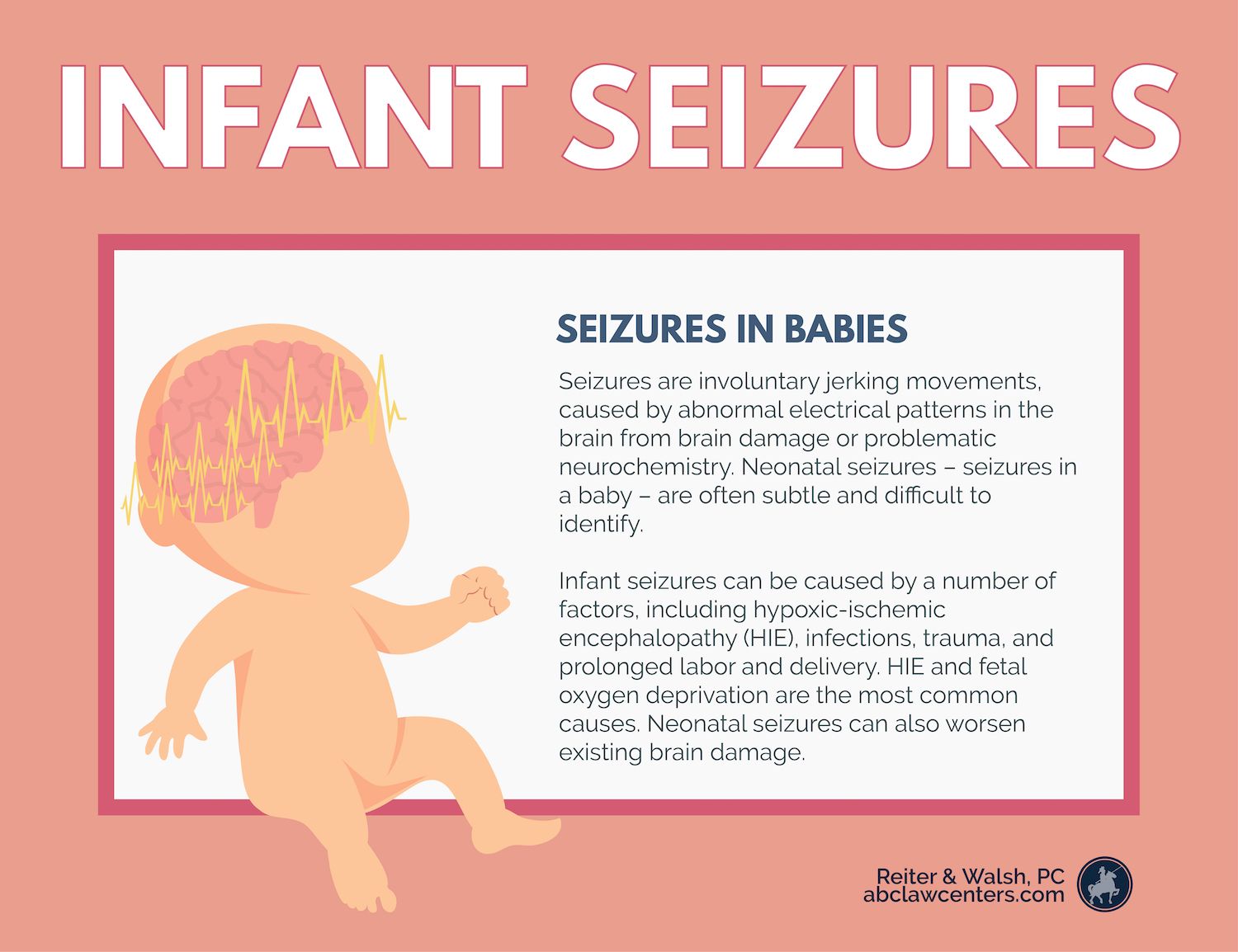
newborn seizure symptoms
Early signs parents should not ignore
Because early symptoms are often nonspecific, vigilance is crucial. Watch for:
- Fever or low temperature (hypothermia)
- Poor feeding or refusal to feed
- Lethargy or excessive sleepiness
- Irritability or high-pitched crying
- Skin blisters, sores, or unusual rash
- Seizure activity or abnormal movements
- Respiratory difficulty
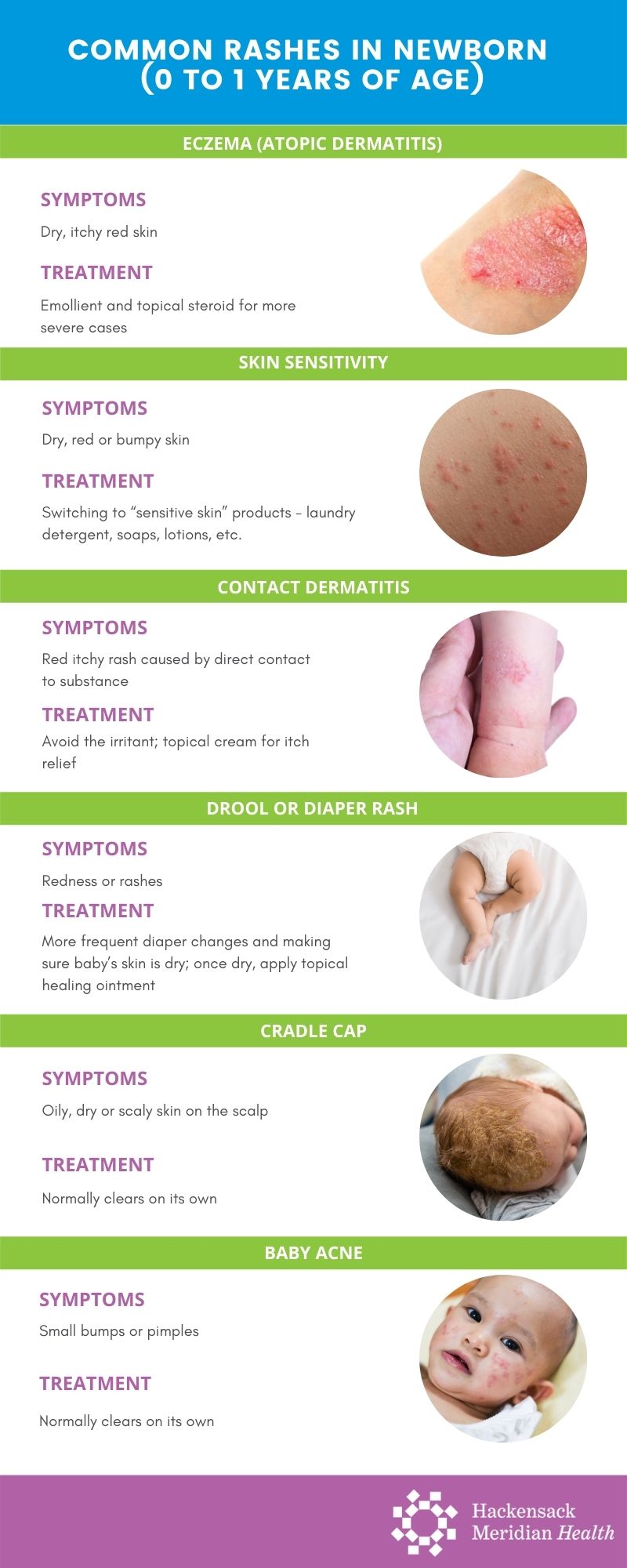
baby fever rash symptoms
Any of these signs in the days after exposure demand urgent medical evaluation.
Diagnosis: What Clinicians Do
Testing is straightforward but time-sensitive
If an exposure has occurred, clinicians will often perform targeted testing rather than wait for full-blown symptoms. Tests include viral PCR from swabs of the mouth, eyes, or any skin lesions; blood PCR; and lumbar puncture for cerebrospinal fluid PCR if CNS involvement is suspected. Early testing can identify the virus before catastrophic spread.
The role of empiric treatment
Because neonatal HSV can progress rapidly, physicians may start empiric intraviral antiviral therapy—typically acyclovir—while awaiting results. Early initiation of acyclovir has been clearly linked to better outcomes, particularly for CNS and disseminated disease. This is a situation where acting quickly outweighs waiting for absolute proof.
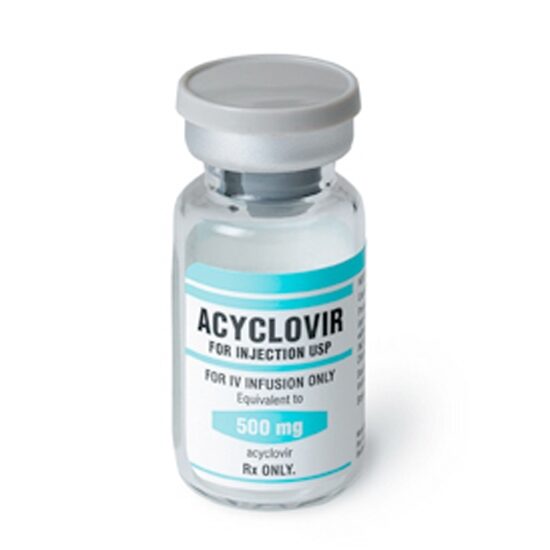
acyclovir IV vial
Treatment and Prognosis
Acyclovir and supportive care
Treatment for confirmed or strongly suspected neonatal HSV is intravenous acyclovir, generally administered for 14 to 21 days depending on the disease form. Supportive care includes fluid management, respiratory support when needed, seizure control for CNS disease, and careful monitoring in a neonatal intensive care unit for severe cases. After initial IV therapy, many infants receive a prolonged oral antiviral course to reduce relapse risk.

neonatal intensive care unit
Outcomes vary
Outcomes depend heavily on how early the infection is recognized and treated. Isolated SEM disease detected early often has a good prognosis with prompt antiviral therapy. CNS or disseminated disease carries higher risk of long-term neurological impairment or mortality. This is why exposure protocols emphasize immediate evaluation—even for babies who appear well.
What to Do If a Newborn Was Exposed
Immediate steps for families
If a newborn has been kissed by someone with a cold sore:
- Do not panic, but act immediately: call your pediatrician or emergency department and explain the exposure.
- Keep the baby calm and avoid further contact: limit handling by the person with the cold sore and anyone else who might have active lesions.
- Note the timeline: record when the kiss happened and any visible signs on the person who kissed the infant (active blister, scab, or recent symptoms).
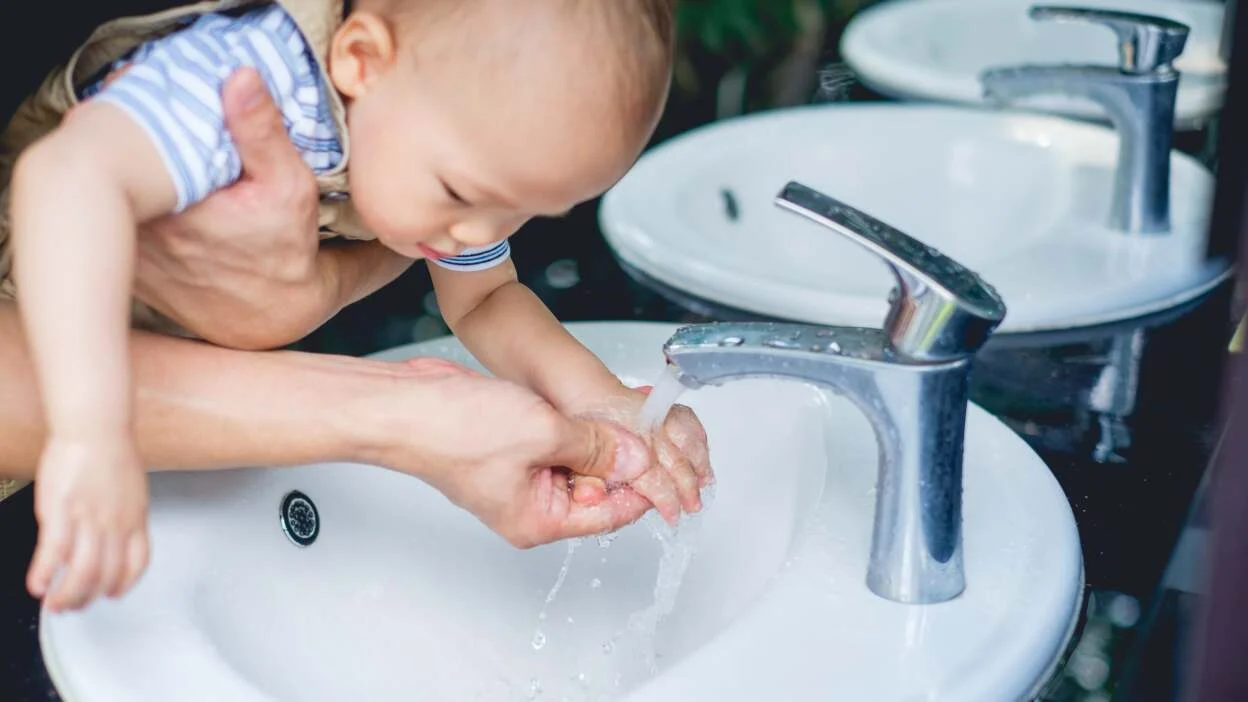
hand washing baby care
What clinicians will likely recommend
A clinician will assess the baby, consider obtaining PCR tests from mucosal swabs and blood, and may recommend empiric IV acyclovir pending results. If the infant is clinically well and testing is negative, follow-up and observation with clear return precautions may be advised. Each case is individualized based on exposure timing, presence of symptoms, and institutional protocols.
Prevention: Practical Rules That Save Lives
Simple, effective precautions
Preventing neonatal HSV is largely behavioral and relies on awareness:
- Never kiss a newborn on or near the mouth—an exception-free rule for anyone with an active cold sore or recent symptoms.
- Avoid sharing utensils, cups, pacifiers, or food with the baby when a caregiver has current or recent oral lesions.
- Practice strict hand hygiene: wash hands with soap and water after touching your face, applying lip ointment, or tending to a cold sore.
- People with active sores should minimize direct contact: older siblings and relatives should be supervised and taught to keep distance.
Pregnancy and delivery considerations
Pregnant women with active genital or oral HSV near delivery must discuss management with their obstetrician. While HSV-1 more commonly causes oral disease, genital infection with HSV-1 can also occur. Maternal antiviral suppression, delivery planning, and newborn monitoring are parts of a broader prevention strategy that keep transmission risk as low as possible.
Breastfeeding and HSV
When breastfeeding is safe
Breastfeeding remains encouraged in most situations. If the mother has a cold sore on her breast (rare), direct feeding from the affected breast should be avoided until lesions heal, though expressing and feeding pumped milk is often acceptable if there is no vesicle on the nipple. If the only lesion is on the mother’s mouth and proper hygiene is observed, breastfeeding may continue, but mothers should avoid kissing the baby and should wash hands and cover active lesions if possible.
Emotional and practical support for families
When a single moment leads to a medical emergency, families often feel guilt, anger, or isolation. Healthcare teams can play a crucial role not just medically but emotionally—offering clear facts, immediate plans, and empathy. Support groups, social work, and counseling can help families process fear and make practical plans for care and follow-up.
- Early action reduces severe outcomes
- Simple prevention techniques are effective
- Symptoms can be nonspecific and progress quickly
- Emotional impact on families is significant
Realities of Risk: How Common Is This?
Neonatal HSV is uncommon, especially in countries with broad access to prenatal care and hospital resources. However, because the stakes are high—potential long-term neurologic damage or death—the rarity does not diminish the need for vigilance. Most exposures do not become full-blown disease, but clinicians and families treat any early exposure seriously because early intervention makes the difference between full recovery and lasting harm.
When to Get Help: Clear Action Steps
Immediate checklist for caregivers
If a newborn was kissed by someone with a cold sore:
- Call your pediatrician or the emergency department now.
- Do not wait for a fever or rash to develop.
- Bring the person who kissed the baby to explain the timing and symptoms.
- Follow clinician advice on testing and possible empiric treatment.
- Keep clear documentation of timing and any subsequent symptoms.
Long-term follow-up and outcomes
Infants treated early and appropriately often do well, but those with CNS or disseminated infections may need long-term developmental monitoring, early intervention services, and neurology follow-up. Pediatricians will coordinate hearing and vision screening as needed and connect families with therapy services if developmental delays arise.
- Newborns are highly vulnerable to HSV-1; a mouth kiss from someone with a cold sore is a meaningful exposure.
- Early recognition, testing, and empiric antiviral treatment save lives and reduce long-term harm.
- Prevention is simple: do not kiss infants on the mouth, practice hand hygiene, and keep people with active sores at a distance.
Conclusion: Love, Boundaries, and Simple Rules
Breelyn’s story is a reminder that love for an infant can look different: it often means keeping a gentle physical distance if you have a cold sore, washing hands before holding a newborn, and choosing words of celebration over kisses on a newborn’s face. The precaution feels awkward the first time, but it is a small, evidence-based boundary that protects the most vulnerable. When families know the facts and act quickly after an exposure, the odds tilt back toward the relief and joy every new family deserves.
If your baby was recently exposed to someone with a cold sore, contact a pediatric clinician immediately for evaluation. Early care matters.