
New Haircut Without Side Bangs? How to Know and Fix It
There’s a particular sting to leaving a salon and feeling like the person in the mirror is not the person you know. You asked, blunt and vulnerable: "Am I ugly?" — and you deserve a clear, kind, pragmatic answer. The short truth is this: a haircut does not make you ugly. What it can do is change the visual frame your face expects, and that surprise can momentarily throw off your confidence. This article helps you move from shock to strategy: how to evaluate the cut honestly, quick fixes to feel more like yourself, and realistic next steps so you can look and feel intentional again.
Why a Sudden Hair Change Can Feel Devastating
Hair is one of the most immediate pieces of our identity. It sits on top of the face people recognize first, and many of us use a consistent hairstyle as an anchor for how we present ourselves. When that anchor shifts — intentionally or unexpectedly — your brain does a quick inventory: do I still fit my wardrobe, my makeup, my self-image? If the answer feels uncertain, your internal critic shows up first.
There are also real perceptual reasons the cut feels "wrong": small changes around the forehead and cheekbones can alter perceived proportions, soften or sharpen angles, and change how light and shadow fall across your face. The result is not ugliness — it’s unfamiliarity.
You are not ugly; you are adapting to a new reflection. That adjustment takes time and a few practical moves.
How to Judge Your New Haircut Honestly (Without Panic)
When you’re still raw, the usual first reaction is to ask everyone "Am I ugly?" — but social feedback can be noisy. Instead, run a short, calm checklist for 10–15 minutes and you’ll get a clearer sense of whether the cut is a true mismatch or just an adjustment challenge.
1. Wait 24 hours
Immediately after a cut your hair will be clean, compressed, and styled by the chair. Sleep on it. Hair settles after 24 hours and you’ll often see how layers and bangs will behave in daily life.
2. Look at three photos
Take one photo straight-on, one at a 45-degree angle, and one with soft natural light. Photos remove the motion and micro-expressions your mirror shows and reveal how the cut frames your face.
3. Ask two trusted people who understand style
One broad reaction ("It looks fine") is less helpful than specific feedback: "I like the way it softens your jaw" or "The length takes attention away from your eyes." Ask for concrete observations, not verdicts.
4. Separate shape from finish
Is the problem the cut (length, layers, where a bang would sit) or the finish (flat, greasy, unblended)? Many "regrets" come from styling — a quick blowout, curl, or product can transform the look.
5. Test two styling options
Try one look that adds volume at the roots and one that tucks the hair behind the ears. If one of these consistently feels and photographs better, you’ve found a practical direction.
Immediate Styling Fixes You Can Do at Home
If you’re in the mood for practical moves rather than existential ones, here are simple, high-impact things to try. Most take under 15 minutes and will change how the cut reads.
- Blowout with a round brush: Adds lift at the roots and creates a soft face-framing curve where bangs might have been expected.
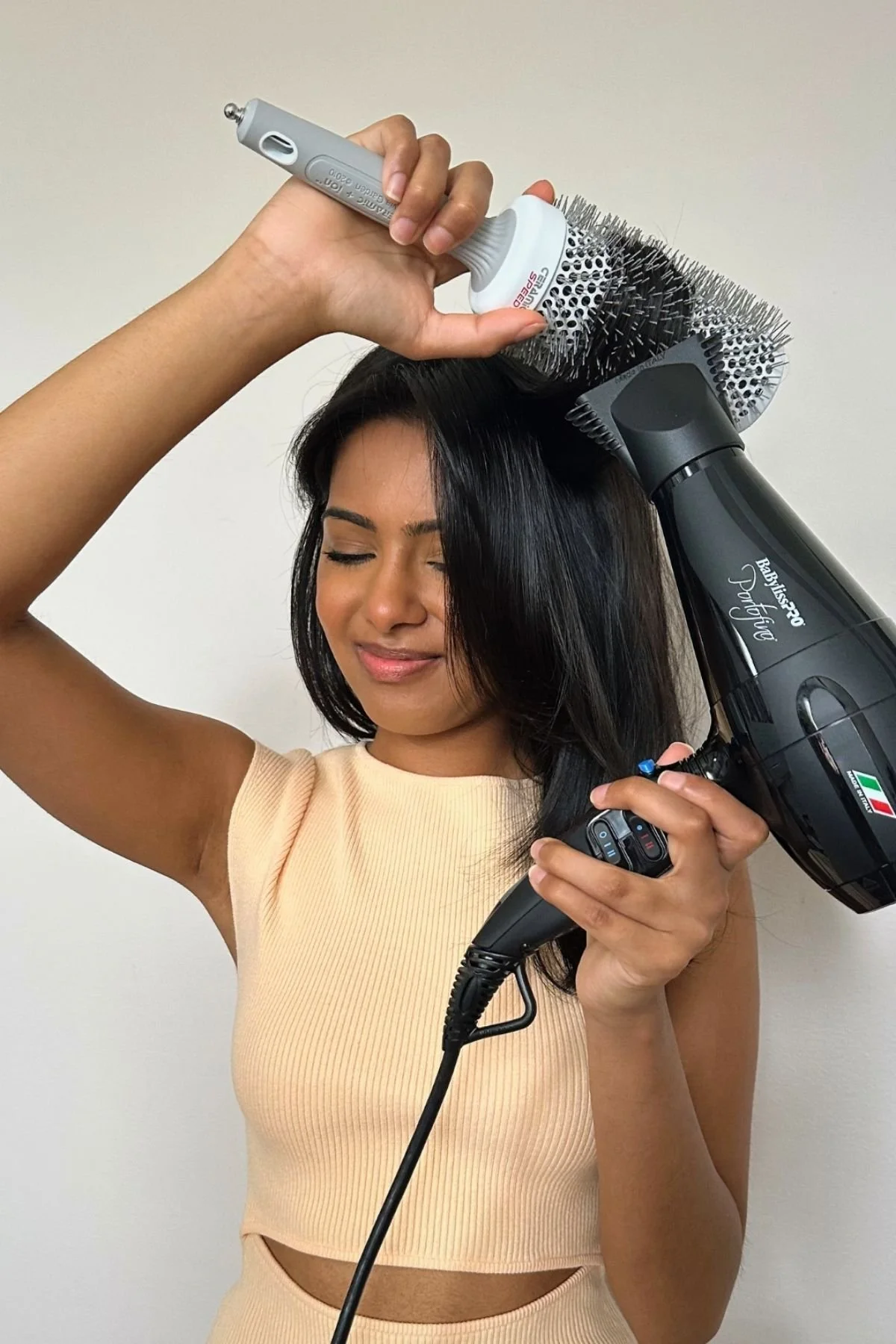
Caption: blowout round brush styling
- Dry shampoo or texturizing spray: Use at the roots to add body and break up a flat silhouette.
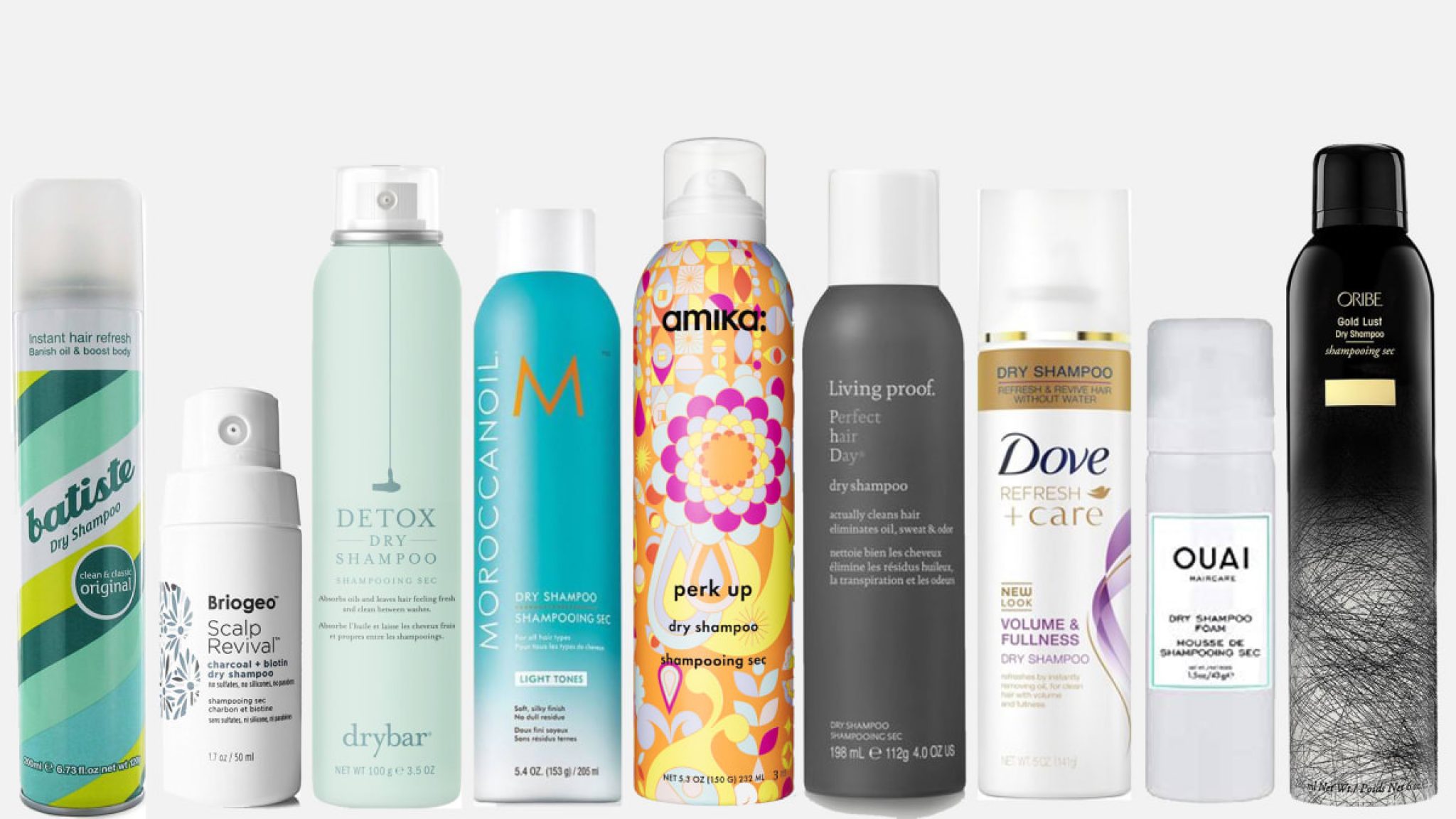
Caption: dry shampoo hair products
- Temporary side-sweep: Pin a small front section back or clip it behind the ear to mimic the visual of a side bang.
- Headband or scarf: A silk scarf or thin headband redirects focus and can feel like a quick style statement while you adapt.
- Soft curl or wave: Use a 1–1.25 inch iron to add loose waves; movement distracts from precise framing and creates an intentional look.
Makeup and Wardrobe Tweaks That Help
Hair works in concert with makeup and clothing. Small adjustments can restore balance instantly.
- Brows and eyes: If the forehead is more exposed, sharpen your brows slightly or emphasize eye makeup to draw attention to your eyes rather than hairline.
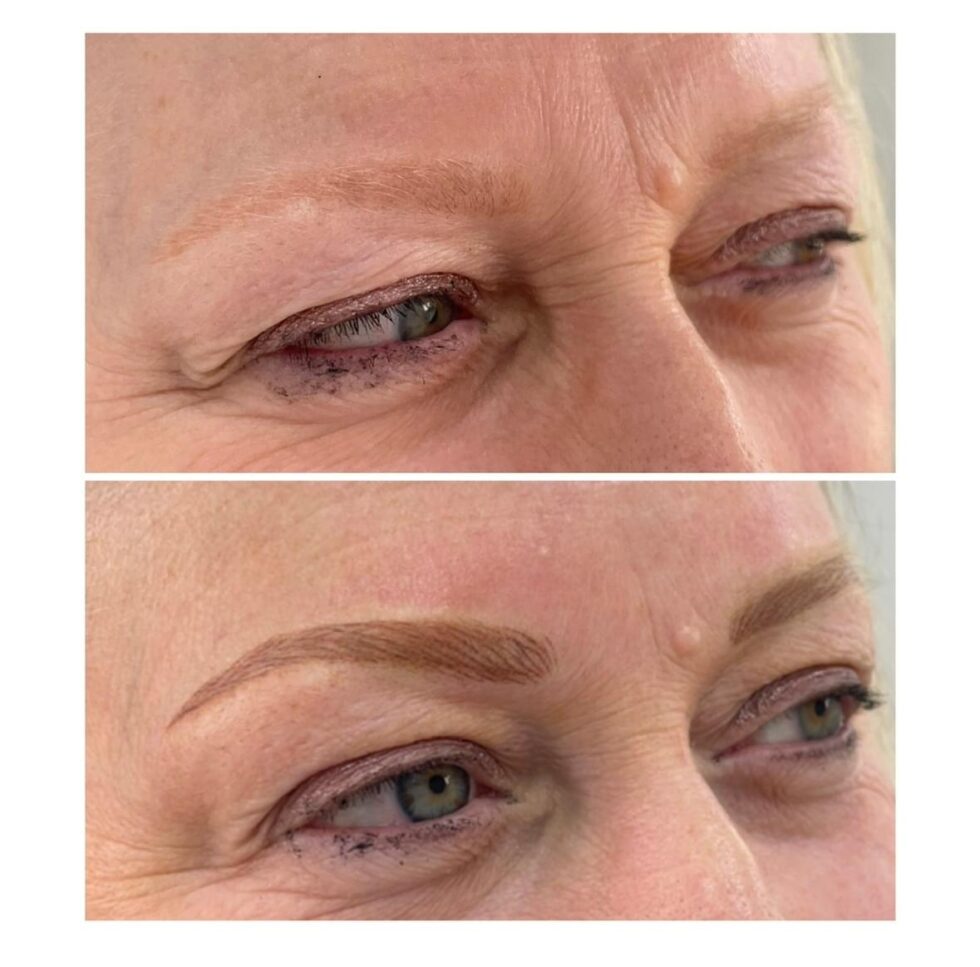
Caption: makeup brow enhancement
- Necklines: Try asymmetric necklines or higher collars that play off the new hair silhouette.
- Statement earrings: A single bold earring or a matched pair gives the eye a deliberate focal point.
When the Cut Is a Technical Mismatch
Sometimes the problem is not style fatigue but a technical mismatch: the layering is too heavy, the face frame wasn't blended, or the stylist misread your face shape. These are fixable.
Call your salon within 7–10 days and ask for a small correction. A good stylist expects tweaks; a collar-length or face-framing adjustment often takes 15–30 minutes. Bring photos of what you expected and show exactly what bothers you — "It feels like it's exposing my cheekbones too much" is clearer than "I don't like it."
If You Miss Side Bangs: Temporary Solutions
Missing side bangs is common — they frame the eye and soften the forehead. If you want the visual without cutting, try these strategies.
- Clip-in fringe: There are lightweight clip-in bangs that blend with your length for a temporary test drive.
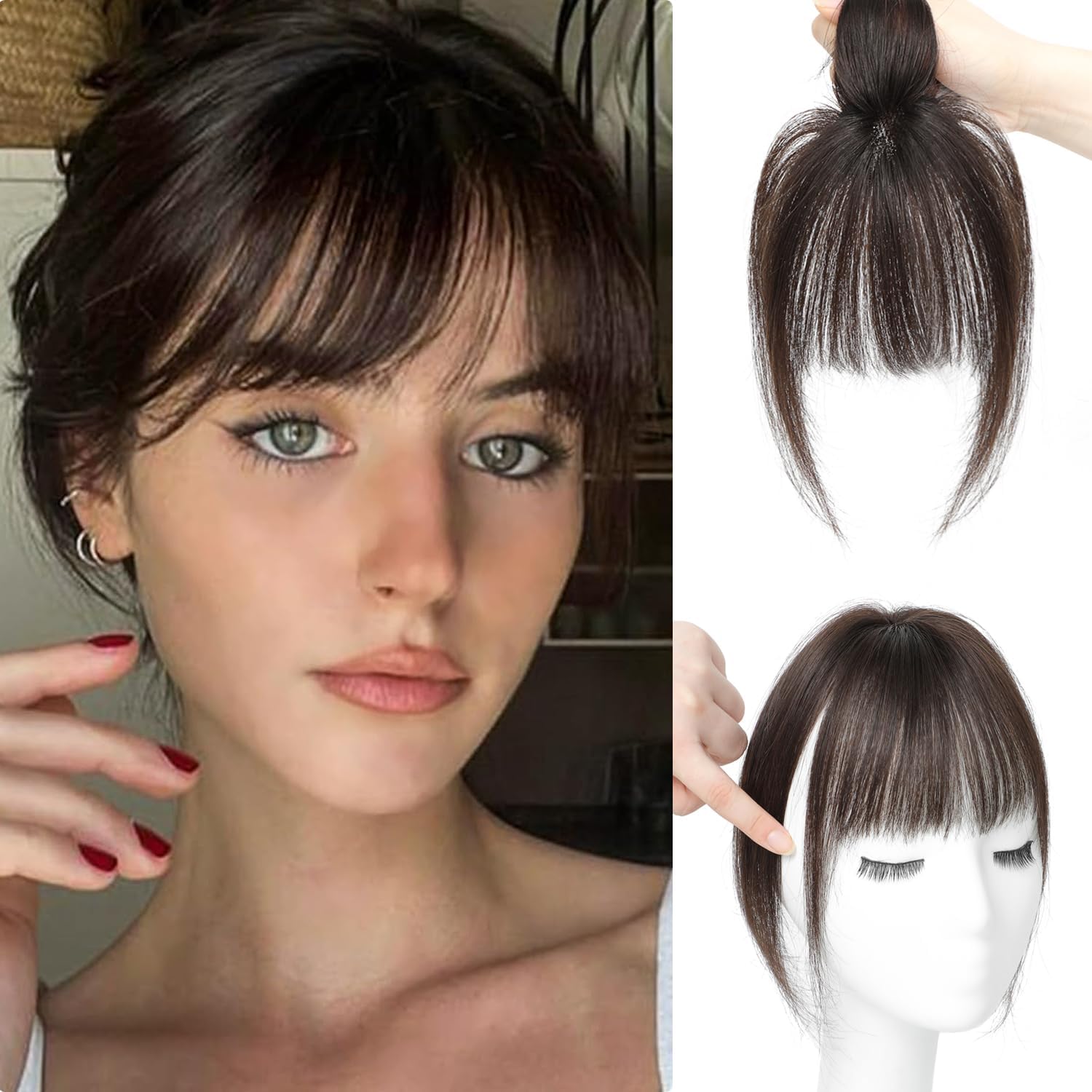
Caption: clip-in fringe bangs
- Strategic pinning: Pin a side front section back loosely to create the illusion of a side sweep.
- Root lift and shape: Blow-dry across the forehead and sweep to the side; a round brush can create a curved fringe without cutting.
Longer-Term Options: Grow, Reshape, or Recut
If after honest evaluation you still want change, you have a few realistic paths. Growing hair out requires patience and maintenance; reshaping can soften what you have without dramatic change; recutting is valid but best planned with photos and a collaborative consultation.
Consider a face-framing trim to reintroduce softer lines without committing to full bangs. Ask for delicate, long layers and point-cutting near the front — techniques that create movement and the suggestion of a fringe while keeping length.
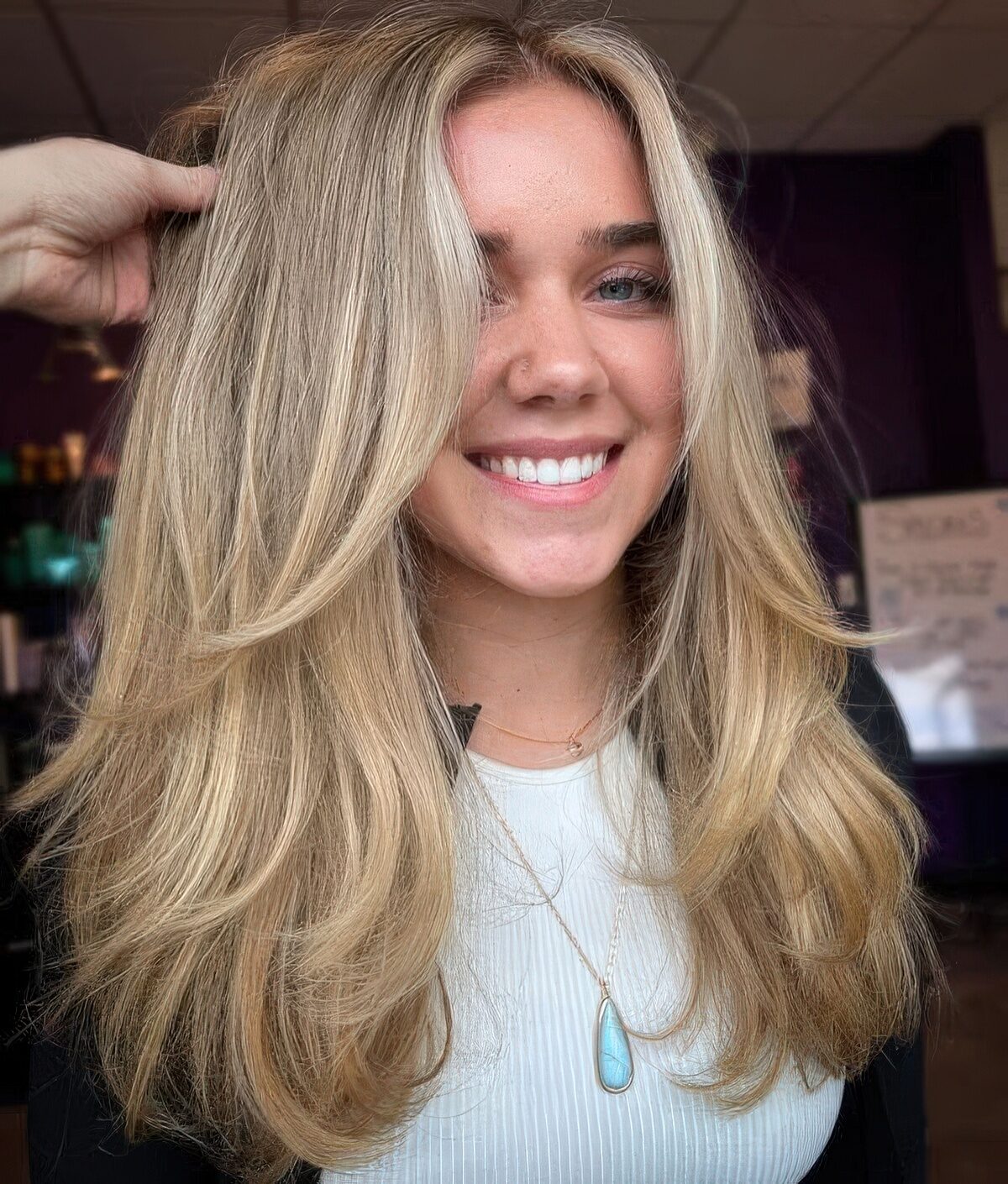
Caption: face framing hair layers
- No side bangs: Easier maintenance, adaptable styles, less daily styling time.
- No side bangs: May feel less face-framing, can expose forehead, initial unfamiliarity.
How to Talk to Your Stylist So This Doesn't Happen Again
Most haircut regrets come from miscommunication. Use these steps next time you sit down in the chair.
- Bring photos: Front, 45-degree, and head-on images of the exact shape and length you want.
- Describe daily routine: Tell them how much time you want to spend styling each day and what tools you use.
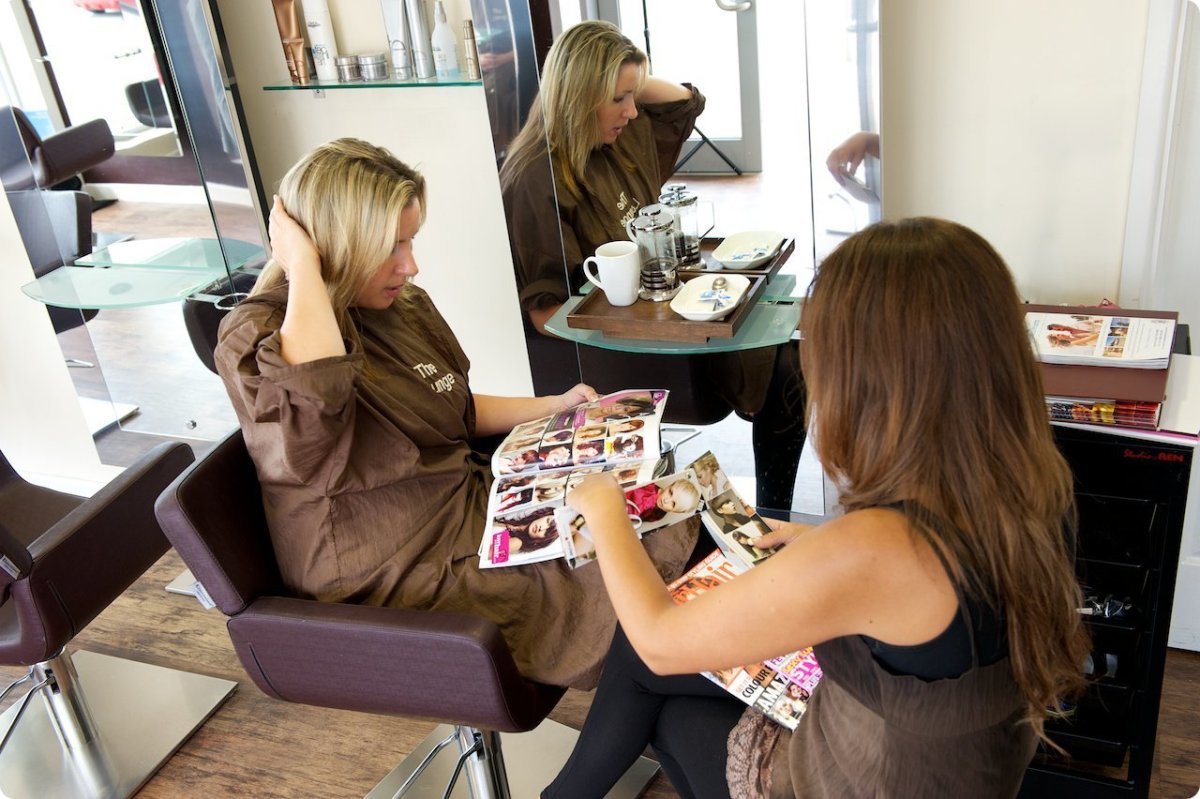
Caption: hairstylist consultation session
- Ask three clarifying questions: What will this do to my face shape? How will it grow out? Can you show me how to style it at home?
- Request a soft test cut: Ask for conservative removal first; you can always cut more but you can't add back.
A clear conversation before scissors meet hair reduces the chance of an unpleasant surprise.
Emotional Care: You're Allowed to Feel Upset
Feeling upset after a haircut is valid. It's a small loss — identity altered and plans unexpectedly changed — and grief looks the same whether it's over a relationship or a bob. Treat yourself with kindness: postpone major social events if you must, use accessories for days you need armor, and reach out to friends who will validate and help problem-solve rather than dismiss your feelings.
When the Answer Is: Not Ugly — But Not What You Wanted
Most likely, you are not ugly. You are adjusting to a haircut that altered the visual cues your brain uses to recognize yourself. The solution is a mixture of practical styling, small corrective cuts if needed, and kindness toward yourself while the hair grows or is reshaped. Quick fixes will often change your perception within a day or two; a short correction with your stylist will fix technical mismatches.
Final Checklist Before You Decide to Recut or Regret
Run these before booking a drastic redo:
- 24-hour test: Sleep, style, photograph.
- Two styling attempts: Blowout and loose wave.
- One honest stylist consult: Ask for a small reshaping appointment rather than a full cut immediately.
- Emotional pause: Wait 3–7 days before making a permanent decision driven by high emotion.
- Feeling "ugly" after a haircut is usually unfamiliarity, not truth.
- Give it 24 hours, style intentionally, and photograph before deciding.
- Quick styling tricks and small corrections often solve the problem.
- Communicate clearly with your stylist next time and bring photos.
- Be kind to yourself while your hair and confidence adjust.
A Note to You
You asked for the truth. The honest, unvarnished answer is that one haircut cannot erase your features, your worth, or your attractiveness. It can shift shapes and require adjustment. That adjustment is normal and fixable. Use the tools here — short-term styling, small professional tweaks, and a pause before a permanent reaction — and you'll likely find a version of the look that aligns with how you want to show up. If after trying those things you still want a change, plan it with intention: bring visuals, be precise about maintenance, and ask your stylist to work in stages.
Above all: the reflection that feels "off" now will feel familiar again. You'll adapt, your hair will grow or be reshaped, and you'll remember that your beauty is more than any single line cut into your hair.