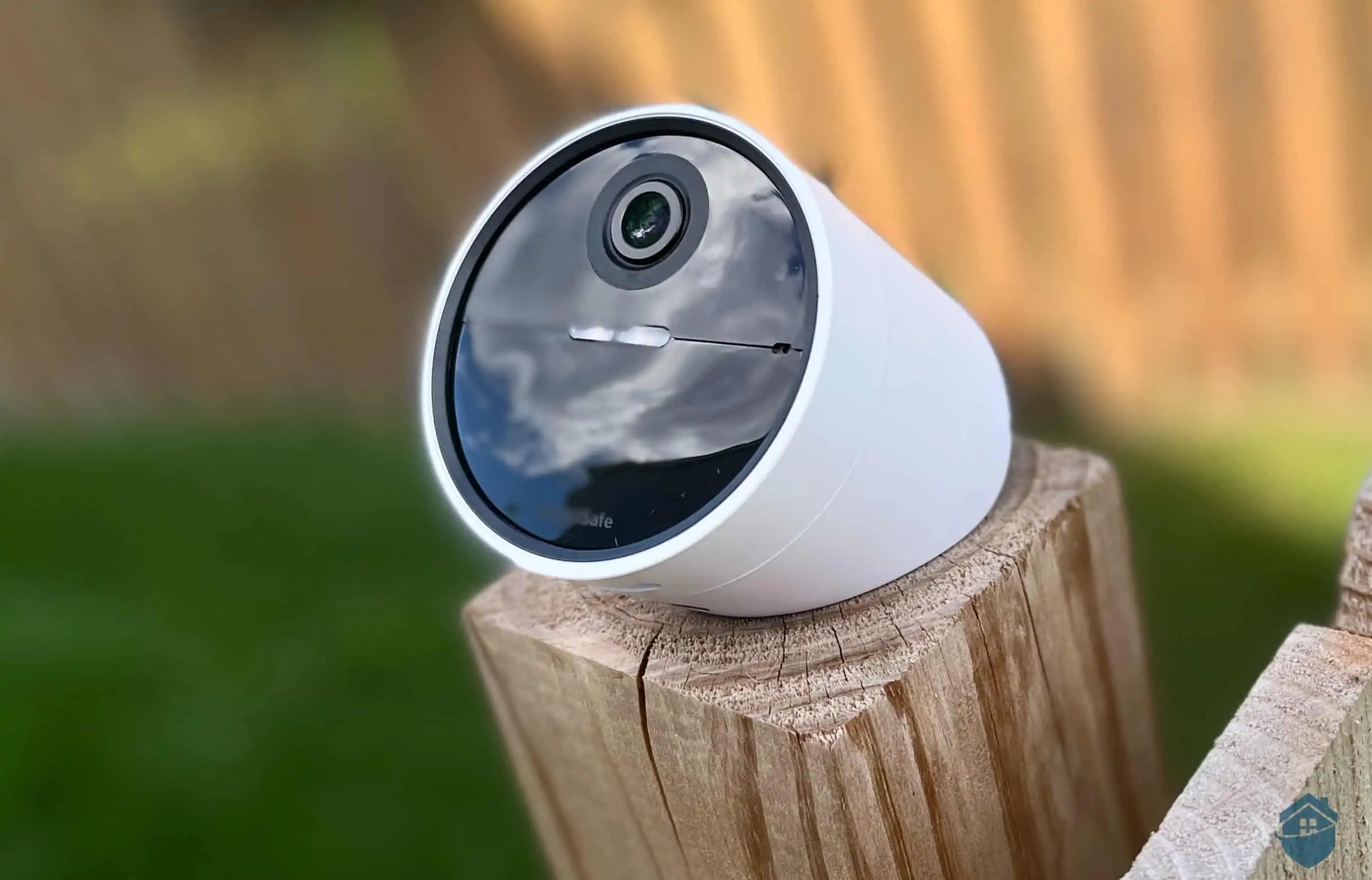
Neighbor Pointed Trail Camera at My Window? What to Do Now
When you notice a neighbor has mounted a trail or game camera that appears to be aimed directly at your window, your heart probably races, and questions flood your head: Is this legal? Are they recording me? Is my family safe? The situation feels invasive and urgent, but the best outcomes come from calm, practical actions. This article lays out exactly what to do next — step by step — from immediate safety moves and documentation to legal options and long-term privacy improvements.
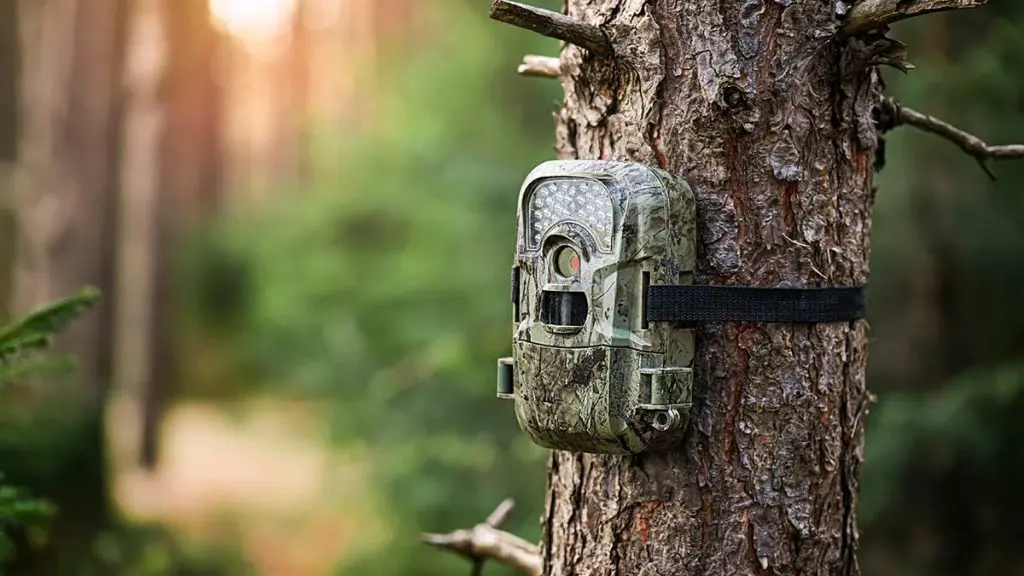
trail camera on tree
How Serious Is This? Understanding the Situation
What a trail camera is and why it matters
Trail cameras (also called game cameras or wildlife cameras) are small, weatherproof devices designed to capture motion-triggered photos or video outdoors. They often include infrared night vision, long battery life, and cellular or SD storage. Because they are inexpensive and easy to mount, they can be used to monitor wildlife — and unfortunately, to surveil people.
Why it feels worse than a binocular glance
Unlike a passerby peering into a window, a camera can record continuously or intermittently, capture identifying details, and store footage indefinitely. Even if it's not connected to the internet, an SD card means the neighbor can review and distribute images later. That persistent, replayable record is what elevates the situation from unsettling to potentially actionable.
Immediate Steps: Protect Yourself Right Now
1) Don't confront immediately — prioritize safety
Your first reaction might be to walk over and demand the camera be taken down. If you believe the neighbor is hostile or intoxicated, or if you're unsure about how they will respond, do not approach them alone. Keep a safe distance and gather information instead.
2) Document the device and its view
Take clear photos or video of the camera from multiple angles, and capture what the lens is pointing at — especially your window, porch, or backyard. Note the date and time on your phone or in a notebook. If possible, record a short video showing the camera's position relative to your property line and windows.
3) Preserve your own privacy immediately
If the camera could be recording your living space, close blinds, curtains, or shades right away. Consider temporarily relocating people or sensitive items away from the window until you confirm whether footage exists and whether the neighbor has accessed it.
Collecting Evidence: How to Build a Strong Record
What to photograph and record
Evidence will be your strongest tool. Collect the following items:
- Photos of the camera from multiple sides showing make/model and mounting method.
- One wide shot showing the camera, your window, and property line to establish the field of view.
- Video walkthrough narrating what you see and the date/time you recorded it.
- Neighbor interactions — save texts, emails, or notes from any in-person conversations.
- Witness statements from neighbors who saw the camera being installed or who share concerns.
Time-stamping and backups
Set your phone to display date and time prominently or write the time on paper in frame when you record. Backup all files to cloud storage or an external drive. Keep unedited originals; avoid cropping or altering images that could later be challenged in court.
A clear, timestamped record is what turns an invasion of privacy into evidence that authorities can act on.
Legal Considerations: What the Law Typically Says
Privacy expectations and public vs. private spaces
Laws vary by state and country, but a common legal framework is simple: you generally have a reasonable expectation of privacy inside your home and in areas not visible to the public. If the camera records into your private spaces (bedrooms, bathrooms, living rooms), that is more likely to be illegal than a camera that only captures activity in a visible yard.
When recording may be criminal
Recording nudity, sexual activity, or other intimate conduct without consent often constitutes a criminal offense (sometimes called voyeurism or peeping). Intent to harass or stalk can also elevate the crime. If footage is shared or threatens your safety, criminal charges may apply.
Civil remedies
Even where criminal law doesn't apply, civil claims such as nuisance, invasion of privacy, intentional infliction of emotional distress, or trespass may be possible. A lawyer can advise whether a cease-and-desist letter or a civil suit is appropriate for your circumstances.
How to Talk to the Neighbor (If You Choose To)
Plan your approach
If you believe a calm conversation is safe and productive, prepare first. Decide your objective: remove the camera, reorient it, or agree on boundaries. Bring documentation — a photo of the device and notes. Consider a neutral third-party neighbor or mediator to join you.
What to say
Use a calm, non-accusatory tone. Example script: "I noticed a camera near your property that appears to be pointing toward my window. I'm concerned about privacy. Can you tell me what it's for, and would you be willing to point it away from my home or remove it?" Record the conversation if your state allows recording without consent; otherwise, take notes and ask the neighbor to confirm any agreement in writing.
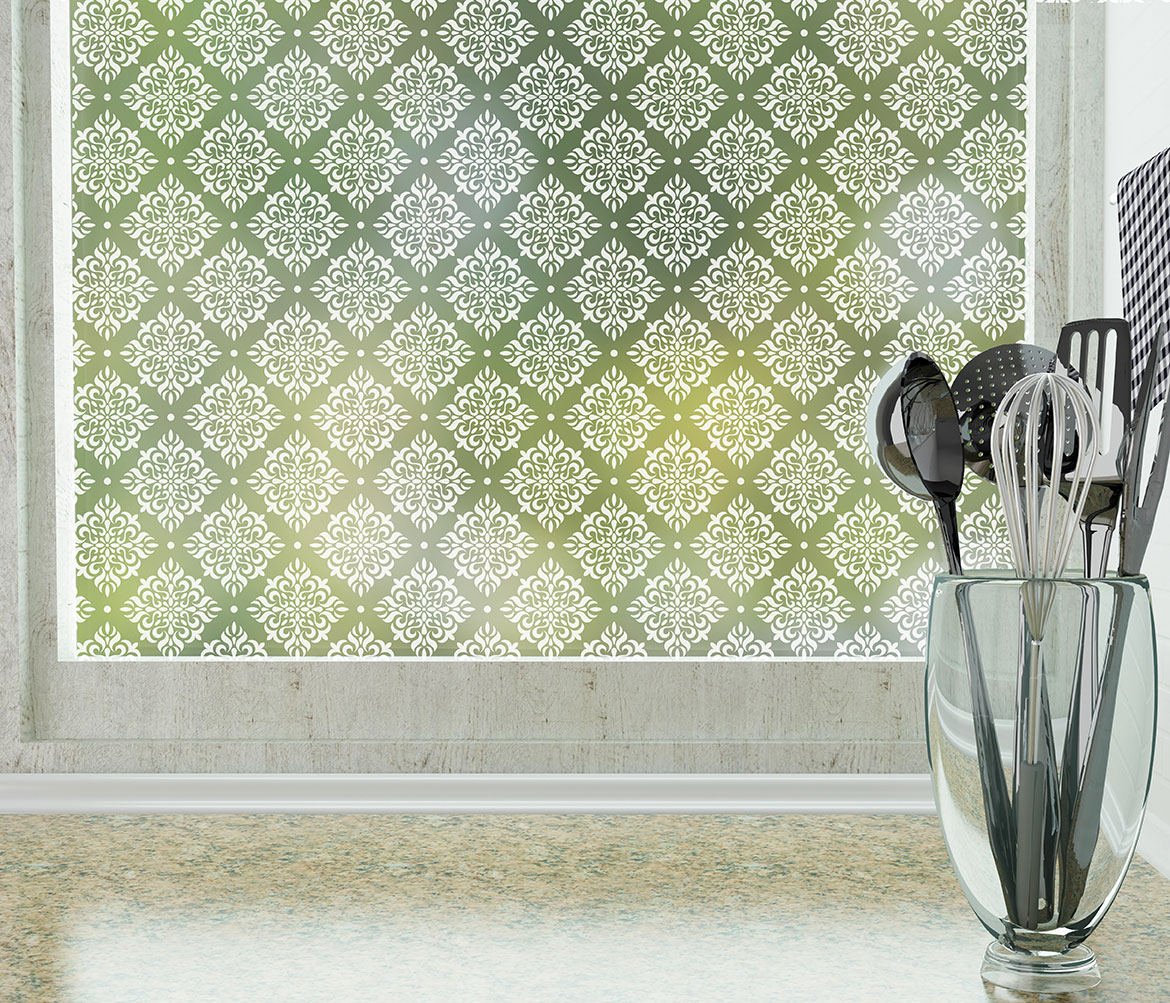
privacy film on window
When to Involve Authorities
Call the police when:
- You feel threatened or the neighbor behaves aggressively when approached.
- The camera records intimate spaces like bedrooms or bathrooms.
- You find evidence that footage has been used to harass, intimate, or distribute images of you or family members.
Provide police with your documentation and ask for an incident report. An official report helps if you later pursue civil action or a restraining order.
When to seek legal counsel
If the conduct continues, if the neighbor refuses to remove or reorient the camera, or if footage is distributed, consult an attorney who specializes in privacy, harassment, or property law. Many lawyers offer a short initial consultation to assess whether you have a strong civil claim.
Escalation: Civil and Criminal Options
Cease-and-desist letters and restraining orders
An attorney can send a cease-and-desist letter demanding removal and preservation of footage. If harassment or stalking is present, you may be able to obtain a civil harassment restraining order that requires the neighbor to stop surveillance and stay away from you.
Civil litigation
Depending on harm, you could sue for invasion of privacy, emotional distress, or trespass. Courts can award damages and injunctions to prevent future surveillance. Consider the time, expense, and emotional toll of litigation; often an injunction or agreement is the practical solution.
Criminal charges
If police find evidence of voyeurism, stalking, or distributing intimate images without consent, prosecutors may bring charges. Criminal penalties can include fines, probation, imprisonment, and registration requirements in extreme cases.
Documentation and a calm, methodical approach are the keys to getting law enforcement and courts to take your claim seriously.
Preventive and Long-Term Privacy Measures
Physical fixes to block lines of sight
Short-term: close blinds or hang temporary privacy fabric at windows. Medium-term: install privacy film (frosted or one-way mirror film) on lower windows to block direct view while keeping light. Long-term: plant hedges, install privacy fencing, or build a lattice with climbing plants to block sightlines from adjacent properties.

frosted window film
Tech solutions
Consider adding your own exterior security measures: visible deterrent cameras facing outward, motion-activated lights, and smart doorbell cameras that record activity on your property. These tools not only document wrongdoing but can deter a neighbor from attempting surveillance.
- Privacy film is affordable and quick to install.
- Hedges and fences provide durable, passive privacy.
- Physical barriers may require permits or HOA approval.
- Adding cameras can escalate neighbor tensions if not handled carefully.
If Footage Already Exists or Has Been Shared
Immediate damage control
If you learn that footage was recorded and shared, note where it appeared and save copies. Ask platform providers to take down images (many social platforms have reporting tools for non-consensual imagery). Contact police if images are intimate or used to threaten or extort you.
Digital cleanup and evidence preservation
Do not engage with those distributing footage. Preserve evidence by taking screenshots and securing timestamps. Ask an attorney about subpoenaing the neighbor's service provider or social platform to obtain original files and metadata if you pursue legal action.
Practical Scenarios and Scripts
Script for a calm in-person ask
"Hi, I noticed a camera on your property that seems to point toward my window. I'm uncomfortable with it recording my home. Would you please point it away or take it down? I'd like to resolve this neighbor-to-neighbor."
Script for a firm written demand
"I observed a camera installed on [date] near [location]. It appears to record my private residence at [address]. Please remove or reorient the device within 48 hours. If the camera remains, I will pursue legal remedies. Please confirm in writing."
When to Seek Professional Help
Privacy or security consultant
If you suspect sophisticated surveillance (multiple cameras, thermal imaging, or hidden microphones), hire a certified counter-surveillance or security consultant to sweep your property and make professional recommendations.
Attorney and mediator
Contact an attorney experienced in privacy or property disputes for serious or persistent invasions. For lower-stakes conflicts, a mediated conversation through a community mediator or homeowners association can often produce a quick resolution.
PracticalDocument everything and prioritize safety
Conclusion: Take Back Your Privacy
Finding a neighbor's trail camera pointed at your window is alarming, but careful steps will protect your safety and legal position. Document everything, secure your private spaces, and decide whether a conversation, police report, or legal action is the right next move. Combine immediate fixes like closing blinds with longer-term investments such as privacy film, landscaping, and outward-facing cameras to reclaim control. Above all, move deliberately: the right mix of evidence, calm communication, and legal pressure usually produces a practical resolution.
- Document the camera and its view with timestamped photos and videos.
- Prioritize safety: do not confront a hostile neighbor alone.
- Prioritize safety: do not confront a hostile neighbor alone.
- Close blinds and use temporary privacy measures immediately.
- Contact police if intimate footage exists or you feel threatened.
- Consult an attorney for persistent or shared recordings.
If you feel unsafe at any point, contact local authorities immediately. This article provides general information and does not replace legal advice.