NASA Photos 50 Years Apart: Apollo 17 (1972) vs Artemis II (2026)
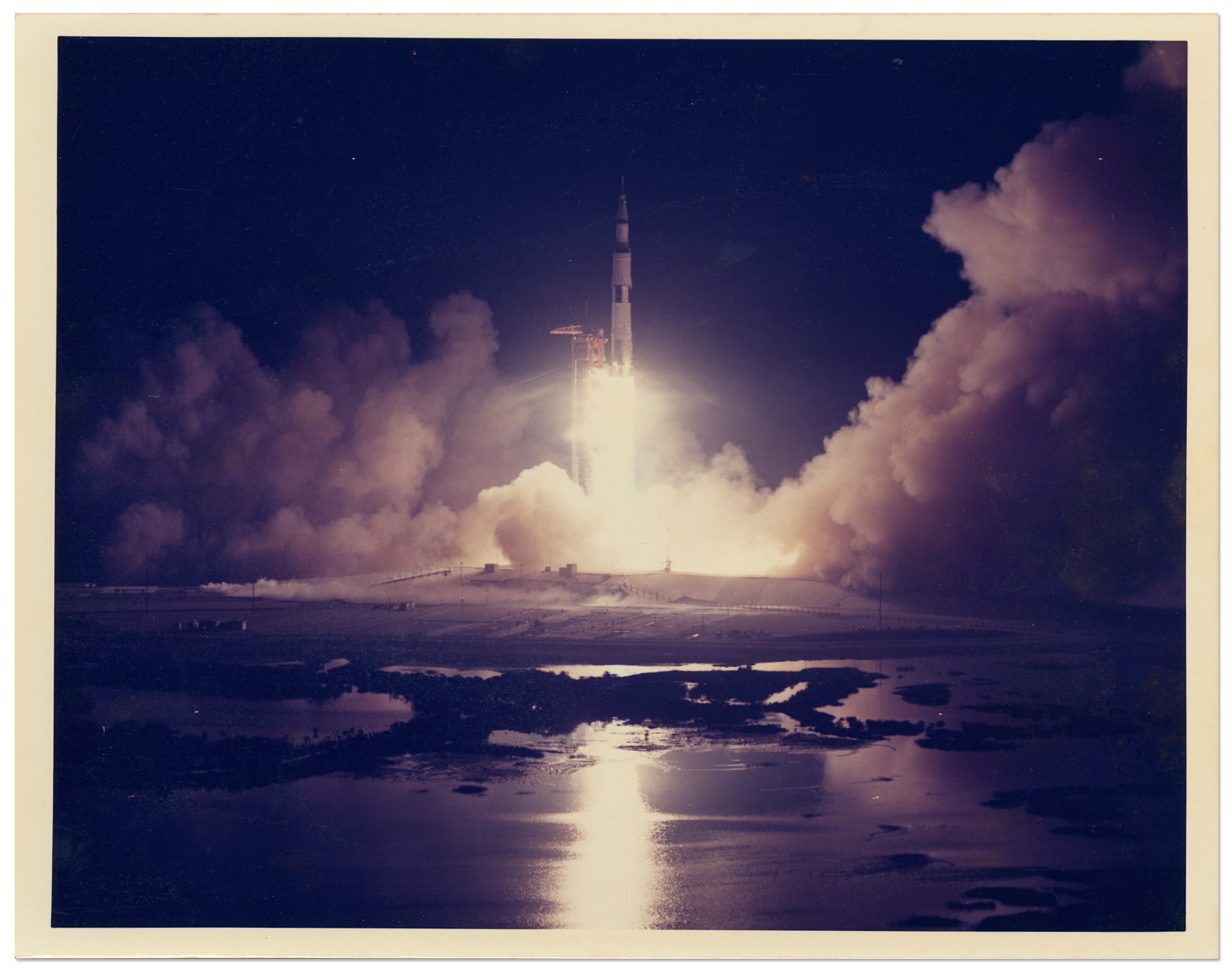
Apollo 17 mission photography
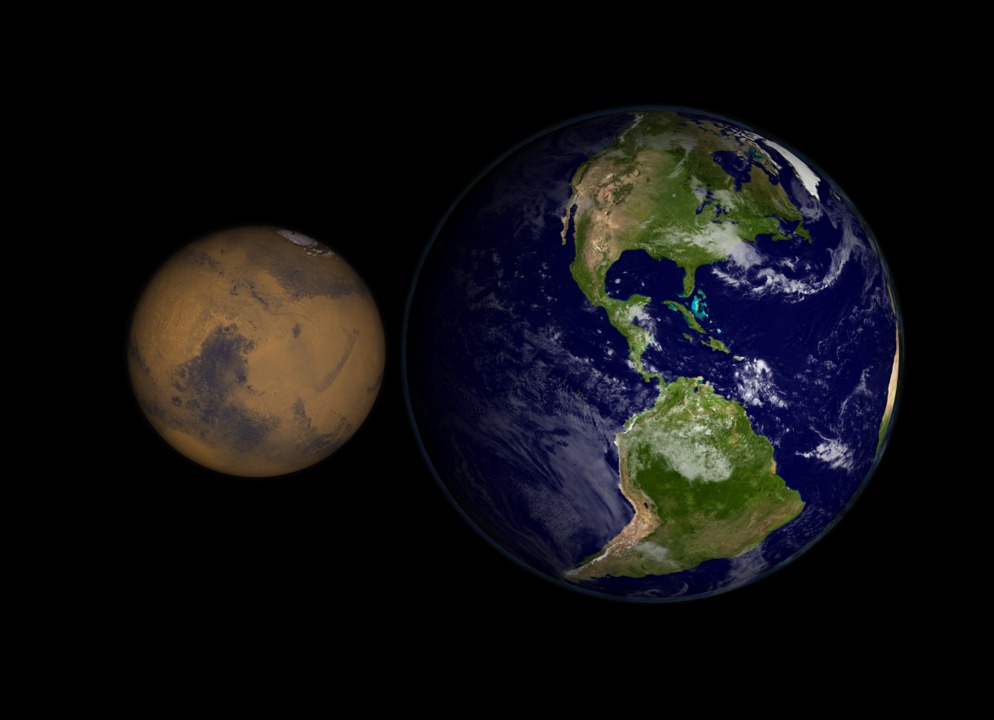
Fifty years can feel like a lifetime on Earth and a breath of history in space. In 1972 astronauts aboard Apollo 17 trained giant Hasselblad cameras out across the void and made some of the most iconic photographs of our planet: deep blues, fractured clouds, and the delicate arc of the atmosphere. In 2026, astronauts on Artemis II repeated that simple human act—photographing the world they left behind—but with sensors, software, and operational priorities that would have sounded like science fiction to the crews of Apollo. This article compares those images not as a factual side-by-side of identical frames but as a narrative about how technology, mission design, and culture changed the way we capture and interpret pictures of Earth from lunar distances.
Why Two Photos Matter
On one level, a photograph of Earth from space is a factual object: a record of light collected from a particular place at a particular time. On another level it is a cultural artifact, a device for shaping meaning. Apollo-era photographs—grainy, carefully composed, often framed by the spacecraft—helped create an emerging global consciousness in the 1970s. Modern images from Artemis II arrive into an environment saturated by near-instant imagery, global datasets, and sophisticated image processing. Comparing them illuminates how the technology of capture and the ecology of dissemination changed our relationship with the planet.
Apollo 17: The Photography of an Era
Apollo 17 was the last of the Apollo lunar landing missions, and it carried with it the refined practices and proven instruments of a program that had matured over a decade. The film cameras used on those missions—notably the modified Hasselblad models—were mechanical marvels designed to perform reliably in vacuum and under temperature extremes. Film stocks of the era offered pleasing color rendition and a cinematic grain but limited dynamic range and a fixed sensitivity. Astronauts framed images manually, selected exposures based on experience and training, and relied on the tactile feedback of film magazines and light meters.
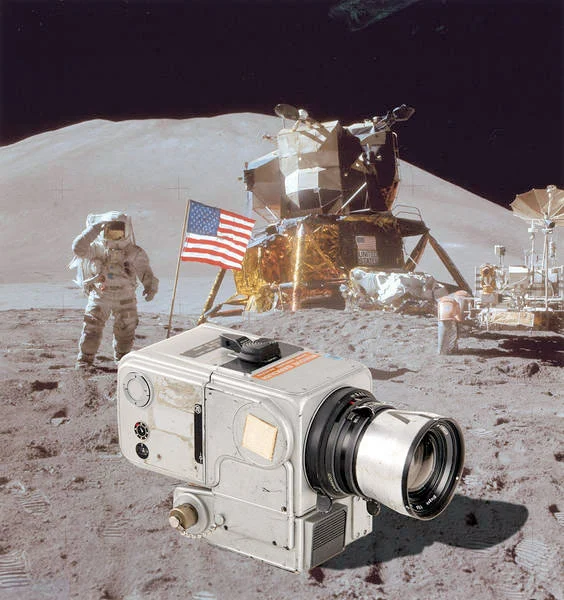
Hasselblad film camera space
"A single Apollo photograph carried the heft of days of preparation, and when it arrived in public view it became an emblem, not just a picture."
Artemis II: Sensors, Software, and Speed
Fast-forward to Artemis II in 2026 and the picture-taking toolkit looks different in every dimension. Digital sensors replaced film, delivering exponential gains in sensitivity, dynamic range, and instantaneous feedback. Modern cameras capture metadata—attitude, GPS, exposure parameters, timestamps—automatically, embedding context that researchers can mine later. Stabilization systems, computerized pointing, and even AI-assisted framing make it possible to produce technically flawless images from moving platforms. The result is not merely crisper photographs; it is richer datasets that serve both public storytelling and scientific inquiry.
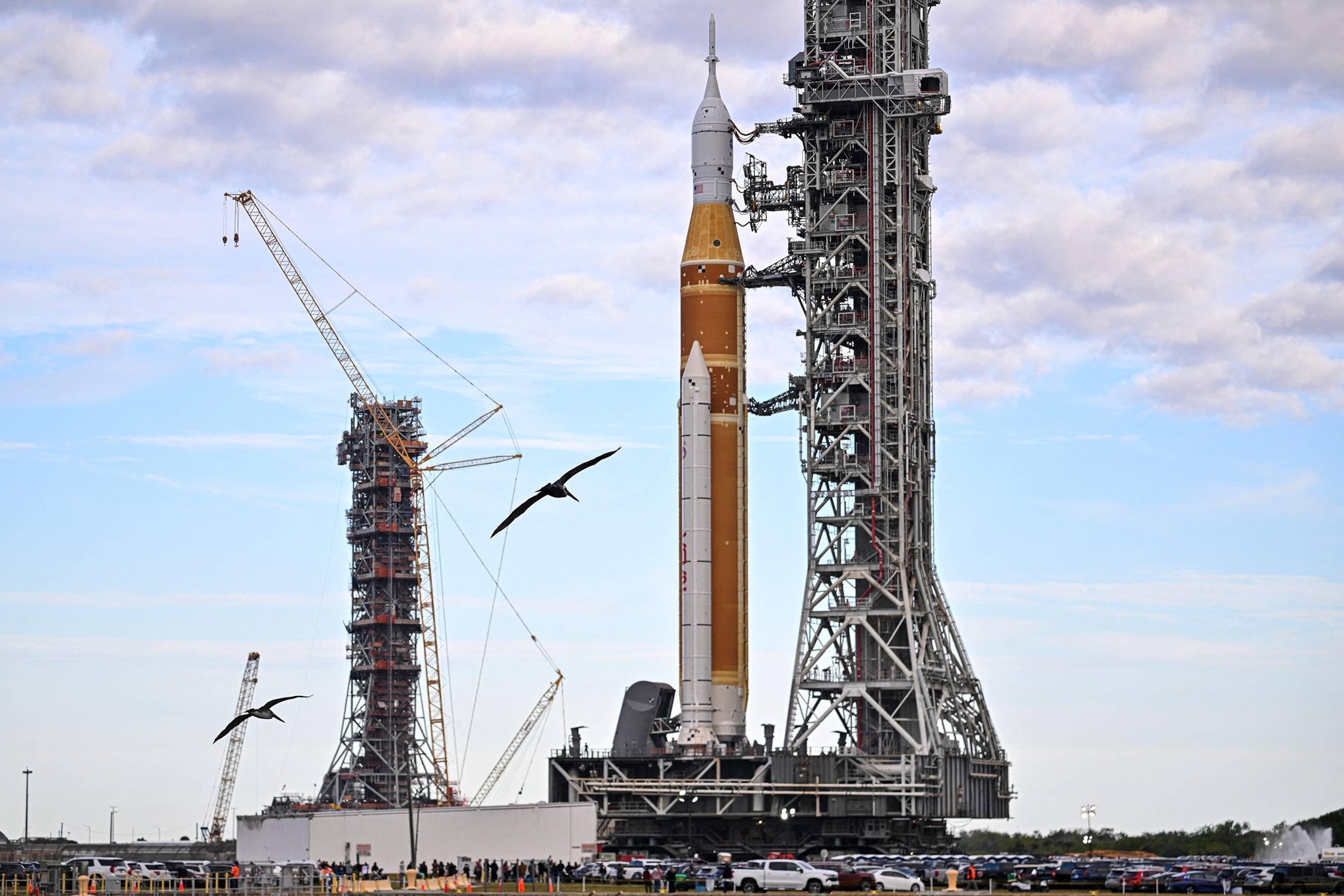
Artemis II spacecraft photography
Technical Comparison: Film vs Digital
Some of the most instructive differences are technical and measurable. Film grain imparts texture and a certain tonal character; it also limits the ability to retrieve detail from shadows or highlights. Modern CMOS and CCD detectors provide higher signal-to-noise ratios, broader dynamic range, and precise color channels that can be calibrated to known irradiance standards. Where Apollo-era photos required chemical development and scanning for digital distribution, Artemis-era images arrive nearly instantly as high-resolution files, ready for post-processing and overlay with satellite data.
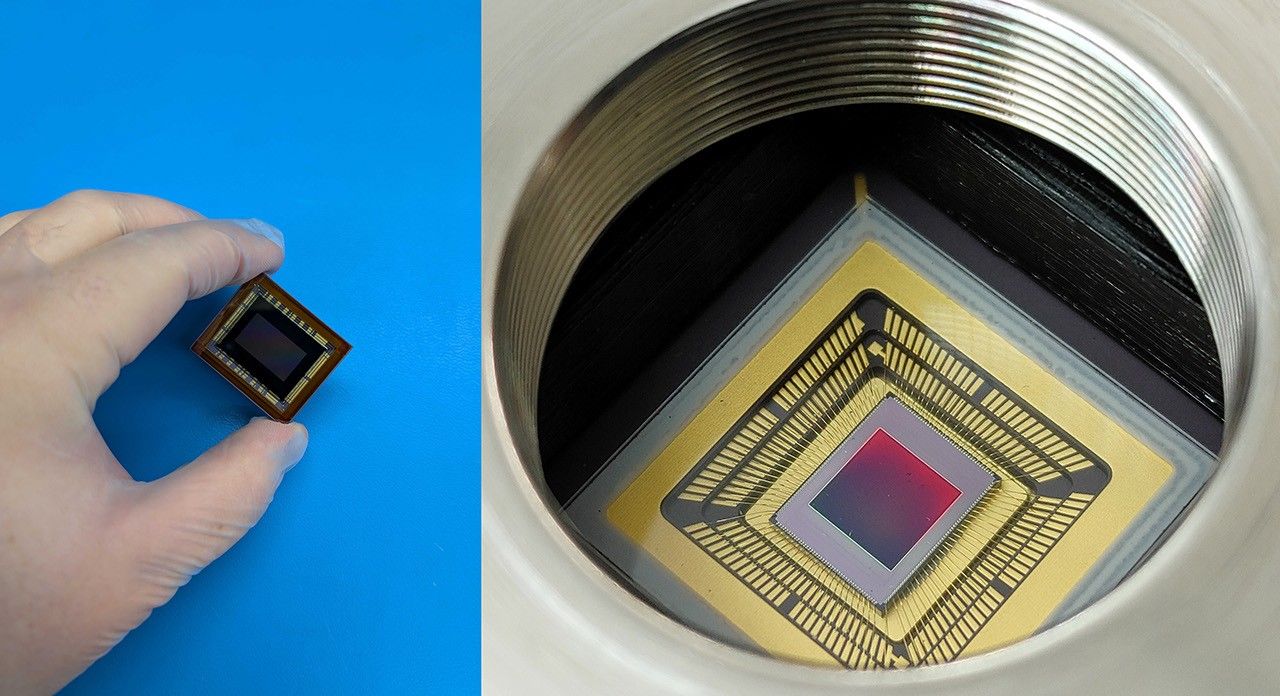
CMOS digital sensors NASA
A Tale of Two Vantages
Beyond camera hardware, the vantage—the position, orientation, and lighting at the moment of capture—matters tremendously. Apollo 17 images were often shot during specific mission phases: translunar coast, lunar orbit insertion, surface operations, or Earthrise from lunar orbit. Artemis II, as a crewed lunar flyby and demonstration of Orion capabilities, offered different windows: extended cislunar transit, a coordinated photography plan with ground teams, and targeted opportunities timed for optimal Earth illumination. The angle of the Sun, the portion of Earth visible, and seasonal differences all influence cloud cover and surface albedo, so a comparison must account for these geometric realities rather than assume that two images separated by five decades should match pixel-for-pixel.
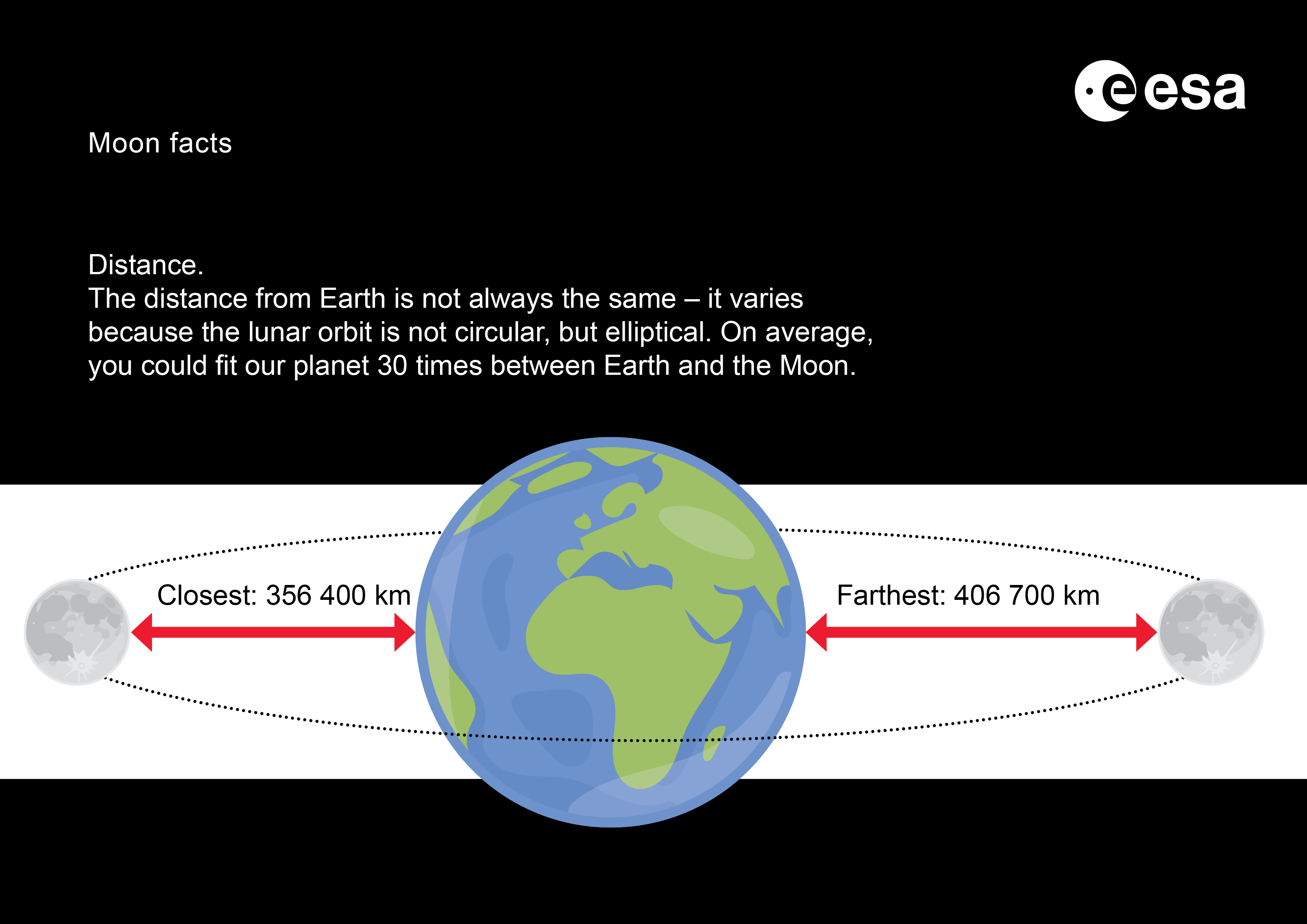
Earth from lunar distance
Caption: Left—classic Apollo-era framing and film grain; Right—Artemis-era digital fidelity and expanded metadata.
Color, Calibration, and the Problem of 'True Color'
How 'true' is a photograph's color? With film, color rendition depends on film stock, chemical processing, and scanning choices. With digital sensors, color depends on sensor spectral response, white balance algorithms, and color science pipelines. Both eras required interpretation. Modern image pipelines can provide calibrated radiance values and convert them into color spaces tied to standards, enabling researchers to extract quantitative information about aerosol load, chlorophyll reflectance, and surface temperature proxies. The practical upshot is that Artemis II images can be used not only to inspire but also to quantify, whereas Apollo photos were primarily qualitative and evocative—though immensely valuable for their time.
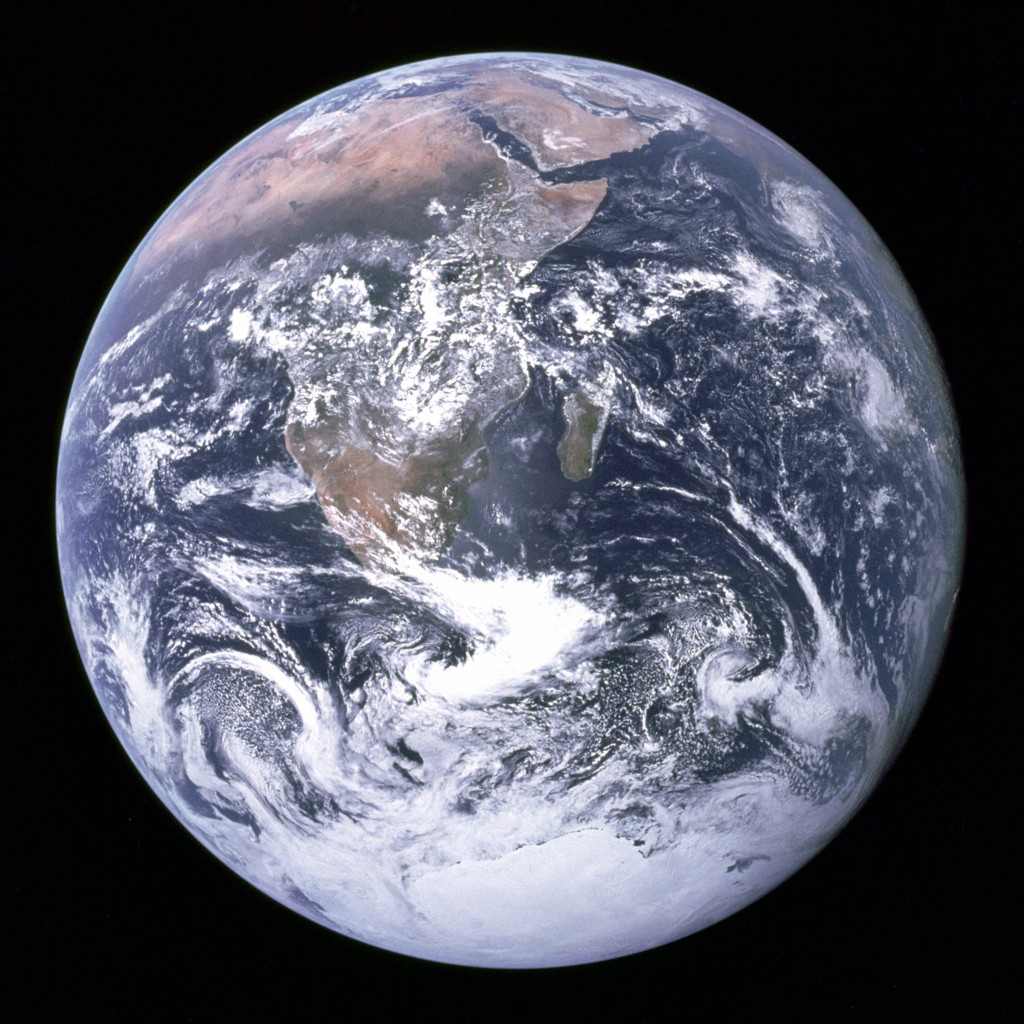
Blue Marble Apollo 17
Science Beyond the Aesthetic
Photographs of Earth from lunar distances are not just art; they feed into science. Wide-angle imagery captures synoptic cloud patterns, large-scale dust events, seasonal snow and ice extent, and major storm systems. When combined with ground-based observations and satellite records, these images form a time-lapse of planetary change. Comparing Apollo-era views with Artemis II imagery offers insight into long-term shifts—coastline changes, persistent urban growth visible from space, and dramatic alterations in land cover. But scientists must approach such comparisons with caution: different sensors, viewing geometries, and times of year introduce confounding variables that must be normalized before drawing firm conclusions.
Did You Know? A single modern image file from a crewed spacecraft can contain dozens of embedded metadata fields—attitude, precise timestamp, temperature, and more—turning a photograph into a compact scientific record.
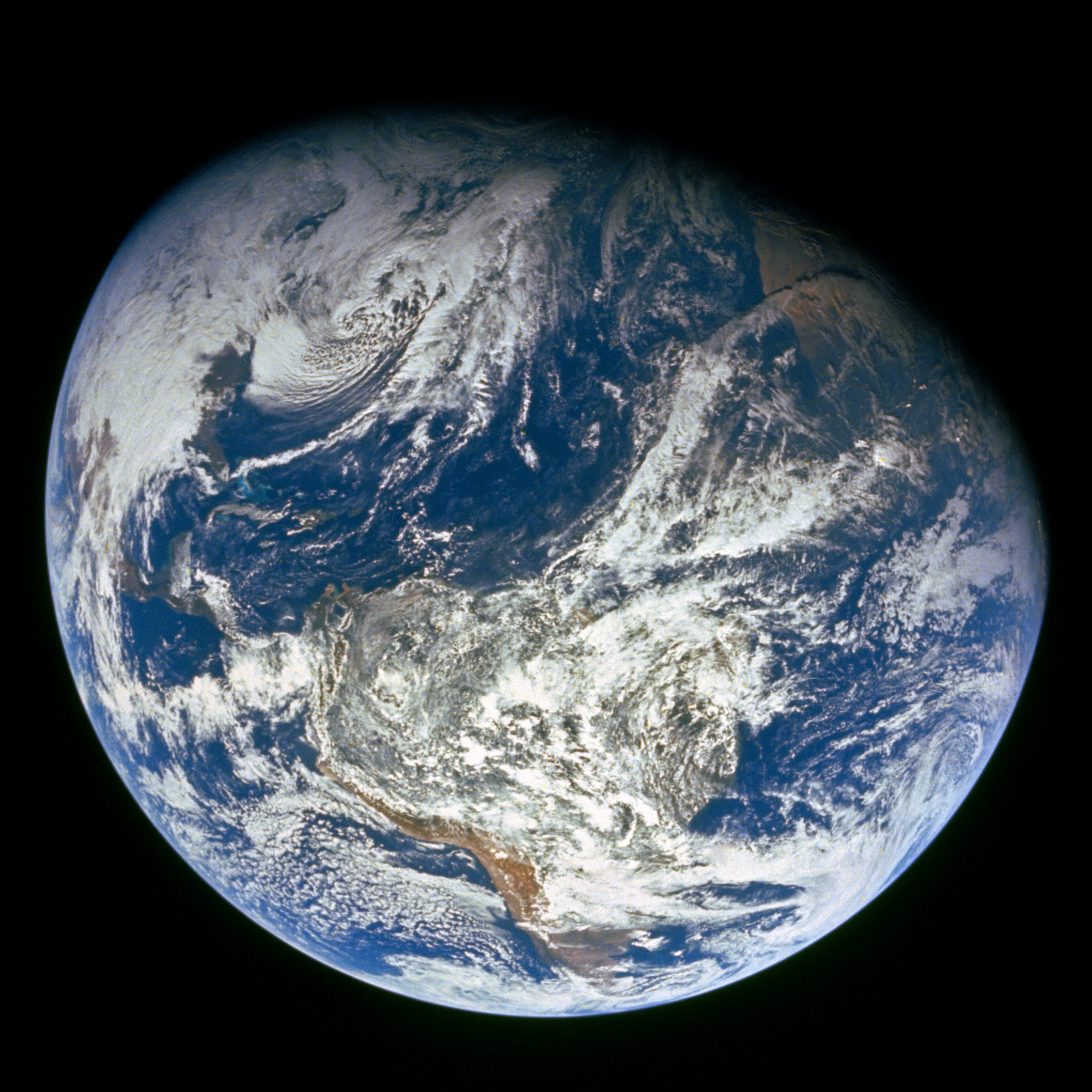
NASA astronaut photography Earth
Public Access and the Ecology of Images
Another major change between 1972 and 2026 is the ecology of dissemination. Apollo images were distributed through news agencies and printed press; they were moments that built slowly into the cultural record. Artemis-era images, by contrast, enter a global social feed within minutes. That immediacy shapes public reception: images are annotated, remixed, and debated in real time. It also raises new questions about stewardship and curation. Which images become canonical? Who decides how edits or color corrections are applied before mass sharing? NASA and partner agencies now maintain controlled but public archives that aim to preserve original data alongside editorially processed versions intended for public consumption.
Ethics, Narrative, and the Power of the Frame
Photographs shape narratives. The Blue Marble photograph from 1972 became shorthand for planetary unity, influence public policy conversations about the environment, and inspired artistic responses. Images from Artemis II will perform similar symbolic work, but in a landscape crowded with competing visuals and hotbeds of misinformation. Responsible presentation—clear metadata, transparent processing notes, and accessible scientific context—helps keep images informative rather than merely sensational. The curatorial practices of the present must balance storytelling urgency with archival integrity.
Practical Uses: What Astronaut Photographs Still Provide
Even in an era of satellites that continuously monitor Earth, photographs taken by humans in space retain unique value. Astronauts can make targeted observations, choose framing based on human perception, and notice phenomena that automated systems might miss. Human sight can prioritize anomalies—an unusual algal bloom, a new river channel, or the atypical reflectance of a wildfire plume—and prompt detailed follow-up by satellites. Artemis II imagery, therefore, complements long-term remote sensing rather than replacing it.
Limitations and Misinterpretations
Comparing images across half a century invites misunderstandings if context is ignored. Differences in seasonality, solar angle, atmospheric conditions, and sensor sensitivity can all be falsely read as environmental change. Rigorous comparison demands careful normalization: converting to common reflectance units where possible, annotating viewing geometry, and pairing photos with satellite time-series that sample the same regions frequently. Without such care, the visual power of a photograph may mislead more than it informs.
Pro Tip When comparing historic and modern space photographs, always check the timestamp, solar elevation angle, and viewing geometry before interpreting environmental change.
A Cultural Mirror: How We See Ourselves
The two missions reflect different cultural moments. Apollo 17 operated in an era when the idea of the planet as a fragile whole was coalescing in public imagination. Artemis II arrives into a world that already knows the Blue Marble but now asks tougher questions about climate, equity, and stewardship. The images from each mission do more than document—they participate in a conversation about what we value and how we respond to planetary change.
"Images from space have always been both evidence and exhortation—proof of change and a call to care."
Looking Forward: The Value of Long Baselines
There is undeniable power in long baselines. A fifty-year gap between human photographs of Earth from lunar distance gives scientists and storytellers a chance to observe macro-scale changes that shorter records miss. As more missions add their own frames to that timeline, the archive becomes less an anthology of singular moments and more a continuous ledger of planetary health and human presence.
Key Takeaways
- Photos from Apollo 17 and Artemis II tell a dual story of technological leap and cultural continuity.
- Technical differences—film grain vs digital sensors, dynamic range, metadata—shape how images are used for science and storytelling.
- Direct visual comparisons require careful normalization for season, geometry, and sensor characteristics.
- Astronaut photography remains valuable for targeted observations and public engagement, complementing satellite monitoring.
- Long-term image archives are vital for understanding planetary change and guiding policy.
Conclusion
Fifty years separate Apollo 17 and Artemis II, but both missions share an abiding human impulse: to look back and reckon with the view. Technological advances mean modern images arrive with more data, better fidelity, and faster distribution—but they serve the same basic human purpose as their predecessors: they invite wonder, demand scrutiny, and ask us to consider our place on a pale, fragile globe. When we stitch together photographs across decades, we get more than a visual timeline; we get an archive of attention, responsibility, and hope. In that sense, every new photograph from space is less an endpoint than an invitation to care for the planet the camera has captured.
50Years between Apollo 17 (1972) and Artemis II (2026) photographs