Musk Emails Reveal Requests to Visit Jeffrey Epstein's Island

Elon Musk Jeffrey Epstein emails
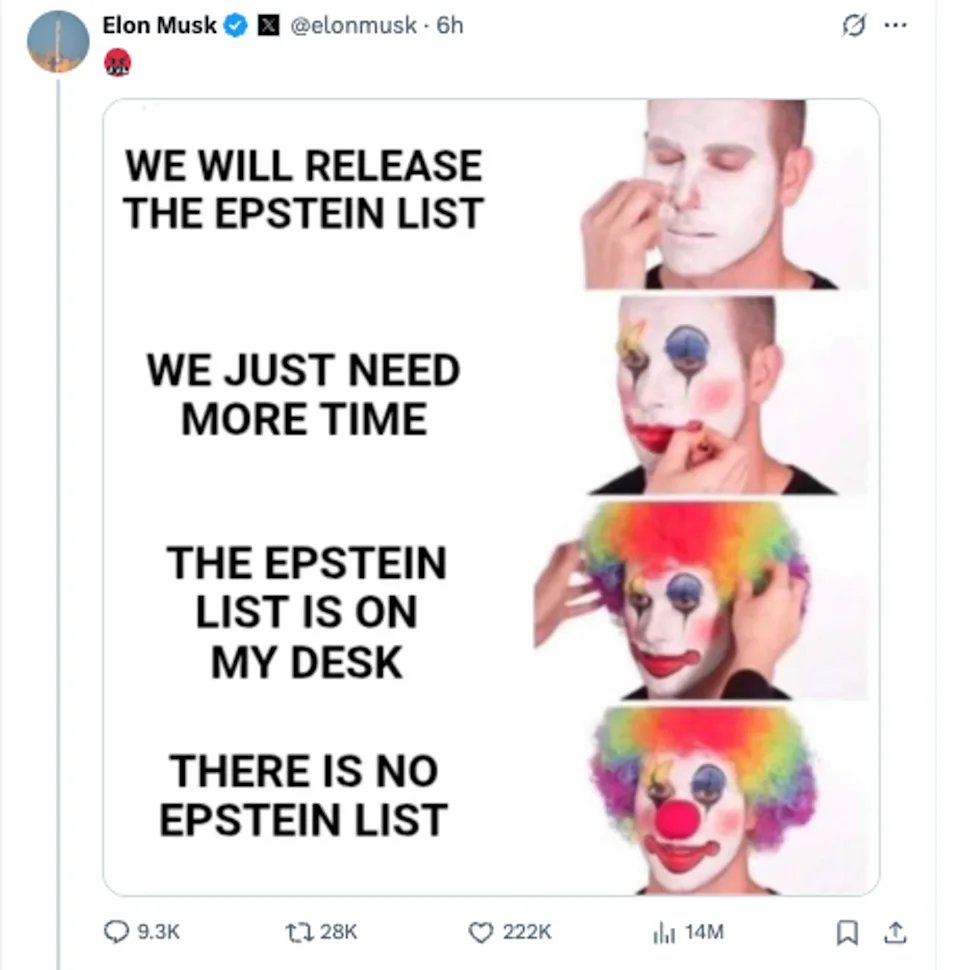
The Department of Justice's latest publication of Jeffrey Epstein-related documents, a trove totaling millions of pages released at the end of January 2026, and the media coverage that followed have focused public attention on one striking detail: emails showing Elon Musk and Jeffrey Epstein exchanging messages in 2012–2014 that include inquiries about travel to Epstein's private island and discussions of parties there. Those exchanges — brief, transactional and not criminal on their face — nevertheless complicate a narrative Musk has long offered about his relationship with Epstein and raise urgent questions about how proximity to notorious figures is remembered, reported and judged in public life. citeturn1search0turn1search1
What the DOJ release contains and why it matters
On Jan. 30, 2026 the Justice Department disclosed roughly three million pages of records — emails, memos, calendar entries, photographs and other material — that had been identified for potential release under a congressional transparency law aimed at making the Epstein case more visible to the public. The newly released tranche includes correspondence between Epstein and a range of wealthy, political and cultural figures; among them are exchanges involving Elon Musk, which several outlets reported contain messages in which Musk asked about when Epstein's island would host its most lively events and sought logistical details about helicopter transport. citeturn1search5turn1search3

Epstein private island Little St James
A short, revealing chronology
The records show communications across multiple years. In November 2012, Epstein reportedly emailed Musk asking, "how many people will you be for the heli to island," and Musk replied along the lines of, "Probably just Talulah and me. What day/night will be the wildest party on your island?" In December 2013 there is an exchange in which Musk wrote that he would be in the BVI/St. Bart's area over the holidays and asked whether there was a good time to visit; Epstein and his assistant discussed logistics and helicopter pickups for dates around Jan. 2–3, 2014. Some calendar entries in Epstein's materials also include reminders referencing Musk and proposed island dates in late 2014. It is not confirmed in the documents whether a trip ever actually took place. citeturn1search1turn0search0turn1search4

Epstein helicopter transport island
"Being mentioned in the Epstein files does not mean a person is accused of wrongdoing; it means the person appears in a set of documents now exposed to public scrutiny."
What these email lines show — and what they do not
The literal content is straightforward: scheduling, curiosity about atmosphere, and offers of helicopter coordination. The emails indicate familiarity sufficient to trade logistics and preferences, not necessarily deep friendship. Crucially, the documents published to date do not allege that Musk participated in or facilitated Epstein's crimes; they do not include verified witness accounts or evidence of criminal conduct by Musk. Instead, they document social outreach and the logistical realities of billionaire travel in the Caribbean. Still, asking about a "wildest party" on Epstein's private island — an island that later investigators say was used as a site for abuse by Epstein and his associates — is the sort of detail that has reputational weight and legal interest in the court of public opinion. citeturn1search1turn1search3
Epstein calendar Musk 2014
Musk's past statements and the new dissonance
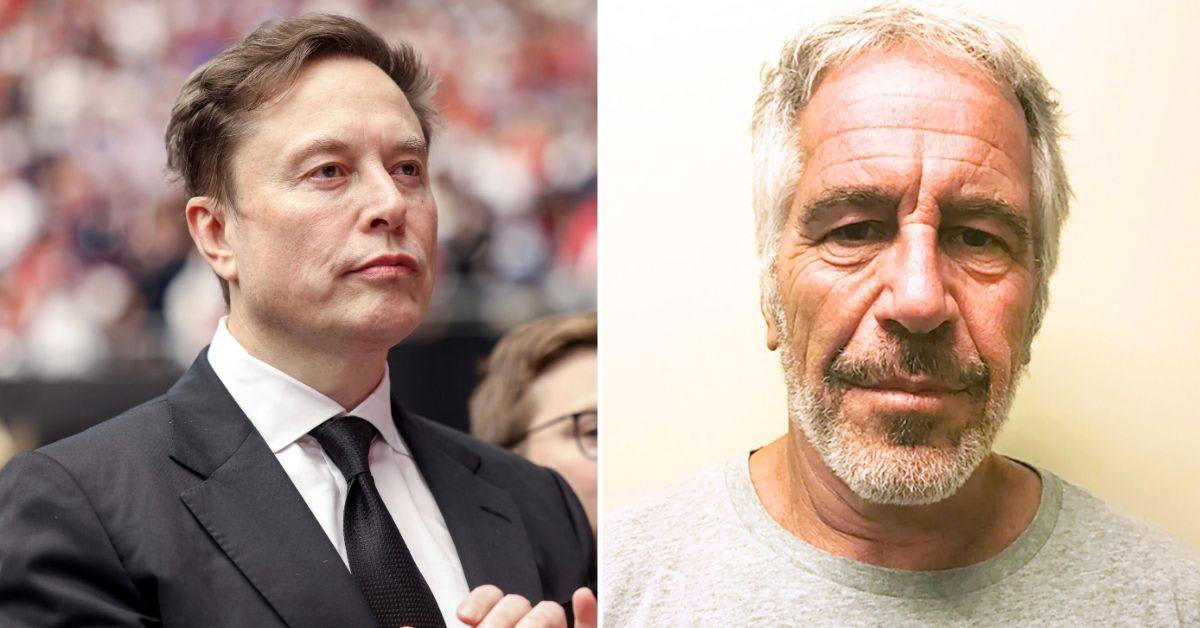
For years Musk has publicly downplayed ties to Epstein. In 2019, speaking to Vanity Fair, Musk described Epstein as "obviously a creep" and said Epstein tried to persuade him to visit the island but that he had declined, saying he met Epstein only briefly at Manhattan's residence. The newly released emails appear to contradict the categorical tone of Musk's earlier denials, showing instead multiple logistical conversations that suggest Musk inquired about a visit and even proposed dates in late 2013 and early 2014. That mismatch between prior public claims and the content of the new documents has driven the most immediate public reaction. citeturn1search1

Musk Vanity Fair 2019
Why journalists and lawmakers are paying attention
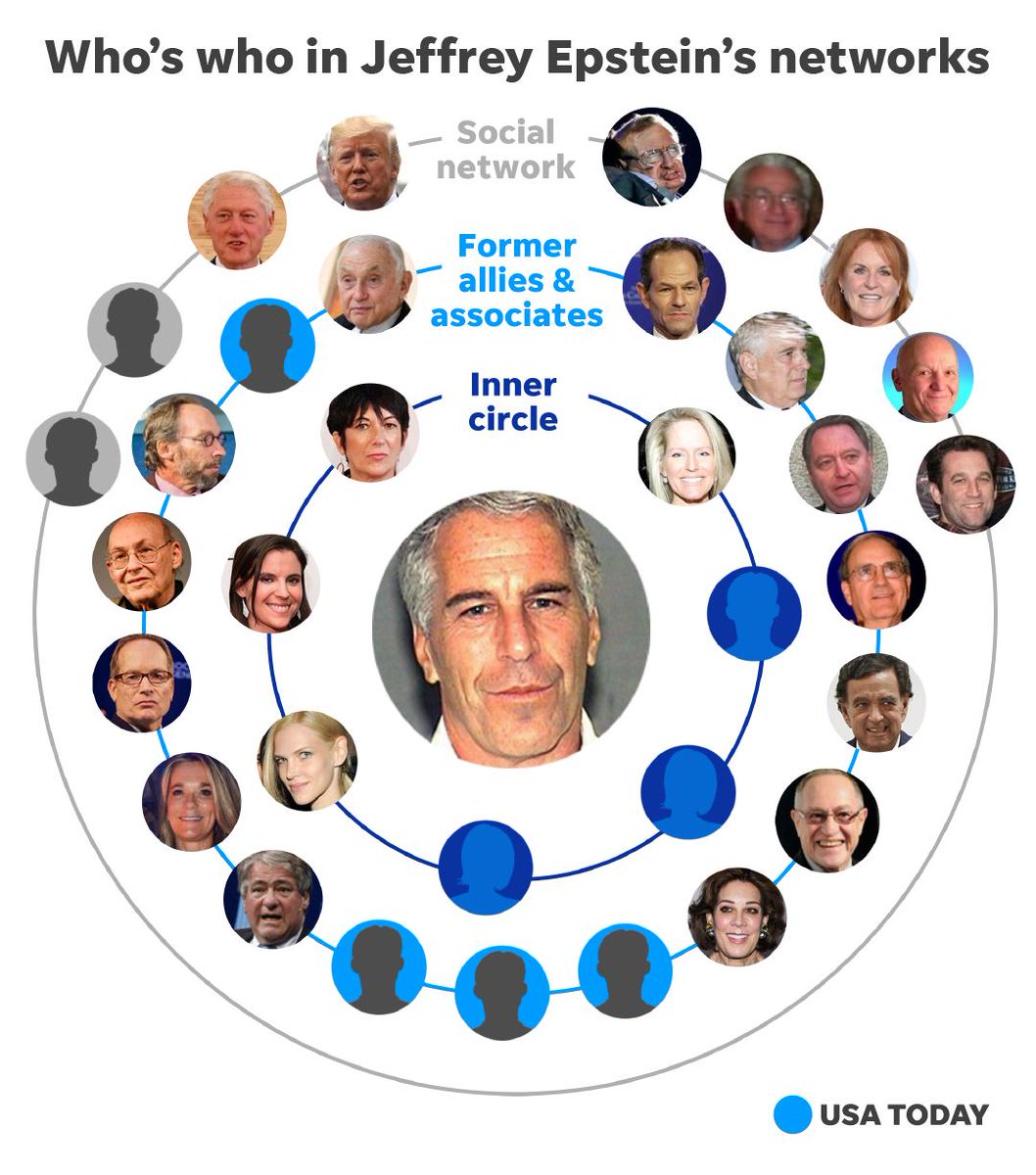
Reporters and investigators argue the newly released materials matter for three broad reasons. First, they provide documentary color about how Epstein cultivated access to influential figures. Second, they can test public statements — such as denials or characterizations of past contact — against contemporaneous records. Third, the documents are part of a larger effort to answer long-standing questions about what Epstein's network looked like and how the federal government handled those leads. Congressional committees and advocates for survivors have pushed for fuller disclosure precisely because piecemeal releases or selective redactions can leave the public with an incomplete picture. citeturn1search3turn1search5
Epstein network elite social
What legal experts say (and caution)
Lawyers and ethicists who have commented on the material note that email evidence is powerful for establishing communication but not proof of participation in crimes. A scheduling email is a poor substitute for witness testimony, travel logs, or forensic proof that an event occurred and involved criminal acts. If a civil or criminal inquiry were to turn on these documents, prosecutors would seek corroboration — flight logs, eyewitness statements, or other contemporaneous records — rather than rely on an exchange of courtesies. In short: the emails can open lines of inquiry without themselves proving criminality. citeturn1search3
How this fits into the larger Epstein archive
The Musk-Epstein correspondence is one thread in an immense archive. The Justice Department's disclosure includes communications with many public figures and thousands of other records that have already reshaped reporting on Epstein's social world. Previous partial releases and lawsuits produced flight logs, calendars and testimonial material; this latest release amplified that record, showing a pattern of social arrangements, invitations and follow-ups among elites. The files will likely generate further reporting as journalists comb through millions of pages for corroborating details and new leads. citeturn1search5turn1search1
Public reaction and political reverberations
Responses have been predictable and polarized. Critics of Musk and of elite networks used the emails to argue he misled the public, while allies and some commentators cautioned against rushing to judgment: a private invitation or an inquiry about logistics is not a conviction. Members of Congress and advocacy groups called for rapid, transparent release of the unredacted materials so investigators and reporters could analyze them fully; survivors' advocates pressed that redactions should not be used to obscure wrongdoing by powerful people. The political angle is heightened because the Justice Department's process of redaction and release has itself been a subject of controversy. citeturn1search1turn1search5
DOJ release Epstein documents 2026
How to read the emails responsibly
Responsible reading means balancing several standards: (1) distinguishing between contact and culpability, (2) seeking corroboration for any allegation, and (3) being mindful of victims whose names and details are sometimes exposed in these records. Journalists remind readers that the mere presence of a name in the files is not evidence of wrongdoing — but neither is it irrelevant. It can indicate social proximity and offer avenues for deeper verification. For public figures, the reputational calculus is immediate; for investigators, the calculus is evidentiary. Both matter. citeturn1search3
Context: elite social networks, accountability and the court of public opinion
Beyond the particulars of Musk and Epstein, the story highlights broader debates about elites' social ecosystems: how introductions are brokered, how reputational damage spreads, and how disclosure laws attempt to reconcile privacy, due process and public interest. The Epstein trove is not merely scandal porn; it is a messy, archival record that scholars, journalists and legal professionals will study for years to come as they try to map power and privilege in ways that may have real legal and political consequences. citeturn1search3turn1search1
What comes next
Expect journalists to continue trawling the documents for corroboration — flight manifests, receipts, photographs, or witness statements — that confirm whether particular meetings or trips took place. Legislators and advocates will continue to demand fuller, less-redacted releases. For Musk, the near-term consequences are likely reputational: political foes and some customers may press for explanations, while legal exposure remains, at present, speculative without additional corroborating evidence. For the broader system, this episode strengthens calls for transparency and a sturdier public record about how influential figures interacted with Epstein. citeturn1search5turn1search4

Talulah Riley Epstein emails
"The documents provide context — sometimes uncomfortable context — and that context changes how people judge past statements and associations."
Final thoughts and takeaways
In an era when private communications can quickly become public and when reputations can shift on the basis of newly surfaced documents, the Musk-Epstein emails are a reminder that proximity carries consequences. They do not, on their face, establish criminal conduct by Musk; they do, however, challenge a simple public narrative that he "refused" Epstein's invitations. The essential reporting task now is corroboration: connecting scheduling emails to travel logs or witnesses if those connections exist. Until then, the emails are a cautionary tale about how incidental social ties to notorious people can come back to define public reputations. citeturn1search1turn1search0
- DOJ release: Millions of pages were published in late January 2026, including emails between Musk and Epstein. citeturn1search5
- Document contents: Emails show Musk asking about island logistics and "the wildest party" but do not prove he attended or participated in crimes. citeturn1search1turn0search0
- Next steps: Reporters will seek corroborating records; lawmakers will push for less-redacted disclosure. citeturn1search3
Closing
The release of the Epstein archive will continue to produce uncomfortable revelations and uncomfortable conversations. For now, the Musk emails stand as a specific, document-backed example of how interactions among the wealthy are recorded and later interpreted. They show the power of primary documents to reshape narratives, and they underline the professional responsibilities of journalists, scholars and public officials to treat those documents with rigor, context and care.