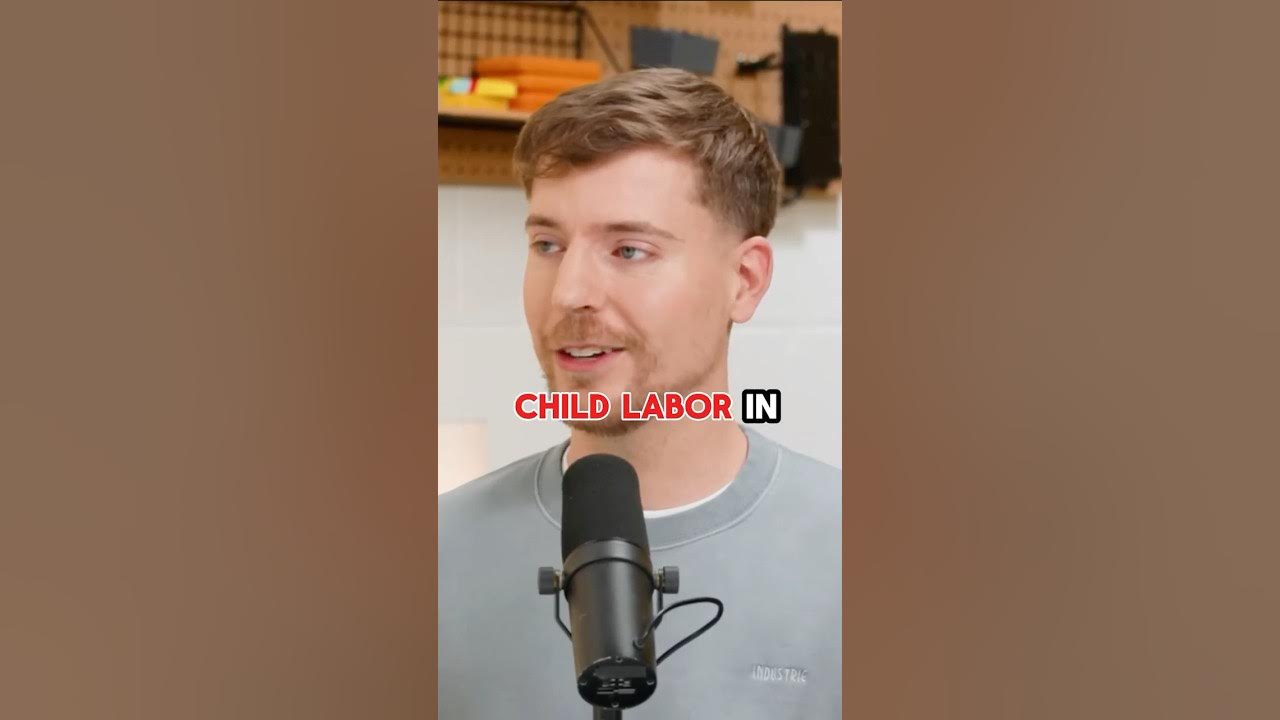
MrBeast Calls Out Chocolate Brands Over Child Labor

MrBeast Jimmy Donaldson
The moment came suddenly but not surprisingly: one of the world’s most-followed creators turned public attention on a problem human rights groups have been documenting for decades. Whether or not you follow influencer culture, the shock value of a mainstream internet star publicly accusing major chocolate makers of tolerating child labor is undeniable. The moral outrage spreads quickly on social feeds, but the root causes and practical remedies are complex, systemic, and stubbornly resilient. This article digs beneath the headlines to explain why the cocoa industry remains entangled with child labor, what corporate responses have actually accomplished, where accountability falls short, and what realistic steps—by brands, governments, communities, and consumers—could move the needle.
THE CONTEXT: COCOA, COMMERCE, AND CHILD LABOR
Why cocoa is at the center of this crisis
Cocoa, the raw material for chocolate, is produced primarily in a handful of West African countries, most notably Ivory Coast and Ghana, which together supply roughly two-thirds of the world’s cocoa. The crop is grown mostly by smallholder farmers who typically manage two to five hectares of land, cultivate cocoa alongside other crops, and sell their harvest through layers of middlemen, cooperatives, and processors before it reaches multinational corporations. This fragmentation makes traceability hard and accountability easier to avoid.
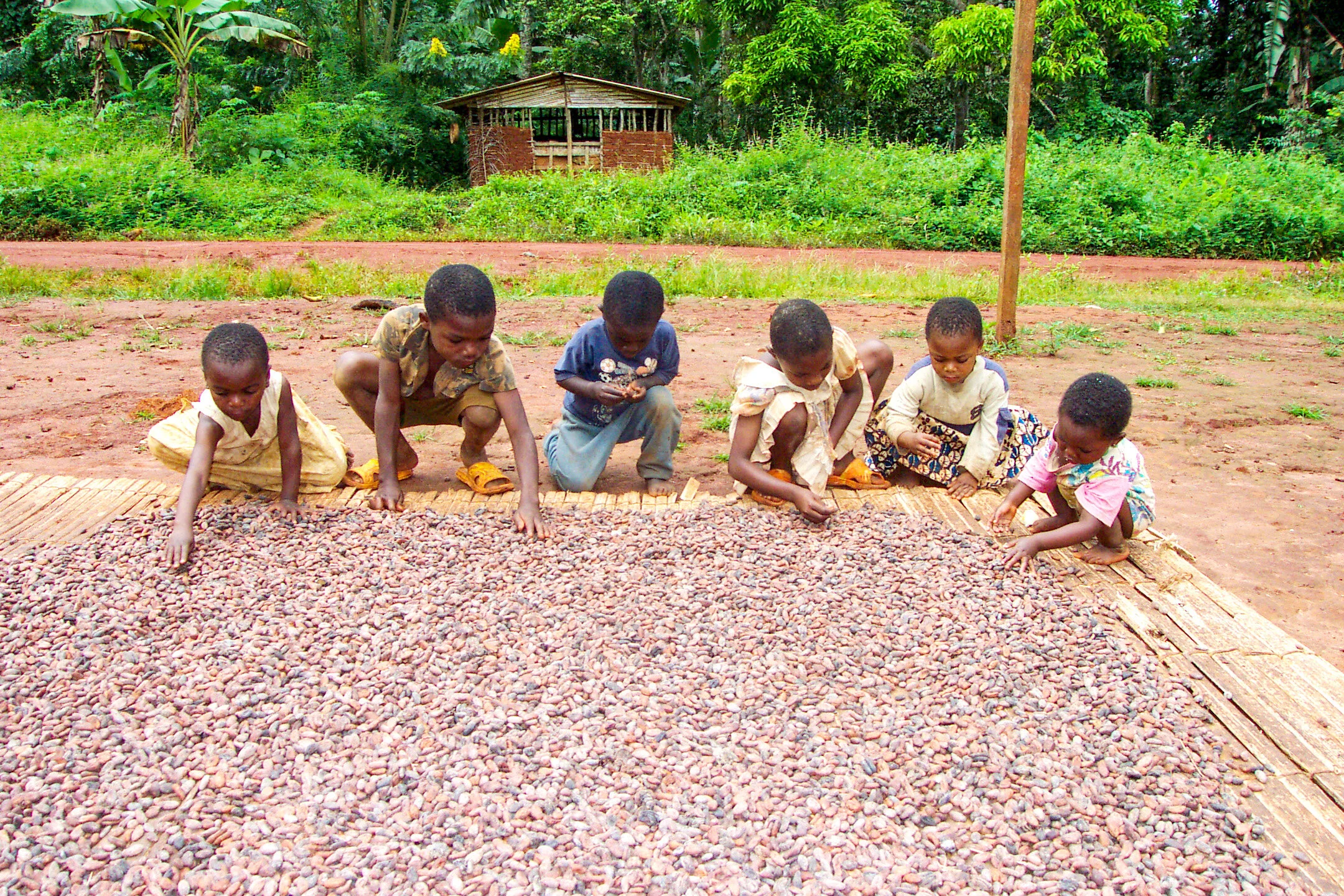
child labor cocoa farm
The economics are stark: the farmgate price paid to many cocoa farmers often fails to cover the cost of a decent living. Low incomes, volatile commodity prices, and the absence of robust social safety nets create conditions where families rely on every available hand—sometimes including children—to bring food and income in. Add cultural norms, inadequate school access in remote regions, and weak labor inspections, and the result is a persistent child labor problem that is not solved by virtue-signaling alone.
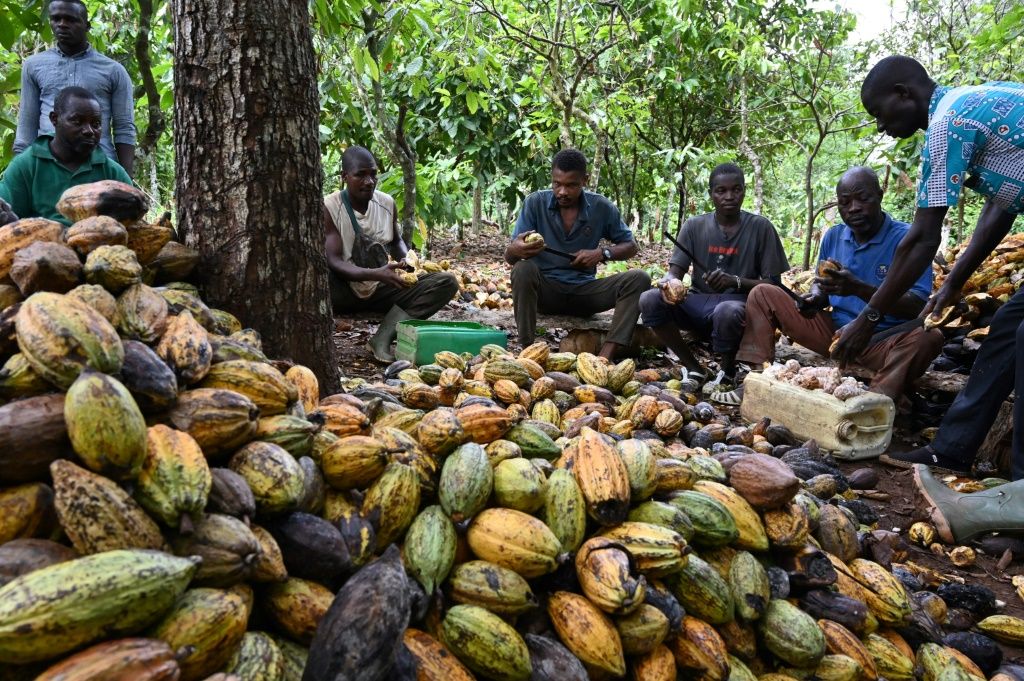
Ivory Coast cocoa
WHAT THE ALLEGATIONS SAY
The headline claim
Public critiques like the one leveled by a high-profile influencer typically make two central claims: that large chocolate brands knowingly source cocoa grown with child labor, and that despite public commitments and certification programs, these companies have not done enough to end the practice. Whether framed as an exposure or a moral demand, the charge touches on both supply chain failures and the perceived gap between corporate promises and field realities.
“Promises without verified change are comforts for brands, not solutions for children.”
Why the allegation resonates
This accusation resonates because it maps onto long-standing criticisms from journalists, human rights organizations, and researchers: audits are uneven; verification rarely reaches the farm level consistently; and the incentives that keep smallholders trapped in poverty remain unaddressed. Influencers amplify these findings, turning scattered reports into a focused public conversation that companies find hard to ignore.

chocolate brands
HISTORICAL EFFORTS AND LIMITATIONS
Past initiatives and why they fell short
For more than two decades, governments, NGOs, trade associations, and corporations have launched efforts to clean up cocoa supply chains. Notable examples include multi-stakeholder agreements and certification schemes intended to eliminate the worst abuses and promote sustainable farming practices. These programs have had partial successes: some communities received school building grants, cooperatives learned better agricultural techniques, and a subset of farms became verifiably free from the most serious labor violations.
Fairtrade certification
But two recurring limitations are worth underscoring. First, certification and auditing often focus on farms that are reachable and involved in formal supply chains, leaving informal or remote producers untouched. Second, many programs assume incremental improvements tied to training rather than structural changes to farmer income. Without addressing the economic disparities that drive child labor, training and awareness campaigns are necessary but insufficient.
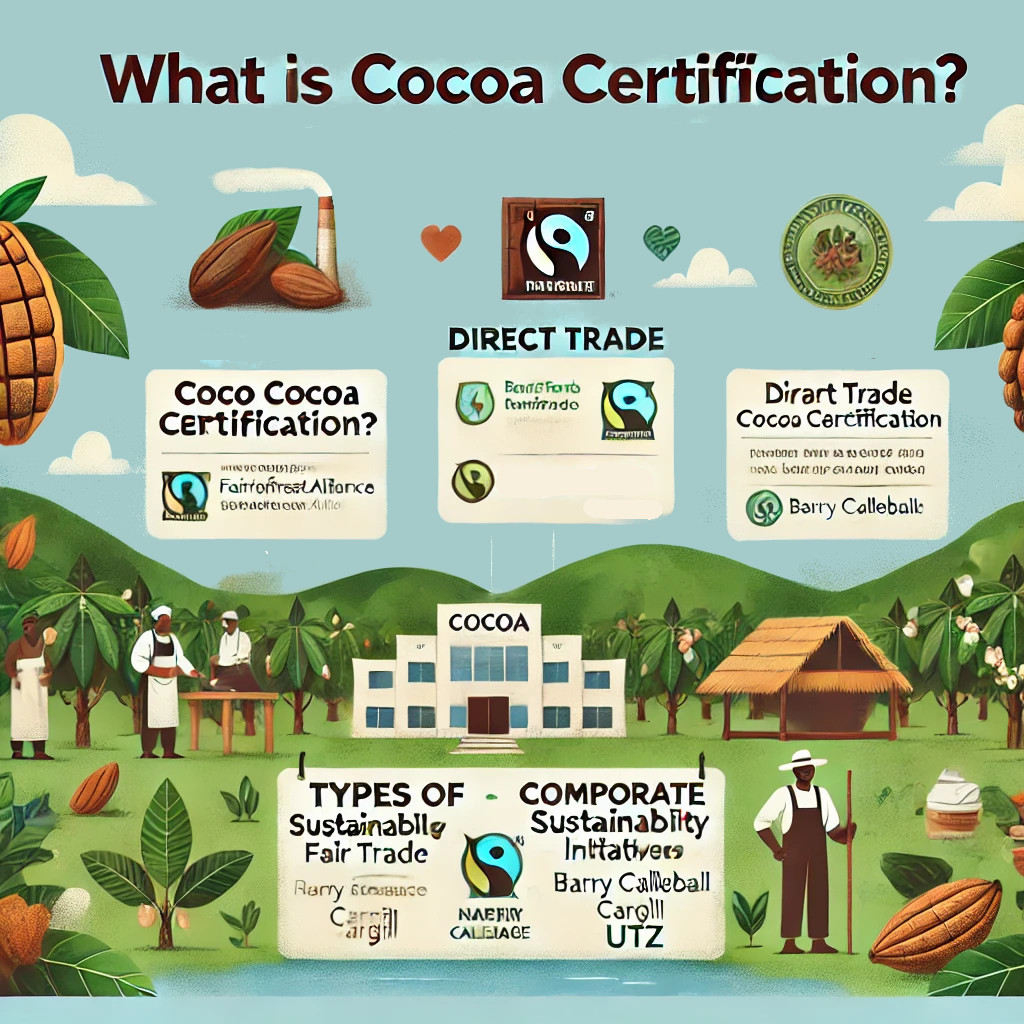
cocoa certification
WHY CHILD LABOR PERSISTS: ROOT CAUSES
Economics, social systems, and supply-chain opacity
There are three broad, reinforcing drivers of child labor in cocoa: low farmer incomes, weak governance and enforcement, and opaque supply chains. Low incomes compel families to use child labor. Weak governance means labor inspectors and school access are inconsistent. Opacity in supply chains allows unethical practices to be outsourced to sub-suppliers who can operate with minimal scrutiny.
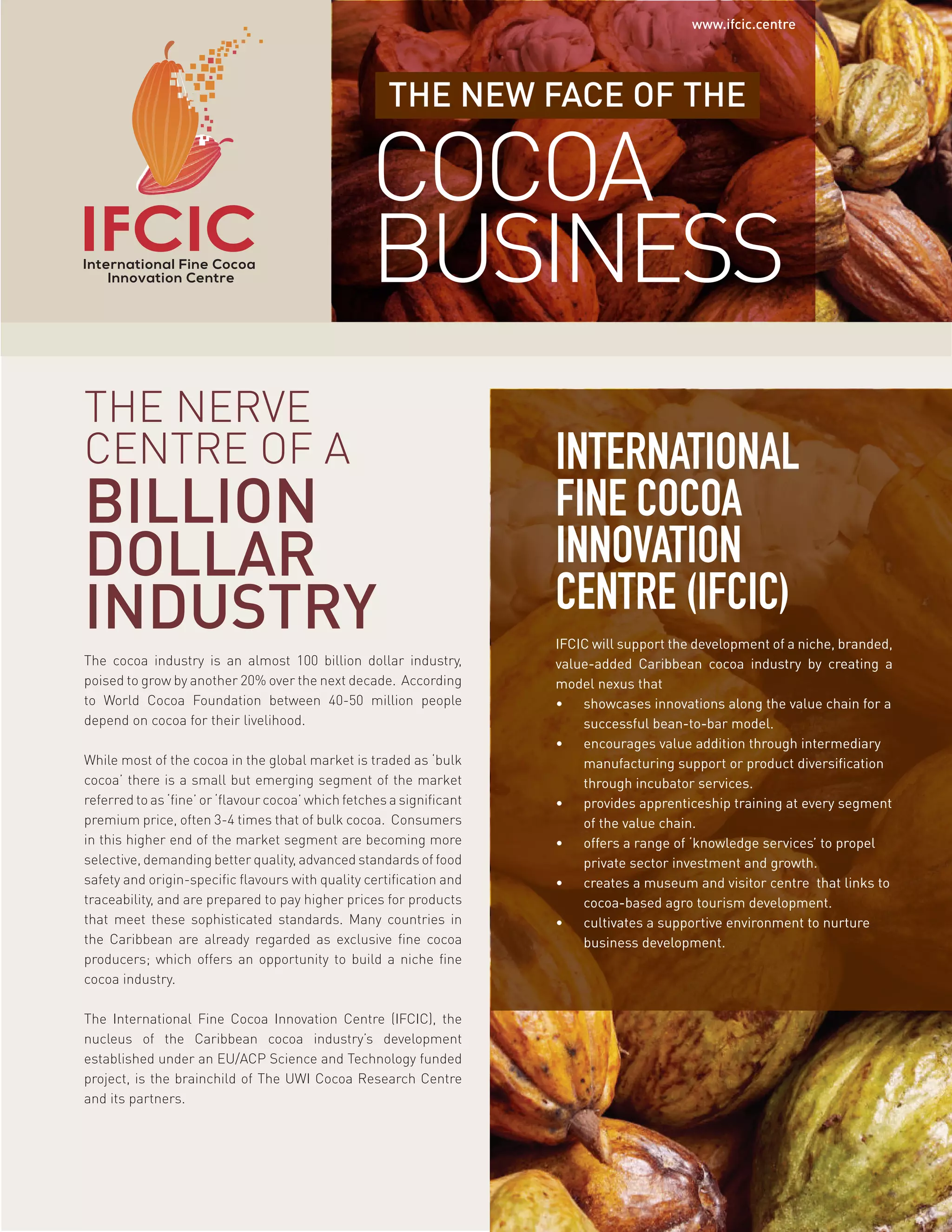
cocoa intermediaries
These drivers are not abstract. They manifest as tangible, everyday forces: a farmer choosing to harvest during the school term because a shipment is due; a middleman accepting a lower-quality yield and passing losses back to the household; a processor buying from traders who mix cocoa from different zones, obscuring origin.
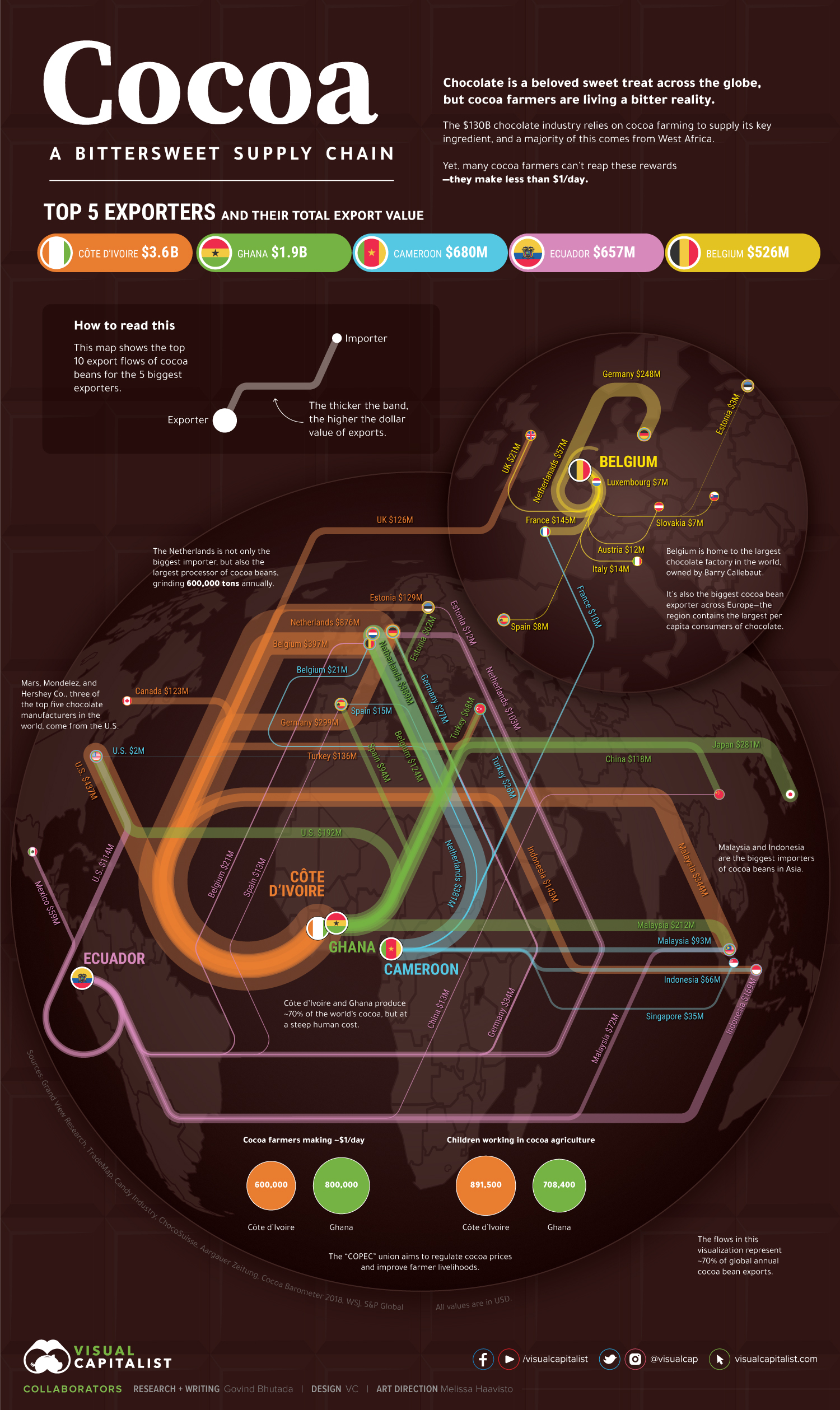
cocoa supply chain
THE INDUSTRY RESPONSE: PLEDGES, PROGRAMS, AND PRACTICAL GAPS
What companies have promised
In public filings and corporate social responsibility reports, many leading chocolate manufacturers have committed to eliminating child labor in their direct sourcing areas, investing in community programs, and supporting farmer training. Some pledges include traceability targets, living income initiatives, and partnerships with NGOs for on-the-ground monitoring.
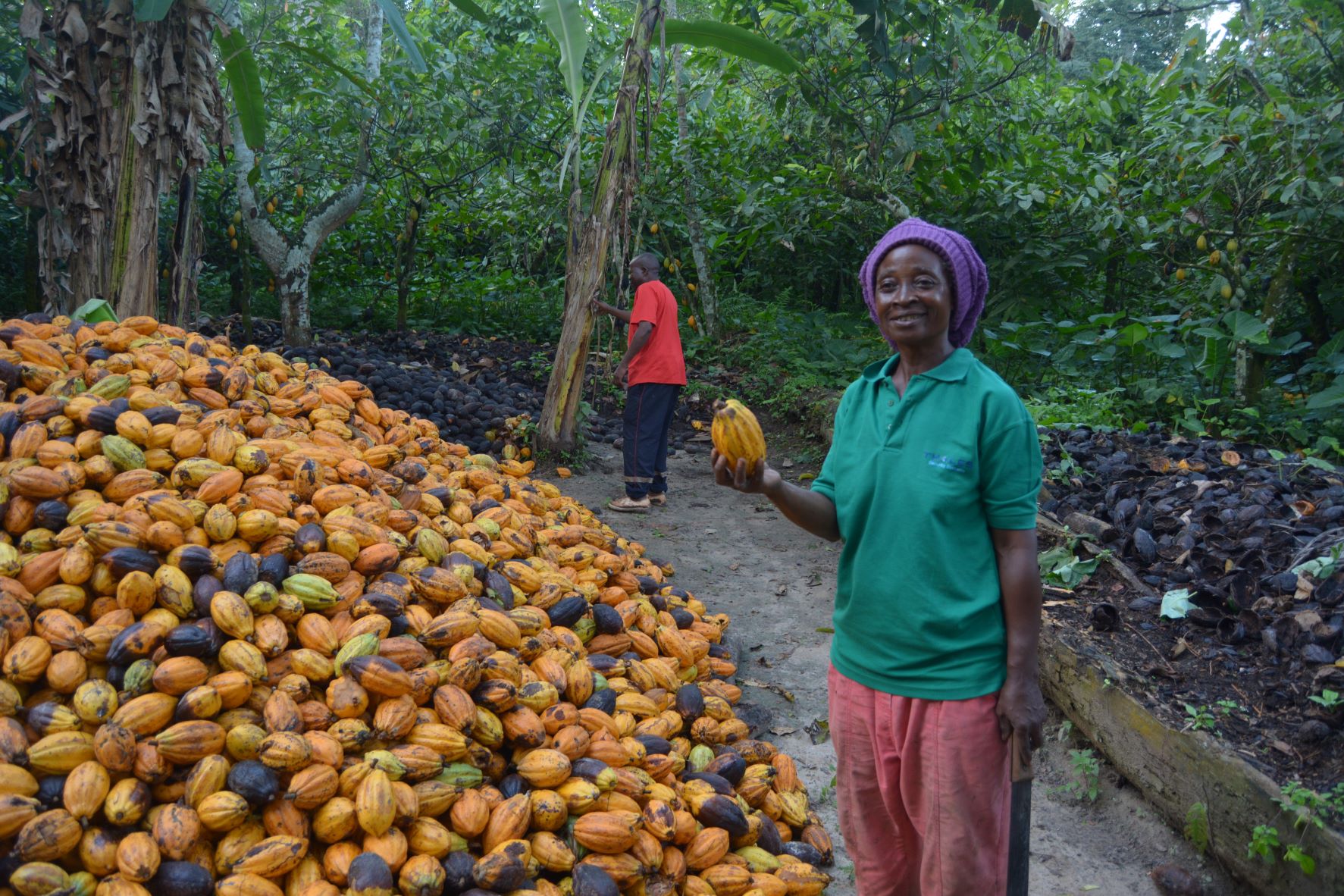
cocoa farmers
Where promises meet limits
Promises are important but measurable impacts depend on implementation fidelity. Common limitations include:
- Traceability gaps: Cocoa often passes through traders and consolidators who mix beans from multiple farms before export, frustrating attempts to map specific farms to corporate buyers.
- Audit fatigue: Audits can be superficial or scheduled in ways that don’t detect seasonal labor patterns.
- Economic mismatch: Programs that emphasize good agricultural practices fail when they do not raise farmer incomes enough to remove the economic imperative for child labor.
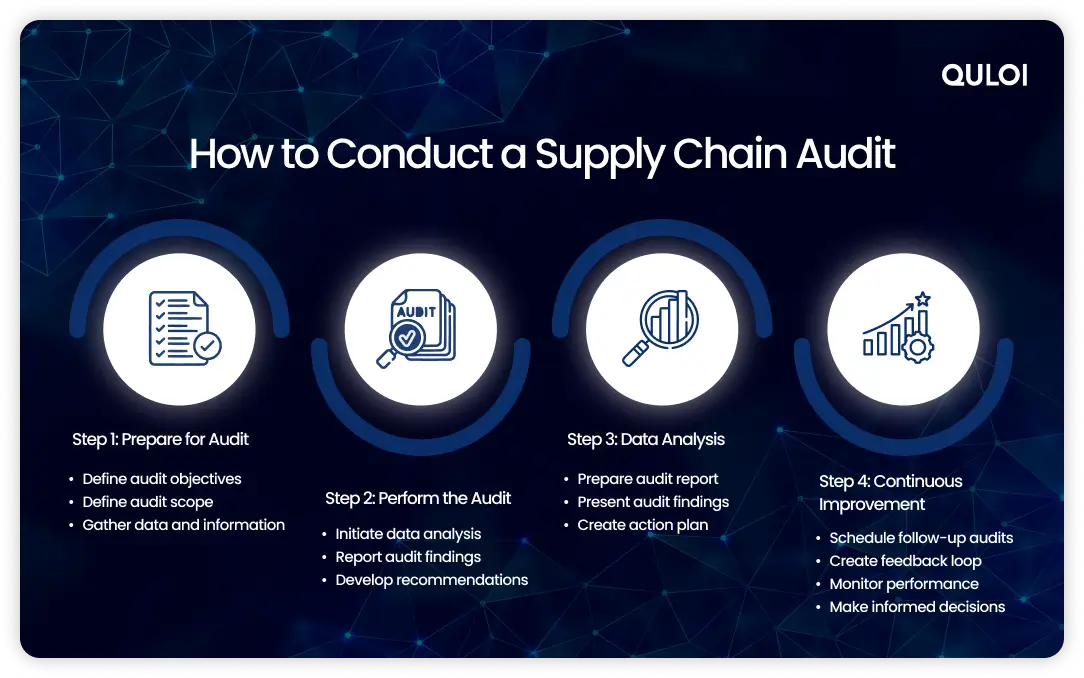
supply chain audit
PRACTICAL ACCOUNTABILITY: WHAT WORKS AND WHAT DOESN'T
Tools that show promise
Strategies with measurable impact are usually those that combine economic support with monitoring and community engagement. Examples include programs that:
- Ensure premium payments or price stabilization so farmers receive a living income.
- Invest in community infrastructure—schools, clinics, potable water—that reduce the reliance on child labor.
- Use mixed monitoring approaches: community-based reporting, surprise checks, and third-party audits.
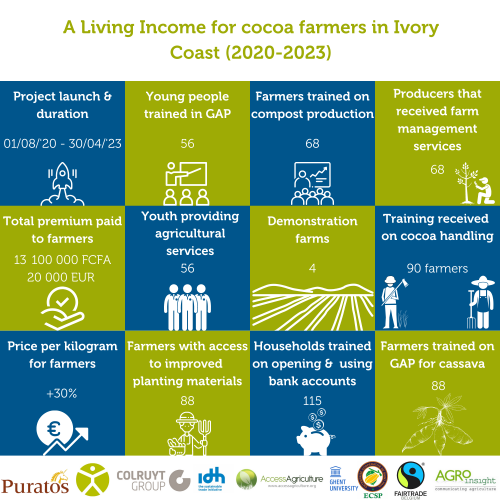
cocoa farmer living income
Limitations to acknowledge
Even effective programs scale slowly. They require long-term financing, political cooperation from producer-country governments, and buy-in from traders and processors who capture a significant share of value. Without alignment across the whole supply chain, isolated interventions will leave gaps that can be exploited.
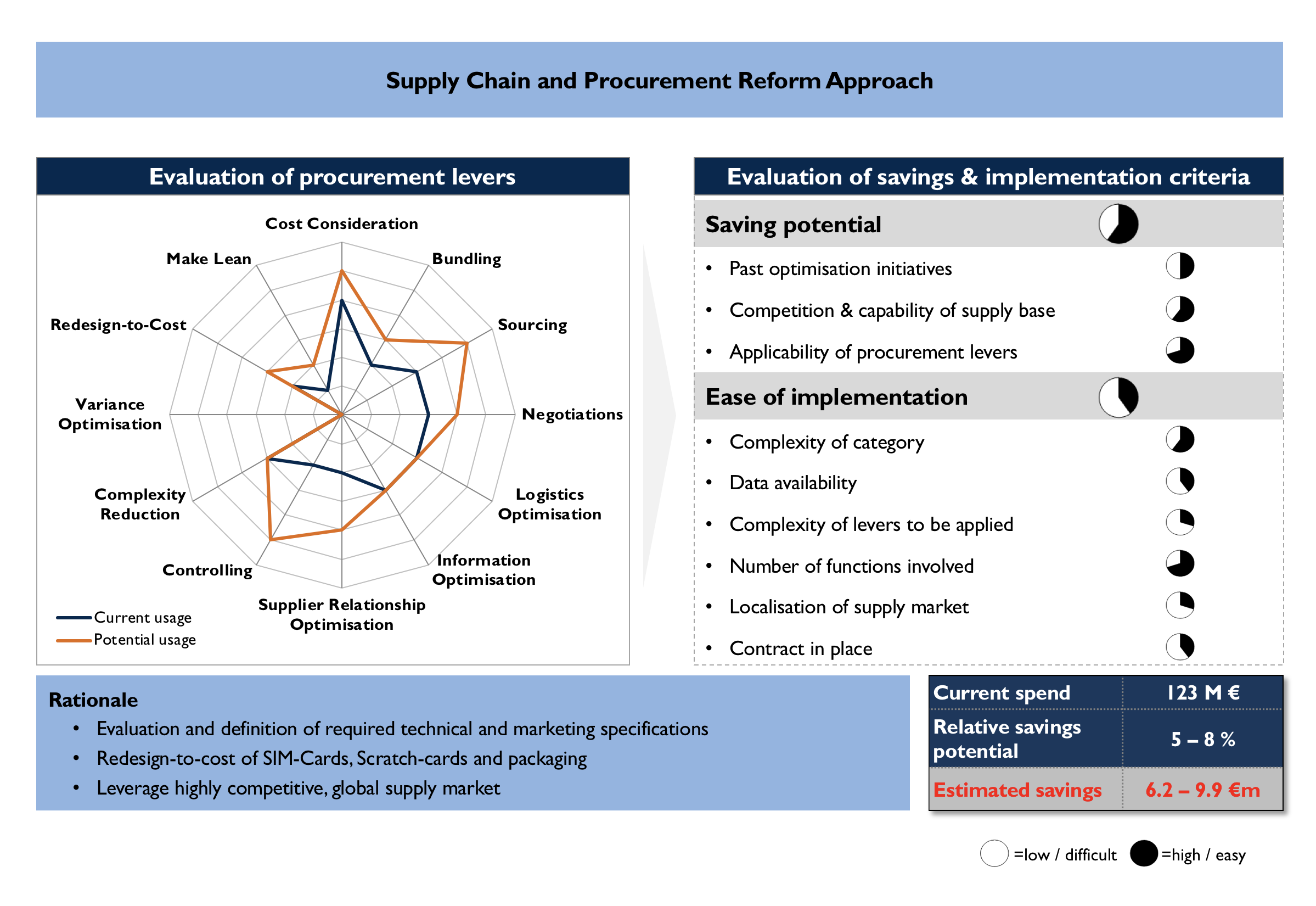
supply chain reform
INNOVATION & TRANSPARENCY: TECHNOLOGY AND NEW MODELS
Can technology fix what social policy can't?
Technologies such as satellite mapping, mobile data collection, and blockchain-based traceability have been proposed as solutions to traceability and verification problems. These tools offer potential—but not panaceas. Satellite imagery can show land use change and identify farm plots; mobile apps can crowdsource reports from local monitors; blockchain can create immutable records for batches of beans. However, technology must be paired with local capacity-building, incentives for accurate reporting, and protections against surveillance misuse.
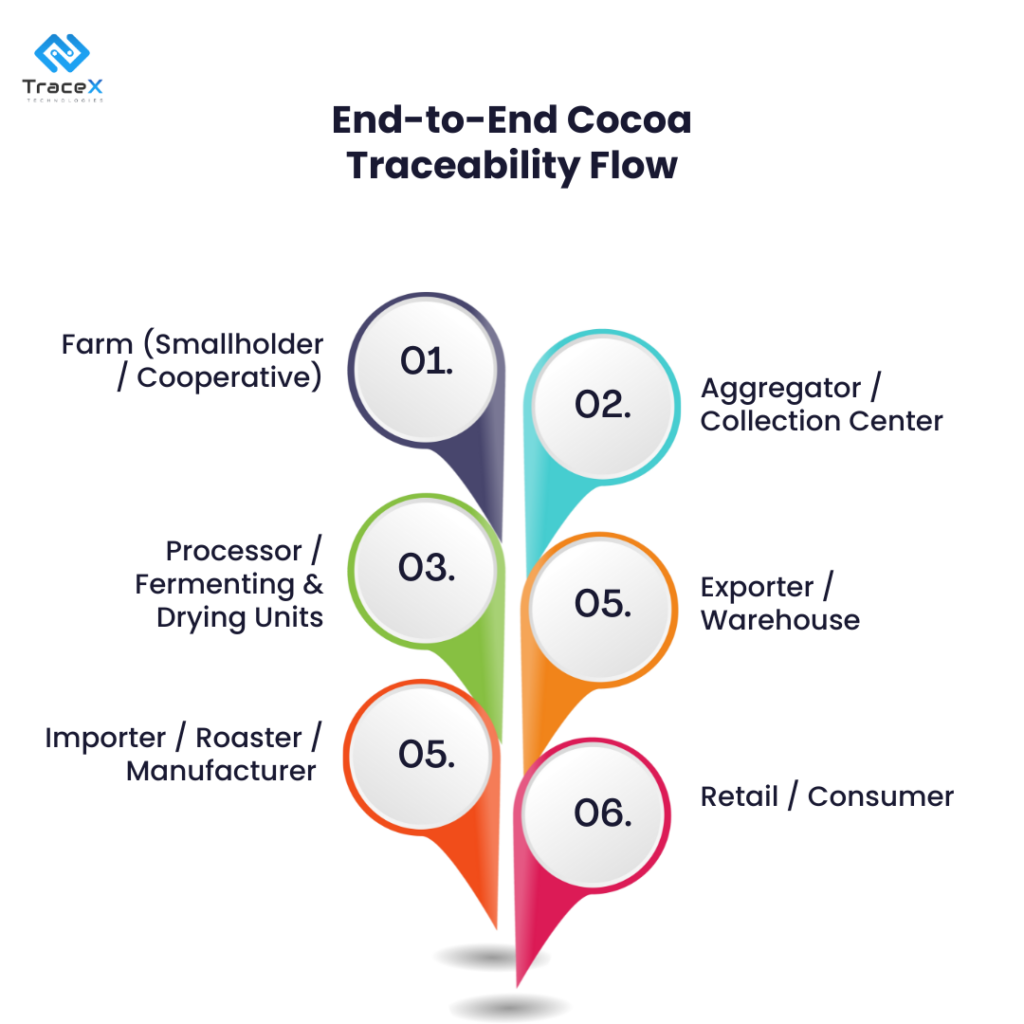
blockchain cocoa traceability
THE ROLE OF INFLUENCERS AND CONSUMER PRESSURE
Why a viral call-out matters
When an influencer with mass reach focuses attention on corporate practices, it sharpens public scrutiny and can produce quick reactions—product boycotts, hastened corporate statements, or accelerated stakeholder convenings. This is a double-edged sword. On one hand, it elevates the issue to boardrooms and consumer conversations; on the other, it risks oversimplifying complex supply-chain dynamics and promoting performative responses that prioritize optics over durable reform.

consumer activism chocolate
How consumer pressure can be structured
Effective consumer pressure couples attention with specific demands: transparent reporting, independent audits, commitments to living income, and public timelines for traceability. Organized campaigns that target measurable changes are more likely to spur lasting corporate action than calls for vague moral correction.
WHAT BRANDS MUST DO NEXT
A practical roadmap for corporate action
Brands serious about change should consider a multi-pronged approach:
- Price and income reforms: Work toward paying prices or premiums that enable a living income for farmers, not just incremental premiums tied to certification.
- Supply-chain transparency: Publish origin maps, supplier lists, and progress against independent indicators of child labor elimination.
- Independent verification: Fund and accept third-party audits and community complaint mechanisms with whistleblower protections.
- Long-term investment: Commit multi-year funding to education, health, and farmer cooperatives, with public milestones and audits.
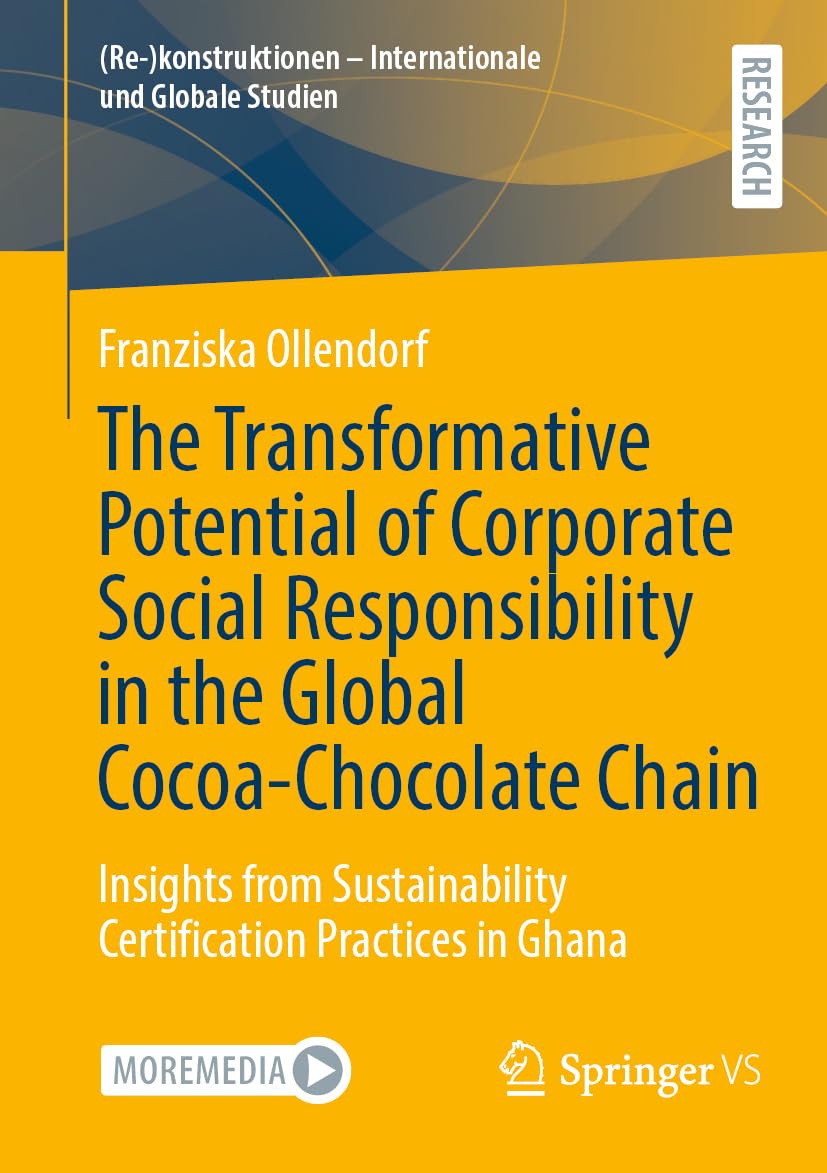
corporate responsibility chocolate

price transparency
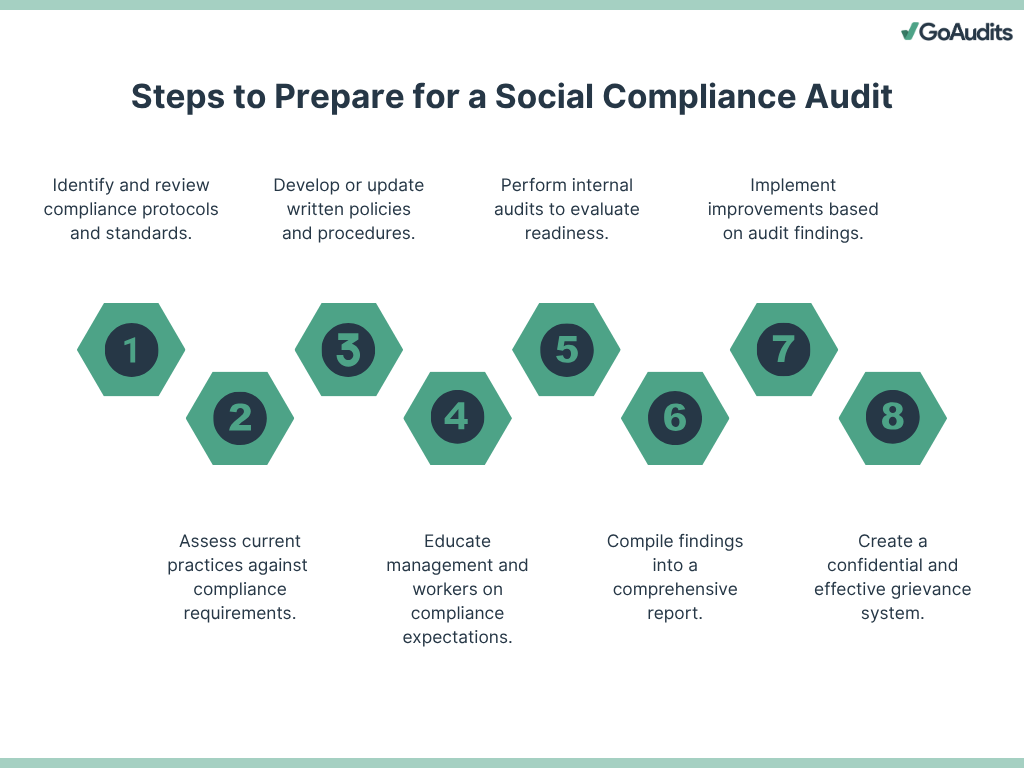
social compliance
WHAT CONSUMERS AND ADVOCATES CAN DO
Practical actions beyond outrage
Consumers who want to make a difference can:
- Demand transparency from brands and vote with wallets when companies fail to act.
- Support NGOs and community organizations working directly with producers.
- Advocate for public policy—both in producer countries and in consumer markets—that enforces labor standards and supports rural development.
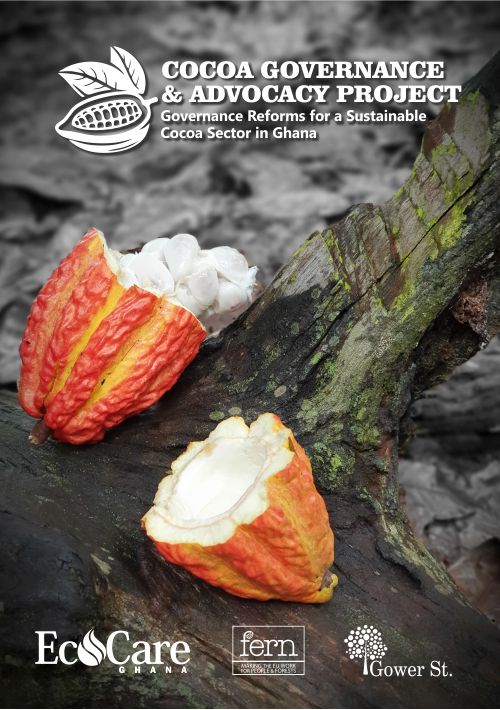
NGO advocacy cocoa
A CAUTIOUS CONCLUSION
High-profile call-outs play a vital role in keeping human rights crises visible. The moral clarity of condemning child labor is unquestionable. The harder work is turning attention into structural change: adjusting agricultural economics so families don’t need their children to work, building resilient local institutions, enforcing labor laws, and creating transparent supply chains. These are not fast wins, but they are the only path to durable results.
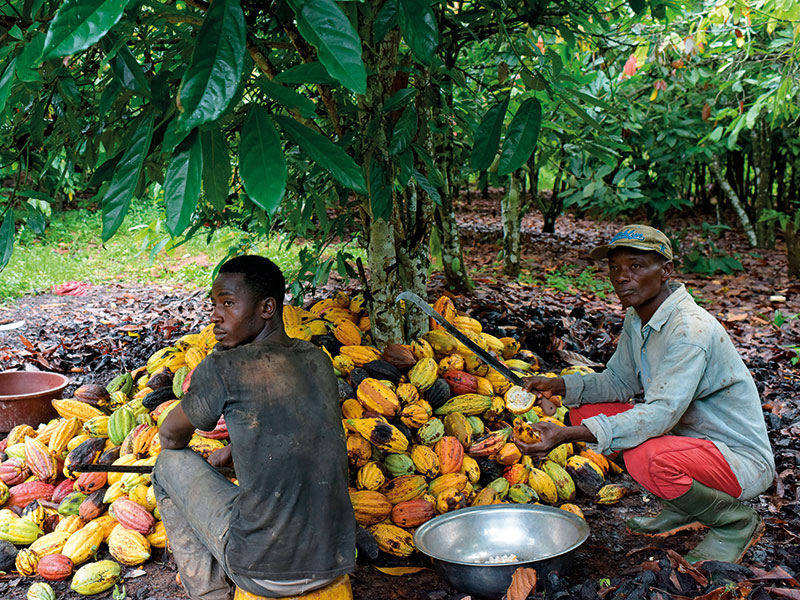
West Africa cocoa
Public pressure can catalyze change, but sustained policy and economic reform do the heavy lifting.
Final reflection
For brands, the choice is stark: treat the recent exposure purely as a moment to manage reputations, or accept it as a mandate to reengineer relationships with sourcing communities. For consumers and advocates, the responsibility is to translate viral outrage into organized, sustained pressure that demands clear metrics and publicly verifiable progress. If the industry truly wants to end child labor, it must move beyond statements into payments, protections, and transparency that change the economics of cocoa at the farm gate.
ethical chocolate
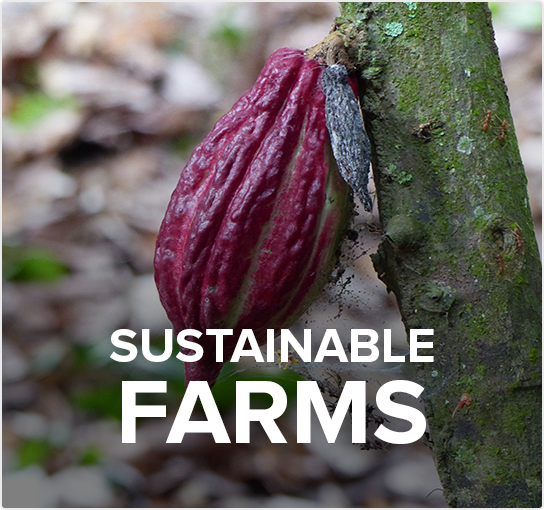
sustainable cocoa
- Child labor in cocoa is driven primarily by poverty, weak governance, and opaque supply chains.
- Past certification and auditing programs have had limited reach and mixed impact without income reforms.
- Meaningful change requires multi-year commitments: living incomes, transparent traceability, independent verification, and community investment.
- Influencers can accelerate attention, but lasting reform depends on policy, economics, and accountability across the supply chain.
How to stay engaged
Track corporate reporting, support organizations working in cocoa communities, and encourage lawmakers in consumer countries to require greater supply-chain transparency. Change is incremental, but when visibility, political will, and concrete finance align, it becomes real.
This feature synthesizes reporting, industry patterns, and long-term solutions to explain why the problem persists and how it can be addressed.