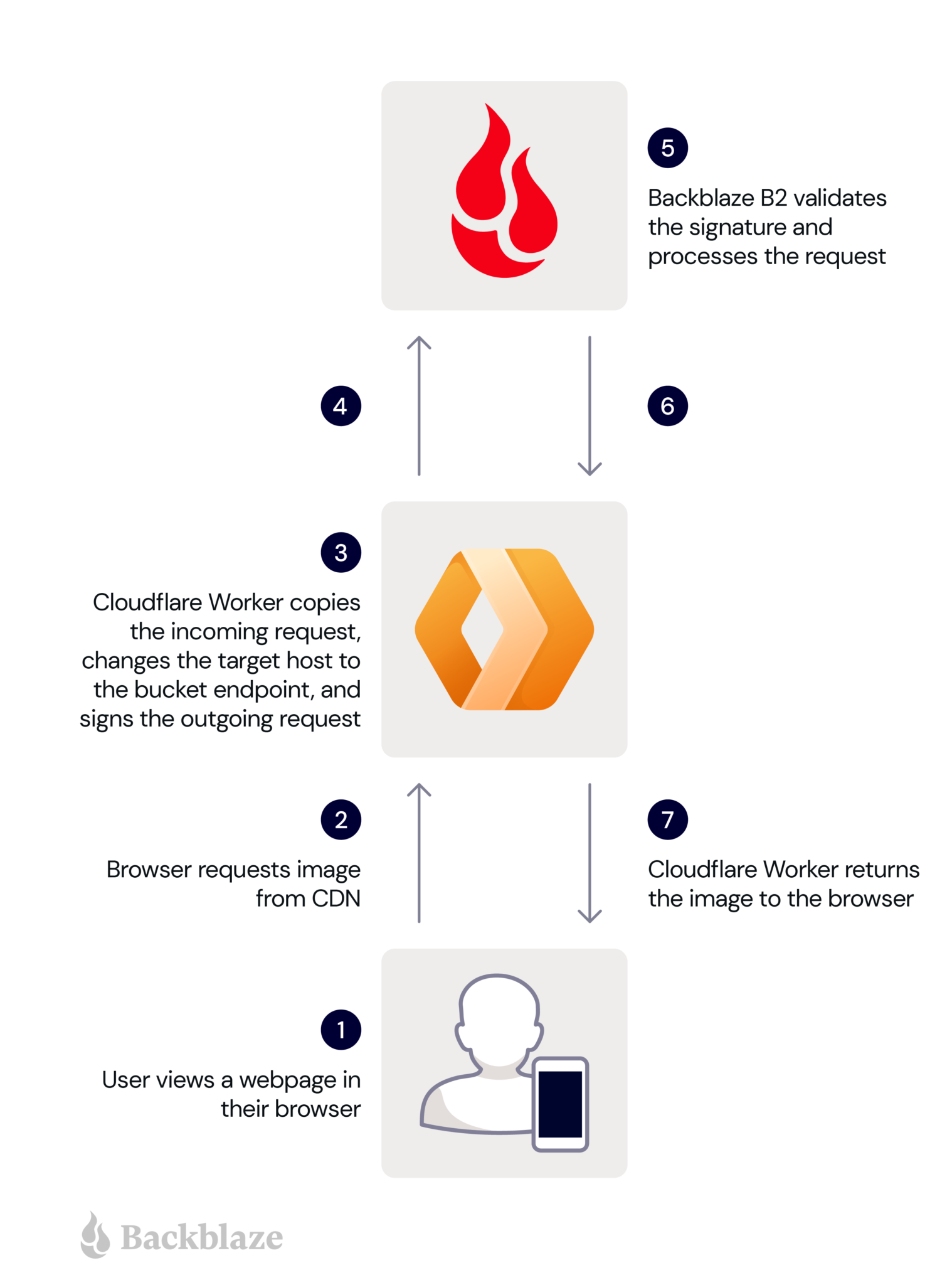
MoltWorker: Cloudflare’s Secure Alternative to OpenClaw
The cloud landscape is always in motion: frameworks rise, forks are renamed, and security expectations tighten as attackers become more sophisticated. Enter MoltWorker, Cloudflare’s take on a hardened, edge-first runtime positioned as a secure alternative to OpenClaw (formerly known in some circles as Moltblot). Whether you're an architect exploring migration paths or a developer deciding which runtime to target, MoltWorker promises to reframe how we think about trust, isolation, and developer ergonomics at the network edge. This long-form feature unpacks what MoltWorker is, why it matters, how it differs from OpenClaw and Moltblot, and what teams should consider before adopting it.
Why a new runtime matters
The last five years have seen the growth of edge compute and serverless platforms that move logic closer to users to cut latency and distribute load. But with proximity comes responsibility: putting code near networking infrastructure increases the attack surface. Runtimes that emphasize raw performance often leave gaps in isolation, observability, or supply chain assurances. MoltWorker aims to close those gaps by prioritizing a threat-aware design while preserving the developer-friendly function experience that made edge runtimes popular in the first place.
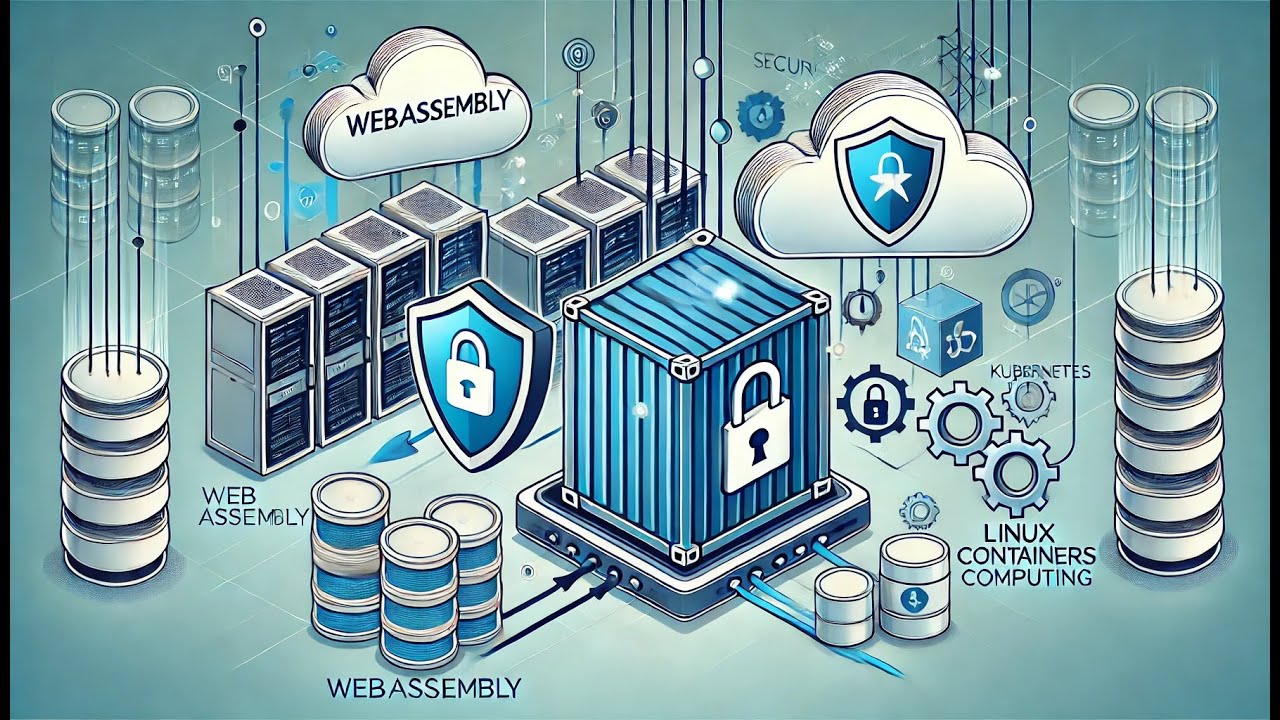
WebAssembly runtime security
A brief lineage: OpenClaw and Moltblot
To understand MoltWorker, it helps to revisit the lineage it seeks to address. OpenClaw emerged as an open-source edge runtime focused on flexibility and plugin-driven extensions. Moltblot, an earlier project that influenced OpenClaw’s architecture, emphasized minimalism and pluggable modules. Both have active communities and deliver strong primitives for building fast, small-footprint services. But as adoption scaled, operators and platform teams flagged recurring concerns: tenant isolation in multi-tenant deployments, insufficient supply chain protections, and inconsistent attestation of code running at the edge.

OpenClaw alternative
What MoltWorker is (and what it isn’t)
MoltWorker is an opinionated runtime that wraps modern execution primitives—primarily WebAssembly modules and lightweight sandboxing—inside a set of operational and security guarantees. That means:
- Isolation-first design: Multi-tenant workloads run with stronger per-workload boundaries, reducing the blast radius of a compromise.
- Supply chain controls: Built-in artifact verification and immutable module signing help ensure only authorized code runs at the edge.
- Edge-aware networking: Integrated telemetry and DDoS-resistant operational defaults that align with Cloudflare’s global network characteristics.
- Developer ergonomics: Fast deploy iterates and local emulation tooling so teams don't sacrifice velocity for security.
MoltWorker is not a catch-all platform. It deliberately trims certain heavy features—such as full-blown container orchestration and monolithic language runtimes—in favor of a smaller trusted codebase, rapid startup, and network-attached security policies.
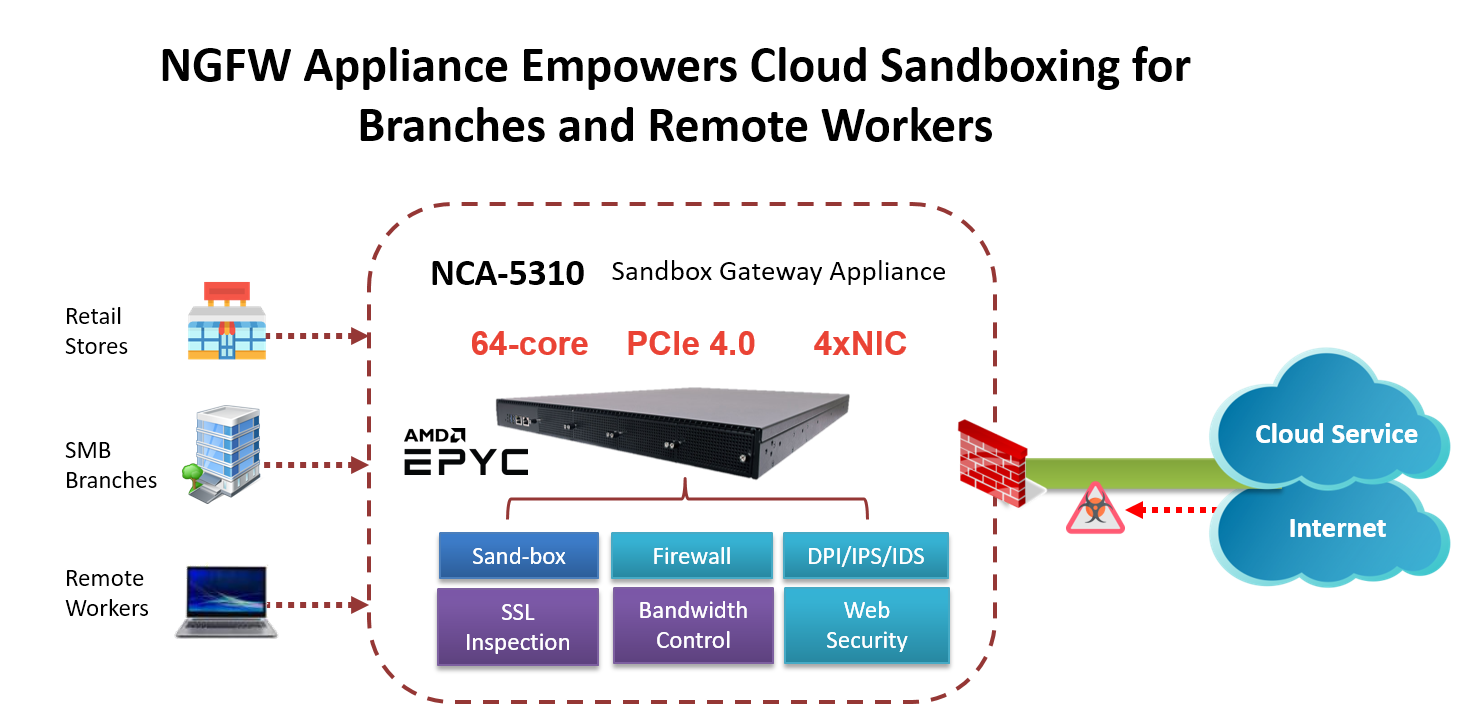
Edge computing sandboxing
Core architectural principles
MoltWorker’s architecture is guided by a few clear principles designed to be practical at Cloudflare’s scale:
- Minimal trusted computing base (TCB): The runtime keeps the TCB small, reducing the surface that must be audited and monitored.
- Native WebAssembly execution: Prefer WebAssembly modules for deterministic startup and resource control; provide guarded host bindings rather than unrestricted system calls.
- Hardware-backed attestation: Support for attestation primitives where available so that operators can verify the runtime and module authenticity.
- Policy-first deployment: Workloads are governed by declarative policies—network egress, cryptographic capabilities, filesystem access—applied consistently across the fleet.
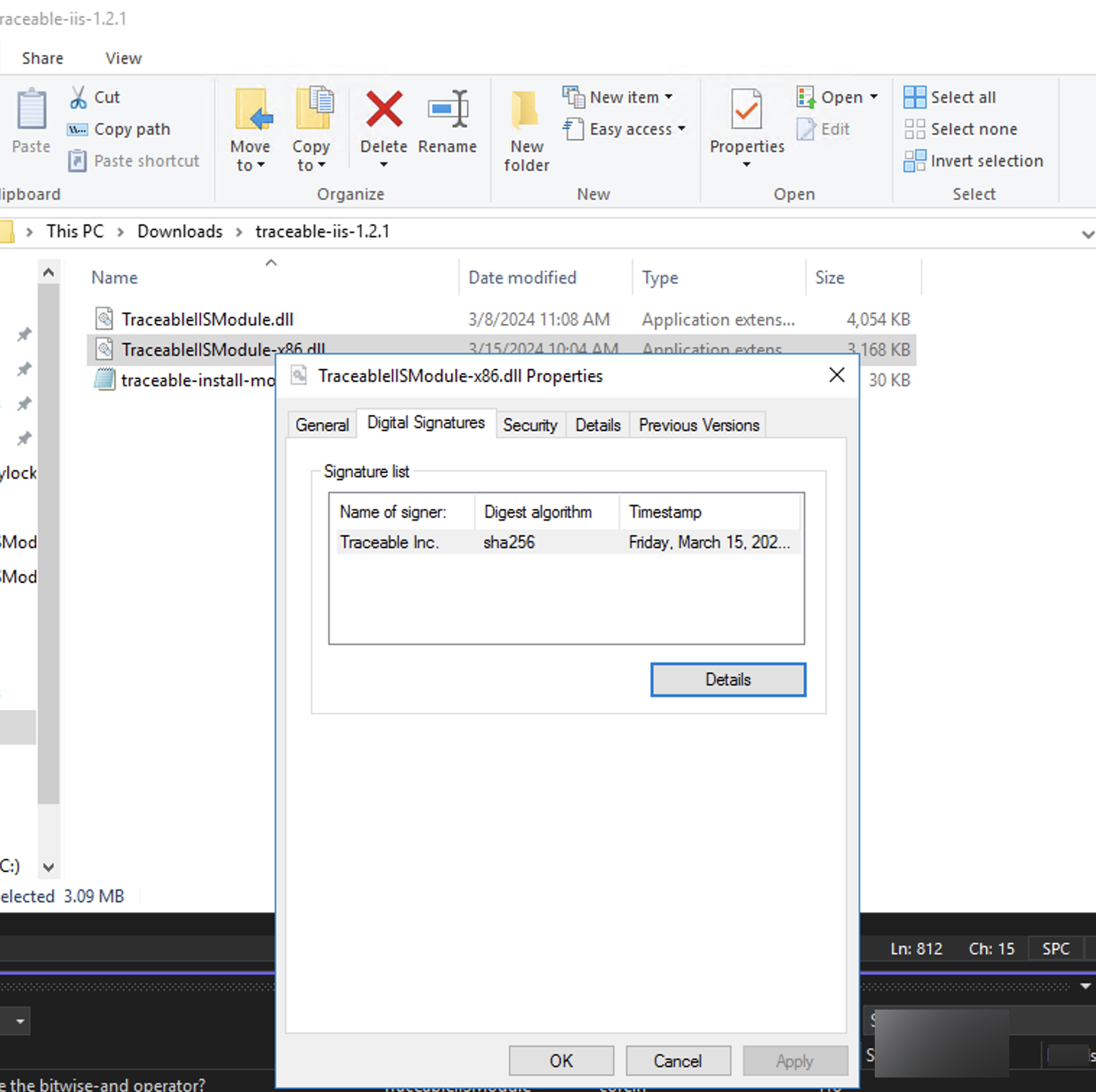
Artifact signing verification
Security model and threat mitigation
Security is where MoltWorker claims its edge. The runtime layers several controls to reduce risk:
- Per-module sandboxing: Each module executes in its own carefully constrained environment with CPU, memory, and syscall-like host function quotas.
- Artifact signing and verification: Modules are cryptographically signed during CI, and the runtime verifies signatures and provenance before execution.
- Immutable execution bundles: Deployments are packaged as immutable bundles to reduce runtime tampering.
- Runtime attestation and telemetry: Continuous attestation of runtime components coupled with high-fidelity telemetry and anomaly detection.
- Granular policy enforcement: Outbound connections, DNS resolution, and persistent storage use are controlled by declarative policies tied to identities.
These features reduce several classes of risk common to edge platforms: unauthorized lateral movement, supply chain tampering, and noisy neighbor exploitation.
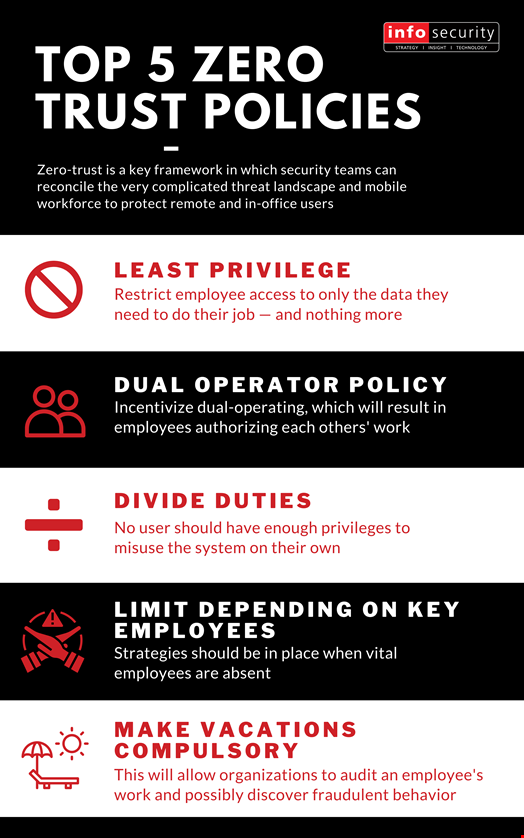
Zero trust policies
Edge compute must be both fast and trustworthy; MoltWorker bets that security enables scale rather than slows it.
Developer experience: balancing safety and speed
Security without developer buy-in is a dead end. MoltWorker invests in toolchains and local workflows that mimic production behavior so teams can build securely without friction. Notable developer-focused features include:
- Local emulation: A lightweight local runtime mirrors production policy enforcement, allowing fast iteration.
- Familiar tooling: Command-line deploy tools and CI plugins integrate into existing pipelines with simple artifacts (signed wasm or bundle files).
- Observability primitives: Built-in tracing, structured logging, and metrics export reduce the need for complex agent setups.
- Language support: First-class SDKs for languages that compile to WebAssembly and bridge libraries for common cloud-native stacks.
These choices lower the barrier to entry while preventing the common anti-pattern of developers using insecure shortcuts to speed delivery.
MoltWorker migration guide
Performance and operational characteristics
MoltWorker targets edge workloads that value low latency and predictable resource usage. Operationally, it achieves this through quick start times for modules, lightweight memory footprints, and policy-driven resource caps. The runtime also includes runtime-level caching and deterministic cold-start mitigation strategies, helping to keep tail latencies low under bursty traffic.
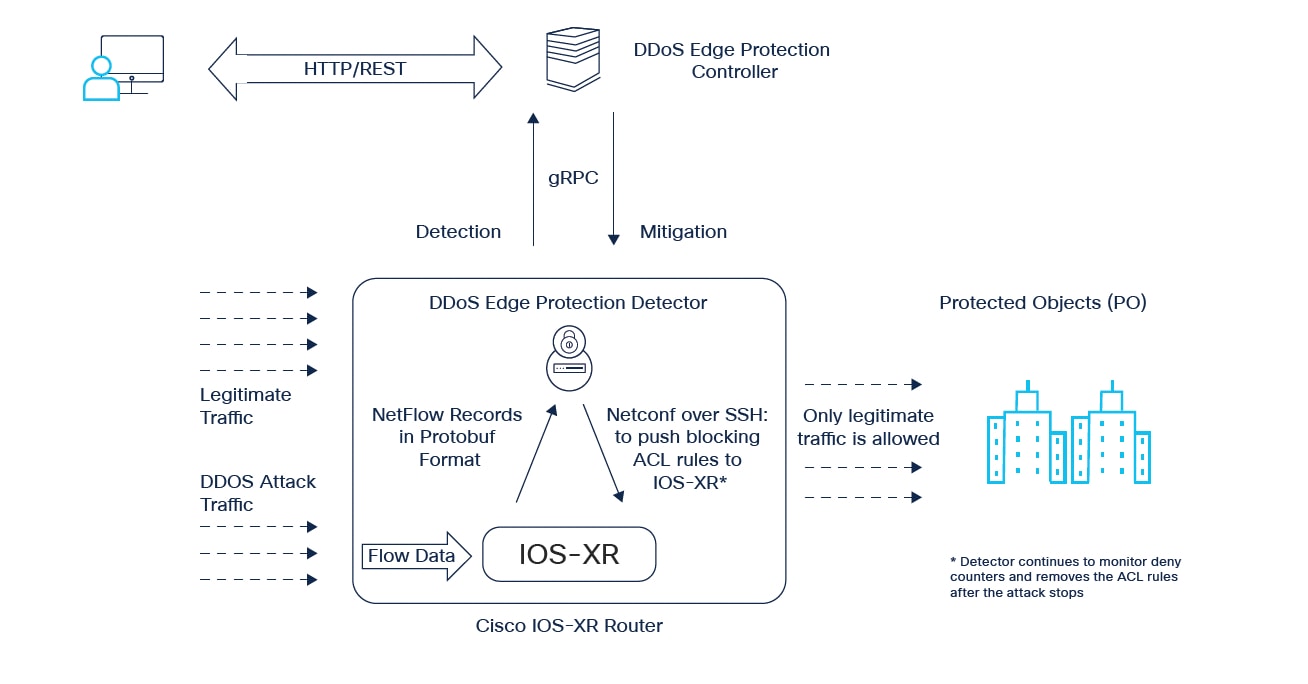
DDoS mitigation edge
From an operator’s perspective, MoltWorker emphasizes observable and debuggable behavior: per-module resource accounting, aggregated heatmaps of network usage, and prioritized tracing for policy violations. These make it easier to answer questions like 'who initiated this outbound connection?' or 'which module exceeded egress quotas?' without deep packet-level forensics.
Migration: moving from OpenClaw or Moltblot to MoltWorker
For teams already invested in OpenClaw or Moltblot, migration is rarely zero-effort. Key considerations include compatibility, policy translation, and rollout strategy:
- Compatibility layer: MoltWorker maintains a compatibility shim for common host bindings, easing the porting of existing modules.
- Policy translation toolkit: A migration tool maps OpenClaw/Moltblot policies to MoltWorker's declarative policy language, highlighting semantic differences for review.
- Incremental rollout: Start with non-critical services to validate observability and performance, then adopt canary traffic shifting and progressive rollout patterns.
- Signing and CI changes: Add signing steps into build pipelines—this is a small but crucial change to meet artifact verification requirements.
Document the migration path and automate as much as possible. The biggest surprises usually come from implicit assumptions in old runtimes—default network egress, permissive host bindings, and undocumented retries—that are intentionally strict in MoltWorker.
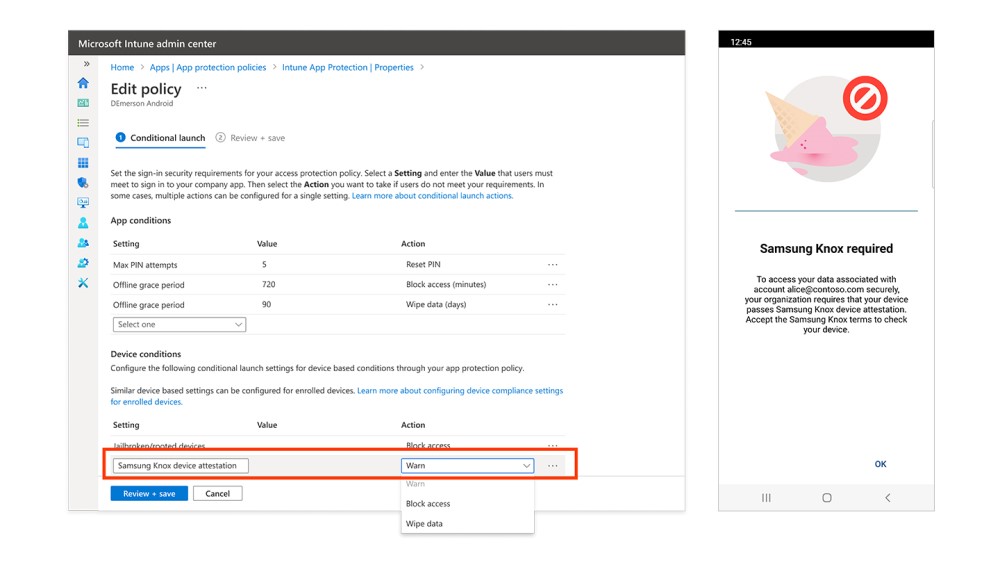
Hardware attestation
Case studies and use cases
MoltWorker fits a range of edge-first use cases where security matters as much as speed. Examples include:
- API gateways at the edge: Enforce request-level policies and authenticated proxying with minimal latency overhead.
- Multi-tenant SaaS features: Run tenant-isolated logic close to users while bounding resource consumption and data egress.
- Content personalization: Apply personalization logic on the edge with safe access to user context and privacy-preserving telemetry.
- IoT ingress processing: Filter and transform telemetry from distributed devices with strong artifact verification.
In higher-risk deployments—financial services, healthcare processing, or critical infrastructure—MoltWorker's attestation and strict supply chain controls provide extra assurance that the runtime is running authorized, auditable code.
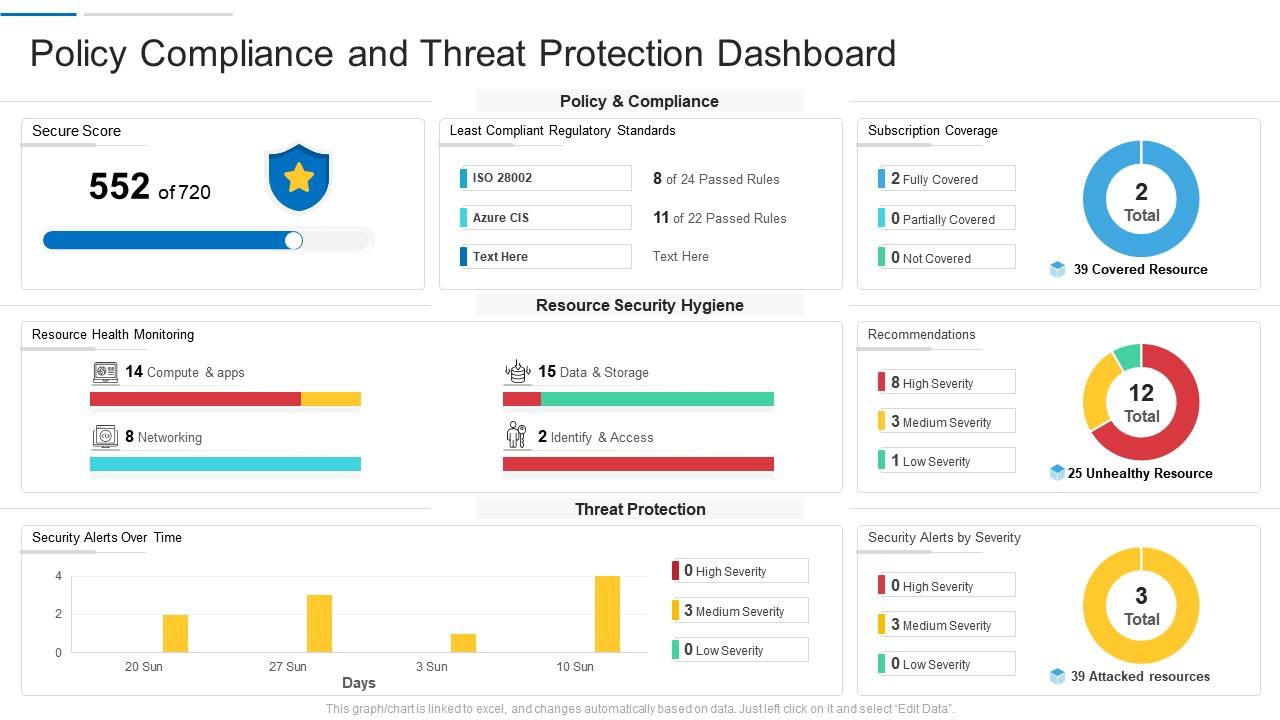
Policy enforcement dashboard
Operational considerations and trade-offs
No platform is without trade-offs. MoltWorker’s stricter defaults can feel restrictive at first: more explicit policies, mandatory signing, and tighter host bindings require organizational discipline. Teams will need to adapt CI/CD pipelines, invest in policy authoring and testing, and accept that some legacy patterns must change.
On the upside, those early costs convert into operational resilience: fewer incidents caused by privilege creep, simpler post-incident forensic trails, and confidence that artifacts running at the edge match those approved in CI.
Comparing MoltWorker and OpenClaw (at a glance)
The high-level differences can be summarized into a few core contrasts:
- Security stance: MoltWorker prioritizes attestation and artifact verification; OpenClaw favored extensibility and plugin flexibility.
- Operational TCB: MoltWorker reduces the runtime complexity and pushes features into audited extensions; OpenClaw accepted a larger plugin surface.
- Developer flow: MoltWorker requires signing and policy checks earlier in the pipeline, while OpenClaw often deferred such checks to later stages.
- Performance: Both aim for low-latency edge execution, but MoltWorker emphasizes deterministic cold-start behavior and tighter resource accounting.

CI/CD integration signing
Checklist for teams evaluating MoltWorker
Before you adopt, evaluate along these axes:
- Risk tolerance: Do you need cryptographic attestation or supply chain enforcement?
- Operational maturity: Can your CI/CD absorb signing and artifact provenance checks?
- Compatibility: Are your existing plugins and host calls supported or easy to shim?
- Performance needs: Are the latency and cold-start characteristics acceptable for your workloads?
- Compliance requirements: Does the stricter policy model help meet regulatory obligations?
Best practices for adoption
Successful adoption of a more restrictive runtime often follows a pattern:
- Start small: Port and validate low-risk services first to build organizational competence.
- Automate policy testing: Add policy checks to CI so regressions are caught before prod.
- Use canaries and feature flags: Gradual traffic shifts reveal behavioral differences without large-scale impact.
- Invest in observability: Make sure tracing, logs, and metrics are correlated with artifact identities and policy versions.
Developer and security team collaboration
MoltWorker underscores the need for closer collaboration between developers and security teams. Rather than acting as a gate, security becomes a partner that helps author safe defaults and policy templates. Practical collaboration steps include shared policy repositories, recipe-based onboarding, and cross-functional postmortems that turn operational friction into clearer standards.
Conclusion
MoltWorker proposes a pragmatic, security-first synthesis of the best ideas from modern edge runtimes. By tightening the trusted computing base, enforcing artifact provenance, and offering developer-friendly tooling, it aims to reduce operational risk without sacrificing latency or developer velocity. The trade-offs are real—teams must invest in CI changes, policy discipline, and added observability—but for organizations that run sensitive or regulated workloads at the edge, those investments are often justified.
- MoltWorker prioritizes isolation, artifact attestation, and policy-driven execution to harden edge deployments.
- Migration from OpenClaw or Moltblot is feasible but requires CI updates and policy translation.
- Adoption succeeds when developer ergonomics and automation reduce friction around mandatory security steps.
This analysis examines MoltWorker as a security-focused evolution in edge runtimes and provides a practical guide for teams weighing migration.