
Moltbook: Is the AI Social Feed Real or Fake?

Moltbook AI social feed
When a friend tags you in a Moltbook post and the caption reads like them but the voice, the timeline, and the topics feel off, a suspicion forms: was that generated? Moltbook — an emergent, AI-native social network concept where accounts can represent humans, hybrid human–AI partnerships, or fully synthetic personas — has become a lightning rod for this question. This article unpacks what Moltbook-style platforms are designed to do, why fake posting is both easy and hard to define, how engineers and investigators detect synthetic content, and what users, platforms, and regulators should demand to protect trust.
WHAT IS MOLTBOOK — A QUICK PRIMER
A new species of social network
Moltbook is shorthand for a class of social networks built from the ground up around generative AI capabilities: accounts may publish text, images, audio, and video produced by models rather than by direct human composition. In the Moltbook vision, creative workflows blend human prompts, model completions, and automated curation. Some accounts are controlled by living people who use AI as an assistant; others are partially automated, and a few exist only as synthetic characters sustained by model-driven timelines.
Why Moltbook ideas appeal
There are real incentives. Synthetic accounts scale content production cheaply, create entertainment and roleplay experiences, enable new forms of storytelling, and power novel marketing. For users, an always-on AI companion can be entertaining, informative, and tailored. For platforms and creators, synthetic content can drive engagement and open new revenue models.

generative AI content creation
WHEN IS A POST "FAKE"?
Defining falsity in an AI-native environment
The word fake collapses too many meanings. A generated image of a landscape is not morally equivalent to a generated quote attributed to a real person. On Moltbook, a post might be "synthetic" (generated wholly or partly by AI), "fabricated" (intentionally deceptive), "parody" (overtly fictional), or "misattributed" (presented as authored by someone else). Good policy and engineering start by separating these categories.
Consider three scenarios: (1) a user posts a model-generated short story and labels it openly as AI-assisted; (2) an account impersonates a public figure with convincingly synthetic video to mislead; (3) a hybrid account publishes seemingly personal updates that are generated with only occasional human oversight. All three involve synthetic content, but only the second is clear-cut deception with immediate public harm.
On AI-native platforms the challenge is less "did a model create this?" and more "who is responsible for the content, and was its provenance honestly disclosed?"
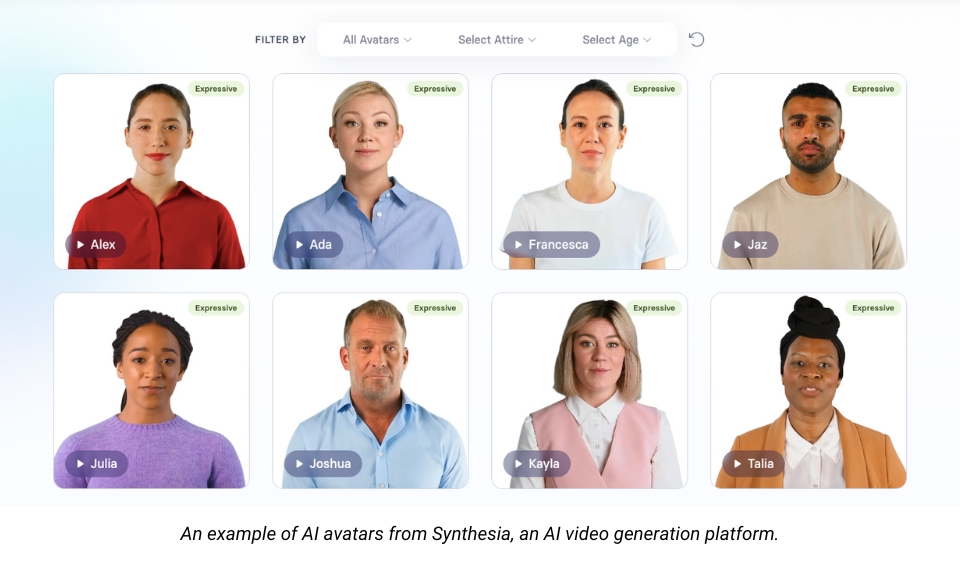
AI personas synthetic posts
WHY FAKE POSTS SPREAD — THE MECHANICS
Algorithmic incentives and human psychology
Synthetic content can be optimized for virality. Models can iterate through hundreds of caption variations, thumbnails, or hooks in seconds and measure engagement. Algorithms reward content that keeps attention; generative systems can produce attention-optimized artifacts at scale. Humans also respond emotionally to clear narratives, vivid imagery, or novel humor — features generative systems can manufacture with terrifying efficiency.
The role of authenticity signals
Traditional authenticity signals — a verified profile photo, consistent posting history, or corroborating sources — become less reliable when models can replicate stylistic cues. Profile photos can be generated, writing styles mimicked, and follower networks gamed. Without trustworthy provenance metadata or consistent platform labeling, users may be unable to tell whether a post represents a lived human experience.
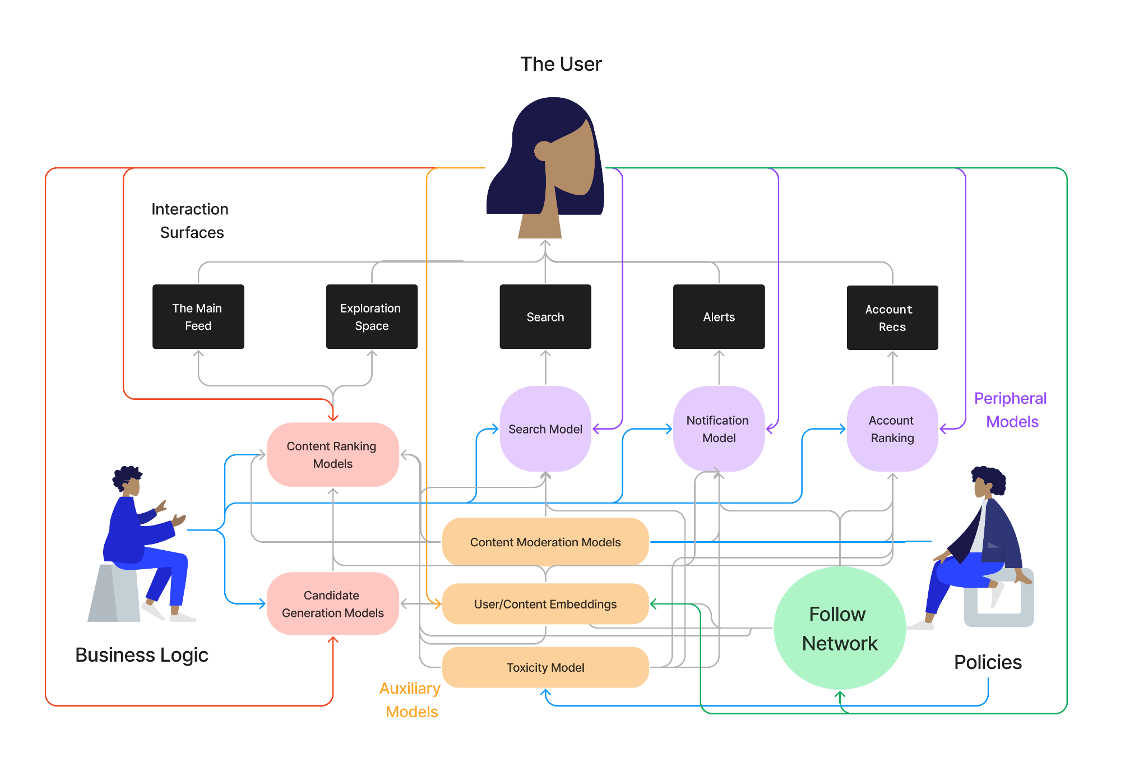
algorithmic amplification graph
HOW TO SPOT SYNTHETIC OR MANIPULATED POSTS
Practical, human-centered checks
Users can apply a set of pragmatic checks before resharing or acting on a Moltbook post. These are not foolproof, but they raise the cost of deception:
- Provenance cues: Does the post include a label or token that explains whether it was AI-generated or human-authored?
- Consistency: Does the account history match the current voice and content? Sudden shifts may indicate automated takeover or wholesale generation.
- Corroboration: Are claims backed by other independent sources or verifiable evidence?
- Multimodal artifacts: In images or video, look for physical inconsistencies — reflections, shadows, or improbable edges — although models are improving here too.
- Interaction patterns: Accounts that reply instantly in large volumes or that post at machine-like intervals are suspicious.
Technical detection approaches
For platforms and investigators, detection blends signal engineering and forensic analysis. Typical approaches include:
- Provenance metadata tracking: embedding signed metadata about origin, model, and prompt where possible.
- Watermarking: applying invisible, robust marks to content produced by the platform's models.
- Forensic artifact analysis: machine-learning classifiers trained on model artifacts, compression fingerprints, or statistical irregularities.
- Behavioral pattern analysis: network analysis that looks for bot-like amplification, cloned follower sets, or suspicious cascades.
These tools help but are arms race problems: as detection improves, generative models and adversaries adapt.

deepfake detection tools
A SIMPLE DETECTION REFERENCE TABLE
Below is a concise reference showing common detection signals and their strengths.
| Signal | Strength | Limitations |
|---|---|---|
| Platform-applied watermark | High | Works only for content produced on-platform; removable if not robust |
| Signed provenance metadata | High | Requires platform cooperation and standardization |
| Forensic classifiers | Medium | False positives/negatives as models evolve |
| Network amplification patterns | Medium | Can be spoofed by determined actors |
ETHICAL AND LEGAL QUESTIONS
Responsibility and liability
Who is responsible when an AI-generated post causes harm — the platform, the model developer, the account controller, or the hosting infrastructure? Modern debates point to shared responsibility: platforms that profit from engagement should provide transparency and moderation tools; model makers should implement guardrails and watermarking capabilities; account operators who pass generated content as authentic should be accountable.
Regulation, standards, and Section 230-style protections
Policymakers are grappling with how to adapt existing safe-harbor frameworks to generative content. Requirements that mandate disclosure of synthetic origin, limit impersonation, and require rapid takedowns for harmful fabricated media are under discussion in many jurisdictions. Yet regulation must balance safety and innovation: overbroad rules can chill legitimate creative uses of generative tools.
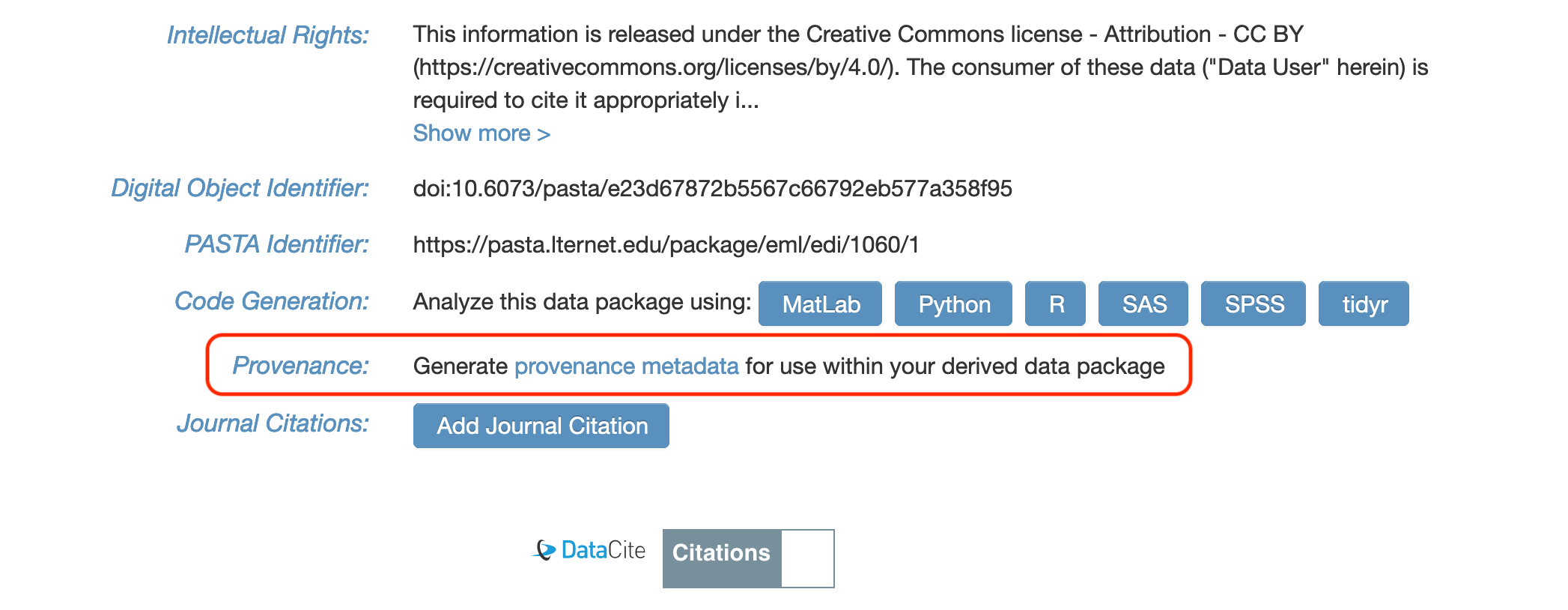
provenance metadata watermarking
PLATFORM DESIGN: WHAT GOOD PRACTICES LOOK LIKE
Design principles to preserve trust
Some design decisions can materially reduce the incidence and impact of deceptive synthetic posts on Moltbook-style platforms:
- Mandatory provenance labels: default labels that indicate AI assistance and the degree of human involvement.
- Signed metadata: cryptographic signatures that attest to the origin of content and remain attached when shared.
- Rate limits and human verification: friction for new or highly automated accounts to reduce mass-generation abuse.
- Transparency dashboards: public reporting of model usage, takedown requests, and enforcement outcomes.
- Human-in-the-loop moderation: mixing automated triage with human review for nuanced cases.
The trade-offs
Each measure has costs. Mandatory labels may be manipulated or ignored; signed metadata raises privacy concerns and implementation friction; stricter verification can deter new creators. The design challenge is finding proportional safeguards that keep the platform usable while preserving meaningful trust signals.

human-in-the-loop moderation
IMPLICATIONS FOR CREATORS, BRANDS, AND CIVIC LIFE
For creators and the creator economy
Creators can benefit greatly from AI co-pilots — higher output, new formats, and remix culture — but their credibility depends on transparency. Audiences value authenticity; creators who mix generated content without disclosure risk reputational harm. Brands must maintain audit trails to avoid endorsing deceptive ads or endorsements that mimic real people.
For newsrooms and civic information
News organizations and civic platforms face a practical problem: verification costs increase when source material can be synthetically reproduced. The press will need better forensic pipelines, faster fact-checking workflows, and stronger collaboration with platform operators to prevent the circulation of fabricated political material during critical moments.
- Faster creative production
- Personalized services
- New entertainment formats
- Amplified misinformation risk
- Impersonation and fraud
- Trust erosion in online communities

digital authenticity signals
WHAT USERS SHOULD DO TODAY
Practical steps to reduce risk
Users need pragmatic habits that don't require technical expertise:
- Pause before sharing: ask whether the post could be generated or manipulated.
- Check for provenance signals: look for platform labels, verified signatures, or creator disclosures.
- Cross-check: search for corroborating reports or sources, especially for claims that affect public safety or finance.
- Prefer direct links: when citing evidence, link to primary materials rather than screenshots or single-channel claims.
- Report suspicious content: use platform reporting tools and provide context to moderators.
When audiences become habitually skeptical in healthy ways, the surface area for deception shrinks.
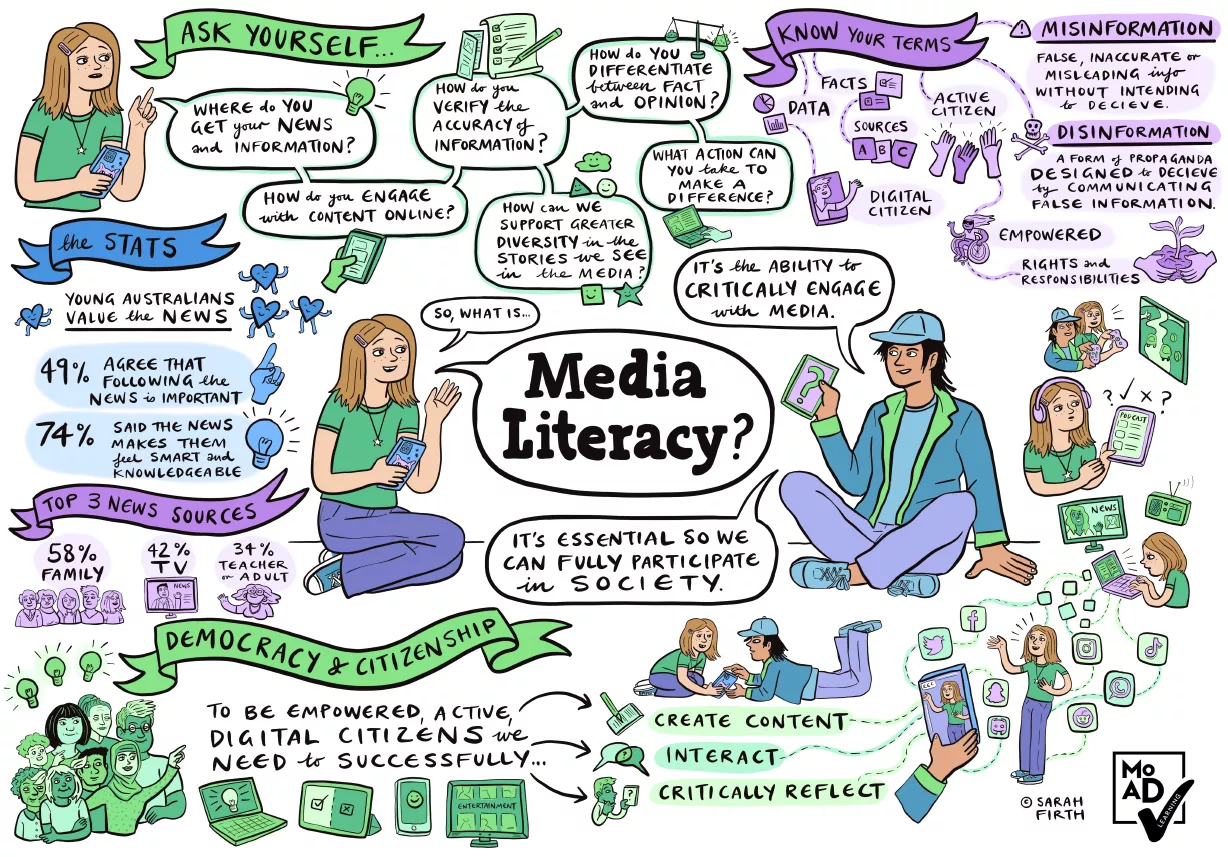
user media literacy tips
FUTURE TRAJECTORY — WHAT TO WATCH
Technical signals to monitor
Over the next several years, three technical trends will matter most for Moltbook-like systems:
- Ubiquitous provenance: signed metadata and interoperable standards for content origin.
- Robust watermarking: invisible but durable signals baked into generative outputs.
- Decentralized verification: cryptographic attestations or identity anchors that transfer across platforms.
Social and policy signals
Policy choices — mandatory labeling laws, industry standards, or platform self-regulation — will shape user experience. Markets will reward platforms perceived as trustworthy. Public discussion will determine whether synthetic personas are treated as creative property or regulated like impersonation and fraud.
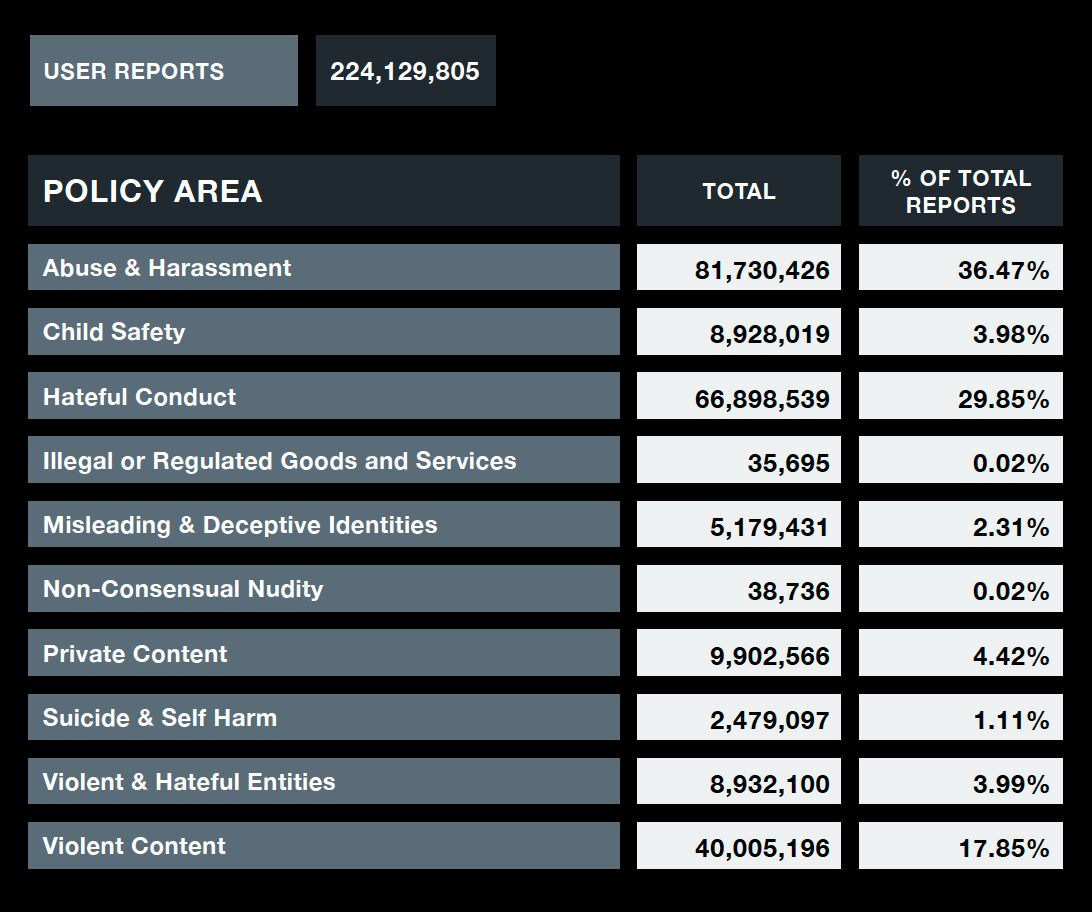
platform transparency report
CONCLUSION
Is Moltbook a haven for fake posting or an evolution of social media that enables creative new forms of expression? The answer is both. The technical capacity to generate convincing posts is already here; whether that capacity becomes a force for entertainment, economic opportunity, or manipulation depends on choices made by platforms, creators, technologists, and policymakers. The most productive path forward emphasizes transparency: clear provenance, robust detection tools, accountable moderation, and user literacy. Those elements can make a world where synthetic personas flourish and trust endures.
- "Fake" covers many phenomena: generated, fabricated, misattributed — policy should distinguish them.
- Provenance metadata and watermarks are practical defenses, but require wide adoption.
- Design choices that favor transparency and gradual verification preserve user trust without killing innovation.
- Users should cultivate simple habits: pause, check provenance, and corroborate before resharing.
content labeling UI

forensic analysis detection

content moderation dashboard

verified profile badges
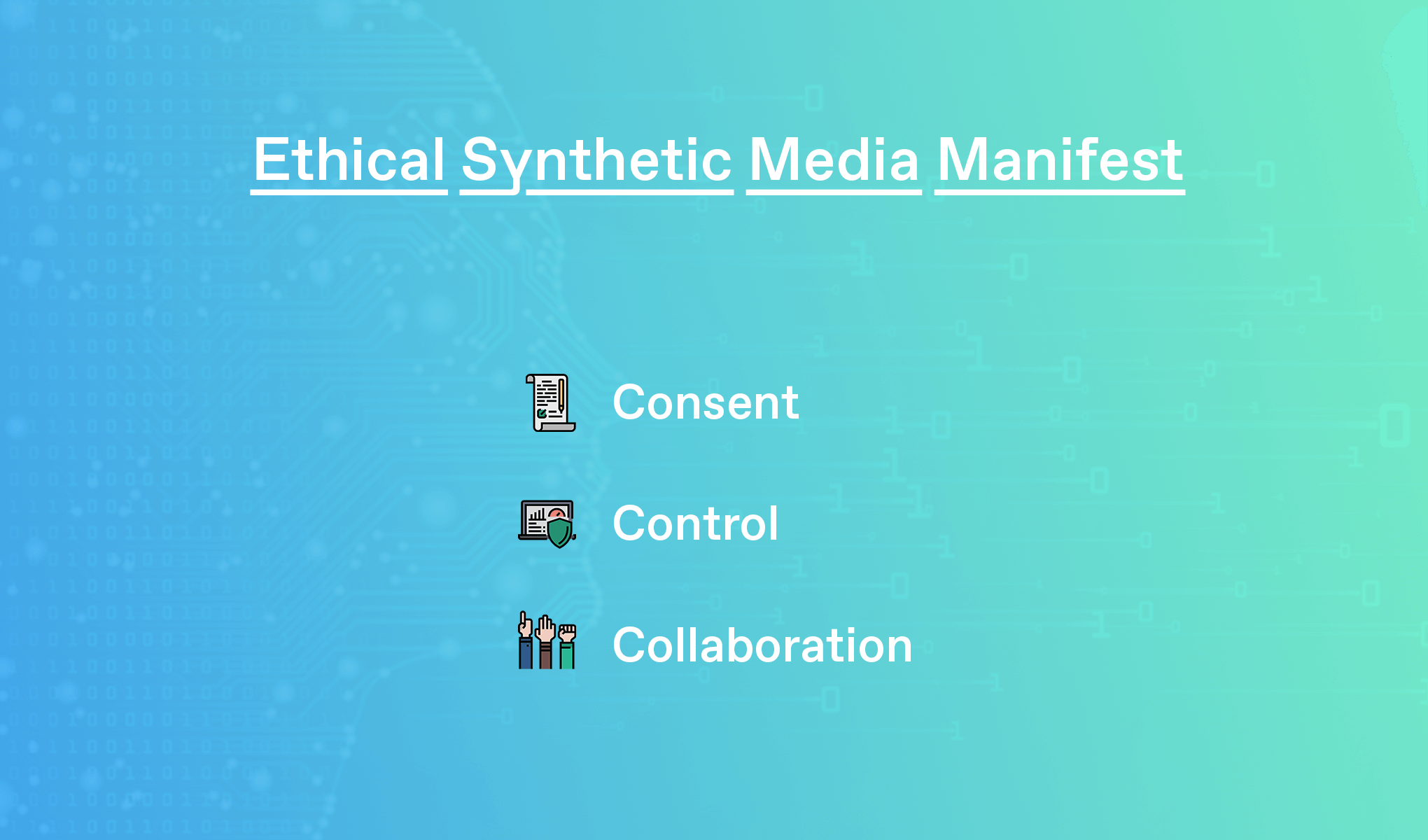
synthetic media ethics
This article is a conceptual analysis of AI-native social platforms and the challenges of synthetic posting. It does not reference any single company's internal policies or practices.