MIT Reprograms Immune Cells Inside the Body to Kill Cancer
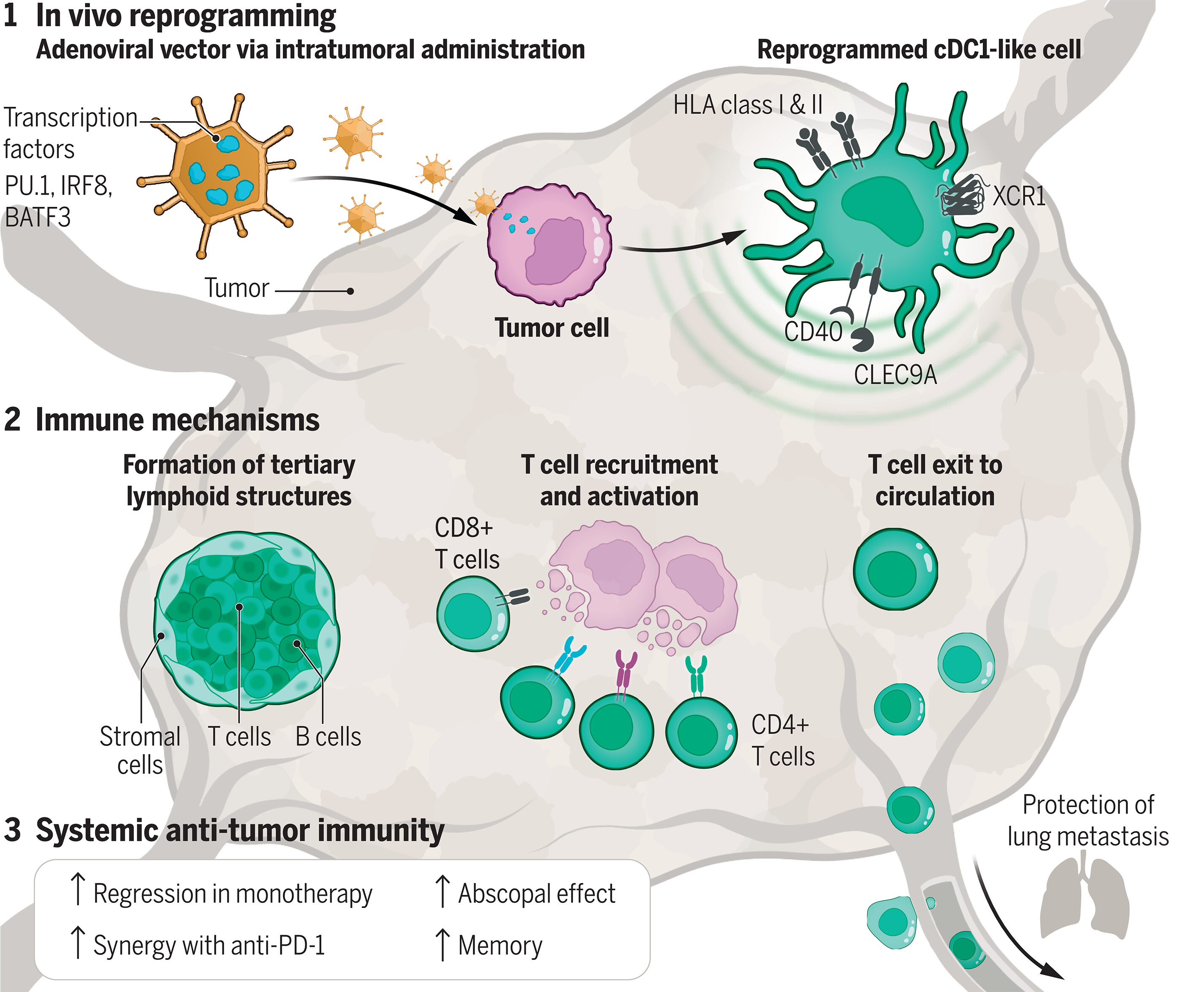
The idea that a patient's immune system could be taught, on site and without months of laboratory manipulation, to recognize and destroy cancer cells has been a long-standing dream in oncology. Now, a team at MIT has taken a decisive step toward that goal by developing a method to reprogram immune cells directly inside the body. The technique redirects the body's own defenses to act like living, adaptable drugs—cells that find tumors, engage malignant cells, and continue to adapt as the disease evolves. If it fulfills its promise, this approach could reshape how we think about cancer treatment, access to advanced therapies, and the economics of bringing personalized medicine to more patients.

biomedical laboratory research MIT
What the MIT Team Did
The researchers created a system that delivers genetic instructions to immune cells while they travel through the bloodstream and tissues. Rather than extracting cells, modifying them in a lab, expanding them, and infusing them back into patients, the new approach brings the modification toolkit to the cells. It uses targeted delivery vehicles designed to home to specific immune cell types and introduce engineered constructs that rewire cell behavior.
bloodstream immune cells visualization
In practice, this means converting ordinary immune cells into effectors that can find and kill tumor cells. Depending on the payload and delivery strategy, the cells can be given the equivalent of a recognition program, a set of activation rules, and safeguards that limit their activity to the tumor microenvironment. The in vivo process is faster, potentially less costly, and could scale in ways ex vivo cellular therapies currently cannot.
A living drug delivered inside the body could make advanced immunotherapy available to far more patients—and change how medicine manufactures treatments.
How In-Body Reprogramming Works
At its core this technology combines three elements: a targeting delivery vehicle, a genetic or molecular payload, and a biochemical or physical cue that restricts activity to the intended targets. Each component must work in concert to achieve both potency and safety.
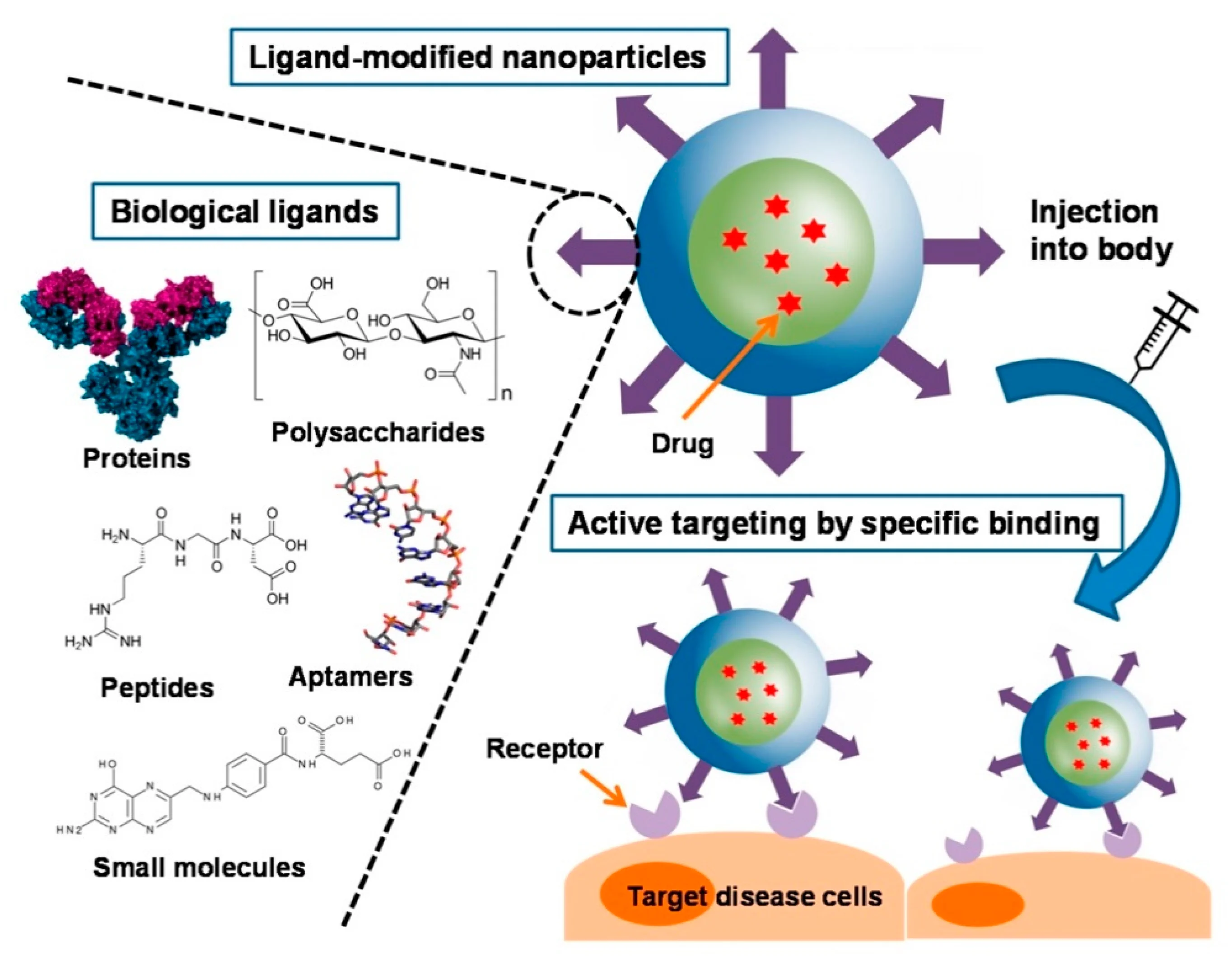
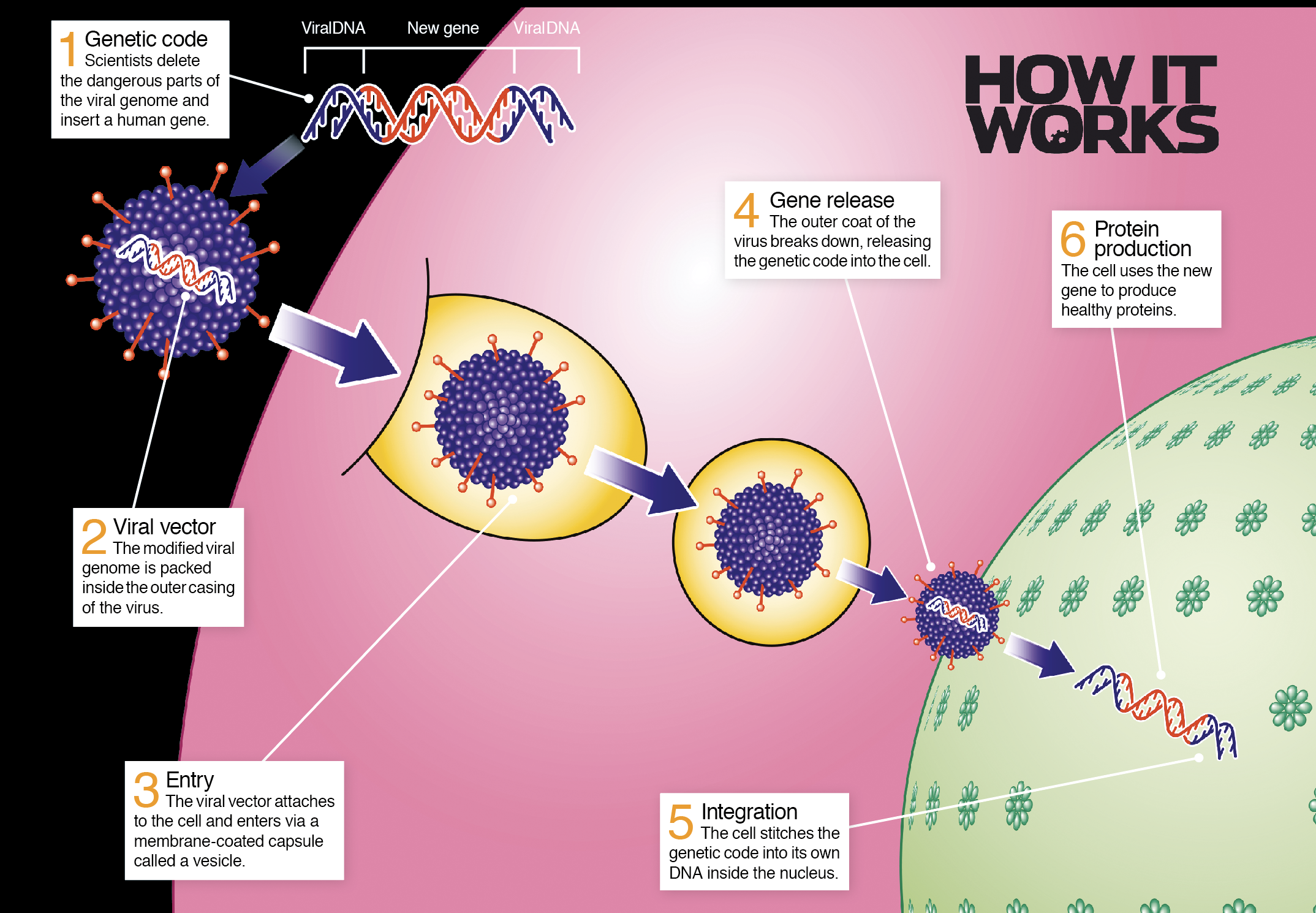
Delivery: The team explored vehicles that can circulate systemically and preferentially bind to immune cells. Options include engineered nanoparticles and modified viral vectors. These carriers are decorated with ligands or antibodies that recognize surface markers on specific immune cell types—T cells, natural killer (NK) cells, or macrophages. Once bound, the carrier transfers its cargo into the cell's interior.
nanoparticles drug delivery system
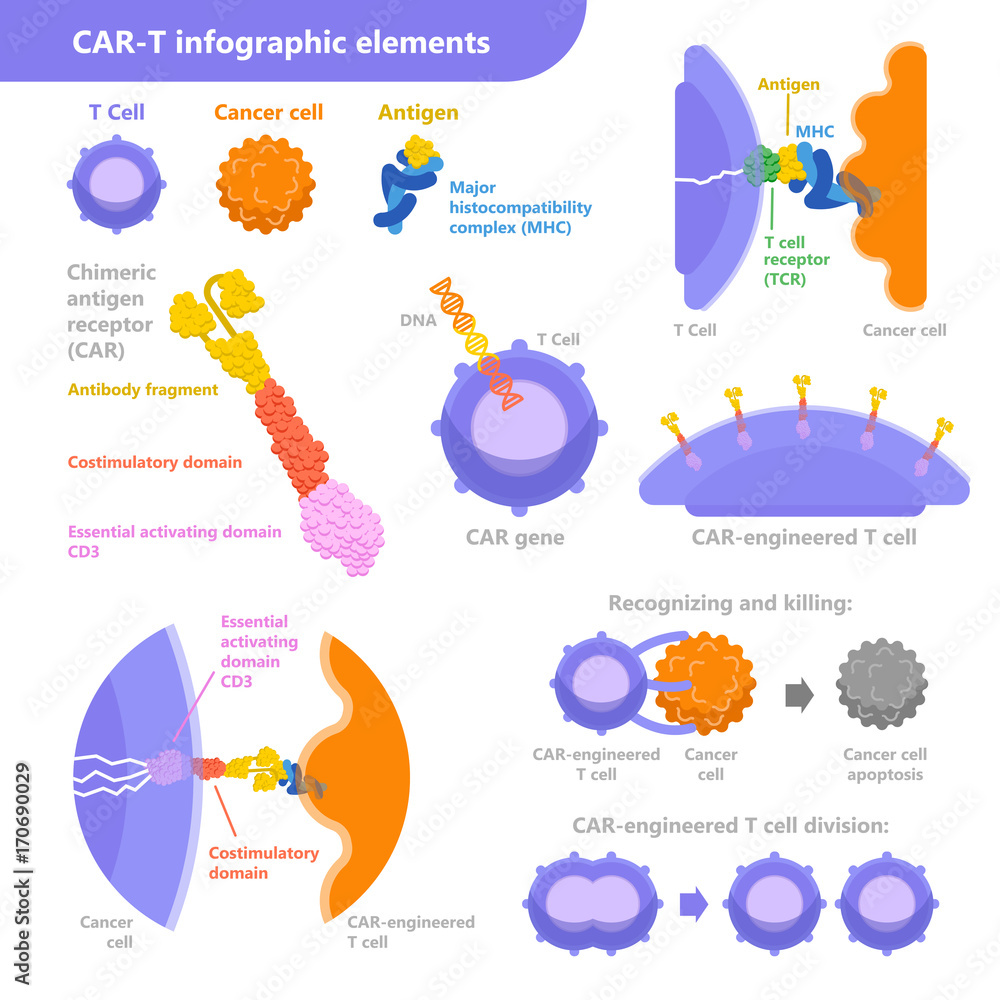
Payload: The genetic instructions delivered to the cell can encode chimeric antigen receptors, cytokine expression programs, or switches that alter cellular survival and activity. CAR constructs, for example, give immune cells a new recognition receptor that targets tumor-associated antigens. Other payloads can reprogram suppressive cells in the tumor microenvironment or make T cells resistant to inhibitory signals that tumors exploit.
CAR-T cell immunotherapy illustration
Control: A critical innovation is building in control mechanisms that limit off-target activity. These can be molecular kill switches, drug-gated receptors that require a benign small molecule to activate, or promoters that only turn on inside the tumor's unique biochemical environment. Containment strategies are essential to reduce the risk of autoimmune reactions and other toxicities.
Why This Matters: Potential Advantages
There are several reasons this approach draws so much attention.
- Speed and accessibility: Current adoptive cell therapies require complex manufacturing—cells must be harvested, engineered, and expanded in specialized facilities. In vivo reprogramming could cut that timeline dramatically and make therapies available in ordinary hospital settings.
- Cost reduction: Manufacturing cellular therapeutics is expensive. Bringing the engineering step into the patient could lower production costs and reduce logistical burdens such as cryopreservation and shipment.
- Scalability: Because the intervention is delivered like a drug, it scales more easily than bespoke cellular manufacturing, which is labor-intensive and throughput-limited.
- Broader patient eligibility: Some patients cannot tolerate the preparative regimens needed for ex vivo approaches. In-body reprogramming could be tailored to avoid those barriers.
How It Compares to Existing Therapies
The new approach is often compared to CAR-T and other adoptive cell therapies. It's useful to examine the differences in a compact form.
| Feature | Ex Vivo CAR-T | In Vivo Reprogramming |
|---|---|---|
| Manufacturing | Complex, centralized | Drug-like, scalable |
| Time to treatment | Weeks | Days to weeks |
| Cost | High (hundreds of thousands) | Potentially lower |
| Suitability | Best for hematologic cancers so far | Designed for broader applicability |
| Control of engineered cells | High (can test cells ex vivo) | Requires built-in safety controls |
The table highlights trade-offs. In vivo methods trade some of the hands-on control afforded by ex vivo manipulation for speed, cost, and reach. That trade-off puts a premium on delivery specificity and safety mechanisms.
Scientific Hurdles: Delivery, Specificity, and Persistence
Delivering genetic material systemically and having it land only in the right cells is difficult. Nanoparticles can be taken up by the liver, spleen, and other organs, diluting effect and increasing risk. Viral vectors can be immunogenic and elicit neutralizing antibodies that blunt repeat dosing. The MIT approach addresses these problems by fine-tuning targeting ligands and designing payloads that are only expressed under specific biological conditions.
viral vector genetic engineering
Even after cells are successfully modified, persistence is another question. Durable anticancer responses often require that engineered cells survive and function for months. Researchers must balance the desire for long-lived, tumor-fighting cells with the need to be able to turn them off if adverse effects occur.
Safety Concerns and Ethical Considerations
Every intervention that permanently alters cellular behavior raises safety and ethical flags. Off-target editing or unintended immune activation could produce life-threatening side effects. For example, if engineered cells mistakenly target healthy tissues, the consequences may be severe. To mitigate these risks, developers build layered safety features: suicide switches that induce apoptosis when triggered, drug-dependent switches that require an administered small molecule for activity, and expression cassettes that rely on tumor-specific promoters.
There are also ethical questions about equitable access. The major advantage of in vivo reprogramming is potentially broader distribution of advanced therapies, but only if these treatments are developed with equity in mind. Without deliberate policy and pricing strategies, novel therapies can compound disparities.
Path to the Clinic: Trials, Regulation, and Manufacturing
Translating in vivo reprogramming into approved therapies will require a clear regulatory path and careful clinical trials. Regulators will want rigorous evidence of specificity and safety before allowing broad use. Early-phase trials will likely focus on cancers with unmet needs and measurable endpoints where risks are justified by potential benefits.
Manufacturing for in vivo therapeutics looks different from cell factories. Instead of growing cells, companies must produce consistent, high-quality delivery vehicles and payloads. Good manufacturing practice (GMP) facilities will be adapted to scale nanoparticles and viral vectors under tight quality controls.
Possible Clinical Uses and Scenarios
Where could this technology be most impactful? Several scenarios stand out.
- Hematologic malignancies: Blood cancers have been the earliest success story for immune-cell therapies. In vivo reprogramming could broaden patient access and reduce time to treatment.
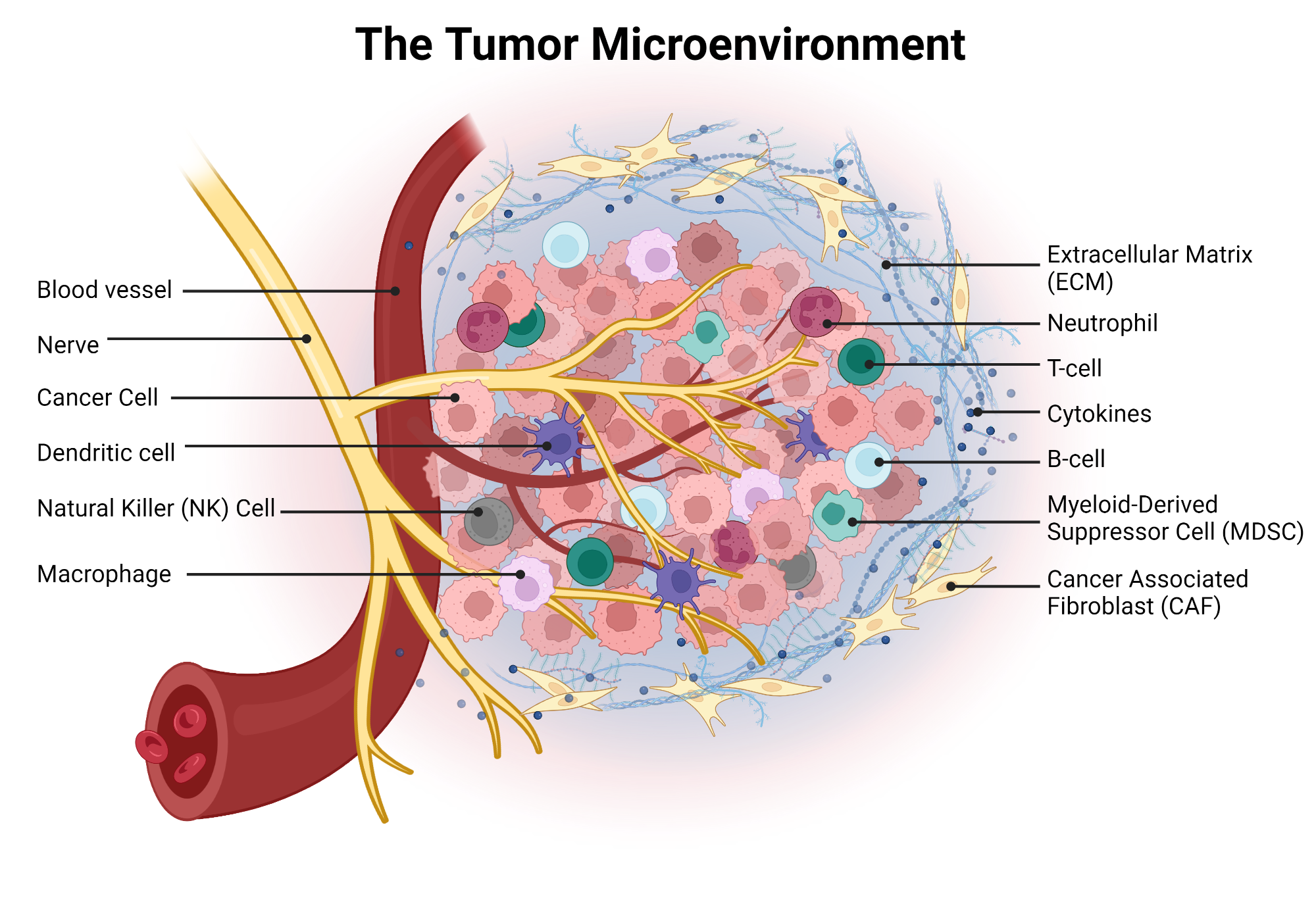
- Solid tumors: Solid tumors have resisted many immunotherapies because of hostile microenvironments. Delivery vehicles that penetrate tumors and reprogram local macrophages or T cells could change outcomes for hard-to-treat cancers.
- Adjuvant therapy: After surgery, in-body reprogramming could patrol microscopic residual disease, lowering relapse rates.
- Combination therapy: Paired with checkpoint inhibitors, radiation, or targeted drugs, in vivo engineered cells could act synergistically to overcome resistance mechanisms.
tumor microenvironment cancer cells
Broader Implications Beyond Oncology
While cancer is the most immediate application, the underlying idea—reprogramming cells inside the body—has broader potential. Autoimmune diseases, chronic infections, and even metabolic disorders might be addressed by transiently or permanently altering cell programs. The same delivery principles could be adapted to reinvigorate exhausted immune responses in persistent infections or to recalibrate immune activity in autoimmune disease.
The platform nature of in vivo reprogramming means that advances in targeting or safety could unlock many therapeutic avenues.
- Faster deployment
- Lower manufacturing complexity
- Potentially wider access
- Higher demands on delivery specificity
- Potential for off-target effects
- Regulatory and ethical complexities
What Success Looks Like—and What Failure Would Mean
Success will be measured by safe, reproducible patient responses across diverse cancer types, manageable side effect profiles, and the ability to manufacture and deliver the therapy at scale. Failure could mean persistent delivery problems, unacceptable toxicities, or regulatory pushback that stalls development. Partial successes—effective but limited to small patient subsets—are also possible and would still represent progress toward more accessible cellular therapies.
Conclusion
Turning immune cells into cancer killers inside the body is a bold and promising shift in therapeutic strategy. It retains the biological sophistication of cell-based immunotherapy while aiming to solve the economic and logistic problems that limit current approaches. The science is compelling, but the path forward requires meticulous attention to delivery, safety, and equitable implementation.
- In vivo immune cell reprogramming could make advanced immunotherapies faster, cheaper, and more widely available.
- Technical challenges—especially delivery specificity and safety controls—are the main barriers to clinical translation.
- The approach is platform-ready and could extend beyond oncology to other diseases.
- Careful clinical trials and regulatory planning will determine whether this innovation changes standard cancer care.
For patients, clinicians, and policymakers, the message is cautiously optimistic: a future where the body itself becomes the manufacturing site for personalized cancer-fighting cells is scientifically plausible and increasingly practical. The next years of research and clinical testing will determine whether that future arrives quickly, safely, and equitably.