Missing Nutrients Boost Bee Colonies 15-Fold: What Scientists Found
The morning sun lifts over an experimental apiary and the hum that fills the air sounds as if a community has found its voice: thousands of bees moving like a single organism. For decades, scientists and beekeepers have scrambled to explain dramatic declines in pollinators, with pesticides, habitat loss and disease taking center stage. Now, a different factor — the absence of a few key nutrients in modern landscapes — has emerged as a powerful missing piece. In controlled trials where these nutrients were reintroduced to colonies' diets, researchers reported colony sizes rising by as much as fifteen times. The result reframes how we think about floral landscapes, supplements, and what truly sustains a hive.
bee colony growth experiment
Why Bee Nutrition Matters
At a glance, bees seem simple: they forage, they return, they feed the young. But beneath that choreography is a delicate biochemical economy. Nectar supplies carbohydrates; pollen supplies protein, lipids, vitamins and micronutrients. Larvae depend on these building blocks to develop into robust workers and queens. When any critical element is missing, colony performance, disease resistance and overwinter survival can falter.
pollen supplement for bees
Beyond Protein: The Nutrients We Overlooked
For years, most nutritional interventions targeted protein quantity — usually measured as crude protein in pollen. But recent research pivots attention to the quality and balance of nutrients: specific sterols, essential fatty acids, and particular amino acids that are either scarce or chemically altered across monoculture landscapes.
One group of compounds, sterols, deserves special mention. Bees cannot synthesize sterols and must obtain them from pollen. Sterols are essential for cell membrane integrity and for proper development of brood. Another category — long-chain polyunsaturated fatty acids — plays a role in immunity and neural development. Carotenoids and certain micronutrients, like zinc and manganese, influence antioxidant defenses and metabolism. The net effect: missing or imbalanced nutrients do not immediately kill bees, but they limit the colony's ability to rear brood, resist pathogens, and build population momentum.
“You can feed a bee colony calories, but if the recipe misses a few ingredients the whole meal is nutritionally incomplete.”
The Experiment That Changed the Conversation
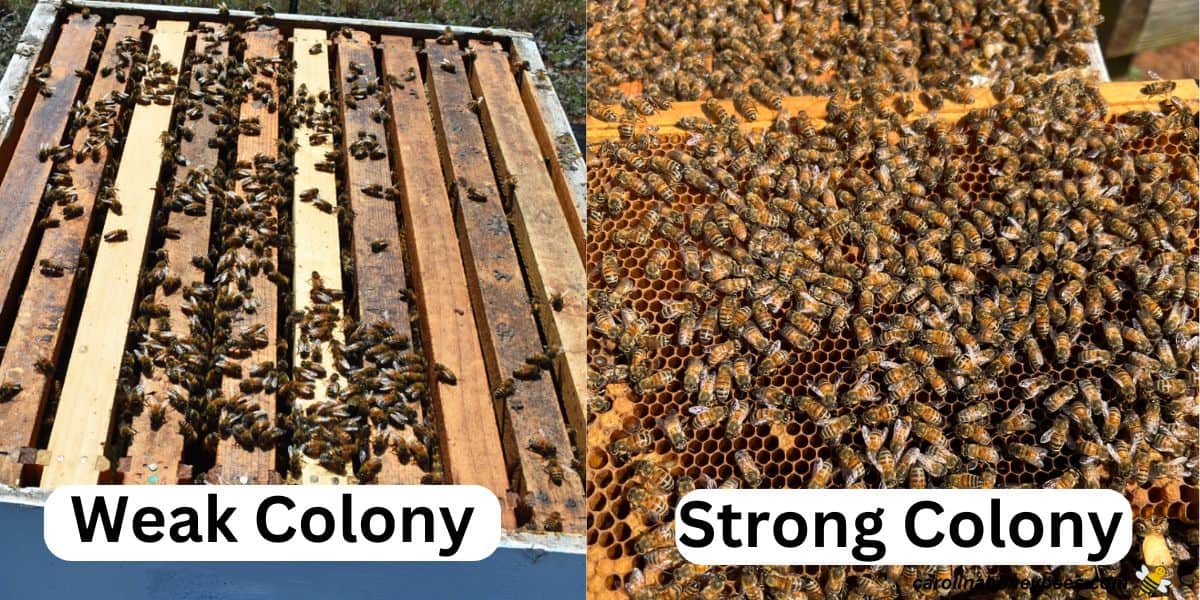
In a carefully controlled experiment, researchers sampled pollen and nectar across a range of agricultural and urban sites, identifying consistent deficits in a handful of nutrients compared with diverse wildflower diets. They then formulated supplements that restored those missing compounds in proportions thought to mimic a natural, mixed-flower diet. Hives that received the tailored supplements showed rapid improvements: brood area expanded, worker longevity improved, and overall colony population grew dramatically — in some instances fifteen-fold relative to unsupplemented controls over the course of a season.
bee foraging on wildflowers
How is a fifteen-fold increase possible? Context matters. Many of the experimental colonies began the season with small populations stressed by poor nutrition. When provided the missing nutritional building blocks, their brood-rearing efficiency multiplied, leading to geometric population gains — more foragers, more food return, and a feedback loop of growth.
What the Results Mean for Beekeepers
For hobbyists and commercial apiarists alike, the experiment points to actionable changes. First, diversity matters more than sheer pollen abundance. A monochrome field of a single crop may offer plenty of protein but little of the particular sterols or fatty-acid profiles bees need. Second, strategic supplementation can be a force multiplier during dearth periods or when landscapes cannot be quickly changed.
Practical Feeding Strategies
Rather than ad-hoc sugar feeds or generic pollen patties, the evidence favors:
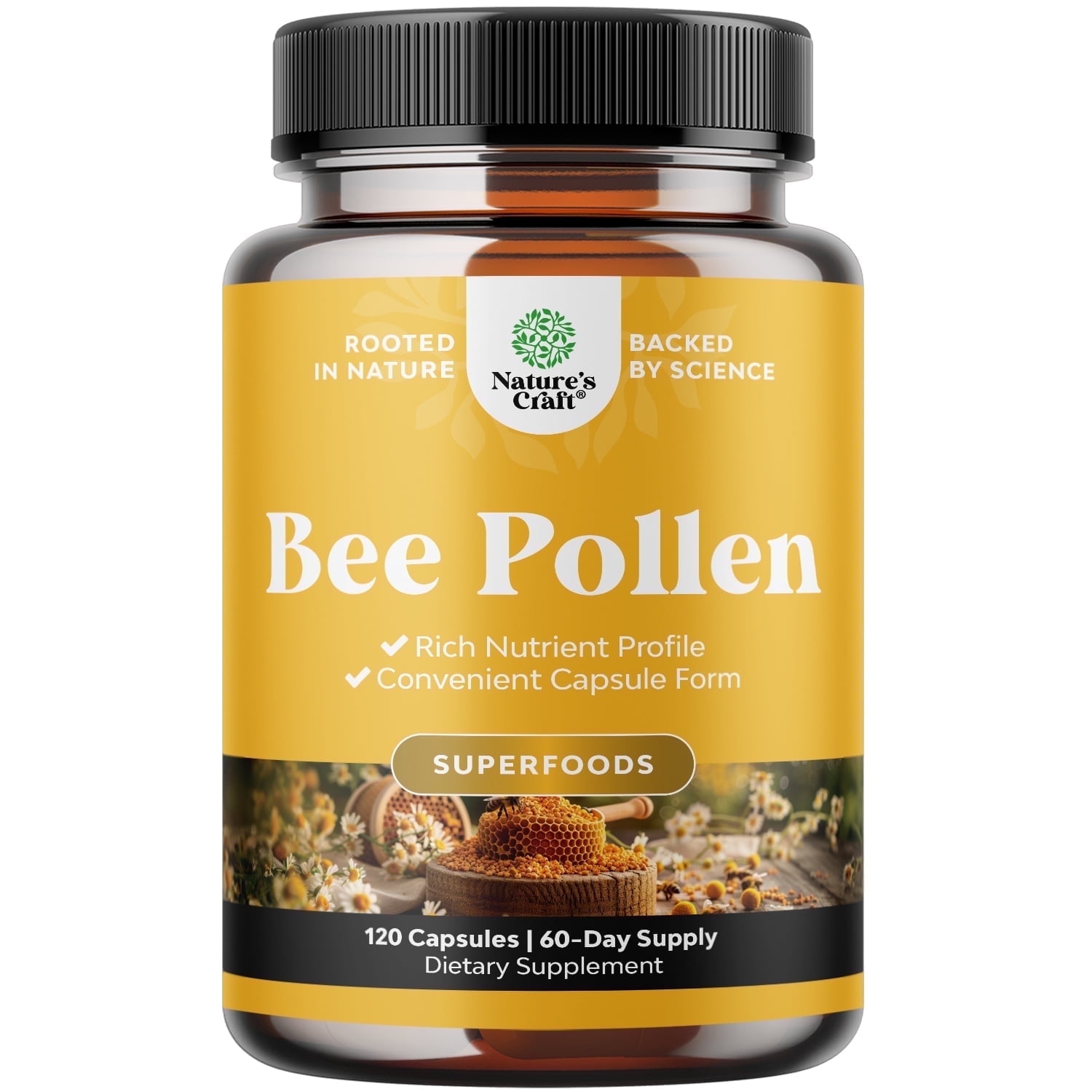
- Targeted pollen supplements that include sterol-rich pollen analogues and a spectrum of essential fatty acids.
- Timed interventions during early spring and late summer when brood rearing is intense and natural forage is limited.
- Rotational floral plantings to provide continuous, chemically diverse forage across the season.
These adjustments are not a panacea, and they must be paired with disease management and sound husbandry. But for beekeepers struggling with chronically weak colonies, restoring diet diversity can transform an apiary's trajectory in a single season.
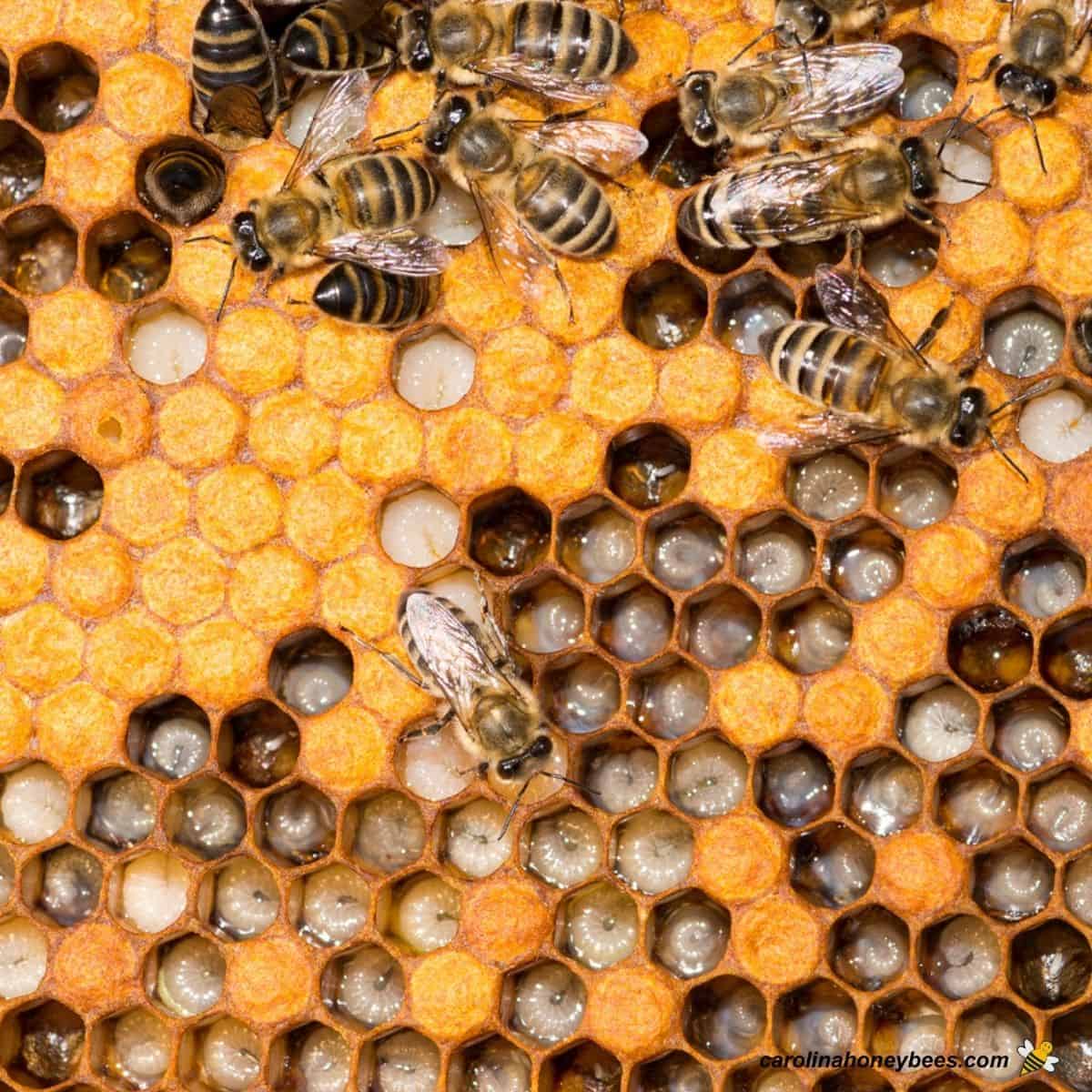
bee hive with brood
Ecological and Agricultural Implications
When the nutrients that sustain pollinators are absent from landscapes, the consequences ripple outward. Pollinator declines threaten crop yields for many fruits, vegetables, and oilseeds that depend on insect pollination. The experiment's findings suggest that agricultural landscapes dominated by a few high-yield crops may need retooling — not only to provide forage quantity, but to restore forage quality.
This can be approached at multiple scales: field borders seeded with a mix of native forbs, hedgerows designed for seasonal succession, and cover-crop strategies that enrich both soil and floral diversity. For growers, the calculus may shift if the economic value of pollination services is weighed against the cost of planting diverse cover strips or providing targeted supplements to hives rented for pollination.
Did You Know? Bees require specific plant sterols that they cannot synthesize themselves; these compounds are found in varying concentrations across different pollen sources.
Policy and Conservation: Rethinking Habitat Design
Conservation programs and agricultural subsidy schemes have historically prioritized acreage and certain habitat types. The emerging picture argues for a refined metric: the nutritional completeness of available forage. Policymakers can incentivize plantings that supply the missing micronutrients and chemical diversity — not just any flowers, but a purposeful palette of species that together approximate a wild meadow's nutritional breadth.
Urban planners and landscape architects also have a role: street-tree choices, park plantings, and roadside verges can be curated to deliver complementary pollen chemistries across the season. Even small actions, multiplied across municipalities, can rebuild the mosaic of nutrients bees once found in pre-intensive-agriculture landscapes.
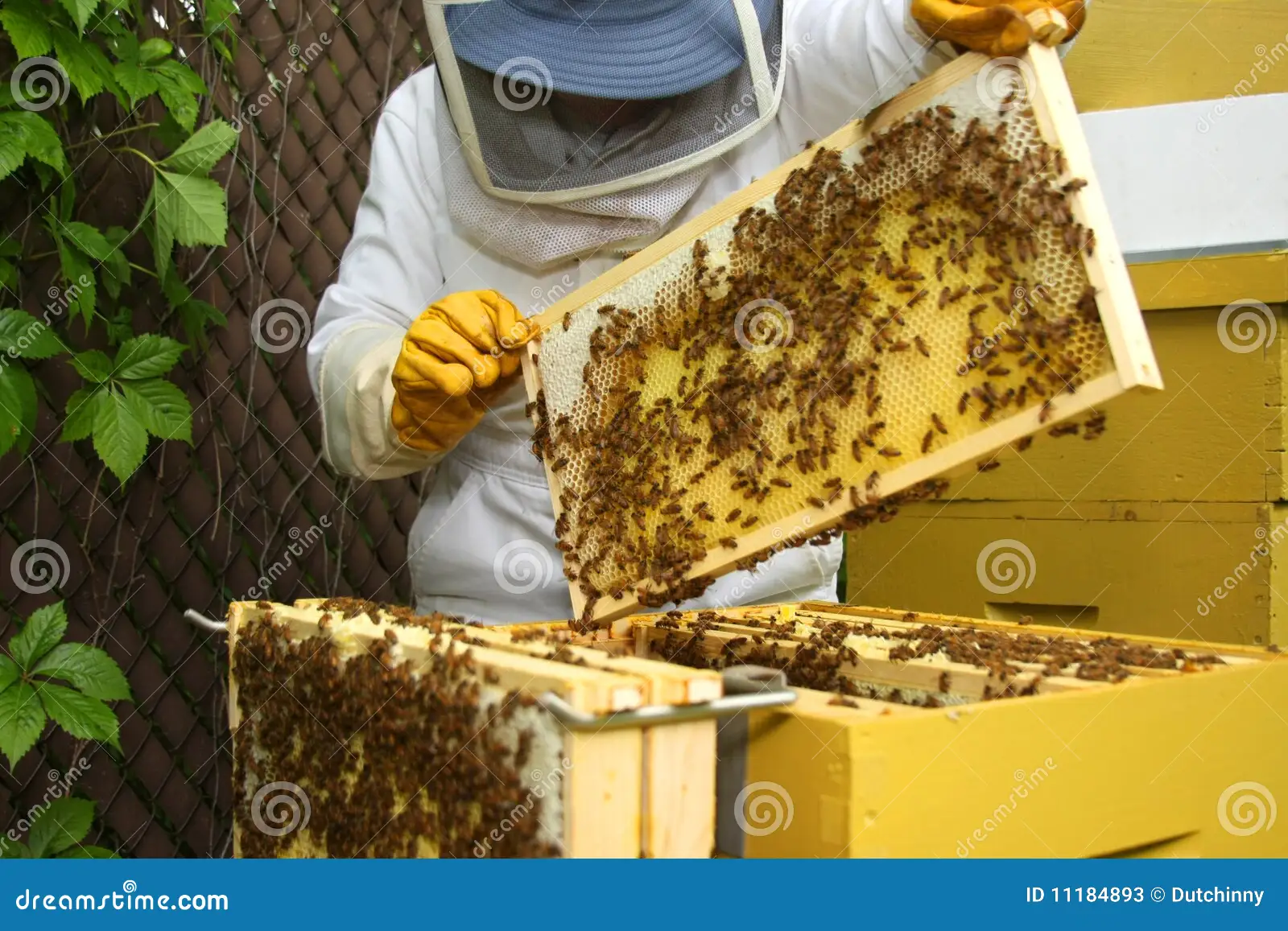
beekeeper inspecting hive
What the Study Doesn't Say — Important Caveats
Every experiment has limits. The dramatic growth observed occurred in controlled, well-monitored settings with careful disease and pest management. Real-world landscapes pose additional pressures: pesticide residues, heavy Varroa loads, nutritional dilution by massive monocultures, and climate-driven phenological mismatches between bloom and bee lifecycle.
Moreover, long-term effects of supplementation deserve scrutiny. Rapid colony expansion might increase susceptibility to certain diseases if not paired with robust immunity and adequate overwinter resources. Scientists stress that supplementation should complement, not replace, efforts to restore natural forage and reduce other stressors.
Caution Rapid population growth without concurrent improvements in overall habitat quality and disease control could create new vulnerabilities for colonies, especially in winter.
A Closer Look at the Nutritional Players
Below is a concise comparison of the nutrients at the heart of the findings and where beekeepers and land managers can find them:
| Nutrient | Role in Bee Health | Typical Plant Sources |
|---|---|---|
| Specific sterols (e.g., 24-methylenecholesterol) | Cell membrane structure, brood development | Broadleaf forbs, diverse wildflower pollen |
| Essential fatty acids (omega-3/6 variants) | Immunity, neural development | Legume pollen, composite-family flowers |
| Key amino acids (e.g., isoleucine, valine) | Protein synthesis, larval growth | Mixed floral diets, high-quality pollen |
| Micronutrients (zinc, manganese) | Enzyme function, antioxidant defenses | Native wildflowers, certain tree pollens |
Guidance for Beekeepers: Actionable Steps
To translate findings into on-the-ground practice, consider this practical protocol:
- Audit your forage by noting bloom periods and dominant plant species within foraging range, and estimate floral diversity across the season.
- Supplement selectively during early spring and late summer with a nutrient-balanced pollen supplement rather than generic protein-only patties.
- Prioritize native plantings along field margins, yards or community spaces that emphasize complementary bloom times and chemistries.
- Integrate with IPM — treat for Varroa and other pests appropriately to ensure nutritional gains translate into lasting colony health.
- Monitor and record colony strength, brood area, and winter survival to track the impact of nutritional changes over multiple seasons.
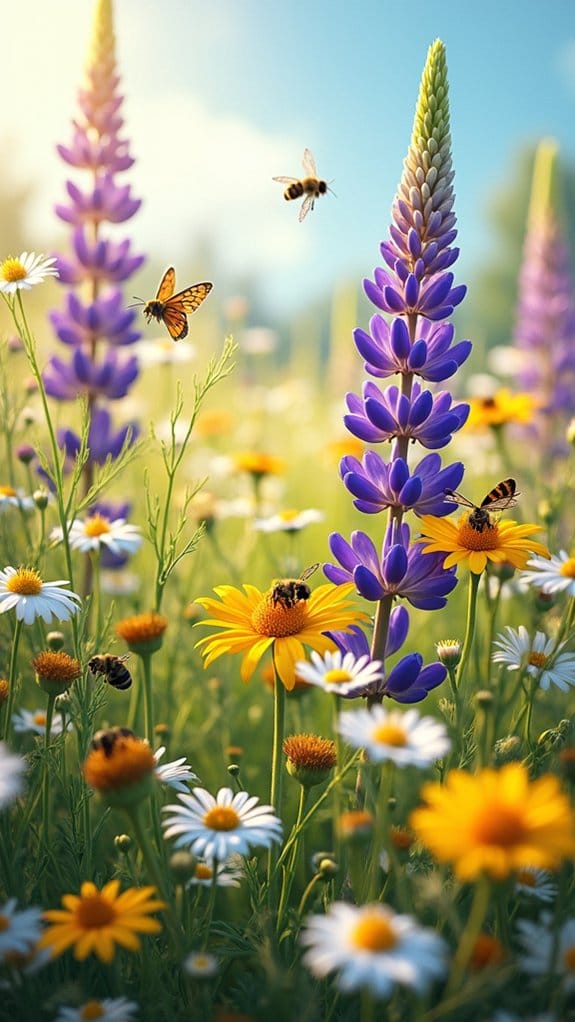
diverse floral landscape for pollinators
Broader Scientific and Agricultural Questions
The finding that relatively small nutritional deficits can throttle colony growth raises several research priorities. Which plant species combinations best approximate the complete diet bees need? How do landscape-scale planting strategies scale economically for large farms? Can nutritional supplements be formulated cost-effectively for commercial pollination services? And crucially, how do supplemented diets interact with bees' gut microbiome and disease resistance over years?
Answering these questions will require cross-disciplinary work: entomologists, chemists, agronomists and economists cooperating to build interventions that are ecologically sensible, scientifically grounded and financially viable for farmers and beekeepers alike.
Important Rebuilding pollinator nutrition is a systems problem — habitat, farming practice and apiary management must all move together.
What This Means for Food Systems
Given the centrality of insect pollination to many crops, enhancing pollinator nutrition is not a niche conservation issue but a component of food security. Well-nourished bees are more productive pollinators — they visit more flowers, live longer, and sustain stronger colonies for the critical bloom windows farmers depend on. If modest investments in floral diversity or tailored supplements yield substantial increases in pollination efficiency, returns may far outweigh costs for many cropping systems.
A Note on Public Engagement and Education
Translating science to public action is essential. Gardeners, municipal planners and schoolyard coordinators can all play a role by choosing plant mixes that complement agricultural efforts. Educational campaigns that move beyond simple “plant more flowers” to “plant for nutrition” will help align volunteer efforts with scientific priorities.
Conclusion — An Ingredient-Centered View of Pollinator Recovery
Discovering that a few missing nutrients can so dramatically alter colony trajectories reframes the pollinator challenge. It is not enough to provide calories; we must restore the nuanced chemical ecology of forage that sustained bees for millennia. The fifteen-fold surge observed in experimental colonies is an invitation to rethink landscapes and apiculture with diet quality in mind. Paired with sensible disease control and pesticide management, nutrition-focused strategies offer a hopeful, practical pathway for strengthening pollinators and the services they provide.
- Restoring specific nutrients missing from modern forage can dramatically increase colony growth.
- Quality and diversity of pollen matter more than sheer quantity.
- Targeted supplementation and seasonal plantings are practical near-term strategies for beekeepers and farmers.
- Policy and conservation programs should prioritize nutritional completeness in habitat design.
Final Thought
Nature's recipe for a healthy hive is a mix of many small ingredients. As we rebuild landscapes and refine apicultural practices, paying attention to those ingredients may be the most scalable, durable way to help bees thrive — and with them, much of the world's food system.