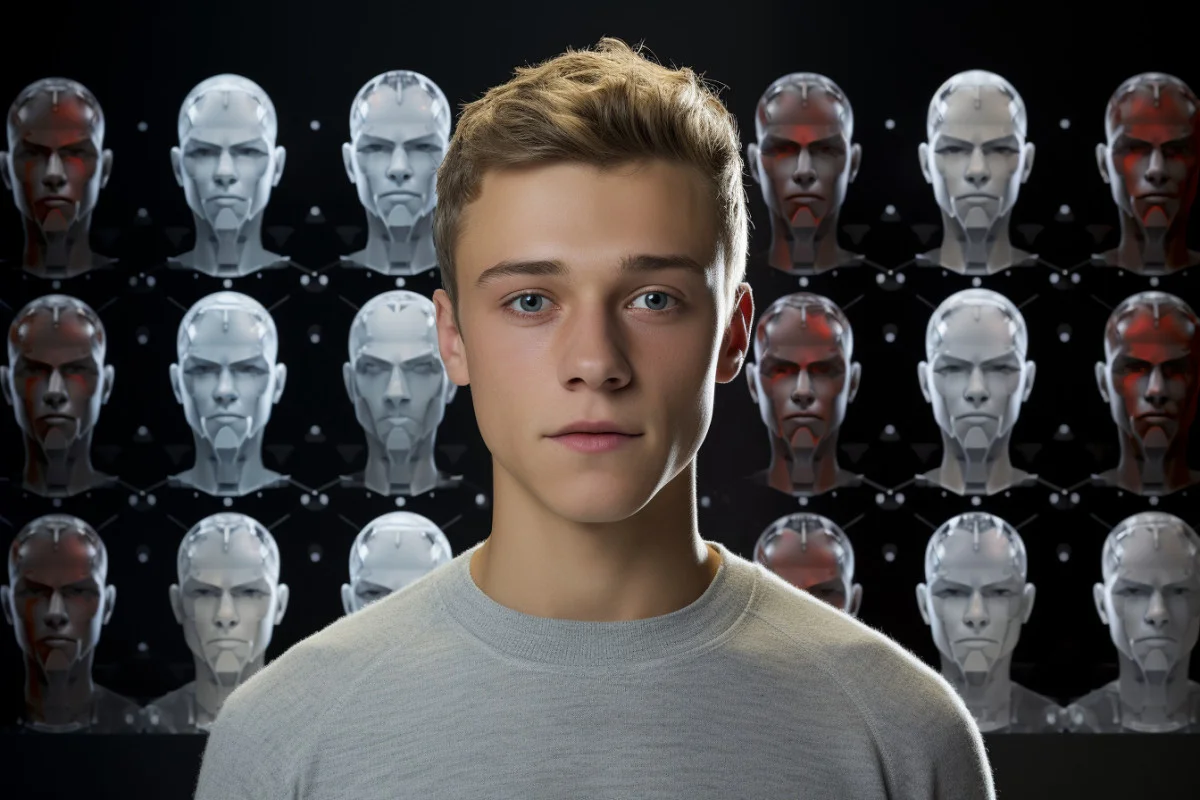
Meta's Digital Immortality: AI That Posts After Death
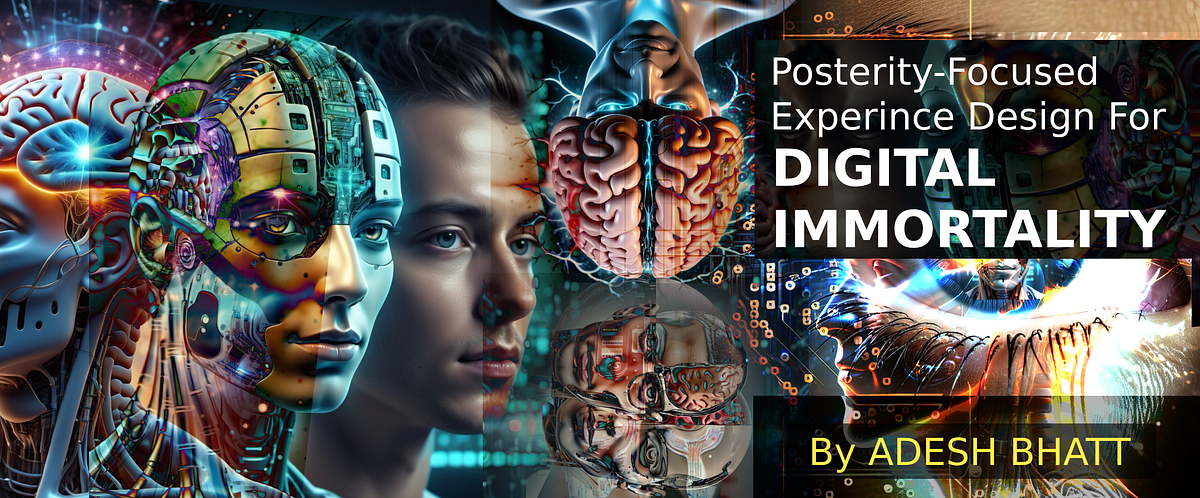
The headline is at once science-fiction and disturbingly practical: a major social platform is designing systems that can keep a person's voice alive online even after they've died. Patent language is clinical — models, embeddings, data ingestion — but the end result being explored is visceral: an AI that can like, comment, message, and post in the style of someone who is no longer living. Whether framed as digital memorials, comforting continuity, or commercialized afterlife services, these systems force a collision between engineering ambition and our oldest cultural rituals for dealing with death.
Meta AI posthumous social media
"Turning a lifetime of posts into a persona that continues to speak is both a technical challenge and a moral minefield."
How the Technology Would Work
At a technical level, digital immortality is a composite of techniques already common in consumer AI: large language models trained on text, multimodal models that incorporate photos and videos, voice synthesis to recreate a speaking voice, and recommendation engines that decide when and how to surface generated content. In practical terms, the system would collect a user's historical data — messages, status updates, photos, videos, audio, reactions — and convert that archive into a compact representation: an embedding or persona model that captures lexical style, preferred topics, humor, and interaction patterns.
digital immortality social feed
Data ingestion and modeling
The first step is obvious but consequential: harvesting data. A platform with years of logs can produce rich training corpora for a personalized model. Engineers would fine-tune general-purpose language models on the individual's posts, then test for fidelity: does the model use the same turns of phrase? Does it adopt similar emotional inflection? Developers would also train classifiers that predict when the persona should speak — for example, on anniversaries, birthdays, or in response to a friend's comment.
persona model data ingestion
Voice and image synthesis
Beyond text, voice cloning systems can reproduce cadence, tone, and accent from samples of spoken audio. Image-based systems could animate photos to create short, lifelike videos. Combined, the persona might reply to messages using a synthesized voice, post an AI-generated selfie, or leave a brief recorded memory. The more data the platform hoards, the more convincing and persistent the simulated presence becomes.
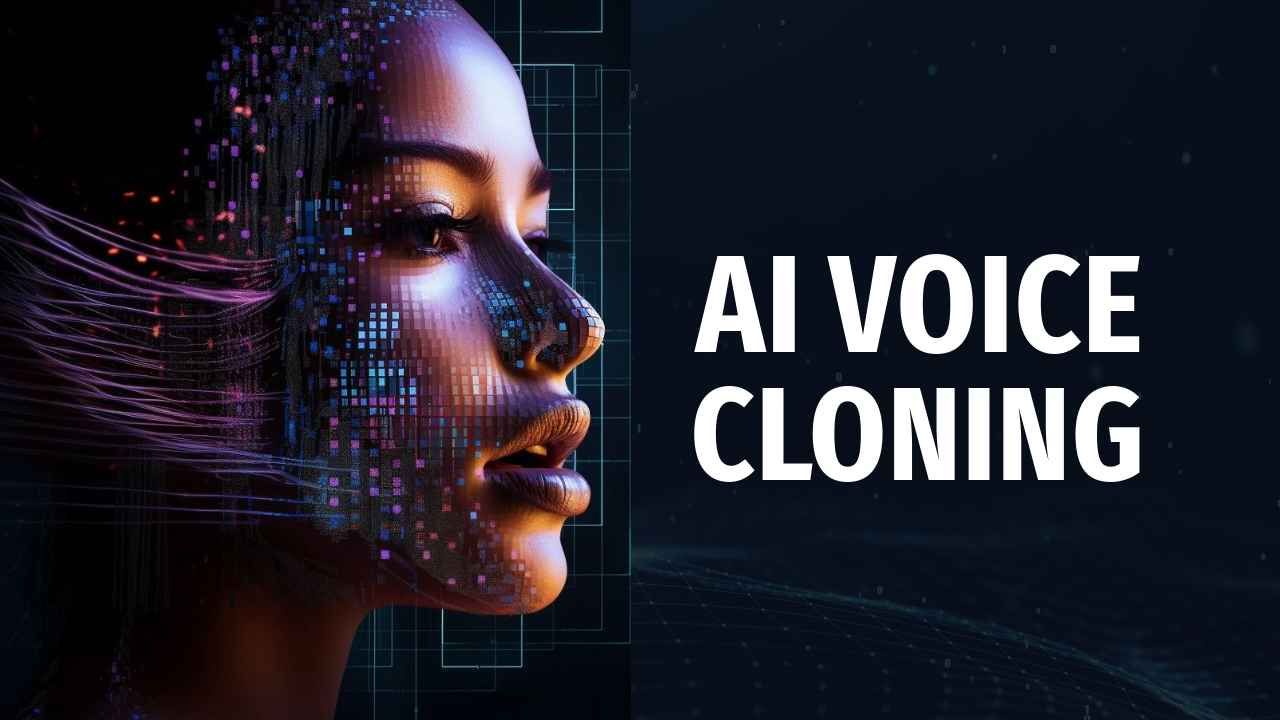
AI voice cloning memorial
Why Companies Want This
For firms operating attention-based businesses, persistent user presence is commercially attractive. An active persona can increase engagement, keep comment threads alive, and maintain ad impressions. There are also product narratives that pitch these features as services of care: a gentle, AI-mediated way to maintain a connection with a lost loved one. From a business perspective, the same infrastructure can be repurposed into other features: companion chatbots, legacy archives, or paid memorial tiers.

AI-generated memorial posts
Did You Know? The technical building blocks for a convincing digital persona already exist: language models, voice cloning, and image animation can be combined to create multi-sensory simulations of people with surprisingly high fidelity.
Ethical and Legal Fault Lines
Making a persona raises immediate ethical questions. Who gets to authorize a digital afterlife — the deceased, their next of kin, an executor? What counts as informed consent when the consent-giver could not have anticipated future capabilities? There are risks of misuse: grief-based scams, identity theft, or unauthorized monetization of a deceased person's likeness. Legally, many jurisdictions lack clear frameworks for posthumous personality rights; laws that do exist are patchwork and rarely contemplate synthetic continuations of agency.
Consent and autonomy
Consent is tricky because an individual's preferences about post-mortem digital presence may change over time. A person who enjoys public attention at 30 may prefer privacy at 70. Platforms may attempt to solve this with advance directives or settings that allow users to opt in or out. But advance settings rely on foresight, clarity of explanation, and robust UX — things users often ignore or misunderstand.
posthumous consent regulation
Harm and manipulation
Beyond consent sits the prospect of harm. A persona could be used to manipulate political discourse, to rewrite memorial narratives, or to peddle products under the guise of a trusted voice. Deepfakes and synthetic content already complicate verification; posthumous accounts blur the line further between authentic human intent and automated behavior.
Caution Replicating a deceased person's voice or political positions without clear authorization risks reputational damage and emotional harm to families and communities.
How Realistic Is This Right Now?
Technically, building basic versions of these systems is feasible today. Language and voice models can generate plausible text and audio. The challenge is less the existence of tools than the engineering discipline and scale required to operationalize them safely. Reliable persona systems need robust filters to prevent hallucination (making up facts), guardrails to avoid impersonation of living people, and interfaces that clearly disclose when content is generated.
Failure modes to watch
Common failure modes include: models producing inaccurate narratives, synthetic voices that inadvertently borrow characteristics from others, and interactions that escalate rather than soothe grief. There's also the long tail problem: as the persona ages in conversation, it may drift from the original data and form emergent patterns that feel alien or offensive.
Cultural and Psychological Effects
Different cultures have distinct traditions for remembrance. Some celebrate an ongoing connection with ancestors; others emphasize closure. Introducing AI into that mix will not be neutral. For individuals, an AI friend that mimics a partner may provide comfort to some and prevent emotional processing for others. Psychologists worry about prolonged grief disorders and the risk that an always-ready, soothing simulated presence could interrupt necessary acceptance.
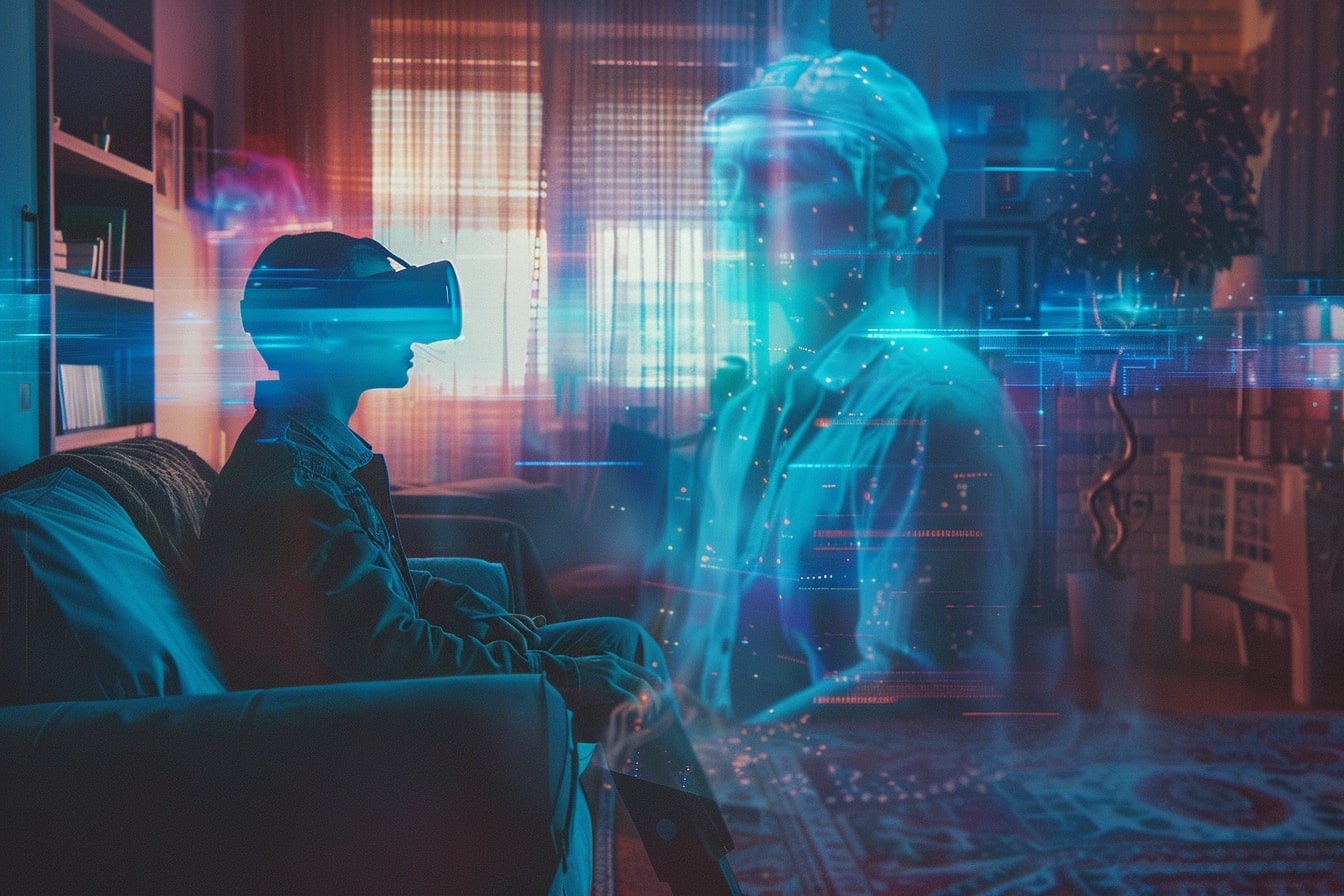
synthetic avatar grieving psychology
Important Early research suggests technology that simulates deceased people can be comforting in the short term but might complicate long-term grieving. Designers and clinicians must collaborate to study effects over time.
Design and Transparency Principles
If such services are to exist ethically, design must foreground clarity and control. Key principles include:
- Explicit disclosure: Every generated post or message should be clearly labeled as AI-generated and associated with a verified account or memorial.
- User control: Families or authorized parties should set limits — whether the persona can communicate privately, post publicly, or be monetized.
- Expiration and review: Built-in expiration windows and periodic human review can prevent indefinite impersonation.
Regulation, Policy, and Governance
Regulatory regimes lag technological capability. Policy options include creating posthumous personality rights, requiring informed opt-in, and mandating transparency labels. Platforms might be required to offer standardized legacy settings and to hand custody of persona models to estate executors. Governments could also restrict commercial use of deceased likenesses without explicit legal authorization.
What to watch for in law
Lawmakers may debate: whether personal data should be considered part of an estate, whether personality rights survive death, and whether AI-generated speech falls under free expression protections. Jurisdictions will differ, but the pressure to intervene will grow as high-profile misuse cases appear.
Market and Social Impacts
There is consumer demand for digital legacy solutions: memorial pages, curated archives, and chatbot companions. If meta-scale platforms roll out posthumous persona products, a market is likely to follow — legacy subscription services, branded memorial experiences, and legal services to manage AI personas. Socially, this could normalize ongoing digital presence, shift norms around mourning, and create new classes of digital heirs who inherit not just data but interactive personalities.

digital legacy estate planning
- Continuity of remembrance and personalized memorials.
- Potential therapeutic uses when used under clinical supervision.
- New product categories and services for bereavement management.
- Ethical risks around consent and identity.
- Commercial exploitation of deceased personas.
- Psychological harm from prolonged attachment to simulations.
Practical Guidance for Users and Families
For people considering these services or worrying about a loved one's digital afterlife, practical steps matter:
- Document preferences: Use platform legacy settings or an estate plan to specify what you want done with accounts and data.
- Limit permissions: Avoid blanket opt-ins that allow platforms to re-create your likeness without oversight.
- Have a conversation: Discuss preferences with family and name a digital executor who understands both the technical and emotional stakes.
The Road Ahead
Expect the debate to intensify. Engineers will keep refining persona fidelity; entrepreneurs will create offerings that blend authenticity and convenience; lawmakers and ethicists will push back. The balance between technological possibility and human values will be negotiated in courtrooms, academic journals, and grieving households. If history is a guide, the fastest-moving forces will be incentives that align with revenue and attention, so vigilance and well-designed guardrails will be essential.
1number of conversations we must have before letting a platform speak for someone who can no longer speak for themselves.
Conclusion
Meta's exploration of digital immortality is a mirror for broader questions about who owns our stories, how we grieve, and what it means to be remembered. The technology is feasible; the social contract is not finalized. Responsible design requires transparency, consent, and legal clarity. Without those, the promise of comfort could too easily become a mechanism of harm — an echo that never truly dies.
- Digital-afterlife AI combines existing technologies — language models, voice cloning, and image synthesis — into convincing personas.
- Consent, clear disclosures, and expiration mechanisms are essential design elements to reduce harm.
- Regulation and estate planning must evolve to govern personality rights and posthumous use of data.
- Individuals should proactively document preferences and appoint digital executors.
Reporting and analysis on the technical, ethical, and social dimensions of AI-driven digital memorials.