
Meta Lost 20M Users: What It Means for Social Media
Meta Facebook Instagram logo
The headline — that Meta platforms shed 20 million users in a single quarter — reads like a turning point. Whether the figure is framed as a temporary contraction or the opening of a long decline depends on how you read the data, but the deeper truth is less about the number itself and more about the forces that produced it. A combination of shifting user habits, mounting regulatory pressure, evolving ad economics, and rising alternatives has created a new landscape for platform competition. The story here is not just a corporate earnings line; it is a map of how social media is changing, and what users, advertisers, and competitors should expect next.
What the Number Really Means
Numbers are anchors: 20 million is big enough to command attention but small enough to be explained away as a temporary blip by executives. The meaningful question is why those accounts stopped engaging or were counted differently. In the short term, declines can result from cleaning up inactive or duplicate accounts, tightened fraud detection, and changes to how platforms define 'monthly active users.' Over time, sustained drops signal deeper problems such as declining user satisfaction, better alternatives, or structural shifts in how people spend attention on the internet.
A Multi-Vector Explanation
To understand this decline, we need a layered explanation. No single factor explains a mass exodus; rather, an accumulation of friction points nudged users toward alternatives or out of social networks altogether.
Competition and Migration to New Experiences
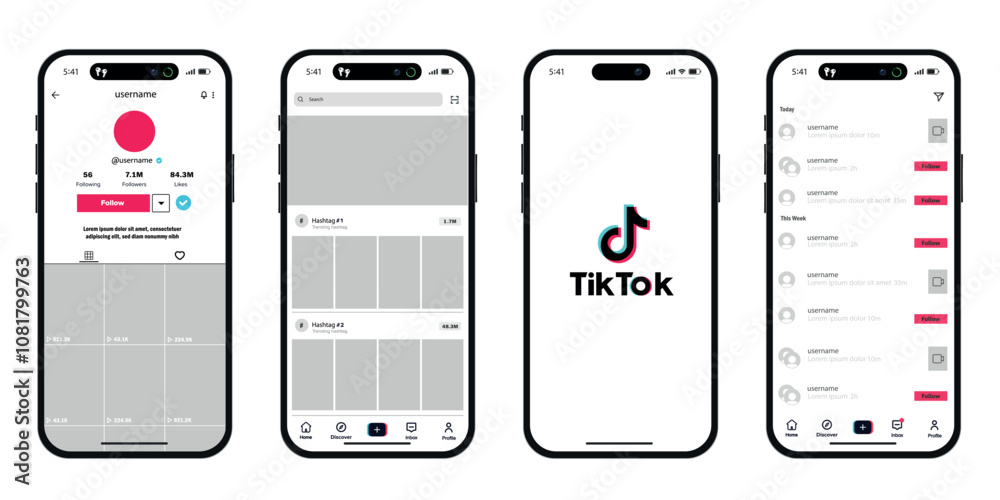
Arguably the most visible force is competition. Short-form, discovery-driven platforms have siphoned attention away from older social graphs. Users — particularly younger cohorts — are choosing apps that centre on discovery and entertainment rather than on pre-existing friend networks. When a platform fails to match the cultural momentum of these alternatives, it risks being perceived as stale.
Users are choosing discovery and entertainment over legacy social graphs.
TikTok app interface
Monetization, Experience, and the Creator Economy
As Meta leaned further into monetization — more ads, more data-driven targeting, and tighter integration of commerce — the user experience shifted. For many people, the feed that used to connect them to friends became dominated by commercial content. At the same time, creators began looking for platforms that offered better revenue splits, clearer discovery mechanisms, and more transparent moderation. If creators migrate, their audiences often follow.

Content creator studio setup
Trust, Privacy, and Regulatory Headwinds
Public trust is not a static asset. It can erode after scandals, perceived indifference, or opaque policy decisions. Simultaneously, governments around the world have increased scrutiny of large platforms, imposing stricter privacy requirements and limits on certain business practices. The combined effect raises the cost of doing business and can change how platforms count and advertise user engagement.

EU regulatory documents
Algorithmic Friction and Engagement Shifts
Algorithms determine what users see and when they see it. A small tweak to ranking, recommendation thresholds, or content moderation can change engagement patterns across millions of users. If an update favors content that drives short sessions over sustained community conversation, daily active totals can drift downward even as time-on-platform for heavy users stays steady.
Short-Term Financial Impact
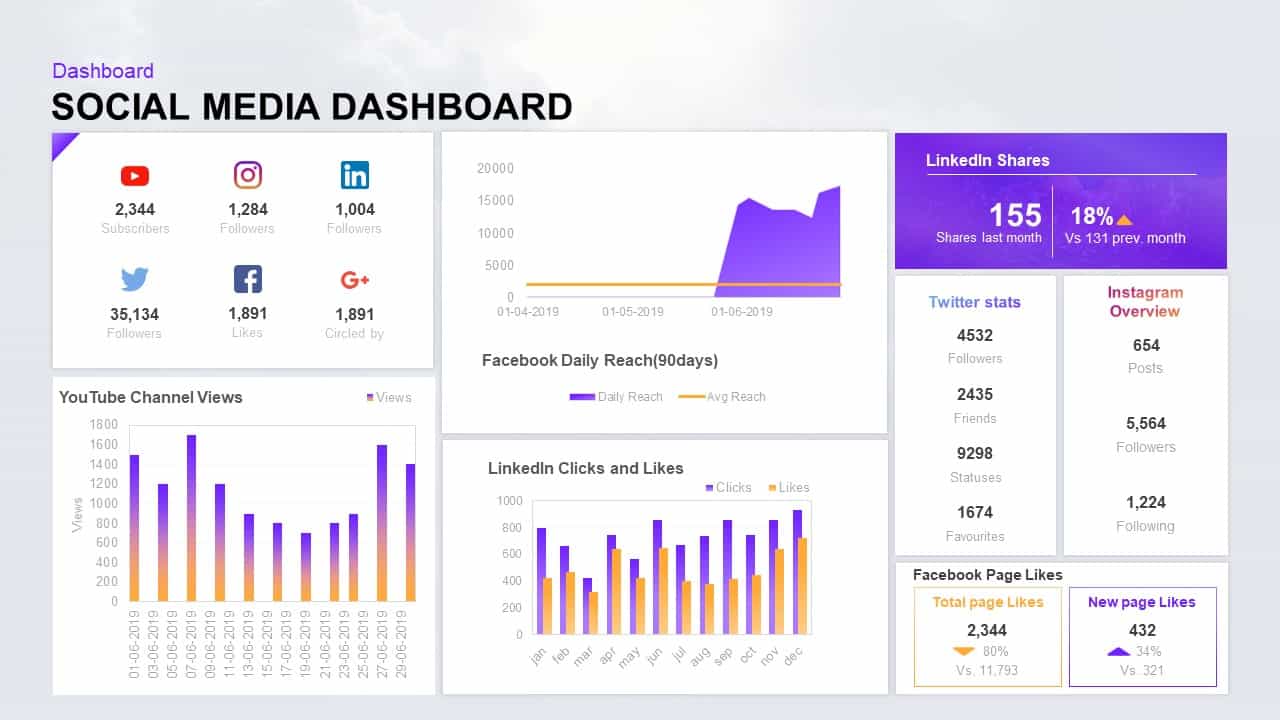
For investors and advertisers, an abrupt user decline triggers two immediate questions: does this reduce the addressable audience for ads, and is engagement falling among remaining users? In ad-driven models, a smaller or less-targetable audience can depress CPMs (cost per thousand impressions), push advertisers to diversify budgets, and pressure revenue growth. Yet the real financial effect depends on whether the user reduction is concentrated among low-value accounts (bots, duplicates, inactive) or high-value, highly engaged users.
Social media advertising dashboard
Wider Effects on the Social Media Ecosystem
Meta's scale means its shifts ripple across the ecosystem. When a dominant player retrenches, startups and rivals adjust their strategies. Advertisers reassess where to spend; creators diversify; and regulators watch closely. The movement of even a fraction of users to alternative apps can spur growth elsewhere, altering competitive dynamics and accelerating innovation in features, safety tools, and monetization structures.
Implications for Advertisers
Brands and agencies should respond to a multi-layered signal. First, reassess audience reach by platform: a headline number does not translate directly into lost impressions or sales. Second, revisit measurement and attribution frameworks to understand whether conversions are being displaced across platforms. Finally, diversify media plans so that campaign performance does not hinge on the health of a single giant platform.
What This Means for Users
For everyday users, the practical effects will vary. Some will notice nothing — their friend networks and curated feeds remain intact. Others will experience cleaner platforms if the drop reflects account cleanup. Yet those who depended on platform-specific creator communities or niche groups might find less content or fewer active members. This fragmentation could push users to specialized apps for hobbies, professional communities, or ephemeral social interactions.
Strategic Lessons for Meta
For Meta itself, the response must be surgical. There are three durable priorities: rebuild trust, refine product focus, and align monetization with user value. Trust requires transparent policies and demonstrable results in safety and moderation. Product focus means investing where the company can deliver unique value rather than chasing every trend. Monetization alignment requires giving creators fair economics and preserving a high-quality experience for users.

Mark Zuckerberg speaking
- Opportunity to refocus on core products and improve retention.
- Cleaner datasets if decline reflects account removals, improving ad targeting quality.
- Revenue pressure if advertiser value declines with reach.
- Reputational risk amplified by media narratives about falling relevance.
What Competitors Will Do
Competitors will neither ignore nor immediately conquer. Real gains come when rivals offer a clearly better experience or economic terms. Expect feature poaching, aggressive creator incentives, and marketing campaigns aimed at users disillusioned by ad density or policy noise. The market may polarize: some apps will double down on entertainment-first discovery, others on privacy and paid subscriptions.
The winners will be platforms that solve specific user needs better, not just bigger ones.
Policy and Regulatory Ramifications
A visible decline in reported users invites further regulatory attention. Lawmakers often view scale as a reason to regulate; visible shrinkage can either soften or sharpen those impulses depending on narrative. If platform retrenchment is framed as harm to competition, regulators might accelerate scrutiny of acquisitions or practices. Conversely, proactive compliance and transparent reporting can defuse political pressure.
Practical Steps for Brands and Creators
Brands should diversify creative formats and platforms. Creators should not assume platform loyalty; building audience portability — email lists, cross-platform content hubs, and direct monetization channels — reduces vulnerability to platform shifts. Both groups should experiment with emerging formats while preserving reliable channels for revenue and audience engagement.
How to Read Future Reports
Moving forward, read-quarter-to-quarter numbers with a toolkit of questions: How did the company define 'user' this quarter versus previous quarters? Was there an enforcement sweep or policy change? Are declines concentrated in certain regions or demographics? What happened to engagement and monetization metrics? Answers to these questions tell a far richer story than a raw user count.
Longer-Term Scenarios
Three plausible arcs exist. One: normalization, where the decline reflects cleanup or cyclical change and the platform stabilizes. Two: gradual realignment, where Meta shifts product priorities and business models to match new attention patterns. Three: structural decline, if competitors continually out-innovate and users permanently reallocate attention. Which path unfolds depends on strategic choices, regulatory outcomes, and the speed of cultural shifts in media consumption.
Conclusion: A Moment, Not the End
This reported loss of 20 million users is a meaningful inflection point, but it is not a definitive end. It is a concentrated signal that the assumptions underpinning mass-market social platforms — relentless growth, attention as a renewable resource, and a single dominant ad marketplace — are fraying. The next phase of social media will reward platforms that prioritize sustainable relationships: better economics for creators, transparent governance, and product experiences that respect users' time and attention.
Final Takeaways
- Headline user losses often mask complex causes: enforcement, product shifts, competition, and regulatory change all play a role.
- Advertisers and creators should diversify and test alternatives rather than react to a single quarter.
- Platforms that deliver clear value — discovery, community, or privacy — will attract users even as giants recalibrate.
- For Meta, the path forward hinges on rebuilding trust, sharpening product focus, and aligning monetization with user and creator value.
Analysis: How a single quarterly number can reshape strategy across an industry.