Massive Brown Bear Spotted on Alaska’s High-Altitude Peak
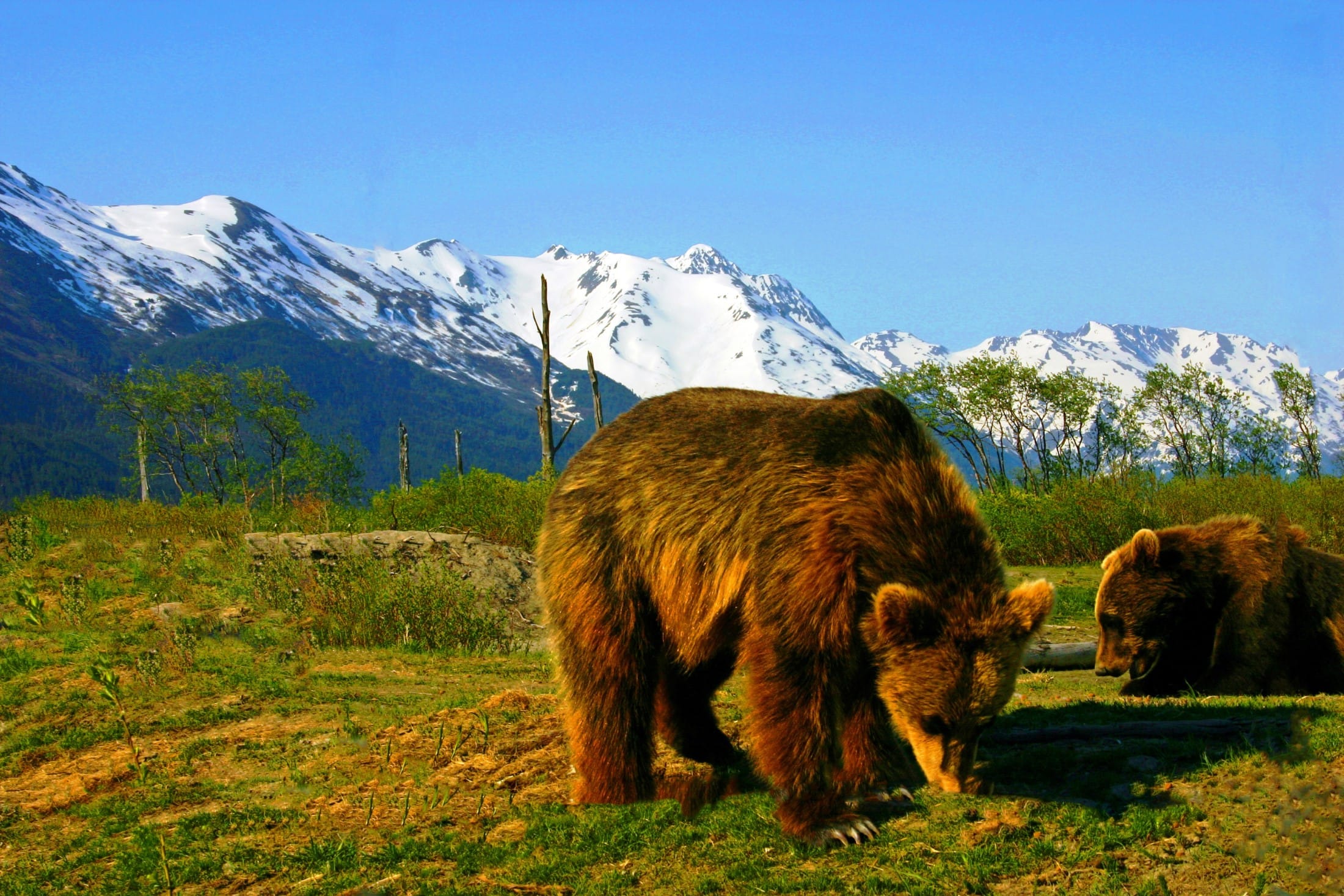
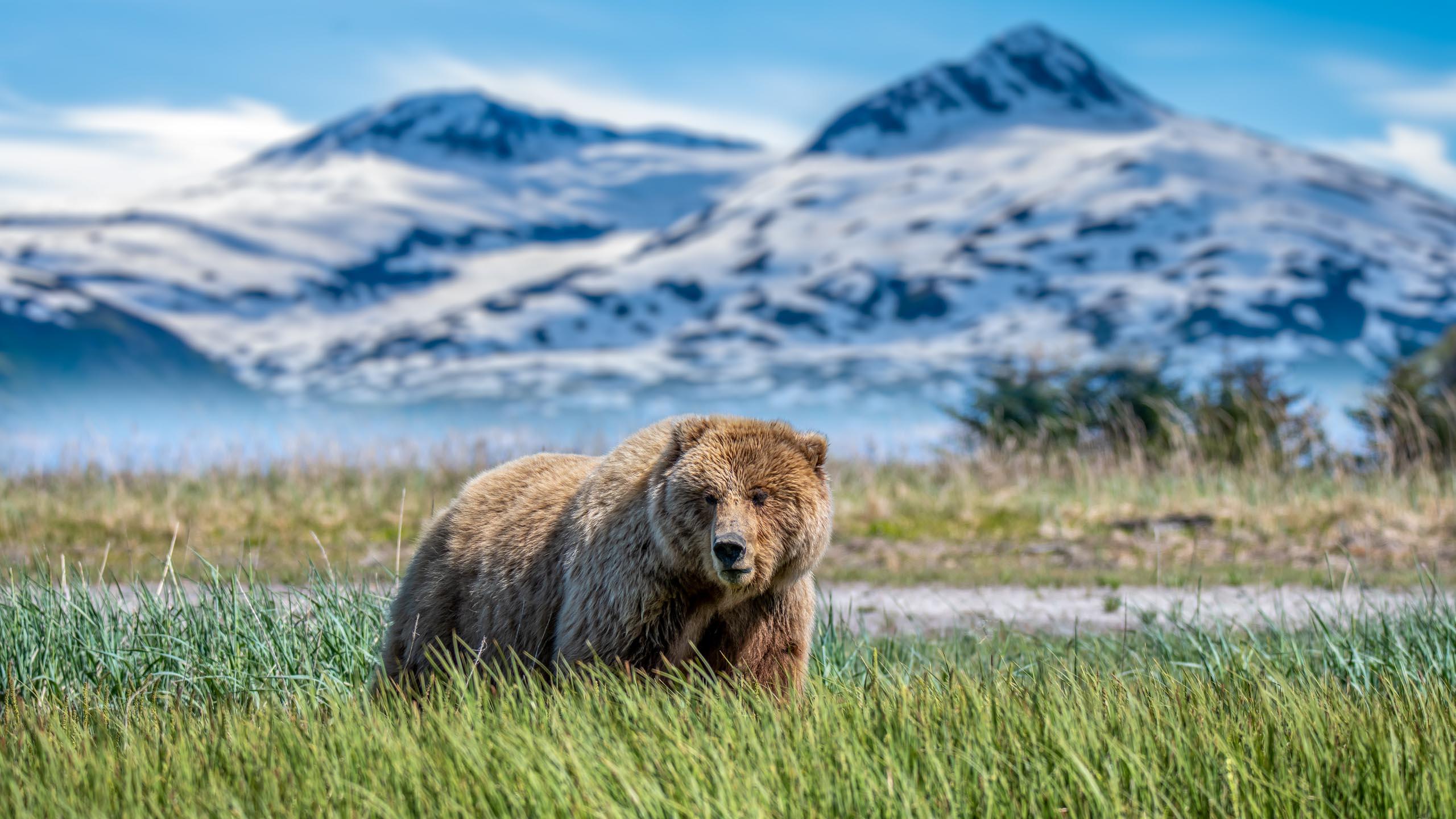
When a silhouette the size of a small car was reported near the treeline of an Alaskan high peak, the call spread fast: a massive brown bear had been seen above 3,000 feet on a ridge normally reserved for rock, snow and alpine shrubs. The image—an animal broad in the shoulders, heavy-chested and moving with the deliberate power of a bear that knows its terrain—seems to flip the script on how many of us picture bears in Alaska. Instead of coastal flats and salmon runs, this animal was where wind, thin air and sparse vegetation rule, and its presence forces a deeper look at bear biology, climate-driven landscape shifts and the everyday decisions that keep people and wildlife apart.
brown bear alpine ridge Alaska
The Sighting and the Scene
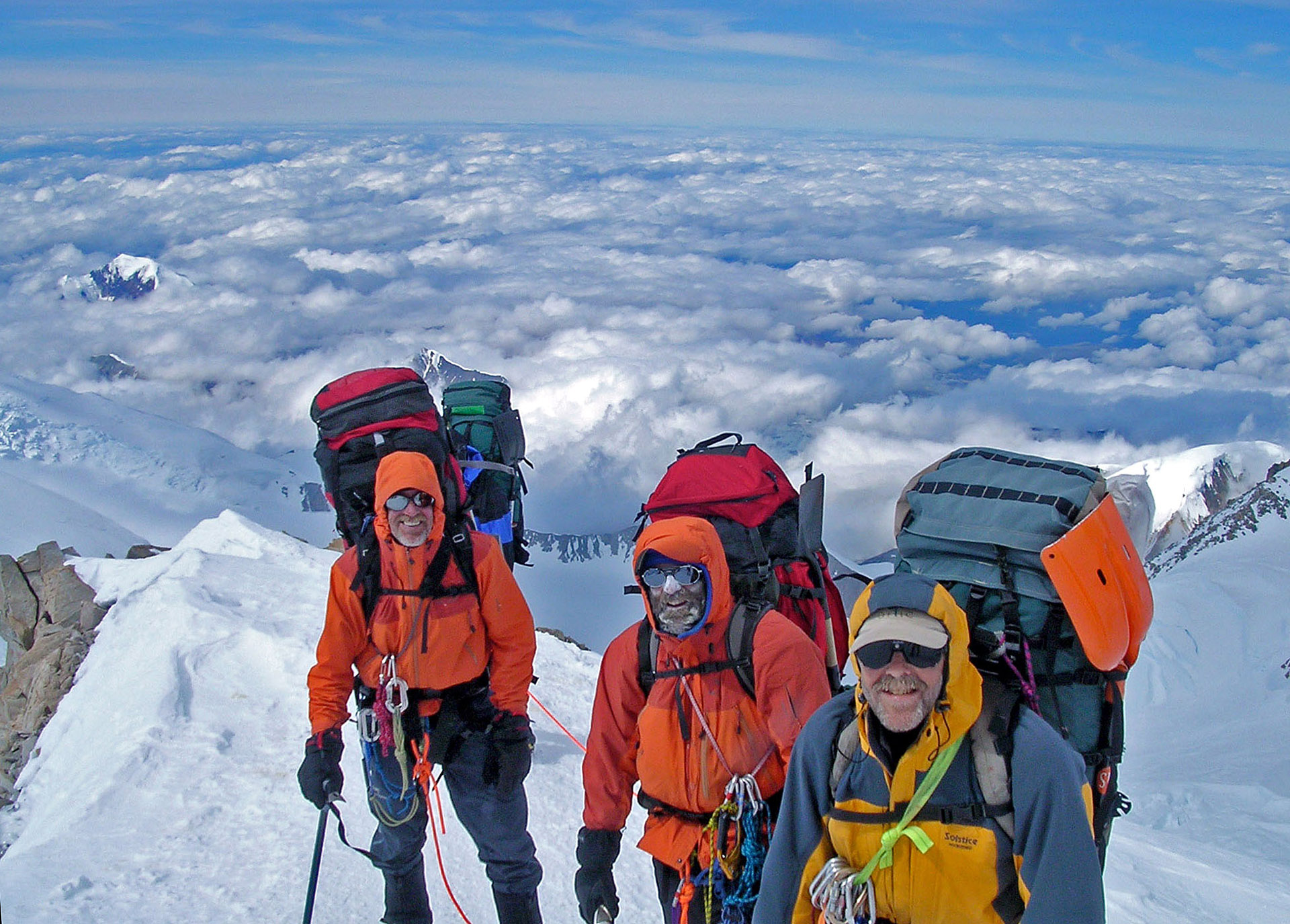
The report came from a small group of climbers who were breaking camp before sunrise. They recounted watching a large brown bear cross a rocky saddle and climb toward a snowfield, pausing periodically to sniff at exposed tundra grasses and a patch of berries that clung to a sheltered cleft. The party, experienced in Alaska backcountry protocol, maintained distance, retreated quietly and later documented the sighting with a series of grainy, atmospheric images: a dark shape against pale rock, a broad head lifting as the wind ruffled its fur.
The specific mountain is less important for this story than what the animal’s presence represents. High-elevation sightings of brown bears are uncommon but not unprecedented. Bears are adaptive, opportunistic foragers; faced with seasonal food shortages, competition along coastal rivers, or simply an abundant pocket of alpine nourishment, they will investigate unusual terrain. Still, a bear choosing to forage or traverse above typical treeline raises questions: was this a one-off exploration by a curious individual, a learned behavior spreading through a local population, or an early indicator of broader ecological change?
Alaskan climbers backcountry hiking
Why a Brown Bear Would Climb High
Foraging and Food Opportunities
Brown bears are omnivores with a diet that flexes dramatically by season and location. In coastal Alaska, salmon is the anchor of caloric intake for many bears. Inland and alpine populations rely on roots, tubers, berry patches, small mammals and ungulate carcasses. When an unusually rich foraging patch appears—late-season berry flush, concentrations of ground squirrels, a concentration of carrion—bears can and will expand their range vertically as well as horizontally.
Seasonal Movement and Energetics
High-altitude forays often follow logical seasonal cues. In late summer and early fall, plants and berries in alpine zones can be particularly calorie-dense as plants reserve energy for reproduction. Bears preparing for hibernation need to maximize daily caloric intake, and a productive high-elevation slope may be worth the extra energy expended to get there. Similarly, in years when lowland food sources fail—due to poor salmon runs, competition from other predators, or human disruption—bears will explore alternatives.
Age, Sex and Individual Variation
Not all bears behave the same. Subadult males, driven by dispersal impulses, roam widely and sometimes reach places adult females avoid. Mature males with large body mass can tolerate different conditions, using stored fat to move through marginal habitat. A single adventuristic individual—curious, food-driven or temporarily displaced—can create an impression of change that may not reflect a population-level shift.
bear spray safety equipment
Species, Size and Context: What “Massive” Means
When witnesses describe a bear as massive, context matters. Alaska’s brown bears include coastal populations—often larger because of abundant salmon—that can tip the scales well over 1,000 pounds in the Kodiak archipelago, while interior brown bears (sometimes called grizzlies) are typically leaner but still formidable.
Describing a bear as larger-than-expected on a mountain may reflect seasonal condition (a bear bulking up before denning), genetics (coastal-lineage bears have larger averages), or a viewer’s perspective against open, exposed alpine features. In any case, a large bear at altitude is a potent reminder that these animals are physiologically capable of surprising movement when driven by nutrition or instinct.
A single bear’s climb tells a story: adaptability under pressure, and a landscape in flux.
Scientific and Ecological Significance
A Signal or a Spotlight?
Scientists caution against conflating one dramatic sighting with a sweeping ecological trend. But such events do provide valuable data points. Researchers track bear movements with GPS collars, DNA from hair and scat, and remote cameras to map range and behavior. A pattern of repeated high-elevation occurrences in a region could indicate shifting food resources, range expansion, or changes in human use that push bears into new niches.
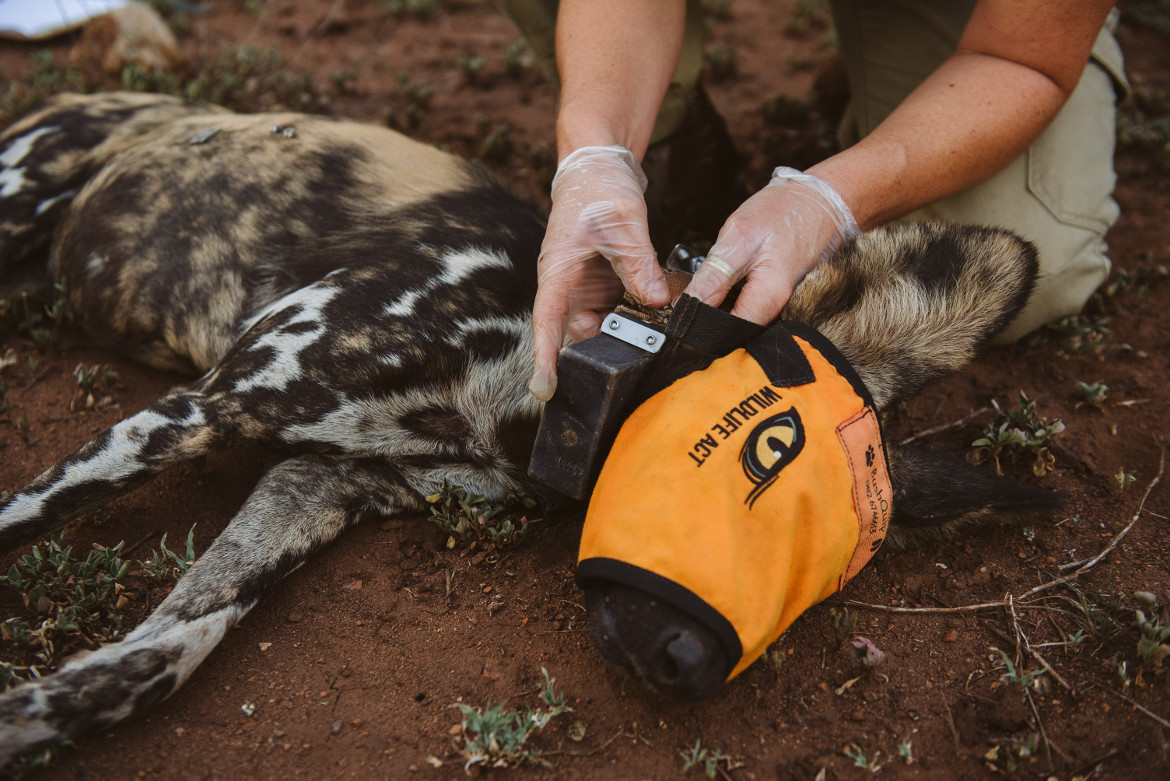
wildlife GPS collar research
Climate Change and Habitat Shifts
Warming temperatures are changing the timing and distribution of plant communities in alpine zones. Treelines move upward, permafrost thaws, and berry and shrub ranges shift. For a species like the brown bear that responds to plant phenology and prey availability, these changes can alter where and when food is available. While a single sighting is not proof of climate-driven migration, it is reasonable to examine how altered plant communities and snowpack patterns might influence bear foraging corridors.
Trophic Cascades and Competition
Alpine foraging by large predators can reshape local food webs. If bears increasingly exploit rodent or goose-chick populations at altitude, there could be measurable effects on those prey species and subsequent cascading impacts. Additionally, competition with other predators—wolves, wolverines, and humans—may intensify in marginal habitats, increasing the complexity of landscape-level management.
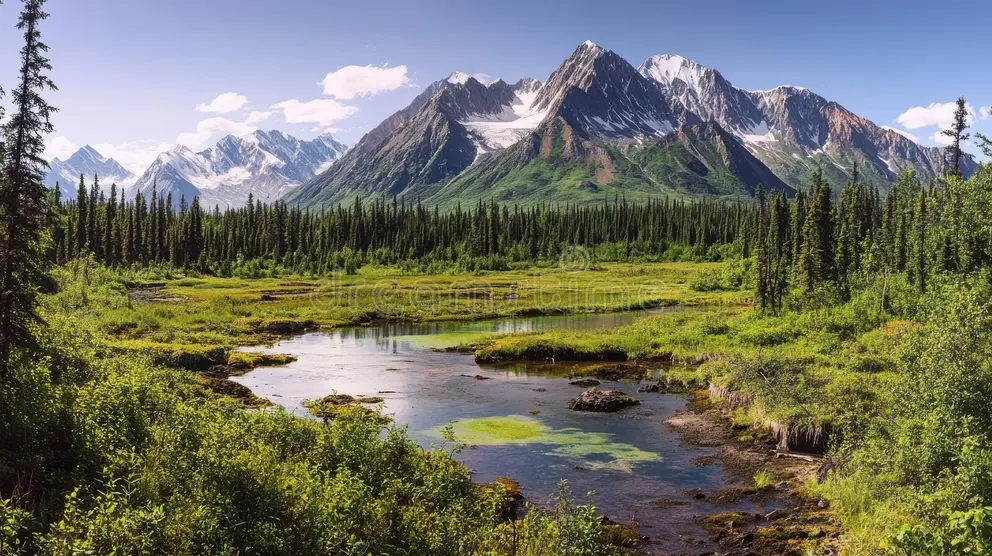
Alaskan mountain tundra terrain
Voices from the Field
Local guides and indigenous stewards are often the first to notice changes in animal behavior. For many Alaskans, bears on ridgelines are an occasion for careful reflection rather than alarm. Long-term observers point out that animals adapt in ways that can be both subtle and dramatic; a change in one valley may not be seen in another.
"You never stop learning from the land—every season writes a new line," said a veteran guide, reflecting the mixture of respect and curiosity that frames these encounters.
Safety: What Climbers and Hikers Should Know
Encounters between humans and large predators are stressful for both parties. The first rule is situational awareness: know your surroundings, travel in groups when possible and make noise when moving through dense cover to avoid surprising wildlife.
Practical Preparations
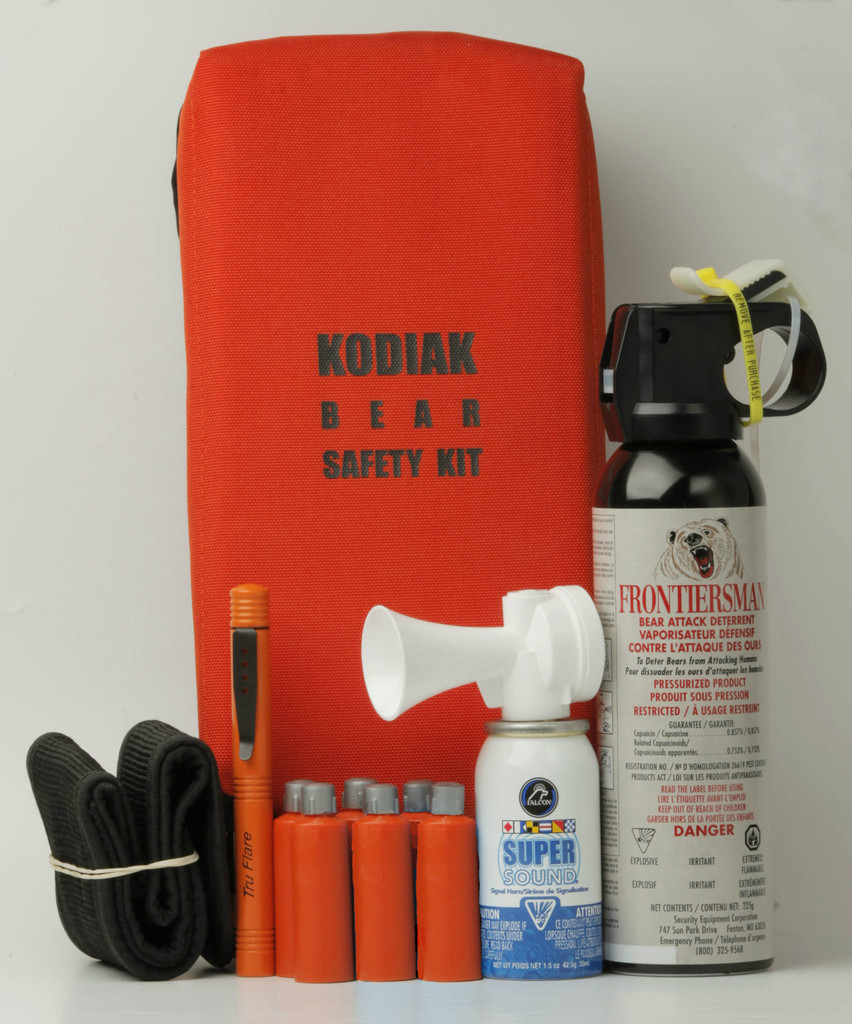
- Carry bear deterrents. Bear spray is a proven, non-lethal deterrent and should be readily accessible, not buried in a pack.
- Keep food secured. Even in alpine camps, food odors attract curious animals. Use bear-resistant canisters or hang caches well away from sleeping areas.
- Plan routes and timing. Avoid known denning areas in spring and high-density feeding sites in late summer when bears are hyperphagic.
- Learn bear behavior. Recognize bluff charges, defensive postures and the difference between a foraging bear and one protecting cubs.
indigenous wildlife guide Alaska
If You See a Bear at Altitude
Stay calm, speak in a low voice, back away slowly and avoid direct eye contact. Never run; running can trigger chase responses. If the bear approaches and you believe it to be curious or investigating, make yourself large, raise your arms and use your voice to assert presence. If an aggressive attack is imminent, use all available deterrents including bear spray and, as a last resort, defensive tactics prioritized by local wildlife authorities.
Implications for Recreation and Local Communities
For mountain guides and communities that rely on backcountry tourism, a notable sighting like this prompts revised risk assessments. Routes that were once considered remote from wildlife may require new briefings, altered campsite placement and updated emergency protocols. Local outfitters increasingly integrate wildlife behavior into daily decision-making, balancing visitor experience with conservative safety margins.
Conservation and Policy Considerations
Monitoring and Research Needs
To interpret high-elevation bear sightings properly, managers need repeatable data: more trail cameras, targeted GPS collar projects and coordinated reporting by guides and the public. Genetic sampling from hair snares and scat analysis helps identify individuals and understand population structure—critical for distinguishing a transient explorer from a broader range shift.
Human Infrastructure and Land Use
Roads, development and increased recreational access can displace wildlife or funnel animals into unfamiliar terrain. Thoughtful land-use planning—protecting corridors, limiting attractants near trails, and designing campgrounds with wildlife in mind—reduces conflict and supports coexistence.
Preparing for Future Patterns
Whether this particular bear’s journey becomes a recurring headline or remains an intriguing anecdote, the broader lesson is one of preparedness. Landscapes and animal behaviors are dynamic. Scientists, land managers and backcountry users must adapt together—sharing observations, applying preventive measures and supporting research that clarifies long-term trends.
Conclusion
The image of a massive brown bear moving across a high Alaskan ridge is at once primal and instructive: primal in its reminder of the wild’s unpredictable grandeur, instructive in how it draws attention to the subtle forces reshaping where animals live and how they feed. For climbers and residents, it is a call to sharpen skills and plans. For scientists and managers, it is a prompt to collect more data and consider how warming climates and changing landscapes will alter the choreography between predator, prey and human.
Final Thought
When a bear steps into a new landscape, the map of human expectations shifts a little. Studying that shift—carefully, respectfully and with an eye toward coexistence—offers a way to protect both the animal and the people who share its range.
- Bears are adaptable and will explore high elevations when food or other pressures push them.
- One sighting is not proof of a large-scale shift, but it warrants monitoring.
- Backcountry users should practice bear-aware behavior: carry spray, secure food and travel in groups.
- Long-term management requires data: cameras, genetic sampling and coordinated reporting.
Witness accounts and wildlife observations prompt research and community responses meant to reduce conflict and increase understanding.