Mars Fireball Captured: Rare Meteor Footage and Stunning Space Views
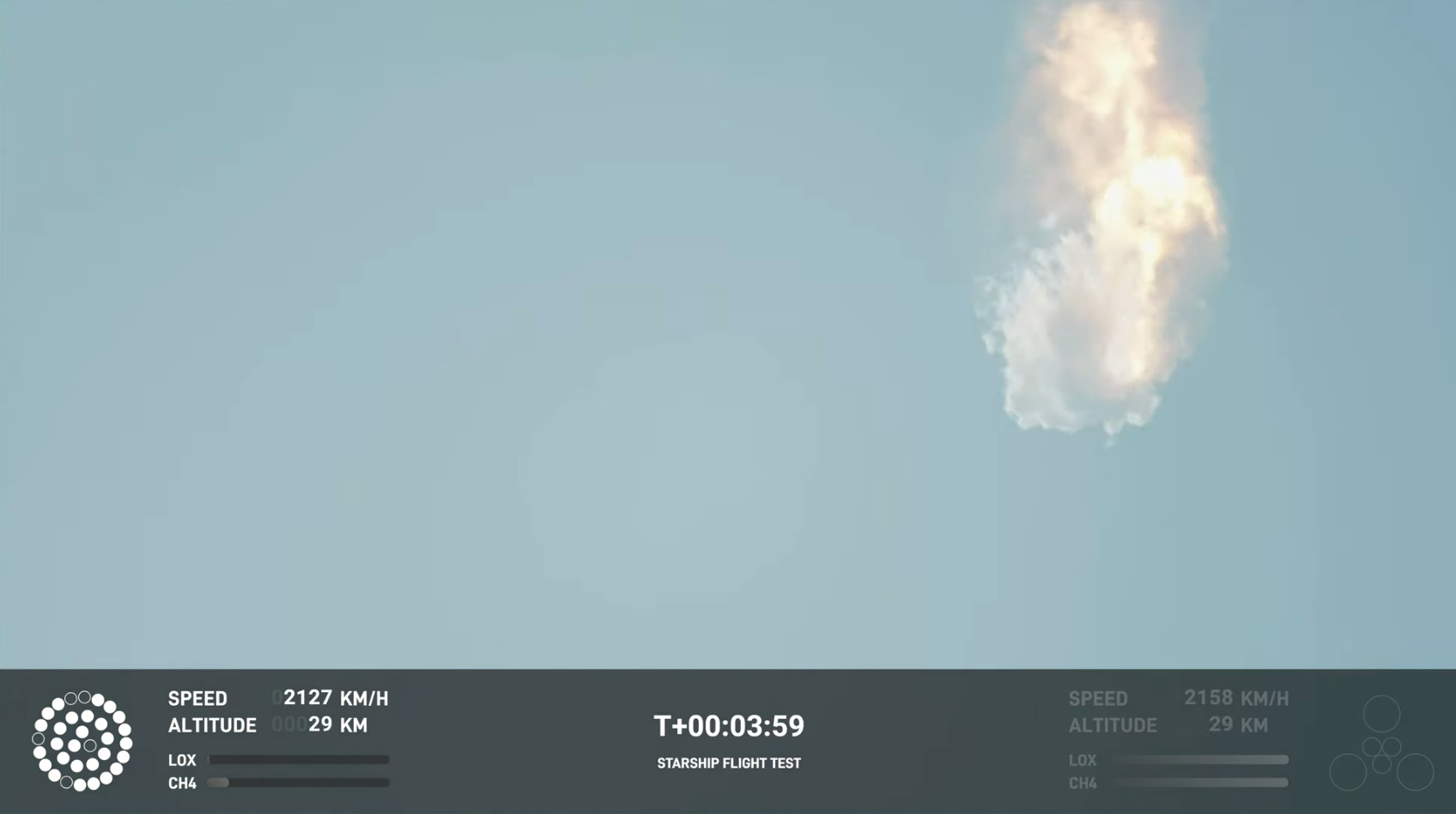
Mars fireball footage
The first seconds of the clip feel impossibly intimate: a bright, superheated streak tears across a dusky Martian sky, showering the horizon with sputters of light and a brief, incandescent tail. For anyone who has watched meteor videos taken from Earth, there is a familiar thrill — but this is different. This footage comes from Mars: a once-in-a-lifetime capture of a fireball as it plunged through another planet's thin atmosphere. For planetary scientists, engineers, and the public, it is both a spectacular visual and a new data stream for understanding how space debris interacts with the Red Planet.
THE MOMENT THE SKY LIT UP
A cinematic strike
The fireball begins as a concentrated point of light that quickly elongates into a blazing trail. Cameras aboard a lander or rover—tuned for engineering tasks and landscape monitoring rather than meteor watching—recorded the event at high frame rates. The footage shows a luminous head, followed by intermittent flares where smaller fragments separate and burn. The result is a natural light show framed by rust-colored dunes and distant ridgelines, a reminder that even the silent deserts of Mars are still connected to the larger solar system.
Martian meteorite impact
Why this footage is rare
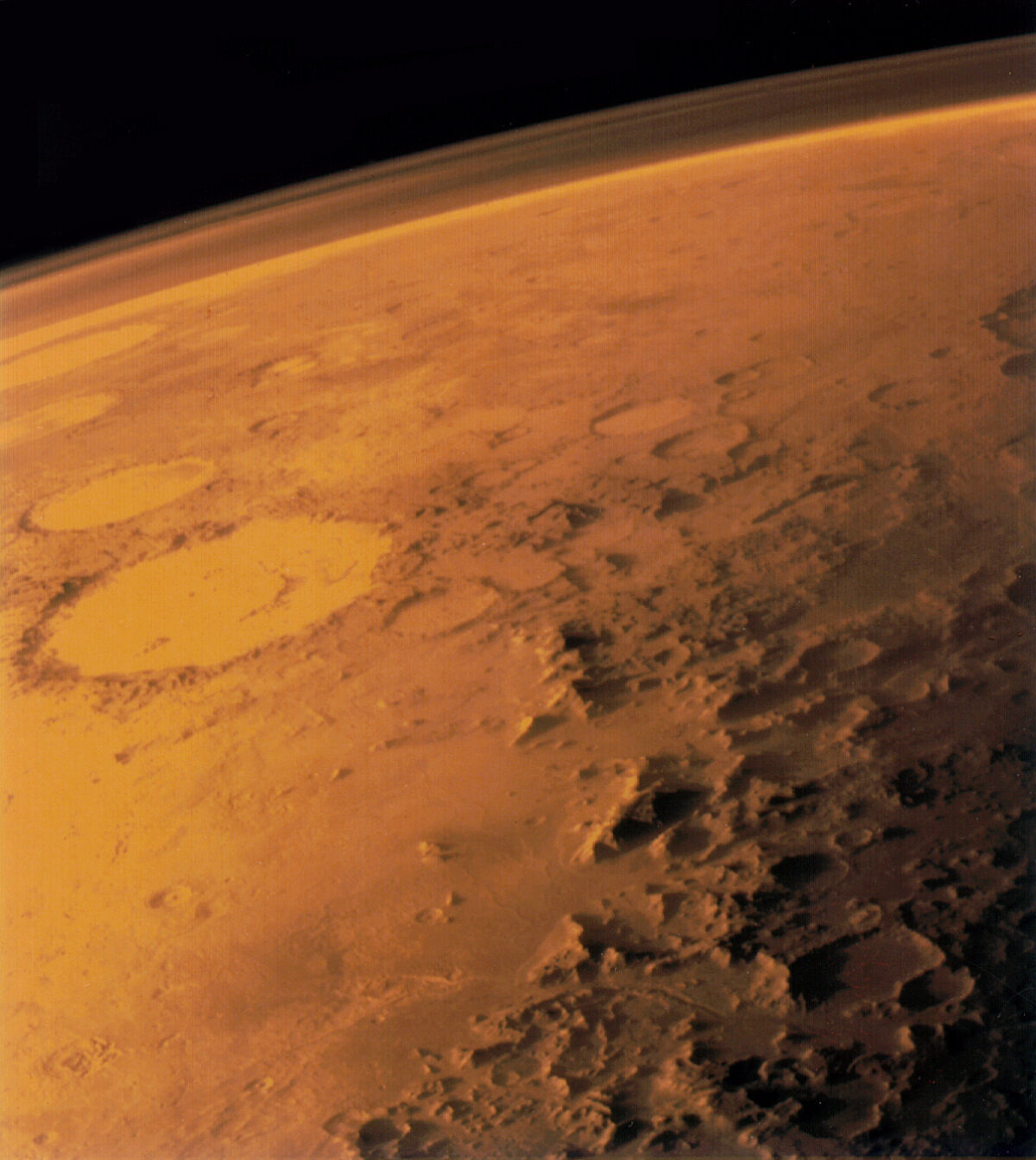
Several factors make such captures uncommon. Mars has a much thinner atmosphere than Earth—roughly 1% of sea-level pressure—so objects that would burn up high in Earth's skies often penetrate much deeper before ablating. Additionally, active imaging systems on Mars missions typically prioritize surface operations: geological surveys, sample caching, and weather monitoring. Meteor events are fleeting and unpredictable, so capturing one with clear context, stable framing, and multiple spectral bands is effectively a cosmic stroke of luck.
thin Mars atmosphere
"Seeing a meteor split and flare above a Martian horizon is like watching the solar system write a note in light."
WHY A THIN ATMOSPHERE CHANGES EVERYTHING
Entry dynamics on Mars versus Earth
On Earth, the thick atmosphere causes intense frictional heating that typically fragments meteoroids at high altitude. On Mars, that friction is much lower, so meteoroids often survive to lower altitudes before experiencing sudden, violent ablation or impact. The footage shows both rapid heating and sudden fragmentation, offering a rare look at these dynamics in situ. Scientists can analyze frame-by-frame luminosity, deceleration, and fragmentation to estimate mass, composition, and the likely size of any resulting meteorites on the surface.
Ablation, fragmentation, and shock
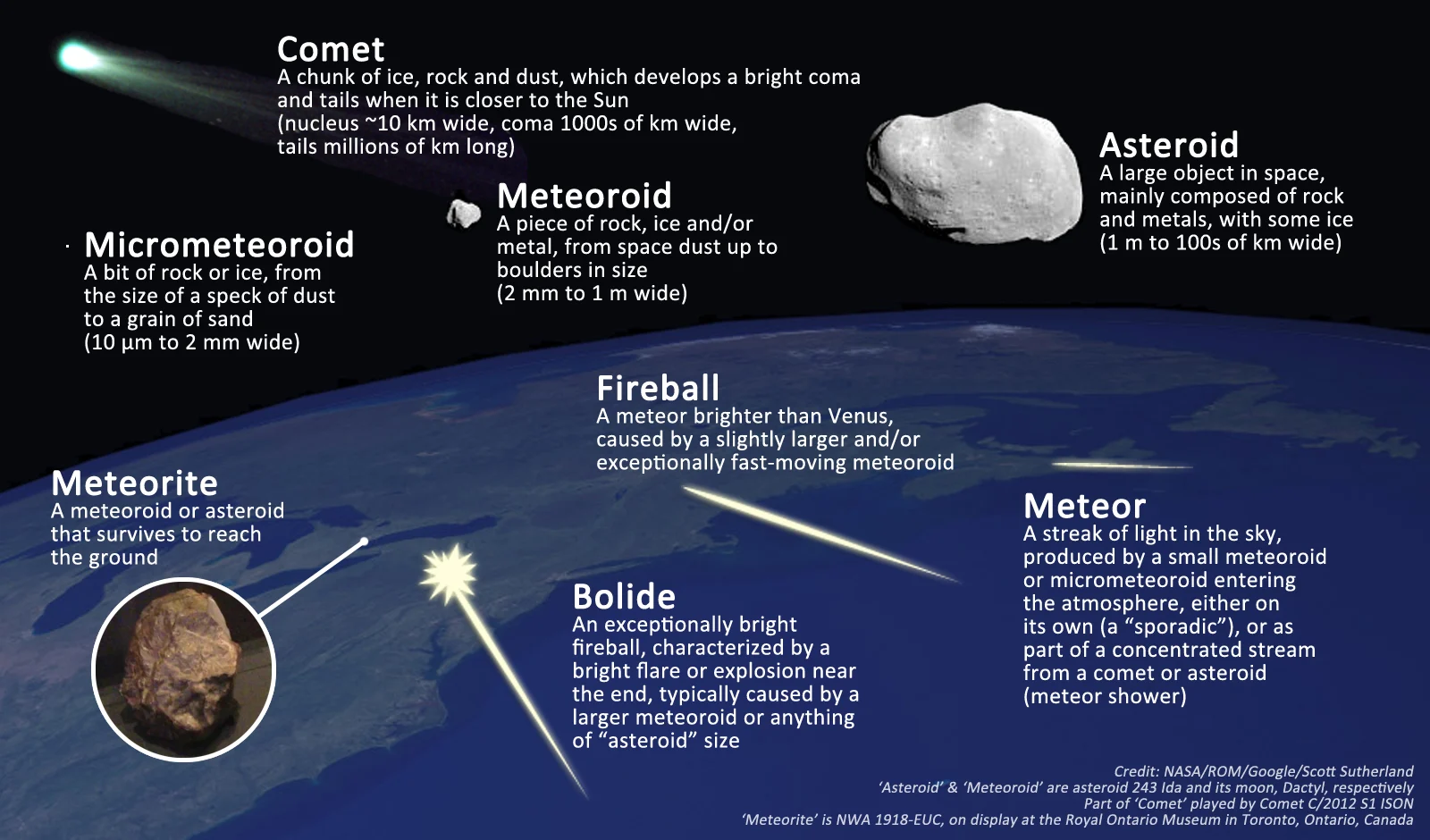
Even in a thin atmosphere, the physics of ablation still applies: kinetic energy converts to heat as the object compresses and ionizes gas in front of it. However, Martian atmospheric density changes the balance between steady erosion and violent breakup. The footage shows a sequence where a fireball maintains cohesion for longer than most Earth meteors, then fragments into multiple glowing pieces. Those secondary fragments produce brief, localized flares — visual evidence of shock and structural failure that researchers can use to infer internal strength and composition.
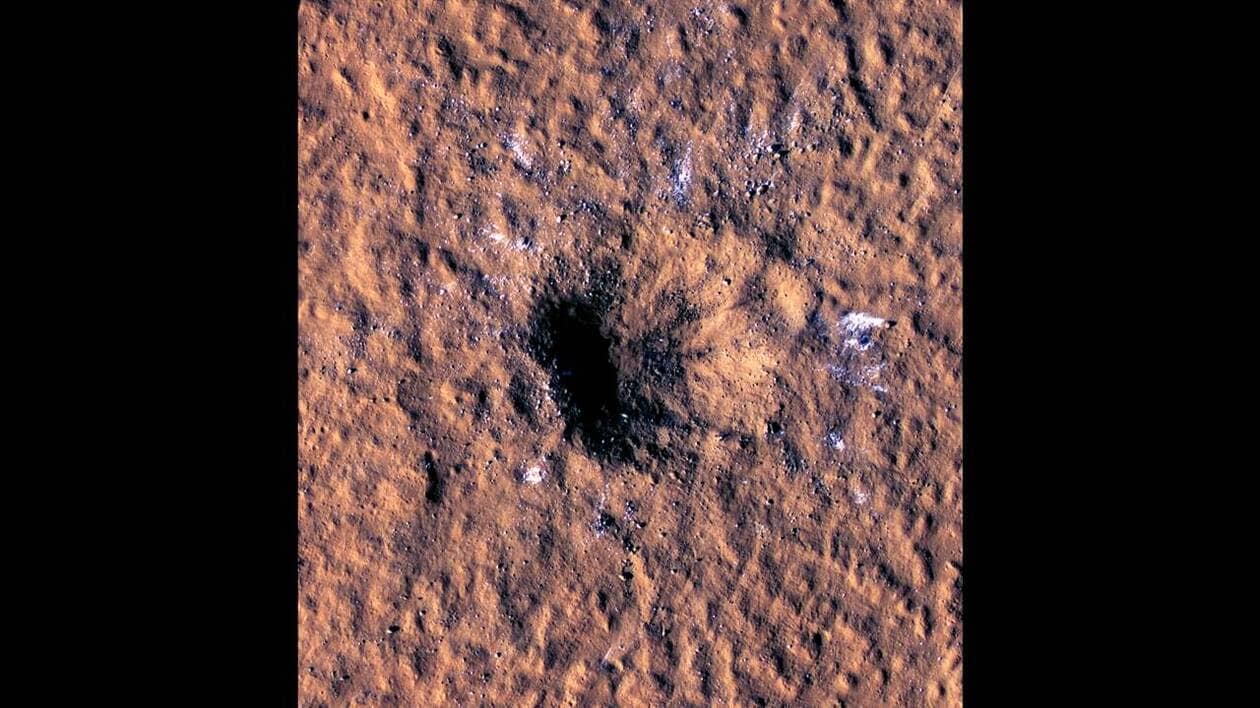
meteor fragmentation Mars
SCIENTIFIC GOLDMINE: WHAT THE VIDEO REVEALS
Estimating mass and velocity
Video provides kinematic data. By tracking the fireball's position across frames and knowing the camera geometry, scientists derive deceleration profiles and estimate pre-atmospheric velocity. Combined with luminous efficiency models—how much brightness corresponds to kinetic energy—researchers can infer the meteoroid's mass to within an order of magnitude. That estimate, in turn, helps determine whether fragments might have reached the surface as meteorites and where to search for them.
Clues about composition
Color and flare behavior hold compositional hints. Metallic meteoroids often produce persistent, white-hot ablation with sputters of orange, while stony meteoroids can show more variable coloration as different minerals vaporize at different temperatures. In this footage, intermittent orange flares and brief greenish licks near brighter segments suggest a mixed composition—silicates with pockets of metal—that would be fascinating if recoverable on the ground.
IMPLICATIONS FOR PLANETARY GEOLOGY AND HAZARD ASSESSMENT
Mapping fresh craters and impact rates
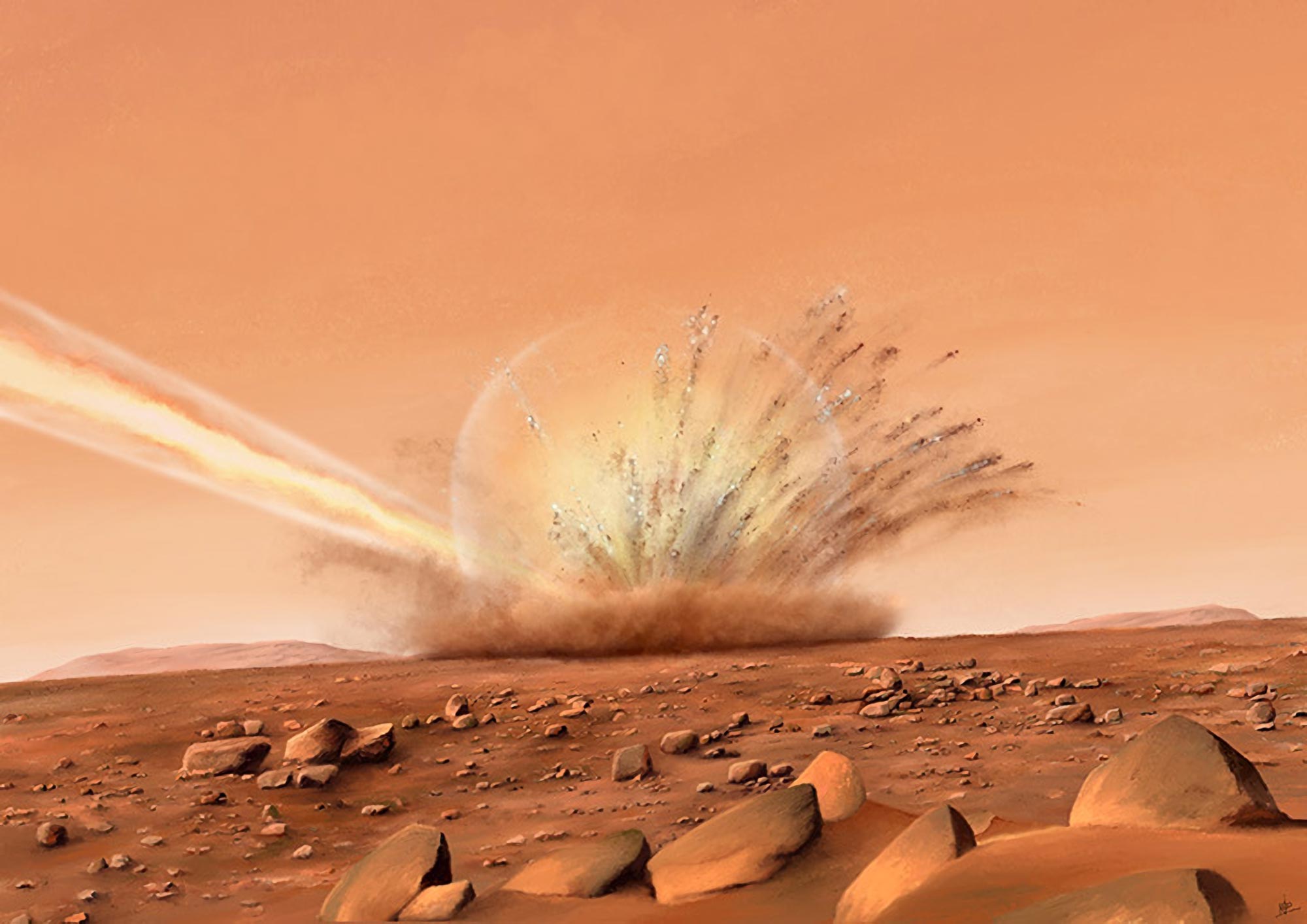
Every small impact reshapes a patch of Martian terrain. By pairing video-based observations with orbital imagery and crater detection algorithms, scientists can calibrate impact rates and refine models for surface age dating. If ground teams can locate a fresh crater corresponding to the fireball, they gain a precise timestamp for crater formation—an invaluable anchor for relative dating of nearby features.
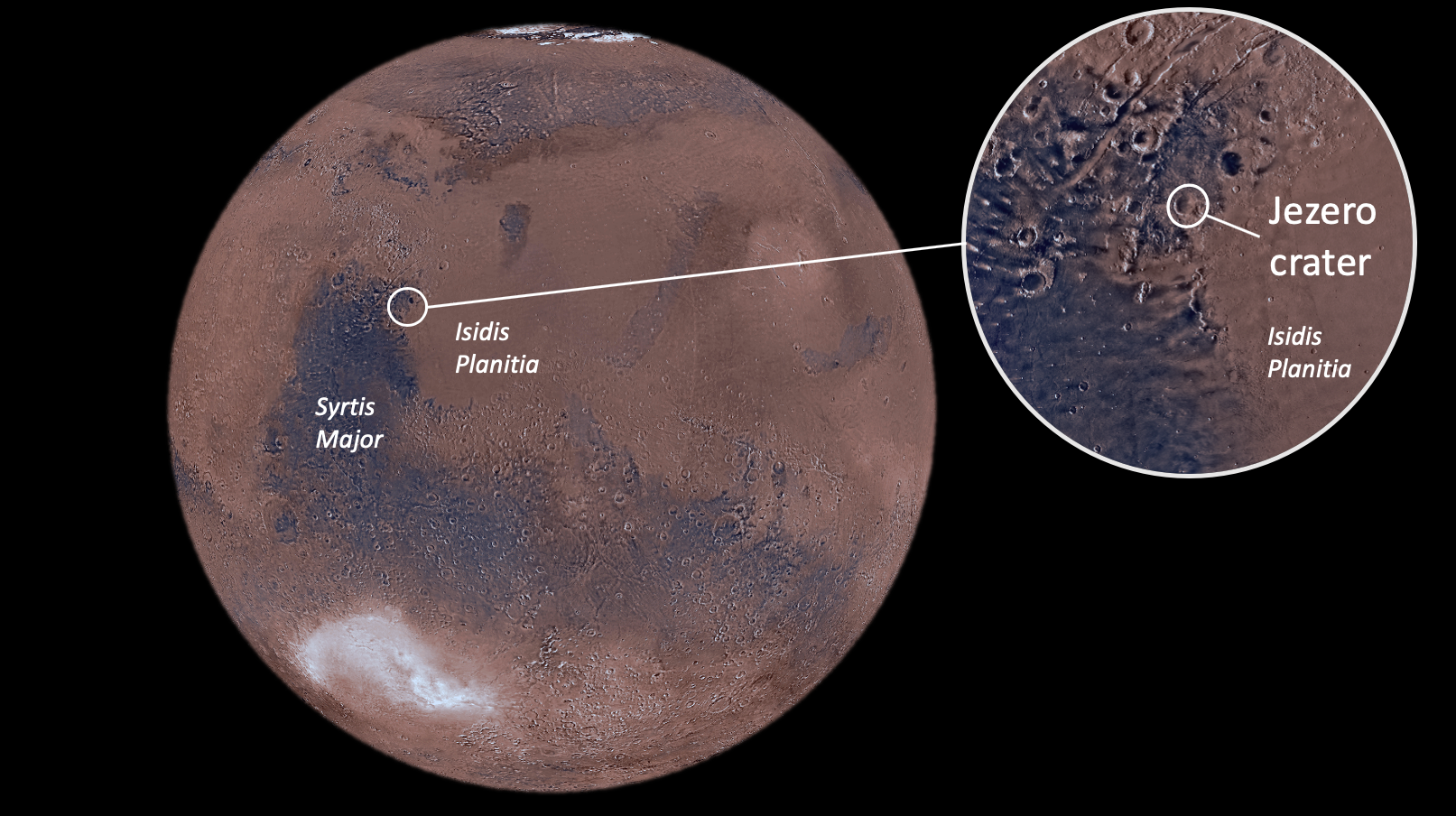
Mars crater mapping
Risk for current and future missions
Although destructive large impacts are rare, smaller meteoroids can pepper hardware with micrometeoroid fragments. Understanding frequency, fragmentation behavior, and ground-penetrating survival informs shielding design for future landers, rovers, and habitats. The footage provides direct evidence of how often meteoroids fragment and how much energy remains near the surface, information mission planners will fold into risk assessments.
"This footage doesn't just beautify our screens; it recalibrates our models for how Mars receives material from space."
TECHNOLOGY BEHIND THE CAPTURE
Cameras and serendipity
Rover and lander cameras are versatile instruments. They collect stereo and color images, survey the sky for dust devils, and monitor engineering parameters like wheel odometry. Many modern cameras support higher frame rates or exposure modes that, if triggered fortuitously, can reveal transient phenomena like meteors. In this case, science teams likely discovered the sequence while combing through routine imaging datasets. The footage may include multi-band exposures—visible light plus perhaps narrowband imaging used for mineralogy—which gives scientists richer diagnostic power.
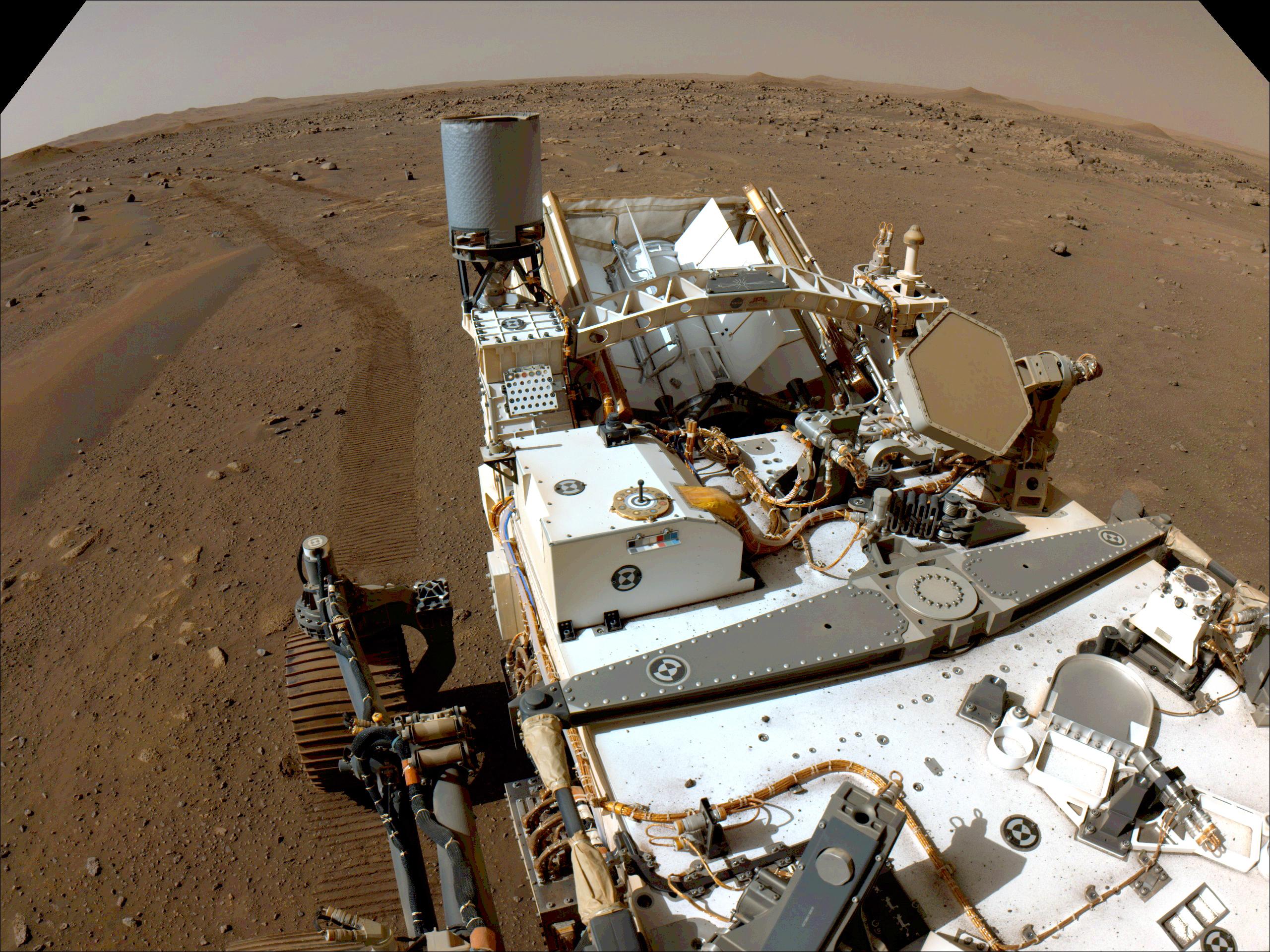
Perseverance rover camera
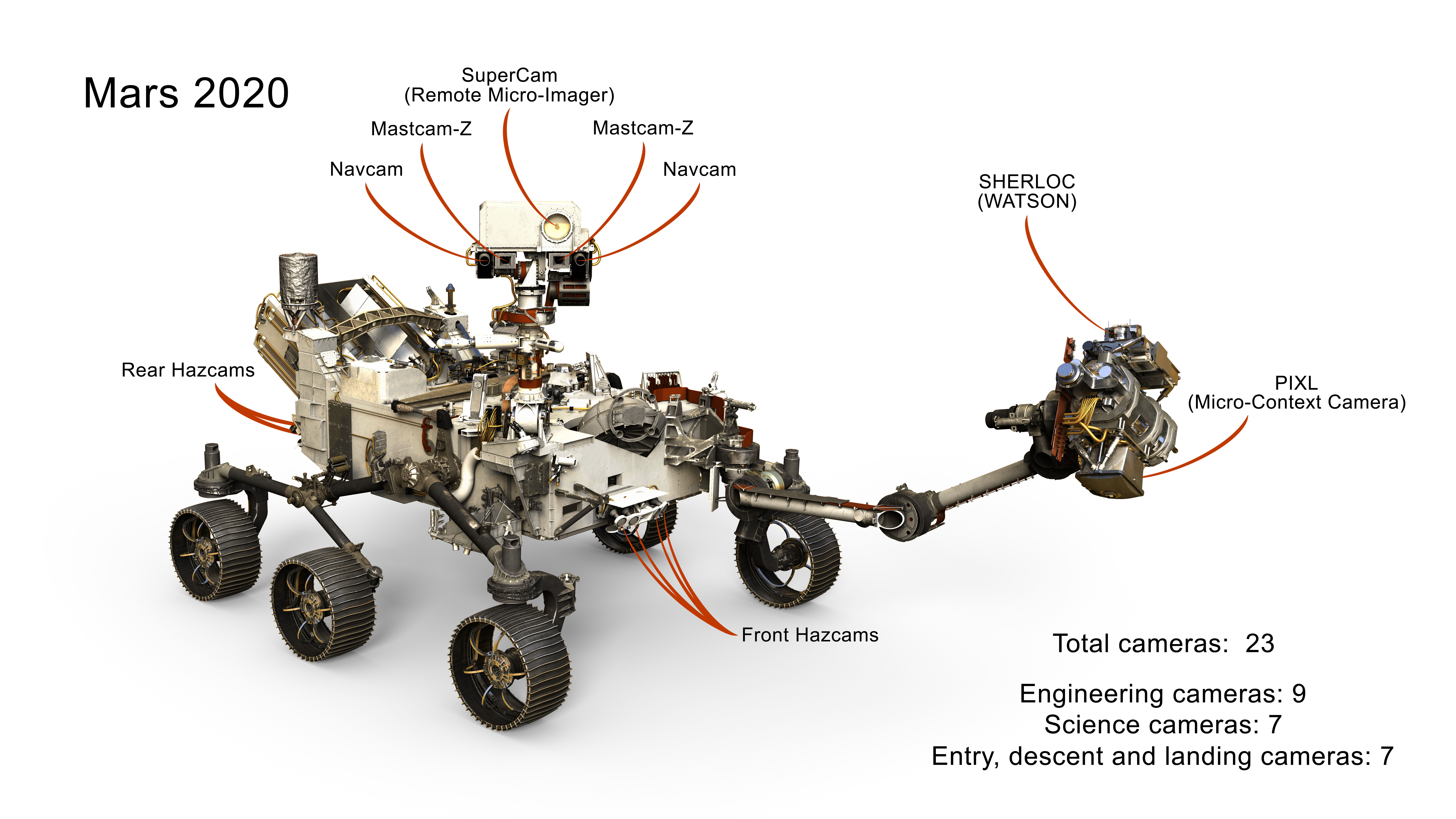
Curiosity rover camera
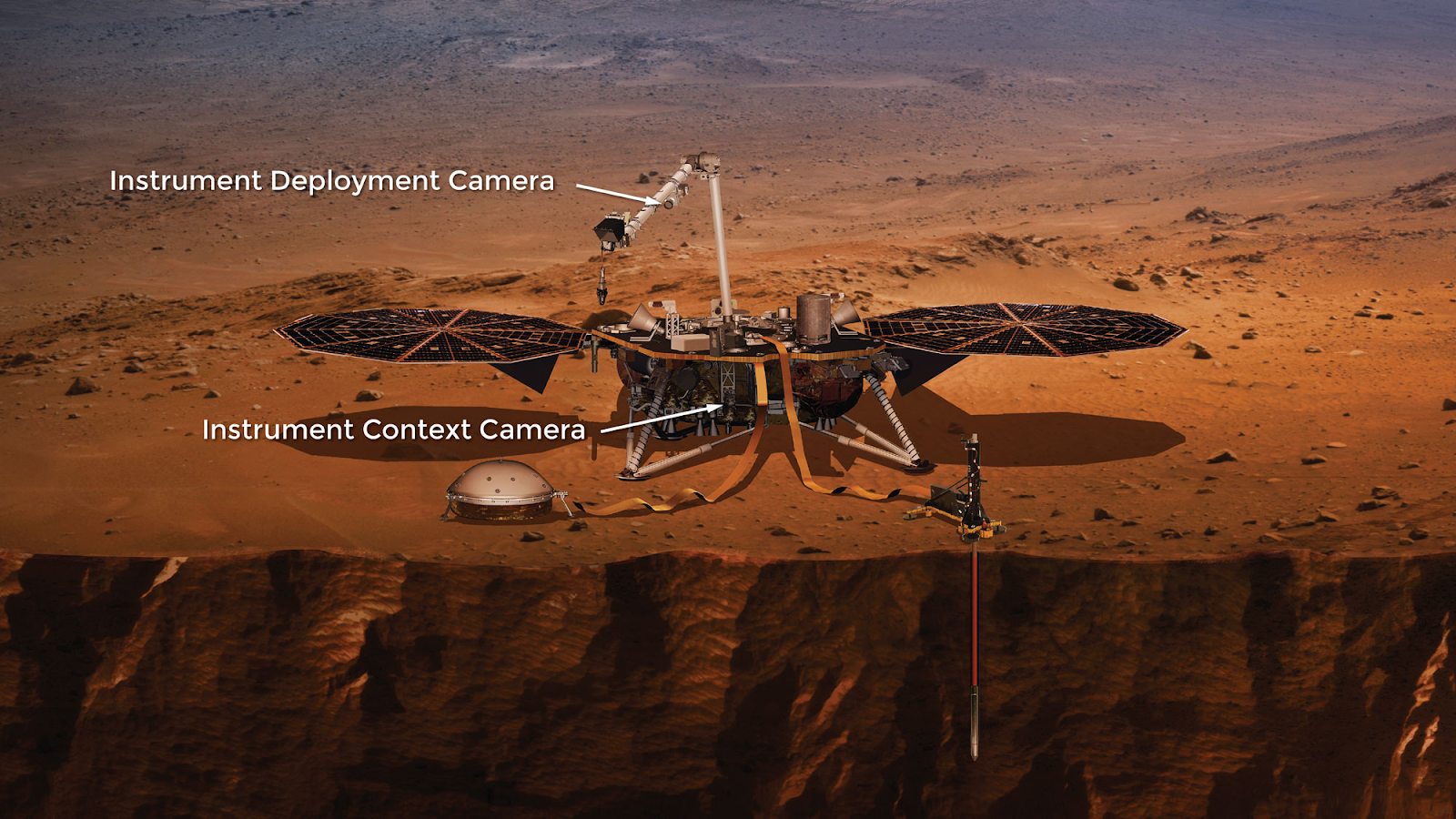
InSight lander camera
Data processing and analysis
Turning raw frames into scientific measurements requires careful calibration: removing camera artifacts, correcting for lens distortion, and tying pixel positions to planetary coordinates. Teams use known starfields, sun angles, and rover position to triangulate the fireball's path. Once calibrated, each frame yields timing, brightness, and positional data that feed into models of atmospheric drag, ablation, and fragment trajectories.
planetary science citizen science
Frame-by-frame playback reveals fragmentation points and luminous intensity used to estimate mass.
THE HUMAN SIDE: PUBLIC AWE AND SCIENCE OUTREACH
A viral moment with real value
When such footage is shared, it rapidly captures the public imagination. The visual drama and the rarity of the event make it ideal for outreach: educators use it to explain atmospheric physics, and public programs highlight it as a moment where the universe showed itself in motion. For students and amateur astronomers, the clip is a tangible connection between textbook dynamics and living reality.
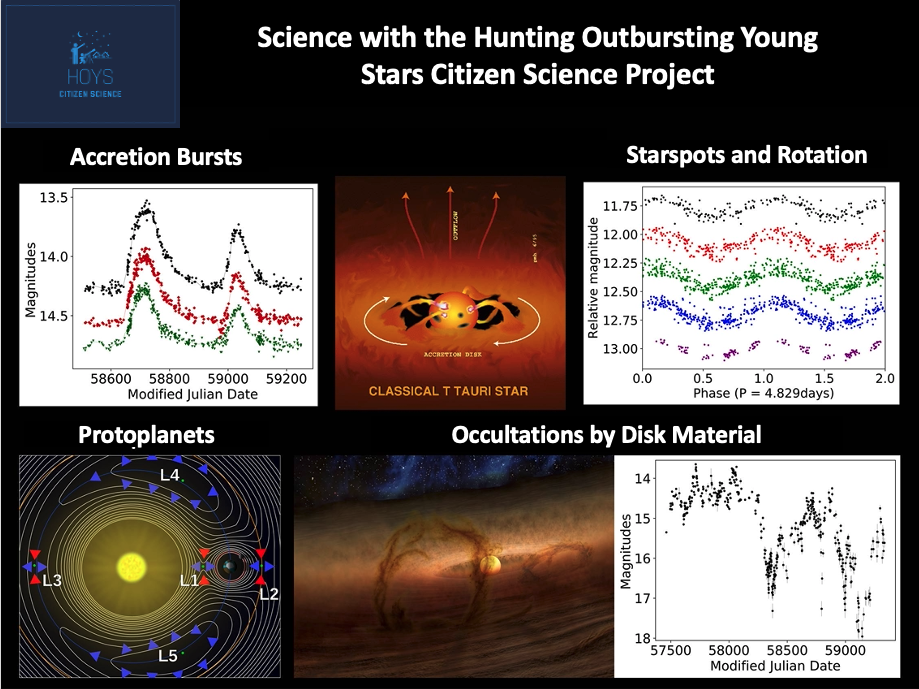
Citizen science and crowd-sourced searches
Fresh crater hunts and meteorite recoveries on Mars would typically be the province of orbital reconnaissance and mission teams. But public engagement can accelerate the search: volunteers combing high-resolution orbital images, machine-learning citizen projects, and coordinated amateur efforts can flag promising sites. With the video's timing and estimated trajectory, targeted orbital imaging can narrow the search area dramatically.
NASA ESA Mars missions
CHALLENGES AND LIMITATIONS
Locating meteorites on the surface
Even with a well-characterized path, finding fragments on Mars is challenging. Wind-driven dust, rough terrain, and the small size of fragments mean the visible signatures could be subtle: a fresh swirl of ejecta, a darkened patch, or a tiny scatter of metal glinting in sunlight. Orbital imagery must be timed and angled carefully; even then, many meteorites remain elusive.
space debris entry Mars
Data gaps and interpretation caution
Video gives excellent constraints, but it is not a substitute for in situ samples. Brightness-to-energy conversions depend on uncertain luminous efficiencies, and composition inferences from color are suggestive rather than definitive. Scientists are careful to present ranges and confidence intervals, not single-number answers, until corroborating orbital or ground observations are available.
WHAT THIS MEANS FOR FUTURE MISSIONS
Designing for transient science
One practical outcome is a new appreciation for designing mission cameras and software that can opportunistically capture transient events. Triggered high-frame-rate buffers, automated detection algorithms, and prioritized downlink of transient sequences could make meteor captures less accidental and more routine. Missions that can alert orbiters or other assets in real time would multiply scientific return.
Science return beyond Mars
These observations also inform exploration of other bodies with atmospheres—Titan, Venus, or even small moons with tenuous gas envelopes. Understanding entry physics across a range of atmospheric densities helps generalize impact models and improves predictions of how interplanetary material is delivered across the Solar System.
CONCLUSION: A BRIEF GLIMPSE, A LASTING IMPACT
That single streak of light across a Martian twilight packs a surprising amount of science. It is a reminder that exploration is not only about years-long campaigns and careful planning; sometimes it is about being ready for the unexpected. The footage gives scientists new data on entry dynamics in a low-density atmosphere, offers potential leads for fresh meteorite recovery, and reinvigorates public fascination with planetary processes.
More than that, it reframes Mars not as a static desert but as a place where the cosmos continues to arrive: fragments of ancient asteroids, chemical messengers from distant orbits, and tiny explosions of physics that we are only beginning to read. Each capture like this teaches us how the Red Planet grows and changes, and how future explorers might better protect their machines and make the most of these unpredictable gifts.
- Rare footage of a meteor fireball on Mars reveals unique entry and fragmentation dynamics in a thin atmosphere.
- Frame-by-frame analysis allows estimates of speed, mass, and possible composition, though with uncertainty.
- The observation refines impact-rate models, aids crater dating, and informs mission design for transient-event capture.
- Public engagement and targeted orbital searches could help locate fresh craters or meteorites tied to the event.
Still frames and brightness curves will keep scientists busy for months, but the instantaneous beauty of the event will linger in the public imagination for years.