Low-Dose Aspirin Cuts Dementia Risk 70% — Here's the Catch
The headline is irresistible: a cheap, over-the-counter pill cuts dementia risk by roughly 70 percent. It promises a simple fix for one of the most feared conditions of aging. But medicine rarely behaves like a headline. The studies behind dramatic percentage reductions are often complex, context-dependent, and — crucially — limited by important trade-offs. This long-form feature walks through what the claim means, how scientists reached it, why a single percentage shouldn’t trigger a pill habit, and what people should actually consider when thinking about aspirin for brain health.
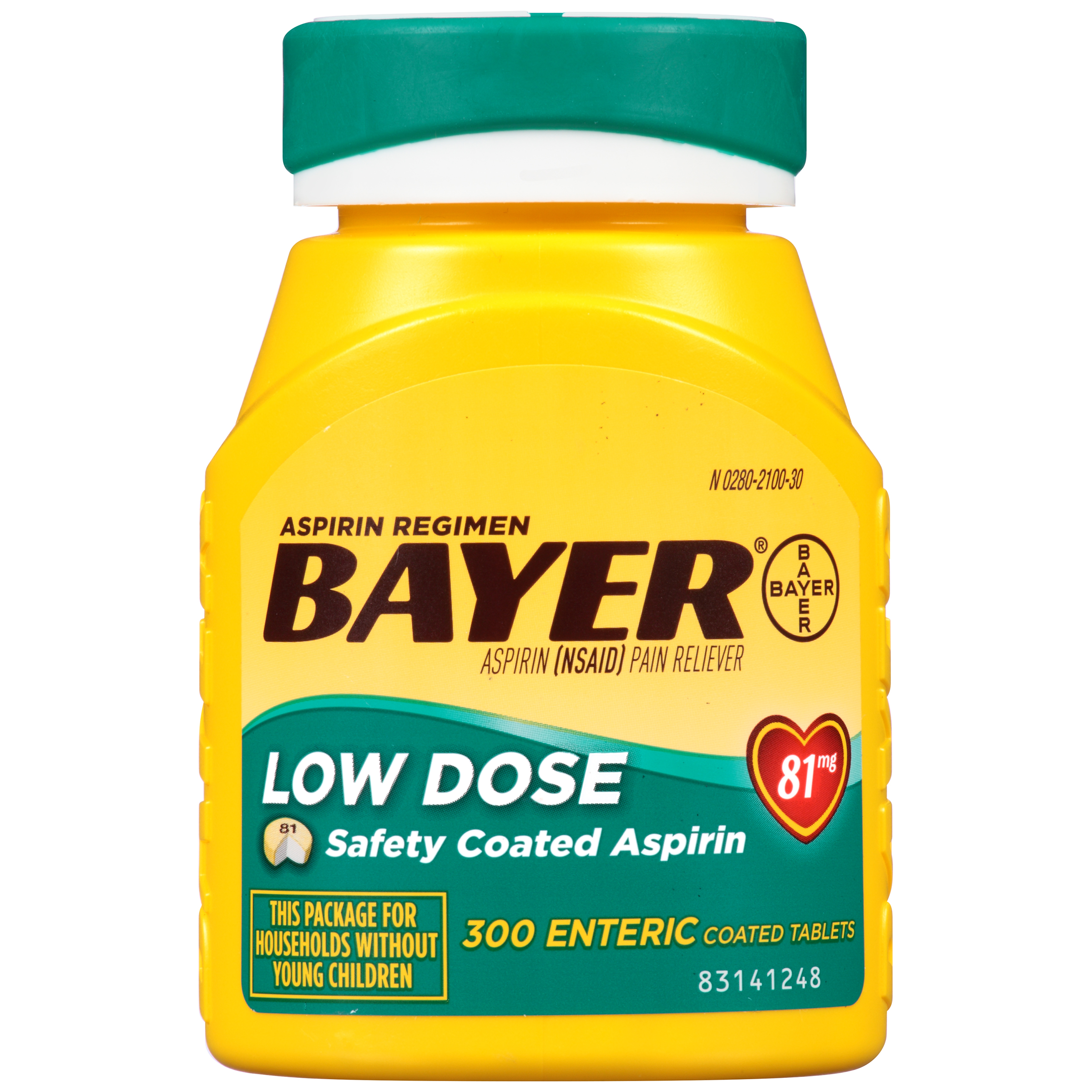
low dose aspirin pills bottle
What the claim usually refers to
When you see a number like "70% lower dementia risk" the figure almost always comes from an observational study or a subgroup analysis — not a randomized, placebo-controlled trial designed primarily to test dementia outcomes. Observational studies follow people in routine life: they record who takes aspirin and who does not, then look at how many in each group later develop dementia. Those studies can suggest associations and generate hypotheses, but they cannot definitively prove cause and effect because people who take aspirin differ from those who don't in many ways.
The key difference: association versus causation
Consider two simplified possibilities that can produce a 70% association: first, aspirin itself has a protective biological effect that reduces the risk of dementia; second, people who took aspirin had other characteristics — better access to healthcare, healthier lifestyles, or a pattern of being prescribed aspirin because of cardiovascular disease — that actually explain their lower dementia rates. The statistical methods in observational research try to control for those differences, but residual confounding often remains. That uncertainty is the "catch" behind large-sounding percentages.
A headline percentage can mislead. The real question is who was studied, how, and what trade-offs exist.
How aspirin could plausibly protect the brain
Aspirin has two well-known biological actions that make the idea plausible. First, at low doses (commonly 81 mg daily), it inhibits platelet aggregation by irreversibly blocking COX-1, which reduces formation of clots. Microvascular thrombosis — tiny clots in cerebral vessels — is one hypothesized contributor to cognitive decline and vascular dementia. Second, aspirin has modest anti-inflammatory effects. Chronic neuroinflammation is implicated in Alzheimer's disease and other dementias; theoretically, reducing systemic inflammation might have downstream benefits for the brain.
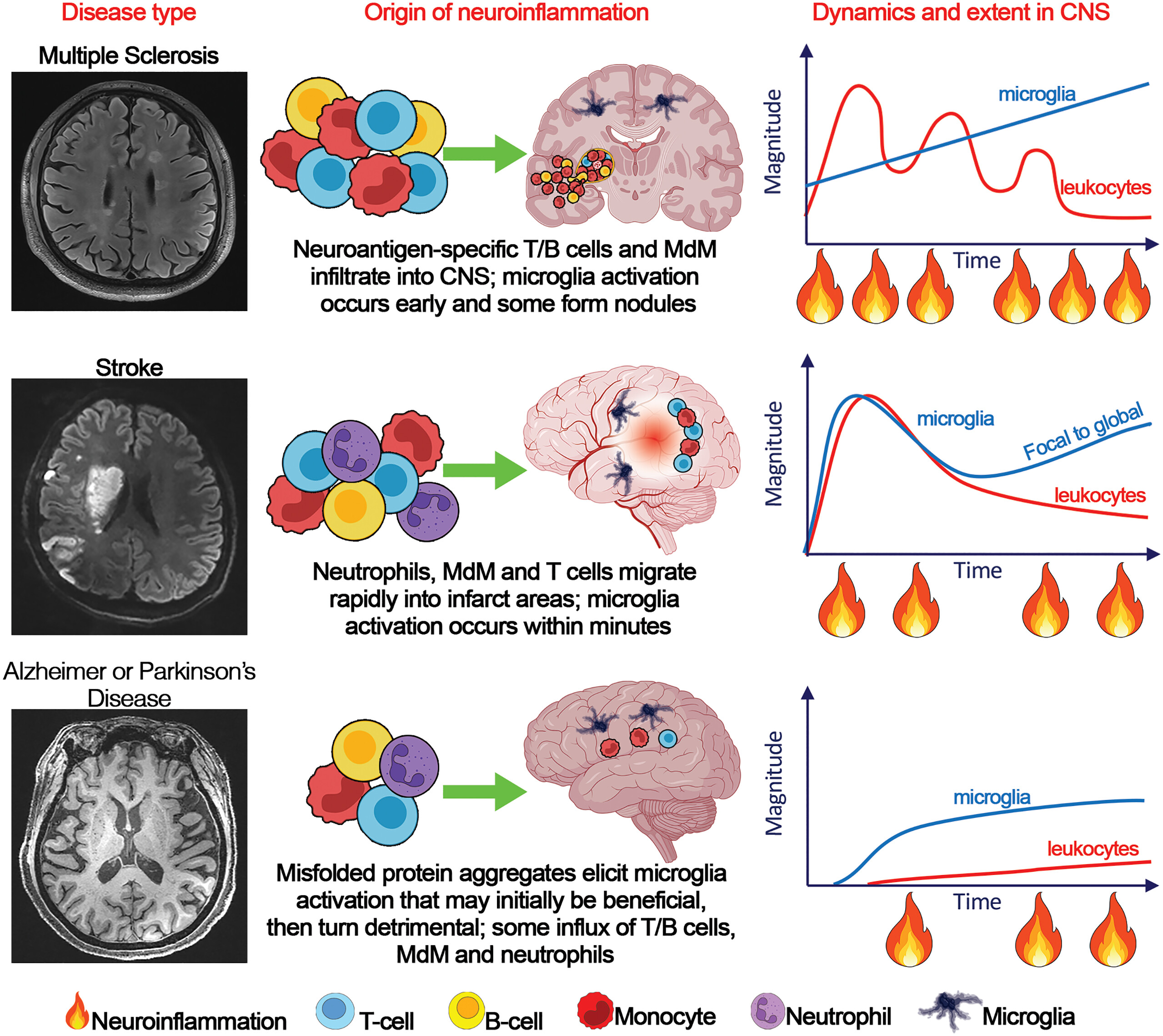
human brain neuroinflammation illustration
These mechanisms give scientific plausibility to the aspirin-dementia hypothesis, but plausibility is not proof. The brain is complex, and long-term outcomes like dementia depend on many interacting factors, including genetics, blood pressure, metabolic health, and lifestyle.
What randomized trials have shown
Evidence from randomized controlled trials (RCTs) — the gold standard — is mixed and, in several important trials, discouraging. Large RCTs designed to test aspirin for primary prevention of cardiovascular disease in older adults found minimal benefit for primary prevention and increased bleeding risks. Trials that looked specifically at cognitive outcomes have generally not confirmed major protective effects. In some trials of older adults, aspirin did not reduce cognitive decline; in a few cases, trials raised safety concerns when aspirin was started late in life.
One consistent lesson from randomized data is timing matters. Starting anti-clotting or anti-inflammatory therapies in very late life, after cerebrovascular and neurodegenerative changes have accumulated, may be too late to alter the long arc toward dementia. Observational studies that suggest large benefits often reflect long-term use beginning earlier in midlife, or they capture specific subgroups with different risk profiles. That nuance matters for translating a percentage into action.
The harms: why aspirin isn’t benign
Low-dose aspirin is widely available and inexpensive, but it is not harmless. The major harms are bleeding-related and can be serious:
- Gastrointestinal bleeding: Aspirin irritates the stomach lining and increases the risk of ulcers and GI bleeds, which can be life-threatening, especially in older adults or those taking other medications that impair clotting.
- Hemorrhagic stroke: By reducing clotting, aspirin increases the risk of bleeding into the brain — a catastrophic event with high morbidity and mortality.
- Drug interactions and comorbidities: Aspirin interacts with other anticoagulants, certain anti-inflammatory drugs, and some herbal supplements. People with bleeding disorders or active peptic ulcer disease face increased danger.
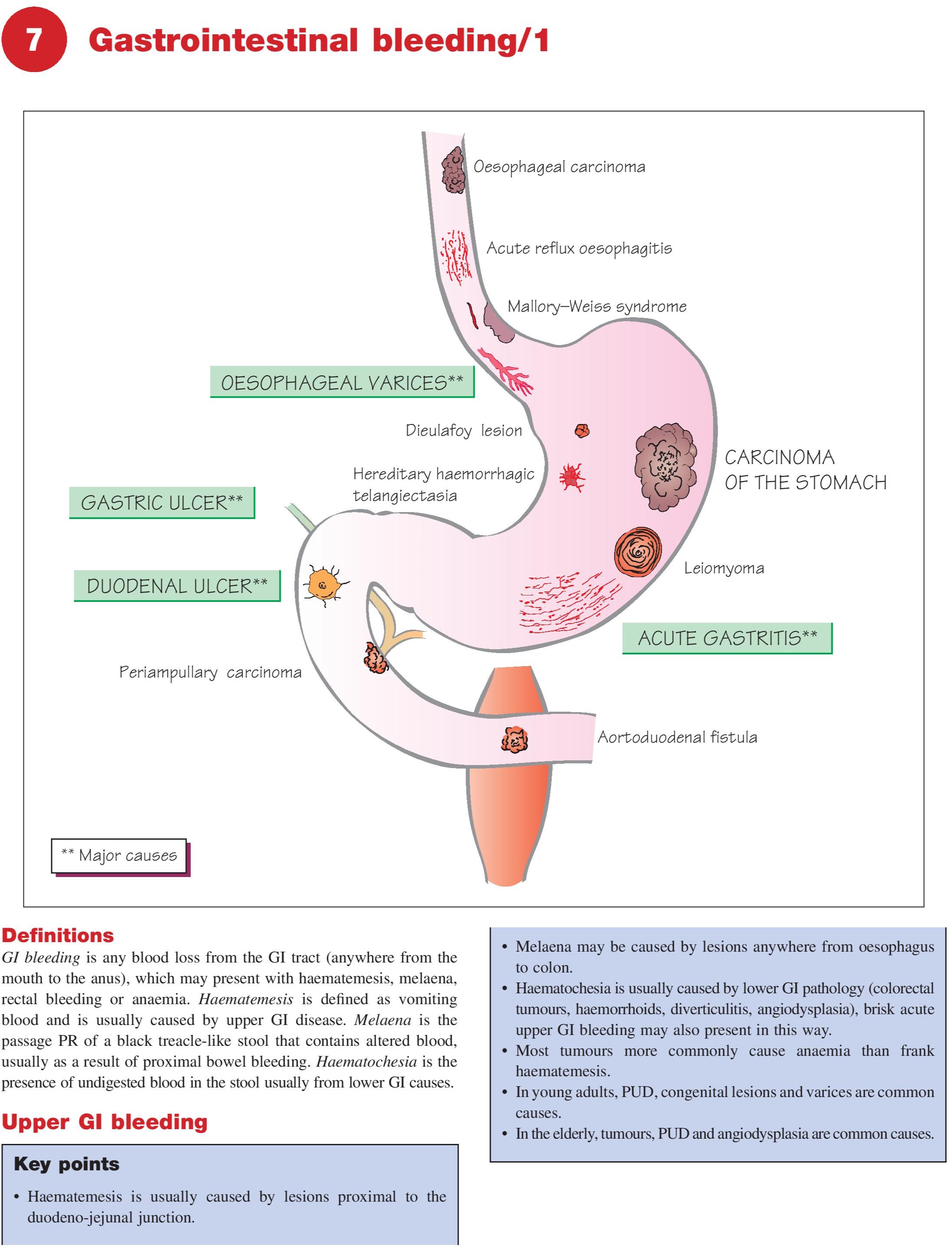
gastrointestinal bleeding medical diagram
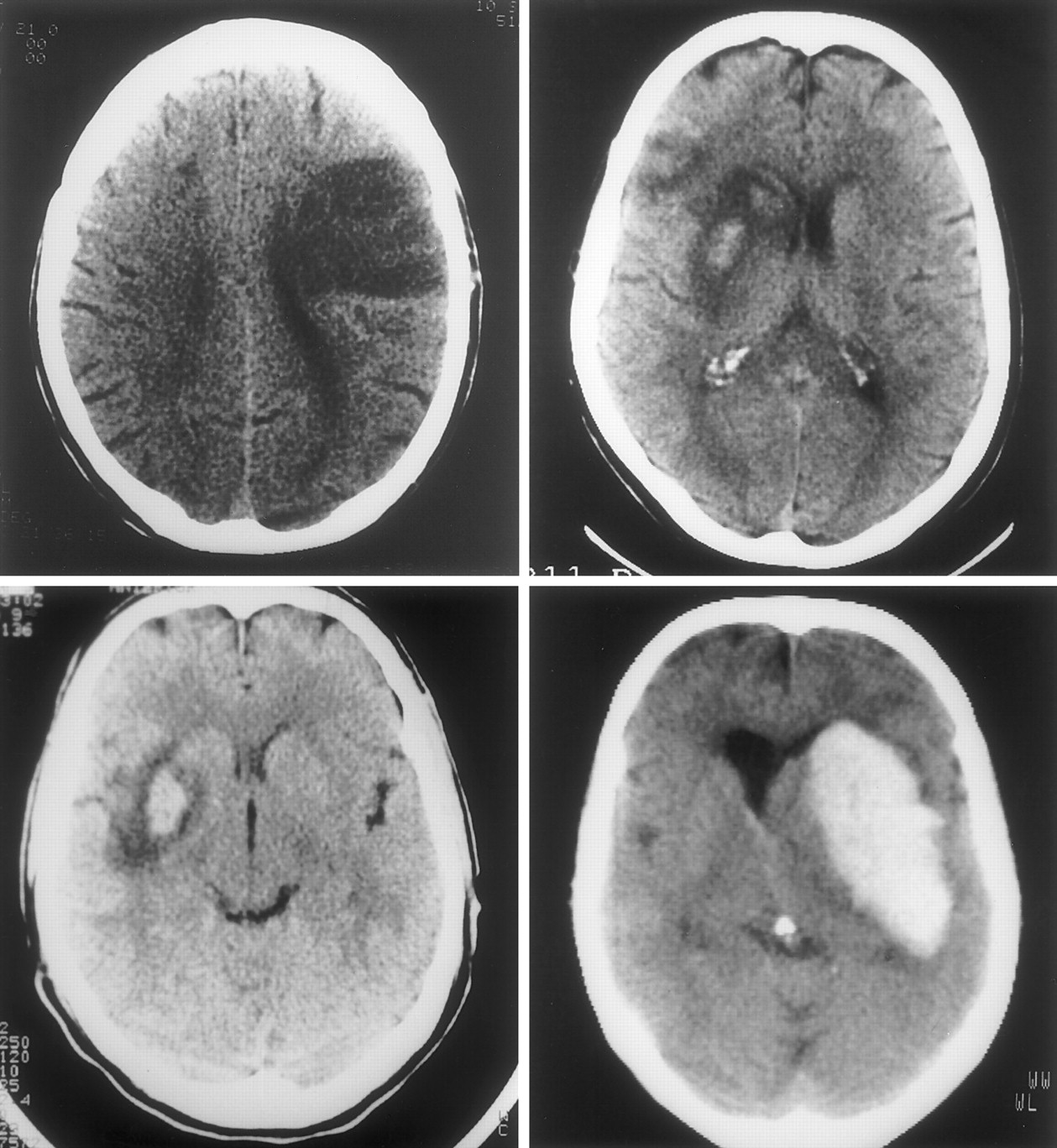
hemorrhagic stroke brain scan
For many older adults, the small absolute benefit in preventing a first heart attack — if any — can be outweighed by bleeding risks. Decisions about aspirin must therefore balance potential prevention benefits against real safety harms.
Where the "70%" headlines typically fall apart
Large relative risk reductions sound dramatic, but context matters. A 70% reduction in a rare event translates to a small absolute risk change. For example, if the baseline 10-year risk of a certain dementia subtype in a particular age group is 2%, a 70% relative reduction would lower that to 0.6% — a difference of 1.4 percentage points. Clinicians prefer absolute risk and numbers needed to treat (NNT) because they show actual patient impact.
Other ways headlines mislead:
- Selective reporting: Headlines often highlight the most attention-grabbing subgroup or the most favorable analysis, not the overall trial result.
- Short follow-up: Some studies have limited follow-up and may not capture late-emerging harms or benefits.
- Population differences: Findings in a specific cohort (for example, middle-aged men with cardiovascular disease) don’t generalize to the whole population, including women, younger people, or those without cardiac risk.
Who might legitimately use aspirin already
Current clinical guidelines are clear in at least one area: aspirin remains appropriate for many people with established cardiovascular disease (secondary prevention). If you have had a heart attack, ischemic stroke, or stent placement, the antiplatelet effects of aspirin lower the risk of future events and are generally worth the bleeding trade-off under medical supervision.
That established benefit for people with prior vascular disease is different from starting aspirin solely to prevent dementia in someone without cardiovascular disease. The latter is what headlines imply and where the evidence is thin and contested.
Practical clinical guidance — what to do now
If you read the headlines and are tempted to start low-dose aspirin for dementia prevention, follow these steps instead:
- Talk to your clinician: Aspirin decisions should be individualized. Your doctor will consider your cardiovascular risk, bleeding risk, medications, age, and medical history.
- Assess real risk: Ask for your estimated 10-year cardiovascular risk and an evaluation of bleeding risk. Tools and calculators can help, but they are only part of the picture.
- Don’t start aspirin solely for dementia prevention: Until randomized trials show a clear net cognitive benefit, most experts advise against starting aspirin just to lower dementia risk.
- If you already take aspirin for heart disease, don’t stop abruptly: Stopping antiplatelet therapy without guidance can increase cardiovascular risk. Discuss changes with a clinician.
Alternatives with stronger evidence for protecting cognition
While aspirin's role in dementia prevention is uncertain, several interventions have more robust evidence for lowering dementia risk or delaying onset:
- Blood pressure control: Lowering midlife blood pressure reduces long-term dementia risk and is one of the clearest modifiable factors.
- Cholesterol management: Treating high LDL cholesterol in appropriate patients reduces vascular risks that contribute to cognitive decline.
- Diabetes prevention and control: Metabolic health is tightly linked to brain health; preventing and managing diabetes matters.
- Smoking cessation: Smoking is associated with increased dementia risk; quitting helps both heart and brain.
- Exercise, diet, and sleep: Regular physical activity, a Mediterranean-style diet, social engagement, and good sleep hygiene all support cognitive resilience.
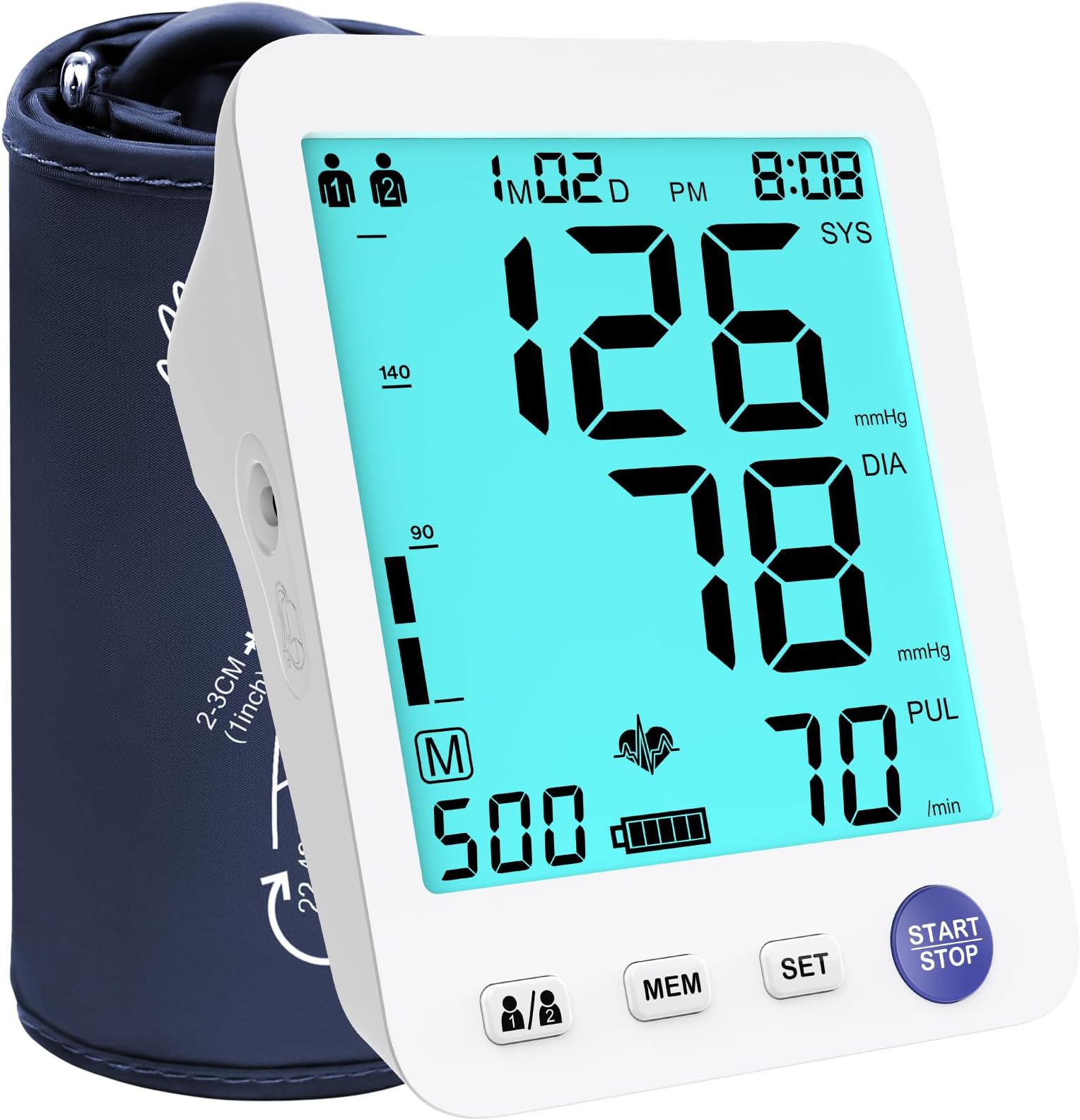
blood pressure monitor cuff

healthy mediterranean diet food

older adult exercising brain health
Unanswered questions research must settle
Research continues to probe three critical areas before aspirin can be recommended for dementia prevention.
1. Timing and duration
Is there a critical window — perhaps middle age — when aspirin started for vascular protection has downstream cognitive benefits decades later? Many scientists suspect yes, and long-term cohort data and trials with early initiation would be required to answer it.
2. Dose and population
Does 81 mg work differently than 100–325 mg for brain outcomes? Are certain genetic or vascular subgroups more likely to benefit? Precision approaches that stratify risk could identify people with favorable risk–benefit balances.
3. Mechanism clarity
Better biomarkers for cerebral microvascular disease, inflammation, and early neurodegeneration would allow trials to link aspirin’s biological effects to cognitive trajectories. Without mechanistic bridges, clinical associations remain tentative.
A realistic takeaway for patients
The most helpful way to read a "70% lower risk" headline is as a prompt to ask questions, not as a prescription. Ask: who was studied? Was the reduction relative or absolute? What were the ages and underlying health conditions? Most importantly, weigh the potential cognitive benefit against immediate, well-documented bleeding risks. For many people, especially those without cardiovascular disease, the current evidence does not support starting low-dose aspirin solely to prevent dementia.
- Potential reduction in clot-related brain injury and systemic inflammation.
- Inexpensive, widely available medication.
- Increased risk of gastrointestinal bleeding and hemorrhagic stroke.
- Unproven net cognitive benefit in randomized trials for primary prevention.
What clinicians should tell patients
Clinicians can provide clear, balanced counseling. Explain that while some observational studies show strong associations, randomized evidence has not confirmed aspirin as a dementia-prevention tool for people without heart disease. Make decisions together: when aspirin's cardiovascular benefits are clear (secondary prevention), continue; when it's being considered purely for dementia prevention, favor evidence-based vascular and lifestyle strategies instead.
No one-size-fits-all answer — assessment and shared decision-making matter.
Conclusion
Those alluring headlines that trumpet a "70% reduction" in dementia risk from low-dose aspirin need careful decoding. The biological idea is plausible and supported by intriguing observational data, but the randomized evidence is mixed and safety concerns are real. For people already prescribed aspirin for heart disease, the drug remains important. For those considering it merely to lower dementia risk, the current balance of evidence favors caution and a focus on proven measures: blood-pressure control, healthy lifestyle, and management of metabolic risk factors. In short: aspirin is not a magic pill for dementia prevention — it may help in particular contexts but can harm in others.
Start conversations with your clinician; prioritize proven vascular health measures over headline-driven self-prescribing.
- "70% lower risk" typically comes from observational analyses and does not prove causation.
- Aspirin has plausible mechanisms for brain protection but also clear bleeding risks.
- Randomized trials have not established aspirin for dementia prevention in people without cardiovascular disease.
- If you take aspirin for heart disease, continue under medical guidance; don't start it solely to prevent dementia without a clinician's assessment.
- Prioritize blood-pressure control, metabolic health, exercise, and smoking cessation for proven cognitive benefits.