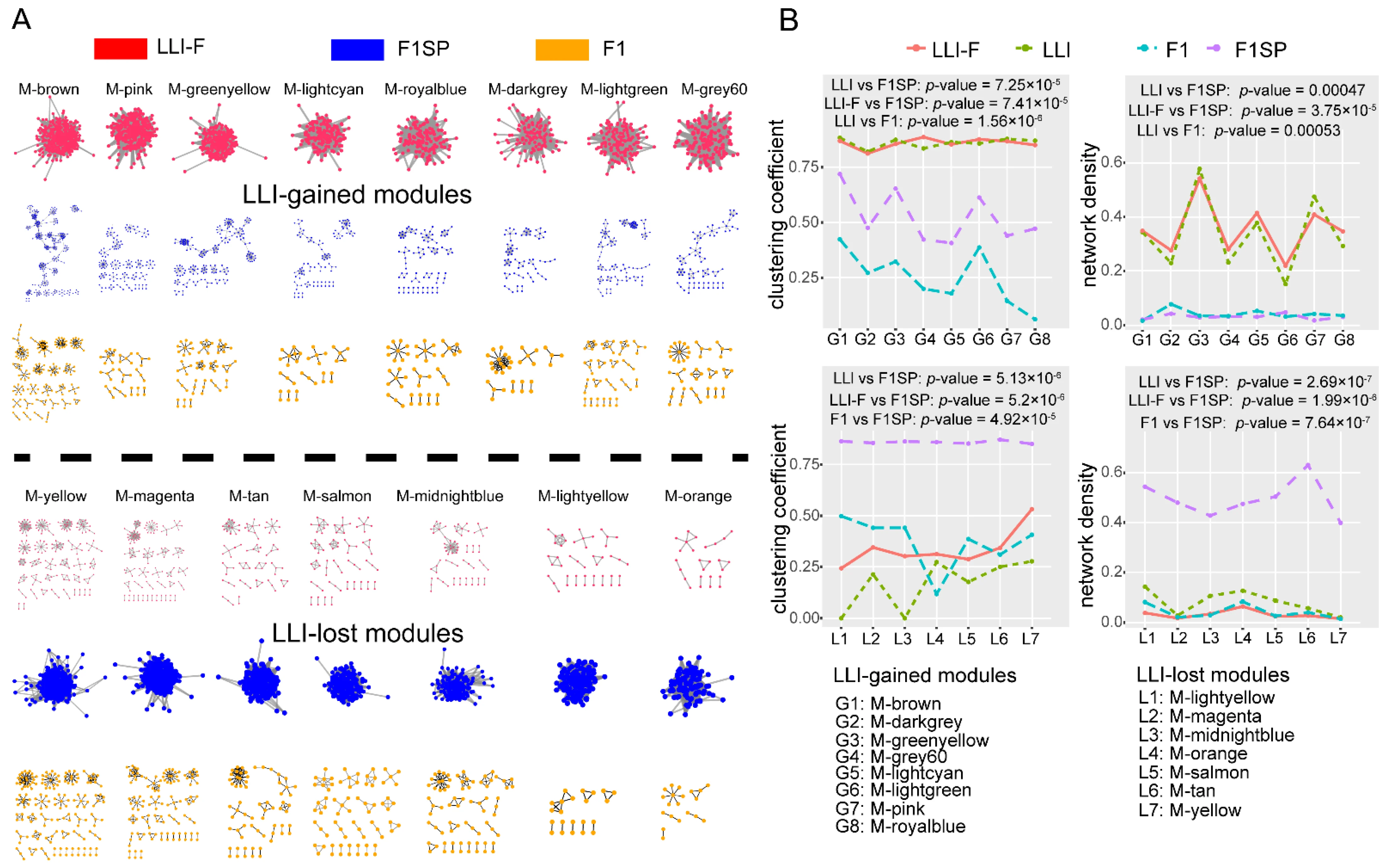
Long-Lived Families Reveal Rare Gene Clues to Healthy Aging
The idea that some families simply age more gracefully than others has long been part anecdote and part scientific curiosity. When several members of the same family reach their 90s, 100s or beyond while maintaining good health into late life, researchers sit up and take notice. Those clusters of long-lived relatives are natural experiments: they concentrate whatever mix of lifestyle, environment and inherited biology creates exceptional resilience. Over the last two decades, careful family studies have begun to pull aside the curtain, revealing rare genetic variants and protective biological pathways that look less like a single 'fountain of youth' gene and more like a network of small advantages stacked together to preserve health.

centenarian family portrait
Why families matter to aging science
When scientists want to find genetic contributors to complex traits they often start with genomes from many unrelated people. That approach has power for common variants, but it dilutes the signal of rare, family-specific changes. Families that produce multiple long-lived members act like magnifying glasses for rare protective changes: a variant that would be vanishingly uncommon in the general population can be enriched within a pedigree and thus easier to spot. Pedigree studies add three critical advantages:
- Concentration of signal: Shared rare variants that help delay disease or maintain function show up more clearly among relatives.
- Contextual control: Family members share environment and lifestyle to some extent, so genetic effects can be disentangled from non-genetic ones more efficiently.
- Biological plausibility: Observing the same variant segregate with healthy aging across generations strengthens the case for causality.
These features explain why research groups focused on centenarians, semi-supercentenarians and their kin have become hotspots for new discoveries about aging biology.
What the rare variants show us
Two patterns have emerged repeatedly. First, many of the genetic differences associated with exceptional longevity touch pathways we already suspected: lipid metabolism, inflammation, DNA repair and cellular stress responses. Second, the variants themselves are often rare and sometimes family-specific, meaning they would be missed by studies that only look for common variants in large population samples.
Protective metabolism variants
Cardiovascular disease remains a dominant cause of death worldwide, so it is no surprise that some genetic routes to a longer life work by lowering lifetime exposure to heart disease risk factors. Loss-of-function variants in genes that reduce low-density lipoprotein (LDL) cholesterol are an informative example. People who inherit such variants tend to have lower LDL from youth onward and a markedly lower lifetime risk of atherosclerotic disease, which can translate into longer, healthier lives. In family studies, similar variants have been found more often than expected in long-lived pedigrees, suggesting that lifelong protection against vascular disease is a realistic route to extended healthspan.
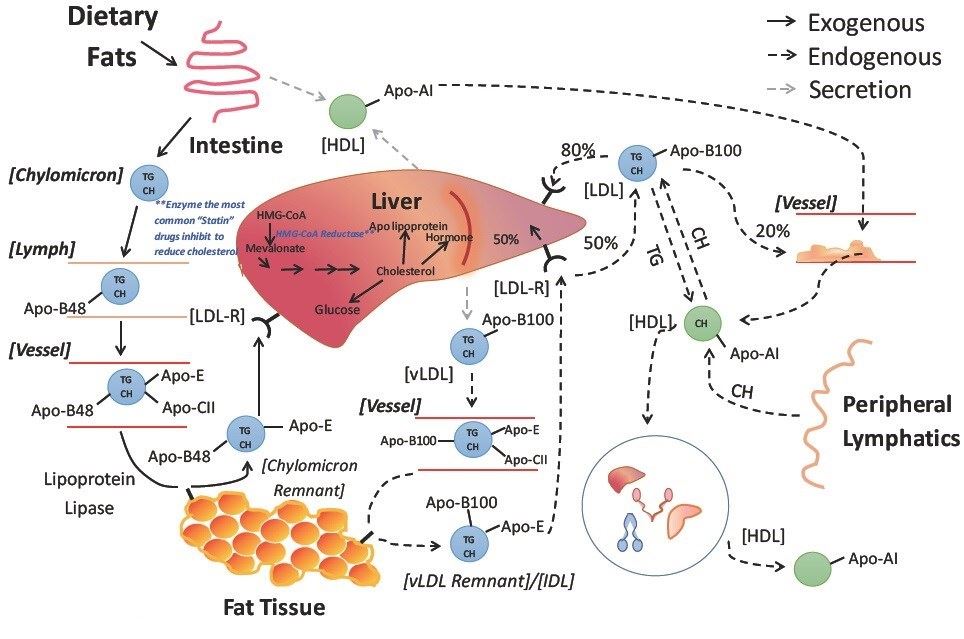
lipid metabolism pathway
Stress response and repair
Other recurring signals point to improved ability to repair cellular damage. Variants that subtly boost DNA repair efficiency or enhance tolerance to proteotoxic stress—cells' ability to manage misfolded proteins—can reduce the accumulation of damage that undermines organ systems over decades. These mechanisms do not guarantee immortality; rather, they shift the odds so tissues preserve function longer and diseases of aging are delayed.
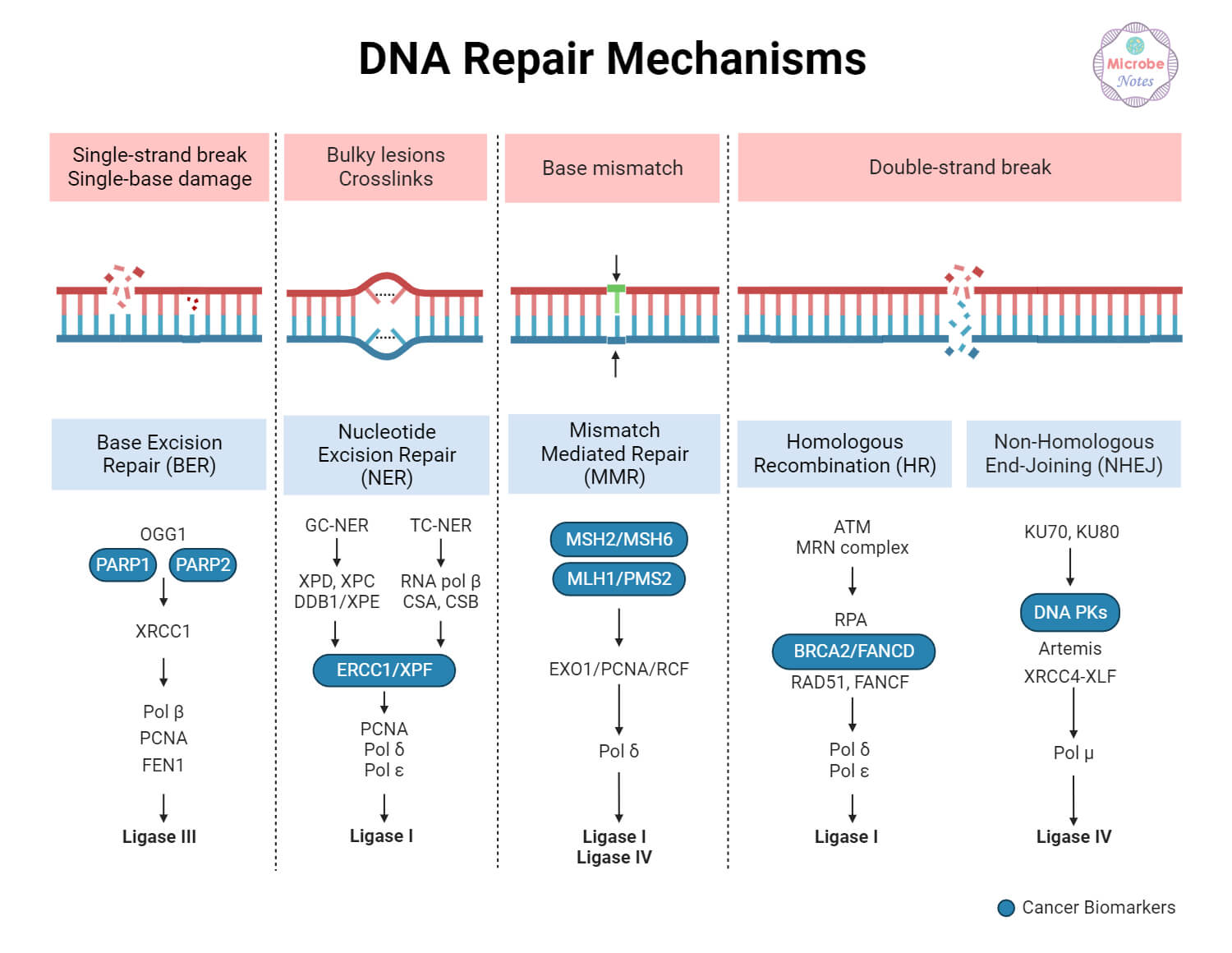
DNA repair mechanism
"What families teach us is how multiple small biological advantages add up to sustained resilience—more a chorus than a solo."
Genes we hear about most often—and what they really mean
Some gene names pop up repeatedly in longevity conversations. A few deserve special explanation because they illustrate the complexity of genetic contribution to aging.
FOXO3 and conserved longevity signals
FOXO3 is one of the most consistently replicated genetic associations with extreme longevity across populations. FOXO family proteins regulate cellular stress responses, metabolism and cell-cycle control in ways that connect neatly to aging biology. Importantly, FOXO3 variants linked to longer life don't override environment; they appear to make cells better at withstanding stressors accumulated over a lifetime.
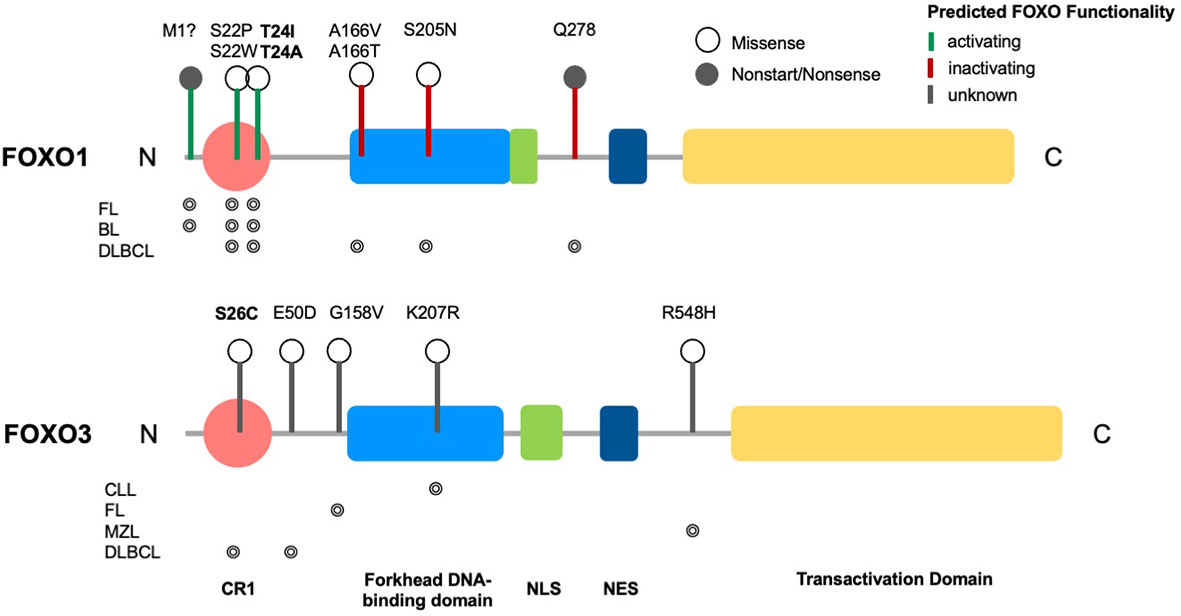
FOXO3 gene structure
APOE: a cautionary example
APOE genotypes illustrate a key lesson: not all genetic effects are straightforwardly 'good' or 'bad'. The APOE e4 allele significantly increases risk of Alzheimer's disease, while APOE e2 appears to be protective in some studies. Families with an elevated frequency of APOE e2 sometimes show better cognitive outcomes in later life, but APOE effects interface with cholesterol metabolism, vascular health and lifestyle in complicated ways. That complexity is why gene-by-environment thinking is essential.
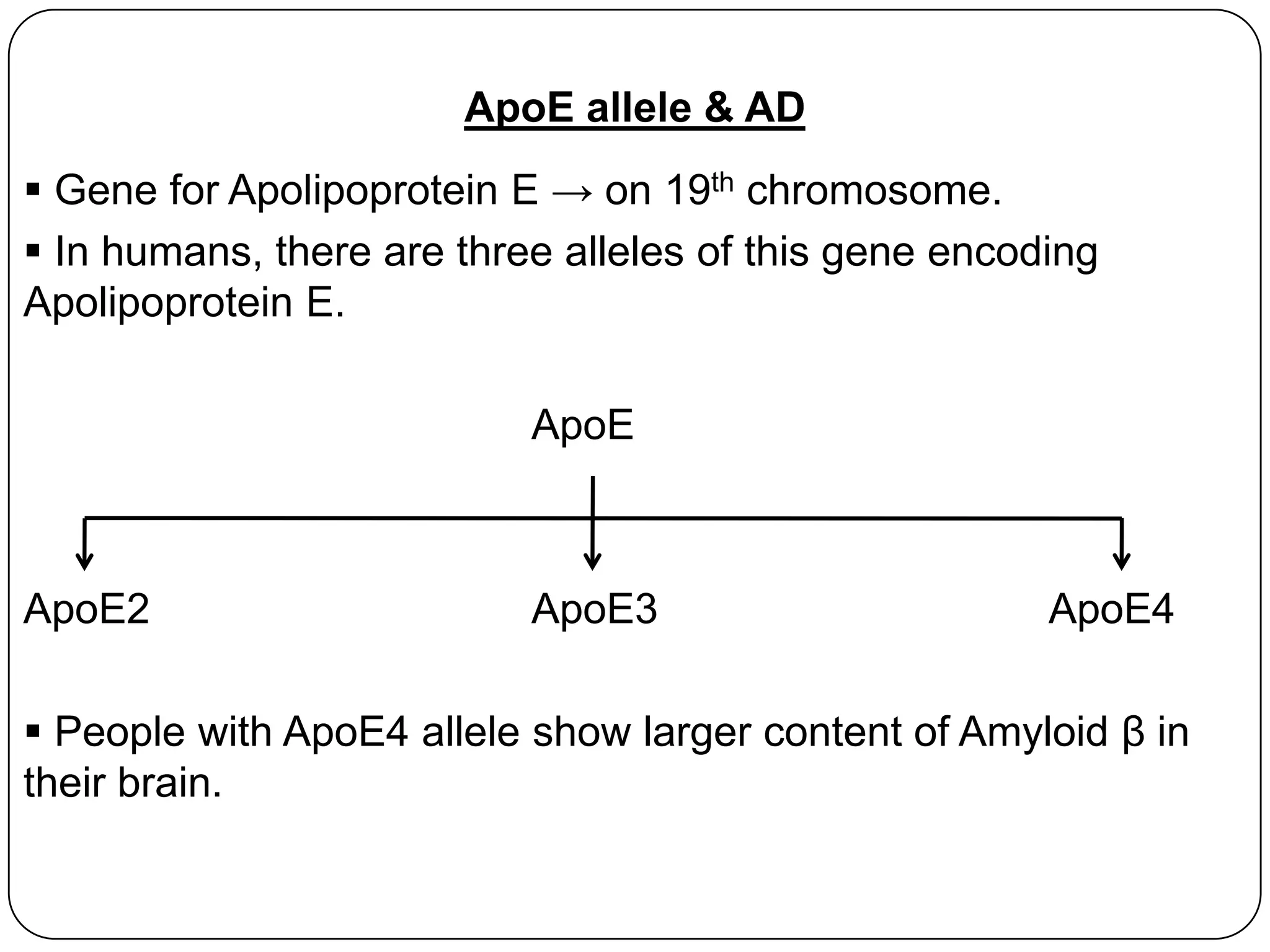
APOE gene alleles
Pleiotropy and trade-offs
Many genes have pleiotropic effects—meaning they influence multiple traits. A variant that protects against heart disease might, in theory, increase vulnerability to infection or impair reproductive fitness early in life. Evolution tends to tolerate genes that provide an advantage early on even if they carry late-life costs. The rare protective variants found in long-lived families appear to avoid those trade-offs or deliver benefits that outweigh any late-life downsides.
How researchers find these clues
Modern family studies combine old-school pedigree work with cutting-edge sequencing. The process typically looks like this:
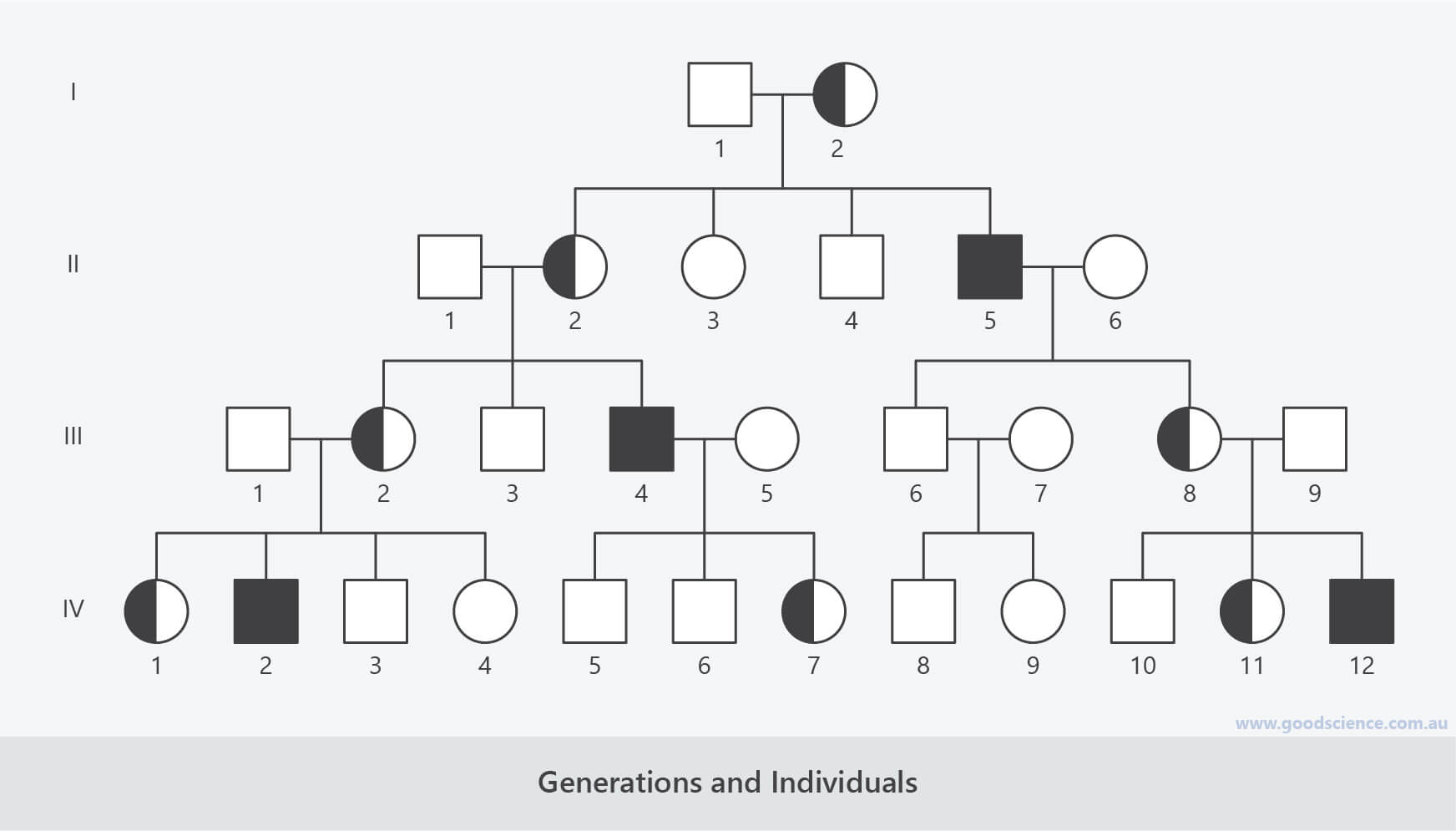
pedigree analysis chart
- Recruitment: Identify pedigrees with multiple long-lived individuals, often through registries or community outreach.
- Phenotyping: Carefully document healthspan traits—cognitive status, mobility, cardiovascular health—rather than just lifespan alone.
- Sequencing and analysis: Whole-exome or whole-genome sequencing reveals rare variants. Researchers then use burden tests, linkage analysis and segregation studies to see which changes track with healthy aging inside the family.
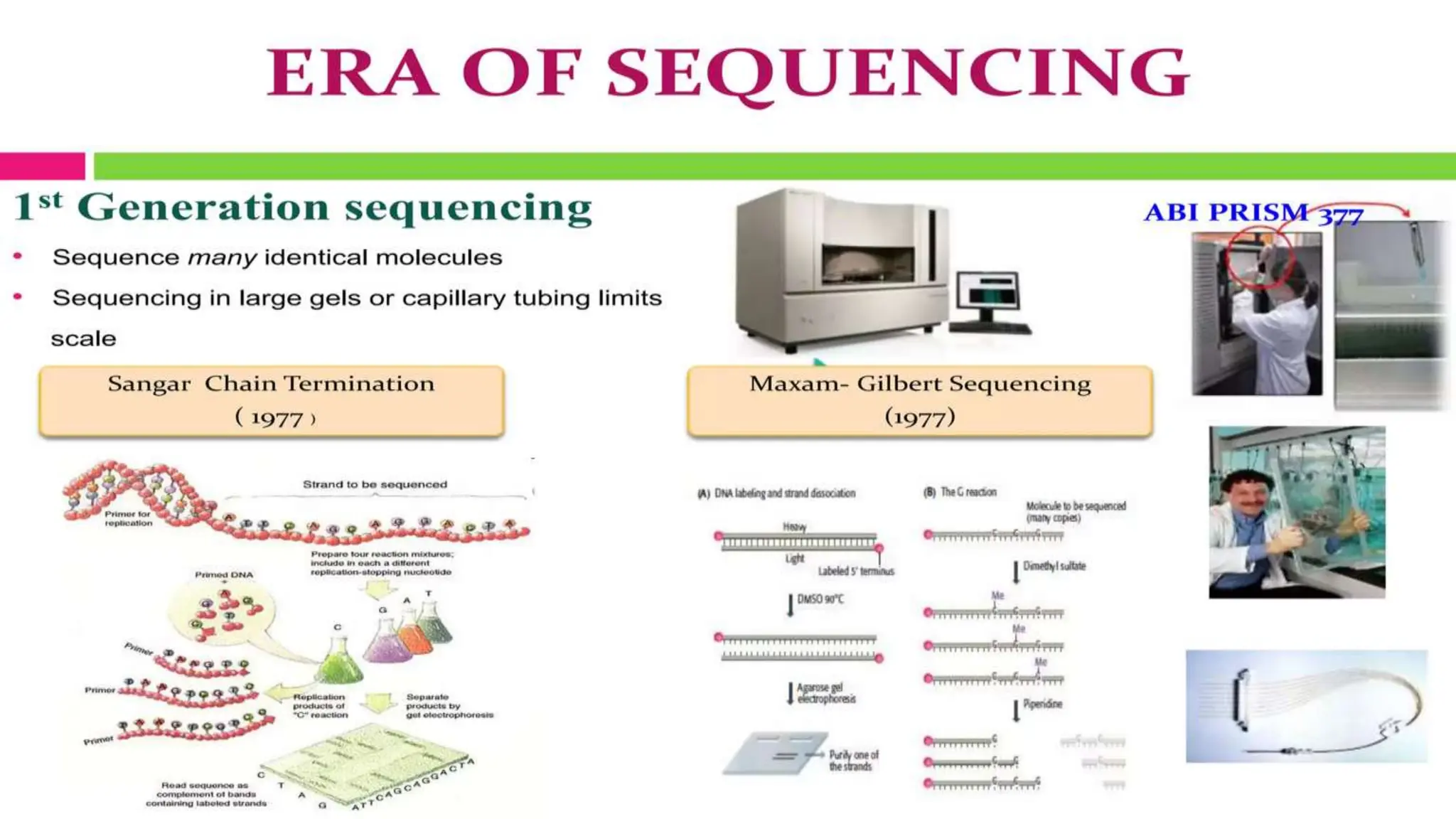
whole genome sequencing
- Functional follow-up: Candidate variants are tested in cells or model organisms to learn whether and how they alter pathways relevant to aging.
That last step—functional validation—is essential. Genetics can point to candidates, but biology tells the story of mechanism and therapeutic potential.
What this means for medicine and public health
The discovery of rare protective variants in families reframes how we might intervene to extend healthy life. Two conceptual shifts are particularly important.
From disease treatment to resilience promotion
Traditional medicine focuses on treating or preventing individual diseases. Insights from longevity genetics suggest a complementary strategy: enhance the body's resilience mechanisms that slow or buffer the multiple processes that drive age-related decline. Drugs that target nutrient-sensing pathways (for example, the mTOR pathway), therapies that clear senescent cells, and lifestyle programs that lower chronic inflammation are all examples of resilience-focused approaches inspired by biology uncovered in family studies.
Precision prevention
Family-based genetics can also inform personalized prevention. If a person inherits a variant that dramatically reduces cardiovascular risk, clinicians might prioritize cancer screening or cognitive health instead. Conversely, identifying high genetic risk for neurodegeneration could steer more aggressive vascular and metabolic risk reduction early in life. The point is not to let genetics deterministically dictate care but to use it to refine risk stratification and timing of interventions.
Limitations and cautions
It is vital to avoid overclaiming. Family studies illuminate pathways and point to promising interventions, but they do not deliver simple prescriptions. Important caveats include:
- Rarity and generalizability: A variant that is protective in one family may be absent or irrelevant in most people.
- Complexity of interactions: Genes interact with environment and each other. Predicting outcomes from single variants remains imprecise.
- Ethical and social considerations: Genetic knowledge can be empowering but also stigmatizing if misused. Equitable access to any resulting therapies is a social challenge.
Additionally, the research community must balance optimism about translational opportunities with rigorous replication and safety testing. Modulating pathways tied to aging can have unintended consequences if not approached carefully.
Real-world stories: what families reveal about life course choices
The most compelling narratives often come from families themselves. In many long-lived pedigrees, researchers find a mix of modest genetic advantages and robust cultural practices: consistent physical activity, strong social networks, purposeful work or community roles, and diets that limit processed foods. These non-genetic features are not merely confounders; they interact with biological predispositions to shape outcomes. A family member with a favorable variant still benefits enormously from healthy lifestyle and healthcare access.
What to watch next
Several research directions are poised to accelerate understanding:
- Deeper sequencing across diverse populations: Many initial studies focused on specific regions or ethnic groups; expanding diversity will reveal additional rare variants and ensure findings apply broadly.
- Multi-omic integration: Combining genetics with epigenetics, proteomics and metabolomics helps trace how variants translate into biological states that protect health.
- Intervention trials grounded in genetics: Trials that enroll people with specific protective or risk variants can test tailored interventions and help determine who benefits most.
These advances could convert clues from pedigrees into widely applicable strategies to increase healthspan—the period of life free from disabling disease.
- Studying families with clustered longevity uncovers rare protective genetic variants that point to resilience pathways such as DNA repair, lipid metabolism and stress-response networks.
- These variants often work in concert with lifestyle and environment; genetics raises the odds rather than dictating outcomes.
- Insights from family genetics are informing a shift toward resilience-promoting medicine and precision prevention, but translation requires careful validation and attention to equity.
Conclusion
Long-lived families are nature's laboratories. They show that exceptional aging rarely hinges on a single miracle mutation; instead, it arises from a constellation of modest genetic advantages, supportive environments and life habits that together preserve function into advanced years. Discovering those rare variants matters because they illuminate biological levers we might one day modulate—pharmacologically or behaviorally—to shift population health from merely treating disease to maintaining resilience. For now, the practical message is both humble and empowering: pay attention to the habits that build resilience and follow the science as it translates pedigree clues into safer, fairer ways to help more people enjoy healthy, longer lives.