Legal Today, Illegal Tomorrow: 10 Practices Likely to Be Banned
The law is slow. Markets are fast. Social outrage, harms revealed by technology, or shifts in democratic politics can accelerate that gap into a legal cliff: practices that feel ordinary now could be unlawful in a decade. Predicting what will be illegal by February 12, 2036 requires reading moral sentiment, technology trajectories, enforcement patterns, and the incentives of firms and states. This piece maps ten legal-but-perilous practices most likely to be outlawed in the next ten years, explains why, and offers pragmatic steps for citizens, businesses, and regulators to adapt.
Understanding the Arc of Regulation
Regulation rarely appears ex nihilo. It is typically reactive: lawmakers respond to a visible problem—privacy breaches, discriminatory outcomes, widespread harm—and craft rules to stop or mitigate it. Technology accelerates both the emergence of harm and public awareness. In the last 15 years we’ve seen entire business models reshaped by statutes and enforcement: targeted data sales, unlawful telemarketing, and certain surveillance uses have been curtailed because harms became too visible to ignore. The ten predictions below are grounded in those dynamics: where harm is clear or where a persistent coalition of affected people, civil-society groups, and responsible firms can plausibly force change.
1. Mass Facial Recognition in Public Spaces
Why it’s common now
Facial recognition systems are widely deployed by private businesses, transit authorities, and police in many jurisdictions. They are valued for efficiency—faster boarding, loss prevention, suspect identification—but their accuracy varies across demographic groups and they can be used to monitor political activity, track movement, or identify protesters. Today, legality often depends on local statutes or the absence of explicit prohibitions.

Facial recognition ban public spaces
Why it could be banned by 2036
Public backlash over wrongful identifications, documented bias against marginalized groups, and chilling effects on free association make a strong political case to restrict or ban mass facial recognition in public. Several cities and countries have already moved in this direction; as evidence of error and misuse accumulates, comprehensive bans or strict consent-based regimes for public deployment are probable in many democracies. The moral calculus is familiar: when surveillance creates more harm to rights than public safety benefits, law often changes.
2. Unregulated AI Decision-Making (Hiring, Credit, Insurance)
Why it’s common now
Companies increasingly rely on machine learning models for hiring screening, lending decisions, and underwriting insurance. Algorithms promise scale and cost savings, but opaque models can reproduce systemic biases or make errors that are difficult to contest. Currently, many jurisdictions permit algorithmic decision-making so long as certain fairness disclosures are met—often insufficient in practice.
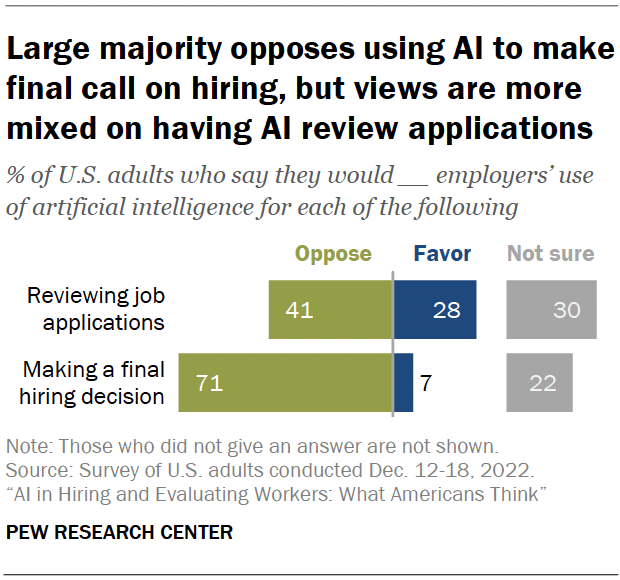
Unregulated AI decision-making hiring
Why it could be banned or tightly limited
Expect stronger laws requiring transparency, human-in-the-loop safeguards, or outright prohibitions for high-stakes decisions that materially affect life opportunities. Regulators may treat opaque black-box systems as per se unlawful in domains like employment, credit, education, and criminal justice unless they meet rigorous explainability and audit standards. Litigation and regulatory actions that produce large awards and injunctions will accelerate reform.
Opaque algorithms that shape lives are the new frontline of civil-rights law.
3. The Unfettered Sale of Raw Personal Data
Why it’s common now
Data brokers aggregate and sell detailed profiles of consumers—interests, health indicators, purchasing patterns—often without meaningful consumer knowledge or consent. The market has flourished because it’s profitable and, in many places, legal by design or omission.
Personal data broker sale
Why it could be banned
As citizens grow alarmed at the scale of surveillance capitalism and as regulators adopt robust privacy frameworks, the sale of sensitive personal data may be treated like the sale of an intimate medical record—prohibited without explicit, revocable consent. Enforcement trends toward limiting transfers, requiring data minimization, and creating individual property-style rights over personal data will make unfettered sale significantly harder or illegal for particular categories of data.
4. Non-Consensual Genetic/DNA Databases
Why it’s common now
Commercial genealogy services and law-enforcement searches of consumer DNA databases have solved cold cases, but they have also created powerful forensic tools that can implicate relatives who never consented to testing. In many places, uploading a DNA sample tied to a public profile is legal, and third-party access by police is governed by a patchwork of rules.
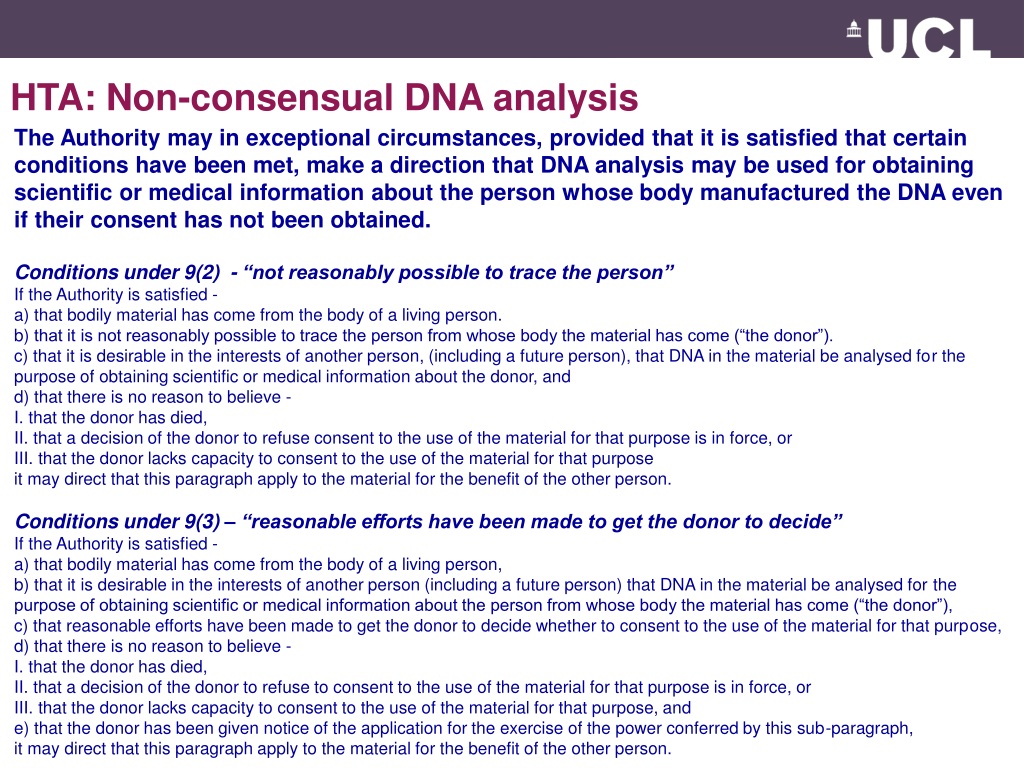
Non-consensual DNA databases
Why it could be banned or curtailed
The risk of misidentification, familial surveillance, and de facto mass genetic profiling creates substantial privacy and civil-rights concerns. By 2036, laws might prohibit law enforcement from using consumer genetic databases without judicial authorization, ban third-party sharing of raw DNA data, or impose strict consent and deletion protocols. Some countries may treat genetic data as specially protected, akin to biometric or medical data, making non-consensual collection or sharing illegal.
5. Broad Political Microtargeting and Disinformation Campaigns
Why it’s common now
Digital platforms enable advertisers to deliver tailored political messages to narrow segments of the electorate. Microtargeting can increase engagement but also allows campaigns to test manipulative narratives, spread disinformation, and exploit informational asymmetries while avoiding broad public scrutiny.
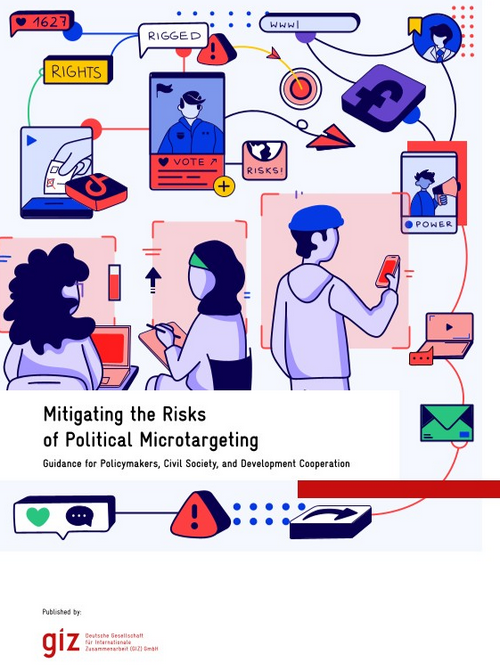
Political microtargeting disinformation ads
Why it could be banned or restricted
Given threats to democratic integrity, regulators may treat certain forms of political microtargeting as unlawful—especially paid campaigns that exploit personal data or use deceptive deepfakes. Rules could require disclosure of audience targeting parameters, ban opaque microtargeted political ads, or mandate platform-level transparency archives. Democracies that prioritize electoral integrity are likely to tighten rules aggressively.
6. Persistent Location Tracking Without Consent
Why it’s common now
Location data powers navigation, personalized services, and targeted ads. Many apps collect continuous GPS or Wi-Fi-based location information and monetize it. Consumers often accept permissions without understanding downstream uses.
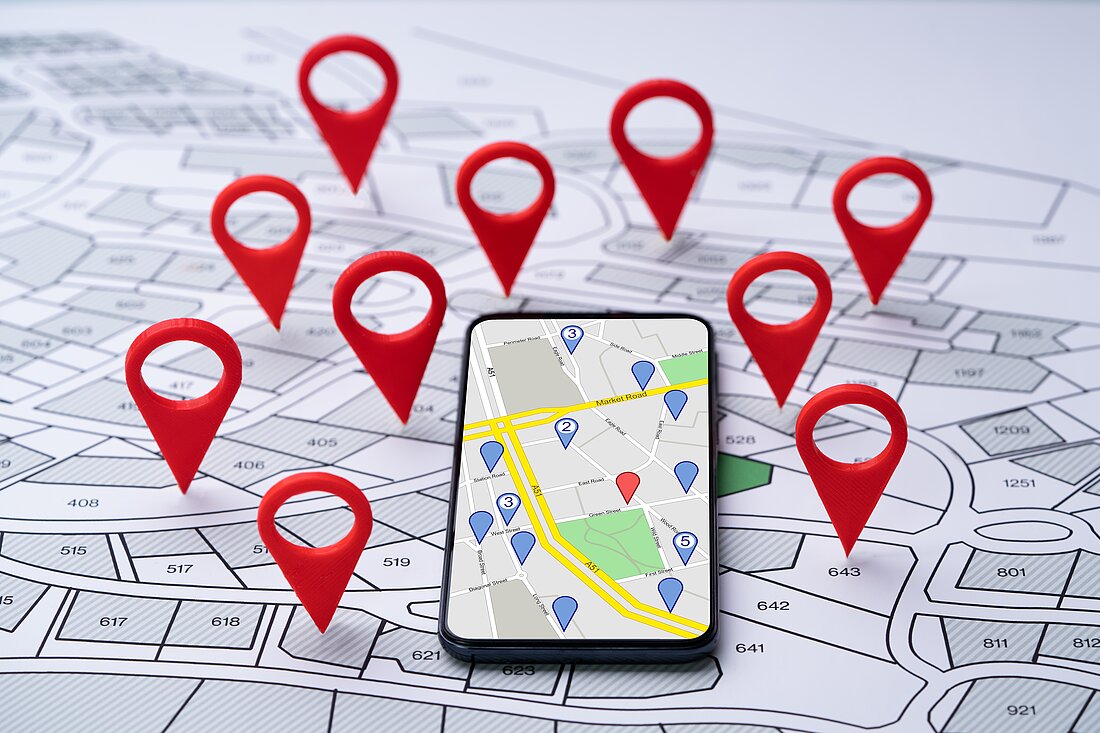
Persistent location tracking without consent
Why it could be illegal
The harms—stalking risks, profiling of religious or political attendance, and precise movement surveillance—are stark. Legal reforms could classify persistent location tracking as a sensitive category requiring explicit, granular consent or a warrant for law-enforcement use. Some forms of third-party location resale may become unlawful, and geofence warrants (requests for all devices at a location) could be restricted or banned.
7. Creation and Commercial Distribution of Deepfakes Without Labeling
Why it’s common now
Advances in generative AI make it easy to create realistic synthetic audio and video. Today, creators can distribute manipulated media widely with little friction, and legal remedies lag behind technology adoption.

Deepfake creation commercial distribution
Why it could be illegal
When deepfakes are used to defraud, manipulate elections, or commit fraud, lawmakers will react. By 2036, many jurisdictions could require provenance labeling for synthetic media, ban certain commercial applications (e.g., political deepfakes, impersonations for financial scams), and impose strict civil and criminal penalties for harmful uses. Platforms may be forced to detect and remove unlabeled synthetic content or face liability.
8. Unregulated Autonomous Weapons and Lethal AI Systems
Why it’s common now
Some militaries and manufacturers are developing systems with increased autonomy. Currently, international law governs conduct in warfare, but the specifics of fully autonomous lethal systems are not comprehensively regulated.

Autonomous lethal weapons AI
Why it could be banned internationally
Ethical objections and the risk of accidental escalation make a strong case for international treaties curtailing or banning lethal autonomous weapons. If a coalition of states, influential civil-society actors, and tech firms coalesce, diplomatic frameworks similar to landmine or cluster munition bans could emerge within a decade, restricting the deployment or export of fully autonomous lethal systems.
9. Cryptocurrency Tools Designed for Untraceable Crime
Why it’s common now
Privacy-focused cryptocurrencies, mixers, and certain decentralized tools enable near-anonymous transfers. They are prized by privacy advocates but are also used for money laundering, ransomware payouts, and sanctions evasion.
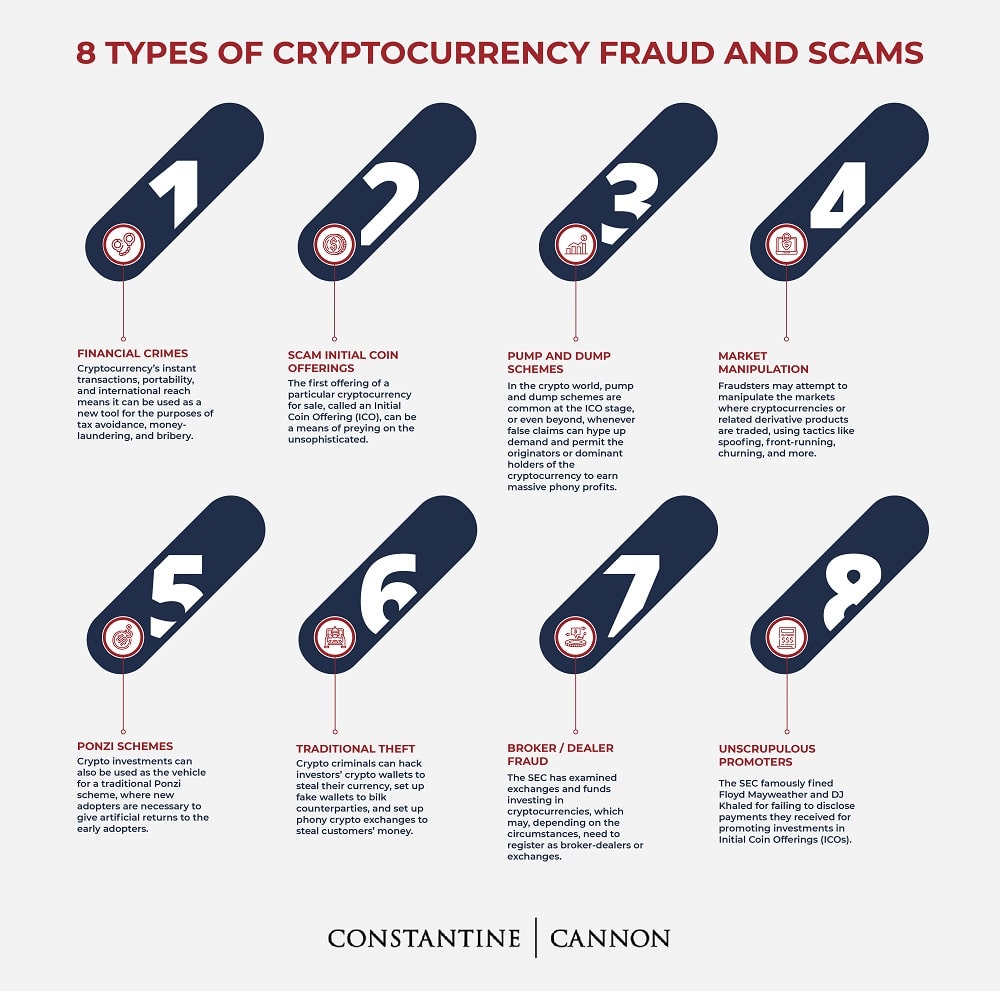
Untraceable cryptocurrency crime tools
Why it could be curtailed or banned
As regulatory regimes around anti-money laundering and sanctions enforcement tighten, tools designed primarily to obscure provenance may face bans, mandatory registration, or strict controls. Exchanges that fail to implement traceability or KYC rules will face sanctions, and some privacy primitives may become illegal to offer in regulated jurisdictions while still available in unregulated enclaves.
10. Manipulative Dark Patterns in Digital Design
Why it’s common now
Dark patterns—design tricks that nudge users into actions they might not otherwise take—are ubiquitous: hidden opt-outs, confusing subscription flows, or consent walls. Many of these practices are technically legal where consumer-protection rules are weak.

Dark patterns UX manipulation
Why it could be banned
Consumer advocacy and regulators are increasingly aware that consent obtained via deception is not consent. Laws that define and prohibit dark patterns, require plain-language controls, and mandate easy opt-out mechanisms are likely to spread. In 2036, businesses using manipulative UX to extract consent or lock users into subscriptions could face fines and bans on specific techniques.
How Change Will Happen: Mechanisms and Timescales
Legal change follows several repeatable steps: documentation of harms (research, journalism, and whistleblowers), strategic litigation, legislative responses, and platform-level policy shifts. Tech harms that are visible, replicable, and mobilize voters tend to be addressed fastest. Expect staggered timelines: consumer protections and platform disclosure rules may be enacted in 2–5 years; comprehensive bans, especially international treaties (e.g., on autonomous weapons), may take longer—5–10 years—but are plausible by 2036.
- Stronger privacy and civil liberties protections.
- Clearer compliance requirements for businesses.
- Incentives for privacy-preserving innovation.
- Compliance costs for startups and small businesses.
- Potential for overbroad rules that hinder legitimate uses.
- Regulatory fragmentation across countries.
What Individuals and Companies Should Do Now
Organizations should adopt privacy-forward design: data minimization, transparent AI, human oversight, and explicit consent flows. Businesses that voluntarily adopt higher standards will find compliance easier if and when laws tighten. Individuals should assert their rights where available, minimize data-sharing, use privacy tools, and support public-interest organizations pushing for sensible rules.
Policy Principles for Lawmakers
Regulation should be principle-driven: prioritize purpose limitation, meaningful consent, auditability, and redress. Avoid technocratic bans that inadvertently stifle beneficial innovation; instead, target specific harms with narrow, enforceable rules. Exchanges between jurisdictions—mutual recognition, common standards, and international agreements—will be essential for cross-border technologies like AI and crypto.
Conclusion: Preparing for 2036
The next decade will not outlaw broad swaths of useful technology overnight. But it will likely put boundaries around how that technology can be used. Practices that monetize intimate human behavior or enable opaque, high-stakes decisions without accountability are most exposed. By February 12, 2036, expect robust privacy protections, strict limits on opaque AI in critical domains, and a patchwork of bans on the most harmful practices—driven by a combination of litigation, legislation, and market pressures. Adapting early is both ethical and strategic: companies that respect rights will face fewer disruptions, and citizens who understand risks can press for durable protections.
- Ten currently legal practices—from mass facial recognition to dark patterns—face credible risk of bans or strict limits by 2036.
- Change will be driven by documented harms, litigation, and political mobilization; staggered timelines are likely.
- Adopt privacy-by-design, transparency, and human oversight now to reduce future legal risk and foster trust.
This article considers likely legal trends through February 12, 2036 and offers practical guidance for navigating a rapidly changing regulatory landscape.