
Landmark Verdict: Meta and YouTube Liable for Social Media Addiction
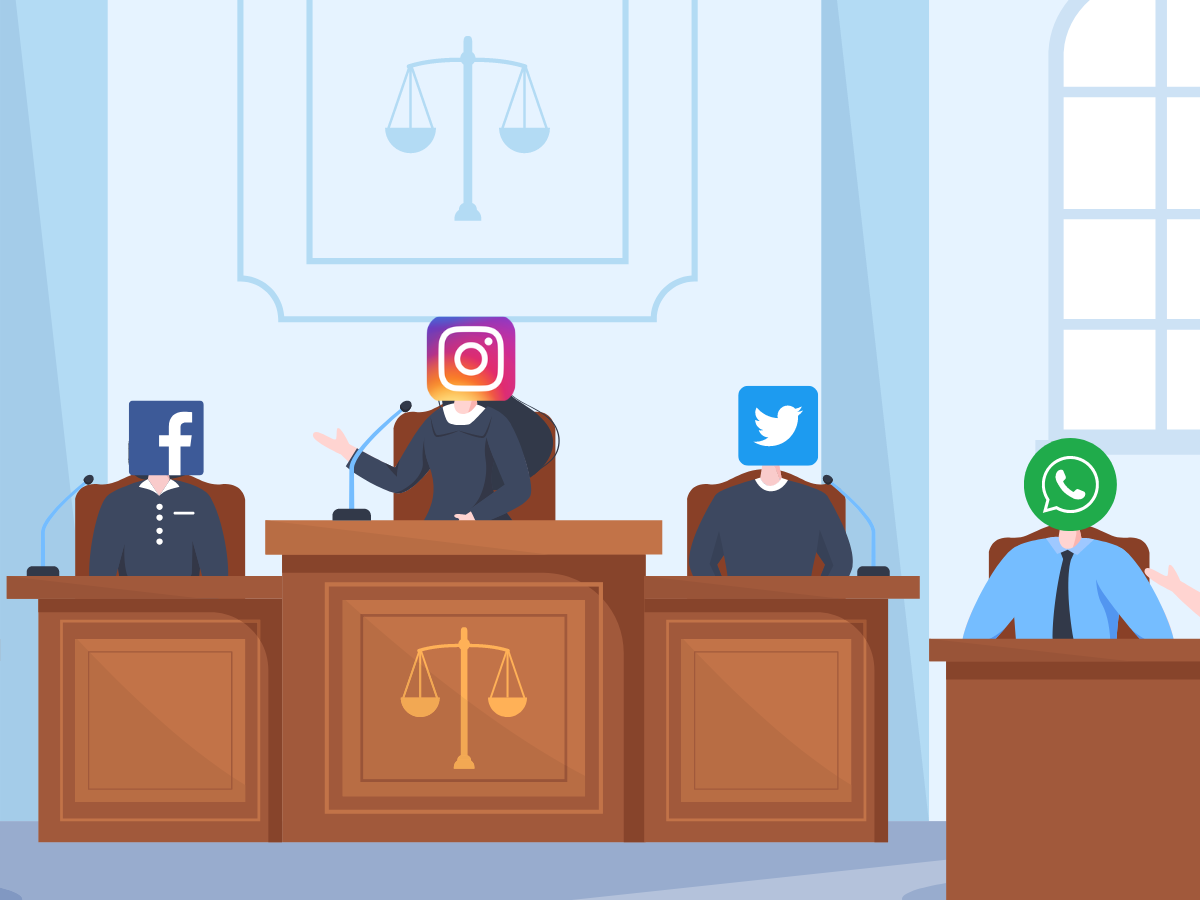
Social media platform courtroom verdict
The courtroom decision that found two of the world’s largest social platforms liable for harms tied to addictive design marks a turning point in how society understands responsibility online. For years commentators, clinicians, parents and politicians have debated whether apps and recommendation engines are merely neutral tools or active designers of attention. A legal verdict holding major platforms accountable rewrites that conversation into law — or at least into the breathing space where future law, regulation and corporate practice will live.
This is not just a legal event; it is a cultural pivot point that will shape product design, policy choices and everyday behavior online.
What Happened — A Compact Overview
The core finding
The court concluded that specific features and algorithmic practices used by the platforms constituted negligent design or a breach of duty because they foreseeably contributed to addictive behavior and consequent harms, particularly among young people. The ruling does not criminalize technology; rather, it treats carefully engineered attention-capture systems as a foreseeable source of harm that platform operators had a legal duty to mitigate.
Who was affected
While the litigation centered on plaintiffs who alleged addiction-like harms, the ruling’s language and remedies are broad. It touches on users across age groups but places special emphasis on minors and vulnerable populations — groups courts typically protect more stringently.
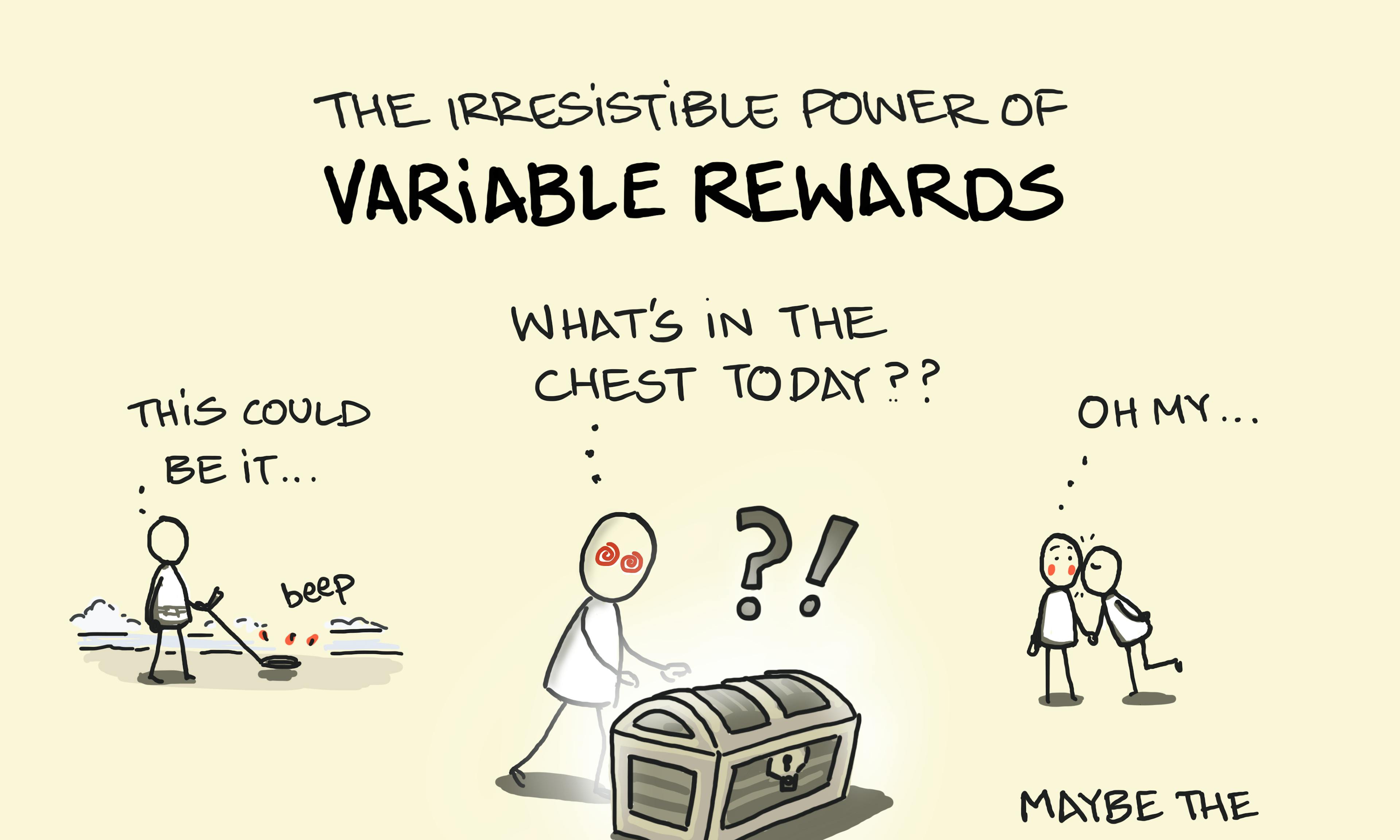
Addictive design variable rewards
Why the Court Reached This Decision
From persuasive design to legal duty
At the heart of the ruling is a simple legal pivot: persuasive design is not a neutral engineering choice when its foreseeable effect is persistent harm. Lawyers framed evidence to show that platforms knew — through internal research, testing and metrics — the precise features that maximized time-on-site and repeat visits. When internal knowledge shows foreseeability, courts can find a duty to act or warn. In plain terms: information that your product will likely injure users creates an obligation to reduce that risk.
Algorithms and opacity
Recommendation engines, by their nature, evolve. The court focused on the ways algorithms amplify high-engagement content regardless of long-term welfare, privileging immediate reaction over user wellbeing. The ruling highlights how opacity — the inability of outside observers to understand what an algorithm promotes — compounds responsibility when platforms can anticipate harm but do not change course.
What This Verdict Means for You
For everyday users
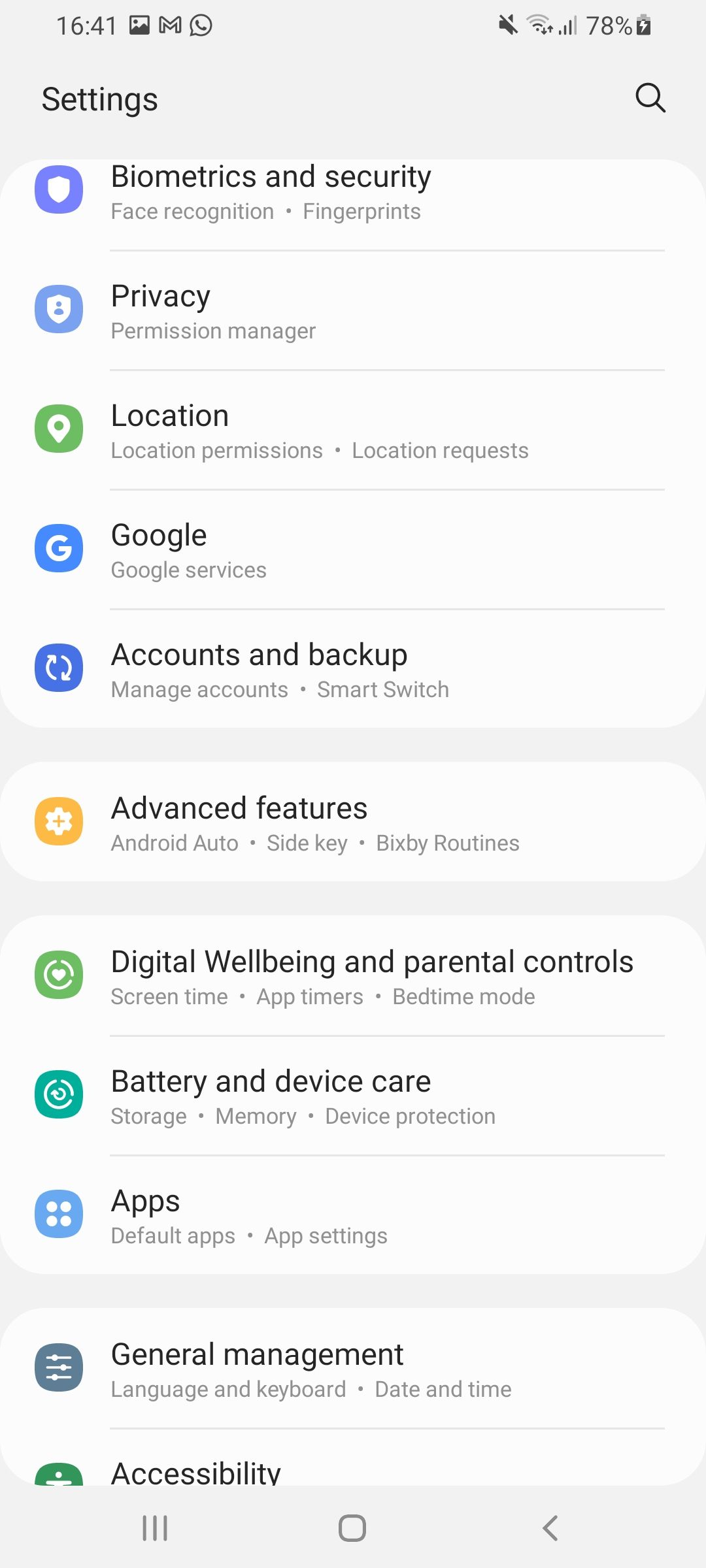
At a human level, the ruling affirms what many users feel: that social apps can be engineered to be hard to put down. Immediately, you may expect platforms to roll out changes designed to reduce compulsive use. Practically, this could mean clearer defaults for time limits, less aggressive autoplay and more transparent settings around recommendation influence.
More tangibly, the verdict opens the door to stronger consumer protections. Users may find it easier to join collective claims for damages or to call on regulators to require safety-by-design standards. The ruling also normalizes the idea of user remedies — not just content takedowns but concrete product changes and financial redress in some cases.
For parents and caregivers
Parents should interpret the verdict as validation of concerns about children’s online exposure. Expect platforms to face pressure to default to safer settings for young accounts, expand age verification where legally required, and surface parental-control tools more prominently. The decision may also increase the availability of educational resources aimed at digital resilience and media literacy.
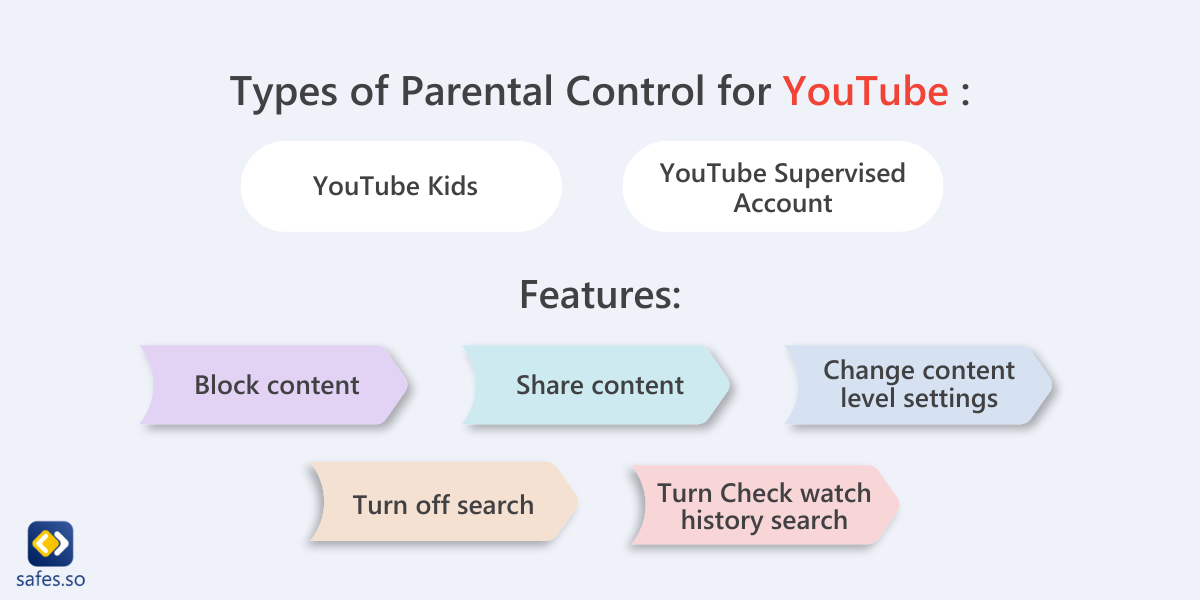
YouTube parental control features
For creators and small businesses
Creators should anticipate platform changes that could affect reach and monetization. If algorithms deprioritize certain engagement-driven formats, creators who relied on endless scrolling or sensational hooks might see view patterns shift. On the flip side, creators who prioritize trust, community and sustainable engagement could benefit from a healthier ecosystem.
Social media creator reach shift
Wider Legal and Regulatory Ripples
Regulators will act — or be pressured to
Lawmakers and regulators rarely ignore a high-profile judgment. Expect new or updated legislation that codifies responsibilities around algorithmic transparency, safety-by-design, and the special status of minors online. Agencies that oversee consumer protection or child welfare may adopt stricter enforcement postures, and other jurisdictions could cite the decision as precedent in policy debates.
Litigation as a lever
The ruling will likely inspire additional lawsuits targeting design practices across platforms. Even if appeals wind up delaying some remedies, the litigation landscape will push companies to settle, change design practices, or at least disclose more about their internal research and testing.
What Companies Will Change — And What They Won't
Likely changes
- Default safety settings: Safer defaults for new users and minors, such as reduced autoplay and stricter privacy defaults.
- Transparency tools: Explanation panels for why content is recommended and easier ways to opt out of algorithmic personalization.
- Product redesigns: Removing or softening features that most clearly exploit dopamine-driven engagement loops.
Meta algorithmic transparency changes
Less likely or slower changes
- Revenue model overhaul: The advertising-driven incentives for attention will persist unless regulation or business strategy shifts more fundamentally.
- Full algorithmic transparency: Platforms will resist revealing proprietary models, fearing abuse and competitive harm, and will instead offer limited explanations or third-party audits.
Digital wellbeing default settings
- Greater user wellbeing and reduced compulsive use.
- Clearer product choices and safer defaults for kids.
- Potential disruptions to creators' income and discovery paths.
- Companies may pass compliance costs to users or advertisers.
Practical Steps You Can Take Today
Immediate, individual actions
- Audit your settings: Turn off autoplay, reduce push notifications, and set daily limits in app controls.
- Curate your feed: Unfollow or mute accounts that trigger compulsive checking and follow creators who encourage balanced consumption.
- Use friction: Move apps off your home screen, enable time-based locks, or use a single device for social browsing rather than multiple always-connected gadgets.
Community and advocacy
- Demand safer defaults: Use feedback tools to ask platforms for clearer defaults and more informative consent flows for minors.
- Support policy change: Engage with local representatives and advocacy groups calling for algorithmic accountability and child-protective regulations.
Longer-Term Cultural and Economic Effects
Shifts in attention economics
Attention is currency in the modern internet. A legal shift that reduces the effectiveness of extreme engagement tactics will nudge ad markets, influencer economies and content strategies. We may see a gradual premium on long-form, high-trust content and a return to platform features that foster meaningful interaction rather than endless scrolling.
Design ethics and education
Design schools and product teams will face new pressure to prioritize ethical frameworks and human-centered metrics. That cultural shift — measurable by hiring patterns, product roadmaps and educational curricula — may be the most durable effect of a verdict like this.
Possible Appeals and What to Watch Next
High-stakes litigation rarely ends at the trial court. Appeals can narrow remedies or reinterpret liability doctrines; they can also broaden scrutiny if higher courts affirm. Watch for three key signals: whether appellate courts uphold the duty-to-warn framing, how damages are calculated, and whether regulators take independent action to codify the principles the trial court applied.
Conclusion: What You Should Remember
The ruling is both symbolic and practical. Symbolically, it acknowledges that engineered digital environments can cause real-world harm and that corporate design choices matter morally and legally. Practically, it will accelerate product changes, influence creator economies and empower regulators and consumers to insist on safer online experiences.
- The verdict reframes certain algorithmic practices as legally actionable when they foreseeably cause harm.
- Users can expect safer defaults, more transparency and new tools — but change will be uneven and contested.
- Creators and businesses should prepare for shifts in reach and monetization as platforms adapt product and algorithmic choices.
- Practical steps — auditing settings, using friction, and supporting policy change — can protect individuals immediately.
This analysis focuses on implications and practical advice rather than legal minutiae; consult a qualified attorney for case-specific guidance.