Khanna Reveals Six Names Hidden in Epstein Files
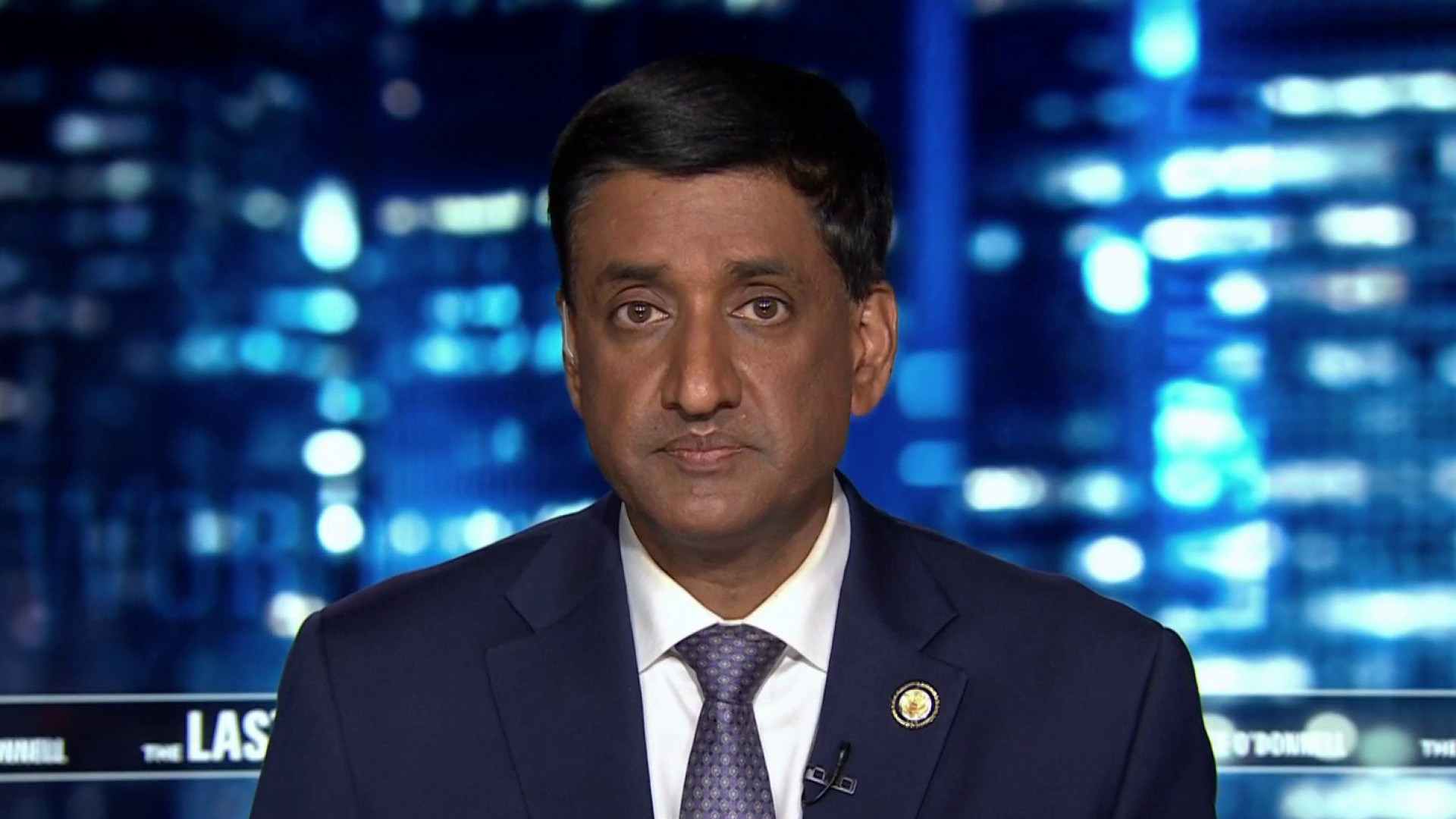
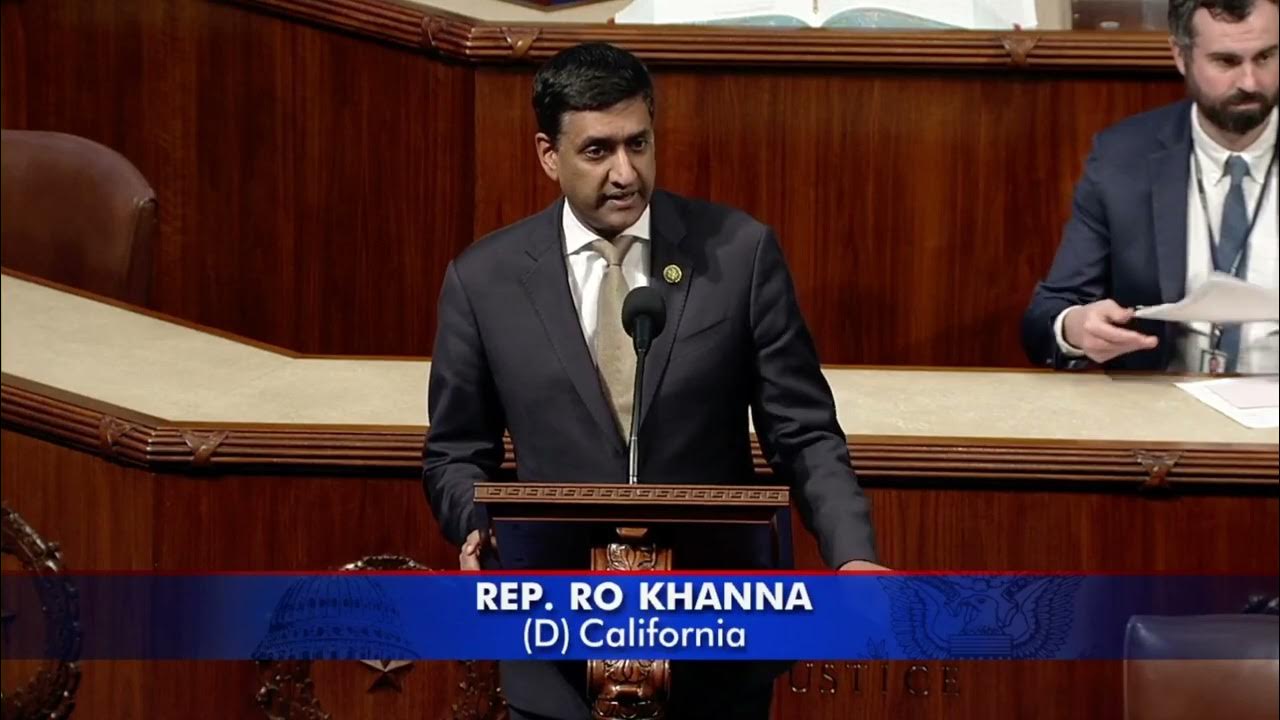
On February 10, 2026, Representative Ro Khanna took to the House floor and read aloud the names of six men he says were improperly redacted from the Department of Justice's release of the Jeffrey Epstein files — a moment that converted slow-burning frustration about heavily redacted records into an immediate political confrontation over who the files protect, and why. citeturn0search4turn0search0
Ro Khanna on the House floor
Epstein files documents
A short, consequential hearing
The act of reading names in Congress is legally protected; the Speech or Debate Clause shields lawmakers from many defamation claims when speaking on the floor. Khanna used that protection to publicly identify Salvatore Nuara, Zurab Mikeladze, Leonic Leonov, Nicola Caputo, Sultan Ahmed bin Sulayem, and Leslie Wexner — names that, until a lawmaker's attention was drawn to them, remained obscured in a trove of documents released to the public. citeturn0search0turn0search4
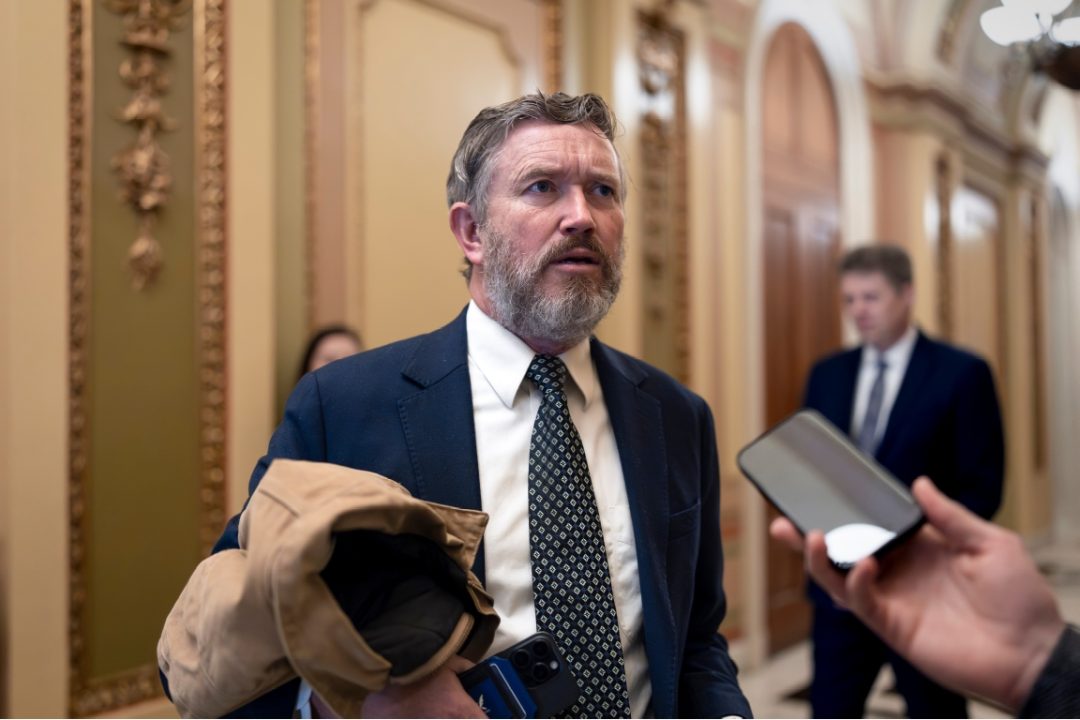
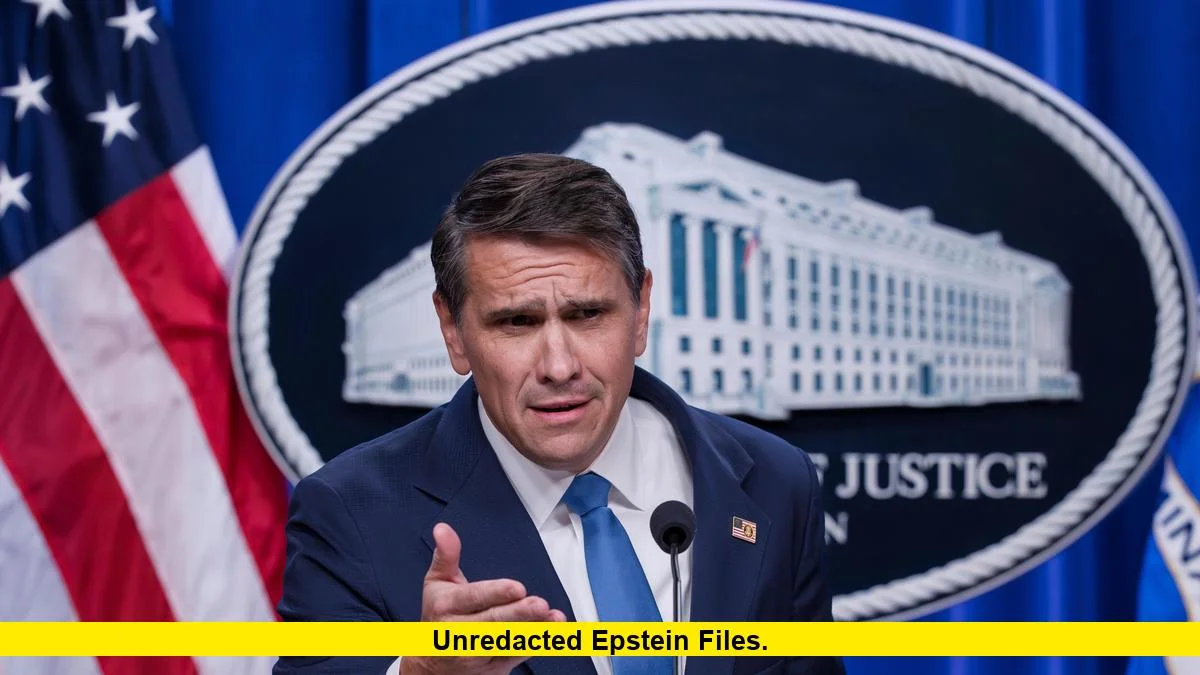
Khanna said he and Representative Thomas Massie spent roughly two hours at the Department of Justice reviewing what were supposed to be unredacted files, and that between 70 and 80 percent of the documents remained redacted when they looked. He described those six names as "wealthy, powerful men that the DOJ hid for no apparent reason," and said that after the pair pointed out the omissions, the DOJ acknowledged the mistake and released the identities. citeturn0search0turn0search1
Khanna and Massie at the Department of Justice
What was revealed — and what wasn't
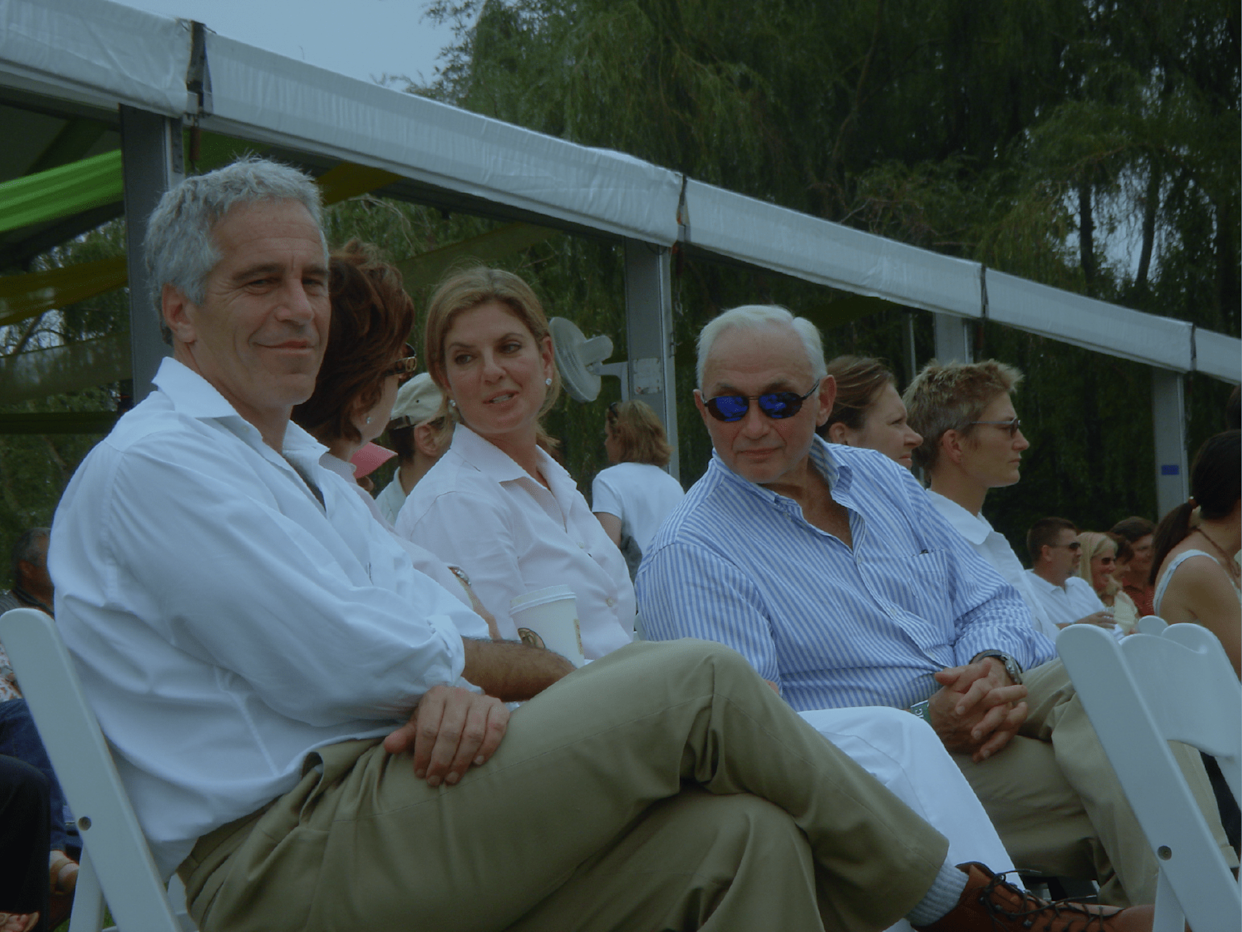
The six names Khanna read are now in the public record: Leslie (Les) Wexner, the former head of L Brands and longtime Epstein associate whose role in Epstein's financial life has been widely reported; Sultan Ahmed bin Sulayem, a Dubai ports and logistics executive identified in correspondence with Epstein; and four lesser-known figures—Salvatore Nuara, Zurab Mikeladze, Leonic Leonov, and Nicola Caputo—who appear sparingly, if at all, in public reporting about Epstein. citeturn0search0turn0search4
Leslie Wexner Epstein connection
Crucial caveats immediately followed the readout: none of the six men have been charged in connection with Epstein's crimes, and Khanna himself did not present documentary evidence in his House remarks that proved criminal conduct. Journalists, legal analysts, and advocates noted the difference between appearing in a folder of investigative material and being proven to have engaged in criminal acts. citeturn0search2turn0search3
"If we found six men that they were hiding in two hours, imagine how many men they are covering up for in those three million files."
Why the redactions matter
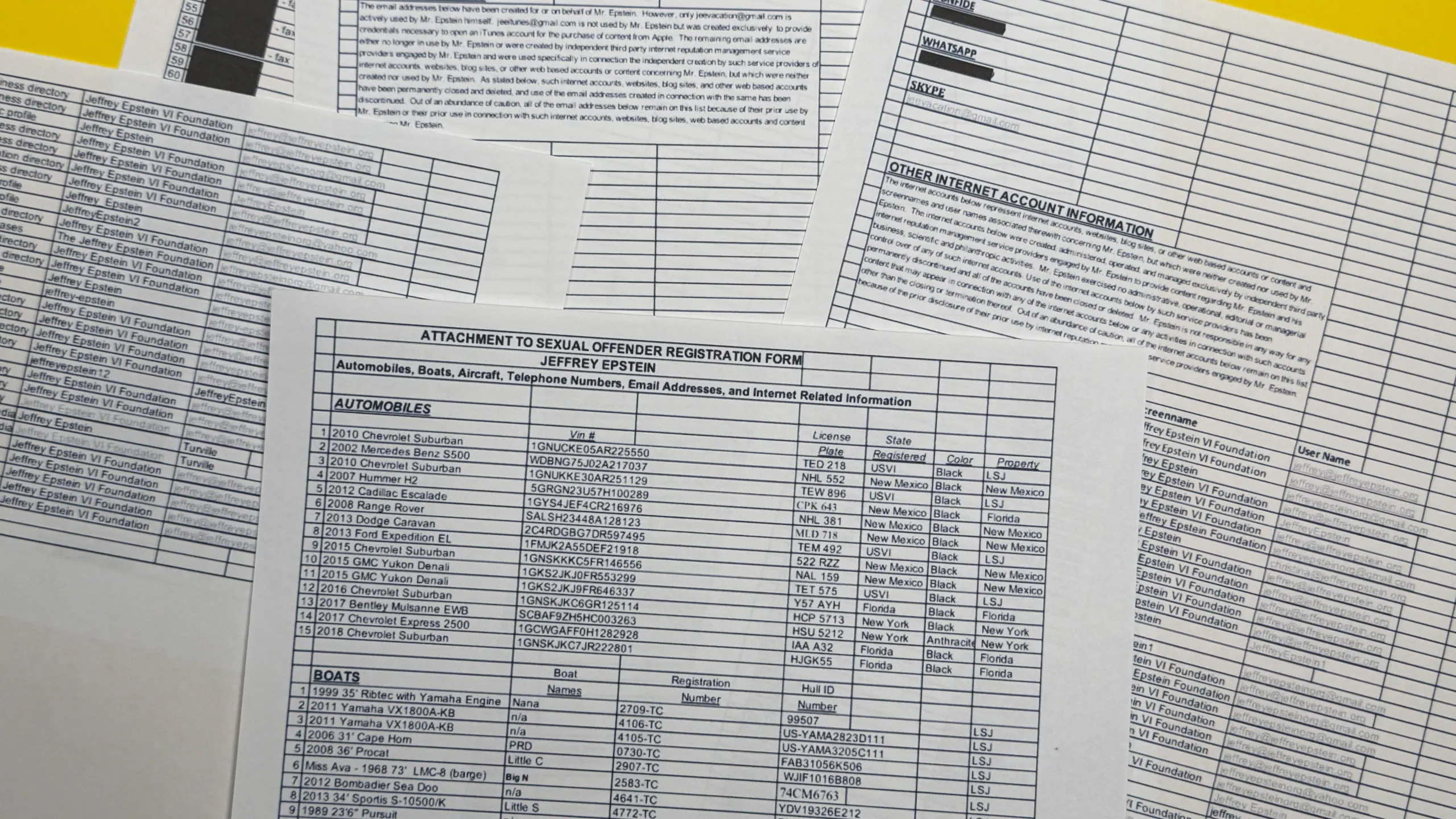
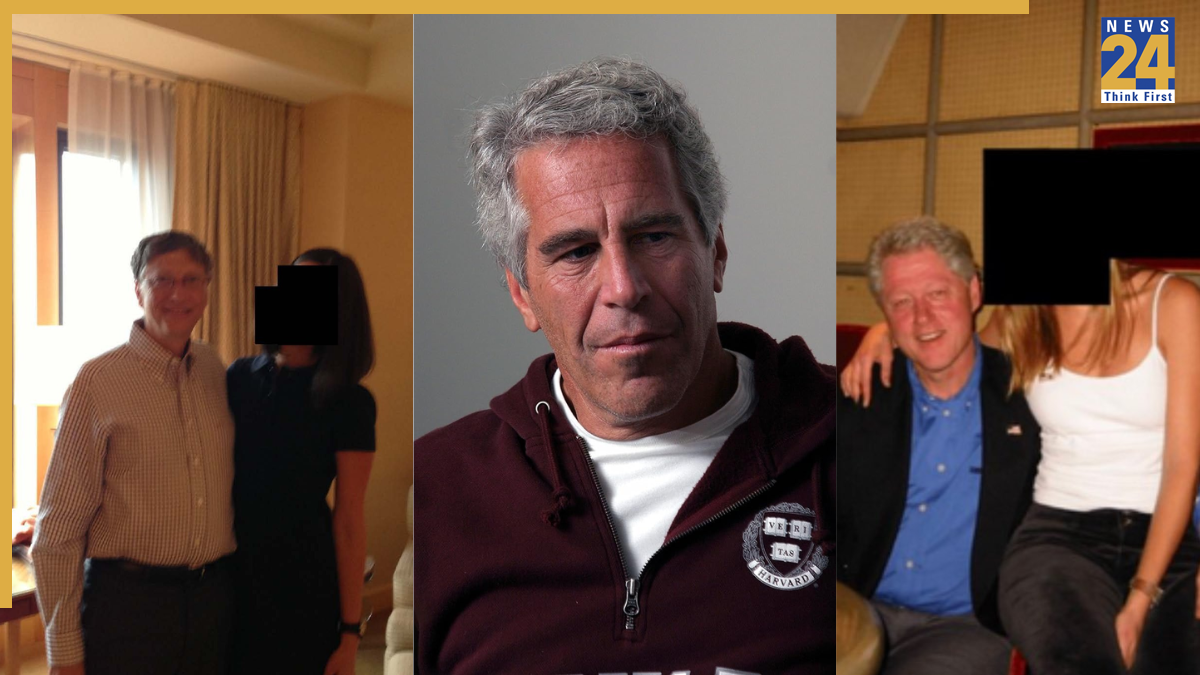
Redactions are a legal and ethical balancing act. On one side sits the public's right to know the scope of investigations into a criminal enterprise; on the other, the need to protect victims' identities, guard ongoing investigations and avoid false accusations. The Epstein files, which became the subject of legislation known as the Epstein Files Transparency Act, were supposed to be made public with minimal redactions to allow oversight of what investigators had compiled. Yet the sheer volume of materials and the extent of redactions quickly became a point of contention. citeturn0search3turn0search1
DOJ redactions on Epstein files
Redacted Epstein files documents
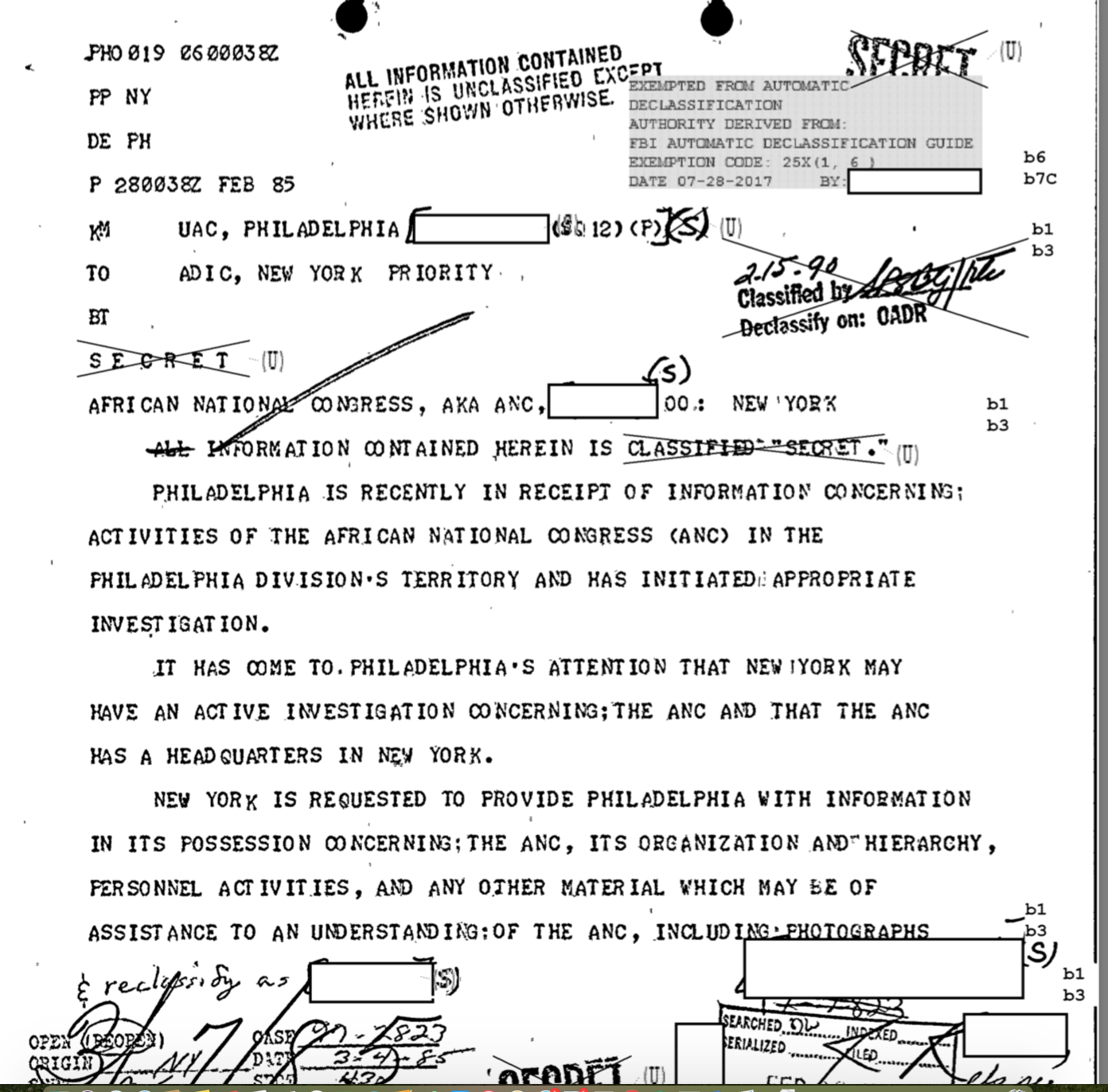
Khanna and Massie's complaint is procedural but consequential: they allege that the FBI scrubbed names before transferring the material to the DOJ for the public release — meaning that the agency charged with investigating potentially criminal behavior may have excised relevant leads before the public or Congress could see them. If true, the charge would raise questions about internal accountability and the criteria used to withhold names. citeturn0search1turn0search4
FBI redactions on documents
A closer look at the six men
Les Wexner. Wexner's relationship with Epstein has been widely reported for years. Investigative probes from 2019 onward documented Epstein's role managing Wexner's finances, and internal FBI notes reportedly once listed Wexner as a "co-conspirator" — language that has fed public suspicion even as legal authorities have not charged him in relation to Epstein's sex-trafficking network. Wexner's defenders say the public record shows business ties but not proof of criminal activity. citeturn0news12turn0search0
Sultan Ahmed bin Sulayem. The Dubai ports executive's name appeared in correspondence and internal documents as someone who engaged with Epstein on island development and other projects. Some emails referenced by reporters indicate interest in Epstein's Caribbean land deals years after Epstein's 2008 conviction. Those mentions do not equal criminality, but they place bin Sulayem, a figure of international business prominence, in Epstein's orbit. citeturn0search0turn0search4

Sultan Ahmed bin Sulayem
Salvatore Nuara, Zurab Mikeladze, Leonic Leonov, Nicola Caputo. The four remaining names are less familiar to U.S. readers. Reporting suggests they appear sparsely in the files, and public records offer limited context. Some accounts note that Nuara may have been a local contact for Epstein in New York, and that Caputo has a background as a former European parliamentarian, but the files do not, in public summaries, make clear the nature of any alleged conduct. Absent corroborating evidence, their inclusion in investigative files must be treated as an item for further inquiry rather than proof of wrongdoing. citeturn0search0turn0search5
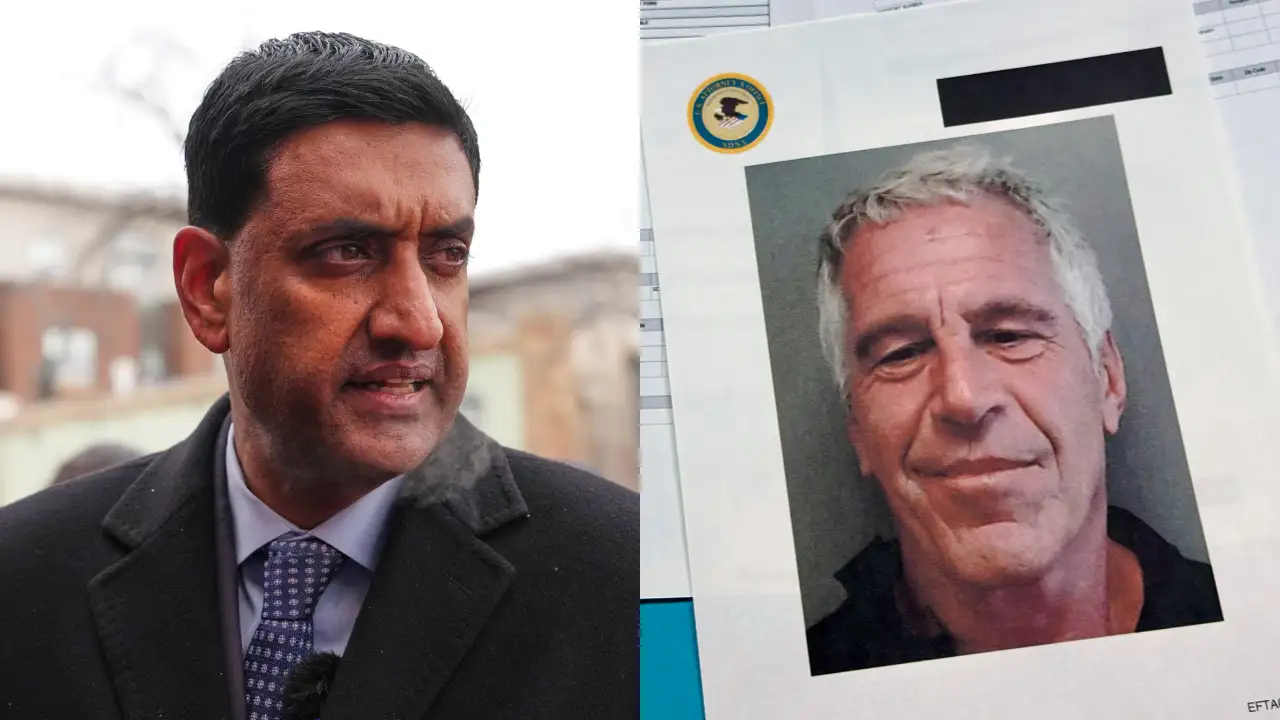
Salvatore Nuara name
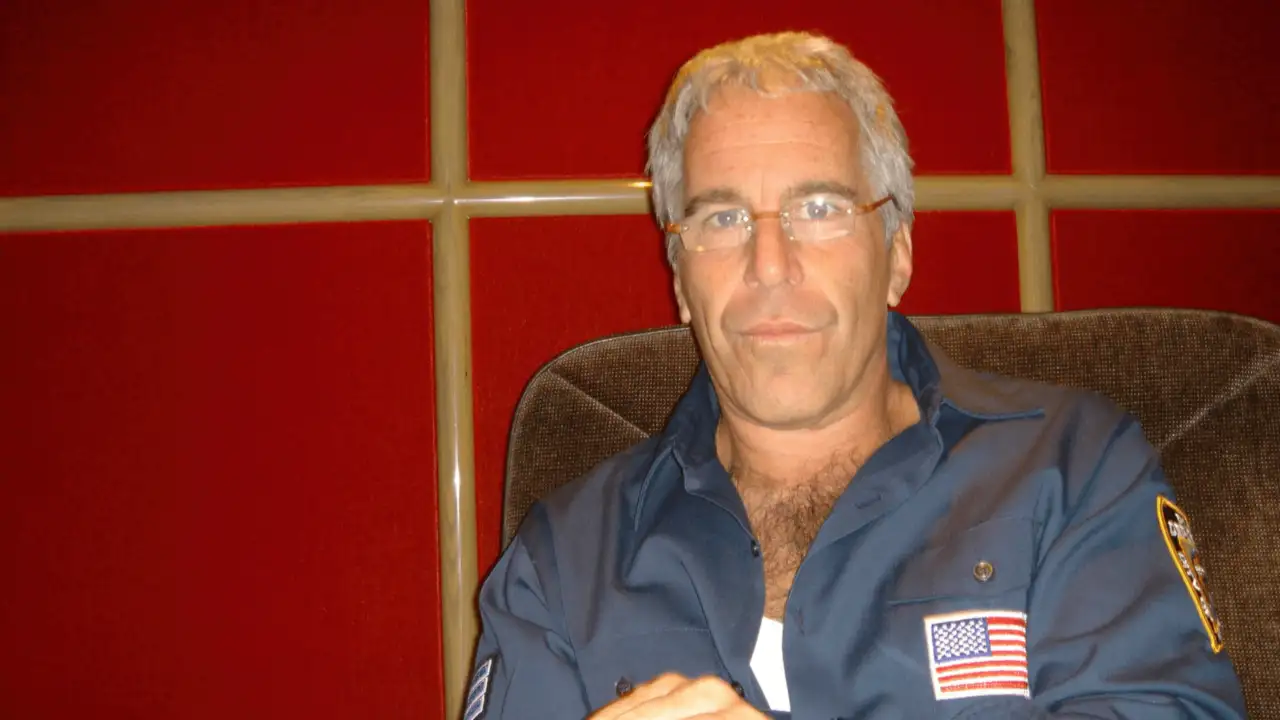
Zurab Mikeladze name
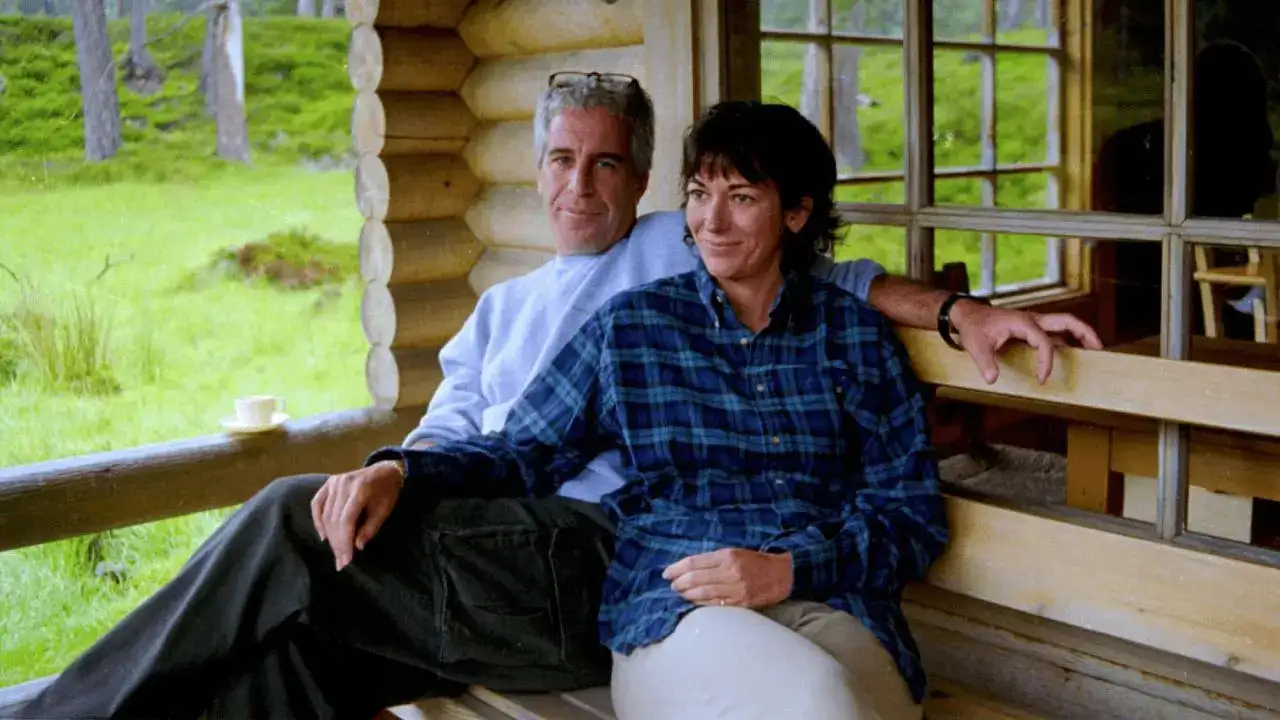
Leonic Leonov name

Nicola Caputo name
Legal and political fallout
The immediate fallout from Khanna's naming is political: lawmakers on all sides are calling for oversight of how the files were handled, and advocates for survivors are pushing for clarity about whether names were withheld to protect powerful people. The DOJ has said that redactions were for legal reasons — to protect victims and ongoing processes — but the episode has prompted calls for hearings to examine the redaction methodology, who authorized it, and whether proper procedures were followed during the document release. citeturn0search2turn0search3
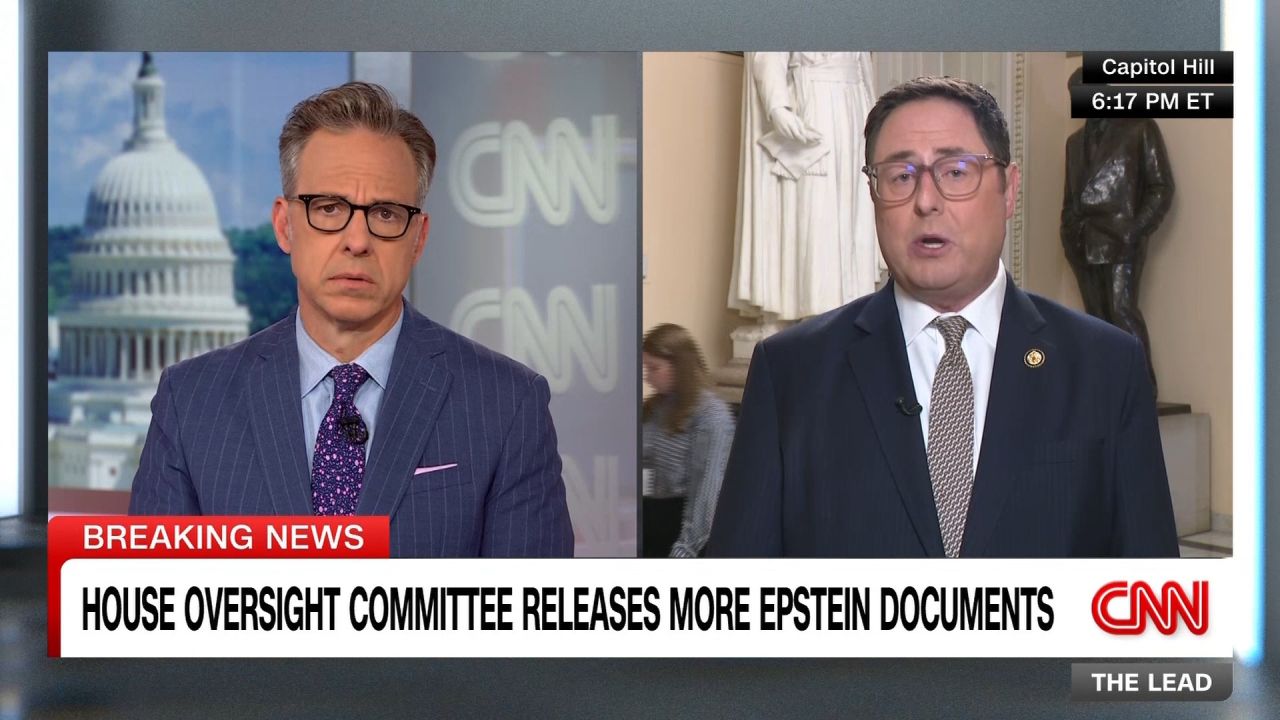
Congressional oversight of Epstein files
From a legal standpoint, the stakes are nuanced. Publicly naming someone in connection with an investigative file can cause reputational harm even without charges; yet Congress has tools to compel testimony, subpoena records and hold hearings, and many of the same institutions implicated in how the files were disclosed are subject to congressional oversight. Expect lawmakers to debate whether the remedy is more transparency, aggressive oversight, or additional protections for victims that do not inadvertently shield possible perpetrators. citeturn0search4turn0search1
Voices from survivors and advocates
Survivor advocates have long argued that transparency in the Epstein matter serves victims' interests by validating testimony and focusing public attention on systemic failures. They also warn that careless revelations can retraumatize survivors if redactions intended to protect identities are lifted without sensitivity. The balance between disclosure and dignity will be central to any congressional response, and survivors' organizations are likely to demand a seat at hearings and the policy discussions that follow. citeturn0search3
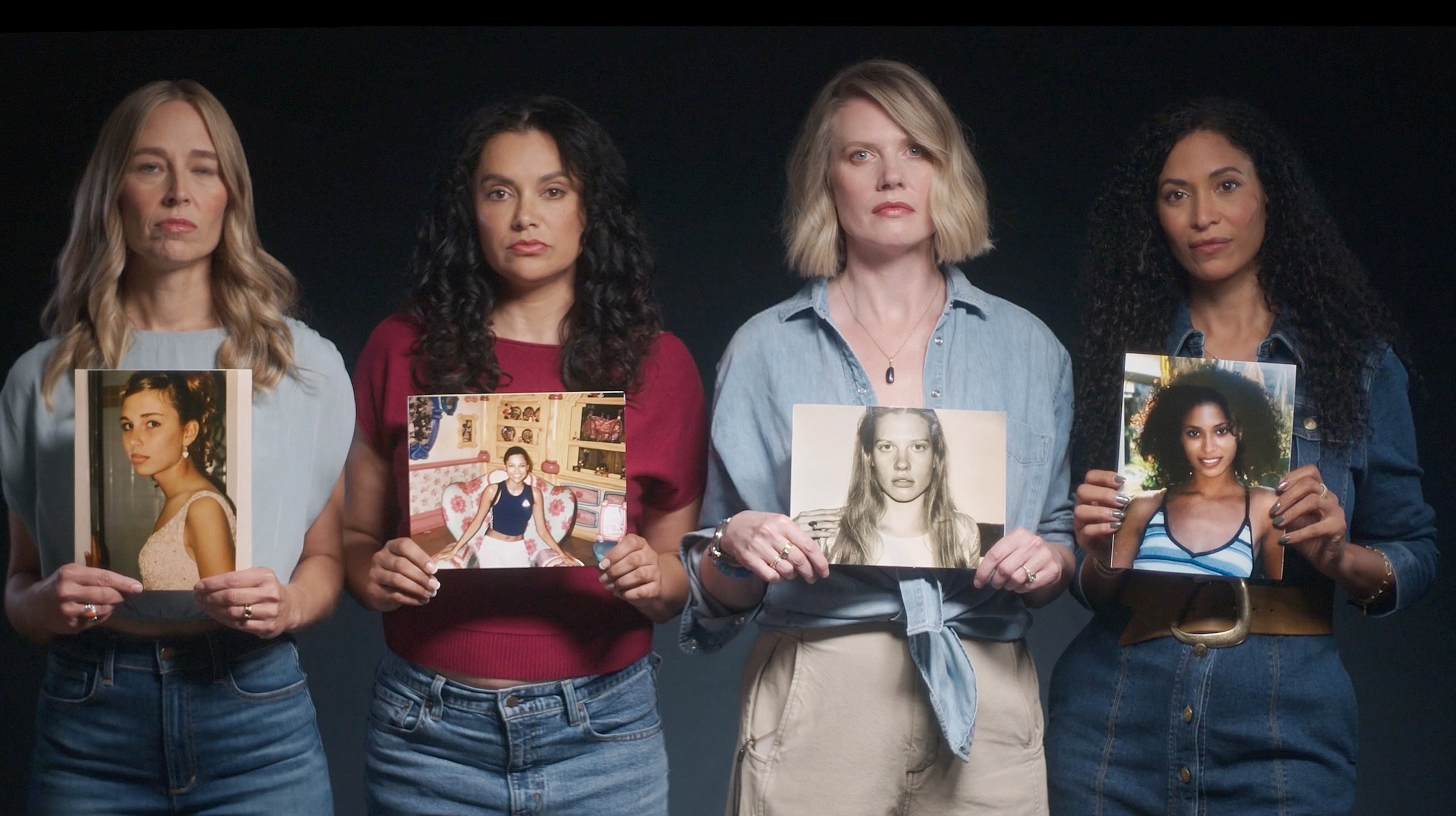
Survivor testimony in Epstein case
"It's time to begin with accountability for the Epstein class," Khanna said, arguing that exposure should lead to investigation and, where appropriate, prosecution.
Jeffrey Epstein justice
How investigators and journalists read these files
Investigative journalists treat files like this as a map: names are nodes that require further verification, context and corroboration. A name in a folder might signify a witness, an acquaintance, a transactional partner or someone otherwise tangential. Responsible reporting highlights the distinction between appearance in a file and a proven role in criminal activity. Editors and reporters typically seek additional documents, witness statements, financial records and interviews before claiming a link to criminal conduct. citeturn0search4turn0search2
What happens next
Practically speaking, Khanna's names force several predictable actions: Congress may open formal inquiries into redaction practices; committee chairs could issue subpoenas to DOJ or FBI officials to explain why names were withheld; and journalists will chase background on the four lesser-known figures while legal teams for the individuals named assess reputational risk and potential remedies. Meanwhile, advocates for survivors will press for a framework that keeps victim identities confidential while ensuring that genuine leads are not buried. citeturn0search1turn0search3
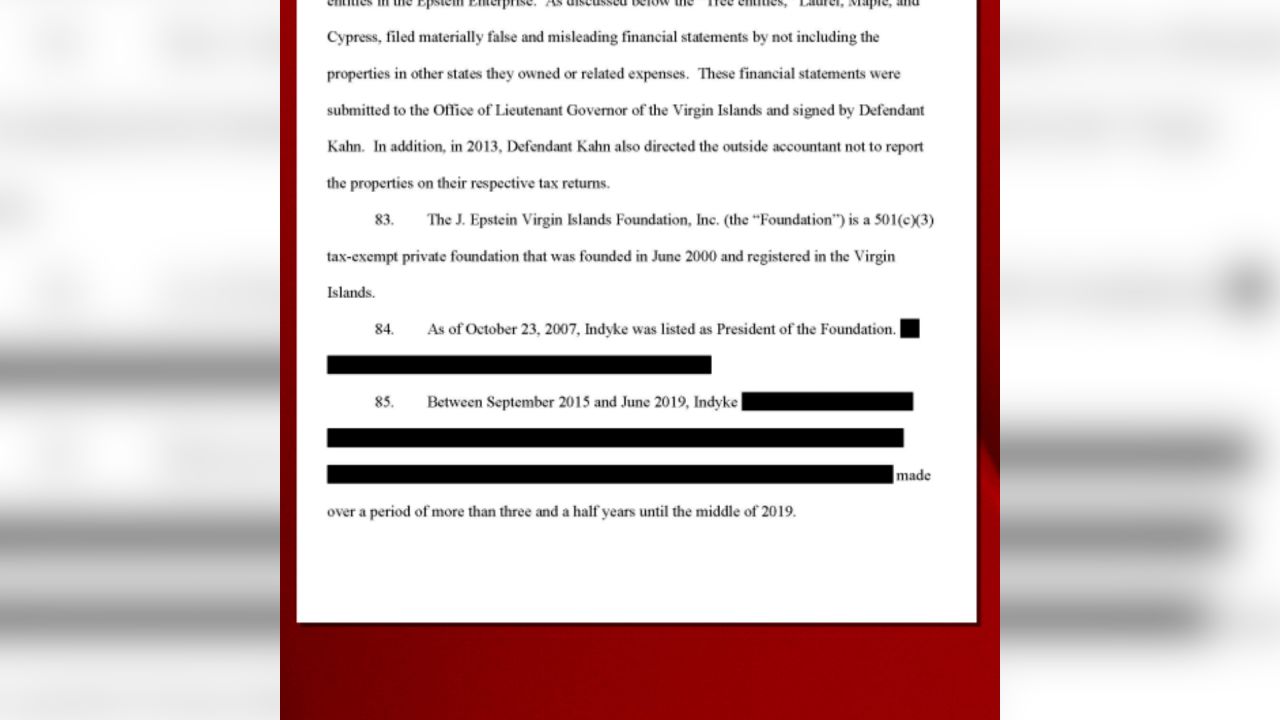
Unredacted Epstein files
Questions that demand answers
- Who decided which names would be redacted, and by what criteria?
- Were survivor statements or investigative leads removed from the public release before DOJ review?
- Are there institutional incentives that favor protecting powerful people over accountability?
These are not merely journalistic prompts; they are the contours of potential legislative inquiry. A probe that answers these questions would need to examine timelines, the chain of custody for documents, interagency communication and the balance between privacy and public interest. citeturn0search1turn0search4
A media era test: transparency versus caution
We live in a moment when institutional transparency is demanded but easily weaponized. The Epstein files episode is a test case for how government agencies, journalists and lawmakers will navigate that terrain: will transparency be leveraged responsibly to find systemic failures and protect victims, or will selective disclosure amplify rumors and distract from substantive accountability? The answer will shape public trust in the weeks and months ahead. citeturn0search4turn0search2
Conclusion: accountability, evidence, and the public record
Ro Khanna's decision to read six names aloud on the House floor crystallized a broader argument about institutional transparency and who benefits from redactions. It accelerated scrutiny of how the Epstein files were prepared for release and forced the DOJ to disclose names it had previously omitted. But naming — without accompanying evidence of criminal conduct — only begins the work of accountability. Congress, the press and survivors' advocates now face the harder task: turning a raw disclosure into careful investigation, protecting victims, and ensuring that the public record serves justice rather than rumor. citeturn0search0turn0search3
- Representative Ro Khanna read six names from the Epstein files on February 10, 2026, after reviewing documents at the DOJ with Rep. Thomas Massie. citeturn0search0
- Khanna alleges extensive redactions — roughly 70–80% — and says the DOJ released names only after being confronted. citeturn0search1
- None of the six men named have been charged in relation to Epstein; being mentioned in files is not proof of criminality. citeturn0search2
- The episode raises questions about FBI/DOJ redaction practices, congressional oversight and survivor protections. citeturn0search4