Keto Cuts Liver Fat 67% in 4 Months: What to Know
The headline is dramatic: a ketogenic diet — very low in carbohydrates and higher in fat — can reduce liver fat by roughly two-thirds in a matter of months. For millions living with nonalcoholic fatty liver disease (NAFLD) or concerned about metabolic health, that statistic promises an appealingly simple prescription: change what you eat, and your liver dramatically improves. The reality is more nuanced. This long-form feature walks through the evidence, the likely biological mechanisms, how to implement a safe ketogenic plan, who should avoid it, and how keto stacks up against other dietary approaches for reducing liver fat.
What the Finding Means
The claim in plain language
The claim that liver fat falls by 67% in about four months refers to a measured, clinically meaningful decline in hepatic triglyceride content after participants adopted a ketogenic-style diet. In practical terms, many people with mild-to-moderate fatty liver disease could move from a higher-risk category toward normal or near-normal liver fat levels in a relatively short time — provided the diet is followed consistently and safely, and weight loss and metabolic improvements accompany the change.
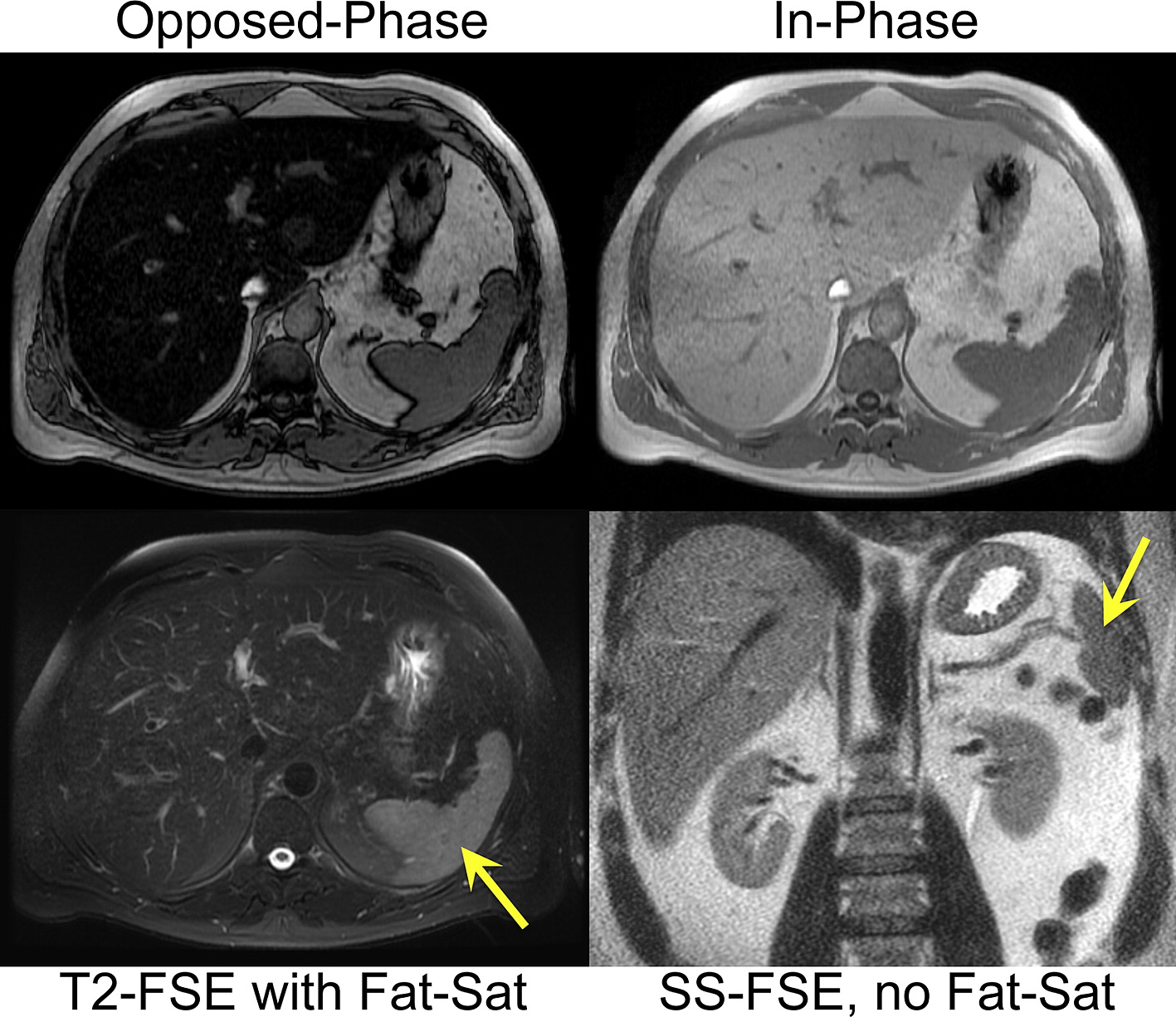
fatty liver MRI scan
Why percentage and timespan matter
Reporting a percent reduction and a time interval (67% in four months) makes the effect concrete and comparable across studies. A 67% reduction is large: it implies a major change in the liver’s fat burden. Four months is short enough to be clinically relevant — long enough to show physiological adaptation but brief enough to motivate people who want relatively rapid results.
How Keto Might Trim Liver Fat
The basic metabolic shift
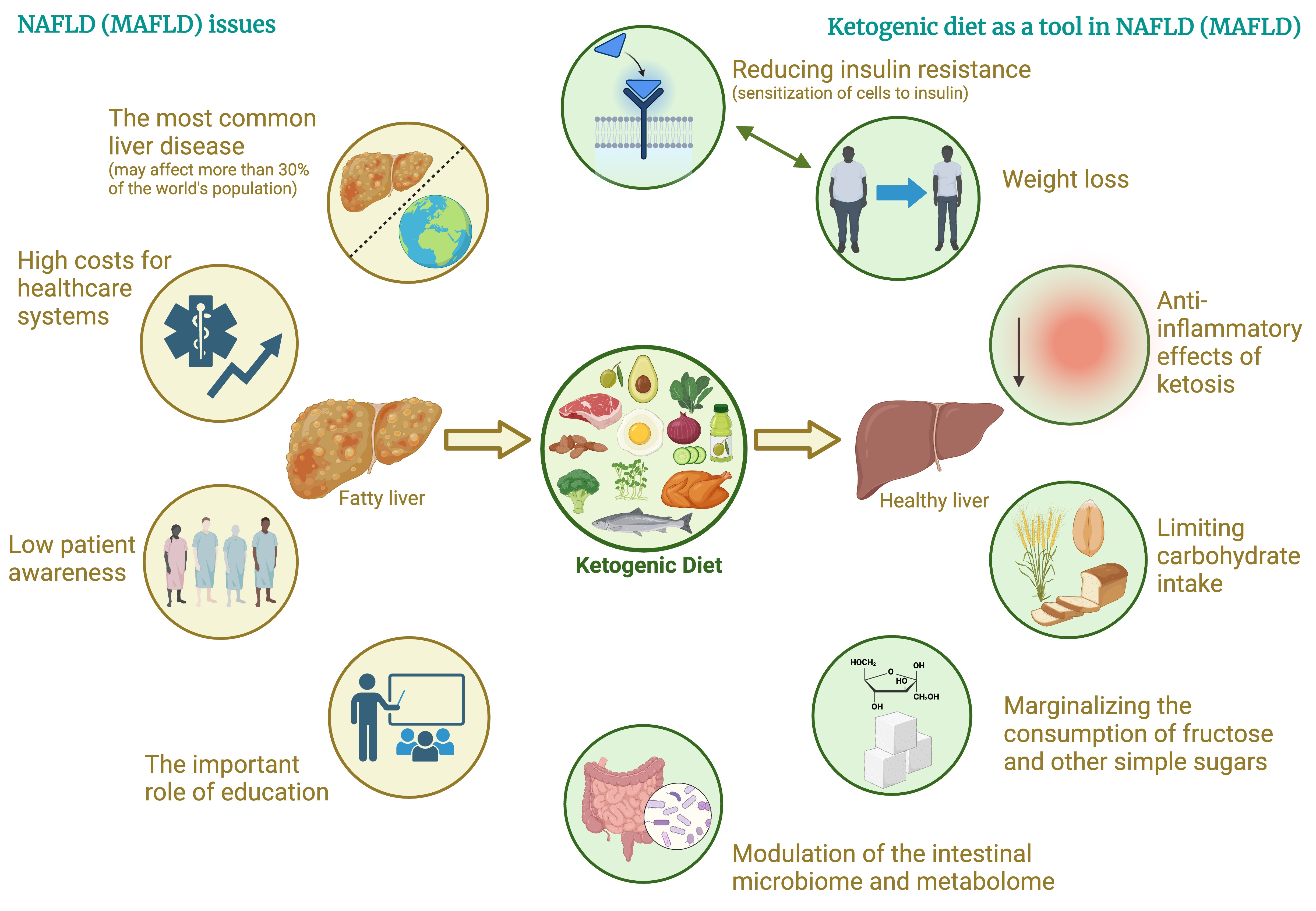
Ketogenic diets restrict carbohydrates (often to <50 grams per day), reduce insulin secretion, and shift the body toward burning fat for fuel — producing circulating ketones as an alternative energy substrate. When insulin is lower, adipose tissue releases fewer free fatty acids into the bloodstream, and the liver reduces its own fatty acid synthesis. Together, these changes lessen the inflow of fat into liver cells and increase the liver’s ability to oxidize fat.

ketogenic diet food platter
Key biological mechanisms
Several mechanisms likely contribute to the rapid fall in hepatic fat:
- Reduced de novo lipogenesis: Low carbohydrate intake diminishes glucose-driven conversion to fat in the liver.
- Increased fatty acid oxidation: With more circulating fatty acids and ketone production, the liver burns fat rather than storing it.
- Lower insulin levels: Reduced insulin decreases the signalling that promotes fat storage in hepatocytes.
- Calorie deficit and weight loss: Even when calories aren’t strictly restricted, many people spontaneously eat fewer calories on keto, and weight loss itself mobilizes liver fat.
- Improved mitochondrial function and reduced inflammation: Early research suggests ketone bodies may support mitochondrial efficiency and lower inflammatory pathways that otherwise promote steatosis.
When the liver switches from storing to oxidizing fat, fat content can fall quickly — often before large changes in body weight are obvious.
The Evidence Landscape — Interpreting Clinical Results
What types of studies report large drops in liver fat?
Randomized controlled trials, short-term feeding studies, and clinical interventions using imaging techniques like MRI-PDFF (magnetic resonance imaging–proton density fat fraction) have been used to measure liver fat directly. These methods are sensitive and reproducible, and they allow researchers to quantify percent changes in hepatic triglyceride content. A headline of 67% reduction would most plausibly come from a trial where the ketogenic group achieved both carbohydrate restriction and meaningful weight loss, with liver fat assessed by MRI or spectroscopy before and after the intervention.
Important caveats
There are several reasons to be cautious about over-generalizing:
- Baseline severity: People with higher starting liver fat often show larger absolute and sometimes larger relative reductions; the percent change depends on starting values.
- Weight loss vs. macronutrients: Weight loss alone reduces liver fat — disentangling the independent effect of carbohydrate restriction from the effect of losing weight is challenging.
- Adherence and supervision: Clinical trials may provide meal plans, counseling, and monitoring that are harder to replicate in free-living settings.
- Population differences: Results in middle-aged adults with obesity may not apply to lean individuals with fatty liver or people with advanced fibrosis.
Putting Keto in Practical Terms
What a ketogenic protocol typically looks like
A typical therapeutic ketogenic diet is characterized by:
- Carbohydrates: Usually 20–50 grams per day, drawn from nonstarchy vegetables and limited berries.
- Protein: Moderate, often 1.2–1.5 g/kg ideal body weight to preserve lean mass.
- Fats: The remaining calories come from fats — focusing on monounsaturated and polyunsaturated sources while not ignoring saturated fats entirely.
- Fluid and electrolytes: Sodium, potassium and magnesium require attention, especially in the first weeks.

healthy fats avocado olive oil
A therapeutic ketogenic plan is more than bacon and butter; it emphasizes whole foods, vegetables, and measured protein.
Monitoring and safety
Regular follow-up is essential. Recommended monitoring includes: baseline metabolic panel (glucose, HbA1c, liver enzymes), lipid profile, renal function, and periodic liver imaging when used as a treatment for NAFLD. For people with diabetes, medication adjustments (particularly insulin and sulfonylureas) may be necessary to avoid hypoglycemia.

blood glucose monitoring device
Comparisons: Keto Versus Other Diets for Liver Fat
Mediterranean, low-fat, and calorie-restricted approaches
Other dietary patterns — notably the Mediterranean diet and structured calorie restriction — also reduce liver fat. Mediterranean-style patterns emphasize whole grains, legumes, fish, olive oil, and vegetables, and they lower cardiometabolic risk, inflammation, and sometimes liver fat when compared to usual diets. Calorie restriction and weight loss, regardless of macronutrient composition, reliably decrease hepatic fat content.
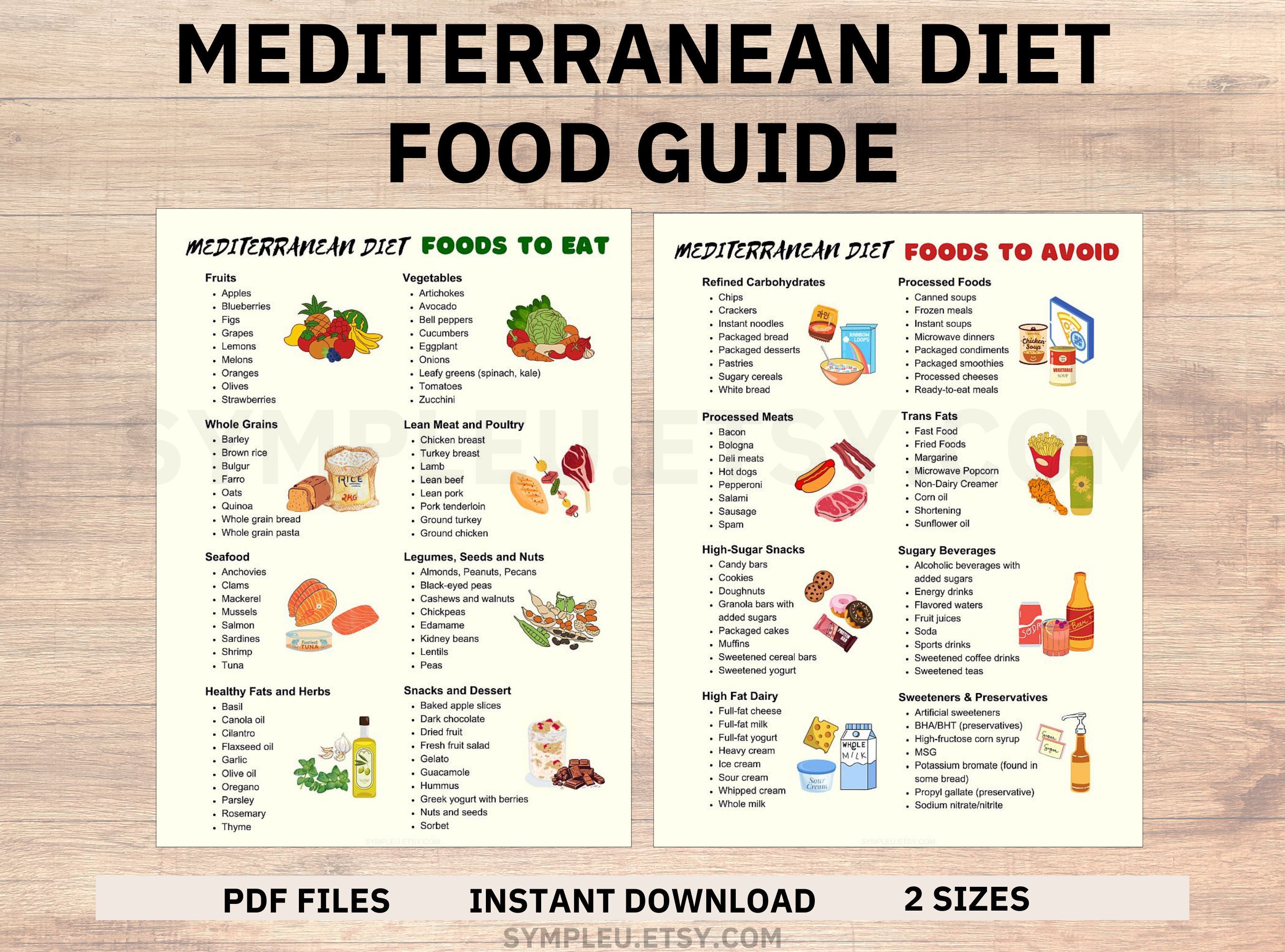
Mediterranean diet food variety
How keto compares
Broadly, these patterns share a final common pathway: reduced caloric surplus, improved insulin sensitivity, and less fat delivery to the liver. Keto may offer more rapid, pronounced reductions in liver fat in the short term — particularly when it triggers early and substantial weight loss and lowers insulin levels — but long-term sustainability, cardiovascular effects, and individual tolerance differ.
| Feature | Ketogenic | Mediterranean/Low-Fat |
|---|---|---|
| Speed of liver fat reduction | Often rapid (weeks to months) | Moderate (months) |
| Sustainability | Variable; adherence can be challenging | Generally higher due to dietary variety |
| Cardiometabolic profile | Mixed: triglycerides often fall, LDL may rise or be unchanged | Consistently favorable |
| Best for | Rapid metabolic improvements, insulin resistance | Long-term heart and liver health |
Who Benefits Most — and Who Should Be Careful
Likely beneficiaries
Adults with overweight or obesity and insulin resistance, people with early-stage NAFLD, and individuals who respond well to carbohydrate restriction (e.g., substantial improvements in blood glucose and triglycerides) are the most likely to benefit from a ketogenic intervention to lower liver fat.
Those who should be cautious
People with the following should consult a clinician before starting keto:
- Type 1 diabetes — risk of diabetic ketoacidosis and hypoglycemia without careful monitoring.
- Advanced liver disease or cirrhosis — complex metabolic needs may make keto unsafe.
- Severe kidney disease — changes in protein and electrolyte handling require attention.
- Pregnancy or breastfeeding — insufficient evidence for safety.

doctor consulting patient liver health
- Rapid liver fat reduction and improved insulin sensitivity.
- Often reduces triglycerides and blood glucose.
- Adherence can be difficult over the long term.
- Potential effects on LDL cholesterol require monitoring.
Practical Plan: A 4-Month Roadmap
Month 1 — Transition and stabilization
Focus on carbohydrate restriction to 20–50 g/day, set protein to preserve lean mass, and fill remaining calories with healthy fats. Expect water weight loss and the need for electrolyte adjustments in weeks 1–2. Start baseline labs and, if treating NAFLD, arrange imaging per your clinician’s plan.
Months 2–3 — Consolidation and monitoring
Track symptoms, weight, and fasting blood glucose. Many people notice improved appetite control, lower fasting glucose, and falling triglycerides. Repeat labs at 8–12 weeks to assess metabolic response and safety.
Month 4 — Re-assessment
At roughly four months, re-evaluate: consider repeat liver imaging if clinically indicated, review lipid changes, and decide whether to continue ketogenic eating, adjust macronutrients, or transition to a more moderate low-carb or Mediterranean-style plan for long-term maintenance.
Sample Day on a Therapeutic Ketogenic Plan
- Breakfast: Omelet with spinach, mushrooms, and avocado; coffee with a splash of heavy cream (optional).
- Lunch: Grilled salmon salad with mixed greens, olive oil, olives, and a small handful of walnuts.
- Snack: Celery sticks with almond butter.
- Dinner: Roast chicken thigh with roasted Brussels sprouts in olive oil and a cauliflower mash.
Measuring Success Beyond the Scale
While weight loss helps, clinicians look at liver-specific endpoints: reductions in MRI-PDFF or ultrasound-based measures, improved liver enzymes (ALT, AST), lower fasting insulin and triglycerides, and improved HbA1c in people with diabetes. Patient-reported outcomes — energy, sleep, and appetite control — also matter when judging whether a diet is sustainable.
Potential Side Effects and How to Manage Them
Common early effects include headache, fatigue, dizziness, and constipation (often called the "keto flu"). These are usually transient and relate to electrolyte shifts and carbohydrate withdrawal. Over longer periods, some people experience increased LDL cholesterol, micronutrient gaps, or social and practical diet limitations.
Practical mitigations
- Stay hydrated and replenish sodium, potassium, and magnesium.
- Prioritize fiber from low-carb vegetables to manage bowel function.
- Work with a clinician to monitor lipids and adjust dietary fat sources if LDL rises.
Conclusion — What to Take Away
The headline statistic — a 67% drop in liver fat in roughly four months — reflects the potent metabolic effect a ketogenic diet can have when applied carefully and monitored. While keto may deliver rapid and meaningful reductions in hepatic fat, it is not a one-size-fits-all cure. Weight loss, improved insulin sensitivity, and dietary quality all shape outcomes. For some people, especially those with insulin resistance and early NAFLD, a supervised ketogenic approach is a powerful tool; for others, a Mediterranean-style or calorie-restricted plan may be safer and more sustainable.
- A well-executed ketogenic diet can lead to rapid and substantial reductions in liver fat, often before major weight loss is visible.
- Lower insulin, reduced de novo lipogenesis, and increased fatty acid oxidation are principal mechanisms.
- Clinical monitoring, attention to electrolytes, and individualized medical oversight are essential—especially for people with diabetes or other comorbidities.
- Long-term sustainability and cardiovascular risk need consideration; transitioning to a Mediterranean-style maintenance plan is a common strategy.
Final note
If you are considering a ketogenic diet specifically to treat fatty liver, start the conversation with your primary care clinician or a hepatologist, and work with an experienced dietitian. Rapid liver-fat reductions are possible, but safe, durable improvements depend on medical oversight, realistic goals, and dietary quality.