
Jimmy Savile: The Dark Truth Behind a British Icon
For decades Jimmy Savile occupied a particular place in British life: a gaunt, eccentric presence on television and radio, a tireless fundraiser whose name was stitched into hospital wings and charity appeals. He presented himself as a benevolent national uncle — eccentric, charitable, indispensable. After his death in 2011 the mask slipped: what emerged in the years that followed was an organized portrait of prolonged, systematic abuse. This article traces how celebrity, institutional complacency, and myths about fame combined to conceal one of the most shocking episodes of historic sexual abuse in modern British history, and why its lessons remain urgent.
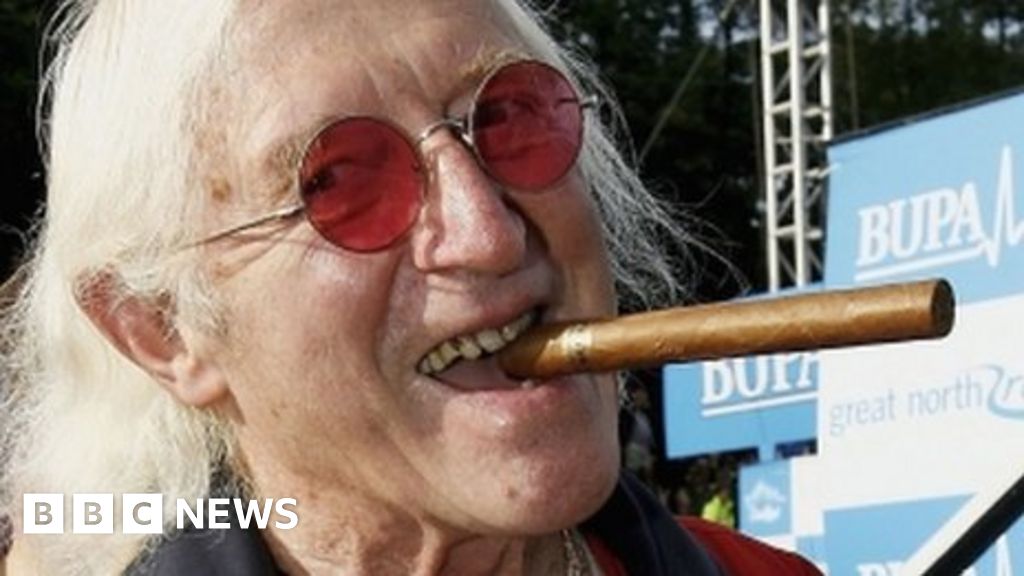
Jimmy Savile BBC presenter
A public persona built for trust
The rise: entertainer, DJ, and fundraiser
Jimmy Savile’s public life read like a mid‑century success story. He rose from a working‑class background to become a disc jockey, TV presenter and a ubiquitous charity figure. His blunt accent, flamboyant clothes and memorable catchphrases made him instantly recognisable. Crucially, he cultivated relationships with hospitals, prisons and institutions that served vulnerable people — places where he became viewed not only as a celebrity but as a benefactor with special access.
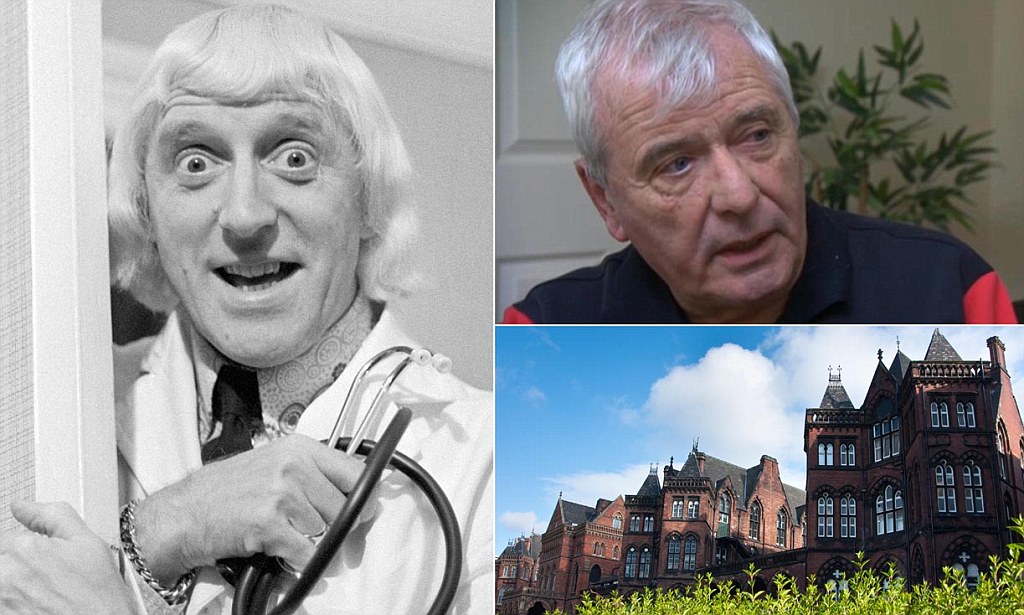
Leeds General Infirmary Jimmy Savile
The cultivation of generosity and access
Savile’s philanthropic persona was strategic. He raised money for wards, volunteered in hospitals, and was photographed meeting patients and politicians. These acts generated social capital: the symbolic power of benevolence produced protective layers of goodwill. When a celebrity is visibly charitable, people are less likely to suspect wrongdoing; the association of fame and philanthropy produced a powerful shield.
The very traits that made him lauded — visibility, free access, celebrity trust — also enabled his crimes.
The abuses concealed by public myth
Nature and extent of the offences
After Savile’s death, thousands of allegations surfaced. Victims described patterns that were horrifying in their consistency: abuse in hospitals, care homes, schools and even in BBC studios. The accounts point to opportunistic predation combined with longevity — decades in which abuse went unchallenged. The scale is part of what distinguishes this case from many other historic abuse scandals: the number of victims, the variety of institutional contexts, and the duration of offending.
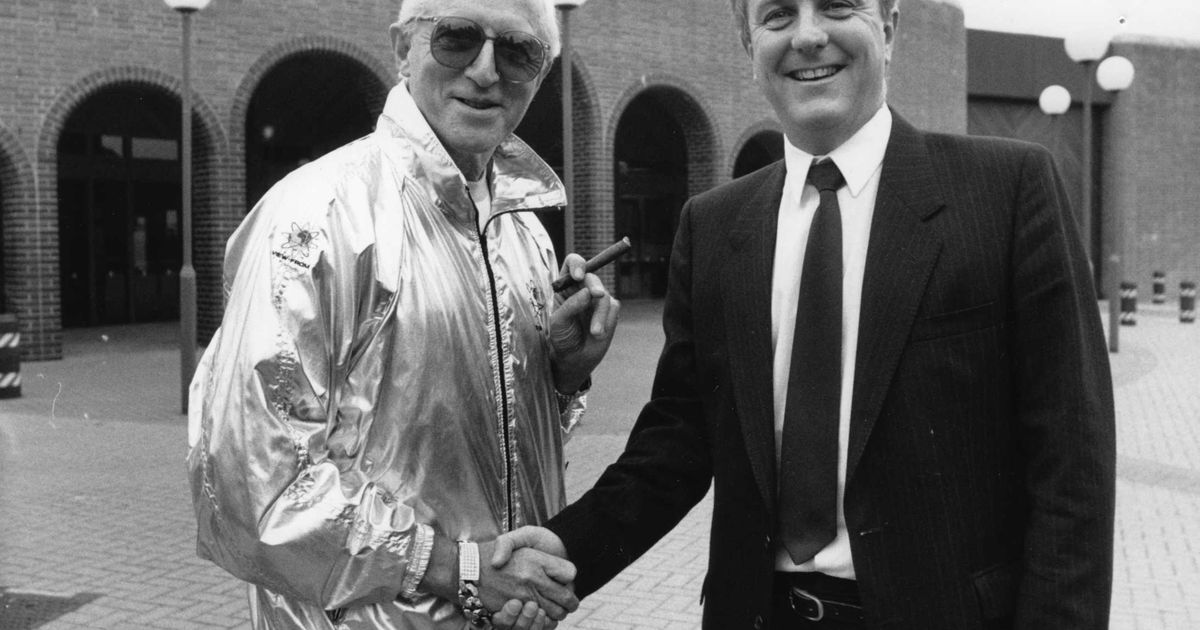
Broadmoor Hospital Jimmy Savile
Grooming, access and the misuse of goodwill
The accounts reveal a pattern of grooming and exploitation of environments where victims were isolated or vulnerable. Hospitals and care settings — places meant to protect — became sites where Savile exercised unsupervised access. That access was facilitated by staff who interpreted his presence as charitable and harmless. Where a well‑known figure engaged warmly with staff and patients alike, questions were deflected, and reports were often not made or not acted upon with the seriousness they deserved.

Operation Yewtree investigation
Institutional failures and cultural enabling
The BBC, hospitals and the power of reputation
Institutions that interacted with Savile — particularly the BBC and certain NHS trusts — would later be scrutinized for how they responded to rumours and early complaints. Reputation management often trumped curiosity; fear of scandal, disbelief, or simple inertia can explain why some allegations were minimised or ignored. The notion that a celebrity could do no wrong, or that allegations must be isolated or mischievous, contributed to a culture of denial.
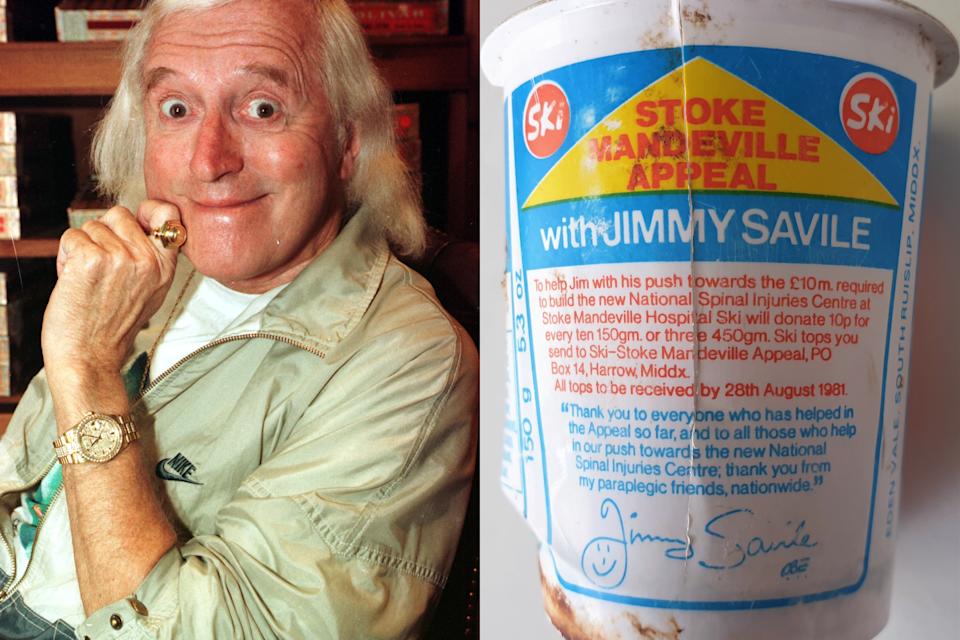
Jimmy Savile charity fundraising
Policing, reporting, and historic inertia
Policing of historic sexual offences faced significant obstacles: lack of digital records, faded memories, and institutional reluctance to investigate powerful public figures. For survivors, the decision to come forward carried social and emotional costs, especially when their abuser was a beloved national figure. Many calls for action were either dismissed as implausible or failed to translate into robust investigations until after Savile’s death, when accumulated testimony made denial increasingly untenable.
The investigations that followed
Openness after death: national inquiry and operations
The immediate aftermath of Savile’s death triggered public outrage and multiple inquiries. Journalists and investigators began uncovering testimony at scale. Law enforcement launched inquiries focused on high‑profile figures and historic abuse, and several institutional reviews sought to identify how the system had failed victims. These investigations exposed not only individual criminality but also institutional complacency: policies, reporting mechanisms, and leadership decisions that allowed abuse to continue unchecked.
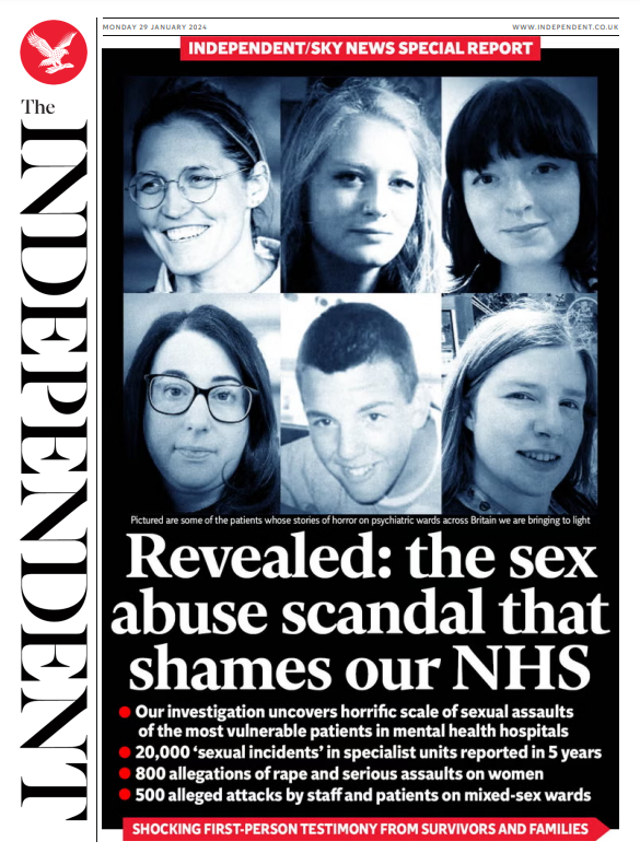
NHS abuse scandals
Legal and moral reckoning
Criminal prosecution was impossible after his death, but the institutional consequences were real. Hospitals, broadcasters and charities were forced to confront uncomfortable truths, revise safeguarding policies, and accept public scrutiny. The moral reckoning also involved acknowledging how society granted charisma and power to a man who exploited them for predatory ends.
The experiences of victims and the human cost
Survivor stories: trauma, silence, and courage
The voices that eventually emerged tell stories of confusion, betrayal and long‑term harm. Many survivors spoke of being disbelieved or dismissed. Others described institutional indifference, which compounded their trauma. Speaking publicly required enormous courage; for many, disclosure was a form of recovery and a bid for acknowledgement that had been denied for decades.
Long-term impact: psychological and social consequences
Survivors of abuse carry wounds that endure. The psychological consequences — anxiety, depression, trust issues and post‑traumatic stress — are well documented. Beyond individual suffering, there is a societal cost: public trust in institutions is diminished when those institutions are shown to have enabled abuse, intentionally or negligently. Rebuilding that trust requires transparency, accountability, and meaningful reform.
How culture and celebrity shield predators
Celebrity, deference, and the unwillingness to look too closely
Celebrities often benefit from deference: they are given privileges that ordinary people are not. In Savile’s case, celebrity status granted access and fostered trust. That deference becomes dangerous when it produces a reluctance to question behaviour. Organizations frequently mistake proximity to fame for a form of legitimacy; that mistaken belief can disable proper scrutiny.
The role of media and mythmaking
The media both amplified Savile’s reach and contributed to the myth that he was untouchable. Sensational headlines and celebratory profiles helped cement his public image. At the same time, a reluctance to scrutinise prominent figures contributed to a press culture that failed to challenge him robustly while he was alive. This dynamic highlights the responsibility of journalists, editors and institutions to investigate rather than amplify without rigorous fact‑checking.
Reforms, safeguards, and a path forward
Policy changes and safeguarding improvements
The revelations about Savile prompted concrete change. Hospitals and charities tightened safeguarding policies, enforced stricter identity checks, and limited unsupervised access for volunteers and high‑profile visitors. Broadcasters reviewed editorial practices and safeguarding measures in studios and on location. The overall effect was to make environments that allow opportunistic abuse less likely.
Cultural and institutional shifts needed
Policy can only go so far without cultural change. Institutions must encourage staff to voice concerns, protect whistleblowers, and abandon reflexive reputation management. Asking difficult questions about privilege and access — especially when power and fame intersect — must become routine. Training, transparent reporting, and independent oversight are essential elements in preventing future abuse.
- Greater awareness: More survivors feel empowered to speak out.
- Improved policy: Safeguarding practices have been tightened across sectors.
- Institutional inertia: Change is uneven and sometimes superficial.
- Survivor burden: Responsibility to report still falls heavily on victims.
Ethics, accountability, and the limits of posthumous justice
Naming responsibility beyond the individual
While Savile’s personal culpability is central, focusing solely on the individual risks obscuring the systemic failures that allowed abuse to continue. Accountability must extend to leaders who dismissed warnings, to organizations that prioritised image over safety, and to cultures that valorised access without oversight. Where wrongdoing is intertwined with institutional practices, responses must address structural change, not only individual blame.
Repairing trust: what victims and the public need
Restorative responses require more than policy memos. Survivors seek acknowledgement, apology, and practical support, including counselling and financial redress where appropriate. The public needs transparent investigations and visible reforms that demonstrate institutions have learned hard lessons. Only by centring survivors and making changes visible can institutions begin to repair trust.
Conclusion: remembering victims and rebuilding safeguards
The Jimmy Savile scandal is not merely a salacious chapter in celebrity history; it is a case study in how charisma, institutional complacency and social deference can conspire to cause enormous harm. The work of investigation after his death uncovered patterns of abuse that were enabled by trust misapplied and oversight neglected. The legacy is a painful reminder: institutions must place safeguarding above reputation, and society must resist the instinct to exempt the famous from scrutiny.
- Celebrity status can obscure predatory behaviour — institutions must maintain independent scrutiny.
- Survivor testimony is vital; believing victims and acting swiftly are essential for justice and healing.
- Policy reform must be matched by cultural change that protects whistleblowers and prioritises safeguarding.
Final thought
Remembering the victims is not an exercise in retribution toward a dead man; it is an ethical imperative to learn, reform and protect future generations. The Savile revelations forced Britain to confront uncomfortable truths about power, reputation and responsibility — truths that demand ongoing attention, honest inquiry and the continual strengthening of safeguards in every institution that cares for the vulnerable.