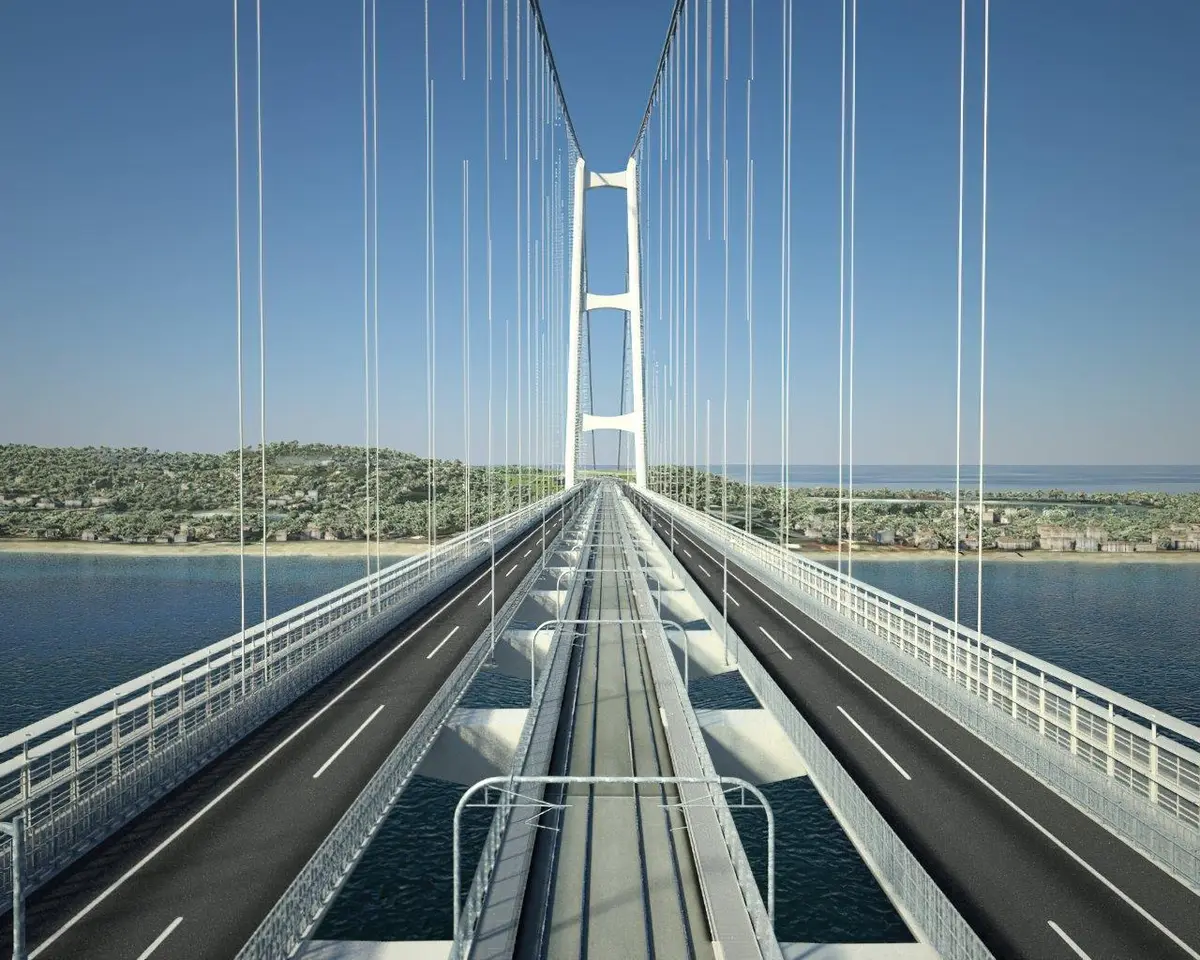
Is the Messina Bridge the Largest in the World?
The Messina Strait Bridge, a proposed engineering marvel, has sparked enormous interest and debate. Stretching between the island of Sicily and mainland Italy, this ambitious project promises to become one of the largest bridges ever constructed. The concept itself is as bold as it is staggering. A connection over the tumultuous waters of the Strait of Messina could not only revolutionize travel between two culturally rich regions but also set a new benchmark for modern engineering.
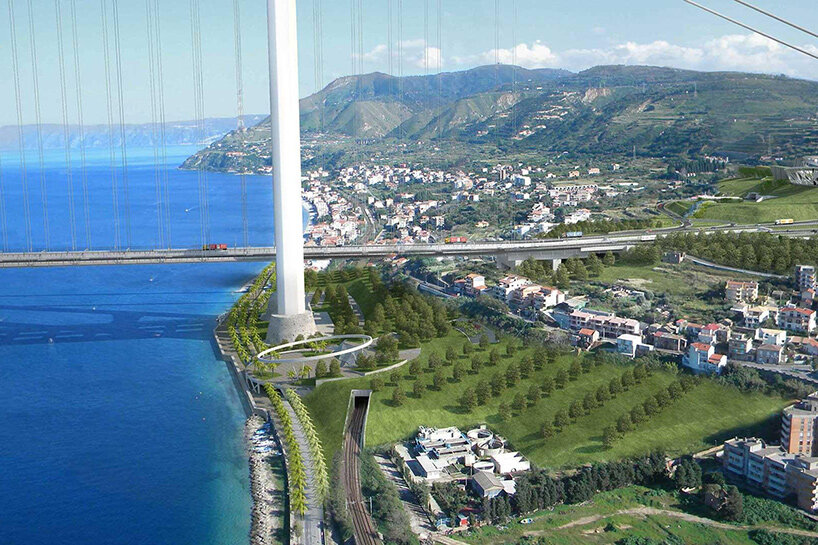
Messina Strait Bridge Sicily Calabria
A Vision of Connectivity
The primary goal of the Messina Bridge is to enhance connectivity. Currently, travel between Sicily and Calabria relies heavily on ferries, making transportation slow and sometimes unreliable due to weather conditions. By constructing this bridge, authorities aim to:
- Reduce travel time significantly, allowing for swifter movement of people and goods.
- Enhance economic activity by integrating two historically wealthy regions into a cohesive economic zone.
- Provide a permanent crossing that transforms regional logistics and tourism.
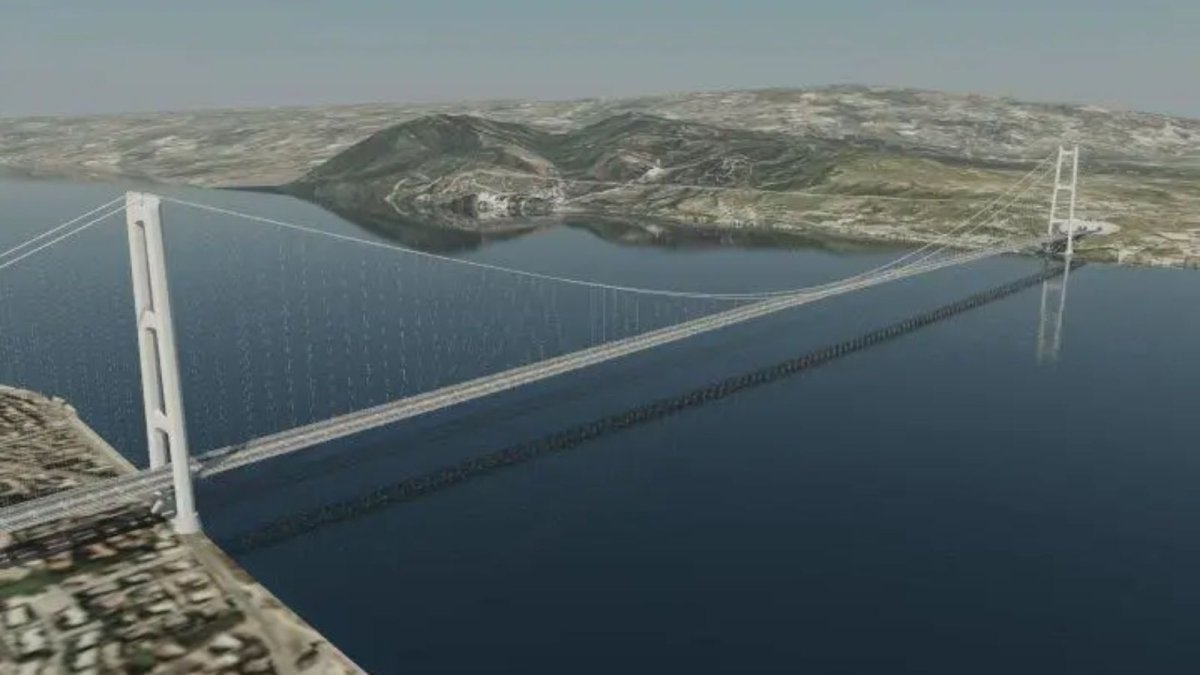
Messina Bridge feasibility studies
This vision encapsulates more than just transportation; it represents the potential unification of cultures, economies, and communities that have been separated by water for centuries.
The Engineering Feat
To realize the vision of the Messina Bridge, engineers are faced with unique challenges. The strait is known for its strong currents and seismic activity, putting the structural integrity of any proposed bridge to the test. Potential construction features may include:
- Suspension cables that can absorb vibrations and stresses caused by wind and earthquakes.
- Deep foundations that secure the bridge to the seabed to withstand turbulent waters.
- Innovative design elements that not only adhere to safety standards but also enhance aesthetic appeal.
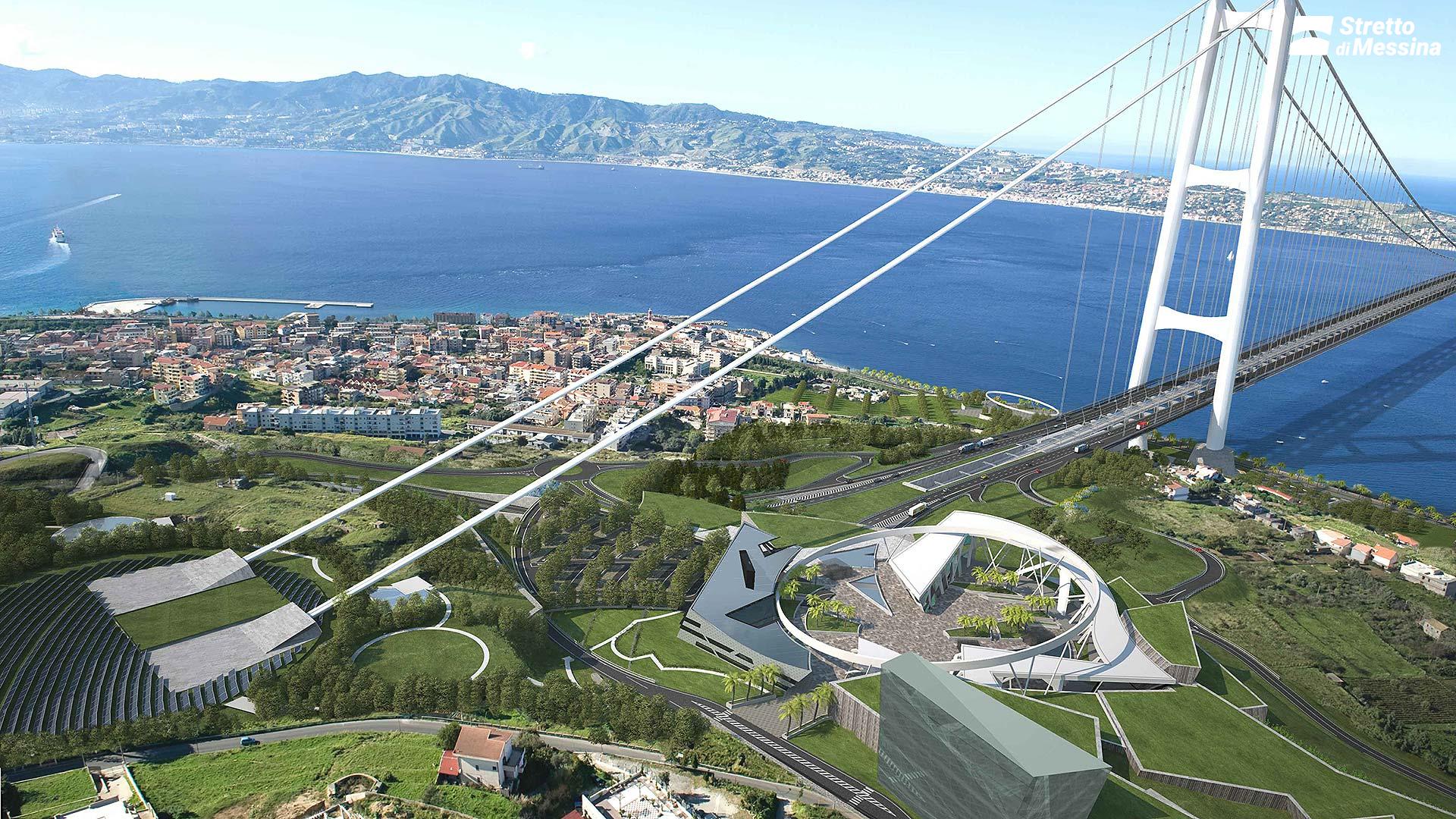
Messina Strait environmental impact
Additionally, the feasibility studies have indicated that advanced technology will play a critical role, particularly in monitoring and maintaining the infrastructure after its completion.
Comparative Context: Largest Bridges Worldwide
When considering the Messina Bridge, it’s pertinent to compare it to some of the largest bridges currently in existence. The following table illustrates a few of the world’s most remarkable bridges:
- Danyang–Kunshan Grand Bridge, China - 164.8 km
- Tianjin Grand Bridge, China - 113.7 km
- Changhua–Kaohsiung Viaduct, Taiwan - 157.3 km
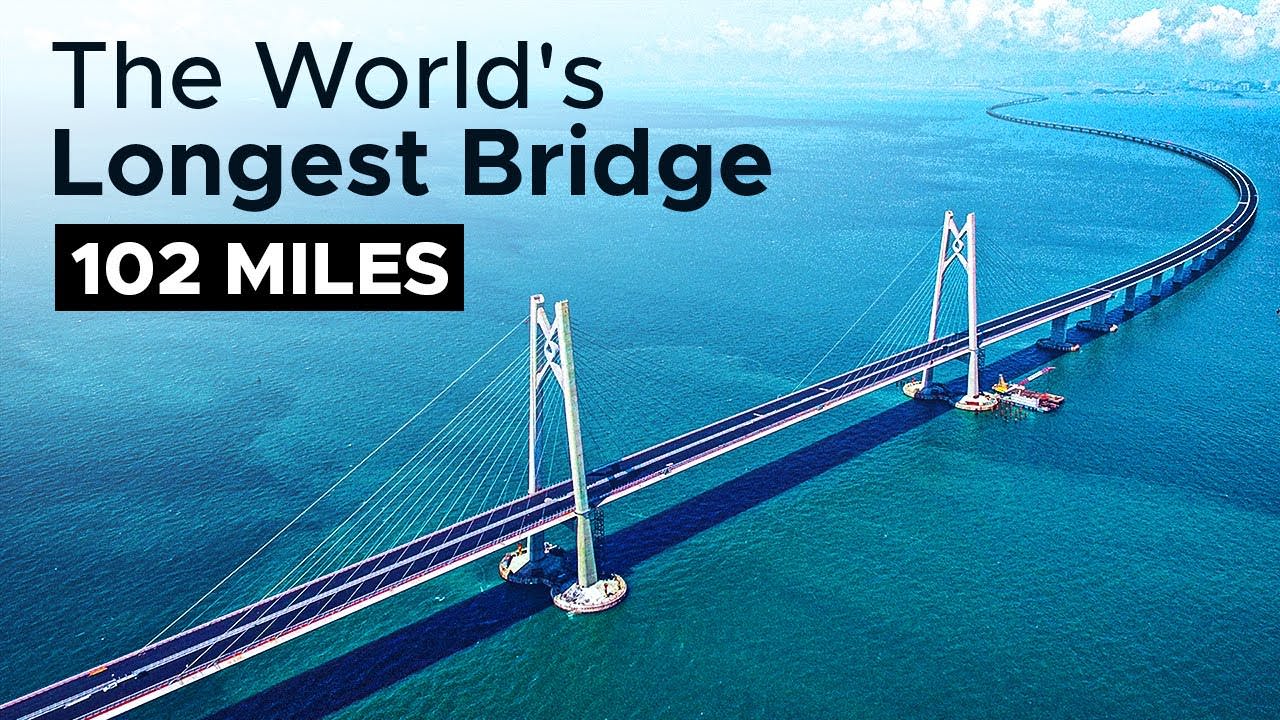
Danyang–Kunshan Grand Bridge length
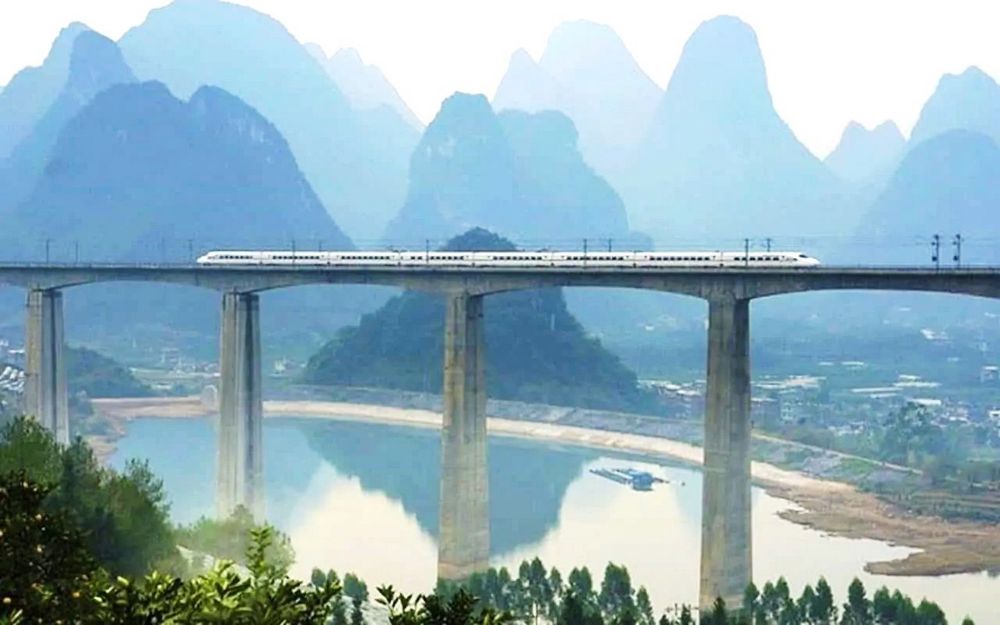
Changhua–Kaohsiung Viaduct length
While these bridges are predominantly rail bridges, the Messina Bridge aims to contend with the current titleholder for the longest suspension bridge, the Akashi Kaikyō Bridge in Japan, which spans 3,911 meters. The Messina Bridge's conceptual design proposes a similar scale, potentially making it a world leader in terms of bridge length for its category.

Akashi Kaikyō Bridge length
Economic and Environmental Considerations
The economic implications of constructing the Messina Bridge are colossal. The project could provide thousands of jobs during and after construction, boosting local economies. However, it also brings forth environmental concerns that cannot be overlooked:
- Wildlife disruption: The strait is home to various marine species, which must be protected.
- Air and water pollution: Construction activities may affect air quality and water bodies.
- Community impact: It is vital to consider the local communities and their livelihoods.
Ensuring a balance between development and environmental preservation will be one of the challenges faced by project planners and stakeholders.
Public Sentiment and Political Heft
Public opinion regarding the Messina Bridge project is mixed. Supporters argue that the economic benefits and increased connectivity outweigh the potential downsides. In contrast, critics argue that the environmental risks could lead to irreversible damage. Furthermore, political factors play an enormous role in the feasibility and timeline of the project.
- Government support is essential for funding and fast-tracking approvals.
- Public engagement is necessary to alleviate concerns and build trust.
- International collaboration can provide resources and expertise.
Building a multi-stakeholder dialogue will be crucial to navigating these complexities.
The Timeline Ahead
Currently, the timeline for the Messina Bridge remains uncertain. Originally proposed in the early 2000s, the project has faced numerous delays. However, new political momentum suggests that groundwork may commence soon. Key milestones to consider include:
- Completion of feasibility studies: Ensuring all technical, environmental, and economic aspects are addressed.
- Securing funding: Whether through government budgets or private investments.
- Final approvals: Navigating the complexities of multi-layered bureaucracies.
Anticipating the next phase with optimism is essential, even as challenges loom large.
Conclusion: A Bridge to the Future
The Messina Bridge holds the potential to become a landmark achievement in engineering, economics, and cultural integration. As stakeholders weigh the decisions that will shape this project, one fact remains clear: the eyes of the world are watching. Should this ambitious plan come to fruition, it will not only reshape connectivity in Italy but could also inspire future mega-projects across the globe. The future of infrastructure is bold, and the Messina Bridge stands at the forefront of this evolution.