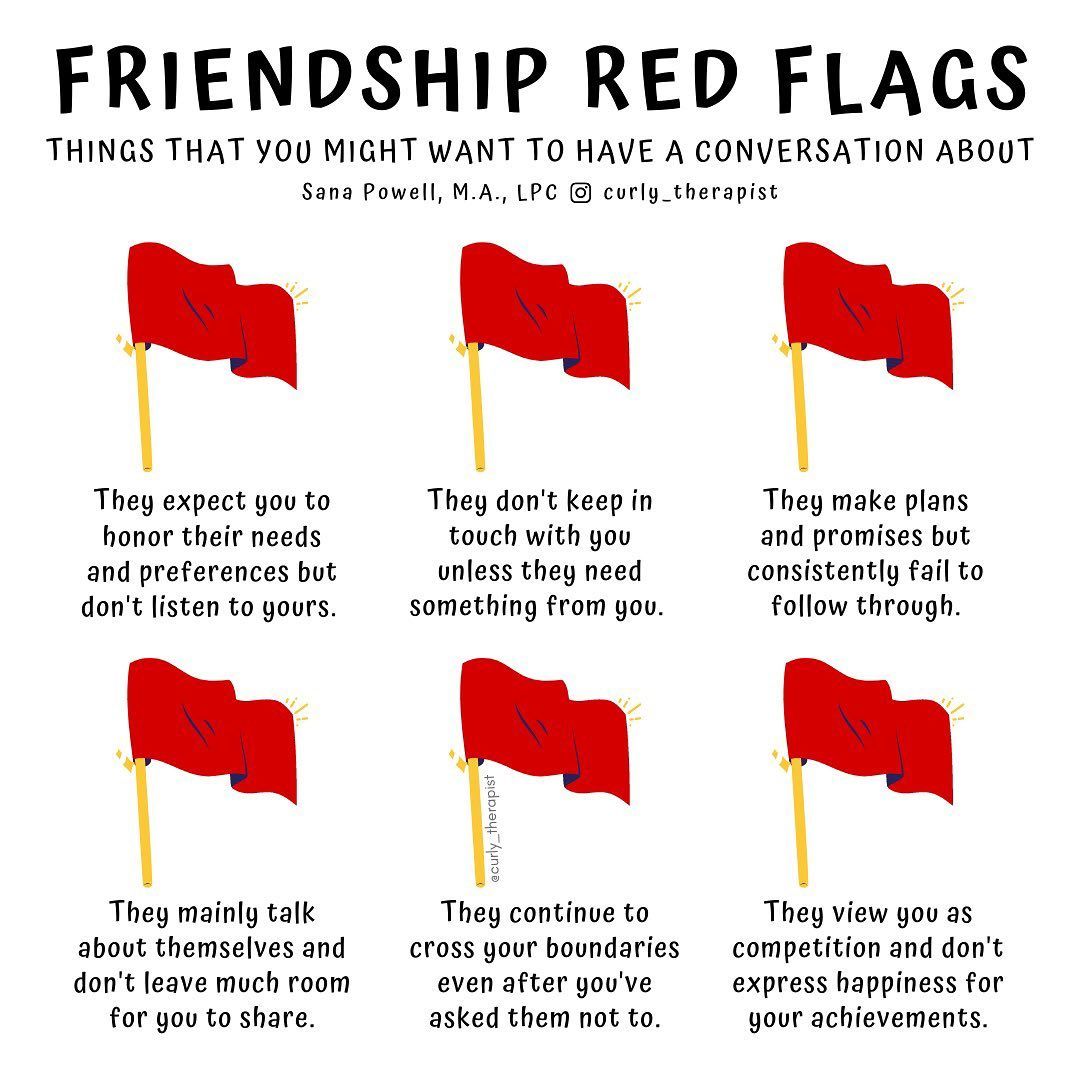
Instant Red Flags: Fastest 'We're Not Friends' Moments
There are moments so abrupt, so jarringly revealing, that any hope of a friendship evaporates in seconds. You can feel it physically — the smile freezes, the conversation stalls, and a small, private recalculation begins: this person is not someone I want in my life. This article maps those lightning-fast relationship breakers, explains why they land so hard, offers concrete ways to respond in the moment, and gives guidance on whether repair is worth the effort. If you want fewer regrets and better instincts for social triage, read on.

public humiliation social rejection
Why Some Moments End Friendships Immediately
Human beings are wired to size up social partners quickly. In evolutionary terms, rapid judgments helped our ancestors decide who was safe to trust, who would cooperate, and who might compete for scarce resources. Today those split-second assessments still run under the hood. When a person crosses an obvious ethical boundary, demonstrates cruelty, or shows gross disregard for another’s dignity, our brains trigger a cluster of responses — disgust, anger, and rapid reassessment — designed to distance us from potential harm. That’s why some behaviors cause immediate, irreversible snaps of social closure.

boundary violations friendship
The Psychology Behind 'Instant' Rejection
Quick social rejections are usually anchored in a few predictable psychological mechanisms. First, the negativity bias: humans pay more attention to negative information than positive, so a single bad act can outweigh numerous neutral or positive ones. Second, innocence inference: if someone shows contempt or deliberate cruelty early, we infer deeper character flaws. Third, social reputation heuristics: people who violate trust signals are costly to keep in your circle because they might harm your reputation or emotional well-being by association.

gaslighting manipulation red flags
The Fastest 'We're Definitely NOT Going to Be Friends' Moments
Below are the most common, vividly memorable scenes that commonly cause immediate social shutdowns. These are grouped by context but share the same effect: they reveal fundamental mismatches in values or safety.
1. Public Humiliation
Laughing at someone’s expense in public — mocking their appearance, accent, or a mistake — is an instant red flag. It’s not just a joke gone wrong; it’s a performance that signals a willingness to elevate oneself by demeaning others.
- Why it stings: Public humiliation attacks dignity. Witnessing someone enjoy another’s pain triggers moral disgust.
- How quickly it registers: Immediately — if you see or hear it, trust your gut.
2. Repeated Boundary Violations
Everyone makes a mistake. Repeatedly ignoring a clear, stated boundary — showing up uninvited, sharing private messages, or pressuring someone past a refusal — demonstrates a profound lack of respect for autonomy.
- Why it stings: Boundaries are how people keep emotional and physical safety intact.
- How quickly it registers: Often within minutes if the behavior recurs after a single correction.
3. Gaslighting and Dismissal
When someone denies your reality or invalidates your emotions, especially in a manipulative way, the trust erodes fast. Gaslighting isn’t only manipulative — it’s corrosive to the sense of self.
- Why it stings: It undermines your ability to trust your memory and feelings.
- How quickly it registers: Sometimes only one episode of deliberate dismissal is enough.
4. Cruelty to Animals or Vulnerable People
Deliberate meanness — particularly to creatures or people who cannot defend themselves — is a visceral red flag. It signals a readiness to harm for amusement or convenience.
- Why it stings: Compassion is a baseline moral expectation; lacking it suggests deeper ethical gaps.

cruelty to animals vulnerability
5. Blatant Dishonesty About Big Things
Everyone lies sometimes, but fabrications about background, identity, or intentions that are central to forming trust tend to be deal-breakers. When major facts show up as untruthful, the relationship's foundation fractures.
- Why it stings: Trust is a currency that, once counterfeit, undermines every transaction that follows.
blatant dishonesty trust issues
6. Persistent Self-Centeredness in Crisis
Human beings reveal character in hardship. A person who consistently centers their needs during other people’s crises — ignoring requests for help, minimizing pain, or turning every conversation back to themselves — will quickly be labeled unsafe as a friend.
- Why it stings: Friendship implies reciprocal care; selfishness in critical moments signals unreliability.
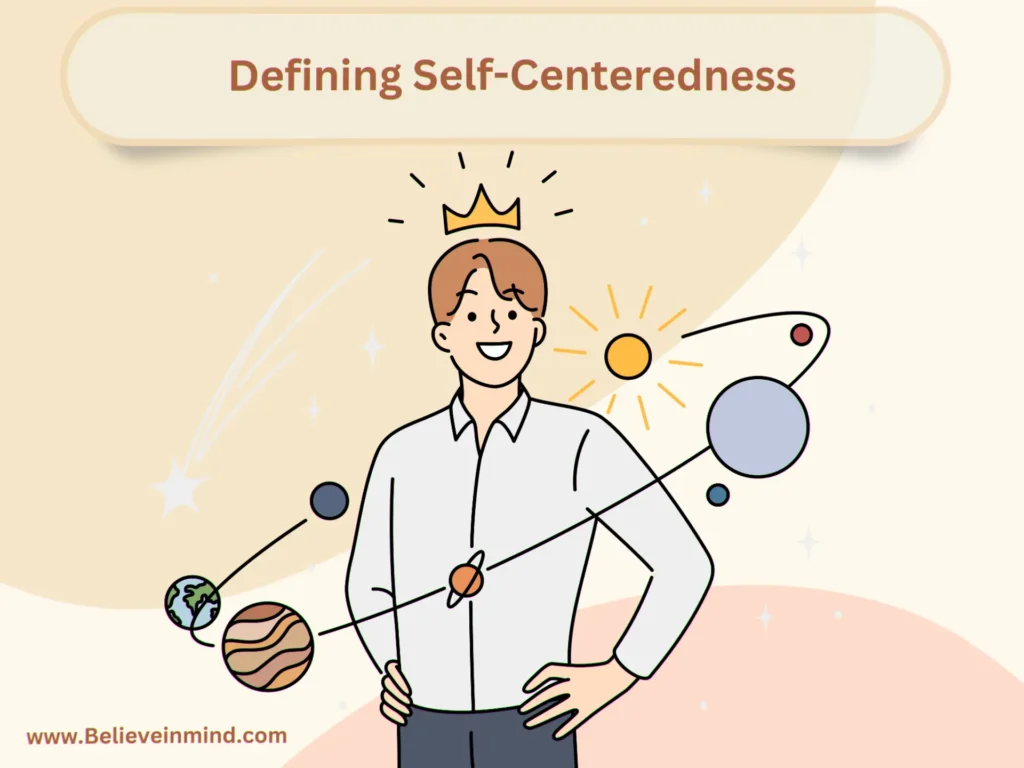
self-centeredness in crisis
Real-World Vignettes: Quick Scenes That Kill Connection
Stories help the pattern land. These vignettes are fictional composites but built from common, recognizable behaviors.
The Dinner-Party Comment
At a small dinner, someone mocks a guest’s accent while everyone laughs uncomfortably. The person who laughs louder offers a thin smile to you, as if testing whether you agree. You excise them from your mental circle in an instant. It isn’t about the accent — it’s about performance cruelty and whether they’d do it to you later.
The Boundary Ignorer
After you decline an invitation and clearly say you need space, this person continues to text, show up outside your building, and tells mutual friends you “owe them” an apology. The escalation from polite persistence to boundary breach flips a switch: safety is compromised.
Some behaviors don’t just reveal who a person is — they forecast who they will be when things get messy.
How to Respond in the Moment
When you encounter a red-flag moment, you don’t always need to announce a breakup. There are three fast-response strategies depending on risk, setting, and your investment in the relationship.
1. Immediate Distance
If the behavior is abusive, cruel, or threatening, put immediate physical or conversational distance. Say a short, clear line such as, "I don't find that acceptable," and leave. Your safety and emotional oxygen come first.
2. Call It Out Calmly
When the offense is public humiliation or a careless slur and you feel safe correcting it, a calm intervention can change the dynamic. Keep it short: name the behavior, state the impact, and set an expectation. Often people retreat or apologize; sometimes they double down — which is itself informative.
3. Tab It for Later
For ambiguous microaggressions or first-time slips, you can note it and reserve judgment. Follow up later in private if you decide the relationship is worth salvaging. This approach balances generosity with discernment.
When to Repair and When to Walk Away
Not every red flag requires an exit. Here’s a short decision guide to help you choose.
- Preserves relationship benefits and shared history
- Allows people to learn and grow
- Can model healthy conflict resolution
- Requires emotional labor and time
- Risk of repeated harm if pattern persists
- May not be reciprocated
Choose repair if the person acknowledges wrongdoing, expresses genuine remorse, and takes concrete steps to change. Choose to exit if behavior is predatory, repeated despite correction, or if trust has been fundamentally undermined in ways that make ongoing association hazardous to your well-being.
Practical Scripts You Can Use
Words matter when you want to set a boundary without escalation. Here are short, direct scripts for three situations.
- Public Humiliation: "That joke landed poorly with me. Please stop."
- Boundary Violation: "I said I needed space. Please respect that."
- Gaslighting: "I remember it differently, and I don't appreciate having my reality dismissed."
Setting a line calmly and clearly often tells you everything you need to know — whether the other person respects it.
Repairing If You Choose To
If you decide a relationship is worth salvaging, repair work requires three things: accountability, measurable change, and time. Accountability means an unambiguous admission and acceptance of consequences. Measurable change means demonstrable actions — not just promises. Time gives you evidence. Agree on small, verifiable steps and a follow-up check-in.
Conclusion: Make Space for Better Friends
Swift social rejections are not necessarily cruel; they are a protective mechanism. Recognizing the fastest 'we are definitely not going to be friends' moments helps you triage relationships more efficiently so you can invest in people who respect your dignity. Keep your antenna up for public humiliation, boundary violations, gaslighting, cruelty, and major dishonesty. When you confront a red flag, choose clarity: distance, calling out, or tabbing for later. Above all, protect your emotional health and give yourself permission to walk away when a person’s behavior repeatedly proves incompatible with your values.
- Immediate red flags often reveal deeper values or safety risks.
- Respond with safety first; then with calm clarity if repair is possible.
- Repair requires accountability, measurable change, and time; otherwise, walk away.