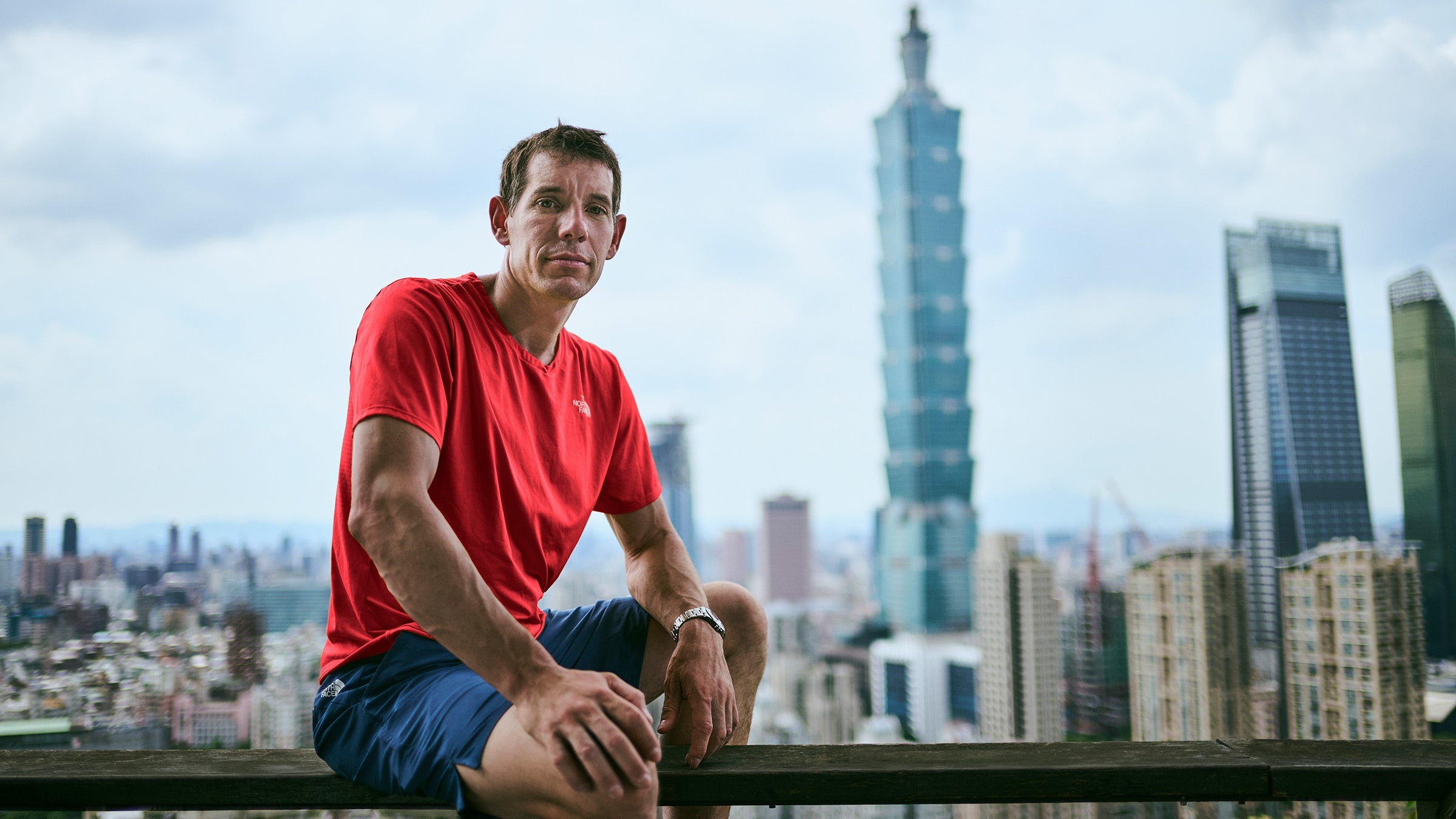
If Alex Honnold Free-Soloed Taipei 101: Risks, Ethics, Reality
Imagine a single human silhouette moving upward against glass and steel, five hundred meters of city shrinking below as the skyline tightens into a miniature model. Now imagine that silhouette belongs to Alex Honnold, the climber whose name is shorthand for technical mastery without a rope. The idea — Alex Honnold free-soloing Taipei 101, a 508-meter skyscraper in the heart of Taipei — is at once arresting, terrifying, and impossible to ignore. This piece is not a dispatch reporting a real-time event but a careful, narrative-driven exploration: what would such a climb entail, why it matters, and what it would reveal about modern risk, law, and the spectacle economy.
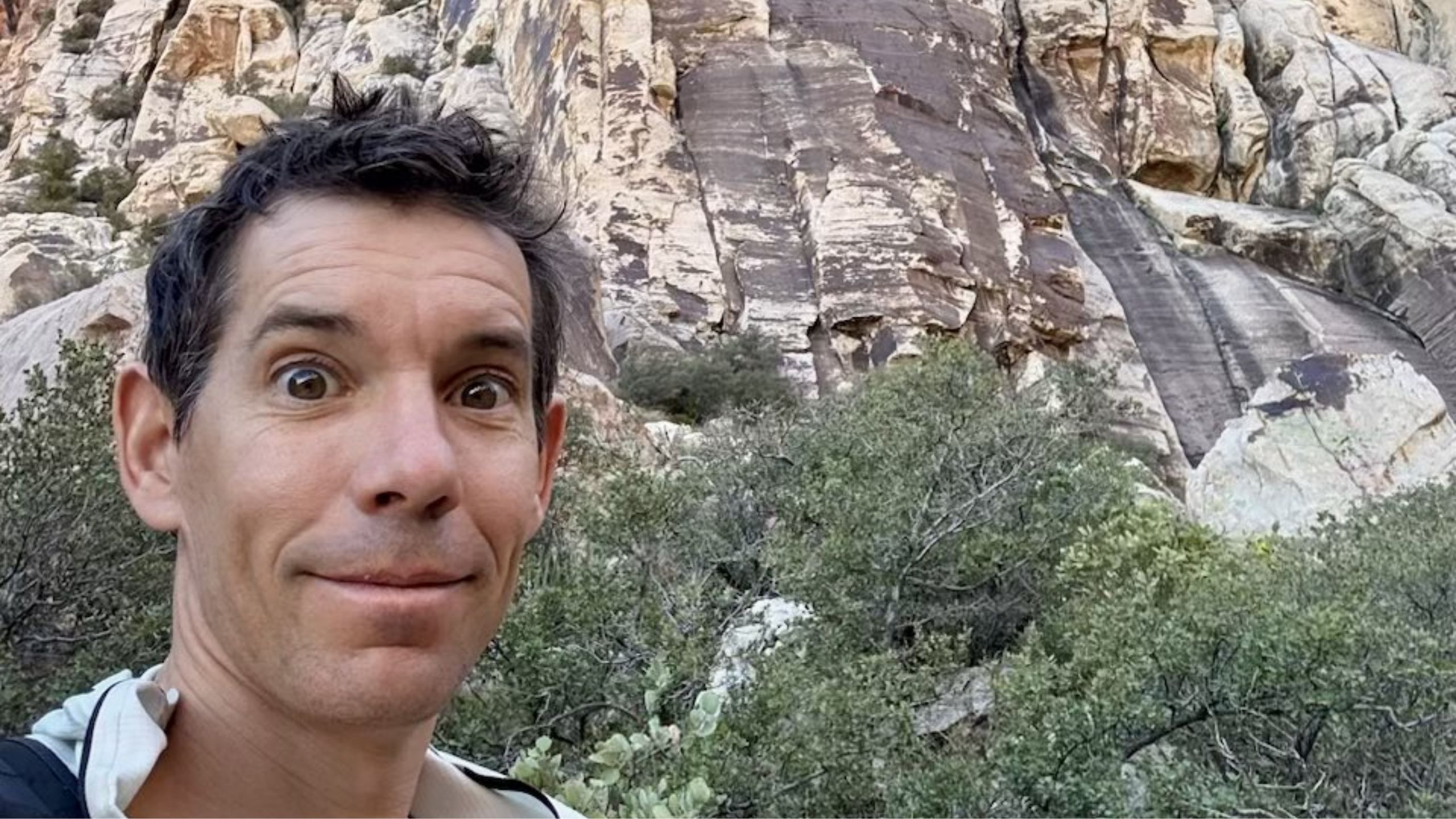
Alex Honnold free solo
A CONTEXT FOR THE IMPOSSIBLE
Alex Honnold occupies an unusual place in public imagination. His free solo of El Capitan in Yosemite — a near-vertical granite monolith widely considered one of the most demanding free solos in history — rewired perceptions about human capability and fear management. Honnold's work is rock climbing in its purest, most exposed form: no rope, no protection, no margin for error. Yet the world of free soloing and the world of skyscraper ascents are not identical. They share a vocabulary of exposure and precision, but their physics, rules, and social meanings diverge sharply.
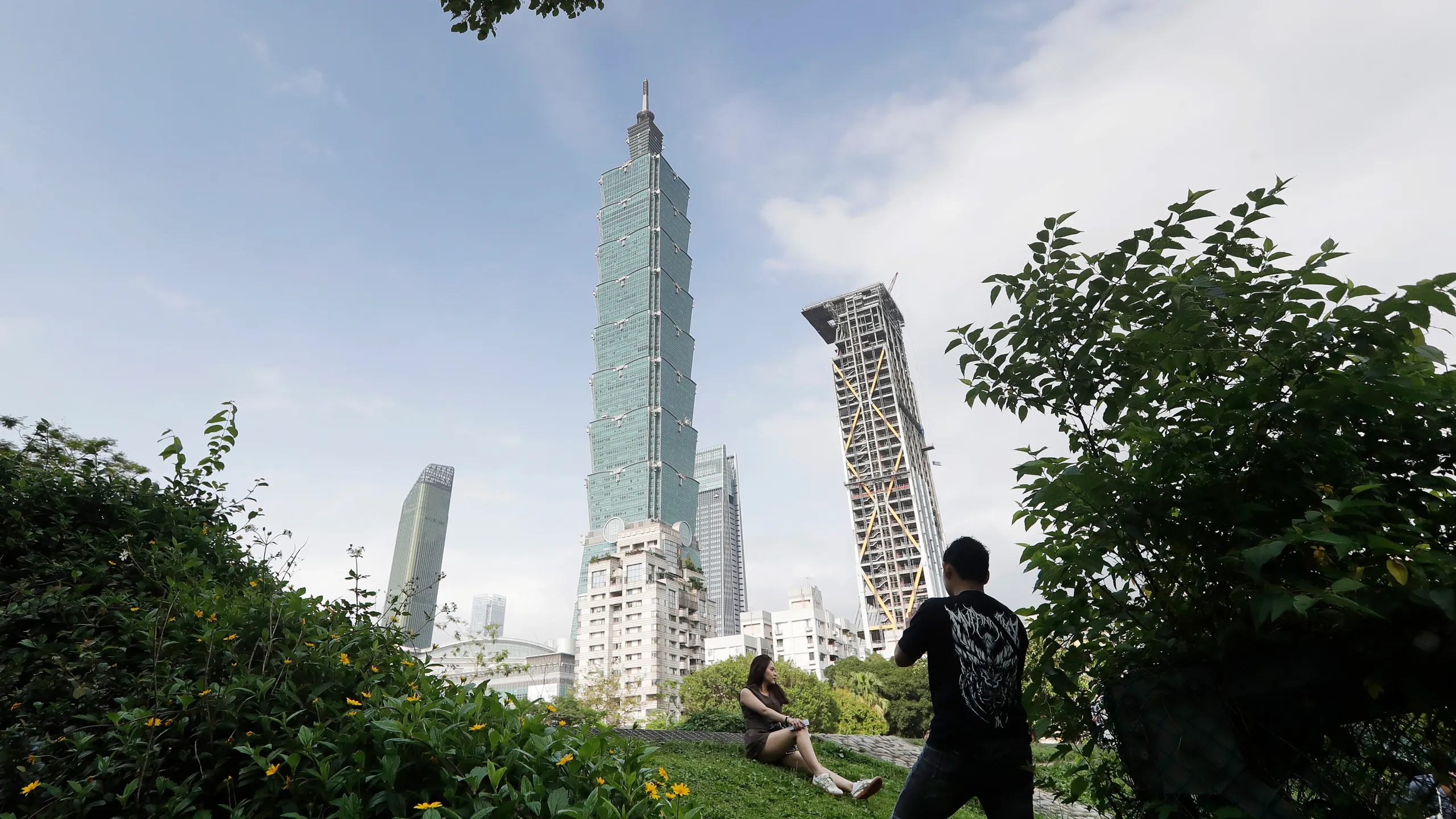
Taipei 101 skyscraper
Taipei 101 is more than a tall building; it is an engineered statement. Its height — commonly cited as 508 meters to tip — places it among the world's taller skyscrapers. It anchors a dense urban grid, hosts businesses and tourists, and is entered through regulated security checkpoints. That context matters. A free-solo ascent that turns a building into a climbing route would not be merely a technical challenge: it would be an intrusion into public infrastructure, a confrontation between personal liberty and communal risk.
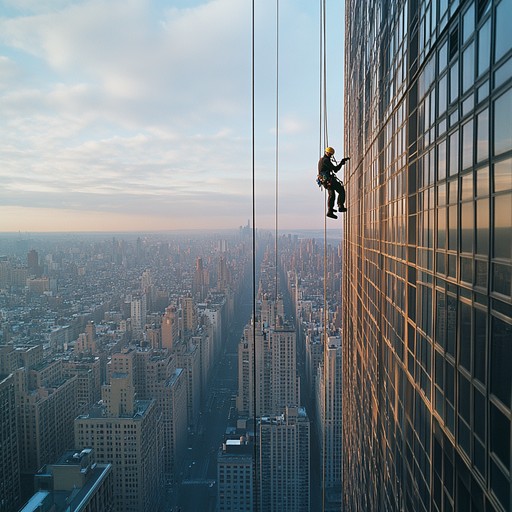
skyscraper climbing facade
THE ANATOMY OF SUCH A CLIMB
Free soloing a rock face and traversing a building facade are related in the most literal sense — hands, feet, balance, sequence — but the surfaces, handholds, and environment differ. Natural rock offers texture and features; a skyscraper offers glass, metal, ledges, seams, and maintenance fixtures that were not designed for human hands. Building facades often present inconsistent grip, slippery coatings, and sections with no continuous handholds. Wind patterns, thermal expansion of materials, and the aerodynamics of a tall tower become part of the route’s character.
Key physical and technical considerations would include:
- Surface texture and holds: Glass and spandrel panels offer minimal positive features compared with granite. Climbers would need to find micro-features, recesses, and structural elements like window-washing anchors.
- Vertical distance and endurance: Taipei 101's 508 meters is psychologically different from a 100–200 meter rock face. Continuous focus over that duration, without rest or rope protection, multiplies fatigue risks.
- Environmental forces: Wind shear, gusts at high elevation, and sudden turbulence around neighboring structures can destabilize a climber. Thermal gradients across the facade change friction and hand temperature.
- Human factors: Vision fluctuation, dehydration, hand abrasion, and involuntary muscle twitching become critical when there is no safety line to arrest a fall.
Put together, these elements show why climbing a skyscraper without protection is not merely an extension of rock climbing — it is a different species of exposure.
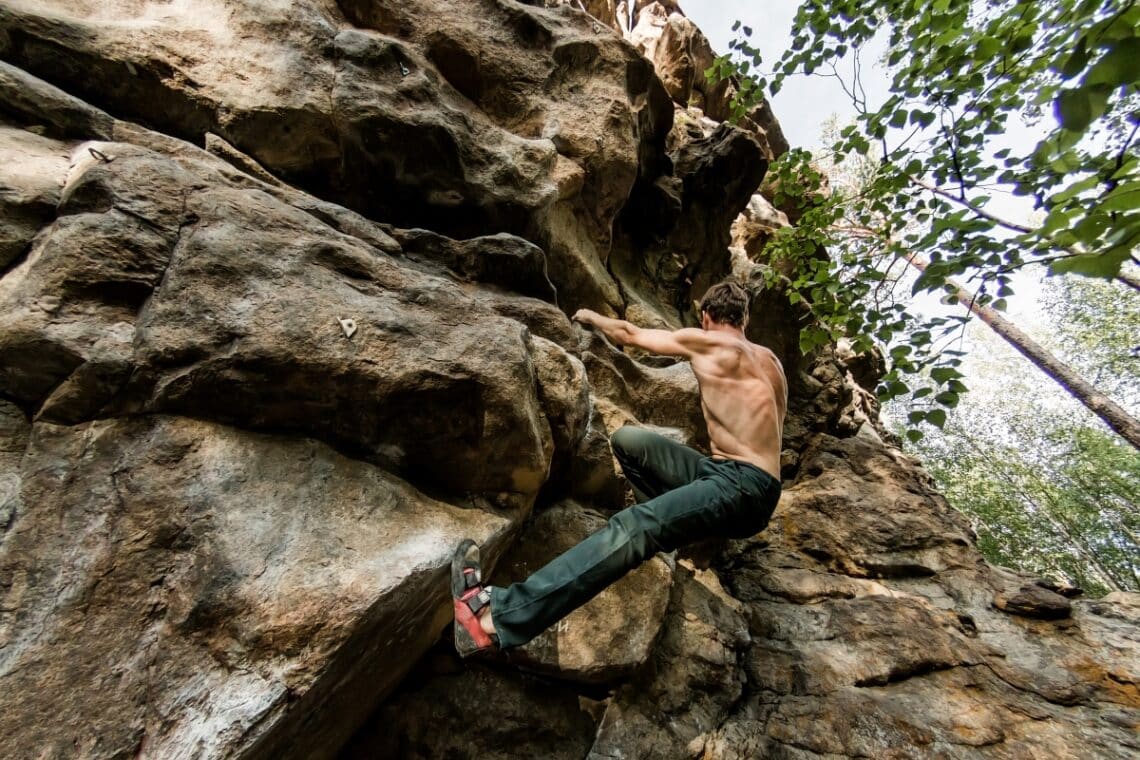
free solo ethics risk
THE SCIENCE OF A FALL
One of the stark realities that separates daring from irresponsibility is calculable: a slip at height against a smooth facade leads to different dynamics than on a rock face with natural protrusions. On rock, a fall often generates a swing or impact against features; on a glass-and-steel facade, a fall may result in an uncontrollable tumble or impact into architectural elements that were not designed for human bodies.
Beyond the physical consequences for the climber, a descent of falling debris, panels, or equipment could endanger bystanders below. In an urban setting, vertical distance amplifies velocity and kinetic energy. That raises questions not only about personal risk tolerance but also about public safety and possible collateral harm — an issue that courts, insurers, and municipal authorities take seriously.
LEGAL, REGULATORY, AND LIABILITY QUESTIONS
A free-solo attempt on a major tower would trigger a cascade of legal concerns. Buildings are private or semi-public property with access controlled for safety. Trespass, property damage, endangerment, and obstruction laws could apply. Using a building's façade as a climbing route without permission is likely to be illegal in most jurisdictions.
Law enforcement and building management also have duties: to protect visitors and to minimize risks. A climber on the outside of a skyscraper would force security responses that might include evacuation, deployment of emergency services, and tactical measures. From an insurance perspective, such an event could jeopardize coverage for the building and raise questions about negligence and foreseeability.
There is also reputational calculus. A building owner facing media images of a person scaling 508 meters unprotected must consider public relations, liability, and whether to pursue criminal charges. In short, the legal frame around a hypothetical Honnold ascent is both broad and punitive.
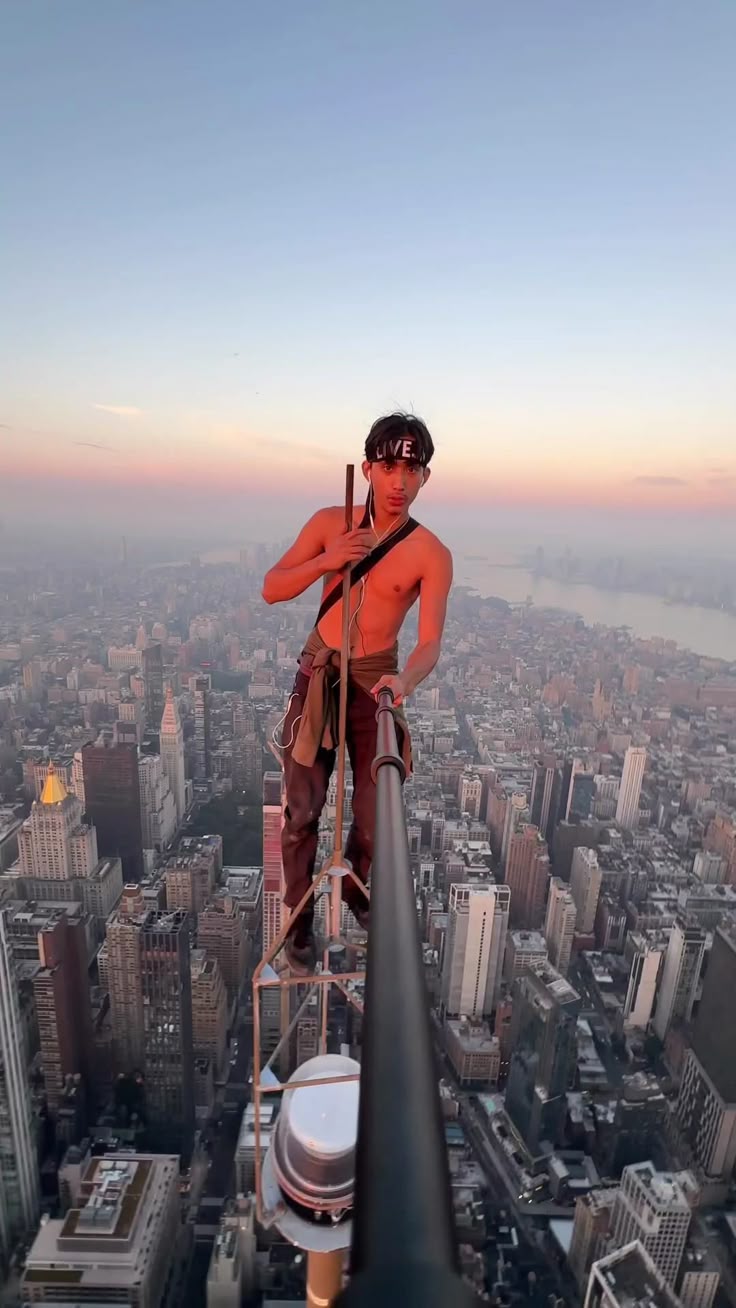
urban climbing stunt
ETHICAL DIMENSIONS: INDIVIDUAL FREEDOM VS. PUBLIC RISK
Beyond laws and engineering, we run into ethics. Extreme athletes routinely test societal norms; their feats expand cultural ideas of what the body can do. But when an act places others at risk — even indirectly — the ethical justification changes. Is the climber's right to self-determination absolute? Aren't there duties to avoid creating hazards for first responders, commuters, and onlookers?
These questions are not theoretical. Public stunts can and have diverted emergency resources, created chaotic crowds, and led to injuries among bystanders. The ethos of adventure culture — personal responsibility, preparation, and community trust — must contend with the spectacle economy, where attention and social-media amplification reward risky acts. That tension is central to judging whether a free-solo on Taipei 101 would be a heroic boundary-pushing act or an ethically problematic provocation.
COMPARISONS: SKYCLIMBERS AND URBAN ASCENTS
We have precedents for humans climbing tall buildings, and the comparison helps clarify the stakes. Some climbers specialize in urban ascents, scaling towers and landmarks often without permission to make political points, create viral images, or for personal challenge. Their methods vary: some use ropes clandestinely, others forego protection publicly. The outcomes range from arrest and fines to celebrity and controversy. Unlike natural cliffs, buildings introduce third-party risks that complicate the ethics and legality.
Meanwhile, free soloists like Honnold operate in a distinct cultural niche. Their training regimes, route rehearsal, and intimate knowledge of a specific line on rock are methodical. Translating that method to a building would require reconnaissance, permission for access to anchor points, and detailed coordination — or, conversely, a furtive, illegal approach that raises the stakes exponentially.
A short comparative table
| Aspect | Natural Free Solo (e.g., El Capitan) | Skyscraper Free Solo (e.g., Taipei 101) |
|---|---|---|
| Surface features | Natural cracks, holds, texture | Glass, metal panels, engineered joints |
| Environmental forces | Wind, sun, rock temperature | Stronger wind shear, thermal expansion, urban turbulence |
| Legal status | Usually permissible on public land with risks | Often trespass; private property laws |
| Public impact | Mostly isolated, limited collateral risk | High potential public safety concerns |
MEDIA, SPECTACLE, AND THE BUSINESS OF ATTENTION
One practical reason someone might attempt such a climb is attention. The media value dramatic, highly visual content, and social platforms reward the images of a lone figure moving vertically against a city. That attention translates into sponsorship money, speaking engagements, and cultural cachet. But this same incentive structure can create perverse choices: the reward for higher risk can outweigh the personal calculus of safety.
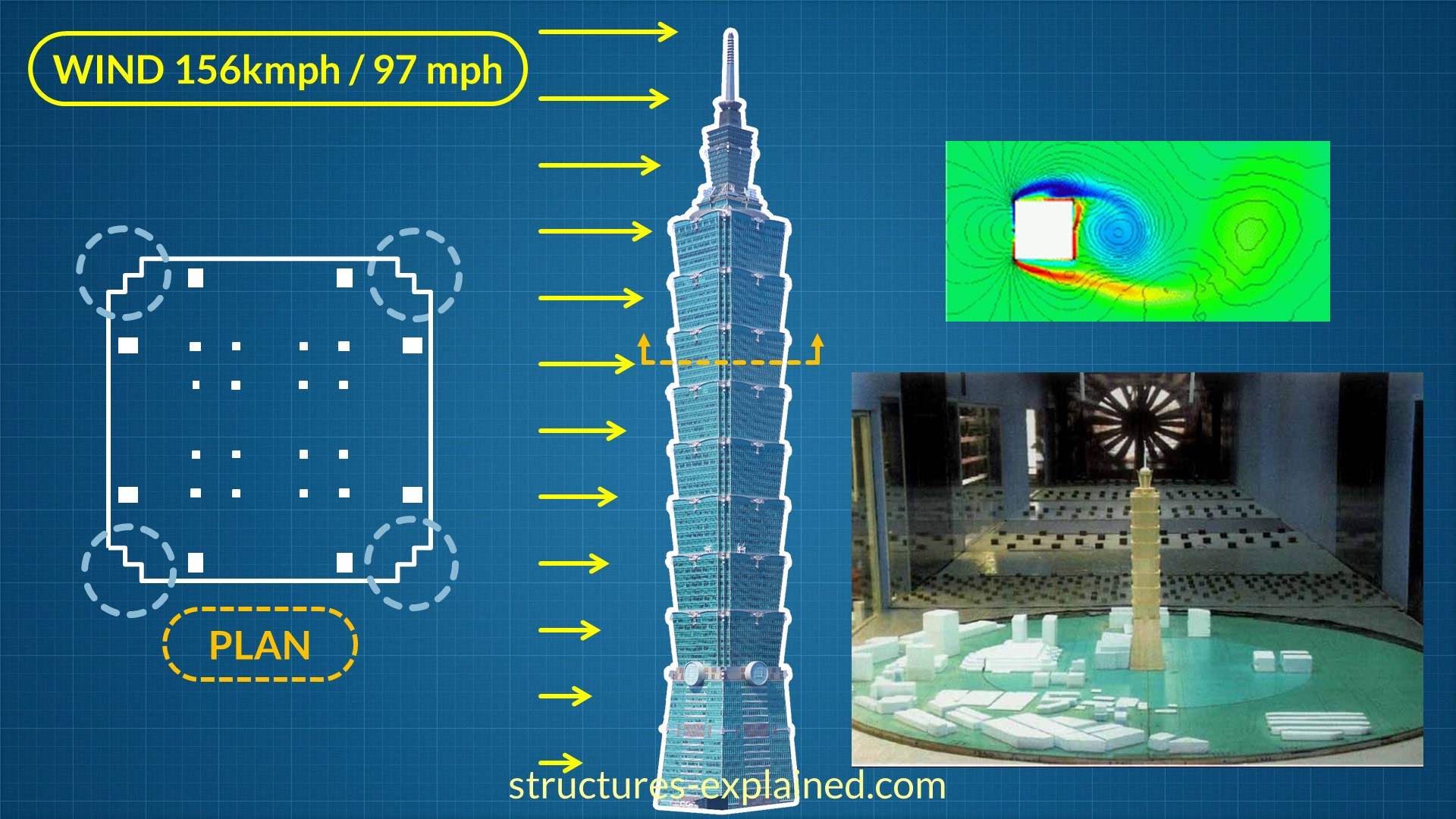
wind load engineering Taipei 101
If a climber of Honnold’s renown were to attempt a building ascent, the media apparatus would respond immediately. Live streams, helicopter shots, and a cascade of posts would magnify both the act and its consequences. That amplification changes the act’s meaning: it's no longer a private test of limits but a public performance with social, legal, and economic reverberations.
PUBLIC SAFETY AND EMERGENCY RESPONSE
One crucial factor is the burden placed on emergency services. Fire departments and high-angle rescue teams train for rare but real events. An unauthorized climb could demand costly, risky operations. Evacuations might endanger building occupants and first responders. These are not abstract concerns; the financial and human costs of rescue and disruption matter deeply to city planners and taxpayers.
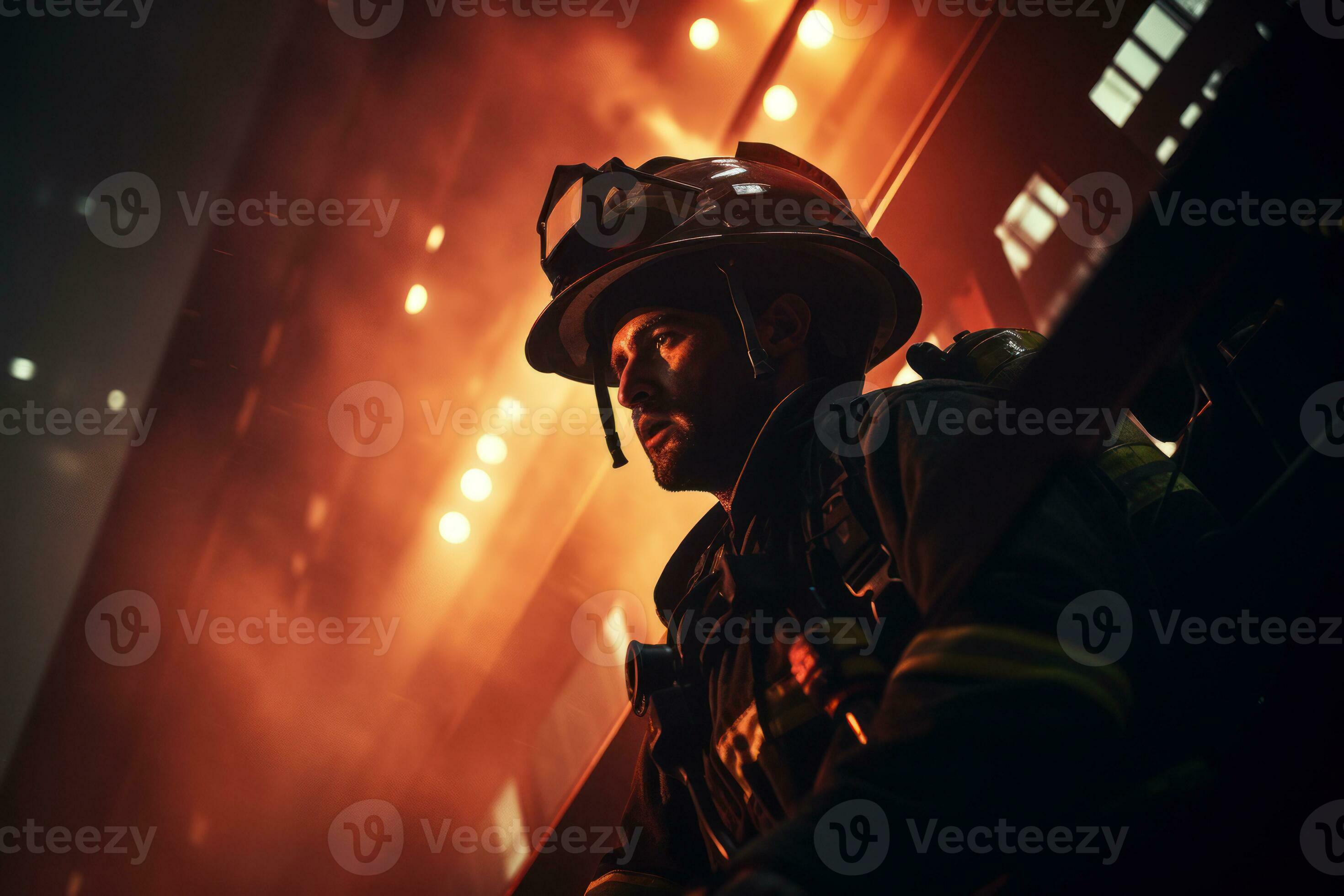
emergency response skyscraper rescue
Urban authorities therefore have legitimate incentives to prevent such events. Permitted stunts are often insured, coordinated, and subject to rigorous safety planning. Unauthorized attempts remove those safeguards, creating a moral hazard with real-world consequences.
IF IT HAPPENED: SCENARIOS AND OUTCOMES
Giving the imagination free rein, here are plausible outcomes of an unauthorized skyscraper free-solo:
- Intervention and arrest: Security or police intercept before reaching extreme height; legal consequences and criminal charges.
- Successful ascent under controlled conditions: If coordinated with building management, it becomes a permitted spectacle with insurance and rescue plans, reframing the act as performance rather than clandestine risk.
- Accident with casualties: The worst-case scenario involves a fatal fall, collateral injuries from falling debris, and an emergency response that costs lives and public resources.
Which of these outcomes occurs depends less on bravado and more on planning, permission, and luck — three variables notoriously unreliable in high-risk stunts.
WHAT THE CLIMB MEANS FOR THE CLIMBING COMMUNITY
For climbers, Honnold's hypothetical skyscraper ascent triggers debates over culture and responsibility. Some would argue that pushing limits inspires progress and normalizes previously unimaginable achievements. Others would warn that public, rope-free stunts on buildings could encourage copycat behavior among less skilled individuals who lack the judgment or training to manage the true scope of risk.
The climbing community values skill, humility, and stewardship. When a climber turns a building into a stage, the dialogue must balance admiration for technical excellence with insistence on responsibility toward the public and the climbing community's reputation.
CONCLUSION: RISK, RESPONSIBILITY, AND REVERENCE
A hypothetical Alex Honnold free-solo of Taipei 101 is a useful thought experiment. It forces us to separate the romantic appeal of dazzling feats from the cold realities of physics, law, and ethics. Climbing, at its best, is a discipline of preparation, respect for objective danger, and communal responsibility. A rope-free ascent of a 508-meter tower would turn those values into a public spectacle with global consequences.
If the goal is inspiration, there are ways to inspire that minimize collateral risk: sanctioned challenges, well-coordinated demonstrations, or media projects that emphasize safety and education. If the goal is provocation, the consequences can be severe, ranging from legal prosecution to loss of life.
Ultimately, the imagined image of a single human silhouette climbing a city tower remains a powerful metaphor for limits and longing. Marveling at human capability is natural; endorsing exposures that put others at risk is not. The right balance recognizes courage while insisting on care — for oneself, for first responders, and for the urban communities that would bear the consequences.
An imagined scenario: how skill, law, engineering and ethics collide when extreme sport enters the city.