I’d Watch One Movie 100 Times for $1M — My Pick
Imagine a stack of cash and a very simple contract: you get $1,000,000 if you sit through the exact same film one hundred times over the next forty days. No rewinding allowances beyond the natural play/pause, no switching titles. The clock keeps ticking, life goes on, and every time the credits roll you press play again. Which film do you choose? The question is rhetorical, but the choice is real — and it reveals as much about stamina, taste, and strategy as it does about cinematic preference.
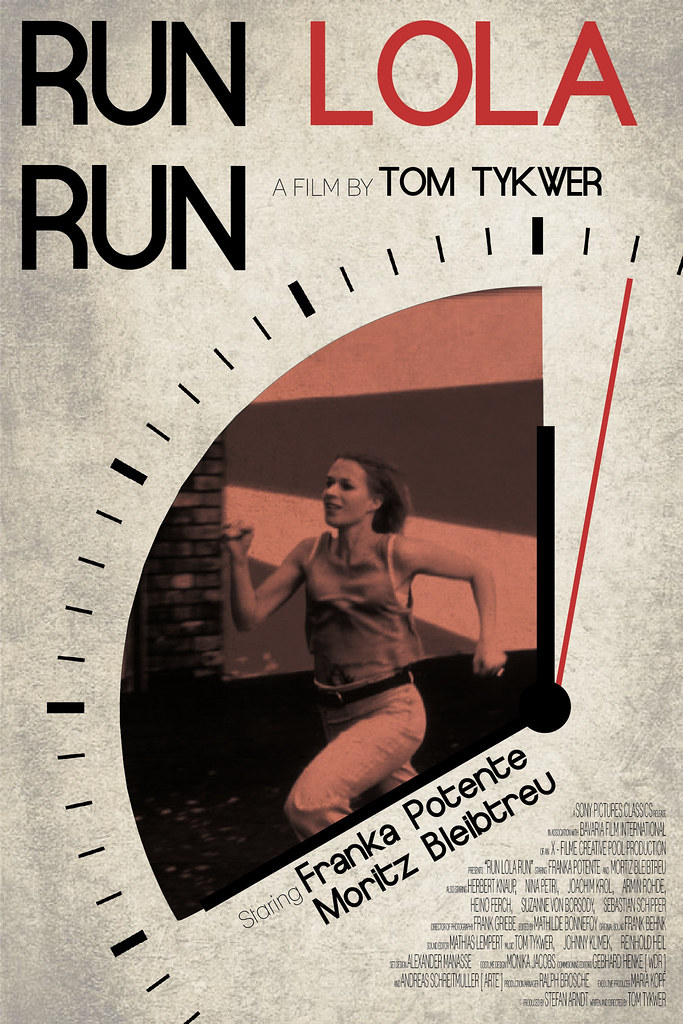
Run Lola Run movie poster
The Pick: Why I’d Choose Run Lola Run
I would pick Run Lola Run (1998). Short, kinetic, and structurally built on iteration, Tom Tykwer’s film is an oddly perfect match for compulsory repetition. It runs about 80 minutes depending on the cut, which matters enormously when you need to stack a hundred screenings into forty days. More importantly, the film’s form gives you variety within the repetition: three alternate runs of a single premise, rapid-fire editing, an adrenaline-charged techno score, and a density of visual detail that rewards close, repeated attention.
The Math — How Much Time Is This, Really?
Concrete math is clarifying. At roughly 80 minutes per screening, 100 viewings equal 8,000 minutes — that’s 133.33 hours in total. Spread across 40 days, you’re looking at about 3.33 hours of viewing per day. If you choose a 100-minute film, that jumps to 166.7 hours total and roughly 4.17 hours per day. The difference of 44 minutes per day over 40 days is the difference between manageable and grueling. Runtime matters.
Why this film works: Form Meets Function
Run Lola Run succeeds as the chosen film for several overlapping reasons.
- Short, sharp runtime. The tight length means each day’s quota is lighter. You can fit multiple viewings around work and sleep without collapsing your schedule.
- Built-in variation. The film itself repeats a scenario three times with different outcomes. Watching those three permutations in sequence primes you to notice micro-choices and pattern changes, and after many runs you’ll be able to predict edits, camera moves, or music cues — which becomes a game rather than rote tedium.
- High sensory reward. The kinetic soundtrack and bold visual language deliver consistent pleasure. Repetition without reward is punishment; repetition with audiovisual payoffs becomes ritual.
- Layered detail. The movie hides tiny visual touches that reward focused viewing — graffiti, posters, cutaways, background characters. That’s fertile ground for keeping attention alive over hundreds of repetitions.
Repetition is less about being bored and more about discovering degrees — of sound, of framing, of story.
A Practical Watching Strategy
Watching 100 times is a logistical task as much as it is a cultural experiment. Treat it like training for an endurance event: plan, vary, rest, and keep accurate records.
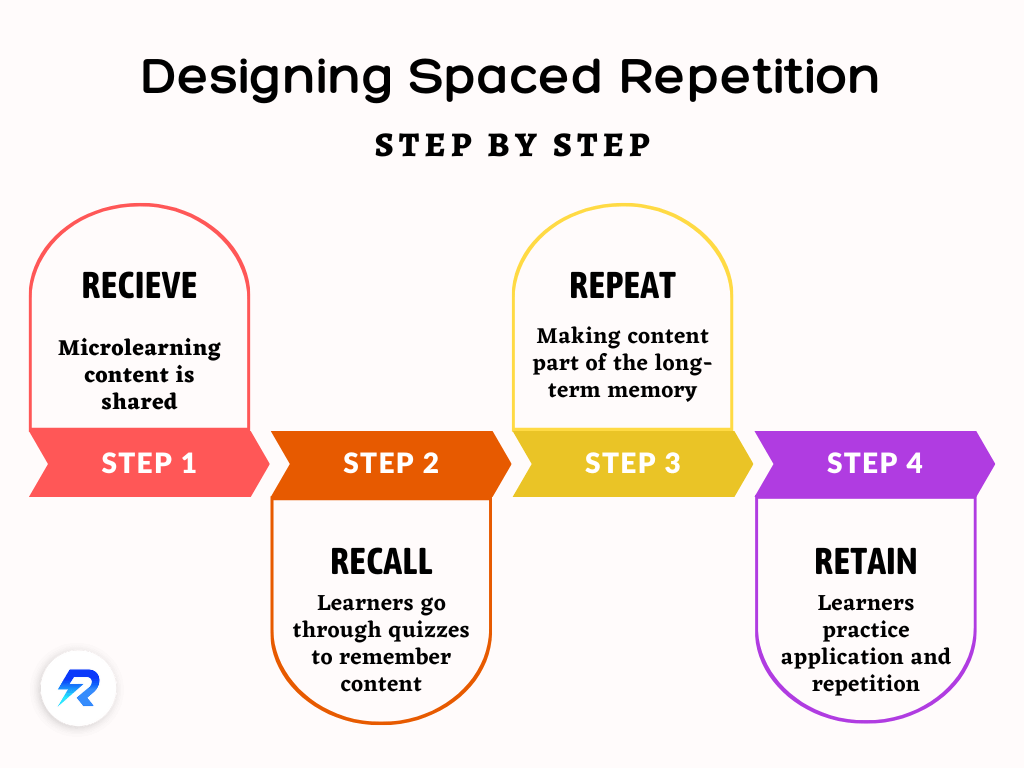
movie repetition viewing strategy
- Split the day. Instead of doing four hours straight, break the viewing into chunks. Morning watch (1), mid-day watch (1), evening watch (1), late-night watch (possible 4th). Spacing prevents fatigue and gives you time to process and savor.
- Vary how you watch. One viewing with subtitles, one without. One listening-only while cooking. One with the volume turned up to focus on score. One watching on a small screen, another on a larger display. These variations change the sensory foreground and keep neural novelty.
- Use notes and games. Keep a watching journal or spreadsheet: record timestamp cues you find interesting, frame freezes that show different background details. Turn parts of it into a scavenger hunt: how many times did a certain prop appear? When did a specific line gain meaning?
- Alternate companions. Watch alone for analysis, with a friend for commentary, or in silence as living-room background. Social viewing breaks monotony and creates different emotional textures.
Health, Sleep, and Cognitive Safety
There’s a temptation to treat this as a stunt: skip sleep, binge until the contract’s conditions are met, then celebrate. Don’t. Cognitive functioning, mood regulation, and physical health are non-negotiable. Repetitive stimuli can lead to sensory fatigue, headaches, or even dissociative distancing if pushed too far.
- Respect sleep cycles. Maintain a minimum of seven hours of sleep where possible. The challenge’s 40-day window rewards sustainable pacing more than frantic intensity.
- Take movement breaks. Every 60–90 minutes of seated watching, do a 10–15 minute movement routine: walk, stretch, eye exercises. This prevents stiffness and reduces the risk of attention collapse.
- Watch for red flags. If you experience severe headaches, disorientation, or mood instability, pause and consult a professional. No sum of money is worth long-term harm.
The Money Decision: Is $1M Worth It?
At face value, $1,000,000 for 40 days of unusual labor is enticing. But we should think beyond the headline number. There are taxes to consider, the opportunity cost of other work or creative projects, and the psychological cost. If you treat the challenge like an intense, time-limited contract (and follow the plan above), the upside is large: financial security that can transform life decisions. The downside — burnout or regret — can be mitigated by smart planning.
If You Want to Optimize for Comfort Instead
Not everyone wants high-energy cinema for forced repetition. If your priority is emotional ease, comfort, and universal savoring, choose a warm, rewatchable film: The Princess Bride, Toy Story, or Amélie. These films cushion repetition with affection and bright moments that don’t reward close forensic analysis but instead deliver repeated emotional warmth.
Alternate Smart Picks and Why They Work
- Groundhog Day. Meta-thematically appropriate and rich in nuance, though a bit longer.
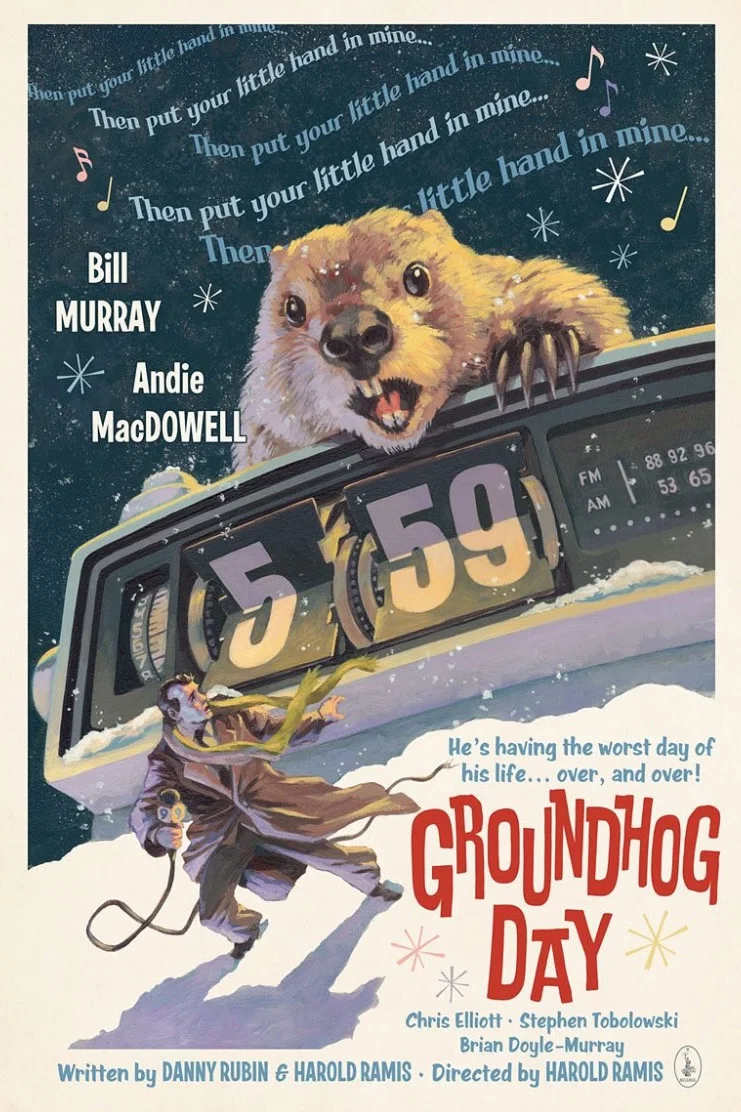
Groundhog Day film poster
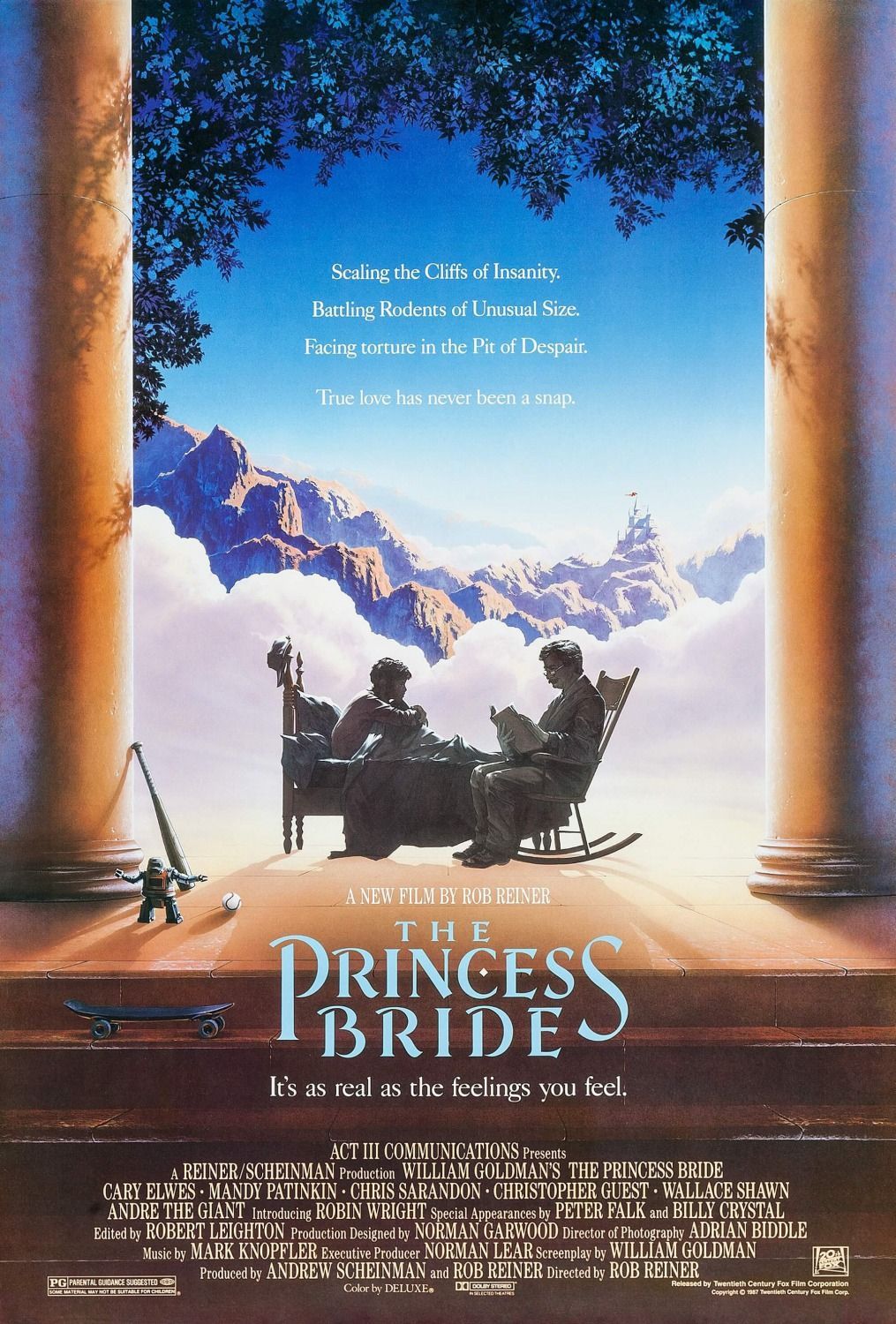
- The Princess Bride. Quotable, short, and restorative; a comfort pick for diverse audiences.
The Princess Bride movie poster
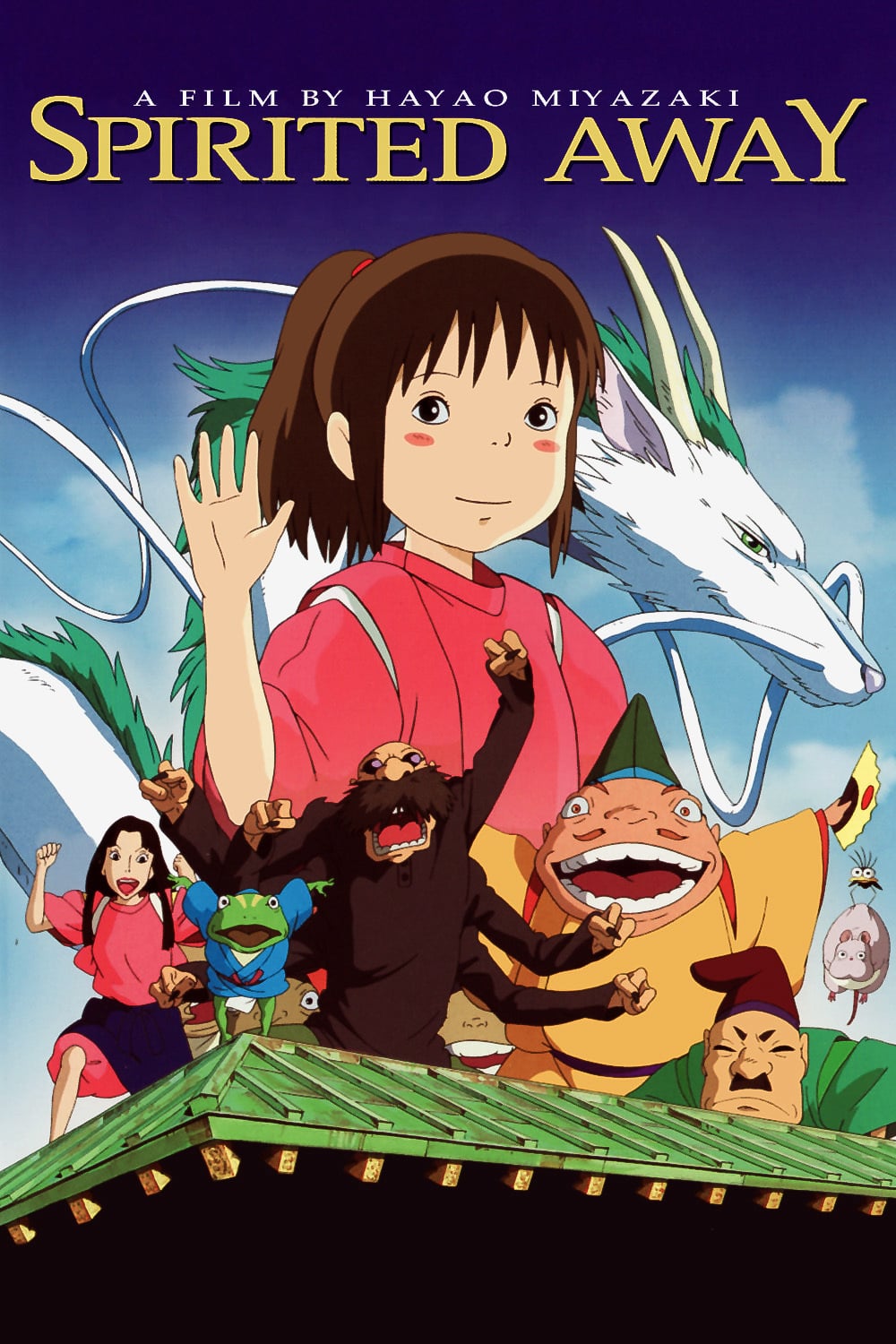
- Spirited Away. A layered animation with visual richness that yields new details on repeat viewings.
Spirited Away animated film
- Run Lola Run (the pick). Short, variable, sensory-forward.
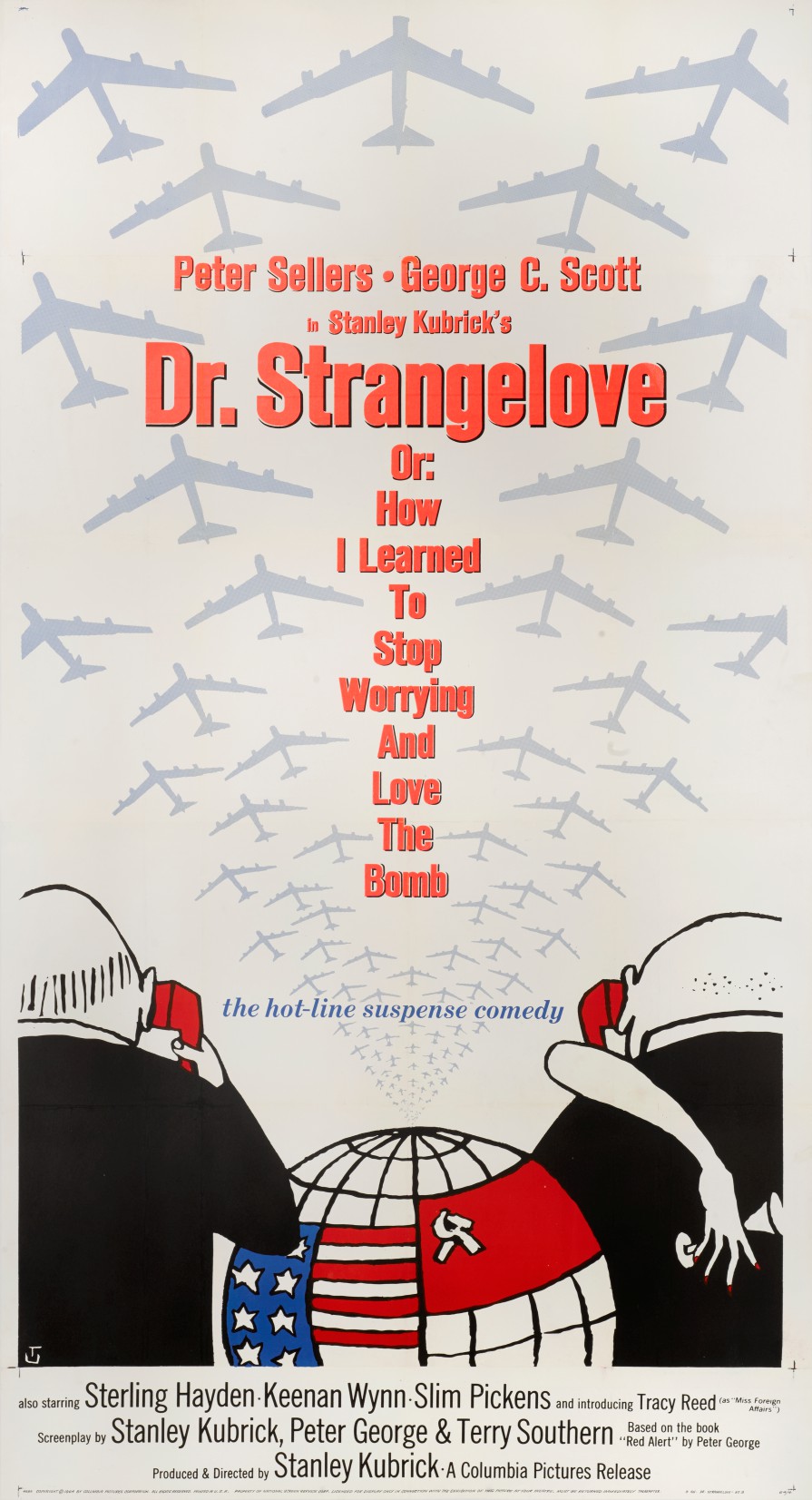
- Dr. Strangelove. If you want satire and dense dialog to dissect.
Dr Strangelove film poster
Experience Design: Make Repetition a Game
The mind can be trained to treat repetition as a puzzle rather than punishment. Turn each viewing into a different objective: one run equals a focus on sound design, another on costume changes, one on color grading, one on pacing. By changing the 'win condition' you keep novelty alive.
What You Gain (Besides Cash)
Watching the same film one hundred times won't just net you a bank balance. It trains your attention, refines your sense of craft, and — if you're open to it — deepens your relationship with the work. You learn to hear previously unnoticed musical cues, to see background actions that foreshadow outcomes, and to appreciate editing choices that shape emotional tempo. For someone who cares about film craft, the exercise can be as educational as a short intensive course.
A Sample 40-Day Plan
Here's a sustainable template that hits ~3.33 hours per day using an 80-minute film:
- Morning (07:30–09:00) — Watch #1. Take 15 minutes to journal impressions.
- Afternoon (13:00–14:30) — Watch #2. Brief walk after.
- Evening (19:30–21:00) — Watch #3. Watch with a friend or partner twice a week to break the pattern.
That schedule gives you three screenings daily for most days and four on lighter workdays; spread smartly, it's sustainable and even pleasurable.
Final Considerations and Ethics
There's an ethical wrinkle: if you choose a film with heavy or traumatic content, repeated exposure could have cumulative effects. Pick a film you can live with — emotionally and ethically. Also consider whether the contract allows alternate formats (audio-only counts? foreign-language dubs?). If so, use those variations to protect mental bandwidth while still meeting requirements.
- Choose a short, layered film to minimize daily viewing time and maximize discovery; Run Lola Run fits that bill.
- Plan a sustainable schedule with movement and sleep prioritized.
- Vary viewing conditions and make the task a game to preserve attention and morale.
- Watch for health signals; pause if symptoms appear.
Conclusion
The million-dollar, one-hundred-viewing thought experiment is as much a test of planning and psychology as it is a question of taste. Run Lola Run is my pick because it aligns formal design with the mechanics of repetition: short runtime, intentional variation, and sensory immediacy. With a careful schedule, attention to health, and a playful approach to viewing objectives, the stunt becomes a strange kind of cultural apprenticeship — a way to see how much depth exists in a work you thought you already knew. And if the money is real, well, sometimes discomfort is the price of freedom. But only if you survive it with your curiosity intact.