IBM, Anthropic and the Day Markets Repriced Legacy Tech
IBM logo
On Monday, trading floors and laptop screens alike registered a jolt: IBM shares tumbled roughly 13 percent, a single‑day loss not seen in decades, after Anthropic unveiled a new programming‑oriented capability for its Claude family that promises to automate much of the labor‑intensive work involved in modernizing COBOL codebases. For investors, customers and CIOs who have long counted on the predictability of mainframes and the consulting dollars that surround them, the announcement felt less like incremental progress and more like a structural threat—one that forced a rapid reappraisal of how value is created and captured in enterprise IT.
What Happened
The market reaction was swift. IBM’s share price fell in double digits, wiping billions from the company’s market capitalization in hours and catalyzing selling across related software and services names. Headlines framed the drop as a direct consequence of Anthropic’s demonstration that advanced AI can map, understand and suggest modernization steps for code written in COBOL, the decades‑old language that still underpins critical systems in banks, insurers, government agencies and airlines.
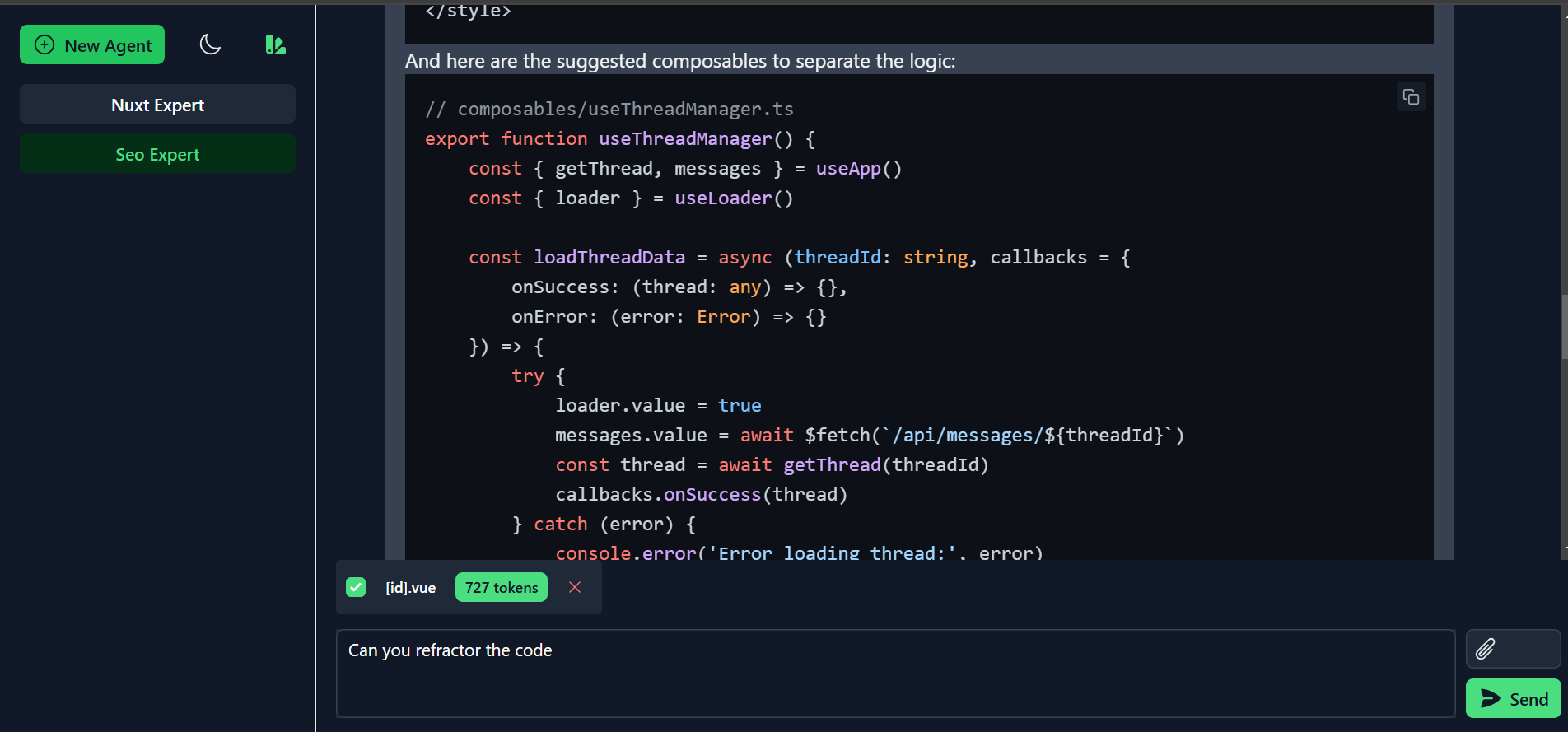
Anthropic Claude Code interface
The trigger: automation of legacy code
At the core of the panic was a simple idea: if an AI can accurately interpret, document and propose safe modernization paths for millions of lines of COBOL—tasks that historically required teams of specialists, lengthy audits and expensive migration projects—then the time and revenue associated with those projects could shrink dramatically. For companies that have monetized the scarcity of COBOL expertise by selling mainframes, migration consulting and long support contracts, the prospect of accelerated automation translates into margin risk.
"The story isn’t just ‘AI can write code’—it’s that AI could replace entire classes of consulting labor built around translating legacy systems into modern platforms."
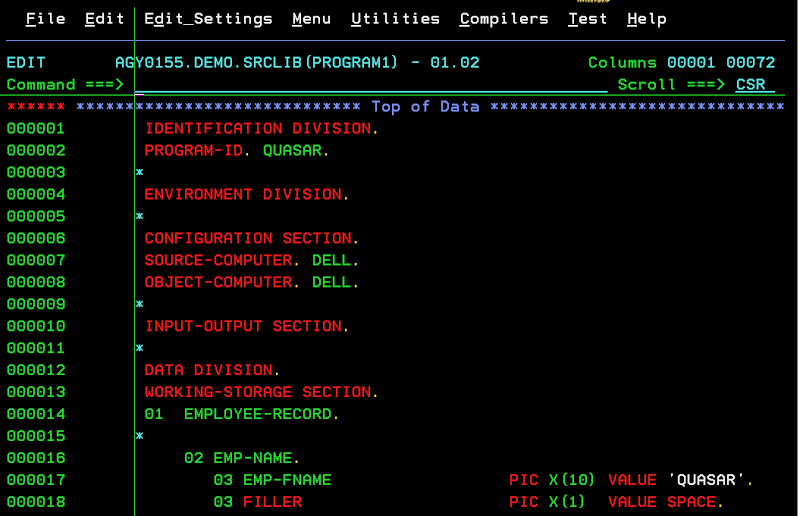
COBOL programming language code
Why Anthropic’s COBOL Play Matters
COBOL is an unusual economic asset: old, obscure to new graduates, yet deeply embedded in mission‑critical infrastructure. Many institutions still run core transaction processing on mainframes where COBOL programs orchestrate accounting, settlements and customer records. Modernizing this environment has been costly and risky—so costly, in fact, that many organizations postpone upgrades and purchase long support windows instead. That inertia created a profitable ecosystem for companies that offered mainframe hardware, runtime environments and the consulting expertise to migrate or maintain those systems.
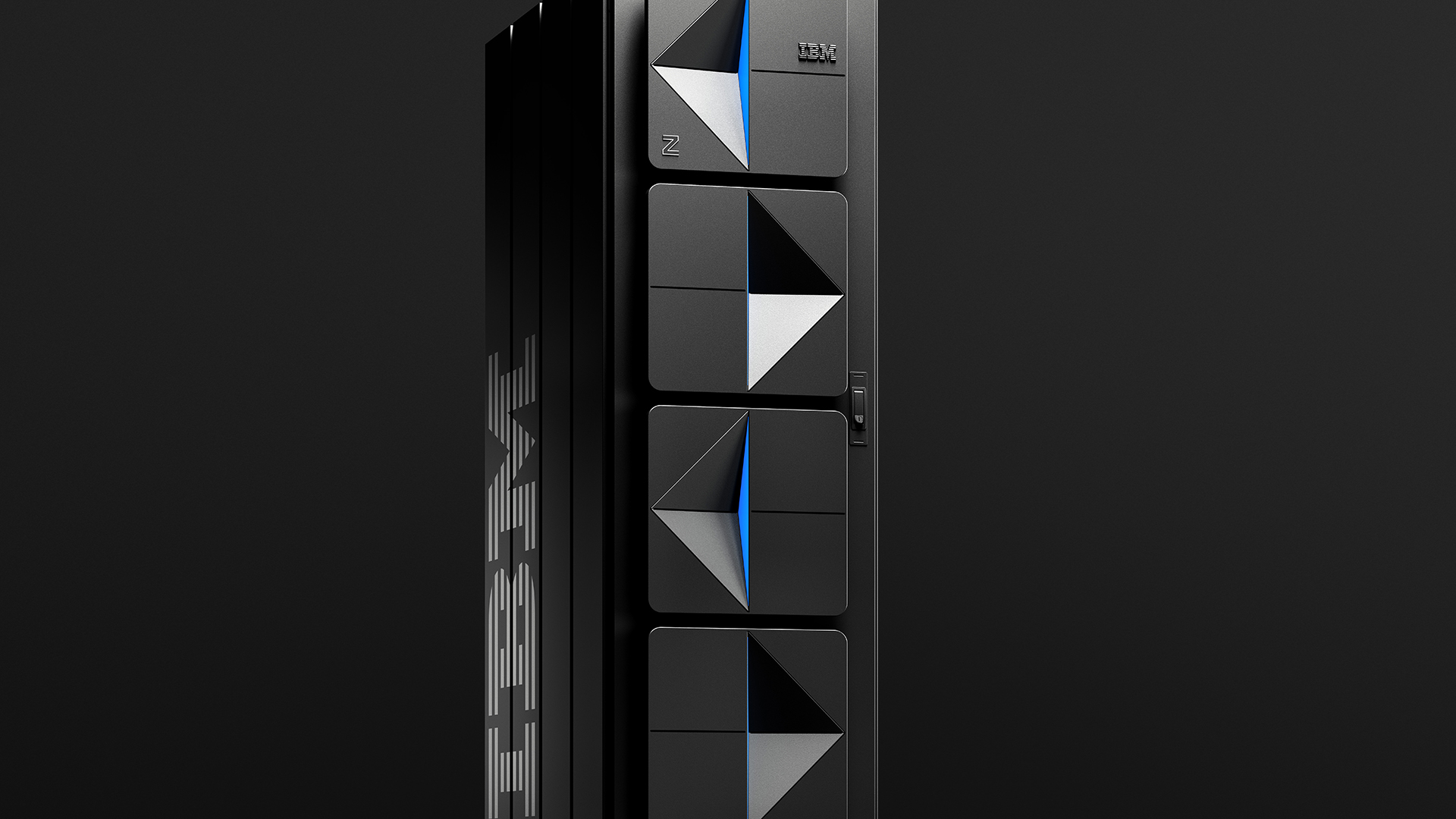
IBM mainframe systems
From scarcity to automation
If an AI can read dependencies across modules, infer business logic, surface risk, and suggest refactorings or replacements, it collapses a large part of that cost curve. The immediate economic impacts are threefold: faster project timelines; lower direct labor costs; and lower premium for vendor‑anchored modernization services. For a company like IBM—historically a stalwart in mainframes and enterprise services—those effects hit the revenue model where it is most sensitive: professional services margins and long‑term maintenance contracts.
Historical Context: Why 2000 Keeps Coming Up
Analysts and journalists invoked October 2000—the tail end of the dot‑com era—as a touchstone for dramatic single‑day losses in legacy technology names. That comparison is emotionally powerful: it draws a line from a time when sudden narrative shifts revalued entire business models. The difference today is that the driver is AI, not rampant speculation about internet companies. Still, the market behaves the same way when a new narrative crystallizes: uncertainty spikes, models are re‑tested, and prices move until investors can assess durable impacts on cash flow.
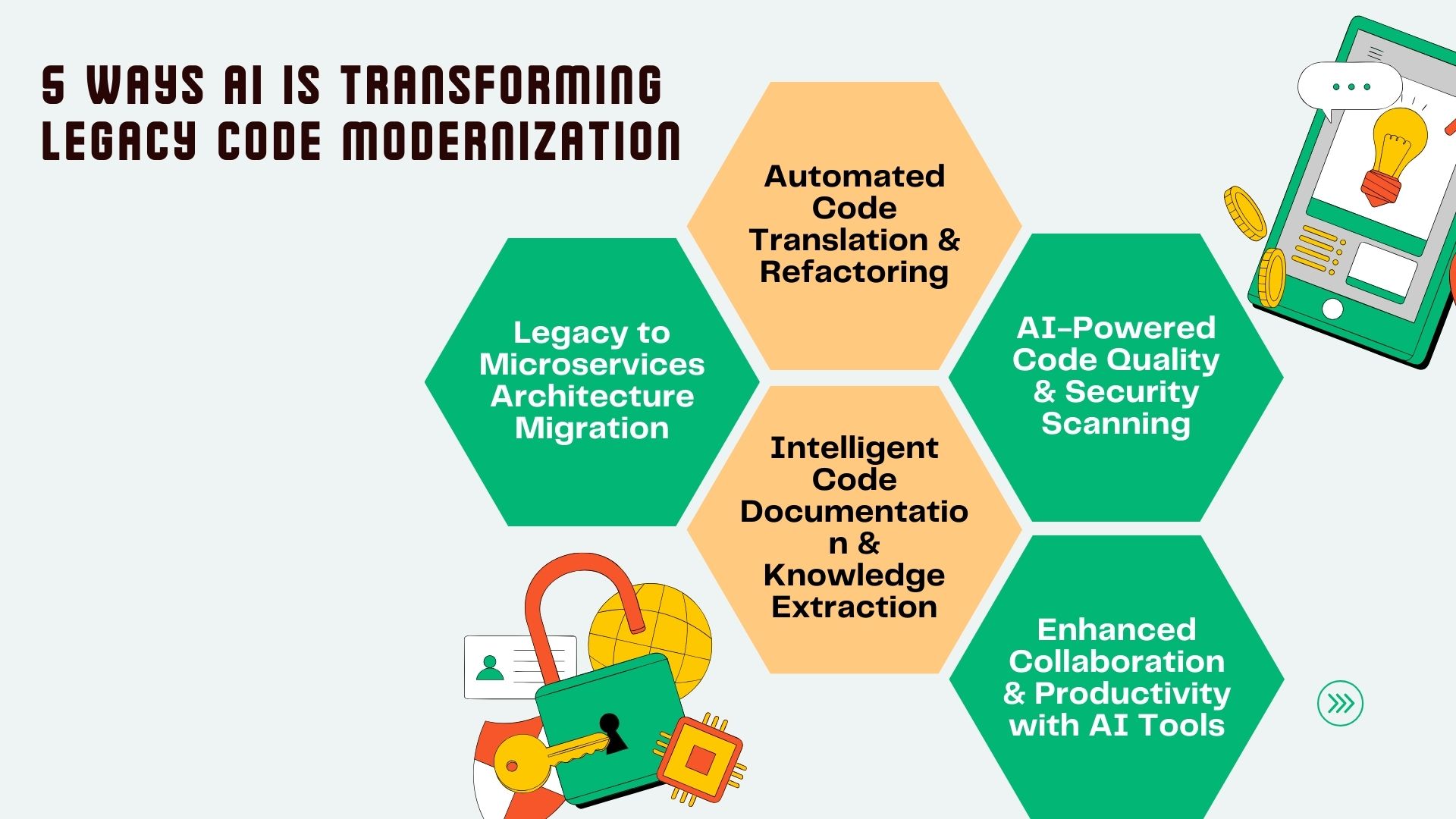
Legacy code modernization
Is the market overreacting?
There are good reasons to suspect the sell‑off includes an overreaction component. Revenue streams tied to legacy systems are sticky—enterprises cannot rip and replace core banking ledgers overnight. Contracts, regulatory approvals and the practical realities of migration create long implementation horizons. But markets price expectations, not realities, and the expectation that some portion of that work will be cheaper and faster is enough to force a rerating.
What This Means for IBM
IBM is not just a mainframe vendor; it’s a diversified technology and consulting company with cloud offerings, software suites and an AI product stack. Nonetheless, the headline risk is clear: a concentrated revenue pool exposed to legacy modernization is vulnerable to any technology that materially reduces the cost of that work.
—damage, long—term questions
In the short term, investors will watch guidance, contract renewals and announcements of competitive responses. IBM can respond in multiple ways: accelerate its own AI tooling to integrate with mainframes, offer migration‑as‑a‑service at competitive prices, or lean into contracts and ecosystems where trust and security advantages favor incumbents. The company’s balance sheet and installed customer base give it time, but not immunity.
Broader Market Implications
The ripple extended beyond IBM. Stocks in consulting, cybersecurity and enterprise software were repriced as investors considered how AI tools could automate not only code modernization but a raft of previously high‑touch enterprise services. Security firms worried about automated vulnerability scanning that finds problems faster; system integrators saw their pipelines challenged; and cloud providers weighed both risk and opportunity in hosting an influx of automated migration workloads.
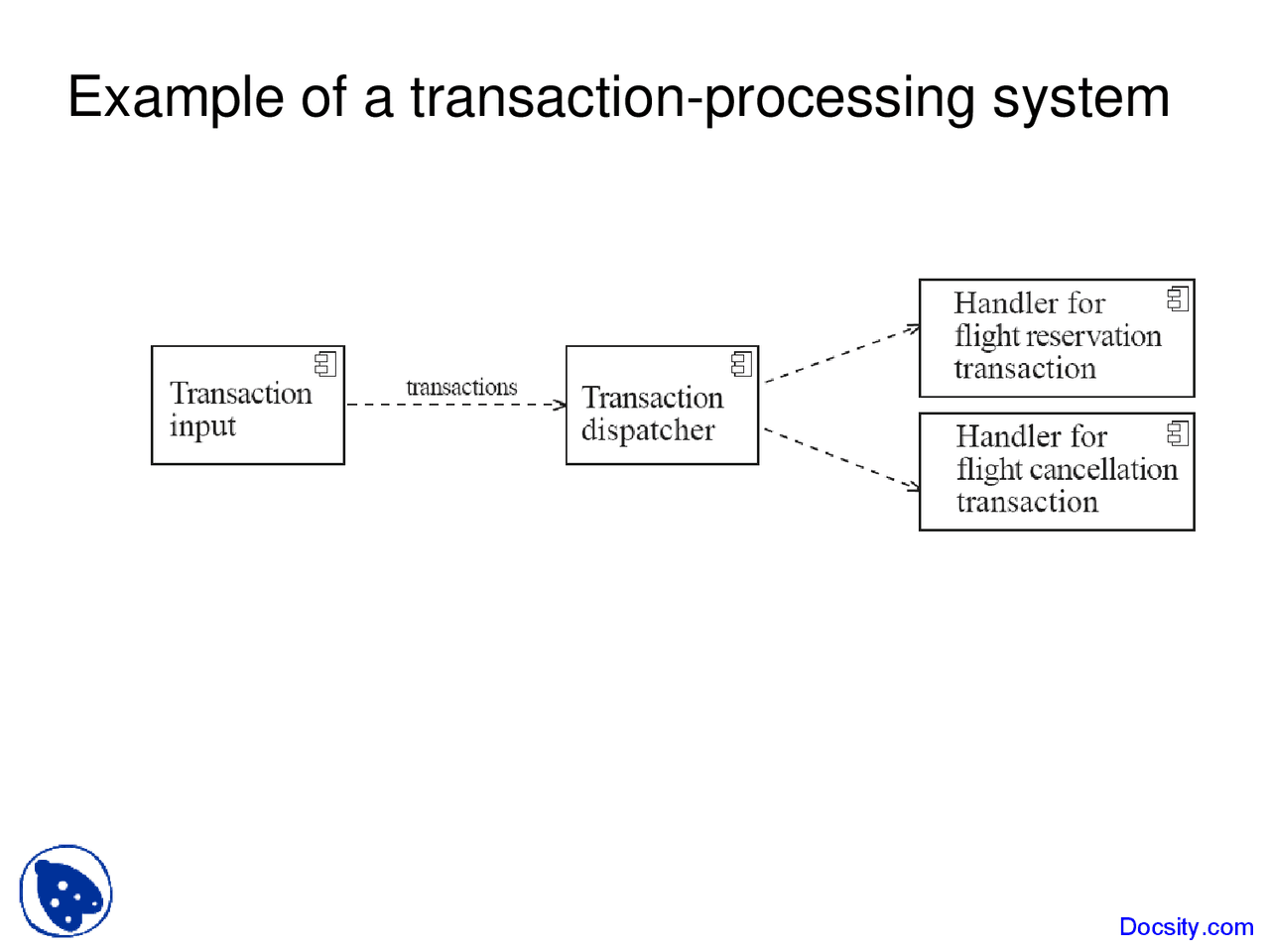
Banking transaction processing systems
Winners, losers and the gray area
Some firms may benefit from the change: cloud natives that offer tooling to host modernized workloads, niche vendors that provide AI‑assisted validation, and companies that can bundle automation with strong SLAs and indemnities. Others that rely heavily on high‑margin consulting engagements tied to legacy systems will face pressure unless they pivot quickly.
What Enterprises Should Consider Now
For CIOs and CTOs, the arrival of credible AI assistance for legacy code is a call to reframe strategy. It does not mean immediate migration is always the right choice, but it changes the calculus. Project timelines can compress, budgets can shrink, and internal skills planning must adapt.
AI code automation tools
A pragmatic three‑point checklist
- Inventory risk and value: Identify the most critical COBOL workloads and measure business impact, not lines of code.
- Pilot automation: Run controlled pilots with AI tools to validate coverage, false positives and governance needs before full‑scale rollout.
- Negotiate contracts: Revisit vendor and partner contracts with updated scope and pricing assumptions—lock in SLAs for security and continuity.
These steps help organizations capture efficiency gains without exposing themselves to unexpected downtime or compliance breaches.
Regulatory, Security and Ethical Dimensions
Automating interpretation of legacy systems is not purely technical: regulators and auditors will want to see proof that automated changes preserve compliance, data integrity and traceability. Security teams must also confront new attack surfaces—automated modernization tools can surface vulnerabilities more quickly, but they also create high‑value targets if adversaries learn to manipulate the automation pipeline.
Investor Playbook: How to Watch This Story
Investors should treat the event as a signal rather than a verdict. Key items to watch in the coming quarters include: contract renewals for large financial and government accounts, IBM’s product response or partnerships, speed and quality metrics reported by AI tool vendors, and guidance changes from system integrators that historically relied on legacy modernization work.
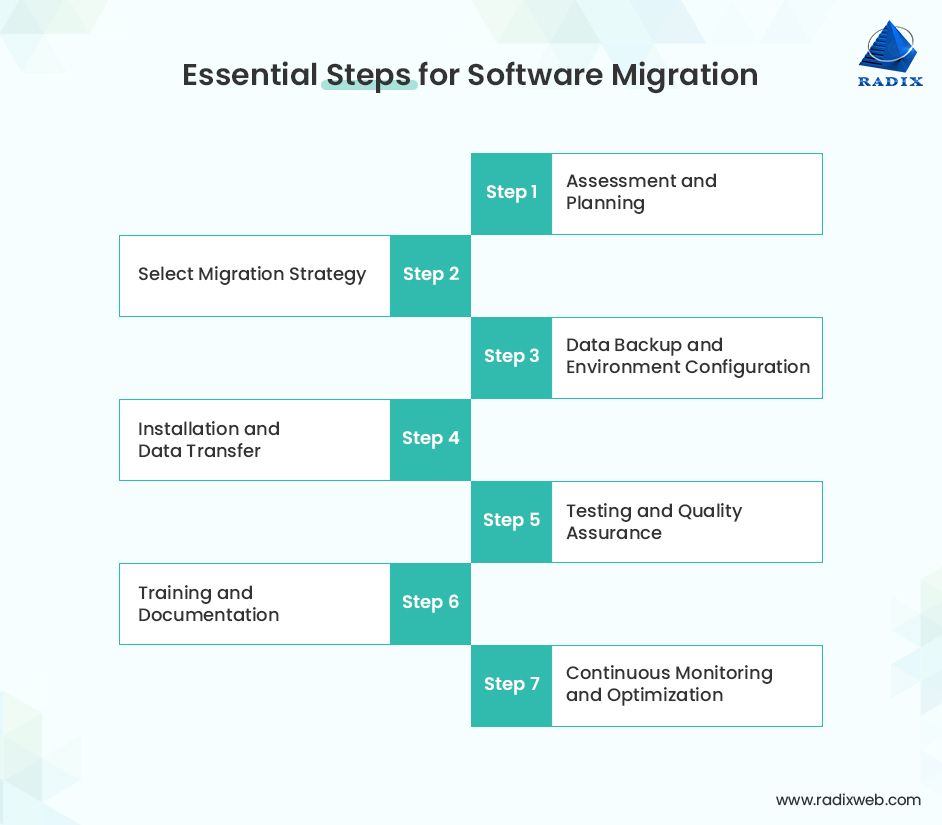
Enterprise software migration
Short‑term indicators
- Earnings commentary: management language about exposure to COBOL/migration revenue.
- Customer wins/losses: any public enterprise decisions to switch modernization vendors.
- Tool adoption data: pilot case studies or independent validations showing cost and time savings.
Possible Scenarios
Supply‑side adaptation could blunt the shock. IBM could incorporate similar automation into its consulting stack, preserving much of the margin through new service models. Alternatively, third‑party automation could commoditize the work and force price competition. A middle path—where incumbents partner with or acquire AI specialists—would preserve value but compress margins.
- Faster modernization reduces operational risk.
- Lower cost for public institutions and banks.
- New market for AI validation and security services.
- Revenue pressure for legacy—service providers.
- Potential job dislocation for specialized consultants.
- Regulatory and security complexity in automated changes.
Conclusion
The market’s reaction to Anthropic’s announcement was emphatic because it forced a re—examination of a quiet but valuable corner of enterprise IT. IBM’s stock drop reflects the re—pricing of future expectations rather than an instantaneous collapse of its business. Still, the episode crystallizes a broader truth: AI is not merely a feature that accelerates existing workflows—when it targets scarce human expertise embedded in revenue models, it can change who captures value in the technology stack.
Key Takeaways
- Anthropic’s COBOL automation announcement triggered a swift market re—rating of IBM, reflecting fears about legacy modernization revenue.
- The sell—off likely contains both rational re—pricing and short—term investor overreaction; migration realities create natural frictions.
- Enterprise leaders should pilot AI tools, secure auditability and renegotiate vendor terms to capture savings safely.
- Investors should monitor customer contracts, IBM’s strategic responses, and adoption metrics from AI tool vendors.
Market narratives shift quickly in an era where software firms can automate scarce expertise. IBM’s dramatic single—day drop is a reminder that incumbents must move faster than ever to translate technological leadership into business model resilience.