I Won the Lottery 11 Years Ago and Never Told My Family
The first thing I did after the call confirming the numbers was sit down on my kitchen floor and laugh until I felt dizzy. The second thing I did was put my phone in another room and breathe. There are clichés about winning the lottery—cars, champagne, televised confessions—but the truth, for me, began with shock, then strategy, then secrecy. Eleven years later, my family still doesn't know. This is how and why I kept it that way, what I learned managing a sudden multi-million-dollar windfall in private, and what I wish I had known at the start.
lottery ticket validation check
The Moment Everything Changed
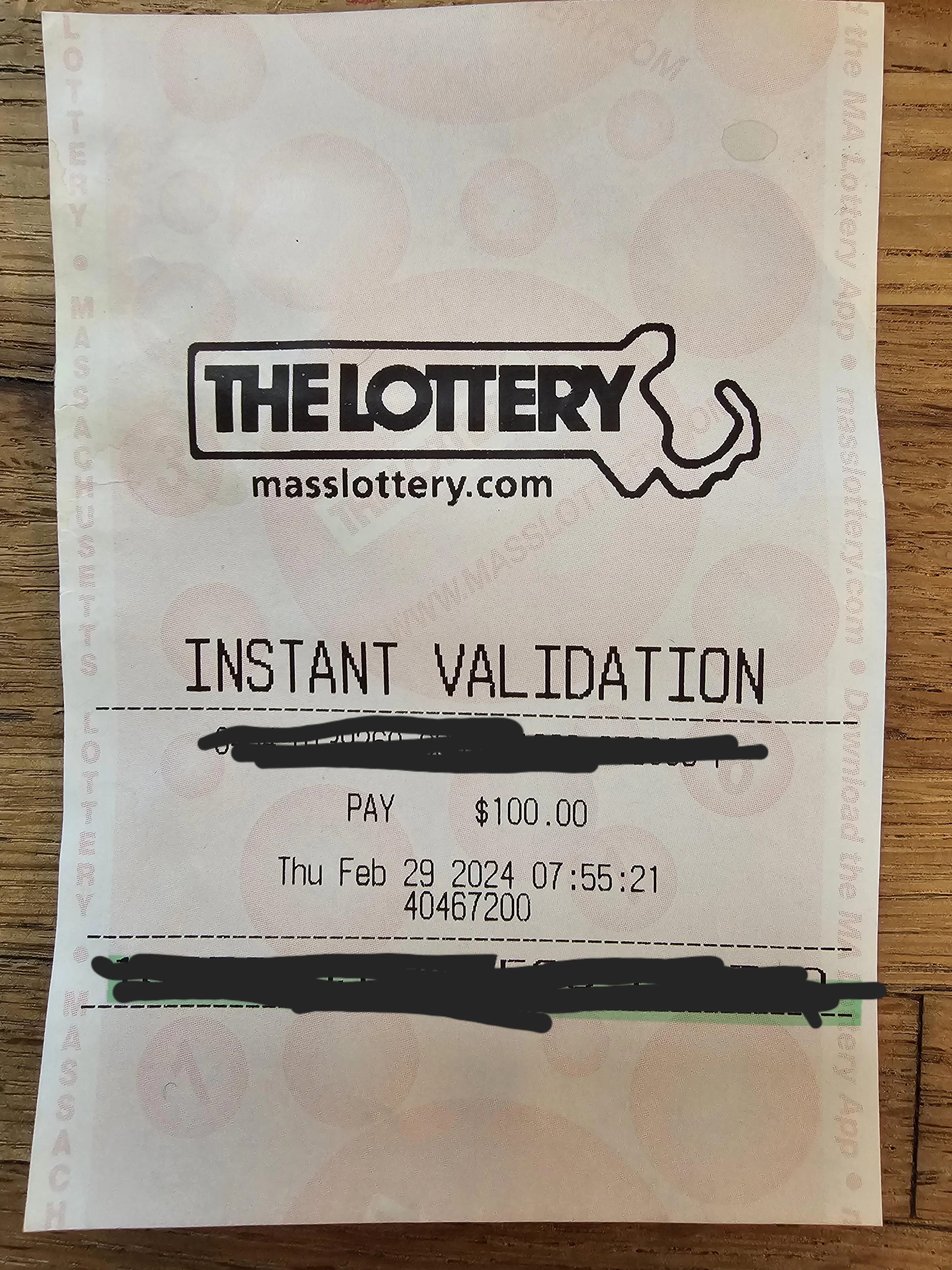
The moment was anticlimactic in detail and seismic in consequence. I checked the ticket because I couldn't sleep. The numbers matched. I made the call to the lottery hotline, was directed to an agent, and spent an hour going through identity checks and signing forms in a haze. After the validation paperwork, the legal reality followed: taxes, possible publicity, and a very real need for professional help. My life didn't flip overnight into an Instagram-ready fantasy. It rearranged itself privately and slowly, like the subtle way a room shifts when furniture is moved at night.
Immediate Aftermath
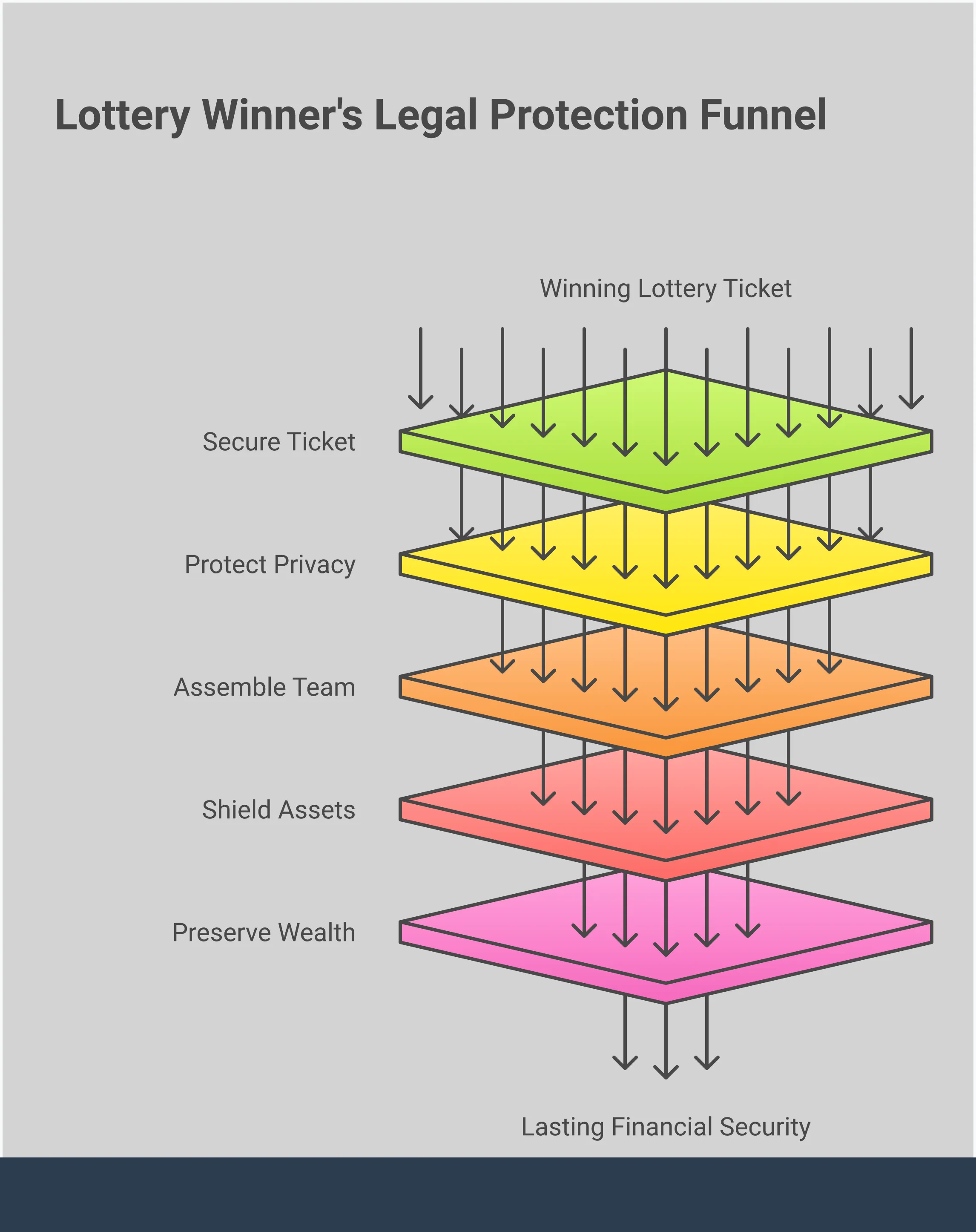
I hired an attorney and a certified financial planner within a week. That sounds extravagant; it was the opposite. They were my firewall. With help, I learned the language—gross vs. net, lump sum vs. annuity, withholding, estimated payments—and I learned the levers I could use to protect the money and my identity. I established an entity to claim the prize in states that allowed it, and we explored anonymity options. Those early steps were about more than legality; they were about buying time and building a plan.

financial planner attorney meeting
Why I Kept It Secret
There is a simple way to summarize why I told no one: control. But that single word hides layers of motivation. Control over my emotional reaction, control over how and when other people's lives would be affected, and control over a narrative I didn't owe anyone before I had fully processed it myself.
I also feared the obvious: family members asking for loans, friends reorienting their expectations, strangers knocking at my door, and the slow erosion of boundaries as relationships turned transactional. I have seen stories where an announced win catalyzed petty quarrels, opportunistic requests, and long-term dependency. Eleven years away from a ticker-tape parade, I can say those fears were not paranoia; they were a sober calculation about human behavior under pressure.
Keeping it secret gave me the only commodity I felt I had left: time to decide who I wanted to be with this money.
How I Managed the Money in Private
There is a technical side to managing a jackpot and a human side. On the technical side, I chose a mix of conservative investments aimed at preserving capital and modest growth, diversified across equities, bonds, and alternative assets. I set up a trust with an independent trustee and staggered distributions to myself so each year felt like a salary rather than a windfall. I met with tax professionals to create an estimated tax schedule so I never owed a surprise bill that could have forced me into public exposure.
private bank statements financial
Practical Steps I Took
- Legal structure: Created a trust and an LLC to receive funds and limit public association with my name.
- Professional team: Hired an attorney, CPA, and financial advisor experienced with windfalls.
- Spending plan: Set a yearly personal spending limit tied to a percentage of the portfolio's real return.
- Privacy measures: Changed contact information when necessary, avoided public-facing accounts, and declined local media outreach.
- Philanthropy vehicle: Established a donor-advised fund for controlled giving without headline-grabbing checks.
trust LLC legal documents
These moves didn't eliminate stress, but they created boundaries that insulated my family from knowledge—and the immediate fallout that knowledge would have generated.
The Emotional Toll of Secrecy
Secrecy is not neutral. It changed how I related to everyone around me. I learned quickly that you can be surrounded by people and still feel alone because your internal reality is unshared. I could no longer vent about work stress while hiding a fact that changed every context of those frustrations. I couldn't complain about money in the house, because I was the unseen funder. That imbalance altered small daily interactions into subtle performances.

family relationship secrecy stress
Beyond loneliness, secrecy introduced a persistent anxiety: the fear of being discovered incorrectly, of a casual mention turning into a headline, of an unscrupulous acquaintance connecting dots. I started policing conversations and moderating my public life, which had downstream effects on spontaneity and relationships. At times I questioned whether the cost of secrecy outweighed the benefit of safety.
What I Lost and What I Kept
There were tangible losses: intimacy in certain relationships, the ease of casual generosity, and the warmth of shared celebration. But I kept something crucial: the ability to rebuild my life on my terms rather than being immediately reshaped by other people's needs and expectations. Privacy allowed me to test how money changed me before I allowed it to change my family dynamics.
Relationships and Moral Questions
Am I a coward for not telling my family? Am I selfish? Those questions were constant. I thought of scenarios where revelation would solve a problem—paying for a sibling's medical care, relieving parents' mortgage stress—and I wrestled with the ethics of withholding that potential help. I also considered the moral hazard: once people knew, I suspected I would stop helping spontaneously and instead be asked to fund expectations indefinitely.
So I created a compromise of sorts: when a legitimate crisis appeared that threatened long-term harm, I arranged help indirectly through third-party payments, paid contractors rather than handing over cash, and sometimes intervened anonymously. That approach let me address urgent needs while avoiding the social dynamic that would arise from open knowledge of my wealth.
The Practicalities of Being Secret
Secrecy required constant logistical attention. I reconciled bank statements, developed plausible explanations for absence or travel, and created plausible narratives for lifestyle changes that were visible but not traceable back to the jackpot. That included buying property through entities, using local professionals for maintenance rather than friends, and declining unsolicited financial advice. The work was exhausting and at times absurd; I once pretended an overseas trip was 'work-related' because the pattern of my calendar had changed and questions followed.
When the Pressure Built
About five years in, the pressure to tell the truth crystallized into two forms: one, the fatigue of lying by omission when family members began discussing inheritance plans and retirement; two, the awkward moral calculus when a close family member's financial errors escalated. In those moments my secrecy felt less like prudent self-protection and more like an active harm of omission. I began journaling and eventually sought therapy to help weigh risks without being swayed by panic.

therapy session wealth management
Keeping a secret of this scale is not just about concealment; it's about managing guilt, fear, and responsibility for the long haul.
What I Would Have Done Differently
With eleven years of hindsight, there are concrete things I would change. I would have set clearer written rules about what to disclose and when. I would have designated a single confidant—a professional bound by privilege—so the emotional load didn't fall entirely on me. I would have been more deliberate about philanthropy early on to create a visible channel for generosity that didn't require personal disclosure. And I would have planned a staged disclosure strategy for family conversations, rehearsed with a counselor, rather than waiting for a crisis to force the timeline.
Practical Advice for Anyone in a Similar Position
- Hire qualified professionals immediately. Your first hires are strategic; pick experienced lawyers and accountants, not friends with opinions.
- Delay public announcement. Use anonymity if possible to create breathing room for planning.
- Set rules first. Decide your spending limits, giving rules, and what constitutes an emergency that would trigger disclosure.
- Protect your mental health. Therapy helps with isolation and decision fatigue that come with secrecy.
- Document your intentions. Put instructions in writing so future actions are defensible and consistent.
None of this is a roadmap that fits everyone. Context matters—family dynamics, legal environment, and personal temperament all shape the right path. But those guardrails made my mistakes smaller and my choices more deliberate.
- Privacy: Time to plan without external pressure.
- Control: Avoided immediate requests and dependency.
- Isolation: Emotional burden of secrecy.
- Complex logistics: Constant management of narratives and transactions.
The Day I Considered Telling Them
There were nights I wrote long letters and never sent them. There were afternoons when my spouse—who does not know—asked a question about money that felt like a needle under the skin. The decision to tell is less dramatic than imagined. It is incremental: you weigh risks, rehearse language, and sometimes reveal in pieces. For me, the tipping points were ethical (a preventable crisis), legal (advice to consolidate assets), and personal (wanting a partner in the decisions). I haven't fully crossed that bridge yet, but the plan for disclosure exists on paper and in therapy sessions. When it happens, it will be careful, compassionate, and framed by rules I set now rather than reactive emotions.
How My Life Looks Now
Eleven years later, my day-to-day is oddly ordinary. I still work part-time because I like the rhythm and the social contact. I travel more, yes, and I give to causes I care about through anonymous channels. The house is nicer, but I still value small rituals—coffee at the same cafe, a morning walk—that keep me anchored. Money solved many practical problems but didn't fix the deeper human ones: insecurities, relationship history, and the need for meaningful purpose.

anonymous donation charity giving
Money can buy options. It cannot buy clarity about who you are—or at least, not without intention.
Closing Thoughts and Takeaways
Keeping the jackpot secret for eleven years was neither wholly noble nor purely selfish. It was a complex defense against a cascade of relational hazards, anchored by a desire to act responsibly rather than impulsively. If you find yourself in a similar sudden-wealth situation, remember that secrecy is a tool, not an answer. Use it to design systems—legal, financial, and emotional—that allow you to live in alignment with your values.
- Buy time by assembling a professional team and using legal structures to protect privacy.
- Set spending and giving rules before you act, and automate them to avoid impulse mistakes.
- Protect your mental health; secrecy can be isolating and long-term therapy is practical, not indulgent.
- Plan staged disclosure for family conversations; consider a trusted intermediary if necessary.
Final Reflection
There is a strange intimacy to living a secret that could have changed the lives of the people I love. I am not proud of every choice I made, nor am I ashamed of the safety I sought. Time has taught me that with wealth, intention matters more than stealth. The secret preserved options; the next step—how and when to share—will test whether I can transform private abundance into shared flourishing without losing the boundaries that kept everyone safe in the first place.