
I Stuck to My Job Description After Asking for a Raise
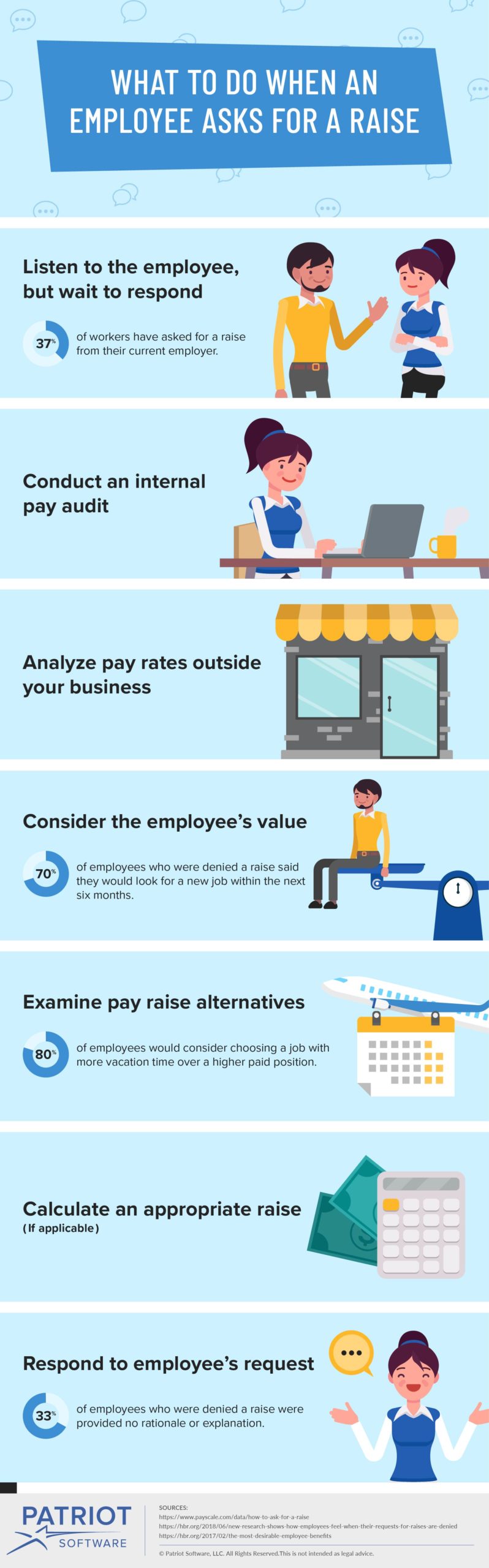
employee asking for raise
The moment felt plain and corporate: a manager brushed off a raise request with, “Then stick to your job description.” It was meant as a dismissal, a threat, and a rebuke all at once. So the employee did exactly that—documented every official duty, declined informal add-ons, and stopped filling the gaps managers and coworkers had come to expect. The result was immediate and awkward: projects stalled, inboxes filled, and the boss suddenly realized the machine relied on work that was never in writing. The fallout reveals a common, fixable failure in many workplaces: fuzzy roles, unpaid labor, and the leverage imbalance between managers and the people who actually keep operations moving.
Why This Story Resonates
The anecdote holds up because it reverses an everyday norm: employees usually absorb extra tasks to be seen as helpful, ambitious, or indispensable. Saying no rarely looks like initiative; it can be framed as laziness. But when someone refuses the invisible labor, two things happen: the organization sees how much of its day-to-day relies on undocumented work, and the worker signals a boundary that triggers conflict. That tension is the subject of this article. I’ll unpack the dynamics, explain how to respond strategically, and offer practical steps whether you want to keep your job, negotiate a raise, or leave with dignity.
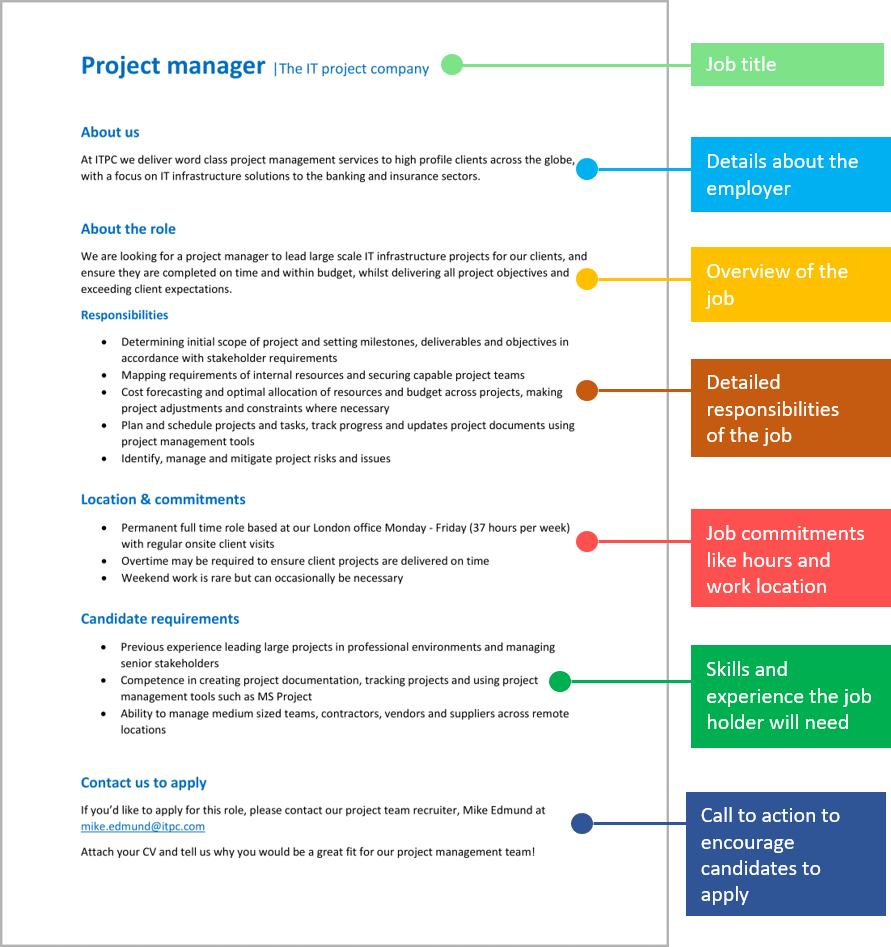
manager pointing job description
The Anatomy of “Stick to Your Job Description”
What managers really mean
On the surface, “stick to your job description” is about scope. Beneath that, it’s often shorthand for several things at once: budget limitations, resentment at perceived entitlement, a power play to reassert control, or genuine frustration about uneven workload distribution. A job description is a contract of expectations—and when managers ask employees to adhere to it selectively, they’re weaponizing an otherwise neutral HR document.
What employees hear
Employees typically hear a warning: don’t ask for more, don’t expect investment, and don’t make waves. It’s emotionally loaded because it questions professional value and future prospects. The real sting comes when it becomes clear that the “extra” work you’ve been doing was essential. That dissonance—doing the job of two people without recognition—sparks burnout and resentment.
When you stop doing the invisible work, you don’t just say no to tasks—you reveal the parts of a job that were never official but always assumed.
How Job Descriptions Become “Optional” Work
Scope creep and cultural norms
All jobs change; that’s healthy. The problem begins when change is one-way: managers add informal responsibilities but never adjust title, pay, or resources. Over time, a culture develops where flexibility is rewarded rhetorically but not compensated. People cover for each other, take on emergency tasks, and develop reputations for being dependable. Meanwhile, management learns to rely on goodwill rather than structure.
Informal leaders and invisible labor
Invisible labor isn’t just extra deliverables. It’s onboarding new hires, smoothing client relationships, fixing broken processes, and doing emotional labor for teams. Many of these actions keep organizations functioning but are rarely captured in performance reviews. That disconnect makes them vulnerable—easy to remove when someone draws a boundary.

employee documenting work tasks
What Happens When You Really Follow the JD
Immediate operational impacts
When an employee limits their work to the written job description, the organization gets a diagnostic test. Meetings might run longer because someone who used to prepare notes stops doing so. Customer messages go unanswered. Quick fixes pile up. Suddenly, inefficiencies are visible and the company must decide whether to fill the gap, redistribute work, or accept decreased performance.
Social and political fallout
The move can trigger resentment from colleagues who benefited from the extra work, confusion from managers scrambling to cover tasks, and pressure to resume old behaviors. It may also trigger a reexamination of job expectations and compensation—if leadership cares enough to act. But sometimes, it just reveals that the person asserting the boundary is replaceable or inconvenient.
How to Respond if You’re in This Situation
Step 1: Document everything
Start with a timeline. List your formal duties, then list the extra recurring tasks you do. For each, note frequency, time spent, and any impact metrics (examples: saved X hours for the team, reduced response time by Y%). This makes the invisible visible. Documentation is both evidence and a negotiation tool.
Step 2: Frame the conversation
Shift the tone from accusation to clarity. Schedule a meeting with your manager and present the documentation as a fact-finding exercise: “I want to align on priorities and responsibilities so I can focus on the highest-impact work.” Avoid ultimatums at first. Managers respond better to problem-solving than to blame.
Step 3: Propose solutions
Bring three concrete options to the meeting: redistribute tasks, formally expand the role with compensation, or hire/contract support. Offer timelines and clear outcomes for each. That turns the request from a complaint into a plan. Managers are more likely to approve changes if cost, benefit, and implementation are explicit.

meeting with HR manager
If the Manager Pushes Back
When “stick to your job description” is used as a rebuke
If your manager says it as a means to shut down a raise conversation, you must treat it as both a negotiating signal and a red flag. Ask for clarification: “Can you point me to the job description you’re referencing?” If none exists, ask HR for the official document. If the manager can’t or won’t, that’s evidence of misalignment you can use in escalation or future negotiations.
Escalation and HR
Escalating to HR should be a structured move—not petty retaliation. Present facts, propose solutions you’ve already outlined, and ask for guidance on next steps. HR can mediate role adjustments, compensation reviews, or formal reassignments. If HR is aligned with the manager and unwilling to act, that signals systemic issues beyond your role.
Negotiation: How to Turn Boundaries into Leverage
Ask for value-based changes
When you argue for a raise or a title change, anchor to outcomes. Translate invisible labor into measurable impact: saved costs, improved retention, faster delivery. If you can show that the undocumented work yields measurable value, you have a stronger case for compensation.
Trade-offs and creative compensation
Not every raise requires just money. Consider title changes, flexible hours, a clear path to promotion, training budgets, or a formalized job description with periodic reviews. These alternatives may be easier for a company to approve and still meaningful for your career trajectory.
- Clear expectation reduces burnout and favors fairness.
- Negotiation leverage when you can document extra impact.
- Short-term productivity hit if gaps aren’t filled.
- Social friction with colleagues accustomed to the extra effort.
When to Walk Away
Signs the environment won’t change
Not every workplace will adapt. If managers repeatedly refuse to engage in good-faith conversations, HR is unresponsive, and the company culture rewards unpaid labor, your documented evidence may be most useful as support for a job search. Look for patterns: promises without follow-through, frequent reassignments without compensation, or an endemic shrug when people bring up role ambiguity.
How to leave strategically
Use your documentation to build a narrative for recruiters and future managers: show the scope of what you handled, the impact, and the boundaries you set. This is powerful evidence of leadership and discipline. When interviewing, present the story as a professional decision to find a workplace that matches your values and compensates fairly for impact.

employee resigning desk box
Documenting invisible work doesn’t make you petty; it makes you a better manager of your own career.
Practical Templates
Quick agenda for the alignment meeting
- Opening: Share objective—align responsibilities to maximize impact.
- Presentation: Walk through documented tasks and time estimates.
- Options: Offer 2–3 solutions with pros and cons.
- Next steps: Agree on a 30/60/90 day pilot and metrics.
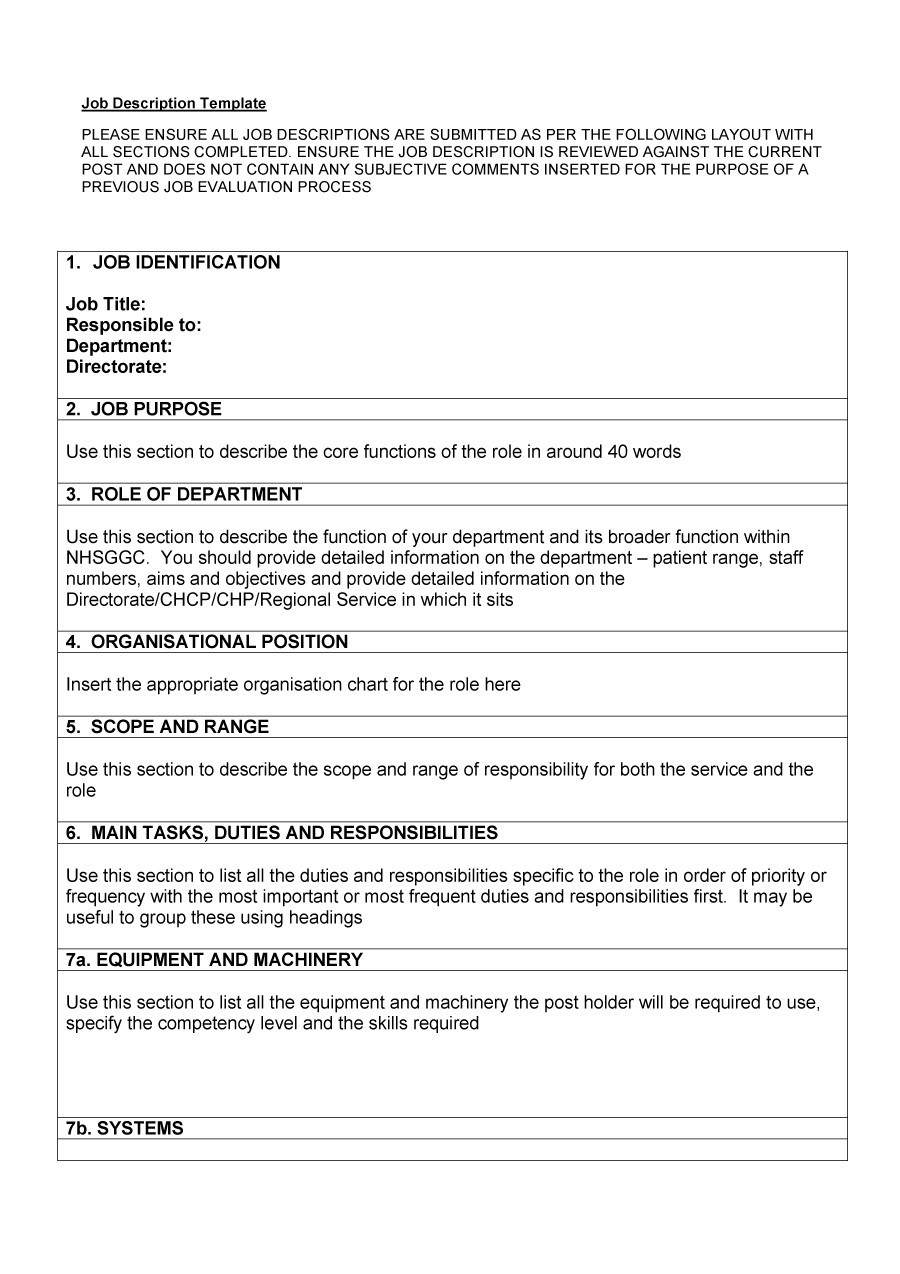
written job description document
Script for the phrase “stick to your job description”
- “I want to understand what you mean by that so I can prioritize my time—could you point me to the current job description we should be using?”
- “If the role is expected to include X and Y, I’d like to discuss how we adjust compensation or responsibilities to reflect that.”
Conclusion
When you take a manager at their literal word and stick to your job description, you hold up a mirror to the organization. That mirror shows whether the company values the actual work being done or only the illusion of flexibility. Whether the result is a negotiated raise, a formalized role, or a transition to a better fit, the act of documenting and defending your scope is a career-strengthening move. It clarifies expectations for you, protects your energy, and forces leadership to either compensate fairly or show that they will not.
- Document your formal duties and informal tasks with time estimates and impact metrics.
- Frame conversations as alignment and problem-solving, not accusations.
- Propose concrete solutions: redistribution, compensation, or hiring support.
- Use HR and documentation strategically; escalate carefully.
- If the culture resists change, use your evidence to pursue a role that values your impact.
Deciding how to spend your labor is a professional skill—treat it like one.