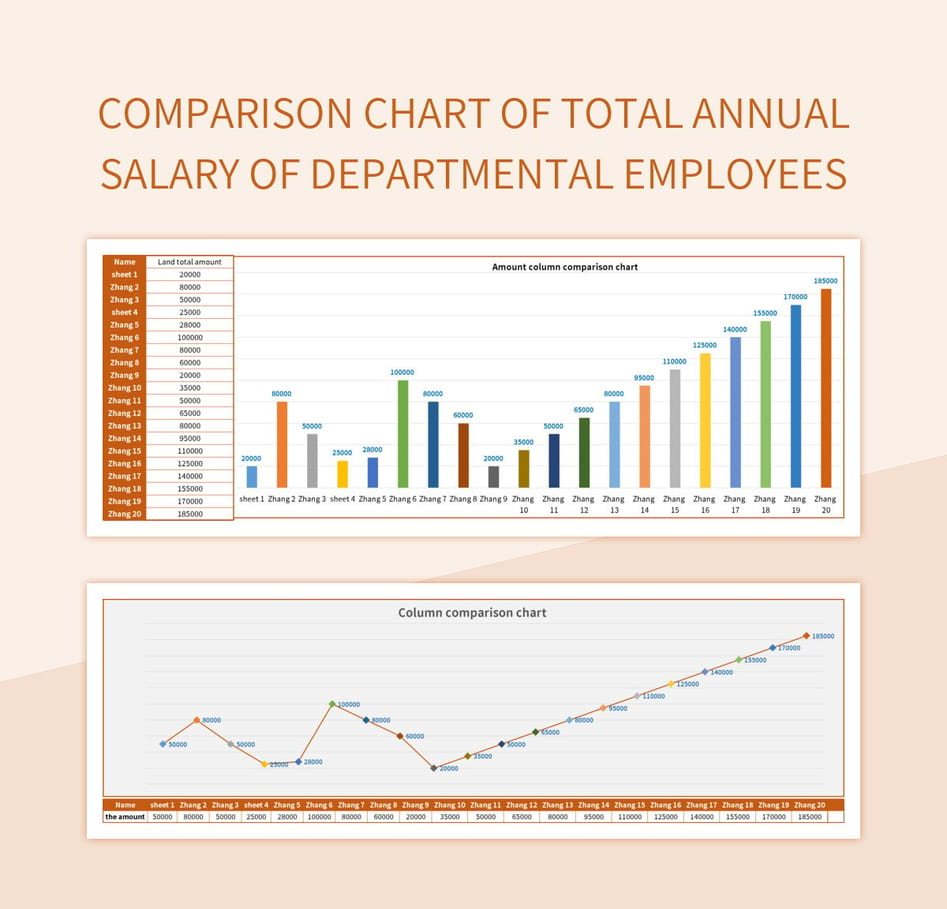
I Saw a Coworker's Salary — Now I Can't Stop Doing Math
I was not trying to learn anyone's pay. I opened an HR PDF by mistake, scrolled past benefits tables, and there it was: a number that suddenly made my brain light up like a calculator. The next day, in meetings, my attention split in two: the slide deck and the arithmetic. How much does that headcount cost? What does their raise imply about mine? Is the bonus pool big enough to fix the gap? This article is about an awkward, very human spiral — curiosity that becomes compulsion, and the practical and ethical work to get back to being a thoughtful colleague instead of a walking spreadsheet.
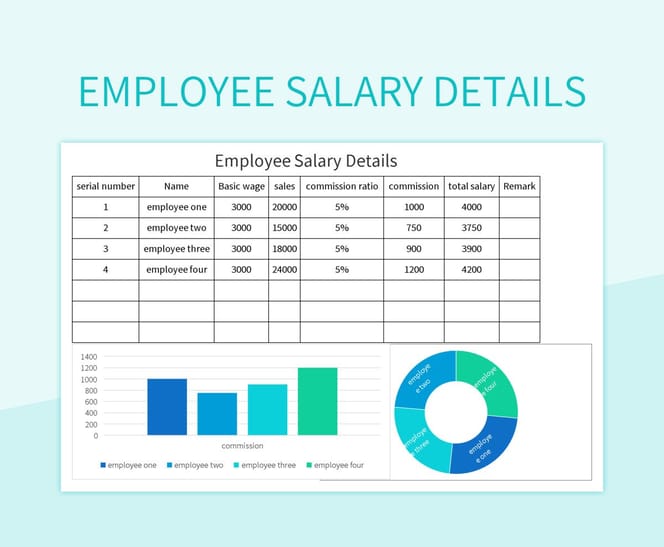
HR salary spreadsheet document
THE MOMENT
How it happened
The discovery itself was anticlimactic: a misplaced click, a mislabeled PDF, a spreadsheet I wasn't supposed to see. The number didn't explode into drama immediately. It lived in the back of my head like a small, insistent drumbeat. But once you know one salary at a company, your brain looks for anchors: job titles, years of service, job level, location. Those anchors let you extrapolate other people's likely compensation. The math begins as casual curiosity and then becomes a running commentary under every PowerPoint.
Why it sticks
There are a few reasons that small, forbidden facts lodge and multiply. First, money is a tangible measurement of value. Second, most organizations have messy pay practices: market adjustments that lag, inconsistent raises, and hidden bonuses. Third, learning a number feels like the start of a detective story. People are drawn to patterns — and once you start plotting points, you want to connect them. That drive is useful in analysis but corrosive when applied to colleagues' private compensation.
Knowing a number turns teammates into variables and meetings into math problems.
HOW THE MATH INVADES MEETINGS
Common mental calculations that follow
After that first accidental peek, my head kept doing quick, private calculations. They were small at first, then layered into more complex models.
- Percent difference: (Other salary - My salary) ÷ My salary × 100 = how far apart we are.
- Total compensation estimate: base + expected bonus (often 10–20 percent) + benefits monetized ≈ true cost to employee.
- Cost-to-company: base × 1.25 to 1.4 to account for benefits, taxes, and overhead when imagining budgets during headcount discussions.
- Raise simulation: New salary = current × (1 + raise%) and reverse-calculating required raise to match peer.
Those quick math routines are harmless if used for personal career planning. They feel less harmless if you start using them as your primary lens for evaluating team decisions in real time. Suddenly, a headcount slide is not about product roadmaps — it's about payroll allocation, fairness, and perceived slights. You stop listening for strategy and listen for implicit financial cues.
office meeting PowerPoint presentation
The slippery slope: from numbers to narratives
Numbers are neutral; narratives are not. One data point can create a story: this person is favored, that manager is incompetent, the company doesn't value X. Those stories can be true, partially true, or completely false. But once you begin narrating, confirmation bias takes hold: you notice cues that support the story and ignore ones that don't. Meetings become evidence-gathering sessions, and that undermines professional judgment and relationships.
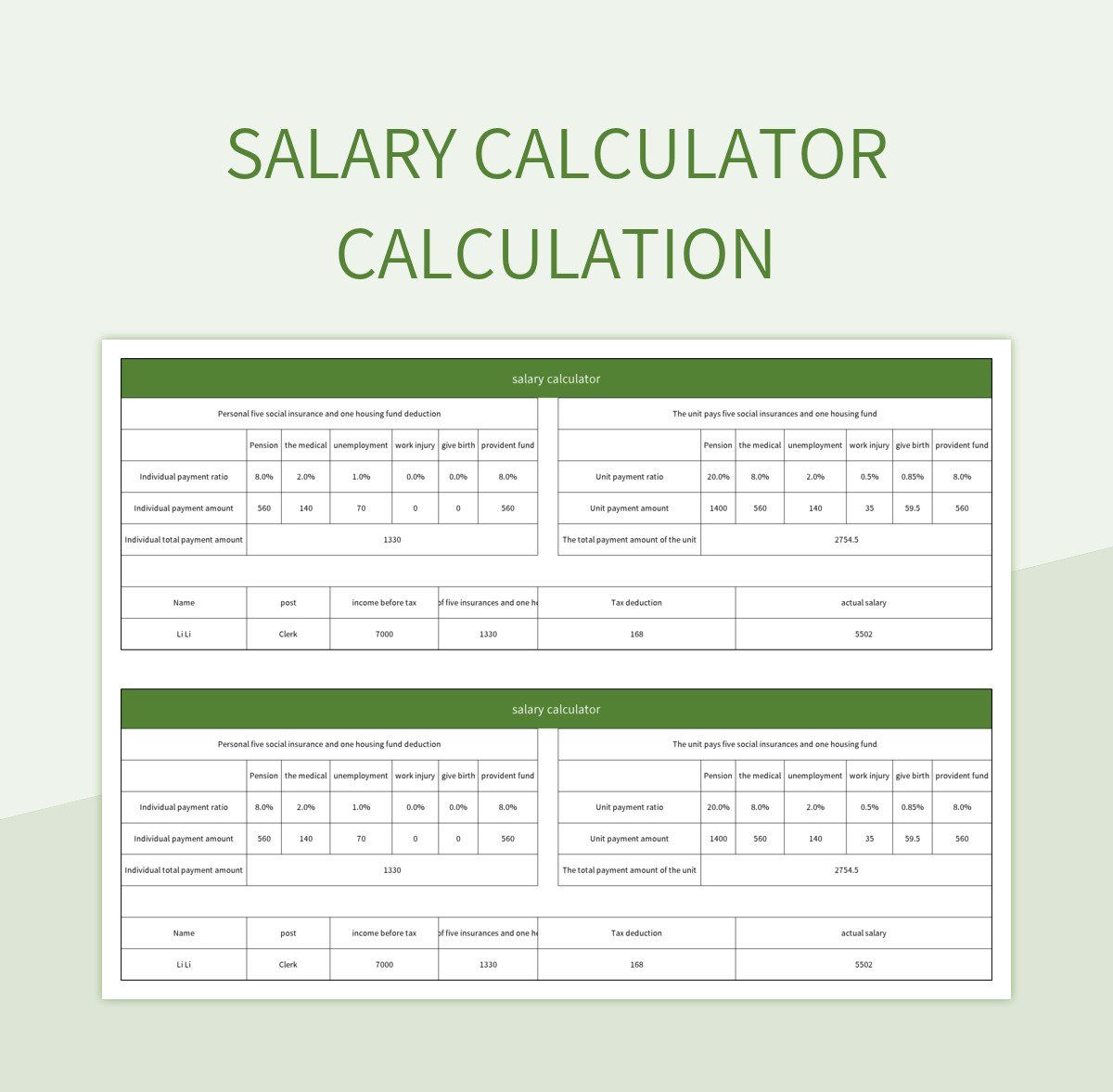
salary calculator workplace math
ETHICAL AND PROFESSIONAL IMPLICATIONS
Confidentiality and trust
Finding out salary information accidentally puts you in a tricky ethical position. Even if you don't share the exact number, the knowledge changes how you treat a colleague. Trust fractures subtly: you may ask pointed questions in one-on-ones, avoid certain topics, or withdraw. The risk is that the person whose number you saw will never know about the breach, but the workplace will feel different to them if your behavior changes.
Bias and decision-making
When compensation knowledge becomes part of your mental toolkit, it can bias managerial or peer decisions. You might favor projects toward higher-paid colleagues because you assume they have more influence, or you might discount contributions from someone you've mentally pegged as "underpaid." These biases are often invisible to the person experiencing them but show up in allocation, recognition, and feedback.

workplace compensation negotiation discussion
WHAT TO DO NEXT (A PRACTICAL PLAYBOOK)
First steps — immediate and ethical
If you accidentally learn a salary, do this first: acknowledge the accident to yourself, then put rules in place for how you will handle the information. That may mean:
- Do not share the number with others. Treat it as private unless the person consents.
- Reset your mental model: write down why the number triggered you and what questions you have about your own compensation instead of about theirs.
- Pause before acting: don't make decisions or ask HR for changes based solely on this single data point.

professional office trust relationship
Longer-term strategies to stop the math spiral
Those immediate steps protect confidentiality. To stop compulsive calculations in meetings, try these practical techniques:
- Designated notebook: if you find yourself doing arithmetic, write the calculation in a private notebook and defer analysis to after the meeting.
- Meeting role shift: assign yourself a concrete listening role (note-taker, clarifying question asker). Purpose helps reduce wandering analysis.
- Set a rule: one compensation thought per day. This counterintuitive rule confines the curiosity and makes it manageable.
- Channel curiosity constructively: keep a private, anonymized table for your career planning rather than plugging colleagues' data into models.
Practical math formulas for personal use
It's okay to use math for your own career. Here are clean, ethical formulas to help you make decisions about your own pay.
- Percent increase needed: ((Target salary ÷ Current salary) - 1) × 100.
- Equity dilution check: My equity % × Current valuation = approximate equity value; compare to cash compensation.
- Total compensation estimate: base + expected bonus + (equity value ÷ expected liquidity years) + benefits monetized.
Keep these models focused on your situation. Replace curiosity about others with clarity about what you need to ask for in your next review or negotiation.
career planning notebook salary
COMMUNICATING ABOUT PAY (WHEN IT MATTERS)
When to have open conversations
There are times when salary conversations are appropriate and productive: with your manager during a performance review, with HR about formal inequities, or with a mentor for benchmark context. If you choose to discuss pay with a colleague, follow basic ethical guidelines: be transparent about why you want to compare figures, get consent, and keep discussions factual and solution-oriented.
How to handle slips
If your curiosity leaks into conversation or you accidentally reference what you saw, own it quickly and clearly. Apologize for the lapse, clarify that it was accidental, and ask to move past it. People are surprisingly forgiving when the response is mature and responsible.
PROFESSIONAL BENEFITS OF STOPPING
Focus and credibility
When the urge to calculate fades, other things emerge: better listening, clearer strategic thinking, and stronger relationships. You become someone managers trust to participate in conversations without turning them into compensation audits. That professional credibility is itself valuable in career progression.
Better personal outcomes
Replacing compulsive curiosity with structured career planning yields concrete benefits: clearer negotiation targets, a sanity-preserving separation between personal finance and workplace dynamics, and less anxiety. Money becomes a tool you use deliberately, not an itch you scratch constantly.
NEGOTIATION AND ALIGNMENT STRATEGIES
How to build a negotiation case without prying
Instead of referencing a colleague's number, build evidence for a raise from objective sources:
- Document impact: revenue influenced, processes improved, headcount leveraged.
- Market data: anonymized salary ranges from public reports or recruiter conversations.
- Peer comparisons: use role and level benchmarks, not personal salaries.
What to ask HR for
If you suspect broader inequities, raise a process-focused question with HR: ask about compensation band transparency, how promotions are calibrated, and what data they use for market adjustments. Frame questions around fairness and retention rather than retaliation or gossip.
THE CULTURAL LAYER: COMPANIES AND SALARY TRANSPARENCY
Why organizations hide pay — and why some don't
Many companies conceal individual pay because they worry about comparisons, negotiation pressure, and administrative complexity. Others publish bands or even actual salaries to foster trust, reduce inequity, and streamline offers. Both approaches have trade-offs. With transparency, there's clarity but potential morale shocks. With secrecy, you get fewer spur-of-the-moment reactions but higher suspicion and rumor.
How transparency changes math in your head
When an organization publishes bands, your private arithmetic becomes public: you can compare role to band and prepare targeted asks. The compulsion to furtively calculate declines when the signal is clear. Conversely, opacity feeds curiosity and fosters the exact behavior of turning meetings into mental payroll reviews.
Opacity turns curiosity into conjecture; clarity channels curiosity into negotiation.
REPAIRING RELATIONSHIPS IF THINGS WENT SIDEWAYS
If you revealed numbers or acted awkwardly
Damage control is possible. Start with directness. If you shared a number, apologize to the person and HR. If you acted differently around someone, have a real conversation: explain briefly, accept responsibility, and commit to clear boundaries going forward. People generally appreciate honesty and effort to make amends.
Restoring trust
Trust repairs slowly. Demonstrate consistency: keep discussions professional, defer compensation questions to HR or managers, and show through actions that the accidental peek won't define your interactions. Over time, behavior matters far more than one awkward moment.
CONCLUSION
The story begins with an accidental number and spirals into something bigger: a test of ethics, curiosity, and professional discipline. Money is magnetic; it draws attention and asks questions. The work is not to stop caring about compensation but to channel that curiosity responsibly. Build models for your career, not for your coworkers. Use one dedicated slot for compensation thinking, practice empathetic transparency when needed, and, above all, remember that a workplace thrives on trust — a currency you can cultivate without doing the arithmetic out loud.
- Accidental discovery of salary can trigger compulsive comparative math — set immediate rules to protect privacy.
- Channel curiosity into personal, ethical calculations and schedule time for compensation planning.
- Use documentation, market data, and impact metrics for negotiations — not leaked numbers.
- Repair trust quickly if you slip; take formal channels if you suspect systemic inequity.
A personal narrative turned practical guide: turning curiosity into constructive career action.