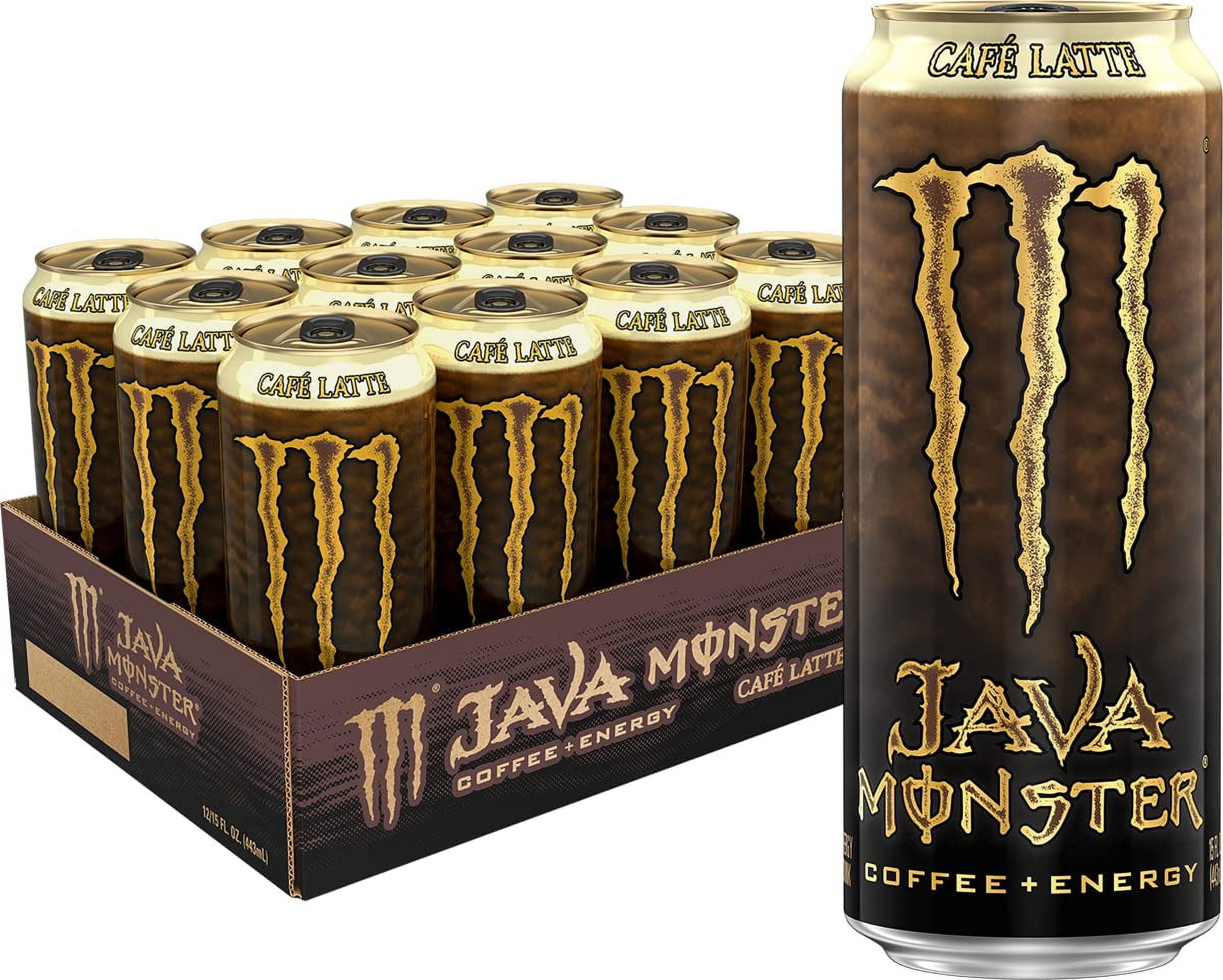
I Drank Only Monster Energy for 10 Years — My Caffeine Wake-up
The first can I opened was a dare and a late-night crutch. The last ones I cracked were routine: a small green ritual that bookended deadlines, workouts, and social nights. For ten years Monster Energy replaced coffee, sugar soda, and sometimes even water in my day. I told myself I needed it. I told myself it tasted better. I told myself I was somehow "immune" to caffeine, that the jitters other people complained about simply didn't apply to me. It took a health scare and a week without any stimulant to realize how wrong I was.
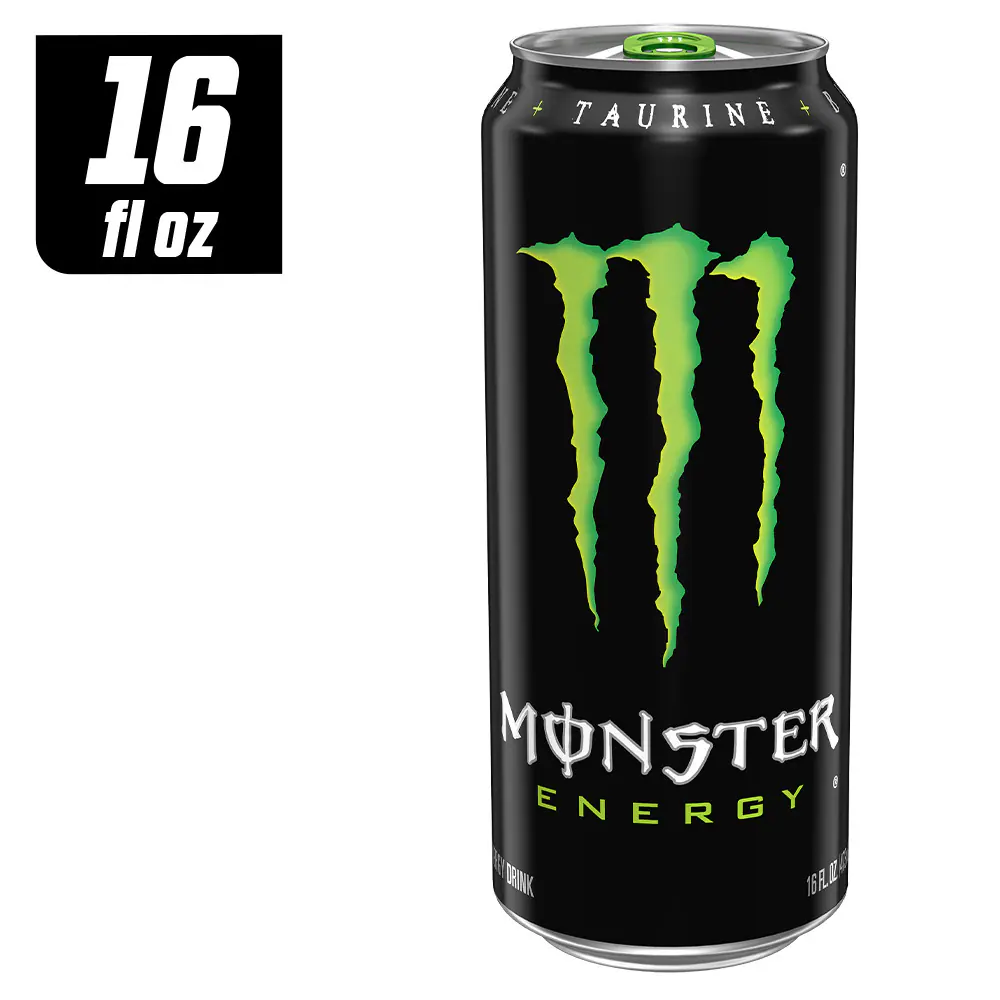
Monster Energy drink can
Ten years of daily energy drinks taught me more about tolerance, routine, and how fragile our sense of control can be.
How I Got Hooked
My Monster era began in my early twenties: late classes, freelance work, and a love for the loud branding. A 16-ounce can fit my hand. It promised instant alertness and a sugar spike—two things I mistook for productivity and resilience. What started as an occasional pick-me-up became a ritual: one can to start the day or to power through an afternoon slump. On busy days the ritual multiplied.
coffee cup brewing
Small decisions become habits
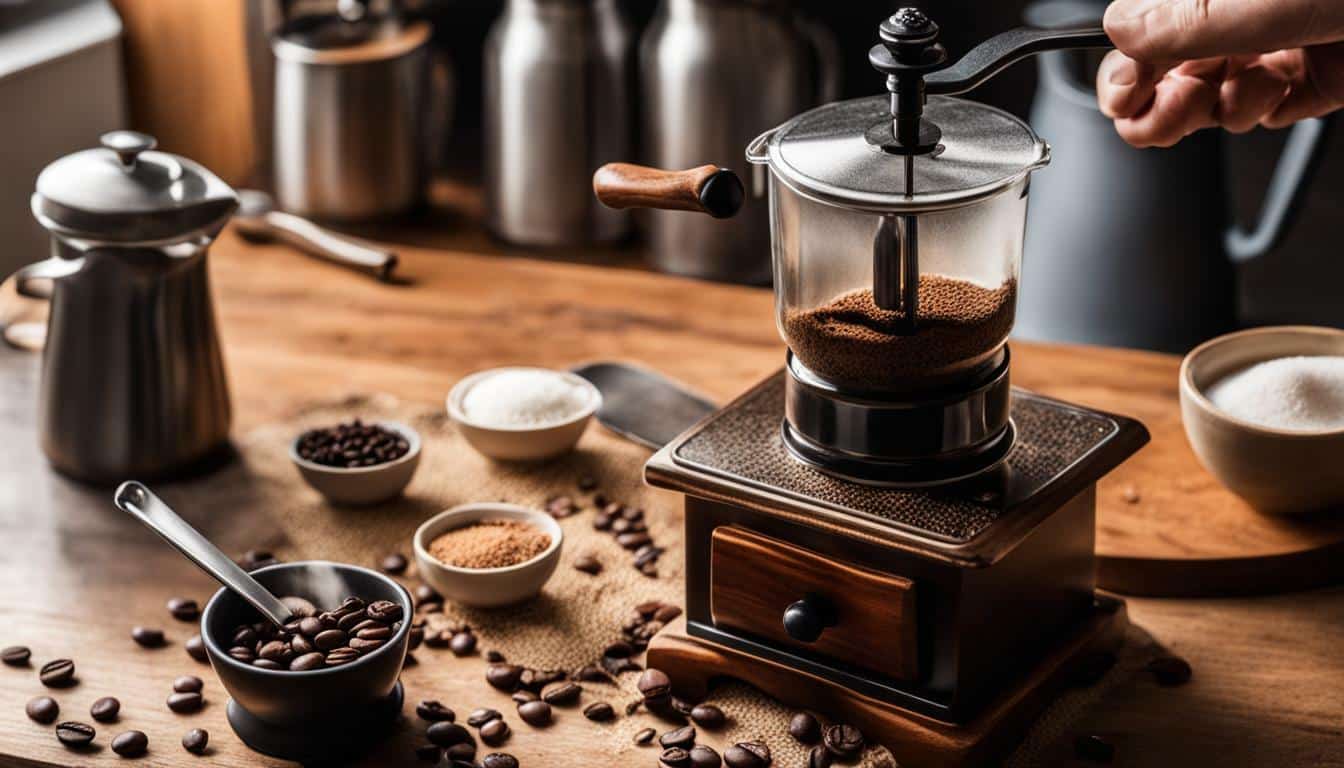
There's a deceptive logic in swapping one drink for another. Coffee takes effort—grinding, brew time, sometimes a trip out. Energy drinks are portable, already sweetened, and packaged as performance enhancers. Instead of asking whether I wanted more caffeine, I asked whether I wanted the can. The can ceased to be a choice and became part of my identity: the person who always had an energy drink.
What I Thought: "I Was Caffeine Immune"
For years I measured myself against friends who jittered after a small espresso or who couldn't sleep if they drank soda after 3 p.m. I didn't have those problems. No visible shakes, no dramatic anxiety—so I concluded my body had adapted into a steady-state tolerance. That belief felt empowering. It justified more cans and louder nights. It made me feel invincible.
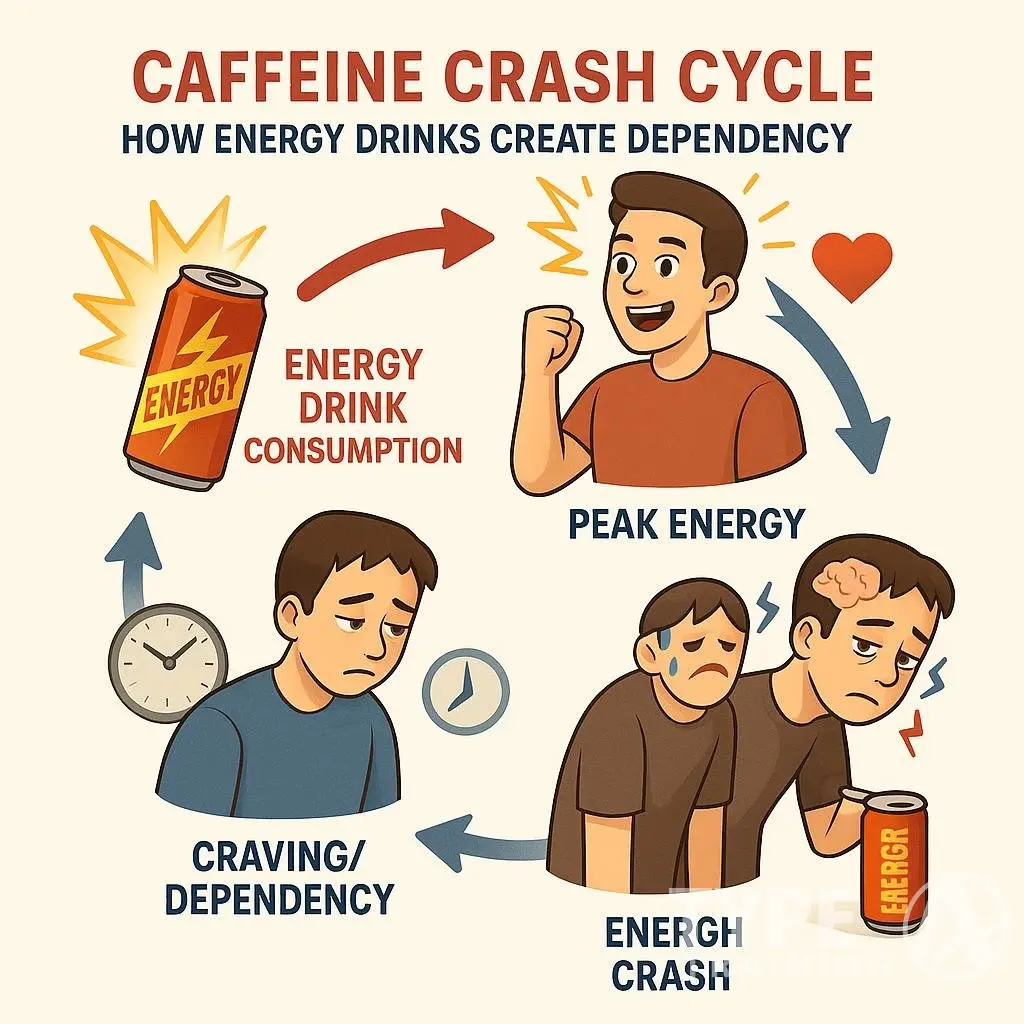
But that attitude ignored the subtle trade-offs: reliance, blunted reward responses, and a higher baseline of stimulation necessary to feel normal. I didn't feel high; I felt like myself. That quiet normalization is what makes tolerance so dangerous. If every day requires the same stimulus to feel baseline normal, you are not immune. You are dependent.
The Science of Tolerance (Explained Without the Jargon)
At a basic level, caffeine works by blocking adenosine receptors in the brain. Adenosine accumulates while we are awake and makes us feel sleepy. When caffeine blocks those receptors, the feeling of tiredness is delayed. Over time, the brain responds to the regular presence of caffeine by adjusting receptor sensitivity and related pathways. The result: you need more caffeine to get the same effect. That's tolerance.
energy drink sugar crash
Why Monster felt 'strong' but not overpowering
Energy drinks combine caffeine with other ingredients—taurine, B vitamins, sugars or sweeteners—that can amplify feelings of alertness or mask fatigue temporarily. Because many cans provide a substantial dose per serving, consistent use pushes your baseline higher. You end up needing that dose not to feel energized but to feel normal.
Signs My Habit Was Doing Damage
I didn't have one dramatic breakdown. Instead there were cumulative signs: restless sleep even when exhausted; reliance on late-day cans for energy; occasional heart palpitations after a heavy week; mood dips when I missed my usual dose. Friends noticed my dependence before I did. A partner mentioned I smelled of artificial citrus more days than not. A routine dental visit flagged enamel wear from acidic and sugary beverages. The wake-up call came during a routine physical when my resting heart rate and blood pressure begged questions I couldn't ignore.
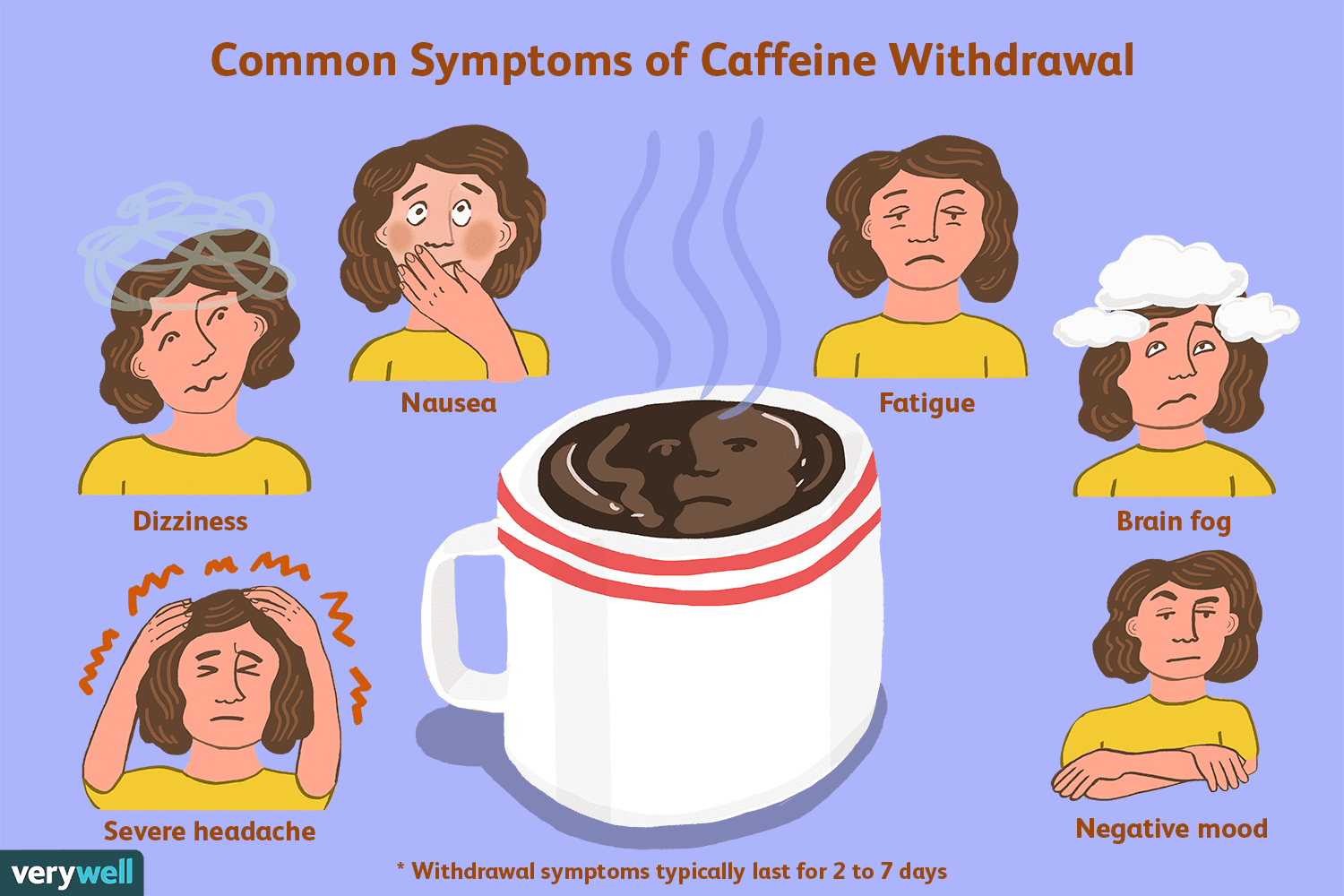
caffeine withdrawal symptoms
Common red flags
- Increasing dose: more cans per day or switching to higher-caffeine variants.
- Sleep problems: difficulty falling asleep or fragmented sleep despite feeling tired.
- Withdrawal symptoms: headaches, irritability, brain fog when missing your usual drink.
- Physical symptoms: palpitations, tremors, digestive upset, or dental decay.
Tapering Off: The Week I Went Cold Turkey
I decided to stop. Not gradually at first—cold turkey felt dramatic enough to jolt me out of denial. The first 48 hours were a fog of headaches, fatigue, and unexpected nausea. My reaction confirmed dependence rather than immunity. I could feel the deficit of stimulation. By day four the headaches faded, but the lethargy and low mood persisted. By day seven my sleep quality began improving and my baseline energy slowly returned. The real surprise wasn't that I could quit; it was that my body rewired itself in days, not years.
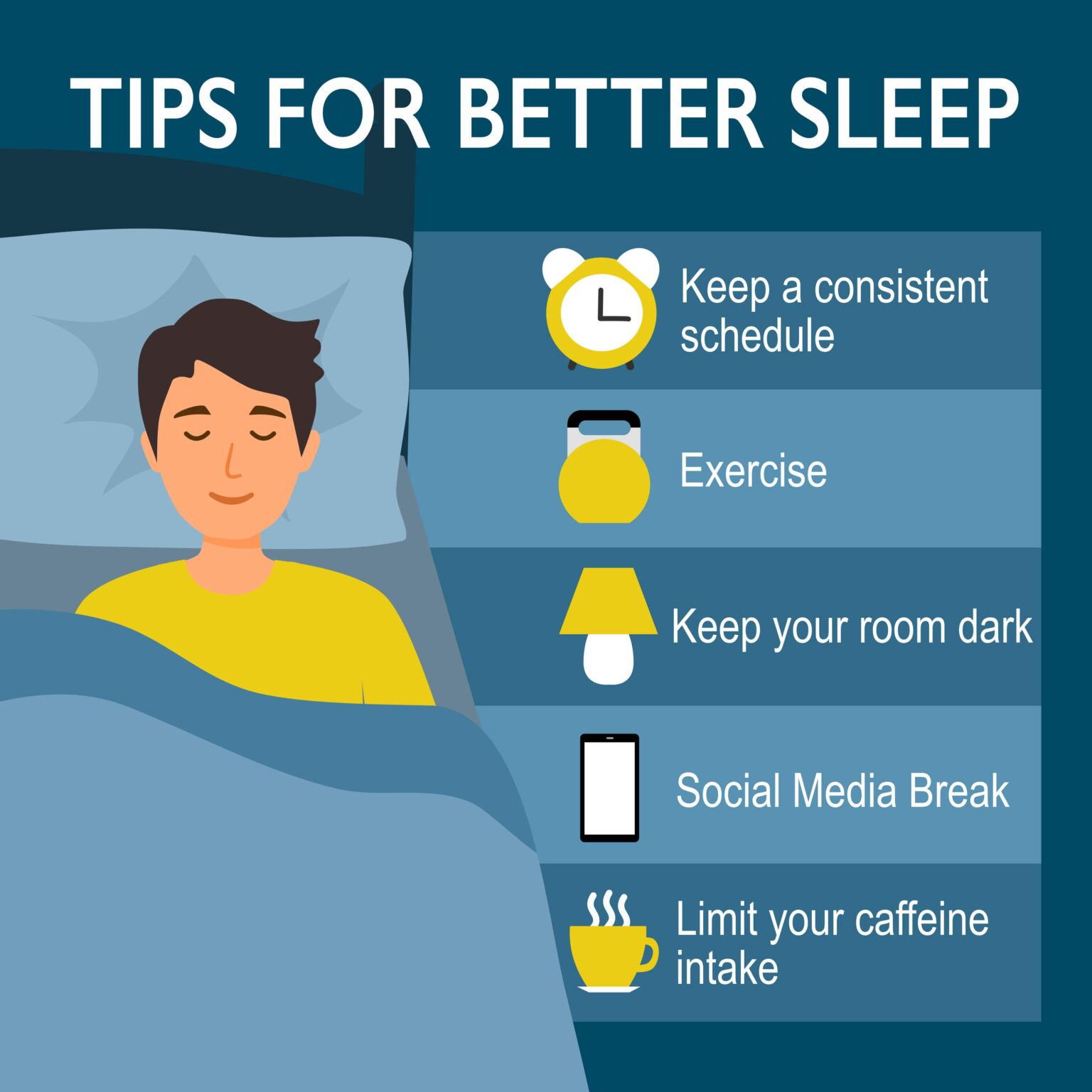
sleep hygiene and caffeine
A practical taper plan
- Step 1: Track current intake for three days—how many cans, when, and why.
- Step 2: Reduce by one can every 3–4 days, replacing with water, sparkling water, or unsweetened tea.
- Step 3: Switch to lower-caffeine alternatives (e.g., tea) before moving to decaf or herbal drinks.
- Step 4: Prioritize sleep, hydration, and nutrition to support energy recovery.
What Happened After I Quit
Within two weeks my baseline anxiety lowered. Sleep consolidated. My afternoon slump returned but was manageable with food and a short walk rather than a stimulant. Socially, I had to relearn how to spend time without an artificial sugar buzz; some parties felt dull for a while. Physically, the enamel sensitivity receded when I cut back on acidic drinks. Mentally, I no longer defined productivity by how many cans I could down.
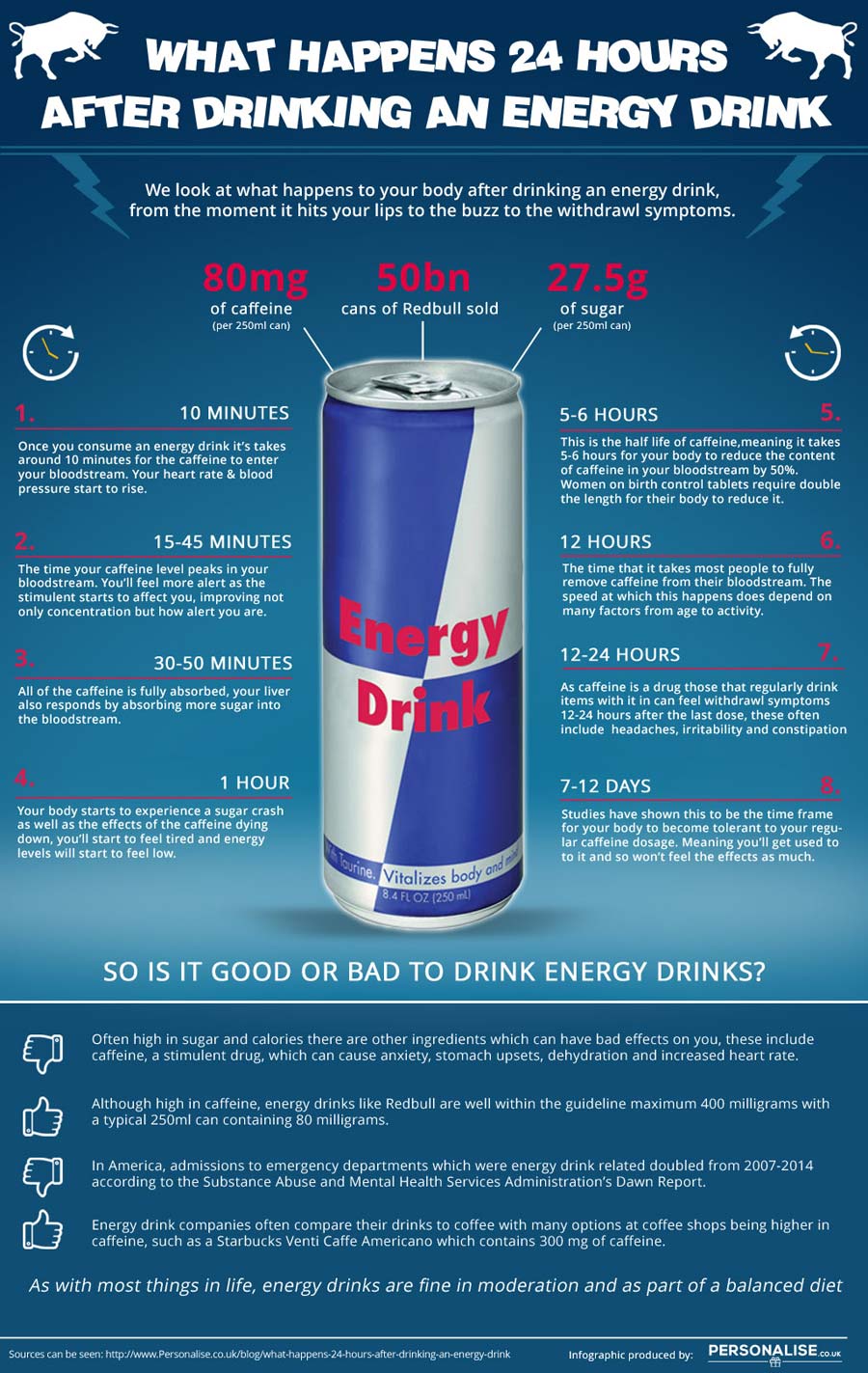
energy drink health effects
Unexpected benefits
- Improved sleep latency: falling asleep more quickly without racing thoughts tied to stimulants.
- More consistent mood: fewer ups and downs tied to sugar or caffeine cycles.
- Less financial bleed: energy drinks are more expensive than brewing coffee at home.
Safer Alternatives and Replacements
If you rely on energy drinks, you don't have to resign yourself to chronic fatigue. There are pragmatic swaps that preserve performance without the downside.
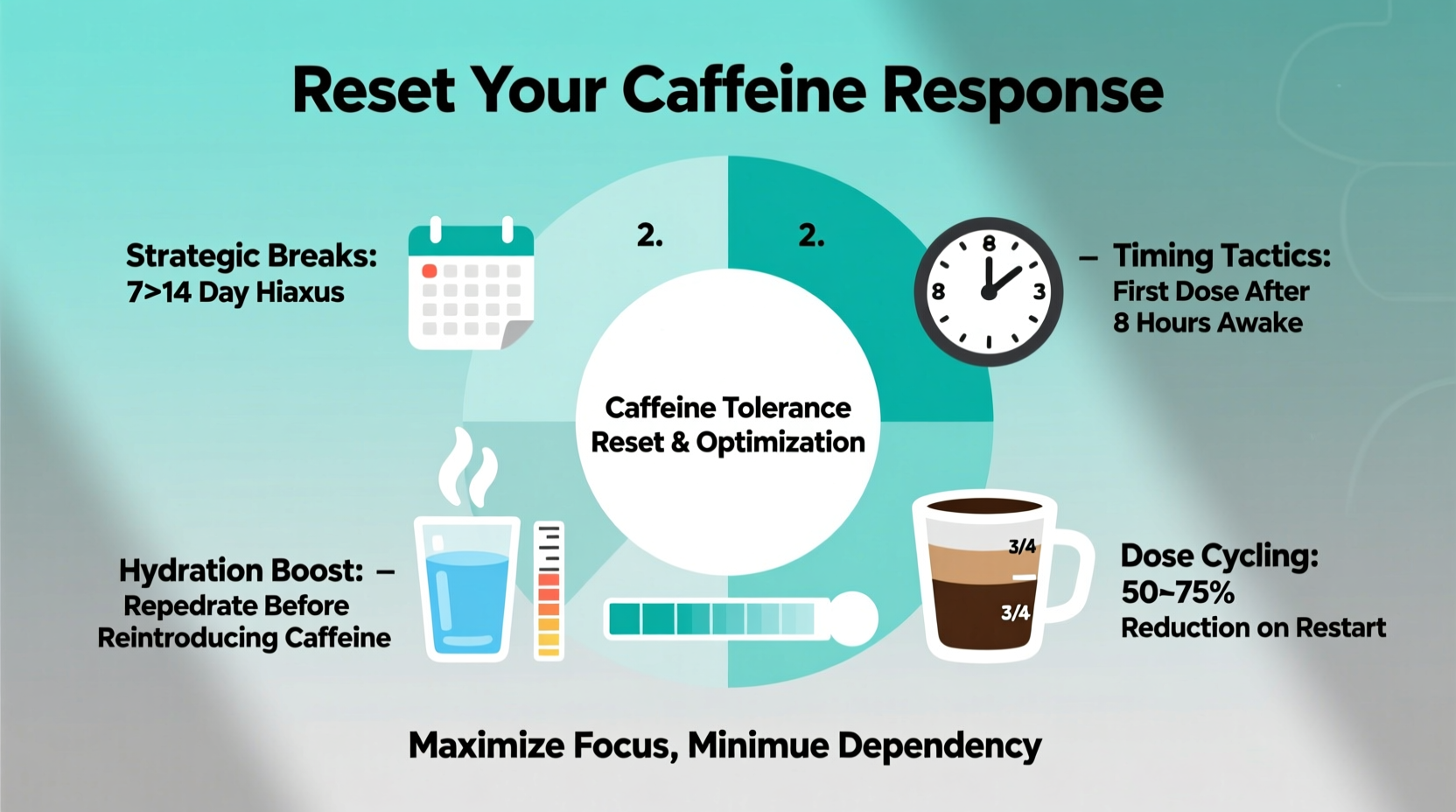
caffeine tolerance and dependency
Better morning routines
- Hydrate first: a large glass of water on waking can reduce perceived fatigue.
- Move the body: 10–20 minutes of light movement raises circulation and alertness naturally.
- Mindful caffeine: a small French press or drip coffee, or a cup of green tea, gives measured caffeine without the sugar spike.
On-the-go swaps
- Sparkling water with citrus: replicates the ritual of a can without caffeine or extra sugar.
- Cold brew or iced tea: if you need a longer-lasting taste and gentle caffeine.
- Electrolyte water: for workouts—replenishes what sweat removes without stimulants.
- Convenience
- Instant alertness
- High sugar or sweeteners
- Develops tolerance
- Potential cardiovascular effects
How to Read Labels Like a Pro
Labels tell a story. One of the most useful things I learned was how to parse ingredient lists: caffeine content, sugar, and additional stimulants like guarana or yerba mate that add hidden caffeine. Look for serving size and adjust mentally. If a can lists total caffeine per serving and you drink two servings, do the math. If the label lists multiple stimulant sources, treat the total as cumulative.
Common Questions I Got Asked
Was I addicted?
By common definitions, yes: I had physiological dependence and withdrawal symptoms. Addiction has behavioral and psychological components as well; I wasn't compulsively chasing cans in risky ways, but my daily functioning depended on them. That distinction matters when deciding how to approach recovery.
Can you reverse tolerance?
Yes. Tolerance to caffeine reduces relatively quickly compared to many substances. Days to weeks of reduced intake lowers receptor changes and sensitivity. Some people see marked improvement in as little as one week, though a full reset may take several weeks.
Practical Habits to Prevent Rebound
- Caffeine windows: avoid caffeine within six hours of bedtime to preserve sleep.
- Cycle usage: occasional short breaks or lower-dose weeks help keep tolerance low.
- Priority sleep: consistent sleep schedule beats stimulants for cognitive performance.
The Social Side: Identity and Ritual
Part of energy-drink culture is social. Green cans at a gig, a familiar clink at the gym, or the shared joke about needing a boost—these rituals are real habits. Giving them up can feel like losing a social cue. My solution was to keep the ritual and change the object: bring a reusable bottle, create a new pre-game playlist, or make meeting spots home-brew coffee shops. Rituals are the scaffolding of habit; they don't need to be stimulant-based.
What I Learned: Ten Honest Lessons
- Perceived immunity is usually tolerance.
- Dependence builds quietly.
- Small substitutions add up. Replacing one can a day with water is a huge win.
- Sleep repairs more than caffeine. Prioritizing rest multiplies gains in focus and mood.
- Read the label. Know what you're ingesting.
- Tolerance to caffeine is biological, reversible, and manageable.
- Energy drinks offer convenience at the cost of long-term reliance and potential health effects.
- Quitting or reducing can yield quick benefits—sleep, mood, and stability improve in days to weeks.
Conclusion: A Wake-up Call That Was Long Overdue
Ten years of Monster didn't ruin my life, but it rewired how I measured energy and productivity. The belief that I was caffeine immune was less a triumph and more a denial. Quitting taught me that resilience is rebuilt with sleep, hydration, small routines, and honest inventory of habits. If you're reading this while nursing an energy drink, don't feel attacked—feel informed. You can keep the ritual without the dependence, and that swap is one of the simplest, most tangible ways to reclaim energy.
You don't need a can to be productive. You need rest, routine, and tools that last longer than a sugar spike.