I Brushed Wrong for 28 Years — My Gums Are Ruined. Here's Why
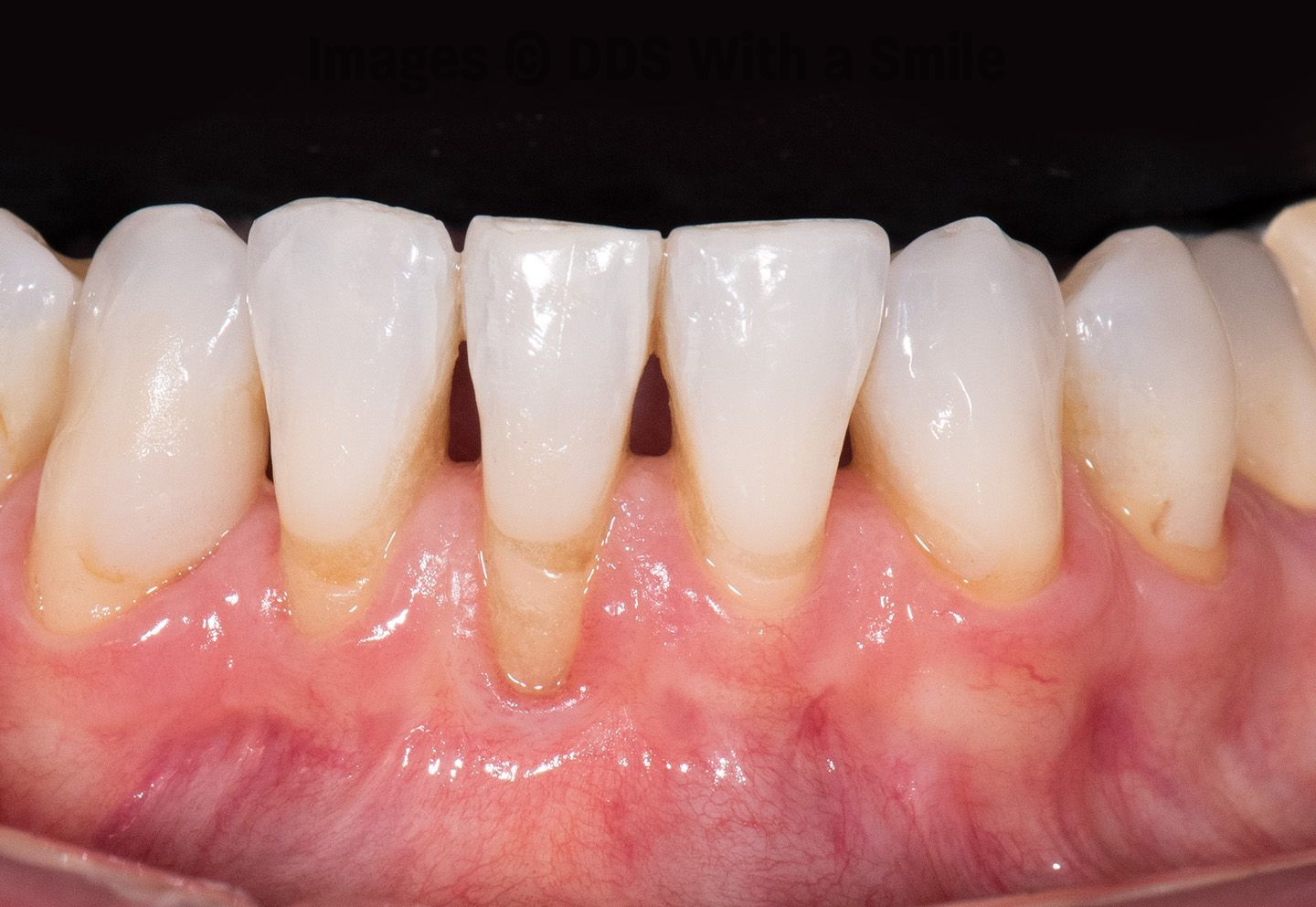
The day my dentist leaned back, looked over his glasses, and said, "You've been brushing wrong for a long time," an entire private habit that had felt virtuous since childhood collapsed. I had assumed that two minutes, morning and night, meant I was doing everything right. The reality—bleeding gums, sensitive roots, and the word "recession" in my dental chart—was a shocking wake-up call. This piece is both a personal record of that moment and a practical guide for anyone who worries their daily routine could be quietly doing harm.
soft-bristled toothbrush closeup
How I Found Out
I went in for a routine cleaning expecting the usual: polish, a gentle scrape, a thumbs-up. Instead I left with a referral for a periodontal assessment and a diagram showing thin tissue at several tooth roots. The hygienist explained the technical terms, the dentist confirmed a pattern consistent with aggressive horizontal brushing and decades of high pressure. I remembered my childhood toothbrush—stiff bristles, vigorous back-and-forth scrubbing—and how that habit never fully left me. For years I equated hard brushing with effectiveness; it turns out it was slowly erasing the soft tissue that supports my teeth.
For years I equated hard brushing with effectiveness; it was slowly erasing the soft tissue that supports my teeth.
electric toothbrush pressure sensor
What's Happening to My Gums — The Mechanics
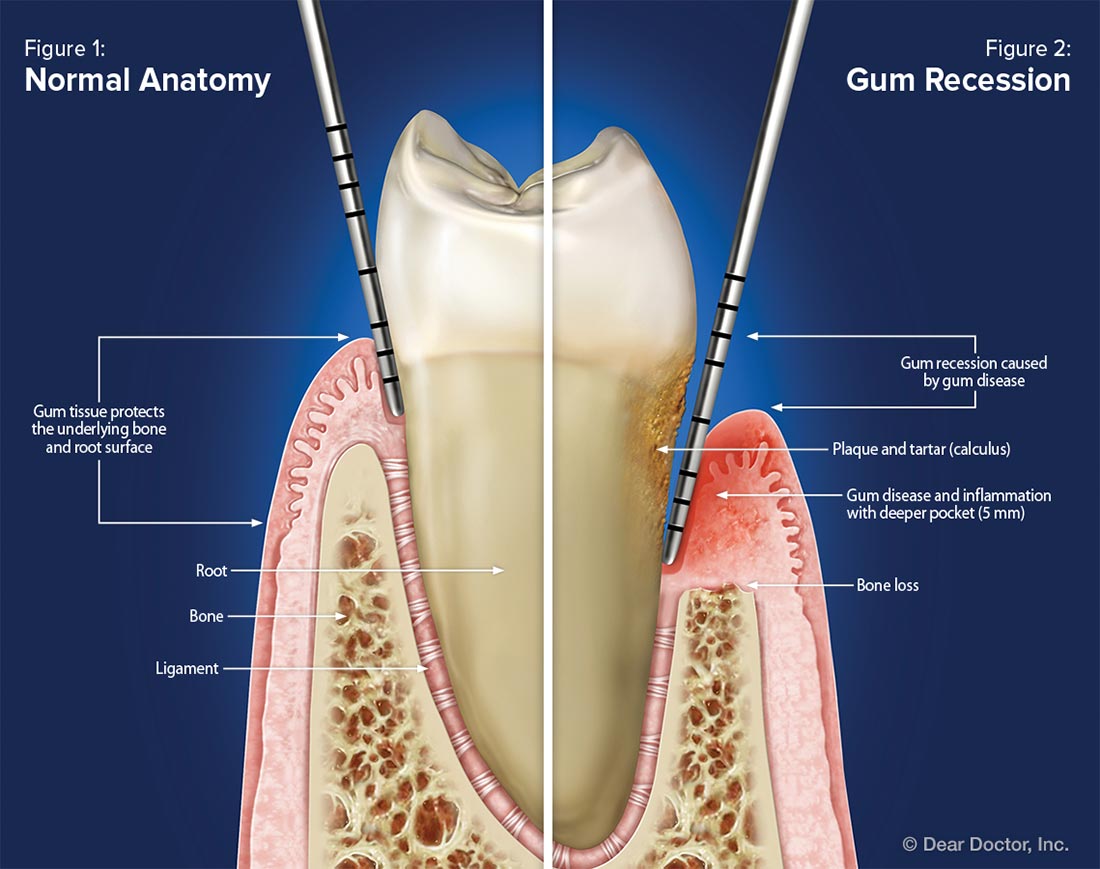
Gum recession happens when the margin of gum tissue surrounding the teeth pulls back, exposing more of the tooth or its root. It sounds simple, but the causes are layered and often interacting: mechanical trauma (like aggressive brushing), periodontal disease (bacterial inflammation), orthodontic forces, and even anatomical factors such as thin gum biotype or misaligned teeth. In my case, the dominant factor the dentist pointed to was chronic mechanical abrasion from firm bristles and a scrubbing motion.
When gum recedes, the tooth root—normally protected by enamel near the crown and by cementum below the gumline—can become exposed. Root surfaces are softer and more vulnerable to wear, sensitivity, and decay. Once tissue is lost, it does not spontaneously regenerate in most adults; treatment is required to halt progression and, in some cases, to rebuild what was lost.
dental gum recession diagram
Common Brushing Mistakes That Cause Harm
Knowing the enemy helps you fight it. These are the most common, avoidable mistakes that lead to damage over years or decades.
- Using a hard-bristled brush. Firm bristles can abrade enamel and gum tissue.
- Horizontal scrubbing motion. Back-and-forth pressure concentrates force on a tiny edge of tissue.
- Too much pressure. Many people press harder than necessary; you only need gentle contact to remove plaque.
- Brushing immediately after acidic foods. The enamel is temporarily softened and more prone to abrasion.
- Neglecting interdental cleaning. Brushing alone misses the spaces where plaque starts inflammation.
Of these, pressure and technique are the easiest to change overnight. The harder challenge is unlearning a lifetime of association between force and a clean feeling.
How to Brush the Right Way — A Practical Routine
Fixing the problem isn't about mysterious products or expensive gadgets; it's about technique plus consistency. Here's a step-by-step routine that dental professionals recommend.
Step 1: Choose the right tools
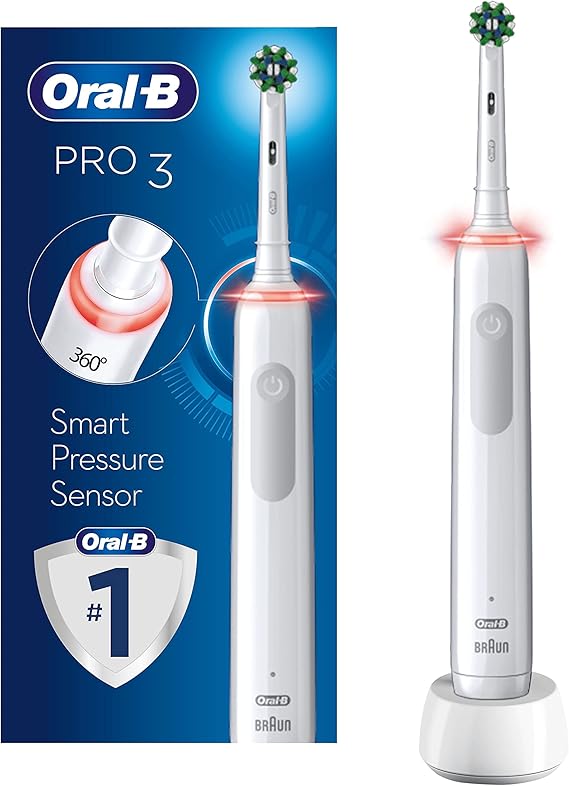
Use a soft-bristled toothbrush—manual or electric—and a fluoridated toothpaste with moderate abrasivity. If you prefer an electric brush, choose one with a pressure sensor and a small round or compact head for easier access.
correct tooth brushing angle
Step 2: Angle and motion
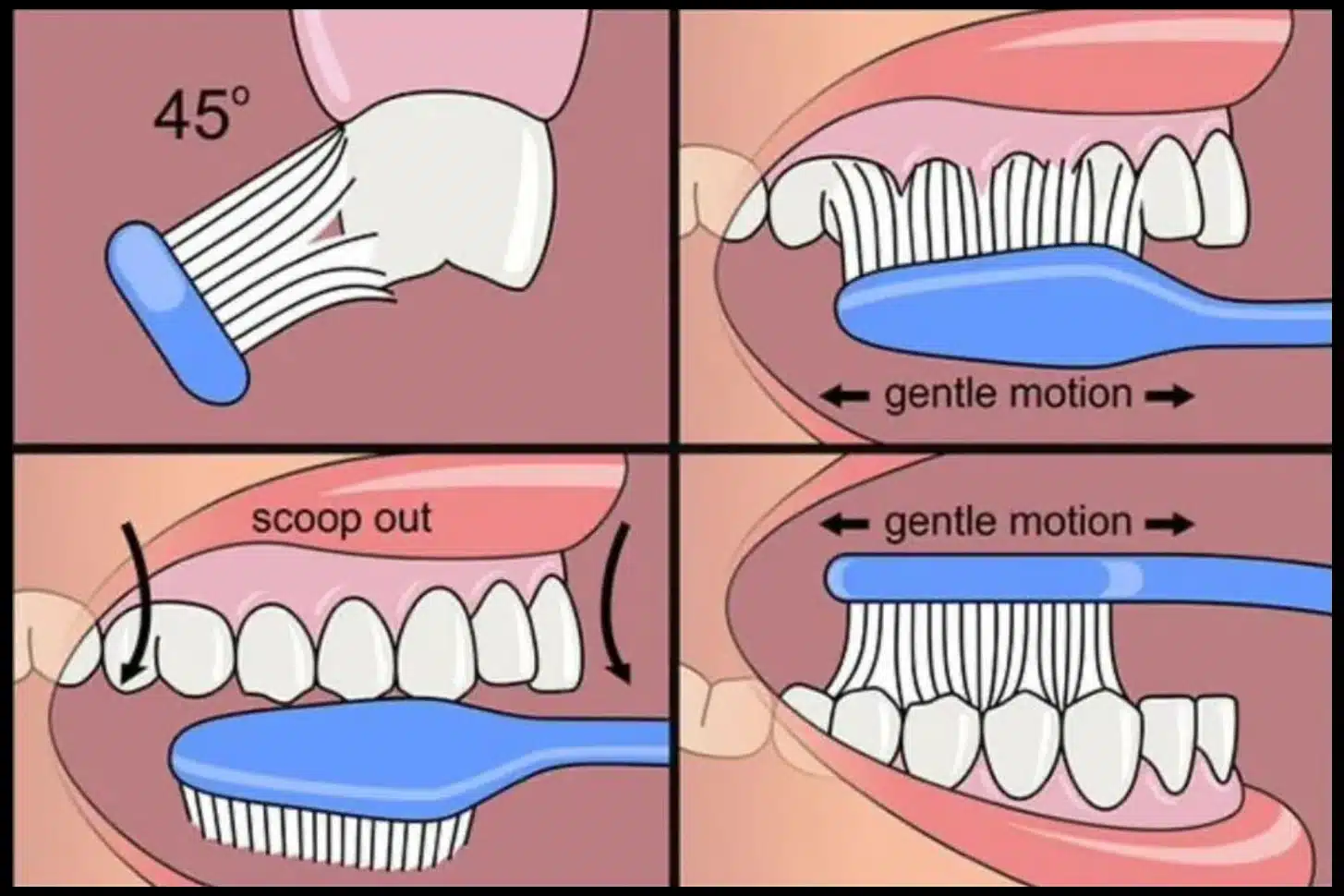
Hold the brush at roughly a 45-degree angle where the tooth meets the gum. Use small circular motions or gentle short vertical strokes that sweep away from the gumline rather than forcefully toward it. For an electric toothbrush, guide the head slowly from tooth to tooth and let the brush do the work.
Step 3: Pressure and timing
Light pressure is the key. Think of holding the brush like you'd hold a grape—firm enough to control it, gentle enough not to crush it. A two-minute timer is a good target: 30 seconds per quadrant. Many modern electric brushes have built-in timers and pressure indicators.
Step 4: Interdental cleaning
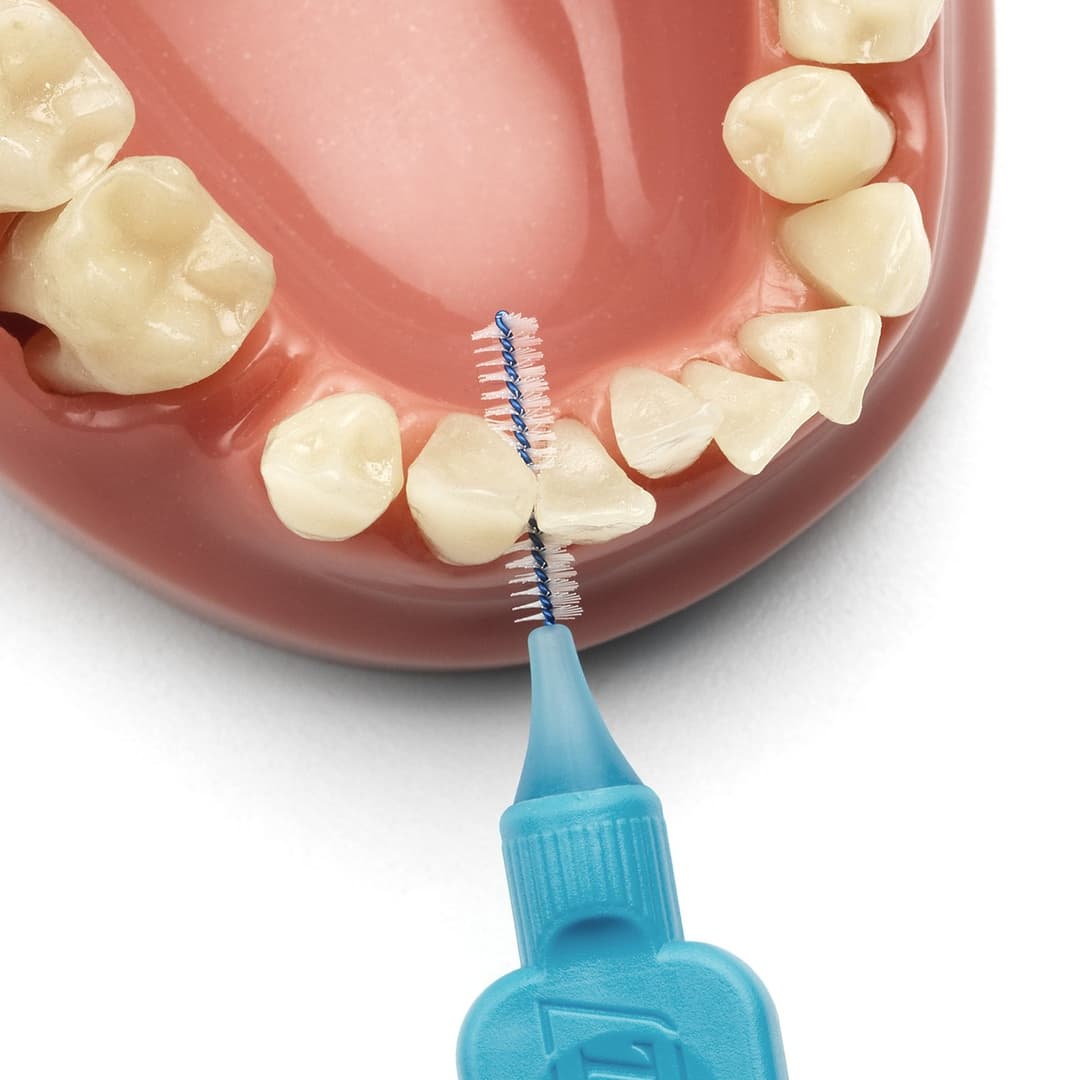
Floss daily, or if gaps are larger, use interdental brushes. Plaque is what inflames the gums; removing it between teeth prevents the bacterial irritation that turns a mechanical issue into full-blown periodontal disease.
interdental brushes for teeth
Step 5: Timing around meals
Wait 20–30 minutes after eating or drinking acidic foods or beverages before brushing. Rinsing with water or chewing sugar-free gum can help neutralize acids in the meantime.
What to Do If You Already Have Recession
If you're reading this because a dental visit produced the dreaded word "recession," here's a practical action plan that mixes immediate steps and longer-term treatment options.
- Stop the mechanical harm now. Switch to a soft brush, slow your motion, and lower the pressure. This simple change can prevent further loss.
- Improve plaque control. Daily flossing, proper brushing, and possibly an antiseptic mouthwash are front-line defenses.
- Professional cleaning and assessment. A dental hygienist will remove hardened deposits (tartar) that you can't remove at home and chart the level of attachment loss.
- Periodontal therapy. If pockets and inflammation persist, your dentist may recommend scaling and root planing to clean below the gumline, and in advanced cases, referral to a periodontist.
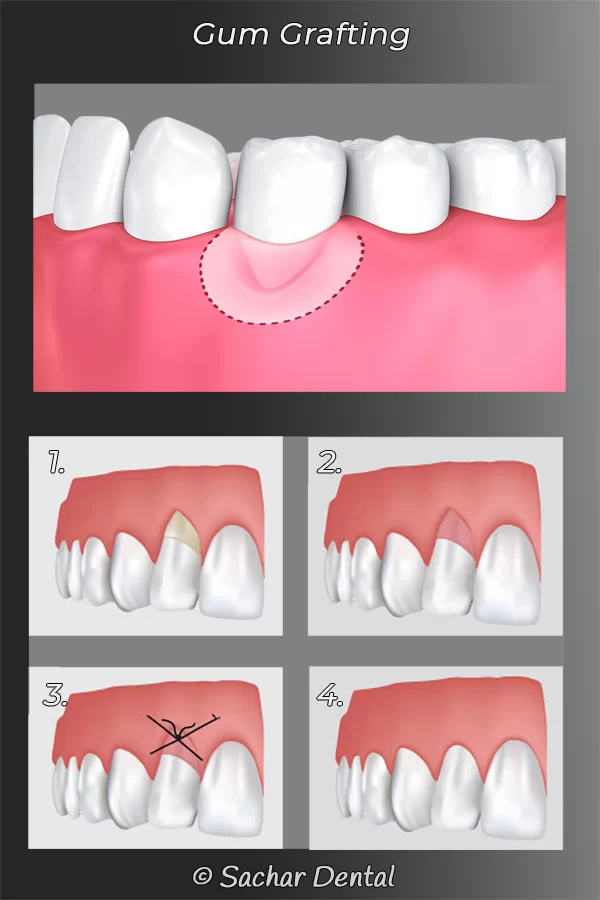
- Surgical options. For cosmetic or functional reasons, gum grafting can rebuild tissue in areas of significant recession.

dental hygienist cleaning teeth
Timeline and Expectations for Recovery
Recovery depends on severity. Mild recession with no active inflammation: you may notice reduced bleeding and sensitivity within 2–6 weeks after correcting technique and improving plaque control. If professional cleaning and deeper periodontal therapy are needed, stabilization of the disease process typically takes several months. Surgical interventions like gum grafts have their own healing timeline—usually a few weeks of discomfort and several months for full maturation of the tissue.
Tools and Products That Help
Products won't substitute for technique, but they can make correct technique easier to maintain.
- Soft-bristled toothbrush. Manual or electric; soft is non-negotiable.
- Electric toothbrush with pressure sensor. Provides immediate feedback to stop excessive force.
- Interdental brushes or floss. Clean the spaces where plaque initially accumulates.
- Desensitizing toothpaste. Helps manage sensitivity from exposed roots.
- Antimicrobial mouthwash. Short courses can reduce inflammation when used judiciously.
My Personal Fix — What I Changed and How I Felt
I switched to a soft-head electric brush, practiced gentle circular strokes, and started flossing every night. Within weeks my morning bleeding decreased. Sensitivity didn’t vanish instantly, but a desensitizing paste and time reduced the sharpness. The dentist charted halted progression at my next visit, and we began to discuss whether grafting was necessary for one stubborn low-mucosal area. The emotional part was as important as the physical: I had to accept that a lifetime habit could be wrong and that it was okay to relearn.
Costs, Insurance, and When to Consider Surgery
Non-surgical care—new toothbrush, floss, professional cleanings—are relatively inexpensive. Scaling and root planing and periodontal maintenance cost more and may be partially covered by dental insurance depending on your plan. Gum grafting or specialist care can be pricier and often requires a specialist referral. Discuss options with your dentist, ask for a phased plan, and consider second opinions if surgery is proposed for cosmetic reasons.
periodontal gum grafting procedure
Prevention Checklist — Daily Habits That Protect Your Gums
- Use a soft-bristled brush and replace it every 3 months.
- Brush gently at a 45-degree angle for two minutes twice daily.
- Floss or use interdental brushes daily.
- Delay brushing 20–30 minutes after acidic meals.
- See a dental professional for cleaning and checkups every 6–12 months or as recommended.
Conclusion — Small Changes, Big Difference
This story began with embarrassment and a sharp sentence from a dentist: "You've been doing it wrong." It ends with a more useful truth: the only way forward is knowledge plus action. The solution is rarely dramatic—soften your brush, slow your motion, and care for the spaces between your teeth. For many people, those small adjustments stop progression, reduce symptoms, and preserve oral health for decades to come. If your chart shows recession, act now; the sooner you change course, the fewer teeth you put at risk.
- Technique matters more than force: gentle brushing at a 45-degree angle prevents abrasion.
- Soft bristles are essential: hard brushes contribute to tissue loss.
- Interdental cleaning prevents inflammation: floss daily or use interdental brushes.
- Seek professional assessment: early intervention stops progression and widens treatment options.