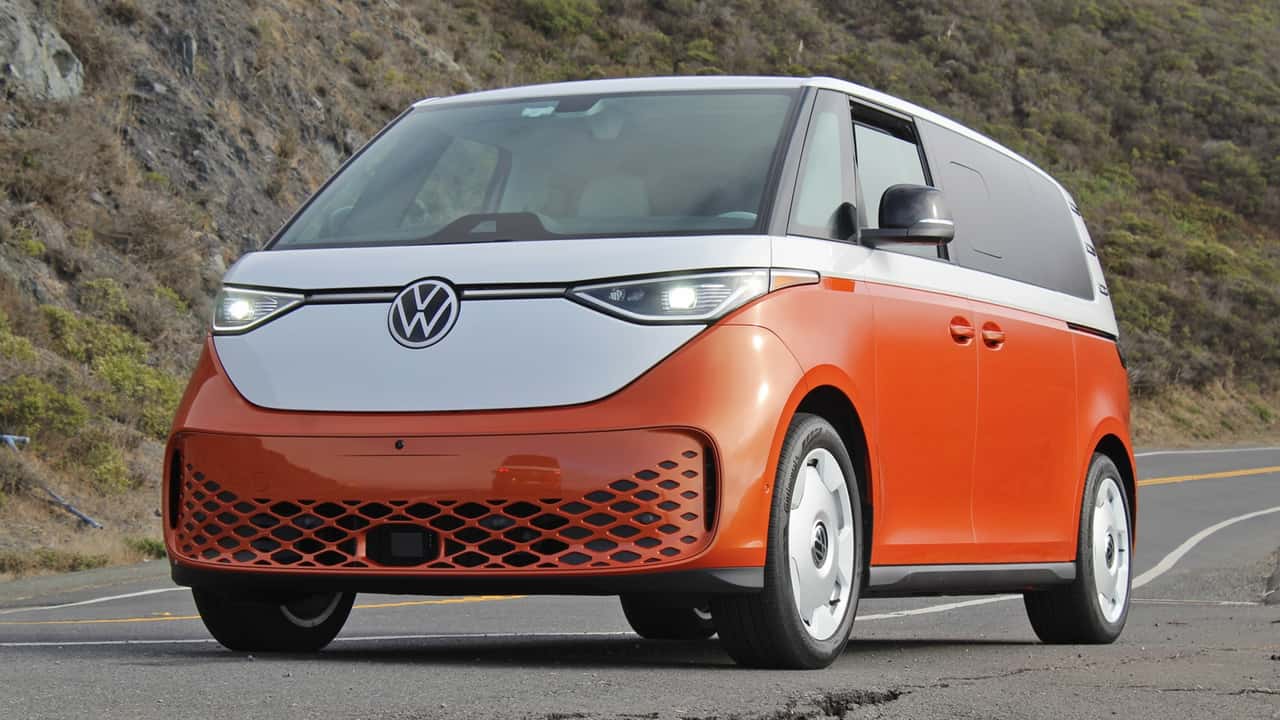
How Volkswagen Beat Tesla to Become Europe’s Top EV Seller in 2025
The headline reads simply, but its implications are complex: in 2025 Volkswagen reclaimed the top slot for battery-electric vehicle sales in Europe, edging past Tesla after a period of steep declines at the latter and aggressive gains by legacy automakers and new entrants. The shift is not a single cause story — it is the product of model cycles, pricing, distribution, policy changes and shifting consumer preferences across the European Union, the UK and EFTA markets. citeturn0search3
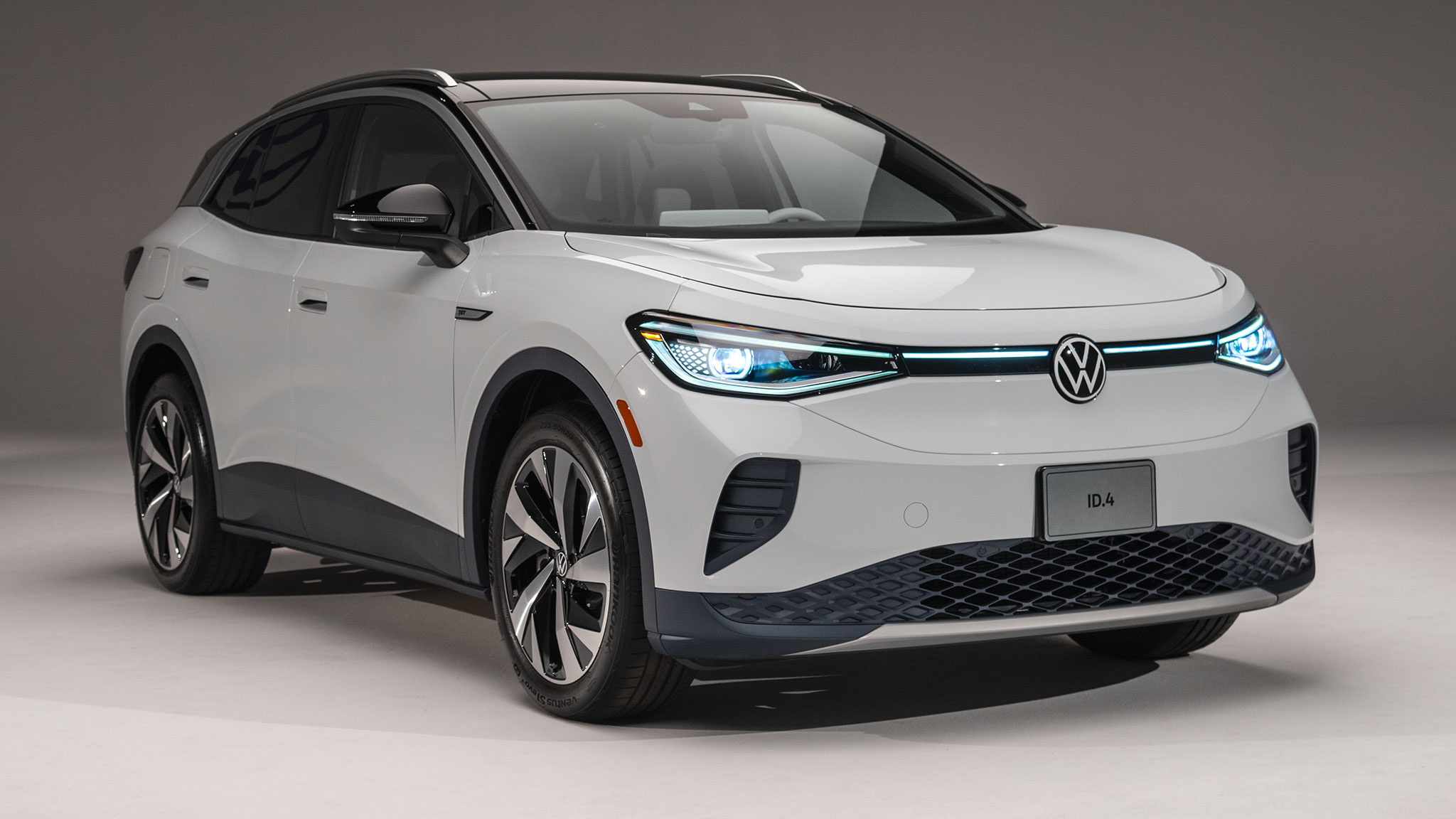
Volkswagen ID.4 electric car
What the numbers say
In the full-year 2025 tally that circulated through the automotive press, Volkswagen’s battery-electric sales in Europe rose sharply and were reported at roughly 274,417 units, compared with Tesla’s approximately 238,765 units — a gap of nearly 36,000 vehicles that reversed the balance of power the market had shown in recent years. Volkswagen’s growth was reported as a strong year-on-year surge while Tesla’s regional volumes were noted as falling markedly. These are the concrete data points that changed storylines in boardrooms and dealer lots across the continent. citeturn0search3turn0search5
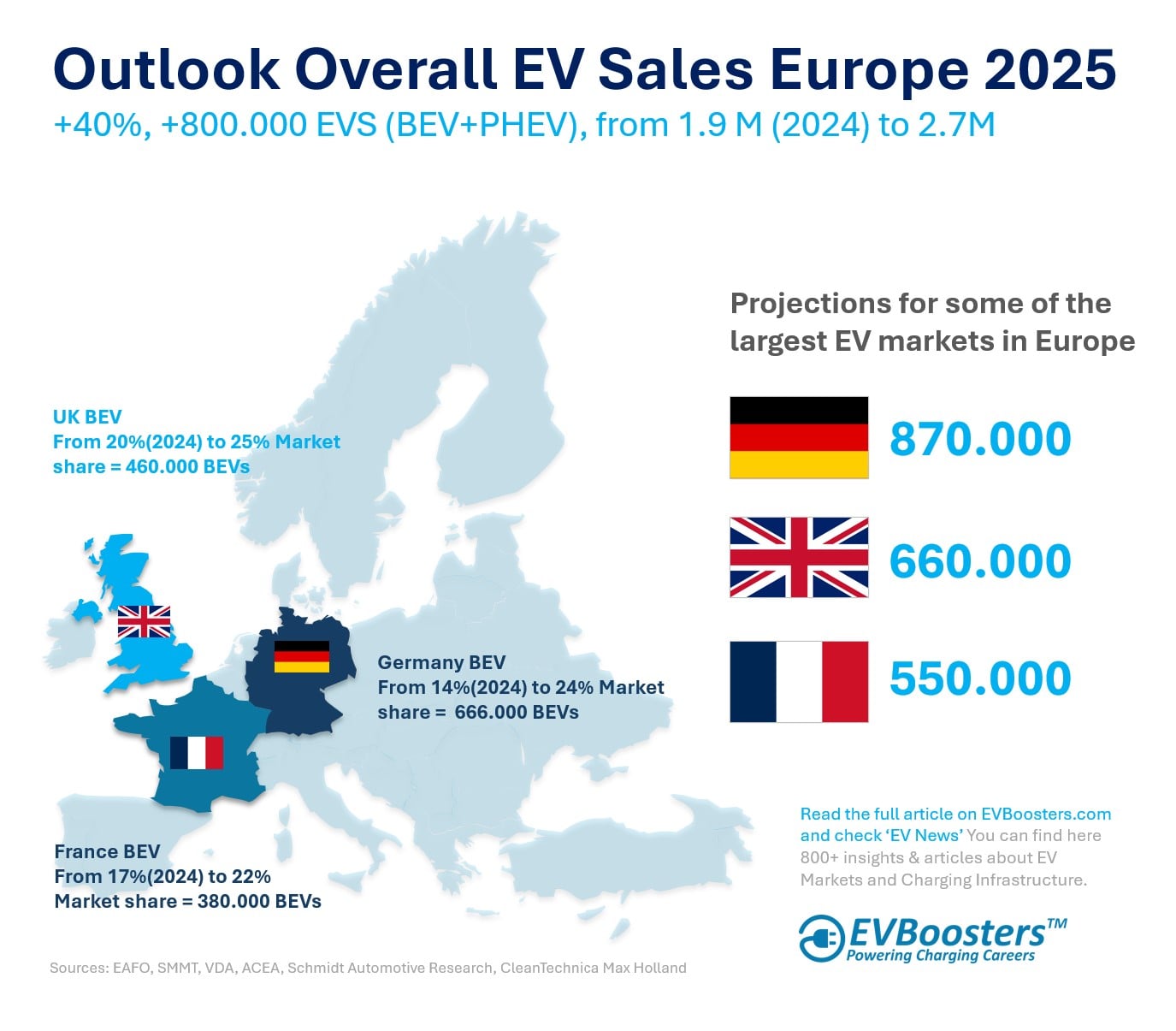
European EV sales 2025
Why this matters
Beyond bragging rights, a top-selling position in Europe confers advantages: stronger bargaining power with suppliers, higher brand momentum, preferential placement in incentive programs and clearer consumer mindshare — especially in a market where EV adoption is still accelerating but not yet ubiquitous. For Volkswagen, the result looked like validation of a multi-year product push. For Tesla, it raised questions about pricing, product refresh cadence and brand perception in markets that are unusually sensitive to incentives and local regulations.
The arc of Tesla’s decline and the rise of rivals
Tesla’s slide in Europe in 2025 was not a single-month anomaly but a sustained pattern: registrations fell across most major markets, with several countries recording steep year-on-year drops in Model 3 and Model Y volumes. Analysts and industry trackers pointed to a combination of factors — including shifting incentive rules in key countries, stronger competition in lower-priced segments, and at times controversial moves by company leadership that may have affected consumer sentiment. The cumulative effect was a meaningful contraction of Tesla’s European footprint in 2025. citeturn0search5turn0search0
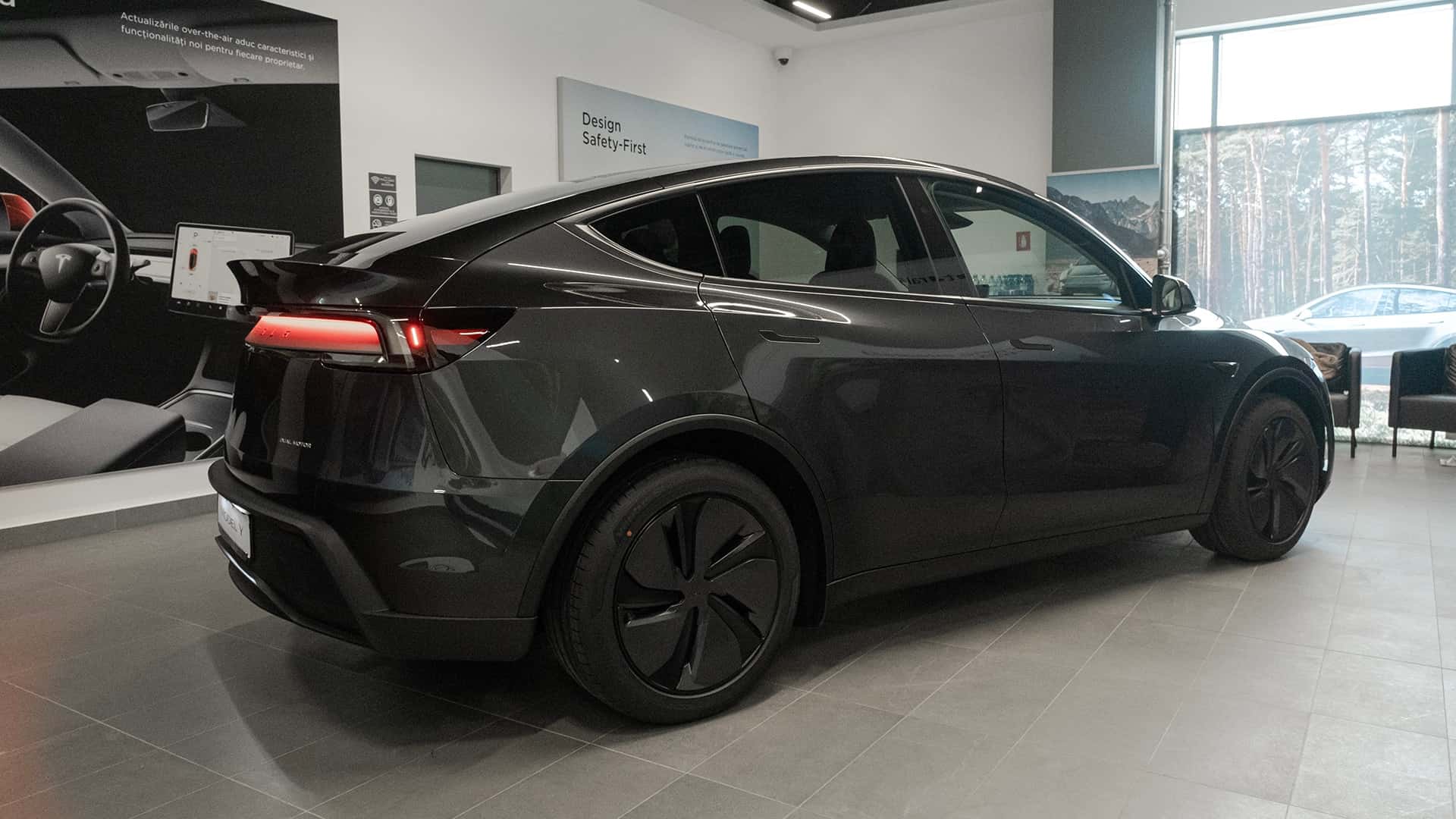
Tesla Model Y Europe
Chinese brands closing the gap
A concurrent trend amplified the story: Chinese manufacturers such as BYD and SAIC accelerated their expansion in Europe, often undercutting incumbent prices while offering competitive range and equipment. BYD’s European registrations rose by multiples year-over-year in 2025, narrowing gaps and applying downward pressure on prices and margins across the segment. These newcomers made the market more crowded and more fluid, benefiting manufacturers that could move quickly on pricing and distribution. citeturn0search4turn0search6
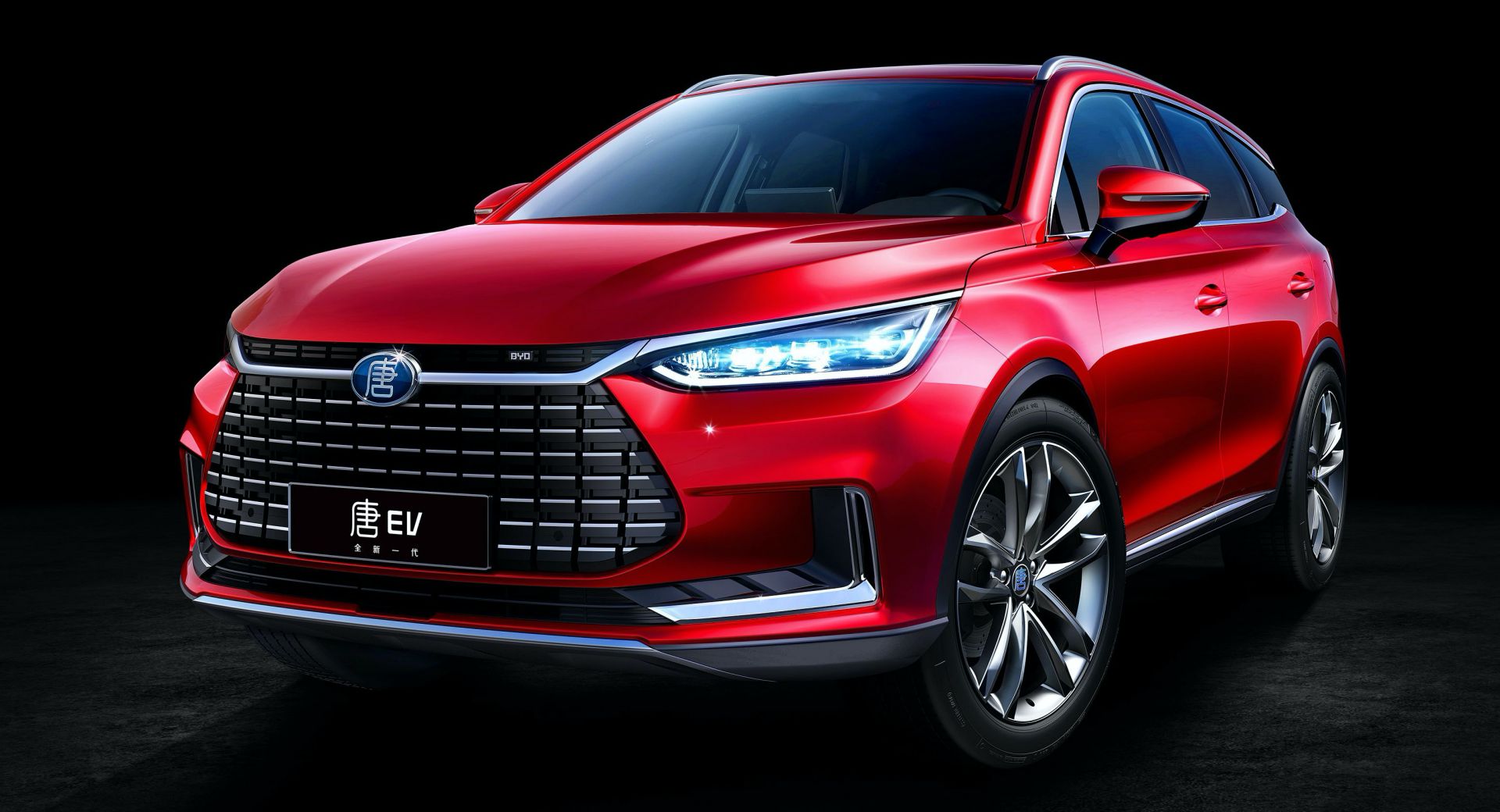
BYD electric vehicles Europe
How Volkswagen did it: product, pricing and distribution
Volkswagen’s rise to the top was not accidental. Several strategic shifts contributed:
- Product refresh cadence: Volkswagen pushed updated ID-family models and rolled out new variants at a steady clip, addressing earlier software and reliability criticisms that had dogged the ID launch years. This made the models more attractive to a broader buyer base.
- Competitive pricing and trims: VW used scale to offer more attractive entry-level trims in important markets, while preserving profitable upper trims for margin management.
- Dealer network leverage: Unlike Tesla’s direct-sales model, Volkswagen continued to exploit thousands of dealerships across Europe, making test drives, aftersales and local financing easier for many customers.
- Software triage: After public criticism about software and quality glitches, Volkswagen prioritized OTA fixes and quality-control processes, which reduced return visits and improved consumer reviews.
- Supply-chain stabilization: VW’s supplier base and battery partnerships allowed more predictable production flows in 2025 compared with competitors still wrestling with shortages and ramp delays.
Those elements combined to flip buyer decisions in months when unseen factors — incentive changes, local registration rules and the arrival of competitive models — otherwise would have favored Tesla and certain Chinese entrants.
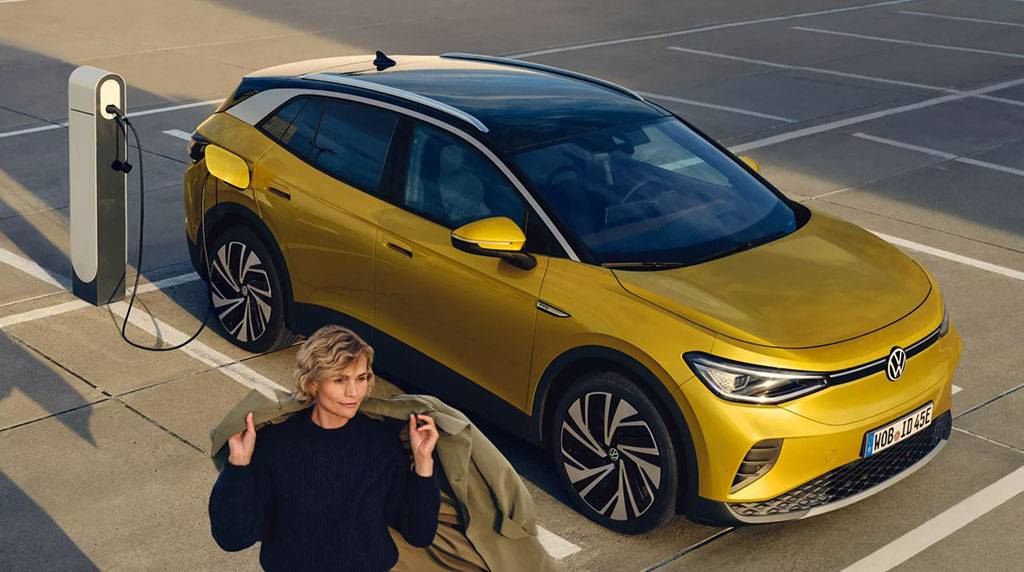
Volkswagen dealer network EV
“The win was operational as much as it was tactical — Volkswagen repaired its product story and leaned on infrastructure Tesla does not have.”
Policy and incentives: the subtle accelerant
European EV demand is highly responsive to national incentive structures and regulatory nudges. In 2025 several countries adjusted purchase incentives, eligibility rules and tax treatments; in some cases these changes favored locally produced or European-built models, in others they penalized imported variants or certain battery chemistries. The net effect for 2025 was a shifting landscape that did not uniformly reward Tesla’s existing mix of vehicles and, in certain markets, advantaged Volkswagen and other established manufacturers with Europe-focused production and supply chains. citeturn0search1
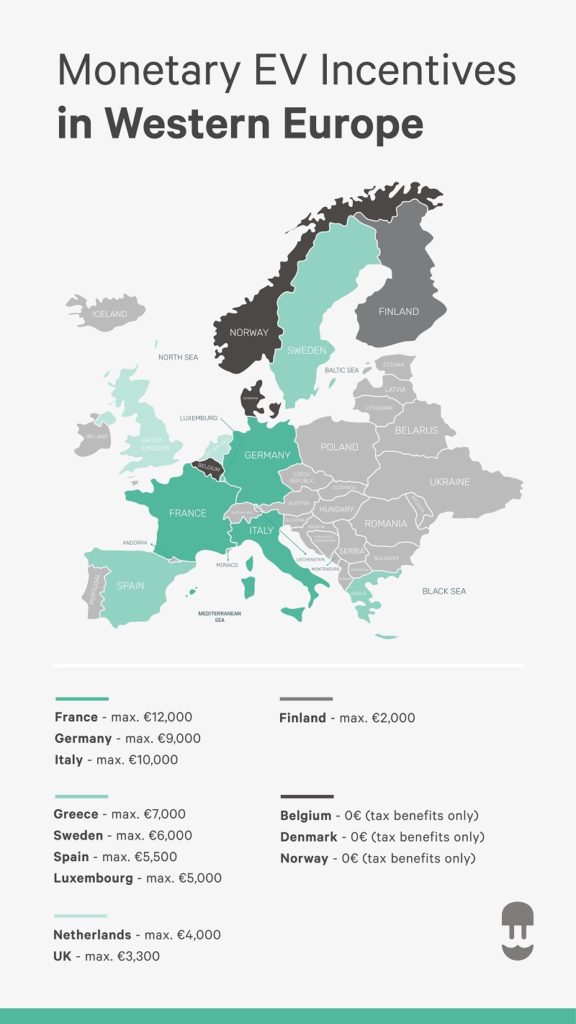
European EV incentive policy
Local rules, national quirks
Examples included adjustments to bonus schemes, changes to the treatment of low-emission bands for registration taxes, and nuanced rules about where batteries are manufactured that affected eligibility for grants. Buyers in France, Germany and parts of southern Europe responded to these specifics in ways that benefited the brands whose products better matched the new rules.
Consumer sentiment and brand perception
Brand matters. Tesla’s early-mover advantage gave it premium status and the aura of innovation; by 2025, however, perception shifted in some buyer segments from aspiration to pragmatism. Consumers weighing purchase decisions increasingly prioritized total cost of ownership, dealer support, local servicing, and software maturity. Volkswagen’s long-standing relationships with customers, fleets, and leasing companies — and its reputation for broad model availability — converted undecided buyers in months when Tesla’s PR missteps and slower product refreshes left an opening.
The role of used EV values and leasing
Used-resale expectations and lease rates influenced purchases: brands that managed residual values and provided predictable leasing terms gained an advantage in corporate and fleet channels. Volkswagen’s move to smooth trade-in and leasing packages across dealers made entry-level EV ownership more accessible for businesses and private customers who prefer short-term financing solutions.
Competitive pressure from China and the middle market
Lower-priced but feature-rich Chinese models changed the playing field. Where Tesla once dominated a broad middle market with the Model 3 and Model Y, European buyers suddenly had more choices at lower price points. That forced Tesla to defend pricing while Volkswagen and others defended volumes by widening trim choices, optimizing standard equipment, and leaning on local sales channels.
Margin trade-offs and strategic choices
For Tesla, protecting margin on higher-end variants while attempting to retain volume in a more price-sensitive Europe proved difficult. Volkswagen’s strategy appeared to accept smaller unit margins in some entry trims in exchange for volume and market presence — a trade-off that paid off in the 2025 tally.
Stellantis electric cars Europe
Did You Know? European EV buyers are among the most incentive-sensitive in the world: even modest changes in purchase grants or tax bands can shift monthly registration patterns by several percentage points.
The operational lessons: software, quality and deliveries
Operational excellence was a key differentiator. Volkswagen’s intensive work on software stability and production ramp smoothing in 2024–25 reduced delivery delays and negative reviews — two factors that historically penalize volume. Tesla, by contrast, faced pockets of delivery timing issues and model-year timing mismatches that accelerated cancellations or delayed purchases into competitor showrooms.
A network advantage
Dealerships matter more than many anecdotes admit. For customers who want to test-drive, service locally and avoid long waits, Volkswagen’s dealer network remained a strong converting force. In markets where EV charging networks are still spotty, having fast local service and displays helps move undecided buyers into purchases more reliably than a direct-sales model that depends more on brand pull alone.
What this means for margins, R&D and the next model cycle
Winning volume is valuable, but it is only the first step. Volkswagen now faces pressure to convert topline gains into sustainable margins, invest in next-gen battery chemistries and maintain software parity with rival platforms. R&D will need to focus on efficiency, weight reduction, and battery cost decline if VW is to keep both price and profit advantages in a more crowded field.
Tesla’s strategic counterplays
Expect Tesla to respond on multiple fronts: pricing adjustments in specific markets, refreshes timed for competitiveness, expanded local partnerships for charging and service, and continued emphasis on high-margin features like FSD-style software. Whether those moves can restore volume leadership in Europe will depend on execution speed and how quickly Tesla can rebuild positive consumer sentiment in key countries.
Wider market implications
The outcome of 2025 signals a maturing market. A dominant single-player dynamic is less likely in Europe going forward; instead, the landscape looks set to be multipolar, with legacy automakers, Chinese entrants and Tesla each jockeying for niches. That means customers win: more models, more prices, and faster innovation cycles — but it also means thinner margins for many manufacturers and more emphasis on cost, supply chain resilience and local policy engagement.
Fleet and corporate procurement
Corporate buyers and fleets, which account for a large share of new registrations in several European countries, took notice of consistent deliveries and total cost-of-ownership data. Volkswagen’s improved supply reliability and localized leasing offers made it more attractive to fleet managers calculating three- to five-year ownership costs, helping push volumes in business channels where Tesla historically had less penetration.
Short table: 2024 vs 2025 Europe electric registrations (selected)
To give a clear snapshot, the following table summarizes reported 2025 and (where available) prior-year registrations for two headline brands in the EU+EFTA+UK market.
| Brand | 2024 Registrations (approx.) | 2025 Registrations (approx.) |
|---|---|---|
| Volkswagen (BEV) | ~175,000 | ~274,417 |
| Tesla (BEV) | ~326,525 | ~238,765 |
These rounded figures capture the scale and direction of change; Volkswagen’s jump and Tesla’s decline underpin the narrative of an industry in transition. citeturn0search3turn0search5
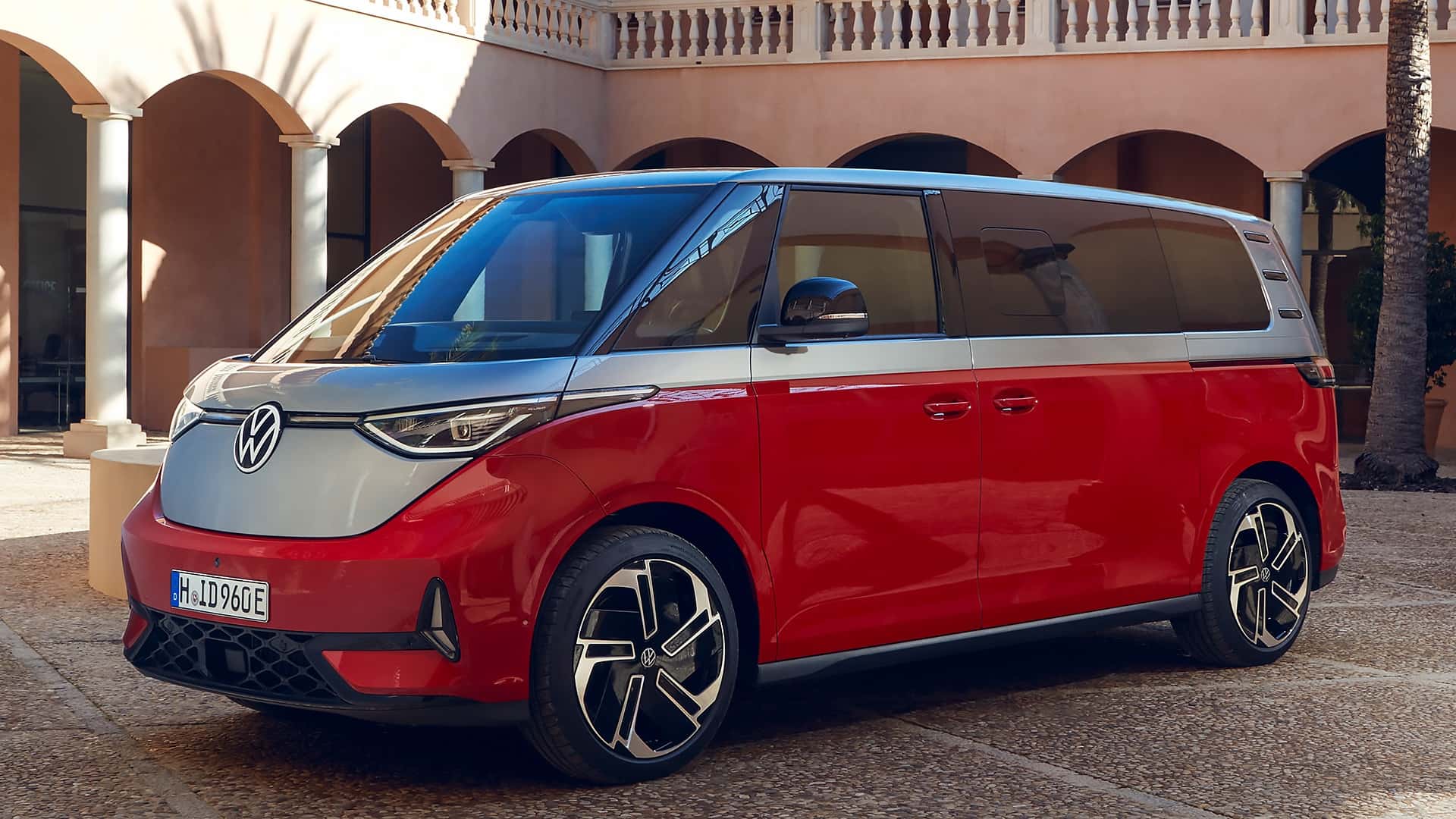
ID.Buzz electric van
Risks and the path ahead
No lead is permanent. Volkswagen must guard against complacency. Risks include raw-material price swings, battery supply bottlenecks, renewed price competition from China, and the constant need to keep software and customer service aligned with rapidly rising expectations. For Tesla, the immediate task is damage control in perception-sensitive markets, while simultaneously preparing new product and service initiatives to win back buyers.
Regulatory uncertainties
European regulation on emissions, battery recycling and import reviews will continue to shape competitive advantages. Companies that anticipate rule changes and align production footprints will be rewarded; those that treat regulations as afterthoughts may face penalties in market access or incentive eligibility.
Pro Tip Watch national incentive calendars: many registration spikes are aligned with deadline-driven grant windows and tax-year cutoffs — a predictable rhythm that savvy manufacturers and buyers exploit.
What consumers should watch
For buyers, the 2025 shake-up means more negotiating leverage and more model choices. Pay attention to aftersales networks, warranty terms, software-update policies and total cost of ownership rather than headline range numbers alone. Where you live still matters: incentive changes in one country can change the effective price of the same car by thousands of euros overnight.
Conclusion: a new chapter, not the end of another
Volkswagen’s ascension to Europe’s top-selling EV brand in 2025 is a signal that the EV market has entered a new, more competitive phase. It illustrates the value of product reliability, distribution reach and local market sensitivity. It also underscores that Tesla’s early lead, while historically decisive, is no longer unassailable. The coming years will be shaped by who can combine scale with software excellence and local market agility — and by how quickly Chinese entrants convert growth into sustainable European footprints. citeturn0search3turn0search4
- Numbers matter: Volkswagen’s 2025 BEV volumes reportedly surpassed Tesla’s in Europe by roughly 36,000 units.
- Multiple causes: Product refreshes, dealer networks, policy shifts and Chinese competition all contributed.
- Market maturity: Europe is shifting to a multipolar EV market where execution and local strategy matter most.
Data cited reflects compiled 2025 registration reports and industry tracker summaries reported in the press.