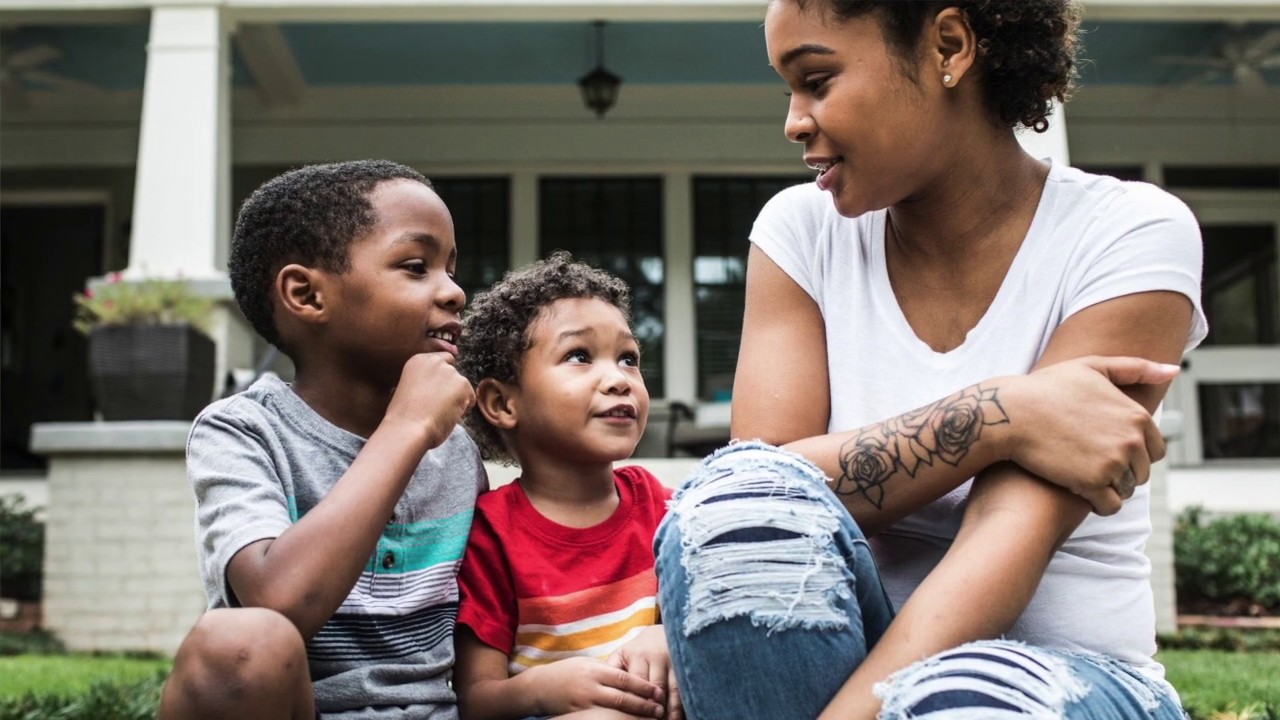
How to Respond When a Toddler Notices Race: A Parent’s Guide
“Why is that person black?” It’s the kind of question many parents dread because it lands on the knobby table of race, identity, and history—and because the word ‘race’ often makes adults freeze. But a two-and-a-half-year-old pointing out differences between people is exactly what toddlers do: they notice, categorize, and name the world around them. The better question isn’t whether the child noticed—it's how you reply in a way that honors curiosity, teaches respect, and steers clear of accidental harm.
toddler noticing skin color
Why young children notice race and what it means
From about two years old children sharpen their observational skills. They notice skin color, hair texture, clothing, and other visible traits because those are handy cues for sorting people and objects. That observation is not inherently biased; it’s a normal developmental step. What matters is how caregivers frame those observations. A neutral, curious, and honest response plants the seeds for later understanding of identity, fairness, and belonging.
toddler skin color curiosity
Understanding development: observation versus judgment
At 2–3 years children are concrete thinkers. They don’t yet hold complex theories about groups or power dynamics; they group by what’s visible. This means a child’s comment often reflects a simple pattern recognition rather than a value judgment. Interpreting their comment as malicious or racist risks shutting down future questions. Instead, it’s an opportunity to teach language and empathy at a level they can grasp.
What you say first matters more than what you say later—tone and curiosity shape learning.
How to respond in the moment: practical language you can use
When your toddler points out differences, your answer should be short, clear, and non-judgmental. Aim for language that names the observable fact, models respectful words, and invites gentle curiosity.
parent calm response race question
Simple, age-appropriate responses
Label the observation. “Yes—her skin is brown.”
Model respectful language. “We all come in different colors. Isn’t that interesting?”
Redirect to shared humanity. “She is going to the store just like we are.”
Use curiosity questions sparingly. “What did you notice?” or “What makes you say that?”—only if the child is engaged and not searching for approval.
These short replies do three things: they normalize difference, they provide vocabulary, and they keep the conversation calm. Avoid over-explaining or lecturing—toddlers’ attention spans are short, and long answers can confuse rather than clarify.
What to avoid saying
Some responses inadvertently teach problematic lessons. Try to avoid phrases that erase identity or imply shame.
“We don’t see color.” This phrase can unintentionally deny a child’s real observation and dismiss the importance of identity for people who experience both pride and discrimination related to their backgrounds.
“That’s not nice to say.” If the child is simply naming what they see, labeling the observation as “not nice” can shut down curiosity and make them afraid to ask future questions.
Overly clinical or evasive answers. Saying “I don’t know” or changing the subject without offering alternative language misses a teachable moment.
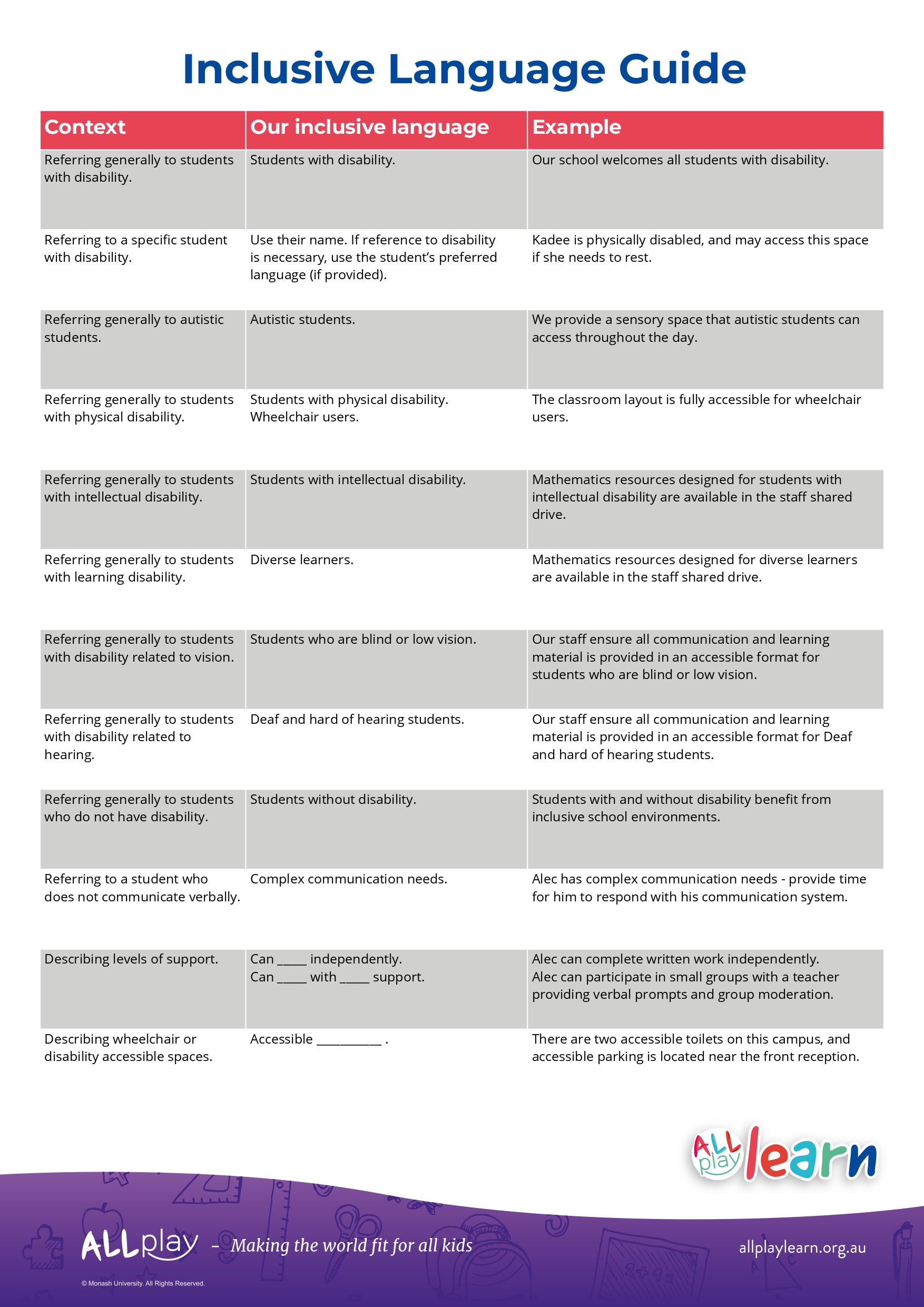
inclusive language for toddlers
Turn the moment into learning without making it heavy
For toddlers, learning about difference can be playful and gentle rather than didactic. Use everyday moments—storybook reading, playdates, neighborhood walks—to introduce diverse faces and stories. The goal is not to ‘fix’ bias in a single conversation, but to create an environment where diversity is normal and empathy is modeled.
Everyday practices that reinforce respectful thinking
Use diverse books and toys. Representation in picture books and dolls helps children see many kinds of people as part of “normal” life.
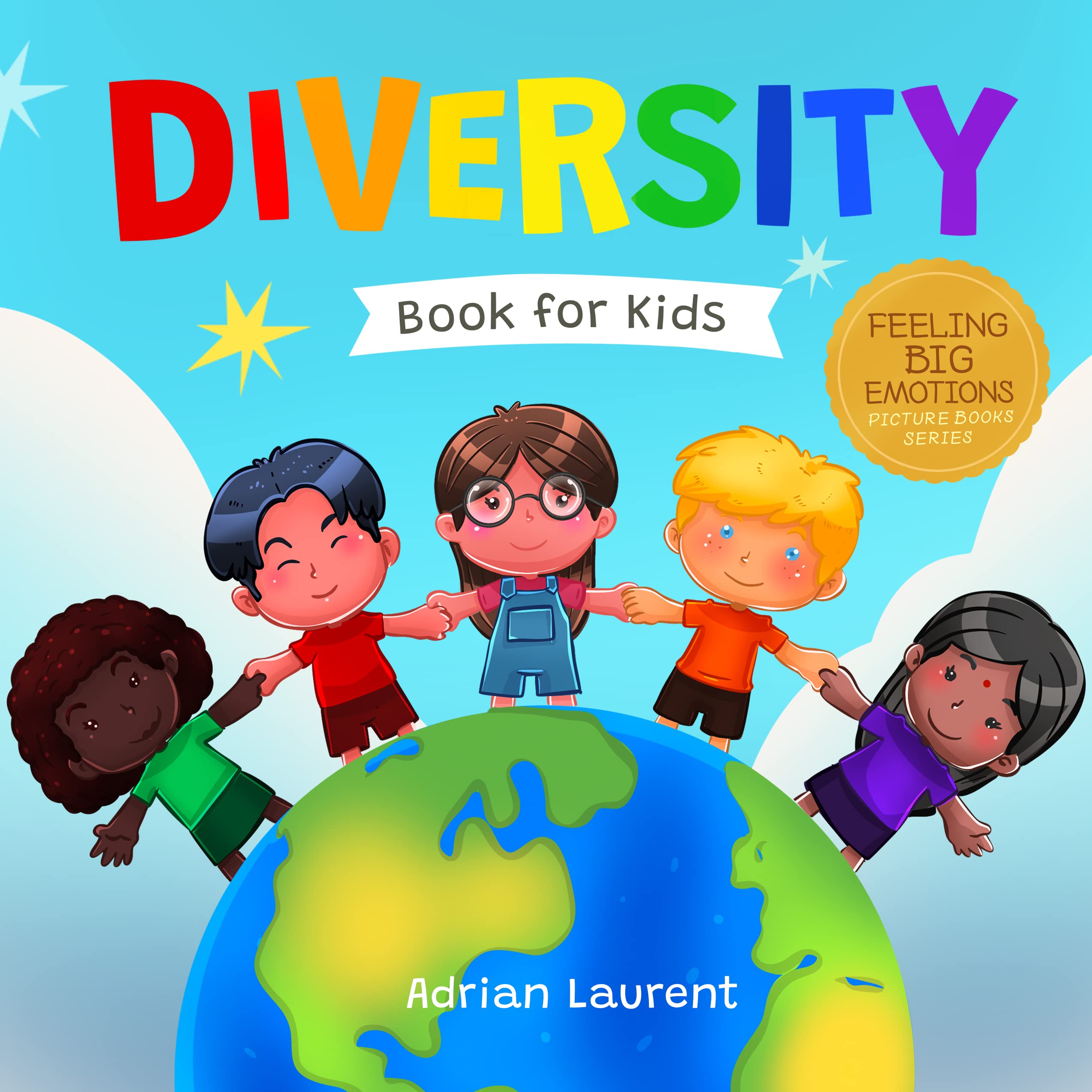
diverse picture books for kids
Model inclusive language. Narrate: “Look, that family is speaking Spanish—how neat to hear another language.”
Point out shared feelings. “He looks happy—he’s smiling just like you do when you get ice cream.”
Expose rather than explain. More experiences with diverse people reduce novelty and help build familiarity.
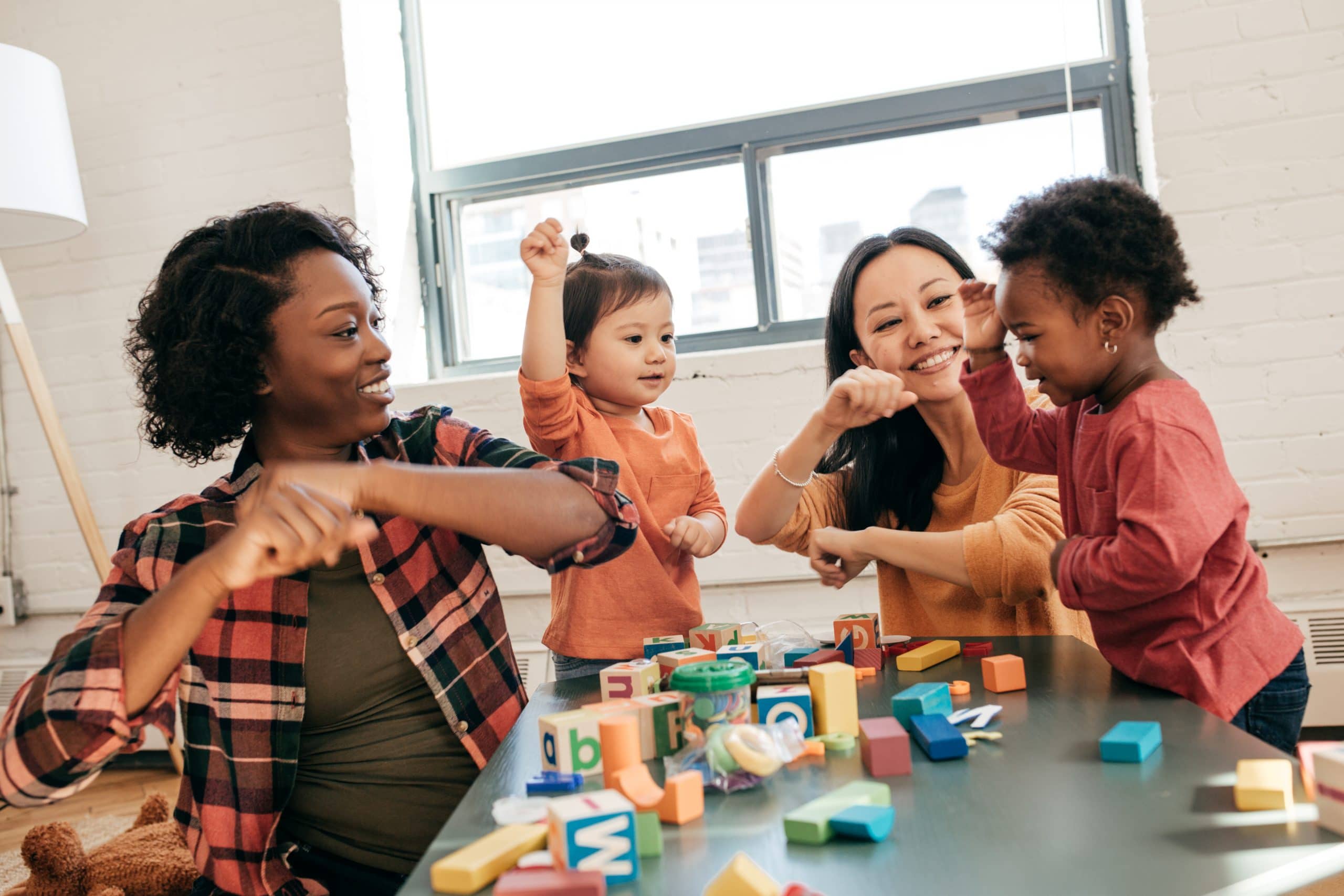
multicultural family playdate diverse
Handling awkward or uncomfortable questions
Sometimes a toddler’s phrasing can sound blunt or rude. How you manage the discomfort is important. Keep tone neutral, correct gently, and offer alternatives for future phrasing. For example, if a child says “Why is that lady so dark?” you might respond, “We can say ‘her skin is brown’ or ‘she has brown skin.’ Let’s try saying that together.”
Repair and model
If the child’s words hurt someone (or if you worry they might), a short apology and demonstration of kinder wording is enough: “We used a different word—let’s say it like this. I’m sorry if I hurt your feelings.” Modeling graceful repair teaches humility and respect.
Addressing your own discomfort and biases
Parents often get flustered because race is emotionally loaded and connected to adult experiences of injustice. Before responding, take a breath. Your composure signals to your child whether this is a safe topic to explore. If you feel uncertain about what to say, prepare a few go-to phrases ahead of time and practice them so your response feels natural.
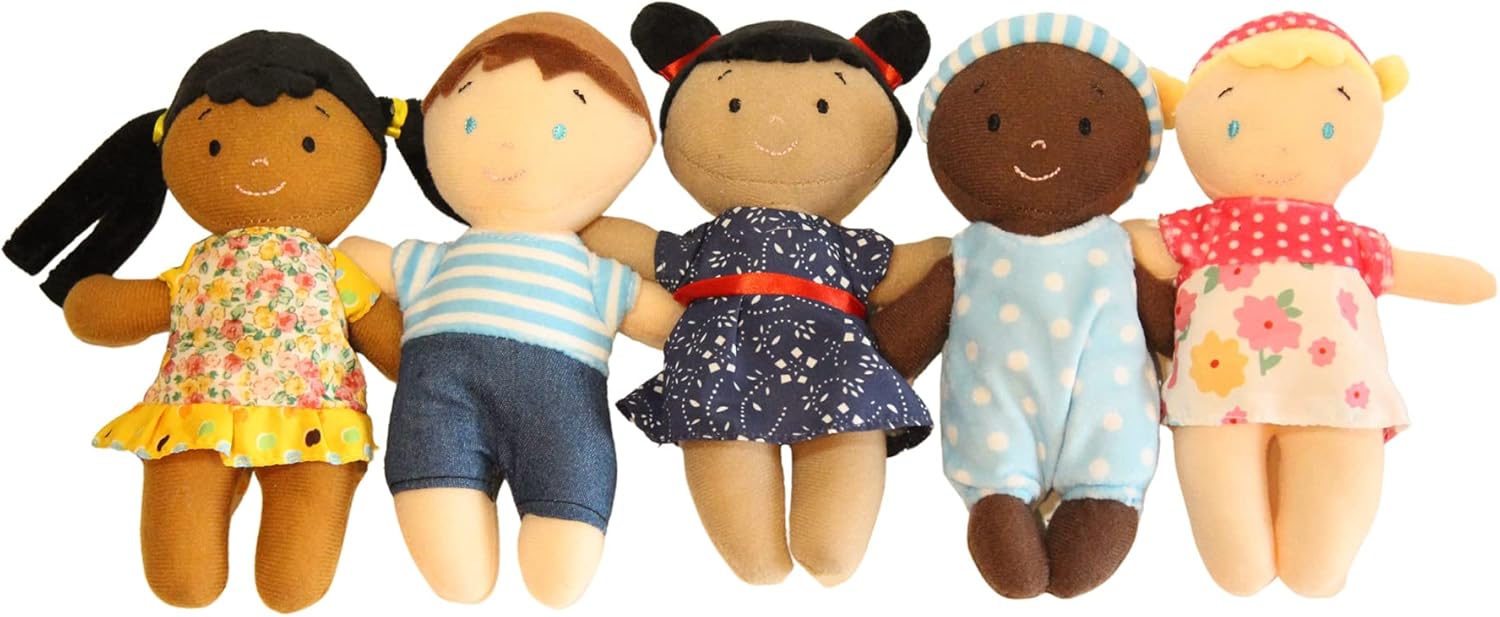
diverse dolls and toys
Reflect, learn, and model growth
Parenting through topics of identity means ongoing learning. Read widely, seek diverse perspectives, and talk with other caregivers. When you change your own language or understanding, say so out loud to your child: “I used to say something different, but I learned a better word.” That models humility and the habit of learning.
Practical scripts for common situations
Below are short, repeatable phrases you can use depending on what your child says. Keep them simple and consistent.
Child: “Why is that person black?” Parent: “Yes—her skin is brown. People come in many colors.”
Child: “Why does he have different hair?” Parent: “Some hair is curly and some is straight. It’s one of the many things that make people unique.”
Child: “Is he like me?” Parent: “He’s different in some ways and similar in others. We all like things like playing and being kind.”
When to have deeper conversations
Toddlers don’t need full historical explanations about oppression. As children grow older, you can layer in age-appropriate concepts: fairness, exclusion, power, and history. The key is scaffolding—start with simple facts, add empathy language, then introduce structural ideas when the child can understand cause and effect, usually closer to school age.
Developmental roadmap (brief)
Toddlers (2–3): Notice differences; provide neutral labels and model respect.
Preschool (3–5): Introduce feelings, fairness, and friendly role models; read diverse stories.
Early school age (6–9): Start conversations about fairness and simple history using concrete examples.
Practical resources and routines to build inclusive habits
You don’t need an elaborate curriculum—small, consistent routines work best. Make diverse reading a daily habit, choose toys that reflect different skin tones, include multicultural foods occasionally, and seek playdates with families from various backgrounds when possible. These routines normalize diversity without turning every interaction into a teachable moment.
Sample daily rituals
Bedtime reading: Rotate picture books with protagonists of different backgrounds.
Mirror talk: Compliment physical traits in everyone—“I love your curly hair!”—to teach pride in appearance.
Neighborhood noticing: Point out languages, styles, and celebrations in neutral, curious ways.
What if other adults respond poorly?
Children learn from many adults—relatives, teachers, neighbors. If you hear someone using dismissive or demeaning language around your child, gently redirect if you can, or debrief with your child afterward. Say something like, “Some people use words that aren’t kind. We say people come in all colors and everyone deserves respect.” This reinforces your family’s values without escalating conflict.
Conclusion: curiosity, honesty, and practice
When a two-and-a-half-year-old points out differences between white and Black people, the moment is a doorway: step through with clarity, calm, and kindness. Acknowledge what the child sees, offer simple respectful language, and use daily routines to normalize diversity. Over time these small acts build a framework of empathy and understanding that helps children grow into people who notice difference without devaluing it.
- Answer briefly and honestly: name what the child observed in neutral terms.
- Avoid colorblind language that negates identity; model respectful phrasing instead.
- Use books, play, and everyday comments to normalize diversity.
- Prepare simple scripts and practice calm responses to protect curiosity.
- Model ongoing learning and show that changing language is part of growing.
Acknowledging a child’s observation with honesty and care helps them learn to respect differences.